
Review · SEOUL
Seoul: Vegan Temple Food Class, Jogyesa & Changdeokgung Tour
Cook your way into Seoul’s quiet side. This experience links a hands-on vegan temple food class with Jogyesa Temple, Insadong, a medicinal herb market, and Changdeokgung Palace. I like the rare chance to cook with a Buddhist monk, and I like that the day connects food with Korean ideas about balance, seasonality, and wellness. The main drawback is the amount of walking, plus the fact that cooking is done standing, so this is not an easy outing for anyone with mobility concerns.
The $73 price is reasonable if you want several experiences in one booking: a guided cooking class, a temple visit, a cultural neighborhood, a medicinal market, and palace admission. Guides such as Bruce, Gina, Ron, and BJ have been praised for their help with translation, food, medicine, and palace stories. Just remember that the menu changes with the seasons, and you should plan to eat the food at the class rather than carry it away.
Key Points at a Glance
- Cook with a practicing Buddhist monk: Learn how temple food reflects simplicity, seasonality, and mindful living.
- Taste a fully plant-based Korean meal: No meat is used, and the dishes change according to available seasonal ingredients.
- Visit Korea’s largest medicinal herb and ginseng market: See where traditional ingredients meet everyday Korean health culture.
- Walk through Jogyesa and Insadong: Move from Seoul’s central Zen Buddhist temple to teahouses, crafts, and calligraphy.
- Explore Changdeokgung Palace: Visit a UNESCO World Heritage site with graceful royal buildings and quiet gardens.
- Plan for a full walking day: The tour runs in rain or snow and is not suited to people who struggle with long distances.
Why This Seoul Experience Feels Different
Many Seoul tours move quickly from one famous sight to another. This one has a slower idea at its center: food can explain a culture as well as a palace or museum. You do not simply look at Korean Buddhist traditions. You prepare part of the story yourself, then see how those values appear in temples, markets, and royal architecture.
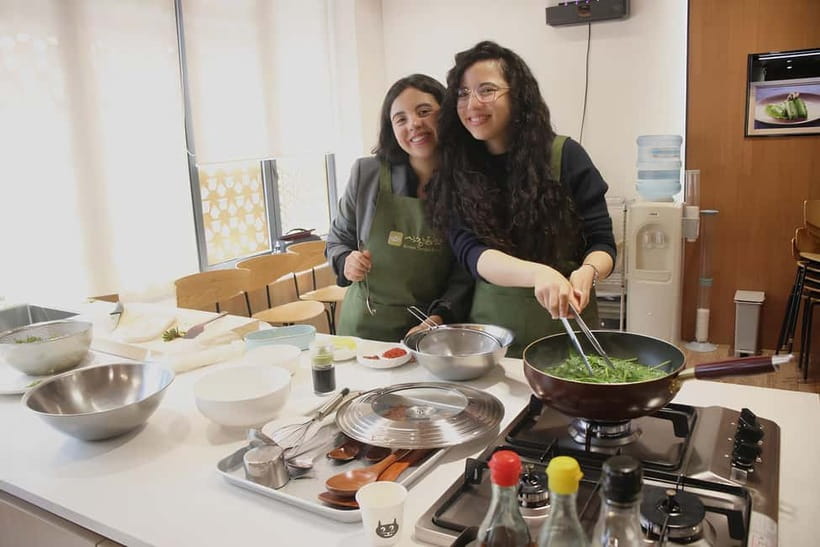
The cooking class gives the day its strongest focus. You work with plant-based ingredients under the direction of a Buddhist monk, then eat what you have made on site. That makes the meal more than a tasting. You learn why temple cuisine avoids meat and why simple, seasonal ingredients matter in monastic life.
I also like the range of places included. Jogyesa offers a spiritual setting, Insadong brings traditional arts and shops, the medicinal market adds an unusual look at Korean wellness, and Changdeokgung supplies the royal grandeur. The stops are varied without feeling like unrelated checklist items.
The tradeoff is pace. This is not a short class followed by a quick palace visit. You will cook standing, walk through several areas, and spend much of the day on your feet. If you want a relaxed café day, choose something else. If you enjoy learning by doing, it offers good value.
Other temples and shrines people visit around Seoul:
- Seoul: Palace, Temple and Market Guided Foodie Tour at Night
★ 4.9 · 750 reviews - Seoul: Mt Seorak + Naksansa Temple or Nami Island Group Tour
★ 4.7 · 422 reviews - Seoul Night Palace & Market Food Tour with Vehicle
★ 5.0 · 275 reviews
Cooking Korean Temple Food With a Buddhist Monk
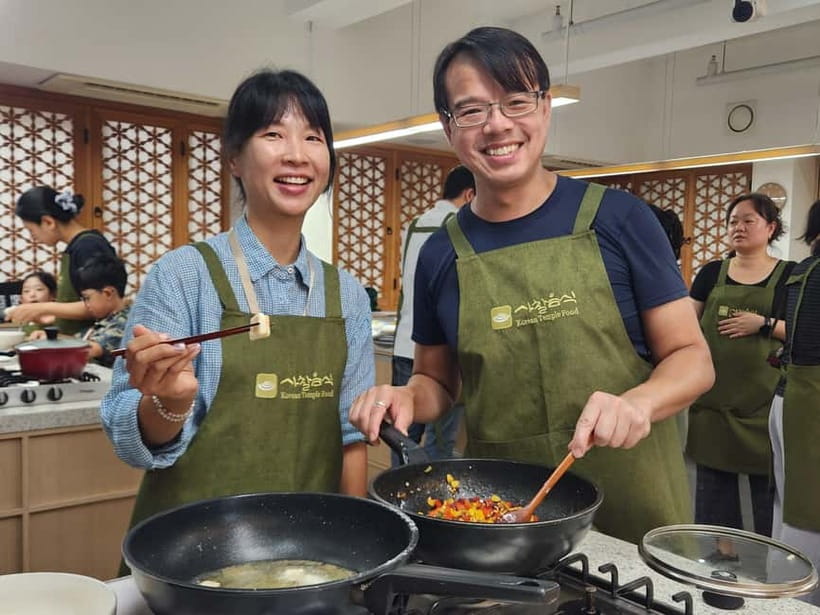
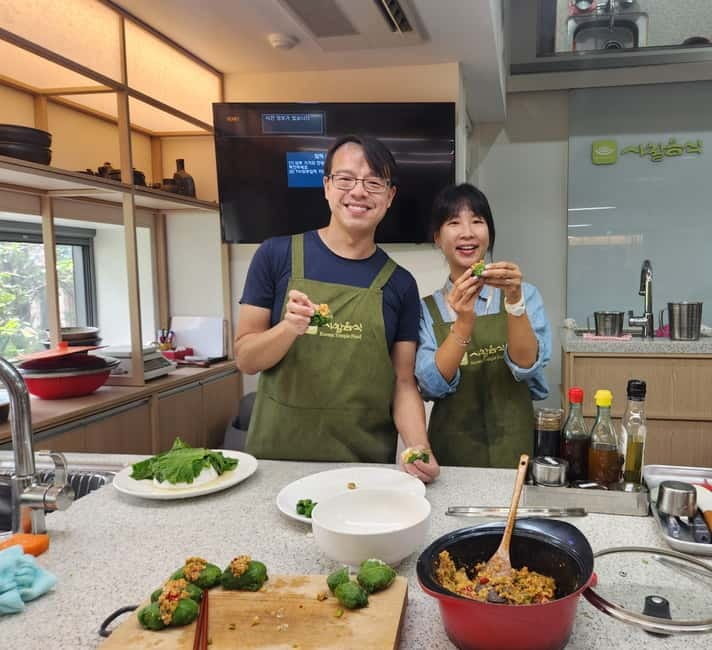
The class begins in a calm, contemporary studio grounded in Buddhist culinary practice. A practicing monk leads the cooking, giving you direct access to the ideas behind temple food rather than only a recipe demonstration.
You can expect to prepare vegan Korean dishes and then taste them at the location. Since the menu depends on seasonal ingredients, the exact dishes are not fixed. That is useful for understanding the cuisine, but it means you should not book this expecting one particular favorite dish.
The food is entirely meat-free, making the class suitable for vegetarians and for anyone curious about Korean cooking without animal products. The emphasis is on seasonality, simplicity, and harmony. Those principles help explain why temple food often feels restrained rather than heavily seasoned or overloaded with ingredients.
The most useful part may be the link between the ingredients and Buddhist values. You learn that the meal is not just plant-based for dietary reasons. It is also tied to mindful living, avoiding waste, and treating food as part of spiritual practice.
You eat the finished dishes on site. The organizers ask you to finish the meal there because temples try to avoid food waste. If you want to take anything with you, bring your own reusable container. That is a small but important practical detail, especially if you are used to carrying leftovers from cooking classes.
The class is done standing. It should suit you if you enjoy active participation, but it may be tiring for anyone with back, knee, or balance problems. Wear comfortable shoes and clothing that lets you work easily.
A useful scheduling note comes from the experience details: English is the tour language, and Saturday has been specifically identified as the day when classes are conducted in English. If language clarity is especially important to you, confirm the date and class arrangement before booking.
Jogyesa Temple and Seoul’s Buddhist Center
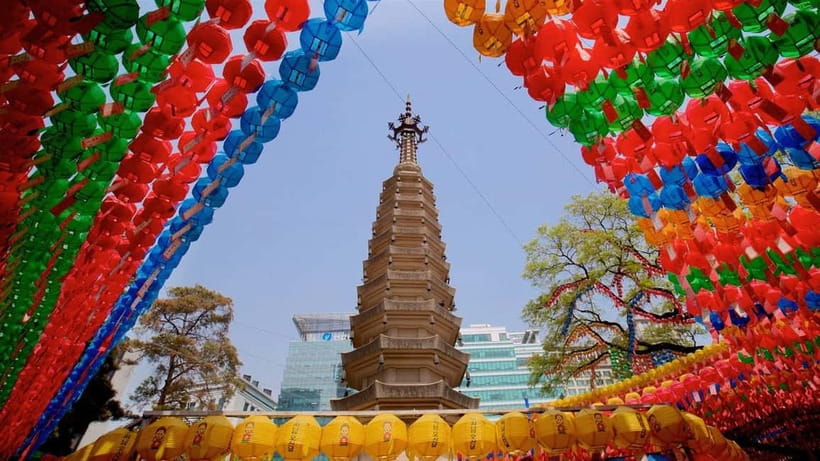
After the meal, the route moves to Jogyesa Temple, the spiritual heart of Korean Zen Buddhism. The change of mood is part of the appeal. You go from preparing food in a modern studio to walking beneath old trees and colorful lanterns in an active temple setting.
Jogyesa is not presented as a silent relic. It remains connected to daily Korean life, and the guide helps explain how Buddhist influence continues to shape food, customs, and spiritual practice. The temple visit makes the cooking lesson easier to understand because you see the tradition in its proper setting.
Take your time looking upward at the lanterns and around the temple grounds. The visit is not only about architecture. It gives you a chance to pause after the practical work of the class. I would treat this as one of the day’s quieter moments, even though the surrounding central Seoul streets can be active.
The route is conducted on foot, so this part adds to the day’s walking. There is no hotel pickup or drop-off. You meet the guide at Anguk Station Exit 1, where the guide holds a Tripper sign, and the activity ends back at the same meeting point.
Insadong’s Teahouses, Crafts, and Calligraphy
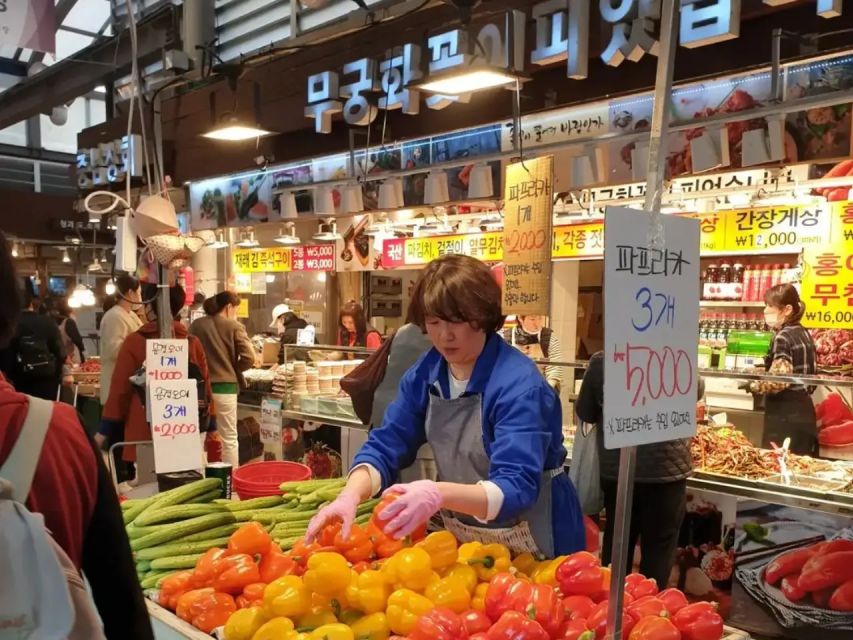
The walk through Insadong adds a more artistic side of traditional Seoul. This area is known for teahouses, craft shops, and calligraphy studios, so it offers a useful bridge between Jogyesa and the palace.
Do not expect a long, formal museum visit here. Insadong works best as a street-level look at traditional culture. You can browse handmade goods, look into small shops, and notice how old artistic practices fit into a modern city district.
The area also helps break up the day. After the focused cooking lesson and the temple visit, Insadong gives you room to observe, browse, and ask questions. Guides such as Gina have been praised for explaining Korean food and medicine while also sharing local delicacies and cultural details.
The exact amount of free time is not specified, so I would not plan on a long independent shopping session. Think of this as a guided cultural walk rather than a dedicated shopping tour. If you want to buy crafts or tea, bring a little room in your bag, but keep your expectations practical.
A few more temple visits around Seoul worth a look
- Seoul Sunrise & Sunset Hike + Temple & K-Food Adventure
★ 4.8 · 6 reviews - Bangkok by Night: Temples, Markets and Food Tuk-Tuk Tour
★ 5.0 · 3,752 reviews - Bangkok: Markets, Temples and Food Night Tour by Tuk Tuk
★ 4.9 · 2,371 reviews - 1-Day Snow Monkeys, Zenko-ji Temple & Sake in Nagano
★ 5.0 · 1,020 reviews
Korea’s Medicinal Herb and Ginseng Market
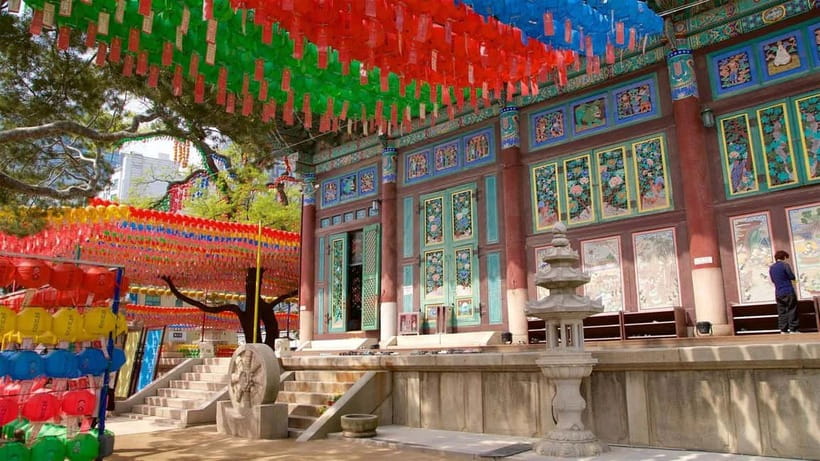
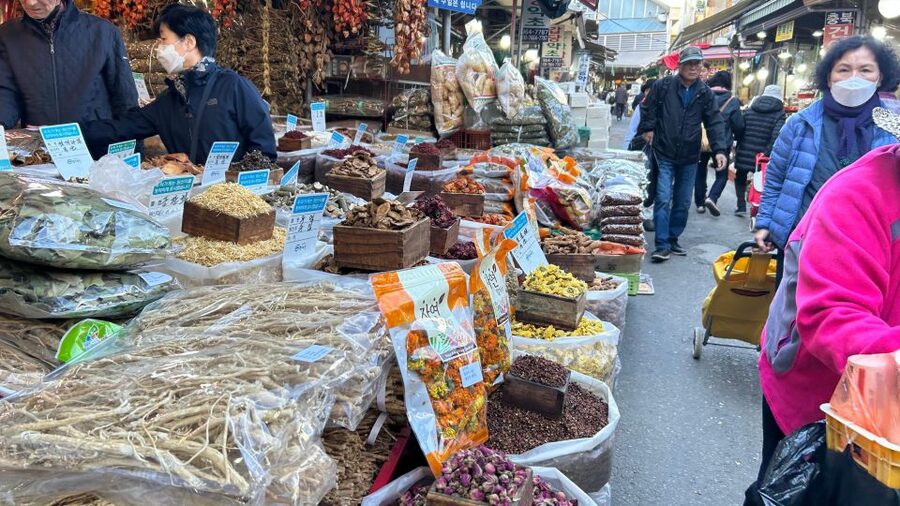
One of the more unusual parts of the experience is the visit to Korea’s largest medicinal herb and ginseng market. This adds a layer that many standard Seoul sightseeing routes miss.
Here, the focus is on ingredients connected to traditional Korean medicine and everyday ideas about health. The cooking class has already introduced you to food as part of mindful living. The market expands that theme by showing how herbs, ginseng, and other medicinal ingredients are bought and discussed.
The guiding can be especially helpful here. The experience includes explanations of traditional medicine and the way food recommendations may be linked to different body types and personal constitution. That does not turn the tour into medical advice, but it does show how Korean food culture and wellness traditions overlap.
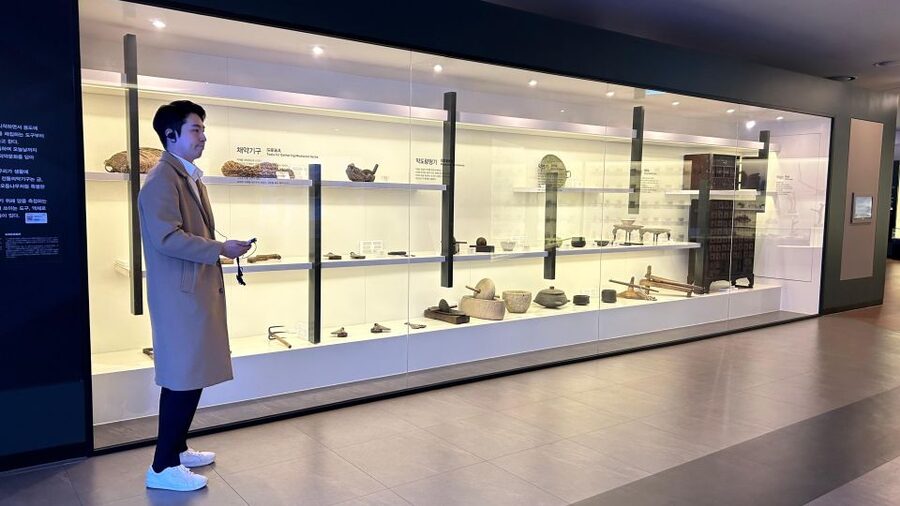
A museum visit in traditional dress has also been part of the route described for this experience. You may see displays that explain medicinal ingredients and traditional practices in a more organized setting before walking through the market itself.
This stop is best for curious eaters and anyone interested in wellness traditions. If you only want famous monuments, the market may feel less immediately exciting than the palace. Give it time, though. It is one of the places where the day feels most connected to ordinary Korean life.
Changdeokgung Palace and the Joseon Royal Court
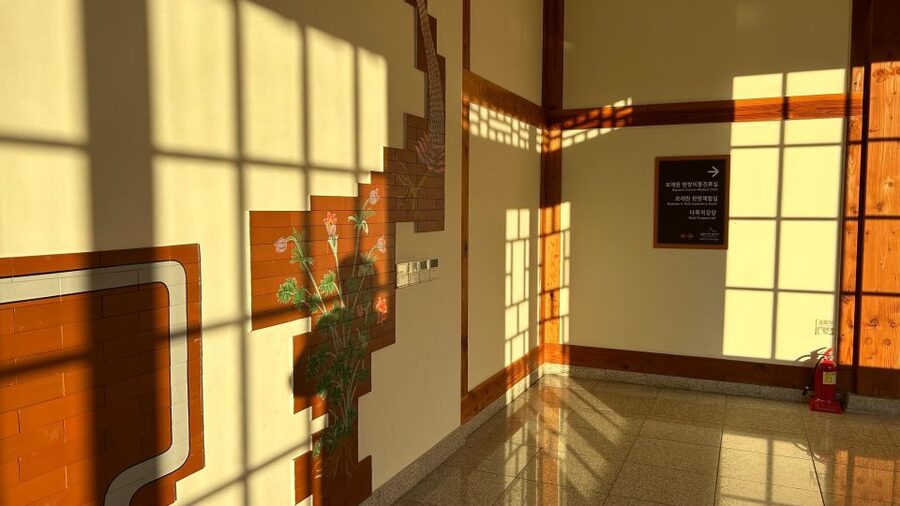
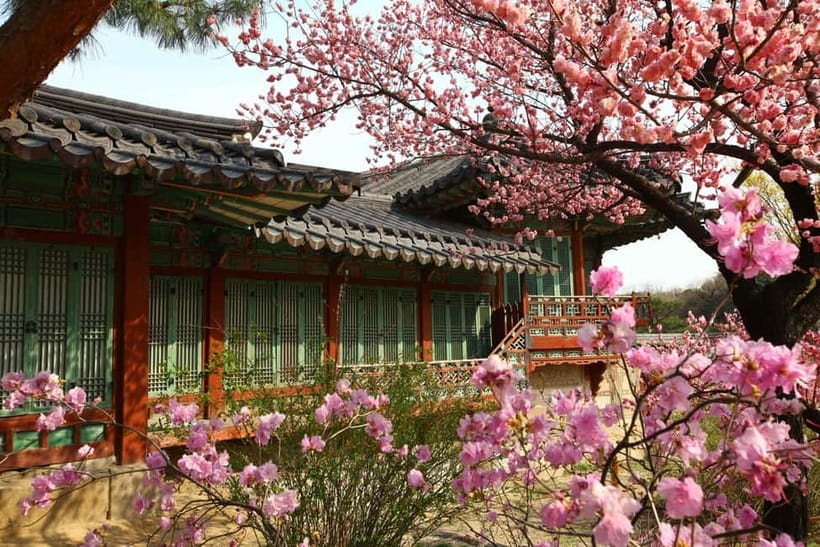
The final major sight is Changdeokgung Palace, a UNESCO World Heritage site and former home of Korean royalty. Its appeal is not only in the buildings. The palace is known for graceful architecture and quiet gardens, which provide a calm finish after the market and city walking.
Your English-speaking guide explains stories from the Joseon dynasty while you explore. Bruce, for example, has been praised for helping with translation and for making the palace easier to understand. That kind of support matters because royal architecture can seem beautiful but abstract without context.
Look for the balance between formal spaces and more peaceful garden areas. The palace feels less like a single grand monument and more like a series of courtyards, buildings, and natural spaces shaped for royal life.
Admission to Changdeokgung is included, which improves the value of the $73 price. You are not paying only for a cooking class and a guide. You also receive access to one of Seoul’s major historic sites, along with several cultural stops that would take more planning to combine independently.
The palace comes late in the route, so tired legs may affect how much you enjoy it. I would save some energy for this section. Comfortable walking shoes are more important here than stylish footwear.
How Much Value Do You Get for $73?
At $73 per person, the experience is priced above a simple Seoul walking tour, but the inclusions are substantial. You receive a licensed English-speaking guide, the temple food class with a monk, and Changdeokgung admission. The route also covers several places that are difficult to connect efficiently on your own.
The strongest value comes from the combination of access and interpretation. You could visit Jogyesa, Insadong, the market, and Changdeokgung independently, but you would miss the clear link between Buddhist food, Korean medicine, traditional culture, and royal history.
The cooking class is the feature that makes the price easier to justify. A hands-on lesson with a Buddhist monk is more personal than simply sampling prepared food. You also eat the meal you help make, and you leave with ideas you can try at home.
The value is less convincing if you dislike vegan food, standing activities, or guided sightseeing. You may also prefer a shorter tour if your Seoul schedule is packed. This is best treated as a substantial cultural day rather than a quick add-on.
Guides and the Personal Feel of the Day
The quality of guiding matters because the day covers several subjects. Food, Buddhist practice, medicine, Insadong culture, and Joseon royalty each need different kinds of explanation.
Guides named Bruce, Gina, Ron, and BJ have been praised for being helpful, professional, and generous with explanations. Gina has been especially associated with food, medicine, and local delicacies. Ron has been praised for accommodating needs and explaining medicinal ingredients. BJ has been described as providing a private, VIP-style experience, although you should not assume every departure is private.
That last point matters. One booking was described as private, but the available details do not promise a private group for every date. Ask before booking if group size is important to you.
A good guide also helps with the practical side of moving through Seoul. The route ends where it begins, at Anguk Station Exit 1, which makes the meeting point easy to use with public transportation. There is no pickup service, so you must reach the station yourself.
Who Should Book This Experience?
I would recommend this tour to you if you want food to be the main doorway into Korean culture. It suits vegetarians especially well, but you do not need to follow a plant-based diet to enjoy it. The class offers a clear explanation of why temple cuisine is meat-free and how it reflects Buddhist values.
It also suits repeat visitors who have already seen Seoul’s biggest landmarks and want something more focused. The medicinal market and temple food lesson offer a side of the city that is less predictable than a standard palace route.
Families with older children may enjoy the cooking element, provided everyone is comfortable standing and walking. It could also suit couples, solo visitors, and small groups who prefer a guided day with plenty of conversation.
I would hesitate to recommend it if you have trouble walking long distances, cannot stand for a cooking session, or want a fixed menu. The tour operates in rain or snow, so poor weather does not normally cancel the day. Dress for the forecast and accept that the schedule is built around being outdoors and on foot.
Practical Tips Before You Go
Meet at Anguk Station Exit 1 and look for the Tripper sign. Since there is no pickup service, allow enough time to reach the station without rushing.
Wear supportive shoes. The class is standing, and the whole activity is conducted on foot. The palace and market sections will be much more enjoyable if your feet are comfortable.
Bring a reusable container if you might want to carry food away. Otherwise, plan to eat the dishes at the class location as requested.
Keep an open mind about the menu. Seasonal cooking means the dishes change, which is part of the point. You get a more genuine look at temple food, but not a guaranteed recipe list.
The tour runs even in rain or snow. You will only be contacted separately if conditions make the activity completely impossible. Cancellation is allowed up to 24 hours in advance for a full refund, and you can reserve now and pay later.
Should You Book It?
Book this experience if you want an active, food-centered day that connects Buddhist practice, Korean wellness traditions, traditional arts, and royal Seoul. The monk-led cooking class is the main reason to choose it, while Jogyesa, the medicinal market, and Changdeokgung give the lesson a broader setting.
At $73, it offers solid value for a guided cultural route with food, instruction, and palace admission included. Skip it if you need a short, low-walking outing or want complete control over your meal and schedule. For everyone else, it is a thoughtful way to see Seoul through what people cook, worship, sell, and preserve.
FAQ
How much does the Seoul temple food and palace tour cost?
The price is $73 per person.
Where does the tour begin?
The tour begins at Anguk Station Exit 1. Look for the guide holding a Tripper sign.
Where does the activity end?
The activity ends back at the meeting point near Anguk Station Exit 1.
Is hotel pickup or drop-off included?
No. Pickup and drop-off are not included.
Is the tour conducted in English?
Yes. English is listed as the tour language. Saturday has also been specifically noted as a day when the classes are conducted in English, so confirm the schedule if this is important to you.
Is the food completely vegan?
Yes. Temple food on this experience contains no meat and is fully plant-based.
Does the cooking menu stay the same?
No. The menu changes according to seasonal ingredients.
Is Changdeokgung Palace admission included?
Yes. Admission to Changdeokgung Palace is included.
Is the tour suitable for people with mobility issues?
The tour is not recommended for people with mobility issues or difficulty walking long distances. Cooking is done standing, and the entire tour takes place on foot.
More Workshops in Seoul
- Kyoto: Calligraphy class at Buddhist temple in city center
★ 5.0 · 167 reviews - Chinese Kungfu class in old temple beside Forbidden Ci
★ 4.8 · 53 reviews - Bali: Full-Day Private Water Temple Ritual & Yoga Class
★ 4.6 · 31 reviews - Thai Dance Class at Wat Arun
★ 5.0 · 30 reviews
More Food in Seoul
- Bangkok: Tuk Tuk Adventure Chinatown Michelin Food & Temples
★ 4.3 · 725 reviews - Old Delhi Food-Spice Market-Temples Tour Soon Featured on NETFLIX
★ 5.0 · 304 reviews - Takua Pa: Food Market, Tsunami Museum, Temple, & Old Town
★ 4.9 · 165 reviews - Bangkok Night Tour: Food, Temple & Tuk Tuk
★ 5.0 · 126 reviews
Just added around Seoul
- Seoul: War Memorial, Jogyesa Temple & Tapgol Park Tour★ 4.8 · 56 reviews
- Seoul Sunrise & Sunset Hike + Temple & K-Food Adventure★ 4.8 · 6 reviews
- Seoul: UNESCO Sites tour: Palace, Shrine & Bukchon Village★ 4.8 · 26 reviews
- Seoul: Temple & Starfield COEX Mall Gourmet Tour in Gangnam★ 4.7 · 22 reviews
- Seoul: Night Bongeunsa Temple Guided Tour★ 5.0 · 11 reviews
- Seoul: 4-Hour Guided Tour to Palace, Bukchon, Jogyesa Temple★ 5.0 · 3 reviews
- Gyeongbokgung Palace, Jogyesa Temple and Bukchon village★ 5.0 · 12 reviews
- Danyang Tour:Guinsa Temple & Bobaljae & Cheongpung Cable Car★ 5.0 · 15 reviews
Workshops, compared.
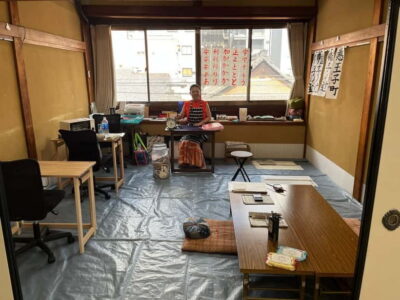
Calligraphy class at Buddhist temple in city center
Read our review →
Chinese Kungfu class in old temple beside Forbidden Ci
Read our review →
Full-Day Private Water Temple Ritual & Yoga Class
Read our review →
My Son Hindu Temples & Terracotta Workshop PRIVATE TOUR
Read our review →
Kanazawa: Samurai Swordsmanship Lesson at a rented temple
Read our review →
Cooking Class in a former Artist Monastery in the Heart of Monopoli
Read our review →Browse the lists this tour appears in