
Review · SEOUL
Danyang Tour:Guinsa Temple & Bobaljae & Cheongpung Cable Car
Get beyond Seoul’s usual day trips. This outing reaches Guinsa Temple, mountain roads, Bobaljae Observatory, and Cheongpung Lake by private coach, making remote sights much easier to visit. I especially like the free vegetarian temple meal and the cable car ride, which gives you a fine view of the water and surrounding hills.
The main trade-off is the long day of walking, stairs, and coach travel. You should also know that the tour needs at least four participants to operate, and one practical complaint is that announcements can be hard to hear from the back of the bus.
Key points to know before booking
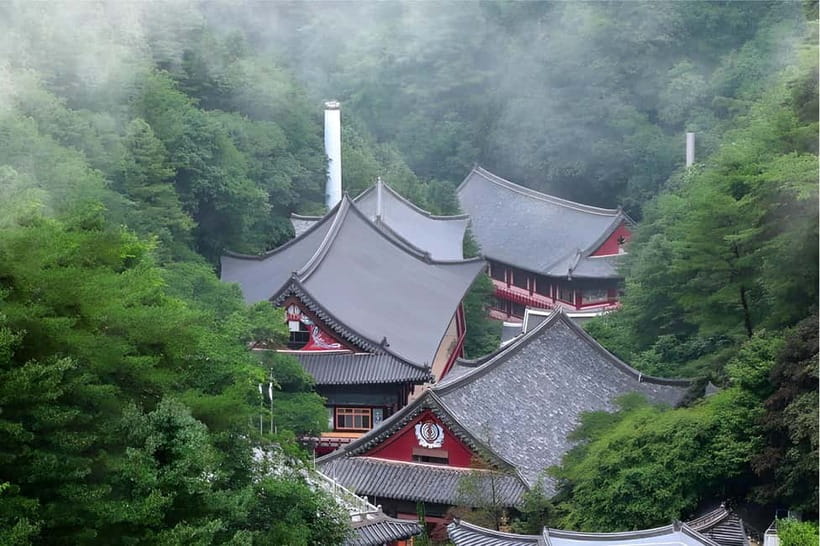
- Guinsa Temple is the cultural heart of the day: You can walk through Korea’s largest temple complex and try vegetarian temple food at no extra cost.
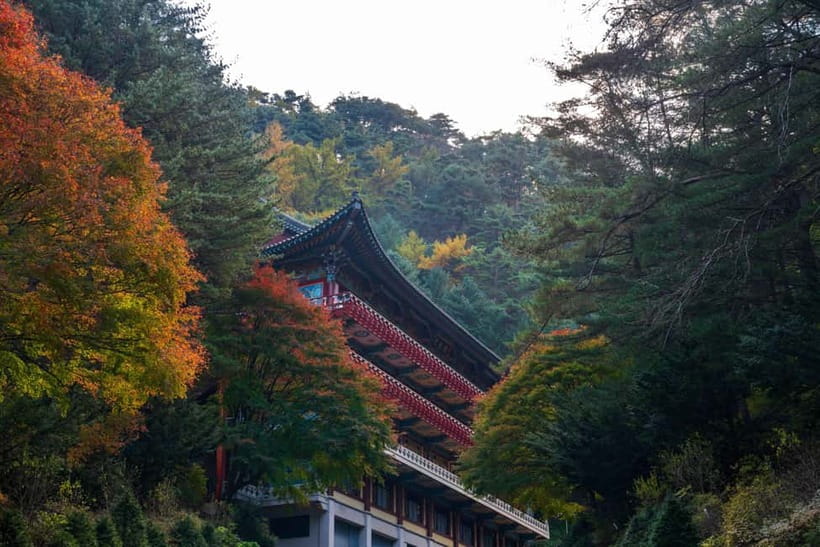
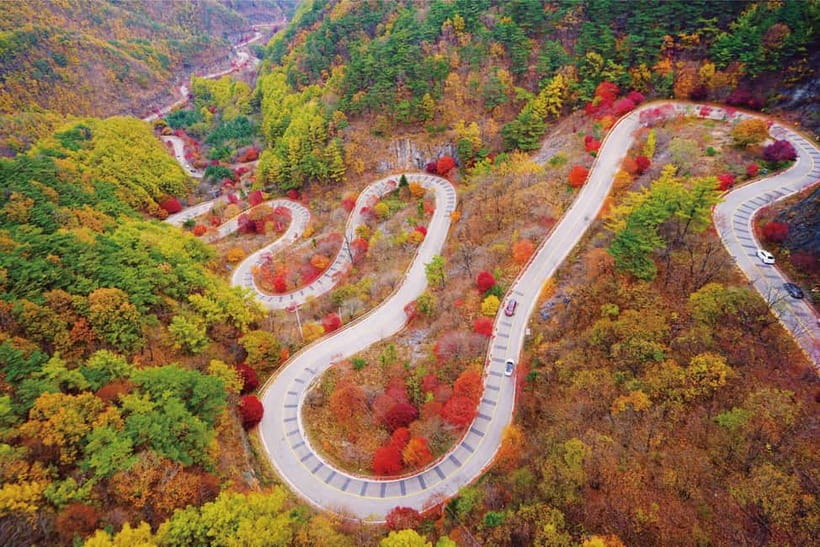
- Bobaljae is best for road scenery and photos: The drive is especially attractive in autumn, when the trees change color.
- Cheongpung Cable Car supplies the big visual finish: You glide above Cheongpung Lake for broad views that are hard to reach by public transport.
- The coach solves a real transport problem: These sights are difficult to connect from Seoul using buses and trains alone.
- The tour is active rather than effortless: Expect considerable walking and stairs, so comfortable shoes matter.
- Guide quality is a strong part of the experience: Guide names associated with recent departures include Yohan, Jun, Michael, Mario, Edward, Johann, and K.
Why this Danyang day trip is worth considering
Danyang gives you a different view of Korea. Instead of another Seoul palace, shopping street, or crowded coastal stop, you head into the central part of the country for mountain scenery, Buddhist buildings, a lake cable car, and a scenic road.
That change of pace is the main reason I like this tour. You get three distinct experiences in one day. Guinsa is quiet and cultural, Bobaljae is about the road and the view, and Cheongpung offers a more thrilling ride above the water.
The $105 price looks reasonable if you value convenience. It includes round-trip transport from Seoul, attraction admission, and an English or Chinese-speaking guide. You are not simply paying for entry tickets. You are paying to avoid piecing together a difficult route through the countryside.
The price does not include meals, drinks, or personal purchases. The vegetarian temple food at Guinsa is described as free, but I would still bring water and a small snack for the rest of the day. The schedule includes several outdoor stops, and you may not want to rely on finding food at exactly the right time.
A few more temple visits around Seoul worth a look
- Seoul: Palace, Temple and Market Guided Foodie Tour at Night
★ 4.9 · 750 reviews - Seoul: Mt Seorak + Naksansa Temple or Nami Island Group Tour
★ 4.7 · 422 reviews - Best Things to Do – Half Day Seoul Trip (Seoul Palace & Temple)
★ 5.0 · 190 reviews
Guinsa Temple, the day’s strongest stop
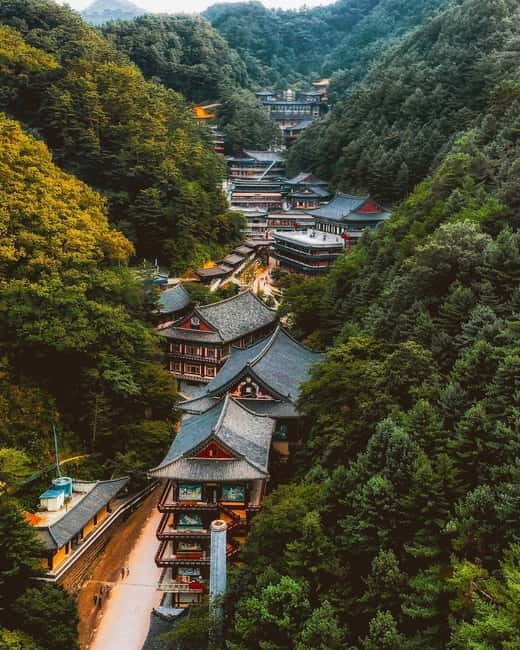
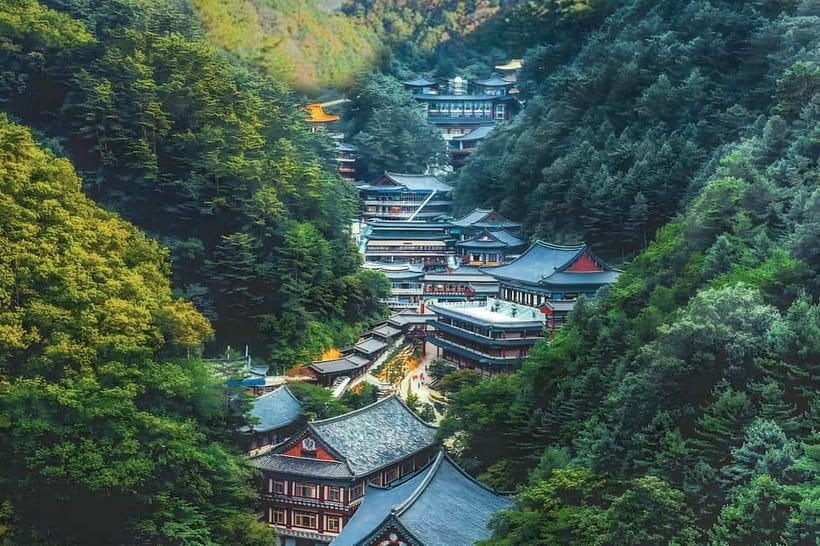
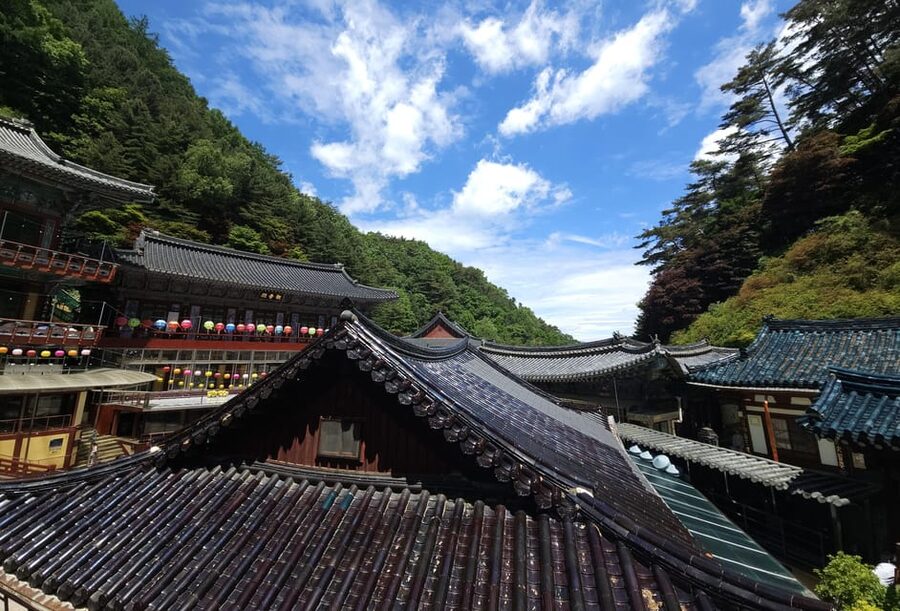
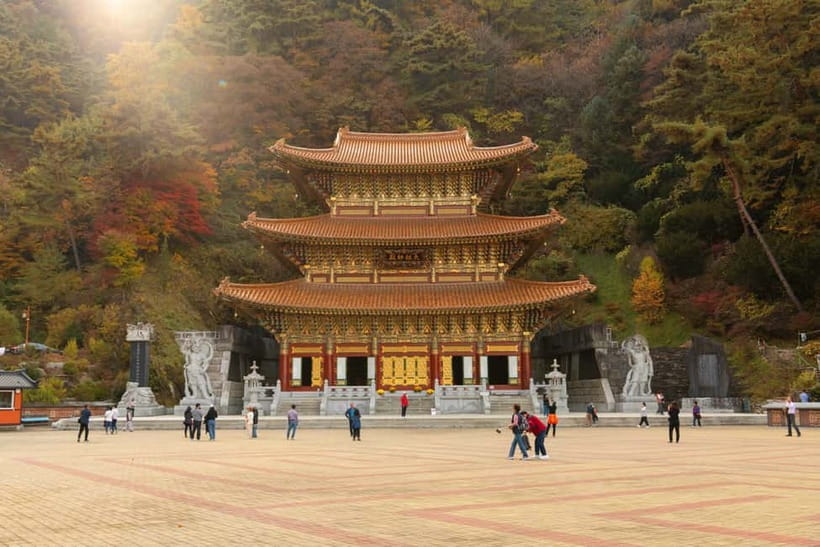
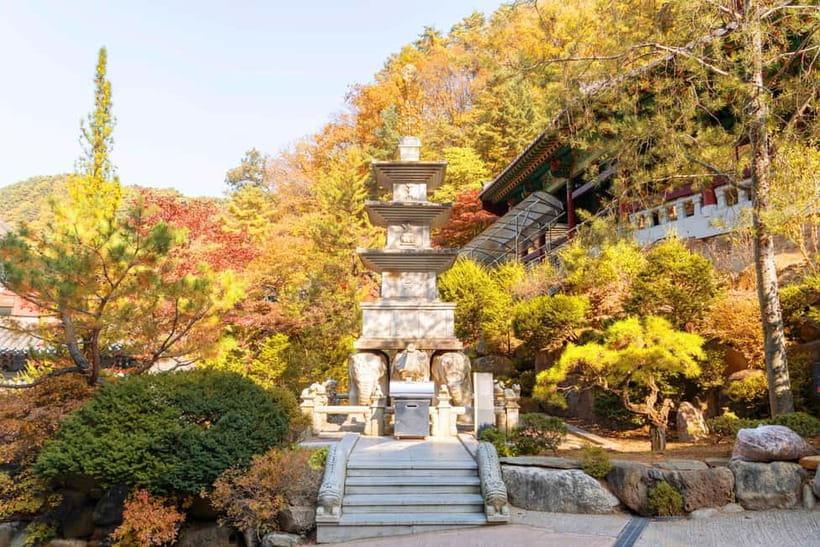
Guinsa Temple is the part I would prioritize most. It sits among wooded hills and has the grand scale expected of Korea’s largest temple. The setting gives the visit a calm, secluded feeling, even though the complex itself is substantial.
You should allow time to look beyond the first impressive buildings. Guides can explain the purpose of the different structures and help you notice how the temple fits into the surrounding woods. Yohan has been praised for explaining the buildings clearly and helping with photographs, while Jun has also been singled out for his friendly manner.
The approach involves walking and stairs. This is not a stop where you simply step off the coach, take one picture, and return. You will get more from it if you move at a comfortable pace and look upward at the buildings, roofs, and wooded slopes.
I like the chance to try vegetarian temple food here. It adds something real to the visit because you are not only looking at a religious site from the outside. You are also getting a small sense of how food fits into temple life.
Do not expect a restaurant-style meal with lots of choice. Temple food is simple, vegetarian, and connected to the setting. That simplicity is part of the appeal, but anyone seeking a large meal should plan accordingly.
The temple was the favorite stop for several people on the tour, and I can see why. It gives the day its cultural center. The cable car may provide the most dramatic view, but Guinsa supplies the atmosphere and meaning.
The Bobaljae drive and observatory
Bobaljae works best as a scenic pause between the temple and cable car. The road itself is part of the attraction. Rather than rushing straight to an overlook, you travel through countryside where the changing scenery becomes the main event.
Autumn is the strongest season for this section. The road is described as being lined with fall color, and the drive gives you a chance to enjoy it without concentrating on driving. That matters because mountain roads can be tiring when you are trying to watch traffic, find parking, and take pictures at the same time.
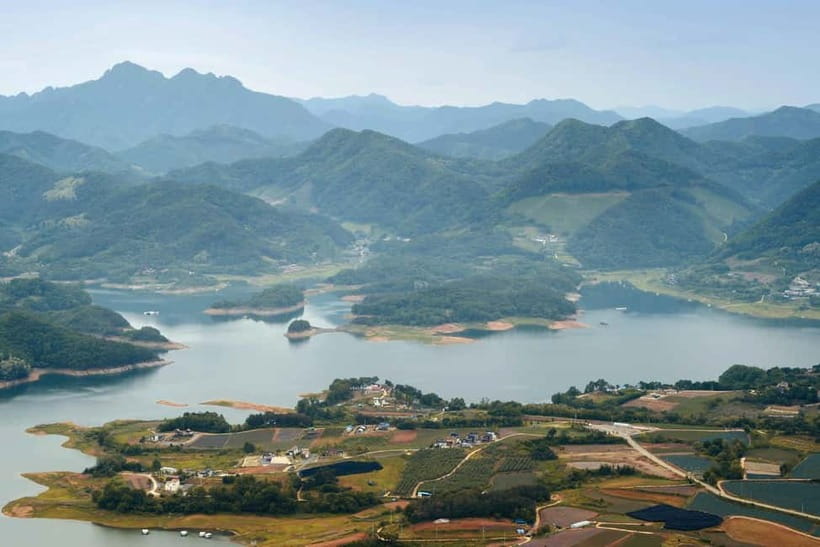
At Bobaljae Observatory, you get time for photographs and a broad view over the surrounding countryside. The appeal is simple: fresh air, open sightlines, and a break from the tighter spaces of the temple complex.
Views depend on weather and season. On a clear day, the observatory should be one of the best photo stops. On a hazy day, the experience will be more about the road and the quiet setting than a perfect distant panorama.
I would bring a phone or camera with spare battery power. The day includes several photo opportunities, and the guide may also help with group pictures. Embla particularly appreciated the help with photographs, which is useful when you are traveling alone or as a couple.
Riding the Cheongpung Hoban Cable Car
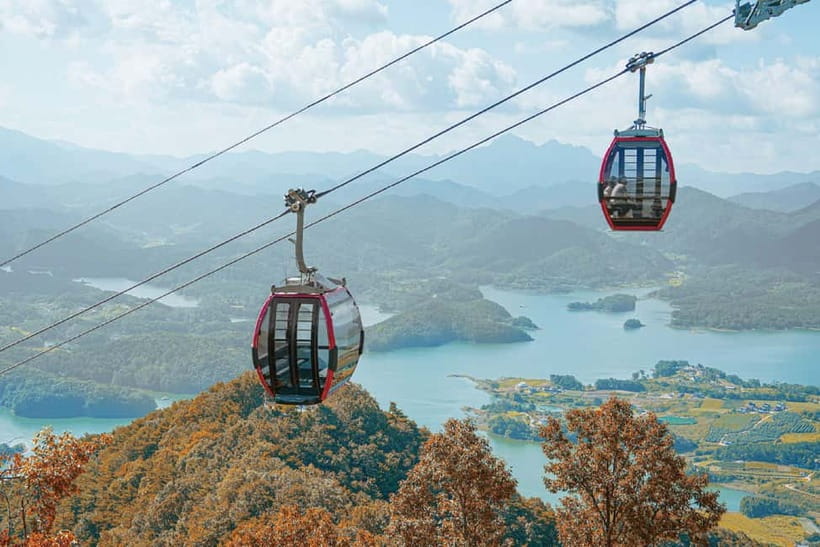
The Cheongpung Hoban Cable Car provides the day’s most energetic moment. You ride above Cheongpung Lake, gaining a high view of the water and the surrounding hills as the cabin moves across the route.
This is more than transport to another stop. It is a proper sightseeing ride. The height changes your sense of the area, and you can watch the lake and countryside spread out below. Autumn should be especially attractive, with color across the hills, but the cable car remains a strong choice in other seasons if the weather is clear.
I like the contrast with Guinsa. At the temple, you walk through a quiet religious site and focus on details. On the cable car, you sit back and take in a much wider view. The two stops feel different enough to keep the day from becoming repetitive.
Some people may find the ride less appealing in poor weather. Clouds, rain, or haze can reduce the views, and a cable car cannot promise clear conditions. If your main reason for booking is the panorama, check the forecast and keep realistic expectations.
The cable car also involves getting around a large visitor attraction, so you should not assume the entire day is seated. The tour information warns that some attractions include substantial walking and stairs. Comfortable shoes are a better choice than fashion footwear.
Same place, a different morning at the gates:
- Seoul Night Palace & Market Food Tour with Vehicle
★ 5.0 · 275 reviews - Mount Seorak and Naksansa Temple One Day Tour from Seoul
★ 4.5 · 167 reviews - Seoul: War Memorial, Jogyesa Temple & Tapgol Park Tour
★ 4.8 · 56 reviews - Seoul: Vegan Temple Food Class, Jogyesa & Changdeokgung Tour
★ 4.6 · 34 reviews
What the Seoul transfer adds to the price
The round-trip coach from Seoul is one of the most useful inclusions. Guinsa, Bobaljae, and Cheongpung are not easy to connect by ordinary public transport in a single day. You would need to manage regional buses, transfers, attraction opening times, and the return journey.
Here, you can use the bus as a base. It carries you between widely spaced sights while the guide handles the route. That gives you more time for the temple, observatory, and cable car instead of spending the day checking departure boards.
The coach ride is also the least exciting portion. The overall route covers a lot of ground, and you should expect stretches of travel between stops. Bring headphones, water, and something light to read, but do not plan on sleeping through every explanation.
One issue deserves attention: it can sometimes be difficult to hear the guide from the back of the bus. If understanding every explanation matters to you, sit closer to the front when possible. The guide’s commentary is most useful at Guinsa, where details about the buildings and site add much more than a quick self-guided walk.
The meeting point can vary depending on the booking option. Check your exact pickup information carefully rather than assuming every departure uses the same location. The activity finishes back at the meeting point.
Guides, group size, and the feel of the day
The guide can shape this experience. Names connected with different departures include Yohan, Jun, Michael, Mario, Edward, Johann, and K. Guide assignments vary, but the strongest feedback centers on friendly service, clear explanations, help with photos, and good group spirit.
A small group can make the day more pleasant. It may mean less time gathering people at each stop and more room for questions. It also helps the temple visit feel calmer and more personal.
The tour needs a minimum of four participants. If that number is not reached 48 hours before departure, the operator can cancel the tour and notify you by email or message. That rule is important if you are building a tightly timed Korea itinerary.
There is a useful balance here. You get the social ease of a guided group, but you are not left to wander without context. At the same time, the day is not a private tour, so you will need to follow a shared schedule.
The day can begin early, and that is probably a sensible arrangement given the distance from Seoul. An early start makes the remote stops more practical, though it may be tiring after several late nights in the capital. I would avoid booking this immediately after a long-haul arrival.
Walking, food, and what to bring
The physical demands are manageable for many people, but they should not be ignored. Guinsa includes stairs and walking, the observatory requires movement outdoors, and the cable car area may involve additional walking.
Wear shoes with a firm sole. You should also carry a light jacket or rain layer because conditions can differ between Seoul and the mountain areas. The supplied information does not give a detailed weather plan, so prepare for ordinary changes in outdoor conditions.
Meals and drinks are not included in the price. The free vegetarian temple food is the exception mentioned for Guinsa, but you should not treat that as a full-day meal plan. Carry water and a snack, especially if you have dietary needs or prefer regular meal times.
Photography is easy to fit into the schedule. Bobaljae is designed for views, the cable car offers broad scenes from above, and Guinsa provides the most interesting architectural pictures. Give yourself a moment to look without a camera, too. The temple is not just a backdrop.
Who will get the most from this tour?
I would recommend this day to anyone who has already seen Seoul’s main sights and wants a stronger taste of Korea’s countryside. It suits people who enjoy temples, scenic roads, seasonal color, and guided day trips that cover several different settings.
It is also a good match for visitors without a rental car. The coach removes much of the difficulty involved in reaching these places, and the included admissions make the $105 cost easier to judge.
This is less suitable if you dislike early starts, long coach journeys, stairs, or fixed group schedules. It may also disappoint you if you want to spend an entire day at one temple or prefer to explore at your own speed.
The tour is offered with English and Chinese-speaking guides. If you need detailed commentary, choose your seat carefully on the bus and stay close enough to hear the guide during walking portions.
Is the $105 price good value?
For a Seoul departure, I consider $105 fair value. The package includes transport over a difficult rural route, admission to the attractions, a guide, and access to three very different stops. Reaching all of them independently could take more planning and may not save much once transport and entrance fees are added.
The strongest value comes from the route, not from any single ticket. Guinsa, Bobaljae, and Cheongpung work well together because they offer culture, road scenery, and a cable car view in one outing.
The value is weaker if you already have a car, dislike guided schedules, or plan to visit only Guinsa. In that case, a more focused trip may suit you better. For most people starting in Seoul, though, the transport convenience makes the price easier to justify.
You can reserve now and pay later, and cancellation is available up to 24 hours before departure for a full refund. Those terms help if your Korea schedule is still changing.
Should you book this Danyang tour?
Book it if you want a full countryside day without arranging complicated transport yourself. Guinsa Temple is the main reason to go, while Bobaljae and the Cheongpung Cable Car give the day variety and strong photo stops.
I would be especially keen to book in autumn, when Bobaljae Road and the hills around the cable car should show their best color. Just bring comfortable shoes, water, patience for the coach ride, and realistic expectations about weather and group timing.
Skip it if stairs are a serious problem, if you need complete independence, or if you cannot spare a long day outside Seoul. For everyone else, this is a well-balanced way to see a quieter, more scenic side of Korea.
FAQ
How much does the Danyang tour cost?
The tour costs $105 per person.
What is included in the price?
The price includes admission to the attractions, round-trip transfers from Seoul, and an English or Chinese-speaking tour guide.
Is food included?
Meals and beverages are not generally included. Vegetarian temple food at Guinsa is available free of charge.
What languages are available?
The tour is available with English-speaking and Chinese-speaking guides.
Where does the tour start and finish?
The meeting point can vary according to the booking option. The activity ends back at the meeting point.
How many people are needed for the tour to operate?
At least four participants are required. If the minimum is not reached 48 hours before departure, the tour may be cancelled, with notification sent by email or message.
Is the tour physically demanding?
Some stops involve considerable walking and stairs. Comfortable shoes are strongly recommended, and you should be fit enough for an active sightseeing day.
Just added around Seoul
- Seoul: War Memorial, Jogyesa Temple & Tapgol Park Tour★ 4.8 · 56 reviews
- Seoul: Vegan Temple Food Class, Jogyesa & Changdeokgung Tour★ 4.6 · 34 reviews
- Seoul Sunrise & Sunset Hike + Temple & K-Food Adventure★ 4.8 · 6 reviews
- Seoul: UNESCO Sites tour: Palace, Shrine & Bukchon Village★ 4.8 · 26 reviews
- Seoul: Temple & Starfield COEX Mall Gourmet Tour in Gangnam★ 4.7 · 22 reviews
- Seoul: Night Bongeunsa Temple Guided Tour★ 5.0 · 11 reviews
- Seoul: 4-Hour Guided Tour to Palace, Bukchon, Jogyesa Temple★ 5.0 · 3 reviews
- Gyeongbokgung Palace, Jogyesa Temple and Bukchon village★ 5.0 · 12 reviews
Seoul Temple Tours, compared.
Palace, Temple and Market Guided Foodie Tour at Night
Read our review →
Mt Seorak + Naksansa Temple or Nami Island Group Tour
Read our review →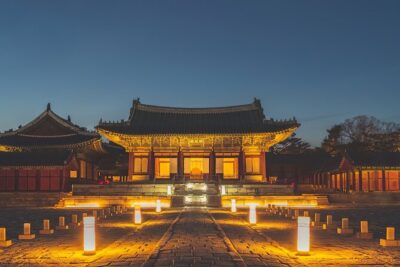
Seoul Night Palace & Market Food Tour with Vehicle
Read our review →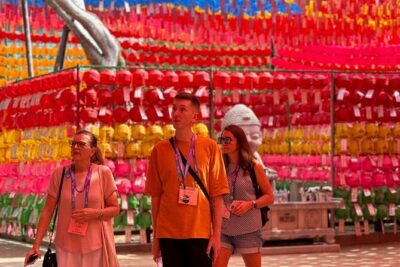
Best Things to Do – Half Day Seoul Trip (Seoul Palace & Temple)
Read our review →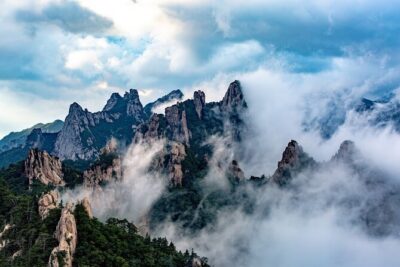
Mount Seorak and Naksansa Temple One Day Tour from Seoul
Read our review →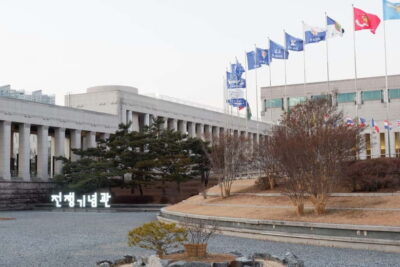
Vegan Temple Food Class, Jogyesa & Changdeokgung Tour
Read our review →
UNESCO Sites tour: Palace, Shrine & Bukchon Village
Read our review →Browse the lists this tour appears in