
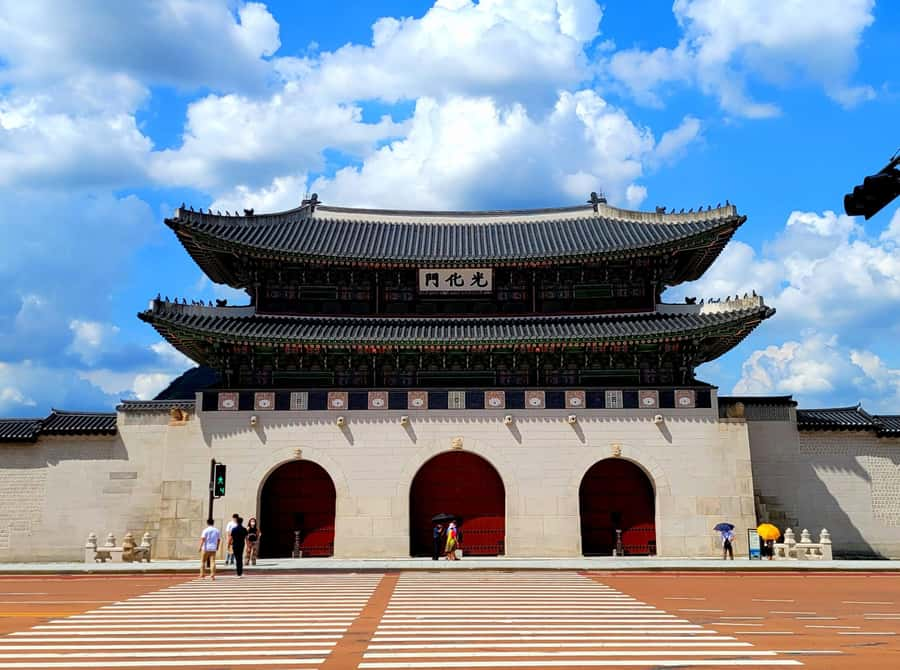
Review · SEOUL
Gyeongbokgung Palace, Jogyesa Temple and Bukchon village
Seoul’s story unfolds on foot. This three-hour walking tour links Jogyesa Temple, Gwanghwamun Square, Gyeongbokgung Palace, and Bukchon village, giving you a clear introduction to the city’s royal, Buddhist, and traditional sides in one outing. It is aimed especially at first-time visitors who want context instead of simply taking photos and moving on.
I like the well-planned route, which moves from a Buddhist temple through a major public square and into the Joseon royal palace before ending in Bukchon’s old lanes. I also like the small human touches, including traditional herbal tea and the chance to learn a Korean board game during a break. The main consideration is the price: at $82 per person, this is not a bargain walking tour, so its value depends on how much you want a guide to explain the sights.
A second point to keep in mind is the walking. Comfortable shoes are essential, and Bukchon includes streets with changing slopes and surfaces. The tour ends back at the starting point, which is handy, but there is no hotel pickup, no food, and no stated transport between stops.
Key points at a glance
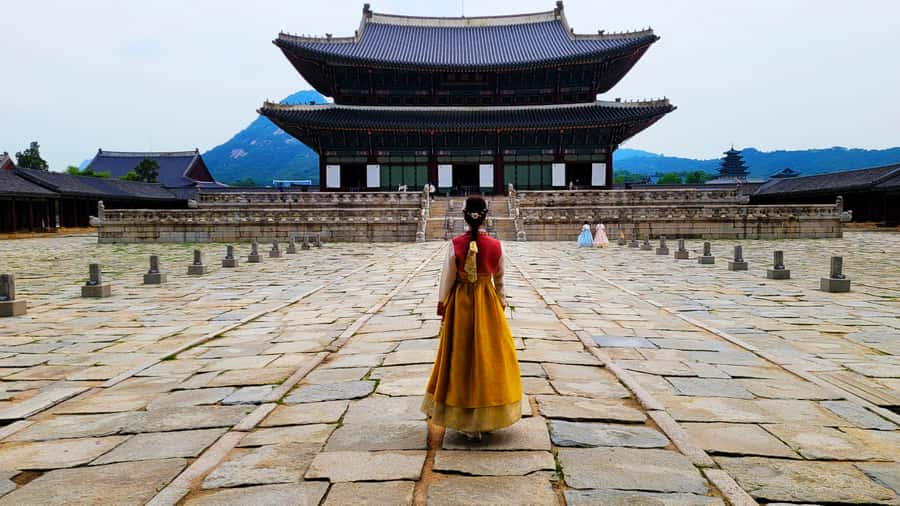
- Three major Seoul sights in about three hours: Visit Jogyesa Temple, Gwanghwamun Square, Gyeongbokgung Palace, and Bukchon village in one compact route.
- A strong first-day introduction: The path connects religion, royal history, language, architecture, and modern Seoul without making you cross the city by taxi or train.
- Gyeongbokgung admission is included: You do not need to buy a separate palace ticket during the tour.
- Traditional tea adds a welcome pause: Herbal tea is included, and the break has sometimes included a Korean board game.
- Guide Lee earns especially warm praise: She is described as patient, friendly, punctual, thoughtful, and good at answering questions.
- Meet at Anguk Station Exit 6: The tour does not include hotel pickup or drop-off, and it returns to the meeting point.
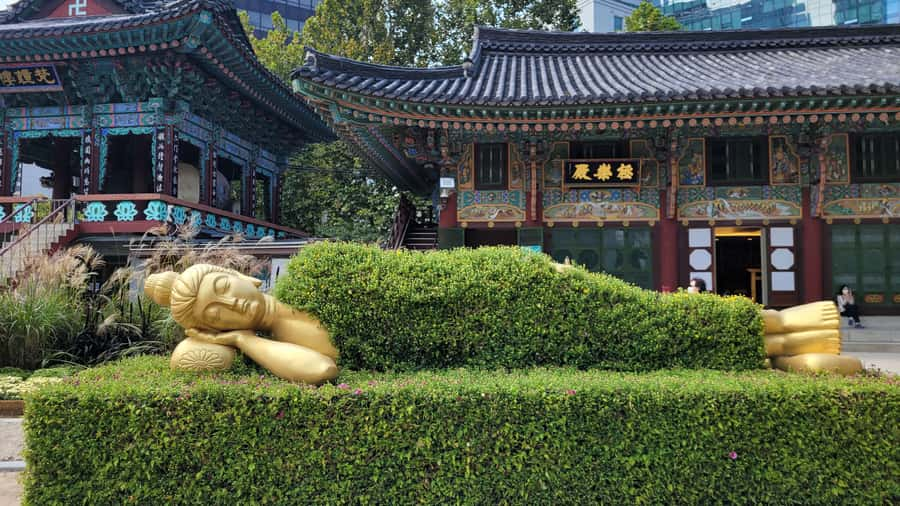
Starting at Jogyesa Temple near Insadong
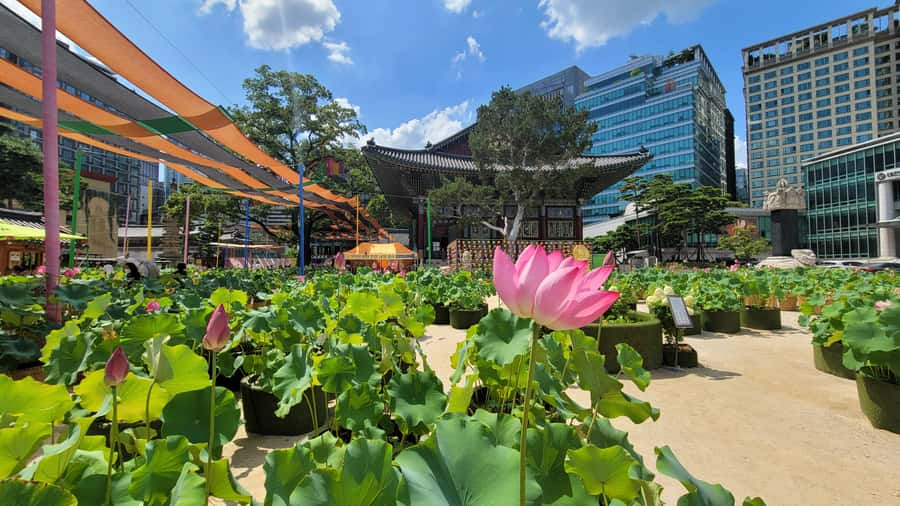
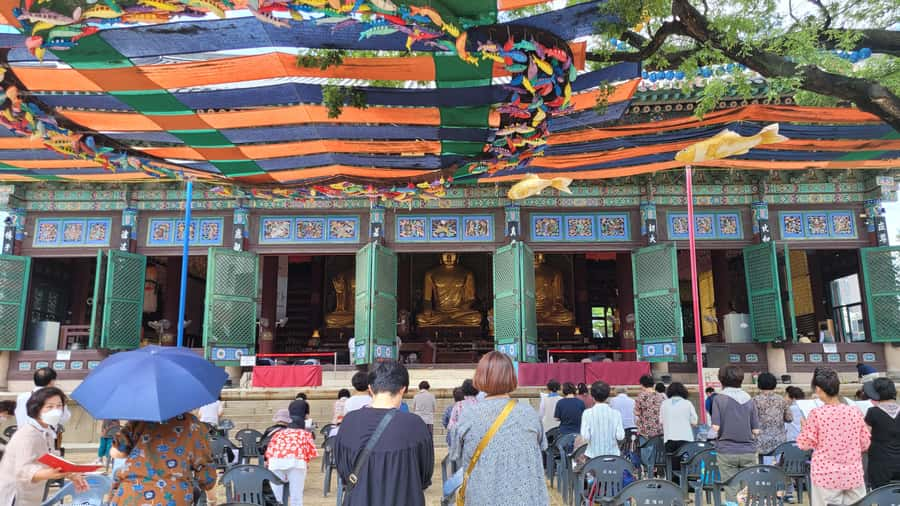
Your meeting point is Anguk Station Exit 6. From there, the tour begins at Jogyesa Temple, the head temple of the Jogye Order of Korean Buddhism. This is a useful opening because it introduces a living part of Korean culture before you reach the grand palace grounds.
Jogyesa is not treated as a silent museum. It remains an active Buddhist temple, so your guide can help explain the setting, traditions, and place of Buddhism in Korea. I like this choice of first stop because it gives the tour a human scale. You are not starting with a huge palace gate and a list of dates. You are starting with a place of worship.
The temple also sits near Insadong, an area known for traditional tea houses and restaurants. That gives you a useful orientation to the neighborhood and may help you decide where to return later for a meal or tea. Food is not included, so save your appetite for after the walk.
The exact group size is not provided, so you should not assume an intimate private tour. Still, the guide’s role matters here. Guide Lee is praised for being patient, friendly, and open to discussion. That is especially helpful at a religious site, where a good explanation can help you observe respectfully rather than simply wander around looking for a photo.
A few more temple visits around Seoul worth a look
- Seoul: Palace, Temple and Market Guided Foodie Tour at Night
★ 4.9 · 750 reviews - Seoul: Mt Seorak + Naksansa Temple or Nami Island Group Tour
★ 4.7 · 422 reviews - Best Things to Do – Half Day Seoul Trip (Seoul Palace & Temple)
★ 5.0 · 190 reviews
Gwanghwamun Square and King Sejong
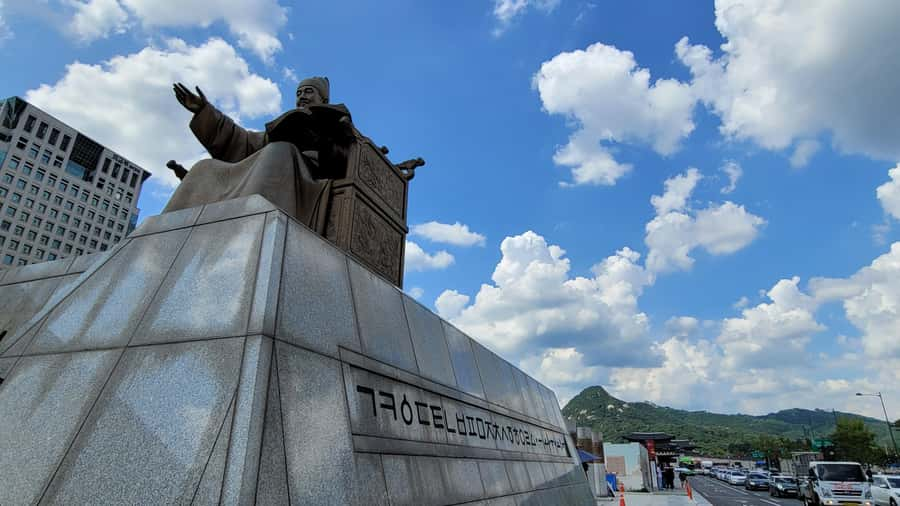
From Jogyesa, the route continues toward Gwanghwamun Square. This broad public space is associated with major figures and events in Korean history, including the statue of King Sejong.
King Sejong is especially important to Korean language and culture because of his connection with Hangul, the Korean writing system. The tour promises to teach you about Korean language as well as broader history, and this stop gives that subject a natural place in the walk. You get more than a quick look at a statue. You get a chance to understand why the figure matters.
This part of the route also helps connect old Seoul with the modern capital around it. You can see how a historic center functions as a public urban space today. The tour is not only about palace walls and traditional houses. It shows how national memory appears in the middle of present-day Seoul.
If you are visiting Korea for the first time, this is one of the tour’s strongest features. You begin with a Buddhist institution, then move to a national square and a major cultural figure. The sequence gives you a basic framework before you enter Gyeongbokgung.
Entering Gyeongbokgung, Joseon’s main palace
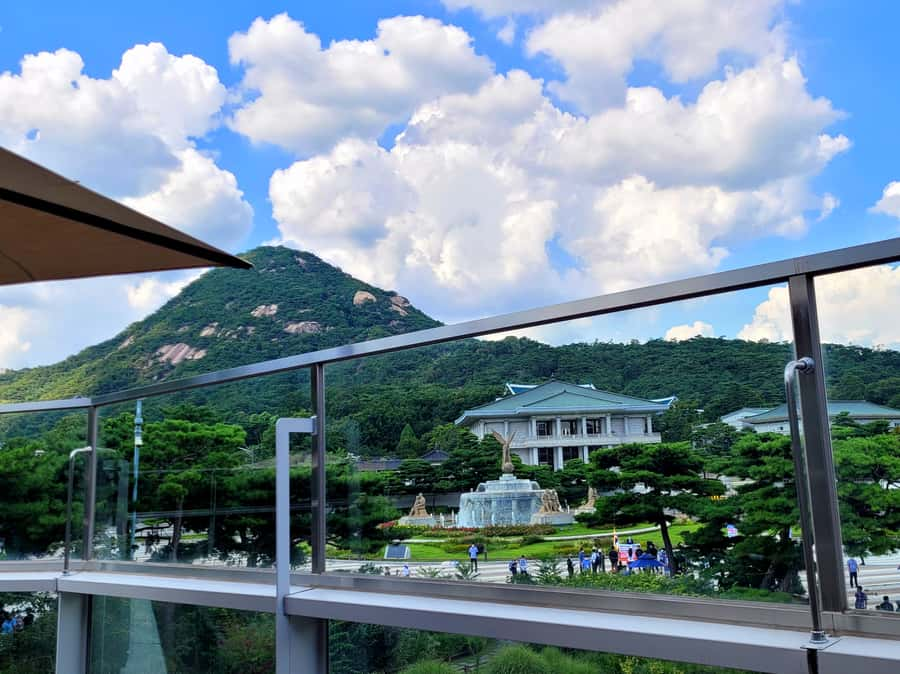
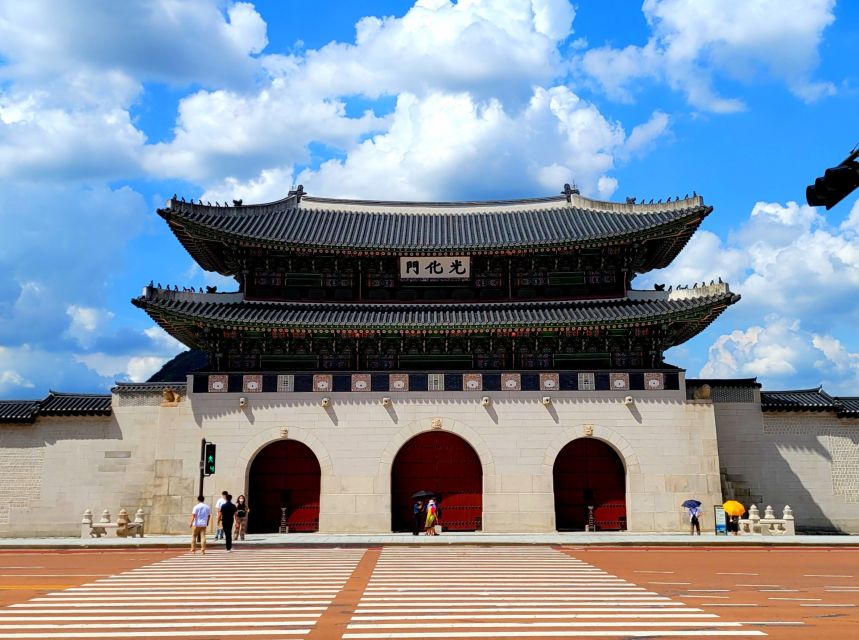
Gyeongbokgung Palace is the centerpiece of the experience. It was established in 1395 as the main palace of the Joseon Dynasty, and the grounds provide the scale and ceremony that many visitors expect from historic Seoul.
Your entrance ticket is included, which makes the $82 cost easier to assess. You are paying not only for access, but also for a guide who can explain what you are seeing as you move through the palace. Without context, a palace can become a parade of gates, courtyards, roofs, and painted details. With a guide, those elements can fit into a story about royal power, court life, and the development of Korea.
The palace portion is also where the tour’s pace matters. One helpful quality repeatedly associated with Lee is patience. She gives people time to look around, take in the surroundings, and ask questions rather than pushing the group from one photo stop to the next.
The exact palace route is not specified, so you should not expect a detailed list of every building visited. What is clear is that the tour is designed to explain Korean history along the way. That makes it suitable for someone who wants a broad introduction, rather than a specialist architectural study.
You will also receive a traditional herbal tea at the palace. This is a modest inclusion, but it changes the rhythm of the morning or afternoon. After walking and listening, you have a pause to sit, drink something traditional, and let the setting sink in. One particularly memorable version of the break included a Korean board game, which gave the cultural lesson a playful turn.
That small activity may appeal to families and younger visitors. It also shows the benefit of having a guide who can respond to the group instead of reciting a fixed script. If you enjoy asking questions and making connections, this tour seems to leave room for that.
Bukchon village and traditional Seoul architecture
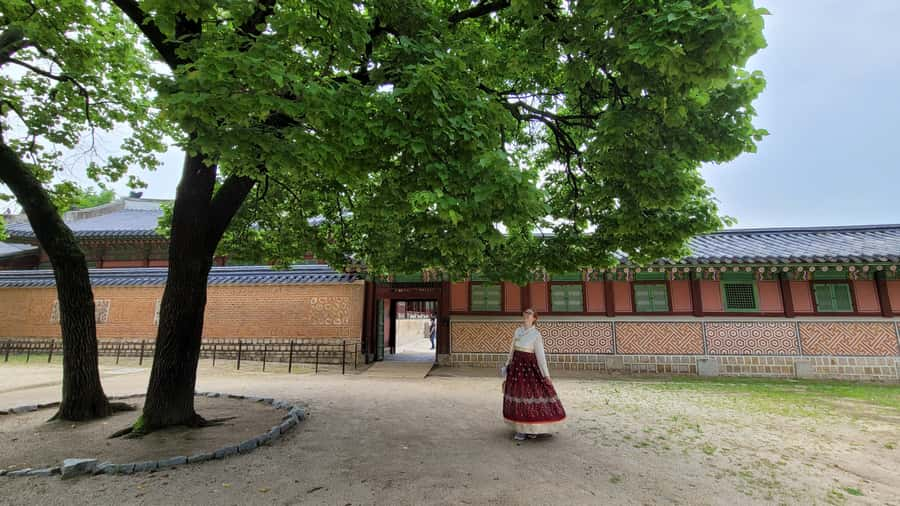
After Gyeongbokgung, the route continues to Bukchon traditional village. This is the most visually distinctive section of the tour, with traditional Korean architecture and narrow streets that offer a very different feel from the palace grounds and public square.
Bukchon is best approached slowly. The beauty is in the details of the houses, rooflines, lanes, and changing views rather than in one single monument. The walk is described as moderate, and the views are a highlight. You should wear shoes that are comfortable for several hours of walking, since the route includes streets that may require more effort than a flat city sidewalk.
The village portion may feel shorter than some people expect. One useful improvement would be an additional stop with more historical background, so you should book this tour knowing that Bukchon is part of a wider route, not a full neighborhood study.
That is not necessarily a weakness for first-time visitors. The tour lets you sample Bukchon while also covering the temple, square, and palace. If you want a long, slow photographic walk through every lane, you may prefer to return on your own. If you want a guided introduction that places Bukchon within Seoul’s larger story, the shorter visit makes sense.
Please remember that Bukchon is a real residential area, not only an attraction. Your guide can help you understand the architecture, but you should also keep your voice down and respect private homes. The information provided does not promise special access to houses or workshops, so expect an outdoor neighborhood walk.
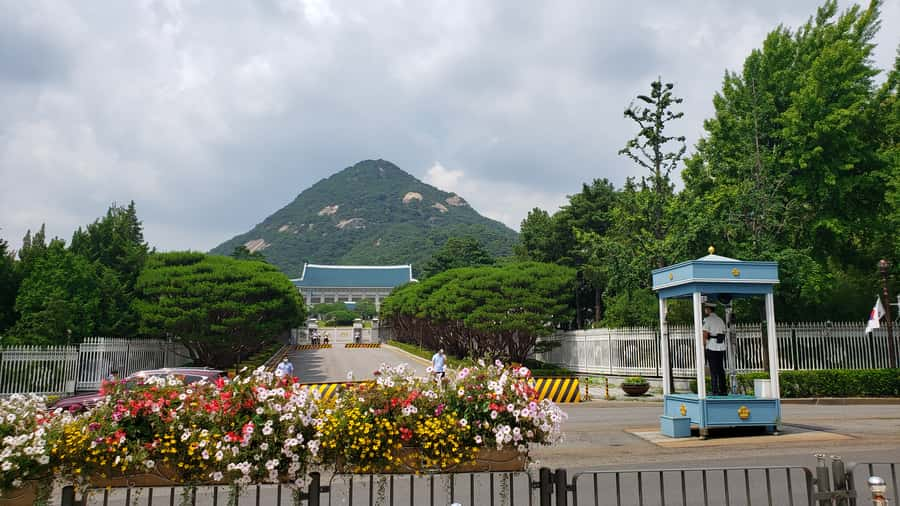
Same place, a different morning at the gates:
- Seoul Night Palace & Market Food Tour with Vehicle
★ 5.0 · 275 reviews - Mount Seorak and Naksansa Temple One Day Tour from Seoul
★ 4.5 · 167 reviews - Seoul: War Memorial, Jogyesa Temple & Tapgol Park Tour
★ 4.8 · 56 reviews - Seoul: Vegan Temple Food Class, Jogyesa & Changdeokgung Tour
★ 4.6 · 34 reviews
What the guide adds to the experience
The guide is the main reason to choose this tour instead of visiting the same places independently. Seoul’s major sights are easy to recognize, but their significance is not always obvious. A good guide fills in the links between the stops.
Lee receives especially strong praise for several qualities:
- She explains history and traditions in a clear way.
- She is patient with questions and different needs.
- She keeps the group on time without making the outing feel rushed.
- She communicates by email about the meeting point, even when a participant has no Korean phone number.
- She adds unexpected cultural details, such as a Korean board game.
- She recommends other places to visit after the tour.
I pay attention to these details because they affect the day more than a long list of attractions. A guide who is friendly and organized can make a three-hour walk feel relaxed. A guide who only repeats dates can make even a beautiful palace tiring.
The tour is offered in English. No other guide languages are listed, so English should be the language you need before booking.
Is $82 per person a fair price?
At $82 per person, this experience sits above the cost of simply walking around these areas on your own. You could visit the neighborhoods independently and only pay the palace entrance fee. The question is what you want from the day.
The price includes the Gyeongbokgung entrance ticket, a traditional herbal tea, and the guide. It does not include food, hotel transfers, or any private transportation. You are mainly paying for explanation, route planning, and the convenience of connecting four important areas without having to research the sequence yourself.
I think the price makes more sense for a first visit, a short stay, or anyone who wants cultural background. It is also useful if you prefer to ask questions as you go. The value is less convincing if you already know Korean history, have researched the palace in detail, or want to spend most of your time taking photographs at your own pace.
The positive feedback about Lee strengthens the value. Her patience, clear explanations, and willingness to add cultural material are exactly the things that turn an ordinary sightseeing walk into a useful orientation.
Who will enjoy this walk most?
I would recommend this experience to first-time visitors who want a structured introduction to Seoul. It suits couples, families, and mixed-age groups, especially because the guide has been praised for working patiently with different needs.
It is also a good choice if you want several kinds of culture in one outing. You will see a Buddhist temple, learn about King Sejong and Korean writing, walk through a Joseon palace, taste herbal tea, and finish among traditional homes. That range is the tour’s central strength.
You should think twice if you dislike walking, need a mobility scooter, or want a fully accessible route. Mobility scooters are not allowed, and no accessibility details are provided. The tour also does not permit pets, alcohol, or drugs.
Bring comfortable shoes and plan to eat before or after the activity, since food is not included. The meeting point is Anguk Station Exit 6, and the tour ends back there. That makes it easy to continue exploring Insadong afterward.
Booking, cancellation, and practical details
You can reserve now and pay later, which helps if your Seoul plans are still shifting. Cancellation up to 24 hours in advance qualifies for a full refund under the stated policy.
The activity begins at Anguk Station Exit 6 rather than at your hotel. Give yourself enough time to find the correct exit, especially if you are unfamiliar with Seoul’s subway signs. Since there is no hotel pickup, the meeting point is part of your planning.
The tour provider is Honey Trail. The stated rating is 5 out of 5 from 12 reviews, with particularly high praise for the guide’s attitude, historical explanations, patience, and communication.
Should you book this Seoul walking tour?
Book it if you want a well-rounded first look at traditional Seoul and prefer understanding the places rather than checking them off. The route is smart, the palace admission is included, the tea break adds a pleasant cultural note, and Lee appears to bring warmth and flexibility to the walk.
Skip it if you want a cheap self-guided outing, a deep study of Bukchon, or a long palace visit with no fixed pace. At $82, this is a guide-led introduction, not a budget stroll.
For a first day in Seoul, I think the format works well. It gives you enough history to make later independent sightseeing more rewarding, while still leaving time to explore Insadong, return to Bukchon, or find dinner near the end point.
FAQ
Where does the tour start?
The tour starts at Anguk Station Exit 6.
Where does the tour end?
The activity ends back at the meeting point.
How long does the tour last?
The tour is described as a three-hour walking tour.
Which attractions are included?
The route includes Jogyesa Temple, Gwanghwamun Square, Gyeongbokgung Palace, and Bukchon traditional village.
Is the Gyeongbokgung entrance fee included?
Yes. The Gyeongbokgung Palace entrance ticket is included.
Is a drink included?
Yes. A traditional herbal tea is included.
Is food included?
No. Food is not included in the tour price.
Is hotel pickup provided?
No. Hotel pickup and drop-off are not included.
What language is the tour offered in?
The listed tour language is English.
What should I bring?
Bring comfortable shoes because the experience involves walking.
Can I cancel for a full refund?
Yes. You can cancel up to 24 hours in advance for a full refund.
Can I reserve without paying today?
Yes. The reserve and pay later option lets you book without paying at the time of reservation.
Just added around Seoul
- Seoul: War Memorial, Jogyesa Temple & Tapgol Park Tour★ 4.8 · 56 reviews
- Seoul: Vegan Temple Food Class, Jogyesa & Changdeokgung Tour★ 4.6 · 34 reviews
- Seoul Sunrise & Sunset Hike + Temple & K-Food Adventure★ 4.8 · 6 reviews
- Seoul: UNESCO Sites tour: Palace, Shrine & Bukchon Village★ 4.8 · 26 reviews
- Seoul: Temple & Starfield COEX Mall Gourmet Tour in Gangnam★ 4.7 · 22 reviews
- Seoul: Night Bongeunsa Temple Guided Tour★ 5.0 · 11 reviews
- Seoul: 4-Hour Guided Tour to Palace, Bukchon, Jogyesa Temple★ 5.0 · 3 reviews
- Danyang Tour:Guinsa Temple & Bobaljae & Cheongpung Cable Car★ 5.0 · 15 reviews
Seoul Temple Tours, compared.
Palace, Temple and Market Guided Foodie Tour at Night
Read our review →
Mt Seorak + Naksansa Temple or Nami Island Group Tour
Read our review →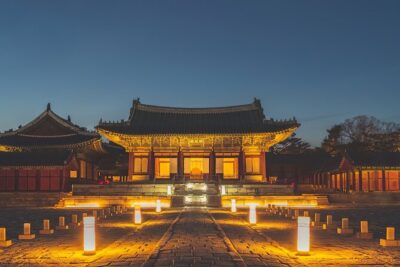
Seoul Night Palace & Market Food Tour with Vehicle
Read our review →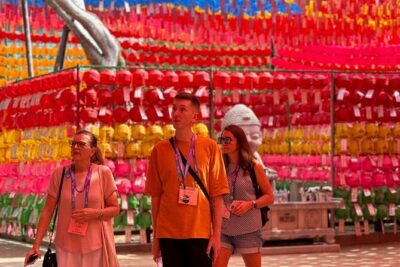
Best Things to Do – Half Day Seoul Trip (Seoul Palace & Temple)
Read our review →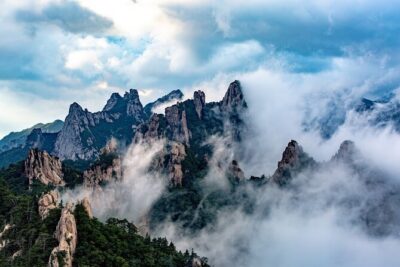
Mount Seorak and Naksansa Temple One Day Tour from Seoul
Read our review →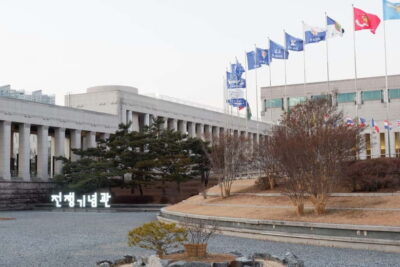
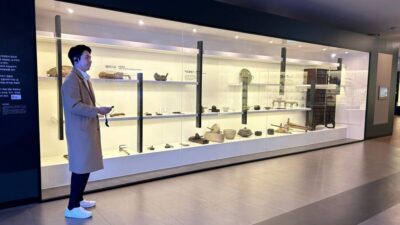
Vegan Temple Food Class, Jogyesa & Changdeokgung Tour
Read our review →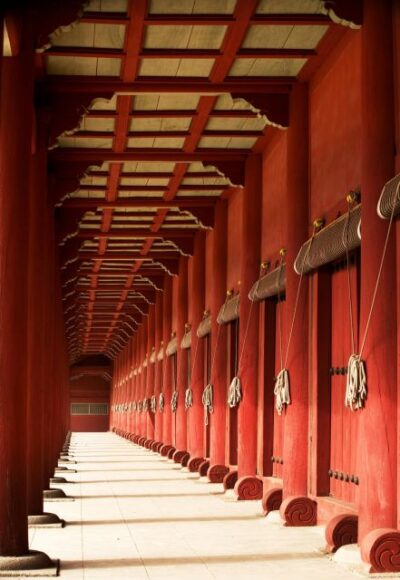
UNESCO Sites tour: Palace, Shrine & Bukchon Village
Read our review →Browse the lists this tour appears in