
Review · BEIJING
Chinese Kungfu class in old temple beside Forbidden Ci
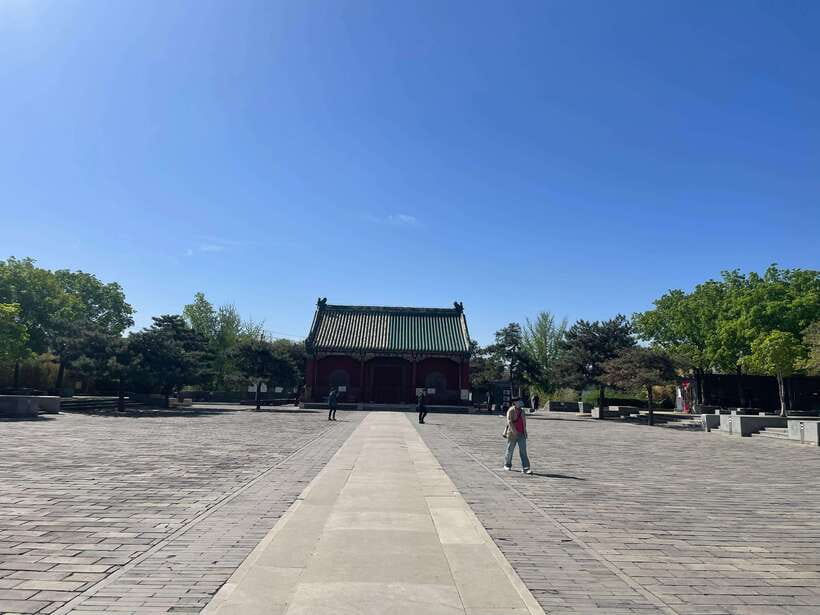
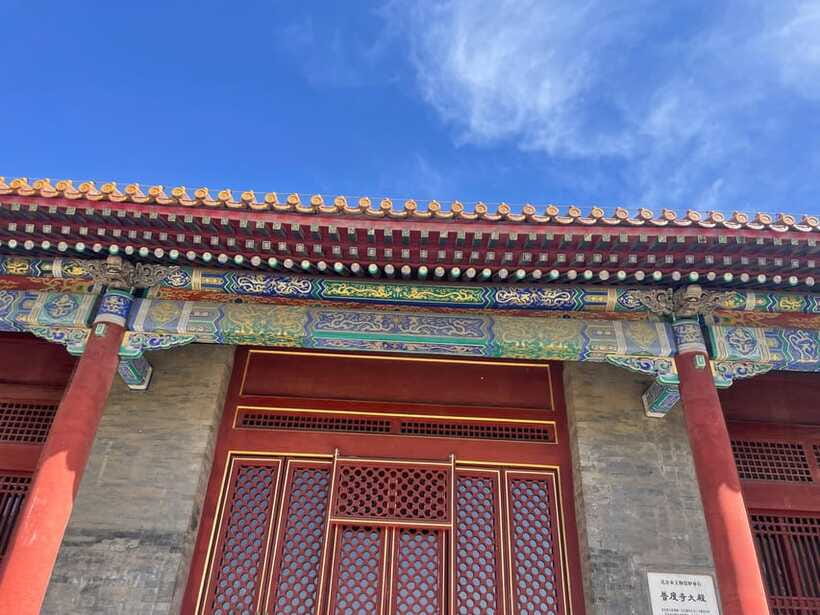
Ancient Beijing makes a fine training ground. This one-hour Chinese kungfu class takes you into a hutong beside the Forbidden City, where you practice basic Shaolin movements inside Pudusi, a former royal temple with nearly 700 years of history. I like the rare setting and the practical teaching, which goes beyond posing for photographs. The main thing to consider is that this is an introduction, not a full martial arts course.
I also like the English-speaking support. A translator or greeter helps you follow the master’s instructions, and several sessions have been adjusted for children, late arrivals, or a visitor’s particular interests. The class can be physical, so bring water and, as one happy student wisely discovered, an extra T-shirt.
Key points to know before booking
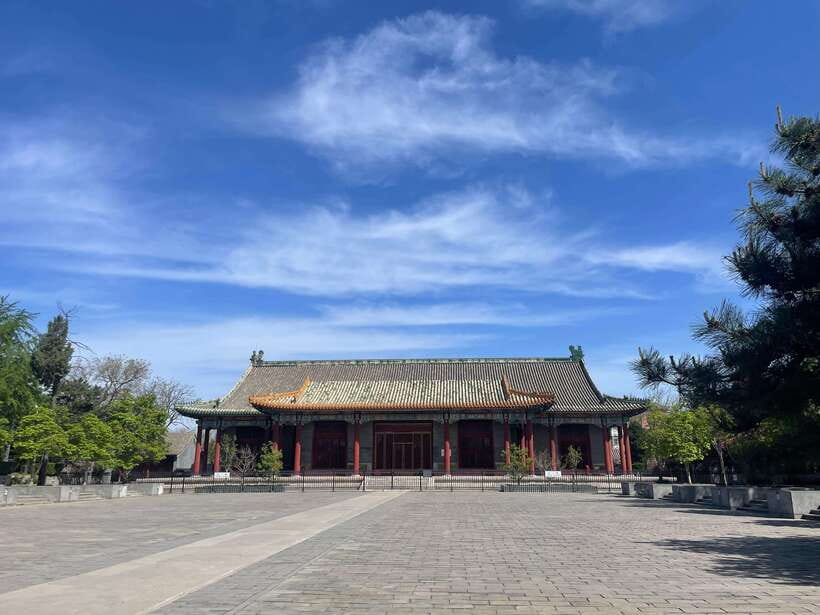
- Pudusi’s royal setting: You practice in a hutong area directly beside the east gate of the Forbidden City, inside a former royal temple site.
- One hour of hands-on training: Expect basic exercises, traditional forms, and practical attack and defense movements rather than a long performance.
- A Shaolin-trained teacher: The master began training at age five and teaches Shaolin kungfu along with other traditional styles.
- English help is provided: A guide or translator explains the master’s instructions and answers questions.
- A personal feel: One-to-one sessions have occurred when class numbers were small, though private teaching should not be assumed.
- Good value at $45: The price makes sense if you value direct instruction, cultural setting, and a small-scale experience near a major Beijing sight.
Why this class feels different from a kungfu show
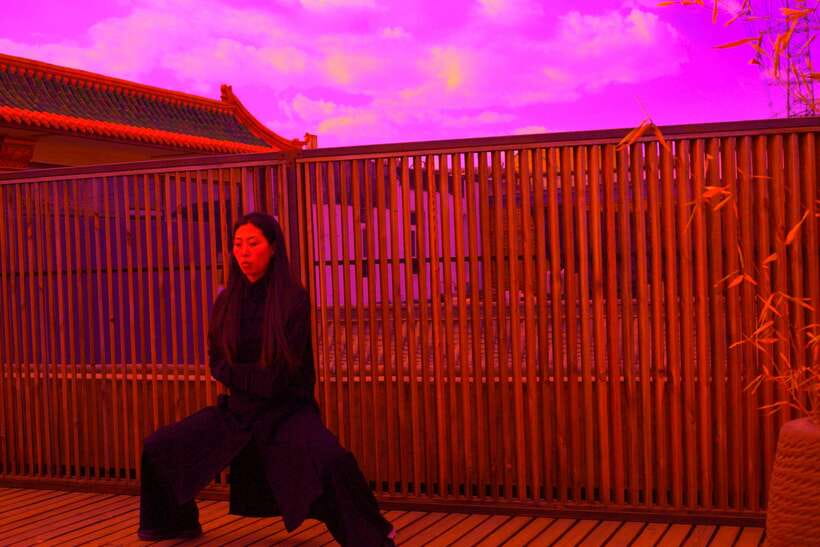
Beijing offers plenty of grand sights, but most let you look. This activity asks you to move, listen, and try something unfamiliar with your own body. That simple change gives the visit a different feel.
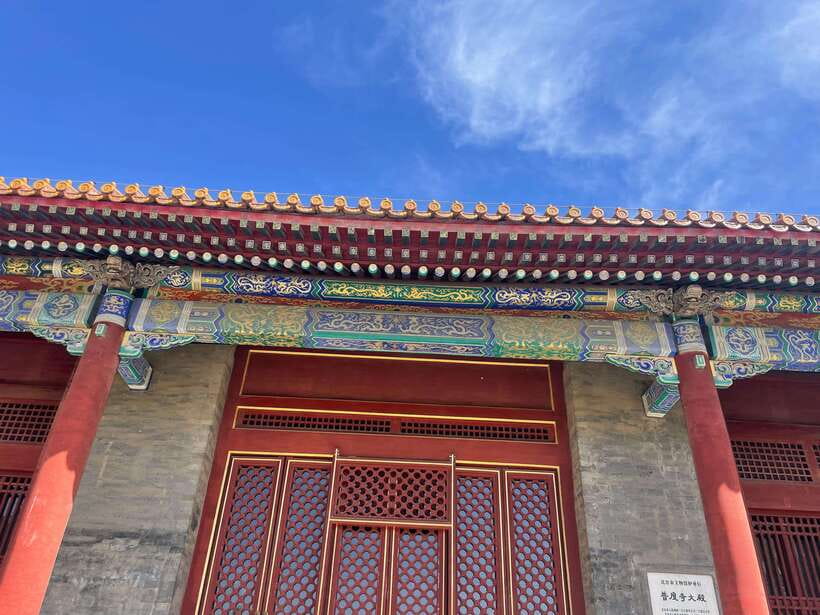
The setting does much of the work. Pudusi is described as a royal temple with almost 700 years of history, now located within a residential hutong area beside the east gate of the Forbidden City. You are not heading to a modern fitness studio or a theatrical stage. You are entering an old neighborhood where daily life and historic buildings sit close together.
That contrast is part of the appeal. You may see the temple, hear the guide explain local traditions, and then spend an hour learning how to stand, step, block, and strike. The class connects Beijing’s past with a skill that is still practiced today.
The activity is also a good choice if you want something more grounded than a staged martial arts performance. The master demonstrates techniques, corrects your movements, and explains how kungfu can work in ordinary self-defense situations. You should not expect to leave as a fighter, but you can leave with a clearer sense of the discipline behind the art.
A few more temple visits around Beijing worth a look
- Beijing: Temple Of Heaven+Tai Chi Class+Tea Ceremony
★ 5.0 · 8 reviews - Kyoto: Calligraphy class at Buddhist temple in city center
★ 5.0 · 167 reviews - Seoul: Vegan Temple Food Class, Jogyesa & Changdeokgung Tour
★ 4.6 · 34 reviews
Arriving beside the Forbidden City
The location is one of the strongest reasons to book. Pudusi sits right beside the east gate of the Forbidden City, in a hutong area that has kept its traditional residential character. That makes it easy to pair the class with sightseeing in central Beijing.
The exact meeting point and movement between the hutong, temple, and practice area should be confirmed with the host before you go. The available details describe the class as taking place in or near the temple and hutong setting, while individual sessions have used a nearby park with a temple. This may mean the practice space changes according to the day or group.
Give yourself enough time to find the meeting place. One participant arrived late and was kindly offered a rescheduled class, but you should treat that as good service rather than a promise. Beijing’s central streets and historic compounds can be confusing, and a calm arrival will make the lesson much more enjoyable.
The setting is not only a backdrop. It helps explain why this experience works. You are learning a traditional physical art in a place tied to imperial Beijing, yet you are doing so among homes and local life rather than inside a large tourist complex.
The one-hour kungfu lesson
The class begins with an introduction to traditional Chinese kungfu and its basic principles. You then practice movements under the master’s direction. The lesson can include Shaolin techniques and forms from other Chinese styles, with the teacher showing how the movements are used rather than simply demonstrating them for applause.
Expect correction. That is an important part of the experience. The master has been trained since the age of five and has experience teaching people with different levels of ability. Beginners have been guided through the basics in less than an hour, while more experienced martial artists have been able to focus on specific interests.
Your session may include:
- Basic kungfu training and body movements
- Shaolin forms and techniques
- Practical defense movements
- Attack and counterattack exercises
- Explanations of kungfu principles
- Corrections to help you perform movements properly
The emphasis on practical use is unusual for a short cultural activity. You may be shown how to respond to a grab, block an attack, or use body position more effectively. The exact material will depend on the teacher and the group, so do not expect a fixed routine identical to every other class.
The word master can sound grand in a tourist brochure, but here it refers to an instructor with serious traditional training. Previous classes have included careful correction and patient explanations. That matters when you are trying a martial art for the first time, since a fast demonstration without guidance would be hard to follow.
Working through the language gap
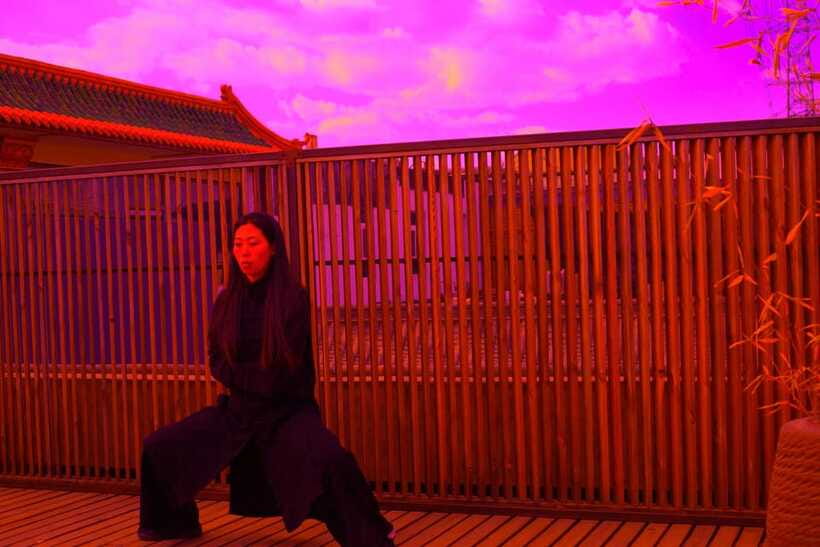
The master may not teach directly in English, but an English-speaking guide or translator is provided. This arrangement has worked well because the teacher can focus on demonstration while the guide explains the details and translates questions.
Limeng has been especially helpful in this role. She has translated the master’s explanations, introduced cultural points, helped visitors understand the movements, and in some sessions added a tea ceremony. Her presence is useful for beginners who want to ask why a movement works, not just copy the shape of it.
Translation also gives the class a more local feel. You are not following a polished English script from a large tour company. You are watching a skilled teacher demonstrate his art, then receiving help in understanding the meaning and purpose of each exercise.
Still, translation takes time. Some instructions may come in short sections, and you may need to watch carefully before attempting a movement. I see that as part of the exchange rather than a flaw, but anyone expecting a fast English-language fitness class should adjust their expectations.
Same place, a different morning at the gates:
- Beijing: The Temple of Heaven or Summer Palace Entry Ticket
★ 4.6 · 1,286 reviews - Beijing Classic Full-Day Tour including the Forbidden City, Tiananmen Square, Summer Palace and Temple of Heaven
★ 4.0 · 610 reviews - Temple of Heaven Ticket
★ 5.0 · 482 reviews - Temple Heaven, Lama Temple, Summer Palace & Peking Duck Bus Tour
★ 5.0 · 377 reviews
A class that can suit beginners and children
You do not need previous martial arts experience. First-time students have learned basic kungfu movements during the session, and the teacher has been patient with people who were completely new to martial arts.
The class can also work for children. The instructor has been accommodating toward kids, and the guide has helped make the lesson easier to follow. That said, the activity still involves physical movement and close attention. Parents should decide if their children can manage an hour of instruction without becoming tired or distracted.
A small group can make a major difference. One person received a one-to-one class, and another had a highly personalized session with an experienced practitioner. These situations are possible, but they depend on the number of bookings and the day’s arrangements. Book this for the personal teaching potential, not as a guaranteed private lesson.
You can also tell the host if you have a particular interest in kungfu. One participant with martial arts experience was able to focus on personal goals, while beginners were taught the fundamentals. Sharing your level in advance may help the instructor shape the class.
What to wear, and why you need an extra shirt
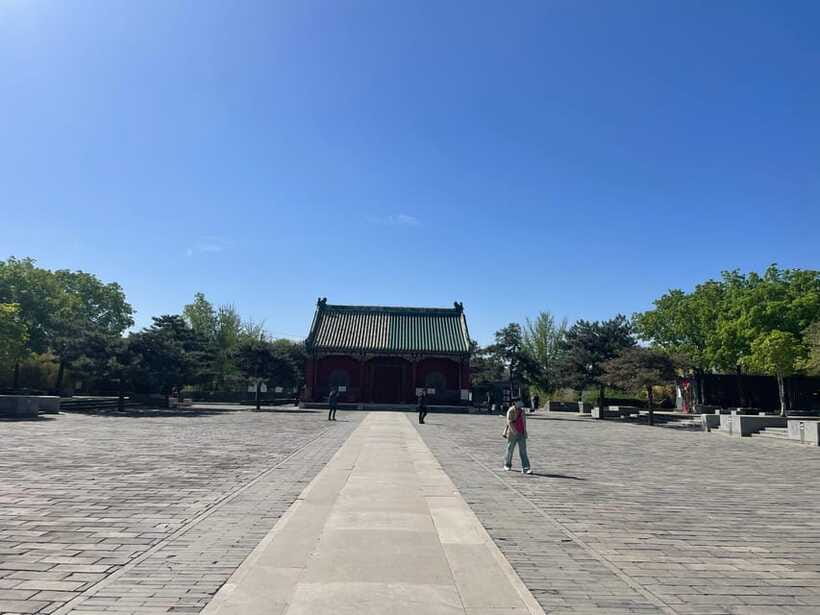
The activity is active enough to make you warm, especially during repeated drills. Wear comfortable clothes that let you move freely. A spare T-shirt is a sensible addition, particularly in warmer weather or if you plan to continue sightseeing afterward.
The provider also offers traditional kungfu practice suits. The package includes an outer and inner top with trousers, and you can contact the provider about size and color if you want to buy one. The suit is optional, but it can add to the sense of occasion and makes a memorable souvenir.
Do not confuse the traditional suit with protective equipment. The supplied information does not mention padding, sparring gear, or full-contact fighting. This is a guided introduction to movements and practical technique, not a combat match.
Bring water if you need it, and avoid arriving in clothing that restricts your legs or shoulders. Since the practice area may be a park or temple setting, simple, comfortable clothing is more useful than dressing for a formal indoor class.
The optional tea ceremony
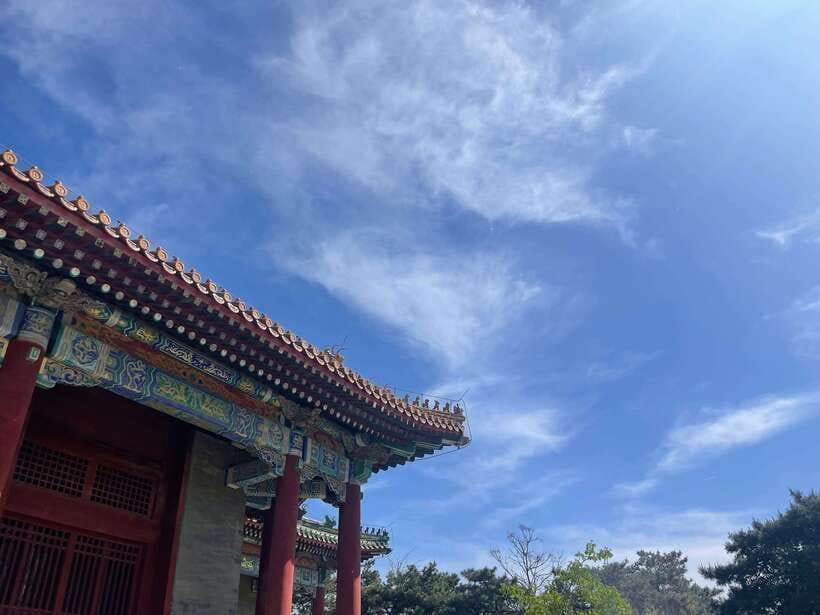
Some sessions have included a tea ceremony before the kungfu lesson. In one arrangement, Limeng brought the group to a small hutong house, explained the ceremony, served two types of Chinese tea, and offered a small snack. The tea portion lasted about an hour before the group continued to the kungfu class.
This is a worthwhile addition if you want the activity to cover more than martial arts. Tea gives you time to ask questions about local culture and settle into the hutong before the physical lesson begins. It also creates a slower counterpoint to the energetic kungfu practice.
The tea ceremony should not be assumed to be part of every booking unless the host confirms it. Ask when you reserve if you want both activities. If you are mainly interested in training, the kungfu class by itself is the central experience.
Is $45 a fair price?
At $45 per person, this is good value for a one-hour class if you care about setting and instruction. You are paying for access to a professional kungfu master, English translation, hands-on teaching, and a historic location next to one of Beijing’s major sights.
The value becomes stronger if you receive a small-group or one-to-one session. In that case, the instructor can correct your stance and adapt the exercises to your ability. You should not count on that level of attention, but the possibility makes the price attractive.
The cost is less compelling if you want a long training session or a formal martial arts qualification. The class is brief and introductory. You are buying a cultural encounter with real practice, not several days of intensive instruction.
At the time of booking, you can reserve and pay later, and cancellation is allowed up to 24 hours before the activity for a full refund. The activity is listed as valid for three days, so check the available starting times carefully. The class itself lasts about one hour, despite the three-day validity period.
Who will get the most from this experience?
I would choose this class for you if you want to add movement and local contact to a Beijing sightseeing day. It suits first-time martial arts students, families with older children, curious history lovers, and anyone who would rather learn a skill than watch another performance.
It is also a strong choice if you have already seen the Forbidden City and want to understand the area beyond the palace walls. The hutong setting shows a different side of central Beijing, where a former royal site sits among ordinary homes and neighborhood streets.
You may want to skip it if you dislike physical activity, need a fully indoor lesson, or expect a long, advanced training course. The teacher is highly trained, but your session is designed for visitors and beginners. Its strength is access and explanation, not intensity or formal progression.
Should you book the Pudusi kungfu class?
Book it if you want a personal, active experience near the Forbidden City. The royal temple setting, patient master, English translation, and practical self-defense teaching give the hour more substance than a quick photo stop.
I would especially recommend it to anyone who has never tried kungfu. You will learn enough to understand the basic posture, rhythm, and purpose of the movements, while the hutong and tea options add cultural context. Tell the host your experience level, ask if a tea ceremony is available, and pack an extra shirt.
Skip it only if you are looking for a full martial arts course or guaranteed private coaching. For a $45 introduction in one of Beijing’s most historic areas, this is a sensible way to spend an hour.
FAQ
Where does the kungfu class take place?
The class takes place in a local hutong area inside or beside Pudusi, a former royal temple site located next to the east gate of the Forbidden City. Some sessions have used a nearby park with a temple.
How long does the kungfu class last?
The kungfu lesson lasts about one hour. The activity is listed as valid for three days, so you should check the available starting times when booking.
Do I need previous martial arts experience?
No. The class teaches basic traditional kungfu and is suitable for beginners. The teacher can also adapt instruction for people with prior martial arts experience.
Is English support available?
Yes. An English-speaking host, greeter, or translator helps explain the master’s instructions and answer questions.
What styles of kungfu are included?
The teacher specializes in Shaolin kungfu and also teaches techniques from different traditional Chinese styles.
Will I learn self-defense?
The lesson includes practical uses of kungfu techniques, including attack and defense movements. It is an introductory class, not a full self-defense course.
Is a kungfu uniform included?
Traditional practice suits are available to buy, including an outer top, inner top, and trousers. You need to contact the provider about size and color.
Can I cancel the activity?
You can cancel up to 24 hours in advance for a full refund. The reserve-now, pay-later option is also available.
Just added around Beijing
- Temple of Heaven Admission Ticket★ 4.0 · 36 reviews
- 3-Hour Private Tour: Temple of Heaven and Lama Temple★ 5.0 · 3 reviews
- Temple of Heaven Morning Walking Tour with Ticket★ 5.0 · 7 reviews
- Small Group Beijing Temple of heaven and Summer Palace with Pearl market★ 5.0 · 3 reviews
- Full-Day Beijing Forbidden City, Temple of Heaven and Summer Palace Tour★ 4.5 · 40 reviews
- Summer Palace and Temple Of Heaven Private Tour★ 5.0 · 9 reviews
- Private Day Trip of Forbidden City, Temple of Heaven and Summer Palace★ 4.5 · 3 reviews
- Private Day to T-Square, Forbidden city, Temple of heaven, Summer palace Tour★ 5.0 · 54 reviews
Workshops, compared.
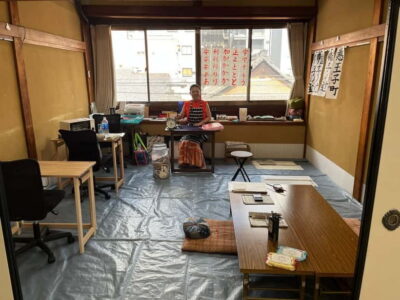
Calligraphy class at Buddhist temple in city center
Read our review →
Vegan Temple Food Class, Jogyesa & Changdeokgung Tour
Read our review →
Full-Day Private Water Temple Ritual & Yoga Class
Read our review →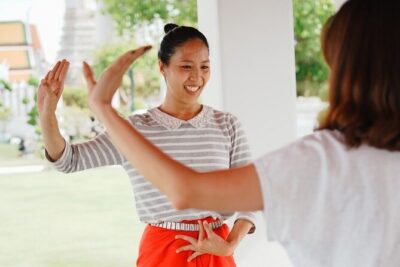

My Son Hindu Temples & Terracotta Workshop PRIVATE TOUR
Read our review →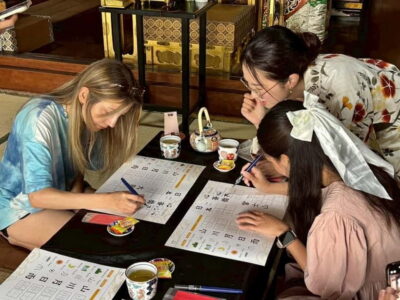
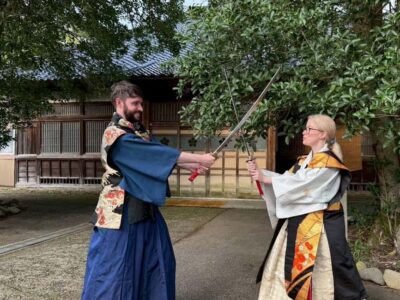
Kanazawa: Samurai Swordsmanship Lesson at a rented temple
Read our review →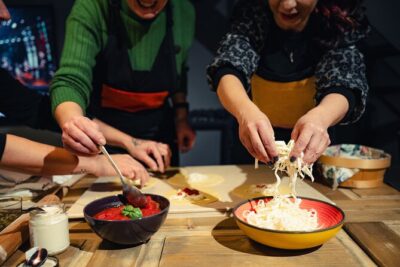
Cooking Class in a former Artist Monastery in the Heart of Monopoli
Read our review →Browse the lists this tour appears in