
Review · TOKYO
Tokyo: Mt. Fuji, Owakudani, Hakone Shrine, & Open-Air Museum
A full day, many moods. This Hakone trip packs volcanic Owakudani, Lake Ashi, Hakone Shrine, and the Open-Air Museum into an easy escape from Tokyo. I like the smart mix of outdoor scenery and serious art, and I like having transportation, admissions, and an English or Korean-speaking guide handled for you. The tradeoff is a busy schedule, with traffic and weather sometimes forcing an itinerary change or limiting views of Mount Fuji.
The $79 price is strong value if you want to see several Hakone sights without wrestling with trains, buses, and local transfers. I also appreciate the practical guides: Juna, Icchi, and Yuichi are singled out for careful driving, useful local tips, and quick itinerary changes when rain or crowds get in the way. Just bring comfortable shoes, snacks, and patience for a long day on the road.
Five things to know before you book
- Owakudani is the most dramatic stop: You see steam vents, sulfurous springs, and the raw signs of an active volcanic area.
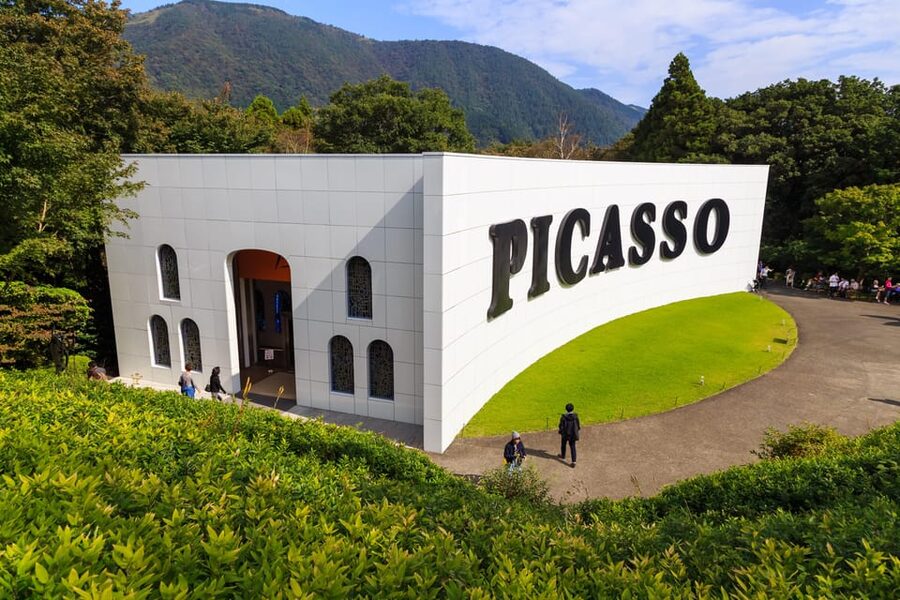
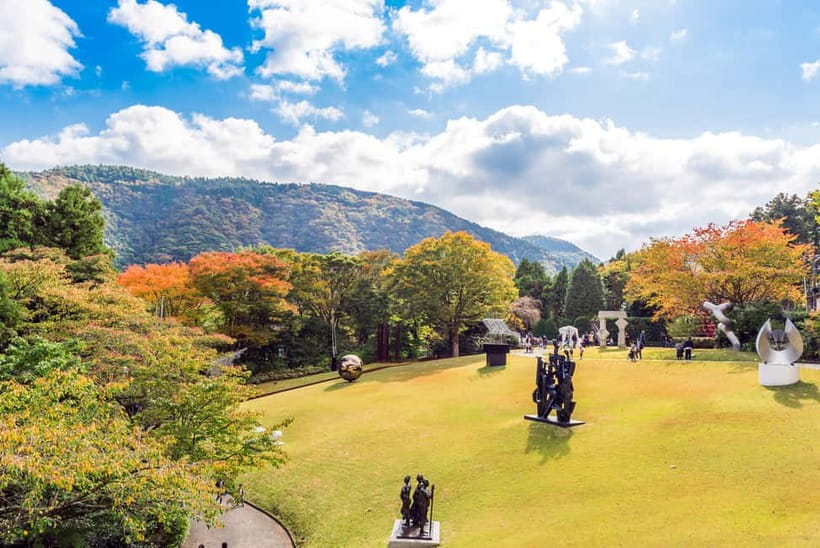
- The Open-Air Museum deserves real time: Henry Moore, Joan Miró, Picasso, and outdoor sculpture turn a garden walk into a major art stop.
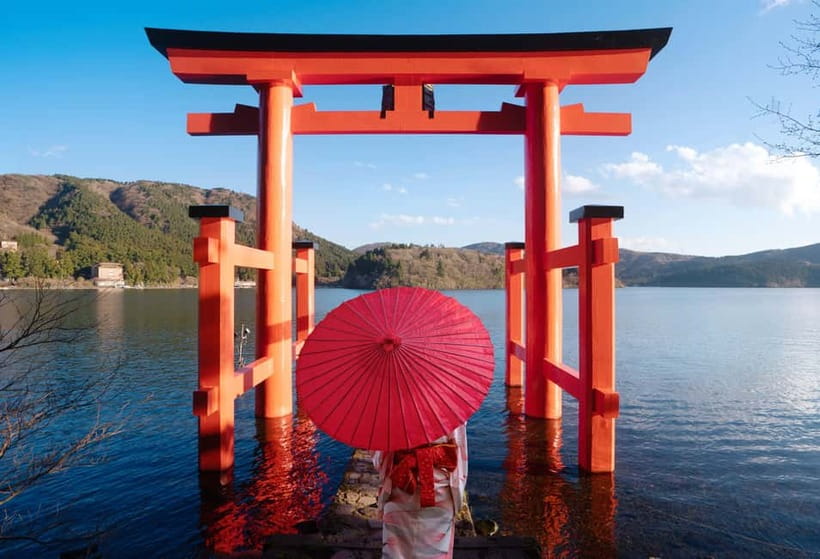
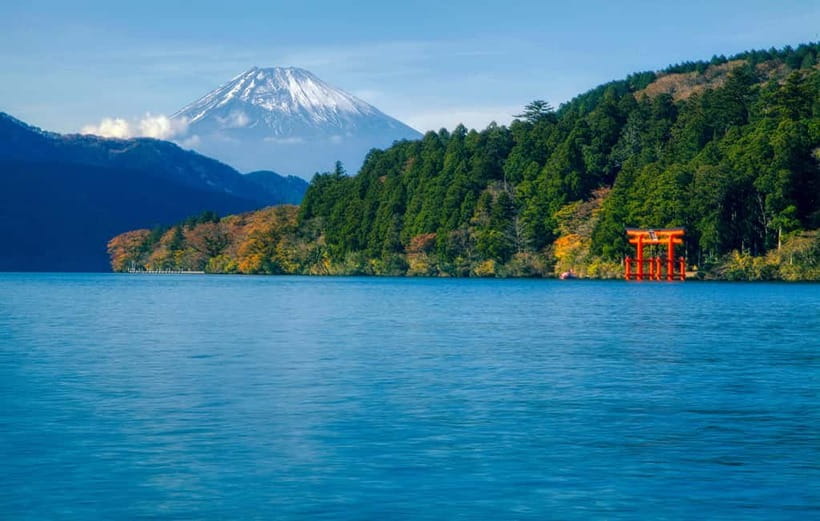
- Lake Ashi and Hakone Shrine bring the quiet: The famous torii gate in the water gives you one of the area’s best photo settings.
- Mt. Fuji is never guaranteed: Clouds and rain can hide it, so book this for Hakone as a whole, not for one mountain view.
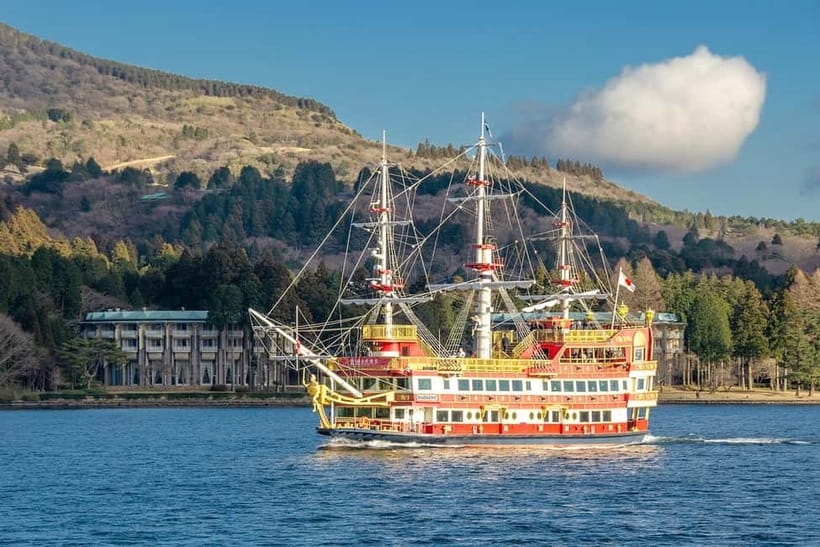
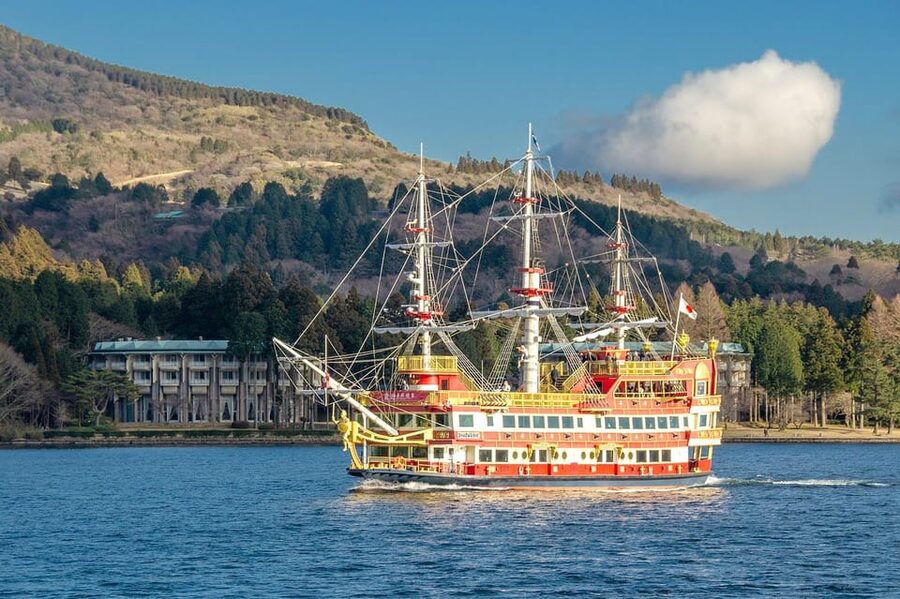
- Optional rides cost extra: The Hakone Ropeway and Pirate Ship may be available, but tickets are not included and weather can cancel them.
Why Hakone makes a good break from Tokyo
Tokyo gives you neon, trains, department stores, and enough people to fill every sidewalk. Hakone offers a sharp change of pace within a single day: forested hills, a volcanic valley, a mountain lake, and art set outdoors under open sky.
That variety is the main reason I find this tour appealing. You do not spend the day looking at similar temples or repeating the same kind of scenic view. Instead, the route shifts from sculpture to sulfur vents, then from geology to shrine architecture and lake scenery.
The trip is designed as an escape from Tokyo, with transportation included. That matters in Hakone, where the sights are spread out and the best route can depend on traffic, weather, and operating conditions. You are not left to work out every connection on your own.
The tour ends back at the meeting point, but the exact starting point can vary by the option you book. Check that detail carefully before departure. Japanese law also limits vehicles to 10 hours of operation, so your guide may adjust the schedule in real time.
More Museum Visits in Tokyo:
- Tokyo War History Tour: Yasukuni Shrine & War Museum
★ 4.5 · 6 reviews - Montserrat Museum and Monastery Entry Ticket
★ 4.5 · 1,740 reviews - Lisbon: Belem, Jeronimos Monastery, and Coach Museum Tour
★ 4.8 · 478 reviews
The Hakone Open-Air Museum: art with room to breathe
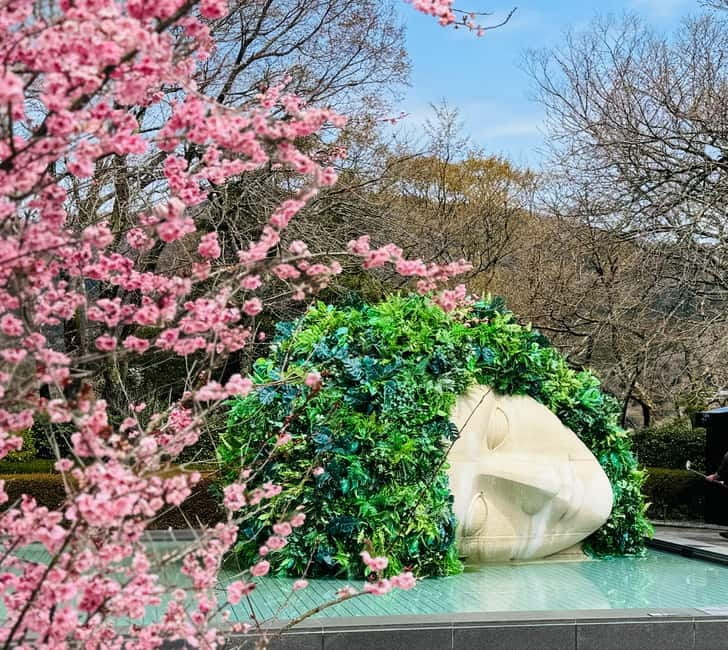
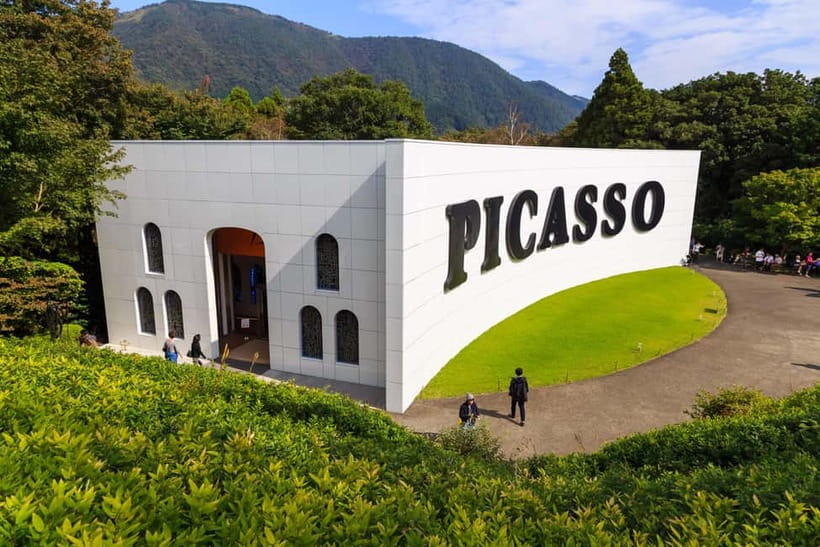
The Open-Air Museum is not a quick photo stop with a few statues beside a path. It is Japan’s first open-air art museum, and its setting is a big part of the visit. Sculpture gardens spread through a natural setting, giving you space to look at large works from different angles instead of squeezing through a narrow indoor gallery.
I like this opening stop because it gives the day a cultural anchor. Works by Henry Moore and Joan Miró provide recognizable names, while the wider collection lets you encounter pieces you may not know. The Picasso gallery adds an indoor element and gives the visit a more traditional museum focus.
The outdoor works are especially useful for families and for anyone who does not want a full morning in a quiet gallery. You can walk, pause, take photographs where permitted, and change pace. Interactive installations add another layer, so this is not only a place for serious art followers.
Allow yourself enough energy for walking. Comfortable shoes are not a throwaway suggestion here. The museum combines gardens, paths, sculptures, and gallery space, and you will get more from it if you are willing to move at an unhurried pace.
The possible weakness is time. A day tour has several major stops, and you may not have the freedom to inspect every work or spend as long as you would on a dedicated museum visit. If the Open-Air Museum is your main reason for going to Hakone, ask your guide at the start how much time is planned there.
Owakudani and the smell of the earth
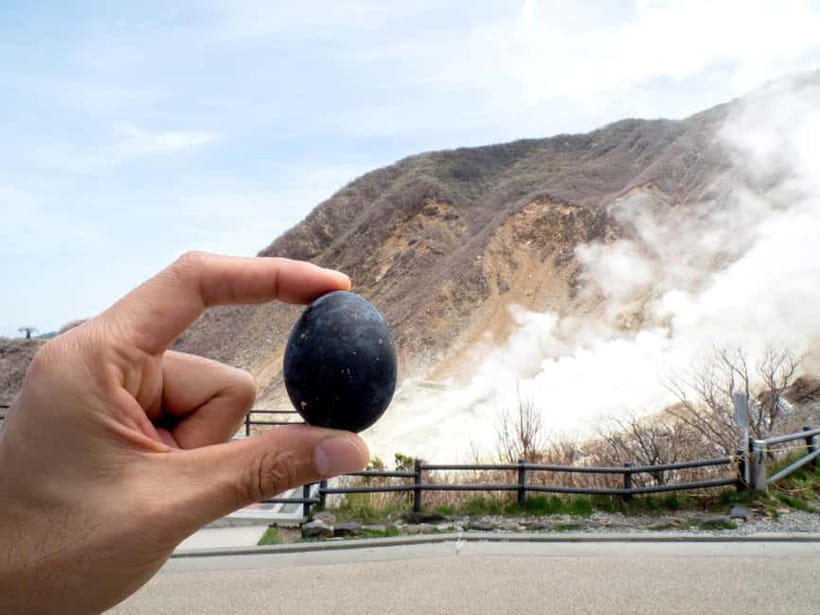
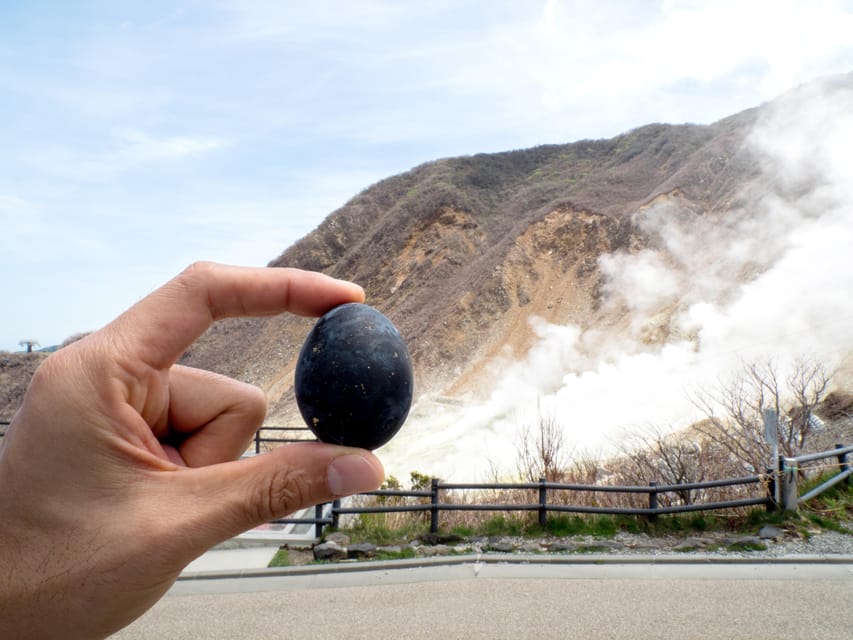
Owakudani gives the day its most unusual physical experience. This active volcanic valley is marked by sulfurous hot springs, steam vents, and ground shaped by volcanic activity. The air and scenery make it clear that this is not simply a pretty mountain viewpoint.
You will see a harsher side of Hakone here. Steam rises from the valley, sulfur leaves its mark, and the terrain feels more powerful than polished. It is a good reminder that the region’s hot springs are tied to real underground heat, not just spa culture.
Weather matters a great deal at Owakudani. Rain, low cloud, or poor local conditions can change what you see and how long you can remain outside. The guide may also change the order of stops, especially during peak periods when road traffic becomes heavy.
If the Ropeway is running and you choose to pay for it, it can add another way to see the volcanic area. The Ropeway ticket is not included, and availability depends on weather and local conditions. Your guide can help with the practical steps, but the optional ride should not be treated as part of the guaranteed package.
Give Owakudani some time for photographs, but do not expect every day to deliver a clear view of Mount Fuji. The volcanic valley itself remains worthwhile when the mountain is hidden. That is an important point when choosing this trip: Fuji is a bonus, not the whole purpose.
Hakone Shrine and the torii on Lake Ashi
Hakone Shrine changes the mood again. After the open-air art and volcanic steam, you reach a quieter religious setting near Lake Ashi, at the foot of Mount Hakone. Forest, water, and mountain slopes frame the shrine area, giving you a chance to slow down.
The famous torii gate in the water is the main image most people associate with the visit. It is a natural place for photographs, though the setting can become crowded. One useful idea from the guides is to visit the shrine early when the schedule allows. On a rainy day, Icchi rearranged the route so the group reached the shrine before larger, louder groups arrived.
You may also find practical local touches here. One guide suggested carrying a bottle to fill with mineral water at the shrine, and explained that a five-yen coin is considered an auspicious offering. Bring small change if you like taking part in the shrine visit, but treat the custom with respect rather than as a photo prop.
Lake Ashi gives you the broad scenic view: water below, wooded hills around it, and the chance of Mount Fuji beyond. The word chance matters. Cloud and rain can block the mountain entirely, as happened on one wet day, even though the rest of the visit still felt worthwhile.
The optional Pirate Ship offers a different way to see the lake. It requires a separate ticket and depends on local and weather conditions. If it is operating, ask your guide how it fits with the rest of the schedule. You should not assume there will be enough free time simply because the ship is available.
A few more temple visits around Tokyo worth a look
- Tokyo: Asakusa Walking Tour with Sensoji Temple Visit
★ 4.8 · 1,583 reviews - Nikko: Kegon Falls, Lake Chuzenji & Toshogu Temple
★ 4.6 · 1,577 reviews - Tokyo: Nikko Toshogu Shrine and Kegon Waterfall Tour
★ 4.5 · 1,266 reviews - Tokyo Panoramic 1 Day: Meiji Shrine, Asakusa, Odaiba and SKYTREE®
★ 4.5 · 1,222 reviews
Mount Fuji views: plan for possibility, not certainty
The title promises Mount Fuji, but no day tour can control clouds. The mountain may appear dramatically over Lake Ashi, or it may vanish behind a gray wall just as you reach the best viewpoint.
One guide changed the order of the day to improve the chance of seeing Fuji and to reach the shrine before crowds. That kind of flexibility is valuable. A fixed sequence can be less useful when weather shifts by the hour.
Still, I would not book this outing solely for a Fuji photograph. The included stops are strong enough to carry the day: Owakudani offers unusual geology, the shrine provides a calm cultural pause, and the museum is a substantial attraction in its own right.
If Fuji does appear, it can make the lake portion memorable. If it does not, you still have a complete Hakone visit rather than a failed mountain chase. Pack a light jacket or rain protection according to the forecast, and expect the guide to make practical decisions rather than follow the printed order at all costs.
Transportation, guides, and the value of $79
At $79 per person, the tour offers good value for anyone who wants an organized day with admissions and transportation included. Hakone’s sights are not all beside one another, and the route involves more than simply arriving at one town and walking between attractions.
The value is strongest for first-time visitors, short-stay visitors, and anyone who finds Japanese transport connections stressful. You save planning time and can use the ride to rest between stops. The guides also handle changes when heavy traffic, rain, or operating conditions make the original plan less practical.
The service is offered with English and Korean-speaking guides. Names noted during the experience include Juna, Icchi, and Yuichi. Their roles go beyond pointing at sights: they help with optional rides, explain shrine customs, drive safely, and adjust the order when that improves the day.
One small-group account had only six people, which made the day feel more personal and allowed the guide to respond quickly. Group size can vary, so do not assume every departure will be that small. The overall rating is 4.7 from 25 ratings, with particularly strong praise for punctual departures, smooth driving, helpful logistics, and attentive guiding.
There are limits to the price. Meals are not included, and neither are personal expenses, travel insurance, the Ropeway, or the Pirate Ship. Bring snacks or a light lunch for the bus or attraction stops. Buying food during a tight schedule may be less convenient than carrying something simple.
The tour uses a vehicle, and Japanese law prevents it from operating for more than 10 hours. That legal limit helps explain why the itinerary cannot stretch indefinitely if traffic causes delays. During peak season, the route may run in reverse. That is sensible, but it means you should stay flexible about which stop comes first.
Who will enjoy this Hakone day trip
I would recommend this tour to you if you want a broad introduction to Hakone without arranging separate tickets and transfers. It works particularly well for:
- First-time visitors to Hakone
- People staying in Tokyo who have only one free day
- Art lovers who also want volcanic scenery
- Families who prefer a guided vehicle to several local connections
- Visitors who want help with the Ropeway or Pirate Ship
- English or Korean speakers who want assistance throughout the day
It may be less suitable if you dislike fixed schedules or want long, quiet periods at one attraction. The Open-Air Museum alone can reward a slow visit, while the shrine and Owakudani can also absorb extra time. A group tour asks you to keep moving.
It is also not the right choice if your only goal is a guaranteed Fuji view. Weather can hide the mountain, and traffic can affect the order of the day. Think of Fuji as an added reward within a wider Hakone outing.
Parents should note that infants are free but do not receive a seat. If you are bringing a baby stroller, tell the operator in advance. Everyone should wear comfortable shoes, since the museum gardens and outdoor sights require walking.
How to get the most from the day
Check your meeting point carefully because it can vary by the option booked. Arrive ready for a full day, with shoes suited to paths and outdoor stops.
Carry snacks, a light lunch, water, and a few five-yen coins if you would like to make an offering at the shrine. A small bottle may also be useful if you want to fill it with mineral water there, as one guide recommended.
Keep your phone and camera ready, but do not build the day around one photograph. The most memorable parts may be the sulfur steam at Owakudani, a large sculpture viewed from an unexpected angle, or the sudden quiet around Lake Ashi.
If the weather turns, listen to the guide’s advice. A changed route can put you at the shrine before crowds, improve your chance of seeing Fuji, or protect the schedule from a long delay. The strongest part of this tour is not rigid timing. It is having someone make sensible choices when Hakone refuses to cooperate.
Should you book this tour?
Book it if you want to combine art, volcanic scenery, shrine culture, and Lake Ashi in one organized day from Tokyo. At $79, included transportation and admissions make the price attractive, especially when you add the time saved on planning.
Skip it if you want to linger at one sight, travel independently, or need a guaranteed Mount Fuji view. For everyone else, this is a well-balanced first look at Hakone, with enough variety to make a cloudy day worthwhile and enough flexibility to improve a sunny one.
FAQ
What is included in the Hakone tour?
Transportation, admission tickets, and an English or Korean-speaking guide are included.
Are meals included?
No. Meals are not included, so bring snacks or a light lunch to eat at an attraction site or on the bus.
Are the Hakone Ropeway and Pirate Ship included?
No. Both are optional activities that require separate on-site tickets, and availability depends on weather and local conditions.
Is Mount Fuji guaranteed to be visible?
No. Fuji views depend on weather and cloud cover. The guide may adjust the itinerary to improve viewing chances, but visibility cannot be guaranteed.
What should I bring?
Bring comfortable shoes. Snacks or a light lunch are also recommended. A bottle and five-yen coins may be useful for the Hakone Shrine visit.
Is the tour suitable for infants and strollers?
Infants can join free of charge, but no seat is provided. If you plan to bring a baby stroller, inform the operator in advance.
Just added around Tokyo
- :Tokyo,Shibuya /Meiji Shrine tour in KIMONO/English-friendly★ 5.0 · 4 reviews
- Tokyo: Snow Monkey and Zenkoji Temple Day Trip In Low Price★ 5.0 · 5 reviews
- Tokyo War History Tour: Yasukuni Shrine & War Museum★ 4.5 · 6 reviews
- Tokyo: Gotokuji Culture Walk & Lucky Cat Temple Experience★ 4.9 · 5 reviews
- Tokyo: Visit 5 Shrines & Collect Goshuin on Private Tour★ 5.0 · 3 reviews
- Tokyo: Shibuya Sky, Harajuku & Meiji Shrine Highlights Tour★ 4.5 · 9 reviews
- Tokyo: Sensoji Temple & Street Food: Private Tour with guide★ 4.6 · 8 reviews
- Tokyo’s Kitchen: Tsukiji Market Food & Culture Walk★ 4.7 · 74 reviews
Museums, compared.
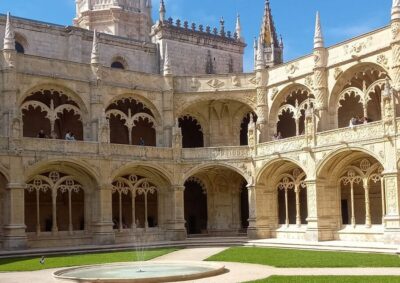
Belem, Jeronimos Monastery, and Coach Museum Tour
Read our review →
Rila Monastery and Optional Museum, Cave or Spa
Read our review →
Takua Pa: Food Market, Tsunami Museum, Temple, & Old Town
Read our review →
Phnom Penh City Tour, Silver Pagoda, Genocide Museum, Killing Fields
Read our review →
Archeology Museum, Gunung Kawi & Goa Gajah Temple Tour
Read our review →
Golden Temple, Jallianwala Bagh, Partition Museum & Wagha Border – #Travellouge
Read our review →
Paestum: Private Tour of Greek Temples and Archaeological Museum
Read our review →Browse the lists this tour appears in