
Review · DOI SUTHEP
Half Day Morning Wat Pha Lat & Wat Phra That Doi Suthep Tour
Chiang Mai’s finest temples sit above the city. This half-day tour pairs the quiet, jungle-set Wat Pha Lat with the grand golden shrine of Wat Phra That Doi Suthep, giving you two very different views of northern Thai Buddhism. I like the cool morning timing, the comfortable transport, and the chance to see both temples without giving up an entire day.
I also like the guides’ strong local and Buddhist knowledge. Several guides, including Phon Phon, TomTam, Austin, Toon, Bin Bin, and Art, have been praised for clear explanations, good humor, photo help, and thoughtful care. The main drawback is pace: 270 minutes is efficient rather than leisurely, and the 306 steps at Doi Suthep are not ideal for anyone with serious mobility limits.
Five things to know before you go
- Two very different temples: Wat Pha Lat feels quiet and woodland-like, while Doi Suthep is ornate, busy, and highly revered.
- A manageable morning schedule: Pickup is usually between 8:00 and 8:30 AM, with return around noon to 12:30 PM.
- The guide adds real value: Guides explain Buddhist customs, temple symbols, monk life, and local history rather than simply pointing out buildings.
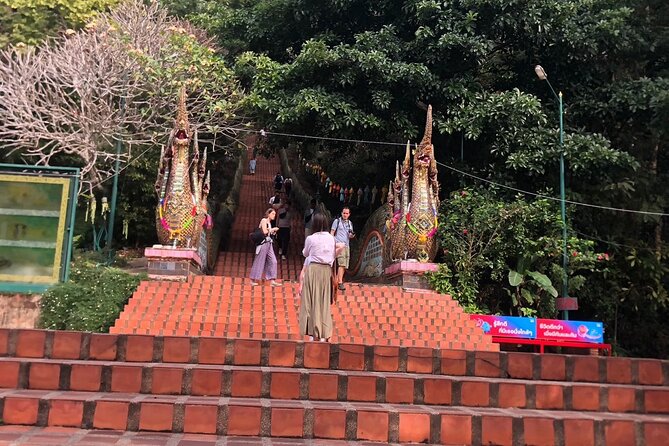
- The climb is part of the visit: Wat Phra That Doi Suthep requires a climb of 306 steps, though a cable car is available for 20 baht.
- Good transport for the price: At $24 per person, air-conditioned transport, entry tickets, water, and an English-speaking guide make this a useful introduction to Chiang Mai’s mountain temples.
Why these two Chiang Mai temples belong together
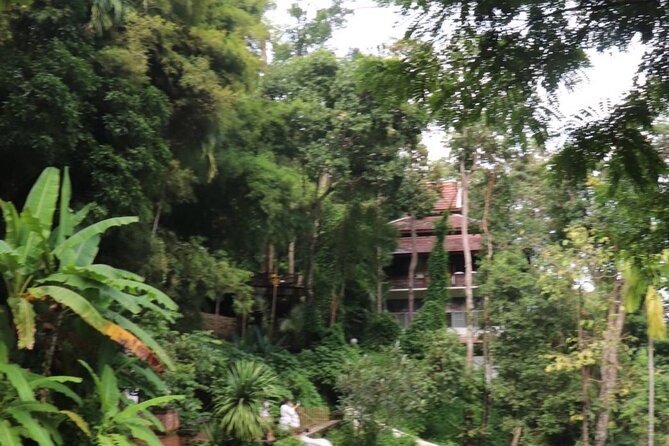
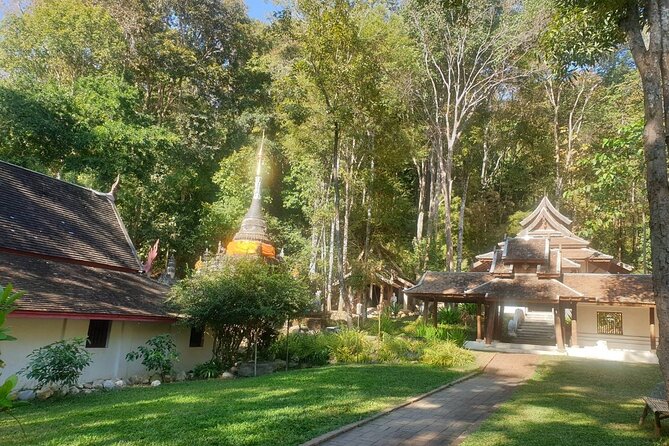
This tour works because the temples complement each other. Wat Pha Lat is the quieter stop, tucked into the forest on the lower slopes of Doi Suthep. Its buildings use Thai and Burmese design details, and the setting includes trees, rocks, and the sound of falling water.
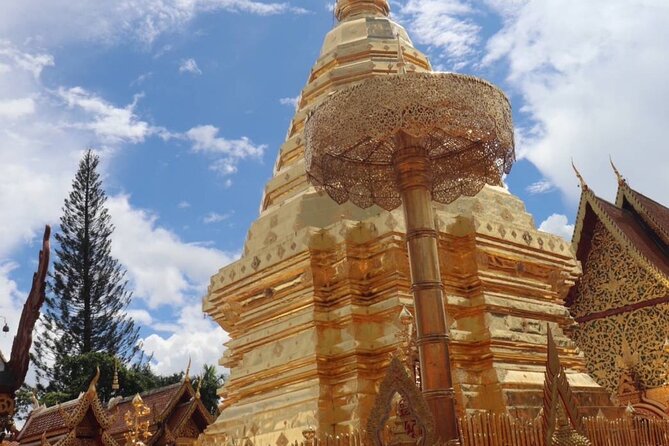
Wat Phra That Doi Suthep gives you the grand finale. It is one of northern Thailand’s most sacred temples, known for its gold pagoda, broad city views, and ornate religious details. The contrast is the point: one temple feels secluded and natural, while the other feels ceremonial and important.
I would choose this pairing over a tour that visits two similar city temples. You get a better sense of how Buddhist worship fits into both a quiet mountain retreat and a major pilgrimage site.
More Doi Suthep Temple Tours in Chiang Mai:
- Chiang Mai: Doi Suthep and Wat Umong Enchanting Evening Tour
★ 4.6 · 1,811 reviews - Chiang Mai: Doi Suthep, Wat Umong, and Pha Lat Sunrise Tour
★ 4.7 · 1,425 reviews - Chiang Mai: Wat Pha Lat & Wat Phra That Doi Suthep Tour
★ 4.8 · 1,207 reviews
The morning pickup and ride up Doi Suthep
If you select hotel pickup, wait in your hotel lobby during the 8:00 to 8:30 AM window. You should provide a WhatsApp number or Thai phone number so the operator can contact you. If you do not choose pickup, the meeting point is Pharmart C Drugstore, where you should wait between 8:00 and 8:30 AM.
The first transfer takes about 30 minutes. The exact route and timing can shift because pickup time is described as flexible, but this is still a short half-day outing. That matters if you have afternoon plans, a cooking class, a train, or a flight later in the day.
The air-conditioned vehicle is one of the tour’s strongest practical features. Several visitors specifically praised the comfortable van, generous legroom, careful driving, and cold drinking water. The vehicle may be shared in a small group, or you may be able to book a private option, depending on availability.
A guide makes the ride more useful. Guides such as Phon Phon have drawn special praise for explaining monk life and Buddhism, while one guide with a background in mountain village life added information about jungle plants and trees. You may get this kind of local detail, though the guide assigned to your group will vary.
Wat Pha Lat: Chiang Mai’s quieter mountain temple
The first stop is Wat Pha Lat. You do not take the Monk’s Trail on this tour, so this is not a long forest hike. Instead, you make a short walk to reach the temple from the vehicle.
That distinction is important. People sometimes expect a strenuous trek when they hear about Wat Pha Lat, but this itinerary offers a more accessible visit to the temple grounds. You still get the forest setting without committing to a long climb through the mountain.
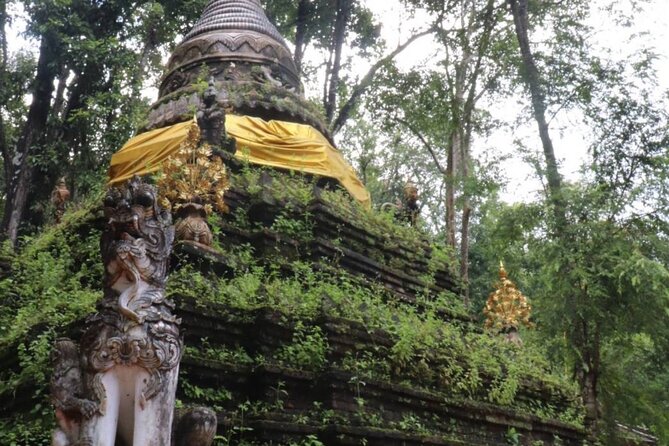
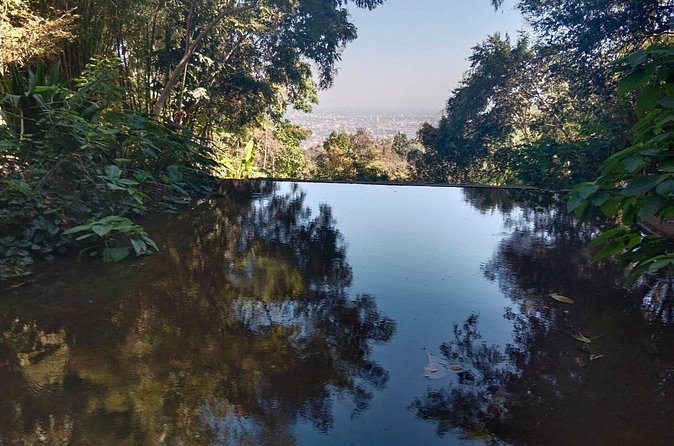
Wat Pha Lat’s appeal comes from its location and design. Thai and Burmese touches appear in the structures, and the surrounding jungle gives the temple a calm, tucked-away feel. Waterfalls and running water add to the sense of quiet. You should allow yourself a few minutes simply to listen and look before rushing to photographs.
Your guide will likely show you the main points and explain the temple’s religious role. The best guides then give you time to explore on your own. That balance matters here because Wat Pha Lat rewards slow observation more than a quick checklist visit.
The stop can also include unexpected local activity. One group visited during a money tree festival and received food from the temple grounds before taking a songthaew back to the tour vehicle. That kind of event cannot be promised, but it shows how the temple can feel connected to present-day community life rather than frozen as a monument.
The main limitation is time. A December visit was described as enjoyable but a little short for anyone wanting a very relaxed look around both temples. If you want long photography sessions, quiet meditation, or an extended walk, arranging transport without a guide may suit you better.
Wat Phra That Doi Suthep and the 306-step climb
From Wat Pha Lat, the vehicle continues to Wat Phra That Doi Suthep. The second transfer is listed at about 45 minutes, so the ride forms a noticeable part of the morning. Your guide can use that time to explain the temple, Chiang Mai, and Buddhist customs.
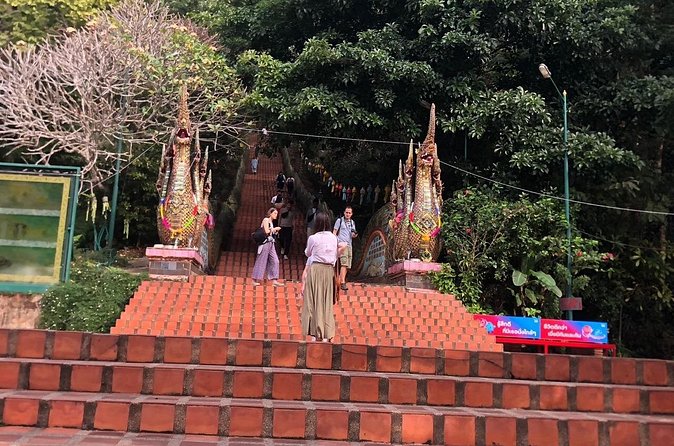
At Doi Suthep, the traditional route involves 306 steps. The stairway is a memorable part of the visit, but it can be tiring in warm weather. Wear shoes with a firm grip and bring enough energy for the climb. Comfortable clothing will make the ascent and the temple visit easier.
A cable car is available for 20 baht, but that ticket is not included. This is a useful option if you have mobility concerns, are traveling with a young child, or simply prefer to save your legs for the temple grounds. The tour is not suitable for wheelchair users, and the operator specifically asks visitors to consider the physical demands of the site.
At the top, the gold pagoda is the main focus. The 14th-century structure is preserved as a major Buddhist shrine and is said to enshrine a relic of the Buddha’s shoulder bone. Your guide can help explain the religious meaning of the pagoda and the customs taking place around it.
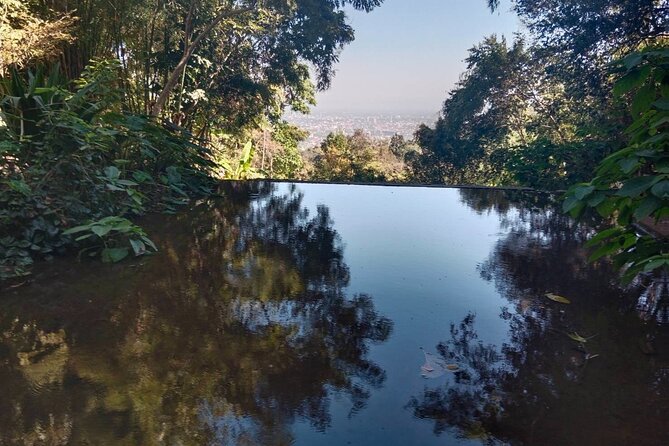
You can also expect time to look at the surrounding buildings, take photographs, and enjoy views over the area. Several guides have been praised for taking visitors to the best viewpoints and helping with photographs. The city views are a strong reward after the climb, especially when the air is clear.
Doi Suthep is more ornate and formal than Wat Pha Lat. It can also feel less peaceful, especially when many people arrive at the same time. The morning departure helps, and one visitor specifically found the half-day morning timing good for cooler weather and fewer crowds. Still, you should expect this to be an active place of worship, not a silent museum.
A few more temple visits around Chiang Mai worth a look
- Chiang Mai: Chiang Rai Temples, Karen Tribe and Hot Springs
★ 4.7 · 5,401 reviews - Chiang Rai White Temple and Blue Temple Day Tour
★ 4.6 · 3,366 reviews - Chiang Mai: White, Red/Black & Blue Temples Tour with Lunch
★ 4.2 · 2,017 reviews - Chiang Mai: 3 Hour Old City and Temples Guided Walking Tour
★ 4.6 · 1,568 reviews
What your guide adds to the temples
The guide is not just a person who leads you from one building to the next. On this tour, the best value comes from interpretation.
A guide can explain why visitors make offerings, how Buddhist spaces are used, and what you are seeing in the pagoda and surrounding structures. You may also learn about Chiang Mai’s history, monk life, local plants, and everyday customs. A former monk, mentioned by several people, gave especially useful explanations of Buddhist practice and the importance of the temples.
The assigned guide changes from group to group. Names praised in the supplied feedback include Phon Phon, TomTam, Austin, Toon, Bin Bin, Art, Dani, Ad, Piano, Moy, and Noy. The consistent pattern is warmth, clear English, patience, and good communication.
TomTam was particularly praised for quick WhatsApp replies, friendliness, and making a solo female visitor feel comfortable. Bin Bin was described as especially good at explaining history in simple terms and making sure the group stayed comfortable. Art helped visitors during a festival, pointed out photo locations, and arranged practical assistance. These details suggest a service style that is attentive rather than rushed, although your own guide will determine the exact tone.
You should still speak up if you want more free time. The tour includes guided visits, but it also allows time to look around independently. Ask your guide early if you want a few quiet minutes, extra photos, or help understanding a ceremony.
Clothing, walking, and temple manners
Wear clothing that covers your arms and legs. Short skirts and sleeveless shirts are not allowed, so pack a light layer if your usual morning clothes are more revealing. Long pants and comfortable shoes are specifically recommended.
You will walk at both sites, including the short approach to Wat Pha Lat and the steps at Doi Suthep. The tour does not use the Monk’s Trail, but that does not remove the need for steady footwear.
These are active places of worship. Keep your voice respectful, follow your guide’s instructions, and dress with care. If a monk or worshipper is taking part in a ceremony, give them room and observe quietly. A good guide can help you understand what you may join and what you should simply watch.
For families, children aged one to three can join free without their own seat, with the parent accommodating them on the same seat. That arrangement may be fine for a short ride, but it is worth considering the child’s comfort during the full morning.
Is $24 good value?
At $24 per person, this is a strong-value introduction to Chiang Mai’s mountain temples. The price includes air-conditioned transport, an English-speaking guide, entry tickets, and drinking water. If hotel pickup and drop-off are included in your selected option, that saves you the trouble of arranging a taxi or songthaew for two mountain locations.
The cable car costs an extra 20 baht. That is a small addition, but you should budget for it if you do not want to climb all 306 steps. The tour does not include meals, so eat breakfast before pickup.
You are paying for convenience and interpretation as much as transportation. You could visit the temples independently, but you would need to arrange the route, manage the mountain transfers, understand the customs, and decide how to divide your limited time. The guide is especially valuable if you want the Buddhist and historical context explained in English.
The tradeoff is flexibility. A private or small-group option may give you a more personal pace, while a shared group can be less flexible. If you prefer to linger at Wat Pha Lat, spend extra time at the golden pagoda, or stop for food, you may find independent transport a better fit.
Who should book this half-day tour?
I would recommend it to first-time visitors who want Chiang Mai’s best-known mountain temples without spending a full day away from the city. It also suits couples, families with older children, solo visitors, and anyone who prefers a guide to explain religious customs.
It is a particularly good choice if you value a short, organized morning and want hotel transport. The high transport rating, repeated praise for careful drivers, and strong overall rating of 4.8 from 269 bookings point to a dependable setup.
I would be more cautious if you use a wheelchair, dislike stairs, or want a slow temple day. You can use the cable car at Doi Suthep, but Wat Pha Lat still involves a short walk, and the schedule leaves limited room for lingering. If your priority is photography or quiet reflection, ask about a private option or arrange your own vehicle.
Should you book it?
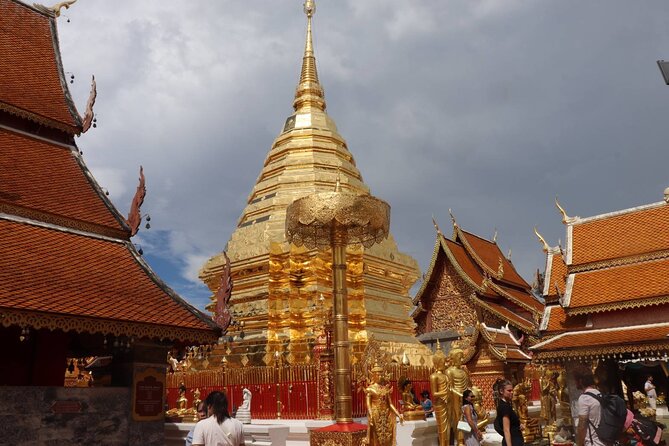
Book this tour if you want two memorable temples, a comfortable ride, and an English-speaking guide who can explain more than the basic facts. Wat Pha Lat provides the calm, while Doi Suthep supplies the ceremony, gold, views, and physical challenge.
The best reason to choose it is the pairing. You see a forest temple shaped by its setting, then a major shrine tied to northern Thailand’s Buddhist identity. For $24, that combination is hard to beat, provided you are comfortable with a brisk morning and the 306-step climb.
FAQ
How long does the tour last?
The tour lasts 270 minutes, or about four and a half hours. Pickup is generally between 8:00 and 8:30 AM, with drop-off around 12:00 to 12:30 PM.
Where does the tour meet?
If you do not select hotel pickup, the meeting point is Pharmart C Drugstore in Chiang Mai. You should wait there between 8:00 and 8:30 AM.
Is hotel pickup included?
Hotel pickup and drop-off are included if you select that option when booking. If you choose pickup, wait in your hotel lobby.
What temples does the tour visit?
The standard tour visits Wat Pha Lat and Wat Phra That Doi Suthep.
How many steps are there at Doi Suthep?
The traditional route to Wat Phra That Doi Suthep includes 306 steps.
Is there a way to avoid the steps?
A cable car is available for 20 baht. The cable car ticket is not included in the tour price.
Does the tour use the Monk’s Trail?
No. This tour does not walk on the Monk’s Trail. It includes a short walk to reach Wat Pha Lat.
What should I wear?
Wear clothing that covers your arms and legs. Long pants and comfortable shoes are recommended. Short skirts and sleeveless shirts are not allowed.
Is the tour suitable for wheelchair users?
No. The tour is not suitable for wheelchair users.
What happens to the Wat Pha Lat visit on February 1 and 2, 2026?
Wat Pha Lat will be temporarily closed to visitors on February 1 and 2, 2026, for monastic meditation practice. On those dates, the tour visits Wat Umong and Wat Phra That Doi Suthep instead.
Just added around Chiang Mai
- No.1 Chiang Mai: 3-Hour Monk Trail Hike to Wat Doi Suthep & Palad★ 5.0 · 11 reviews
- Monk trails hike, Wat Phalat, Monk chanting, Wat Doi Suthep.★ 5.0 · 3 reviews
- Long Neck Village, Silver Temple & Chiang Mai Top Sites★ 4.7 · 17 reviews
- Lalita Cafe & Chiang Rai Temple(White+Blue) from Chiangmai★ 4.8 · 5 reviews
- Private : Sticky Waterfall & Secret Temple & Karen Village.★ 5.0 · 9 reviews
- Chiang Mai: Temples & Culture Tour★ 4.7 · 64 reviews
- From Chiang Mai: White Temple, Blue Temple & Black House★ 4.5 · 15 reviews
- From Chiang Mai: Lamphun and Lampang Temples Tour★ 4.9 · 33 reviews
Doi Suthep Temple Tours, compared.
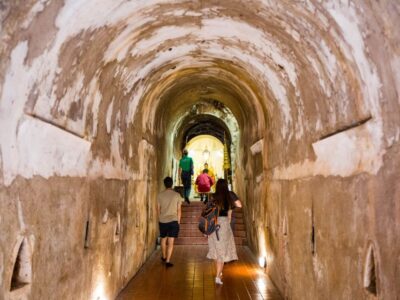
Doi Suthep and Wat Umong Enchanting Evening Tour
Read our review →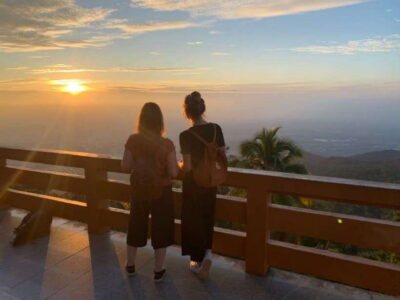
Doi Suthep, Wat Umong, and Pha Lat Sunrise Tour
Read our review →
Wat Phra That Doi Suthep spiritual Sunrise Tour with an Ex-monk
Read our review →
Spiritual Sunrise Wat Doi Suthep, Pha Lat, Alms & Meditation
Read our review →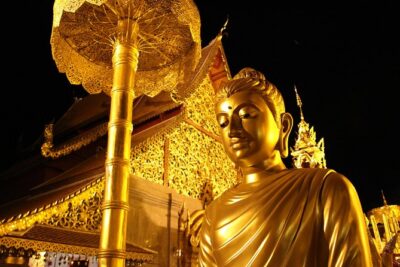
Best seller!! Amazing Night tour, Doi Suthep + Wat umong – Top Must visit!
Read our review →Browse the lists this tour appears in