
Review · DOI SUTHEP
Spiritual Sunrise Wat Doi Suthep, Pha Lat, Alms & Meditation
Wake before dawn for Chiang Mai’s quietest hour. This five-and-a-half-hour outing combines the city’s most famous temple, morning chanting, alms giving, meditation, local food, and two forest temples. The best part is the access to Buddhist customs with an ex-monk guide, rather than simply walking through temple grounds with a camera.
I especially like the chance to see Wat Phra That Doi Suthep before the crowds arrive, and the contrast between its gold-topped hilltop setting and the peaceful forest paths at Wat Pha Lat and Wat Umong. Guides such as James, Non, Tu, Blue, and Tom have been praised for explaining monk life, helping with temple rituals, and taking photos. The main drawback is the 5:00 a.m. start. You also get only a short meditation period, and some visitors find the $59 price high compared with other Chiang Mai activities.
Five details worth knowing before you book
- The sunrise timing is the main attraction: You reach Doi Suthep while the temple is quiet and watch the city wake below you.
- Your guide is a former monk: Guides have served as monks for roughly 8 to 20 years, giving you practical insight into Buddhist customs and daily life.
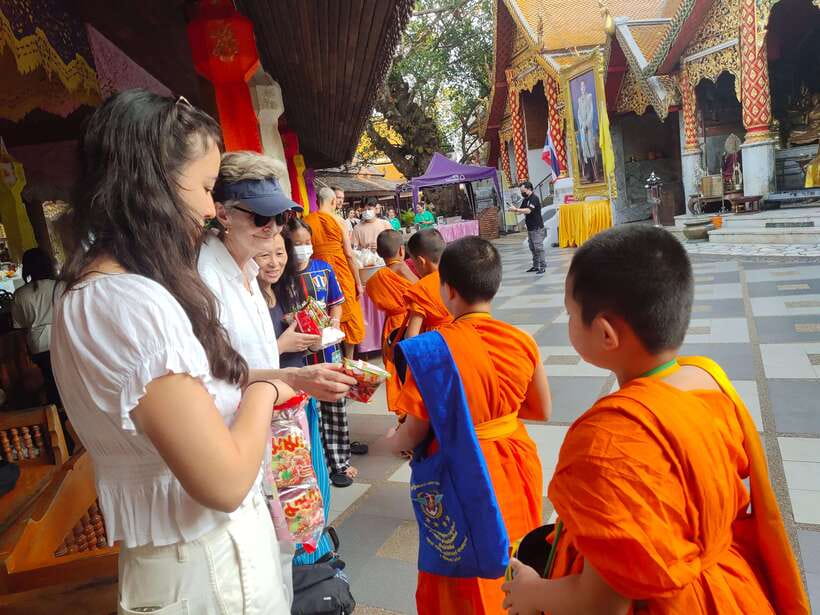
- Alms giving is included: Food is provided for an offering to monks, followed by a blessing.
- Three very different temples fill the morning: Doi Suthep is grand and golden, Pha Lat is wooded and atmospheric, and Wat Umong is known for its tunnels.
- The group is small: The tour is limited to nine people, with transport in an air-conditioned SUV or a larger van.
- Dress matters: Bring long pants and a long-sleeved shirt. Shorts are not allowed at the temples.
Why the 5:00 a.m. departure is worth considering
This tour is built around timing. Pickup begins at about 5:00 a.m. from Hotel M near Tha Phae Gate, Wat Chedi Luang, or Chang Phueak Gate. The exact pickup time is confirmed after booking, so keep your phone or WhatsApp available.
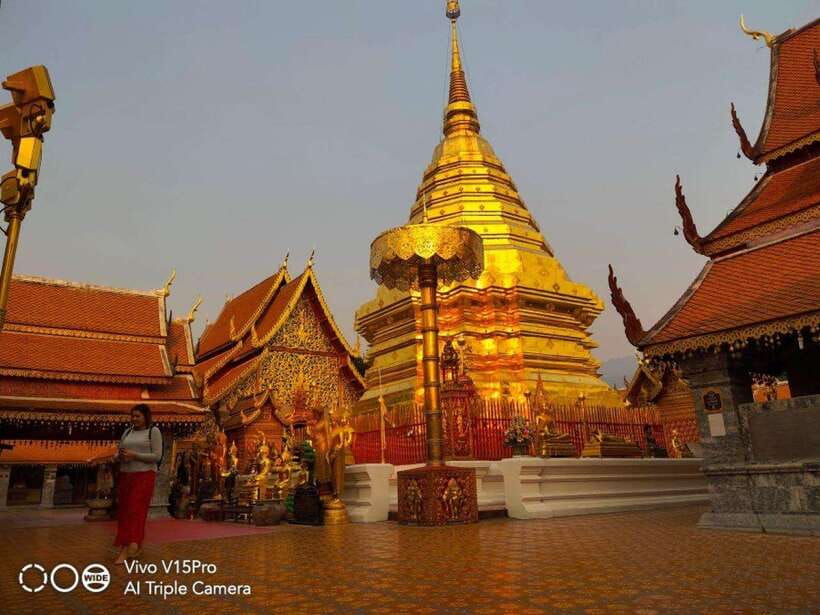
The early departure gets you to Doi Suthep before the usual daytime rush. That matters here. Wat Phra That Doi Suthep is Chiang Mai’s best-known temple, and its golden chedi, high mountain setting, and city views draw plenty of people later in the day. At dawn, you have a better chance to hear temple bells, see monks beginning their morning routine, and enjoy the view without a wall of tour groups around you.
You should expect darkness or low light when you leave town, followed by cooler mountain air. December through February can be chilly, and one visitor specifically advised bringing a warm layer. During the July to October rainy season, pack an umbrella.
The transport is by air-conditioned SUV for groups of five to seven, or a VIP van for groups of 10 to 14. The advertised group limit is nine participants, so the usual vehicle should feel fairly manageable. There is about 45 minutes of driving in each direction, making the ride part of the morning rather than a quick hop between nearby sights.
More Temple Sunrise Tours in Chiang Mai
- Chiang Mai: Doi Suthep, Wat Umong, and Pha Lat Sunrise Tour
★ 4.7 · 1,425 reviews - Wat Phra That Doi Suthep spiritual Sunrise Tour with an Ex-monk
★ 5.0 · 798 reviews - Doi Suthep and Wat Pha Lat Sunrise Tour (Small Group Only)
★ 5.0 · 70 reviews
Arriving at Wat Phra That Doi Suthep
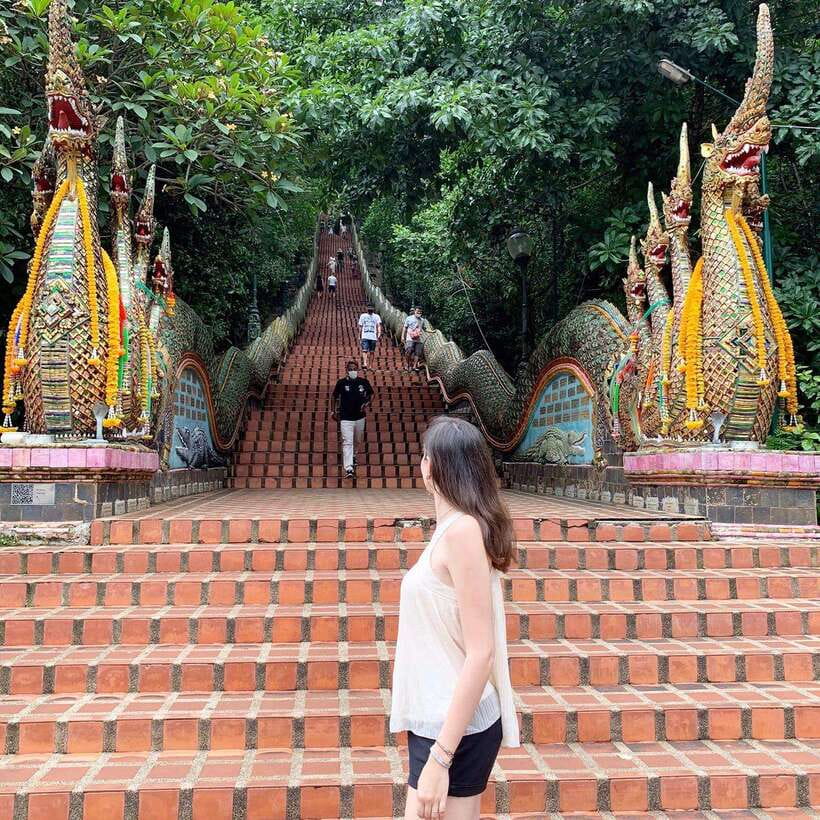
The first stop is Wat Phra That Doi Suthep, high on Doi Suthep Mountain. You can reach the temple by walking up 306 steps or taking the tram. The stairs are described as manageable, but the choice is useful if you are still waking up or prefer to save your legs for the later temple visits.
Your former monk guide is the key to this stop. The guides are not only there to point out statues and buildings. They explain Buddhist practices, the rules that shape monastic life, and what you are seeing during the morning ceremonies. James, Non, Tu, Blue, and Tom are among the guides praised for answering questions, sharing personal experience, and keeping the group engaged despite the early hour.
The temple visit includes morning chanting and a short meditation session. The meditation may be only about five minutes, so set your expectations correctly. This is not a long retreat or a silent morning course. You spend much more time walking, listening, and observing. Still, sitting near monks while they chant can be a powerful change of pace from ordinary sightseeing.
The schedule can shift on a monk holy day or because of temple activity. One person missed the meditation because of a change in the morning program, although the rest of the visit remained worthwhile. That is a useful reminder that religious life does not always follow a tourist timetable.
Sunrise, blessings, and the meaning of alms giving
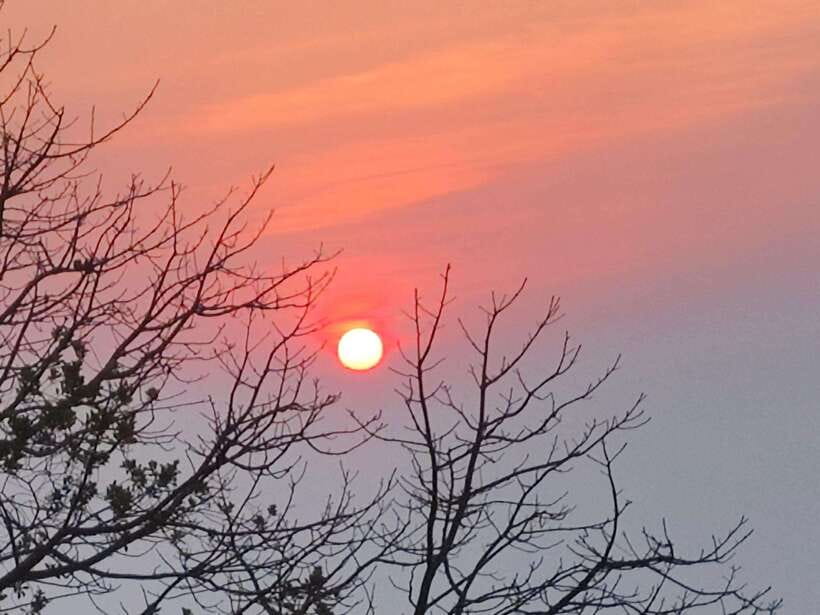
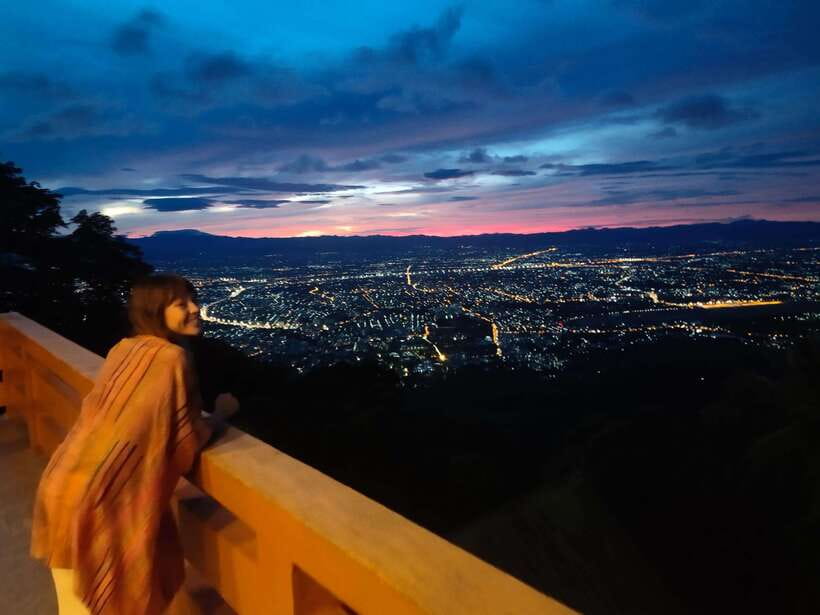
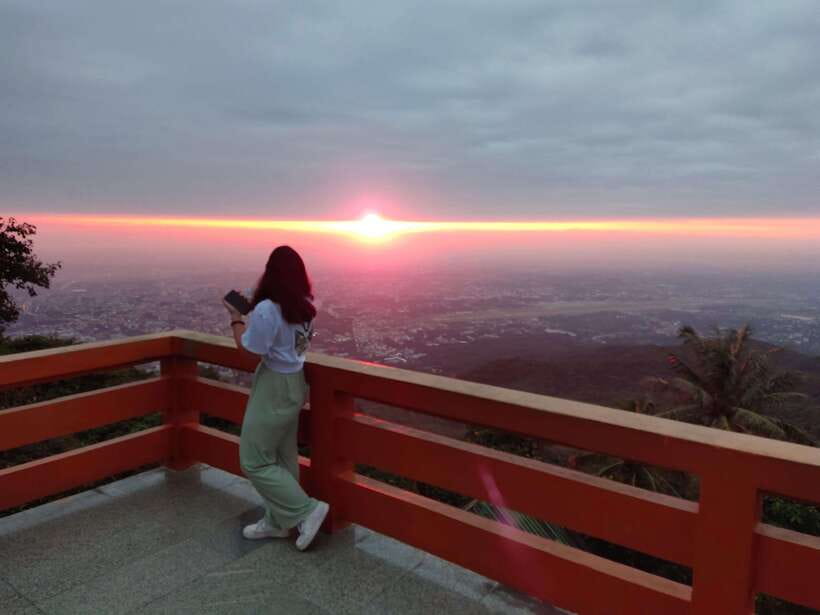
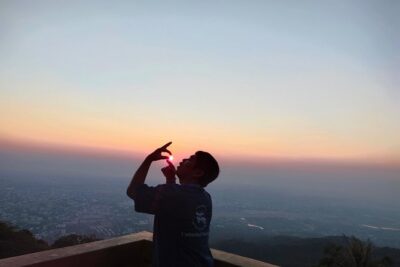
The sunrise is the visual centerpiece. From the temple’s viewing area, you look toward Chiang Mai and the surrounding mountains as the sky changes color. Clear weather will give you the broadest views, but morning cloud can also create a memorable scene. The tour leaves time for photographs, and several guides are happy to take pictures so you can take part instead of managing your phone throughout the ceremony.
The alms offering follows. Food is supplied for you to give to Buddhist monks in the Thai manner, and the monks offer a blessing in return. Your guide explains what to do before the ritual begins, which is important. Alms giving is a religious practice, not a photo prop, and a little instruction helps you participate with respect.
This is one of the tour’s strongest features because it gives context to something you might otherwise only watch from a distance. You learn how to hold and present the offering, when to bow, and why the ritual matters. The blessing is associated with good fortune, safety, and prosperity, but the larger value is the chance to observe a living tradition at the start of the day.
The atmosphere is not guaranteed to feel solemn every minute. The guides are often warm and humorous, and the overall mood can be friendly rather than formal. That works well for many people, though anyone expecting a long, silent spiritual retreat may find the tour more educational and active than contemplative.
A local breakfast after the temple ceremony
After the sunrise and alms offering, the group stops for a local Chiang Mai breakfast. Khao soi or another local Thai dish may be served. This is a useful part of the schedule, especially after an early pickup, and it gives you a chance to eat something more substantial than a snack.
The food is included, while soft drinks, alcohol, and personal purchases are not. Several people especially enjoyed the breakfast, so this is more than a token stop. Exact dishes can vary, which is normal for a local meal and worth keeping in mind if you have strict dietary needs.
More Temple Sunrise Tours in Thailand
- Chiang Mai: Sunrise DoiSuthep | WatPhaLat | iPhoneSnap
★ 5.0 · 5 reviews
Wat Pha Lat, the forest temple
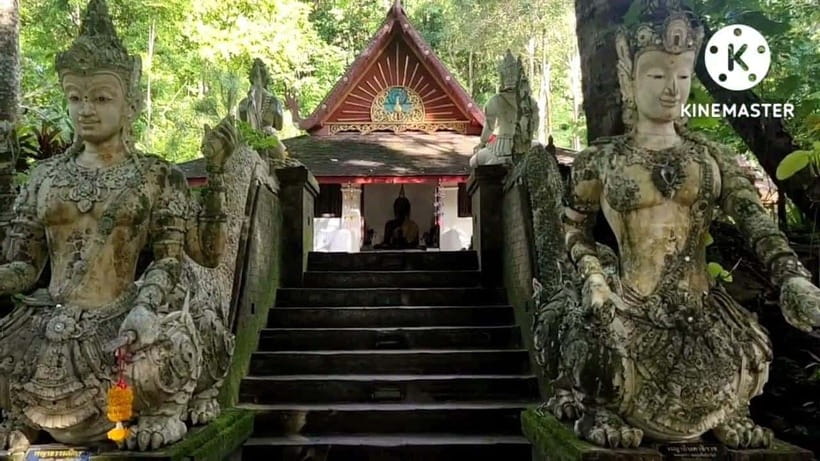
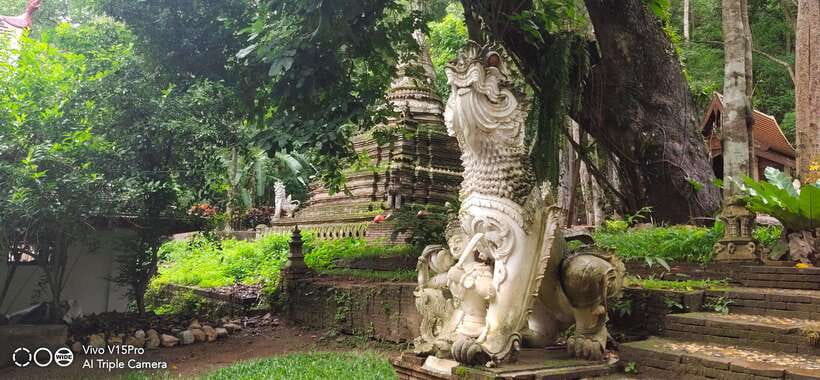
Wat Pha Lat changes the mood completely. Instead of a grand temple with a famous city view, you enter a wooded setting with old structures, stone details, and a quieter feel. The temple blends Lanna and Myanmar architectural influences, giving it a look distinct from Doi Suthep.
The setting is the reason to come. The forest, old religious buildings, and peaceful paths make Pha Lat feel removed from the city even though it is still part of the Doi Suthep area. You may see free-roaming temple animals such as dogs, cats, chickens, roosters, and birds around the grounds.
The guided visit lasts about an hour, though the exact amount of free time can vary. One repeat visitor would have preferred more time here. That makes sense because Pha Lat invites slow looking, photography, and quiet wandering. If you like forest paths and atmospheric ruins, this may be your favorite stop, but the schedule does not give you a full morning to explore the monk trail.
The ground can be uneven, and there are steps. A guide and assistant have helped visitors manage occasional difficult footing, but this is not an accessible outing for wheelchair users. Wear shoes that can handle walking and avoid treating the tour as a polished, flat-floor temple circuit.
Wat Umong and its underground passages
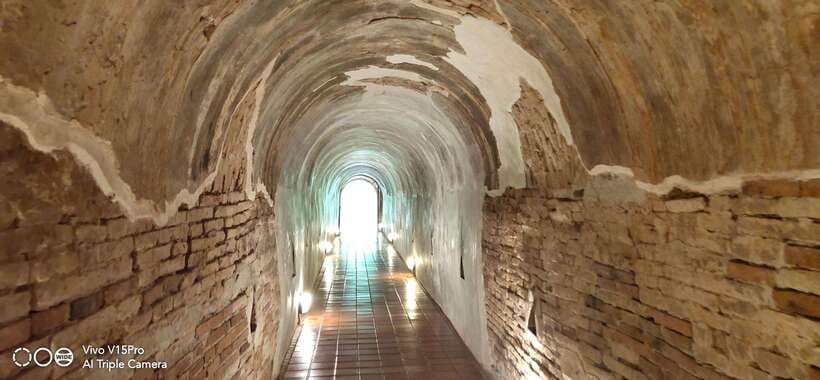
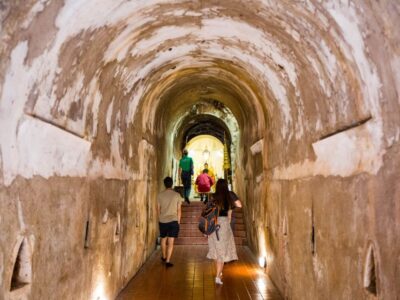
The final temple is Wat Umong, often called the underground temple because of its tunnel network. The tunnels were used by forest monks for shelter during the rainy season, and they give the site a different character from both Doi Suthep and Pha Lat.
You spend about 40 minutes here with the guide. That is enough for an introduction to the tunnels and the surrounding peaceful grounds, but not enough for a long independent exploration. The quick visit is a fair trade in a half-day program that already includes three temples, a ceremony, breakfast, and mountain transport.
Wat Umong is a good final stop because the mood is quiet and reflective. By this point, you have moved from the bright gold and broad views of Doi Suthep to the forest atmosphere of Pha Lat and then to a more enclosed, contemplative temple setting. The three sites do not feel repetitive, which is one of the tour’s strengths.
What the former monk guides add
The guide can make or break an experience like this. Here, the guide is usually a former monk who spent between eight and 20 years in monastic life. That background gives you access to stories and explanations that a standard sightseeing guide may not provide.
James is repeatedly praised for his humor, clear English, and understanding of Buddhism. Non is described as friendly, funny, attentive, and strong on temple history. Tu has been praised for his warmth and his ability to explain monk life. Blue is known for a kind manner and personal insight, while Tom has been especially good at managing timing, photographs, offerings, flowers, and candles.
English ability can vary by guide. One person found Blue’s accent difficult at times and needed explanations repeated. That is a fair consideration, especially if detailed verbal instruction is important to you. The general pattern is still strong: guides answer questions, explain how to take part in ceremonies, and help the morning feel connected rather than like three unrelated temple stops.
Is $59 good value?
At $59 per person, the price is not the cheapest way to see Chiang Mai temples. You could visit some temples independently for much less. The real question is what you are paying for.
The fee includes pickup and return to one of the three meeting points, air-conditioned transport, all required temple admission fees, breakfast, food for the alms offering, drinking water, and the former monk guide. You are also paying for the timing. Reaching Doi Suthep before the crowds, arranging participation in the morning rituals, and fitting three distant temple areas into 330 minutes would be difficult to reproduce on your own.
The value is strongest if you want cultural explanation and organized access. It is weaker if you prefer long periods alone, already understand Thai Buddhist customs, or want to spend half a day photographing one temple in detail. One person felt the price was high, even while calling the experience special. That is the right way to view it: good value for a guided cultural morning, less compelling as a basic temple transfer.
Who should book this morning?
I would recommend it to first-time visitors to Chiang Mai who want more than temple photographs. It suits people interested in Buddhism, local customs, photography, food, and early starts. The small group size is useful for questions, and the guide’s former monastic life gives the cultural side real substance.
It is also a good choice if you have limited time. In one morning, you see Doi Suthep, Pha Lat, and Wat Umong, take part in chanting and alms giving, eat a local breakfast, and return around 10:30 a.m. You still have much of the day for other plans.
Think twice if you dislike early mornings, have difficulty with uneven paths and steps, or want a long meditation session. The program is active, with transport, walking, explanations, photographs, and several changes of setting. It is spiritual in tone, but it is also a structured sightseeing trip.
Wear long pants, a long-sleeved top, and shoes suited to temple paths. Bring cash, a camera, a jacket in the cool season, and an umbrella in the rainy season. Wheelchair users, people with diabetes, and babies under one year are listed as unsuitable for this activity.
Should you book it?
Book this tour if you want to see Chiang Mai at its most peaceful, learn about Buddhist life from someone who has lived it, and take part in alms giving with proper guidance. The sunrise at Doi Suthep, the quiet forest setting of Pha Lat, and the tunnels at Wat Umong give you three very different experiences in one morning.
Skip it if your priority is a slow, private visit or a bargain-priced temple tour. For most first-time visitors who can handle the 5:00 a.m. wake-up, I think the combination of timing, access, breakfast, transport, and personal guidance makes the $59 worthwhile.
FAQ
What time does the tour start and finish?
Pickup begins at about 5:00 a.m., and the tour finishes around 10:30 a.m. The full duration is approximately 330 minutes, or five and a half hours.
Where can I meet the tour?
Pickup is available at Hotel M near Tha Phae Gate, the main entrance of Wat Chedi Luang opposite 7-Eleven, or Chang Phueak Gate on the north side of Chiang Mai’s old city.
Is meditation included?
Yes. The program includes a basic meditation session alongside morning monks chanting. The meditation may be brief, and the schedule can change on a monk holy day.
Do I need to bring food for the alms offering?
No. Food for the alms offering is included. Your guide explains how to take part respectfully, and a blessing follows the offering.
What temples will I visit?
You visit Wat Phra That Doi Suthep, Wat Pha Lat, and Wat Umong. Each has a different setting and style, from the gold-topped mountain temple to the forest temple and underground passages.
What should I wear?
Wear long pants and a long-sleeved shirt. Shorts are not allowed. Bring a jacket from December through February and an umbrella during the July to October rainy season.
Is cancellation available?
Yes. You can cancel up to 24 hours before the activity for a full refund. You can also reserve now and pay later, subject to availability.
More Doi Suthep Temple Tours in Chiang Mai
- Chiang Mai: Doi Suthep and Wat Umong Enchanting Evening Tour
★ 4.6 · 1,811 reviews - Chiang Mai: Wat Pha Lat & Wat Phra That Doi Suthep Tour
★ 4.8 · 1,207 reviews - Chiang Mai – Doi Suthep Temple & Wat Pha Lat Hike
★ 4.6 · 740 reviews - Chiang Mai – Doi Suthep Temple & Wat Pha Lat Hike
★ 5.0 · 657 reviews
Just added around Chiang Mai
- No.1 Chiang Mai: 3-Hour Monk Trail Hike to Wat Doi Suthep & Palad★ 5.0 · 11 reviews
- Monk trails hike, Wat Phalat, Monk chanting, Wat Doi Suthep.★ 5.0 · 3 reviews
- Long Neck Village, Silver Temple & Chiang Mai Top Sites★ 4.7 · 17 reviews
- Lalita Cafe & Chiang Rai Temple(White+Blue) from Chiangmai★ 4.8 · 5 reviews
- Private : Sticky Waterfall & Secret Temple & Karen Village.★ 5.0 · 9 reviews
- Chiang Mai: Temples & Culture Tour★ 4.7 · 64 reviews
- From Chiang Mai: White Temple, Blue Temple & Black House★ 4.5 · 15 reviews
- From Chiang Mai: Lamphun and Lampang Temples Tour★ 4.9 · 33 reviews
Doi Suthep Temple Tours, compared.
Doi Suthep and Wat Umong Enchanting Evening Tour
Read our review →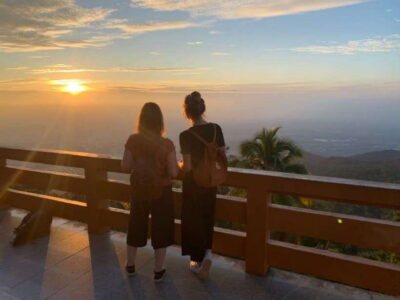
Doi Suthep, Wat Umong, and Pha Lat Sunrise Tour
Read our review →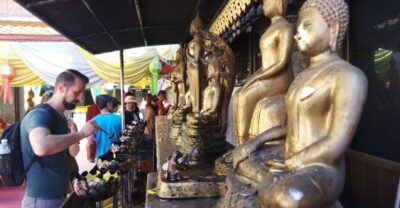
Wat Phra That Doi Suthep spiritual Sunrise Tour with an Ex-monk
Read our review →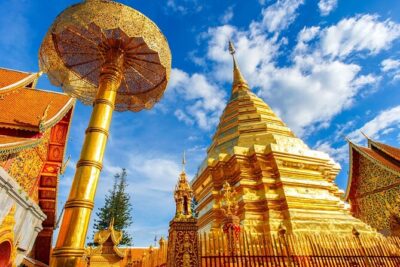
Best seller!! Amazing Night tour, Doi Suthep + Wat umong – Top Must visit!
Read our review →
Doi Suthep Temple and Waterfall by Songtaew Trio
Read our review →Browse the lists this tour appears in