
Review · DOI SUTHEP
Chiang Mai: Doi Suthep, Wat Pha Lat & Wat Umong Spanish Tour
Three temples, one mountain, and a lakeside meal. This seven-hour Chiang Mai tour brings together the quiet cave rooms of Wat Umong, the jungle setting of Wat Pha Lat, and the famous golden pagoda at Doi Suthep. I especially like the Spanish-speaking guide and the small-group format, limited to nine people, which should make questions and conversation easier. The main concern is value: at $112 per person, you are paying a premium for guided transport and interpretation, and the experience may disappoint if your guide’s Spanish or temple knowledge is weak.
The day also includes lunch at Huai Tung Tao and a stop at Warorot Market, so this is more than a temple run. I like that it shows three very different sides of Chiang Mai’s religious life, from a meditation compound to an active monastic site and the city’s best-known hilltop shrine. Still, the lake meal deserves a little caution, since one unhappy account described poor food and illness, while another praised the guide and meal setting.
Key points at a glance
- Wat Umong comes first: Begin at a quiet cave temple outside the busiest tourist routes, with meditation rooms and peaceful grounds.
- Wat Pha Lat feels completely different: Walk through a forest temple where monks live, with old buildings, meditation rooms, and a river.
- Doi Suthep supplies the big view: See Chiang Mai from the mountain and visit its famous golden pagoda.
- Huai Tung Tao adds local flavor: Eat Thai food beside a lake surrounded by bamboo houses where locals spend leisure time.
- The tour is conducted in Spanish: Guide quality matters greatly, with past praise for guides named Lucky and Turco.
- Warorot Market finishes the day: Browse local products and souvenirs in Chiang Mai’s Chinatown before returning to your hotel around 4:00 PM.
Why these three temples work well together
Many temple outings around Chiang Mai focus only on Doi Suthep. This trip gives you a better sense of contrast. Wat Umong is connected with meditation, Wat Pha Lat sits in the forest, and Wat Phra That Doi Suthep is the grand religious landmark above the city.
That variety matters. If you visit only Doi Suthep, you see the most famous site but miss the quieter places where the setting and daily Buddhist practice are just as important as decoration. I like the way this route moves from subdued and contemplative to grand and panoramic.
The guide is central to the experience. Temple grounds can be beautiful without explanation, but a Spanish-speaking guide can explain Buddhist ideas, local traditions, and the purpose of the buildings. One especially positive account singled out Lucky for speaking excellent Spanish and sharing her information with warmth and enthusiasm. Another praised a guide named Turco for teaching a great deal about Thai culture and traditions.
That praise is useful, but it also points to the tour’s weak spot. The quality of your day depends heavily on who leads it. One Spanish-speaking guide received a very poor assessment for limited explanations and weak Spanish. If cultural interpretation is your main reason for paying $112, confirm that the guide assigned to your date is fluent and experienced.
More Doi Suthep Temple Tours in Chiang Mai:
- Chiang Mai: Doi Suthep and Wat Umong Enchanting Evening Tour
★ 4.6 · 1,811 reviews - Chiang Mai: Doi Suthep, Wat Umong, and Pha Lat Sunrise Tour
★ 4.7 · 1,425 reviews - Chiang Mai: Wat Pha Lat & Wat Phra That Doi Suthep Tour
★ 4.8 · 1,207 reviews
Wat Umong and its cave meditation rooms
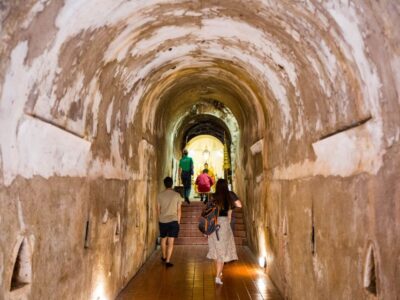
Your first stop is Wat Umong, a meditation compound at the foot of the national park on the outskirts of Chiang Mai. It is described as a place that receives fewer tourists than the city’s headline temples, which gives the visit a calmer start.
The temple is known for its cave passages and meditation setting. You can walk through the picturesque grounds, see the cave structures, and take photographs while your guide explains Buddhism and the role of meditation. This is not simply a quick photo stop. Its appeal comes from the quiet mood and the chance to see a religious site designed for reflection rather than spectacle.
I would pay attention to the shape of the visit here. The grounds and caves are the attraction, not a single grand façade. You may find the experience more rewarding if you slow down, listen to the explanation, and notice the way the compound fits into the wooded foothills.
Wat Umong also helps set up the rest of the day. It gives you a quieter point of reference before Wat Pha Lat and Doi Suthep become more visually dramatic. If you are hoping for an introduction to Buddhist practice, this is likely the most thoughtful stop on the route.
Wat Pha Lat, the forest temple once used by pilgrims
Next, the vehicle heads to Wat Pha Lat in Doi Suthep National Park. The temple is reached in a jungle setting and was once used as a resting point for pilgrims making their way toward Doi Suthep.
That old purpose helps explain the site. Wat Pha Lat is not presented as a polished monument built for mass sightseeing. It is a forest compound with buildings, meditation rooms, a river, and monks living on the grounds. You walk through the enclosure rather than simply stopping at one central shrine.
The chance to speak with monks may be one of the more meaningful parts of the tour, although the information does not guarantee that a conversation will take place on every visit. Your guide can help you understand the setting and show you the parts of the complex that are easy to miss.
I like this stop because it connects religion with place. The jungle, water, old structures, and quiet rooms are part of the experience. It feels different from a city temple, and it gives you a clearer idea of why this route includes more than the famous shrine at the mountain summit.
Wear practical clothing for the temple visits. The activity information specifically asks you to bring a passport or identity card, and respectful temple clothing is a sensible choice even though a detailed dress code is not provided. You should also expect walking through temple grounds and forest surroundings, so comfortable shoes will help.
Doi Suthep and Chiang Mai from above
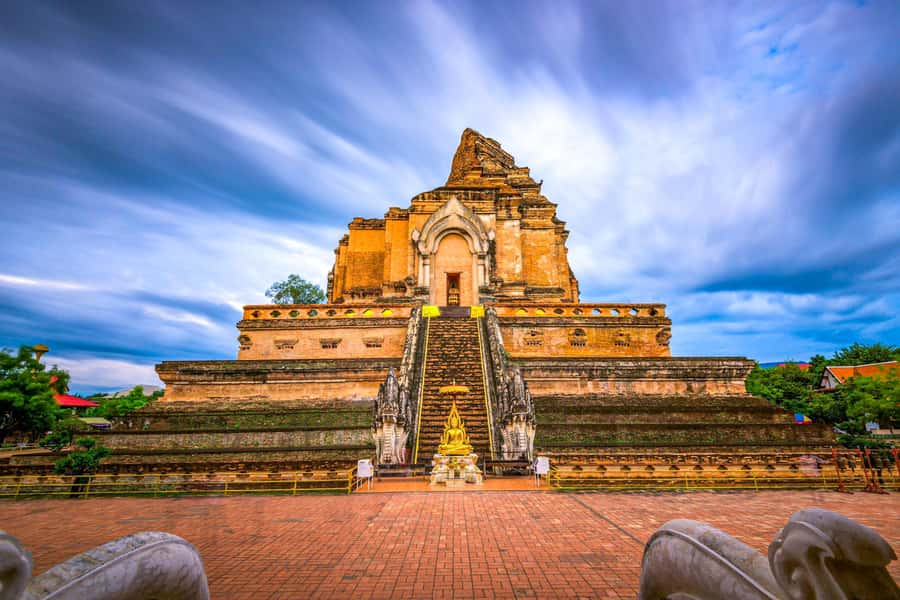
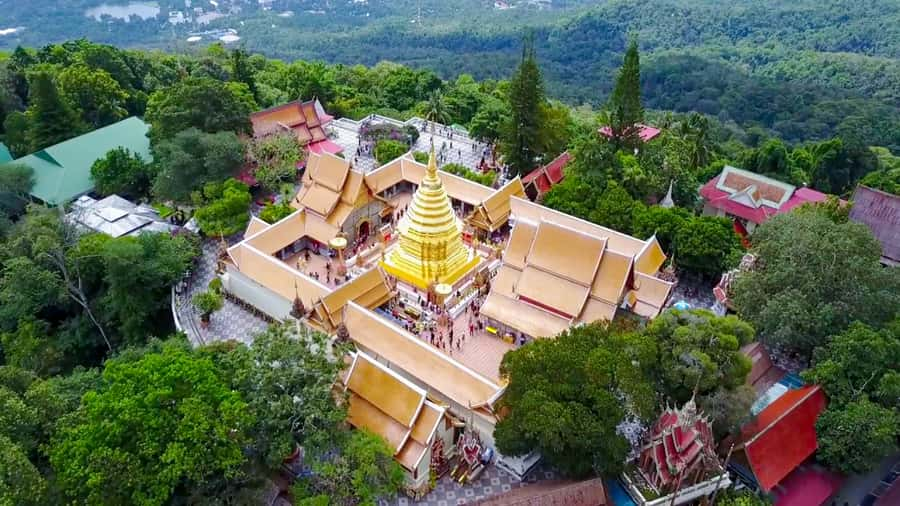
The route then climbs to Wat Phra That Doi Suthep, Chiang Mai’s best-known and most important temple. Located at the top of Doi Suthep National Park, it is the grand centerpiece of the day.
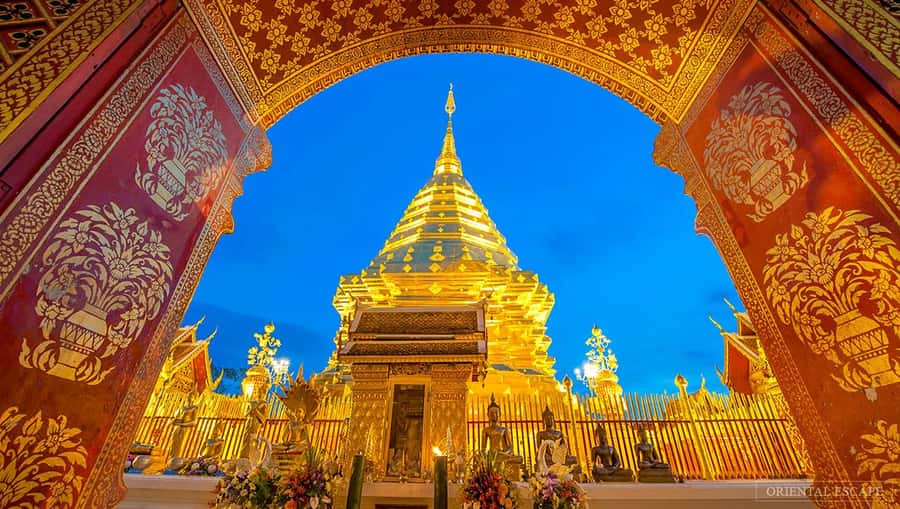
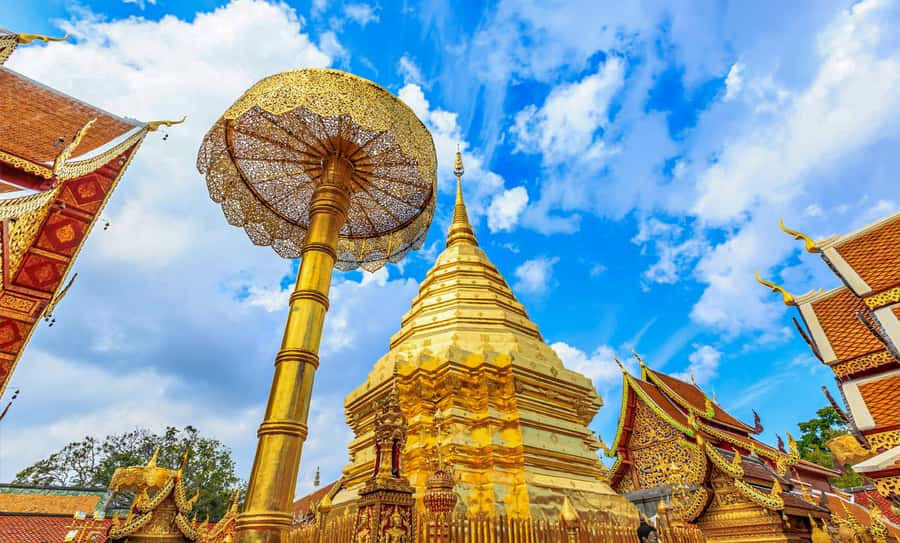
The famous golden pagoda is the visual focus. The viewpoint is just as important, offering a broad view over Chiang Mai city. This is the moment when the tour shifts from quiet religious sites to the major landmark most people associate with the area.
Your guide’s explanation has real value here. Doi Suthep is not just a pretty stop with a city view. It is a major Buddhist site, and the details of the pagoda, temple buildings, and religious customs are easier to appreciate when someone explains what you are seeing in Spanish.
The drawback is that Doi Suthep is also the most famous stop, so it may feel less secluded than Wat Umong or Wat Pha Lat. That is not a flaw in the temple. It simply means the day’s atmosphere changes. You get the iconic view and the grand architecture, but not the same sense of quiet found earlier.
For photography, the viewpoint is a clear highlight. Bring your identity document as requested, and keep your schedule in mind. Since the tour continues to lunch and the market, this is not a long independent visit where you can linger without limits.
A few more temple visits around Chiang Mai worth a look
- Chiang Mai: Chiang Rai Temples, Karen Tribe and Hot Springs
★ 4.7 · 5,401 reviews - Chiang Rai White Temple and Blue Temple Day Tour
★ 4.6 · 3,366 reviews - Chiang Mai: White, Red/Black & Blue Temples Tour with Lunch
★ 4.2 · 2,017 reviews - Chiang Mai: 3 Hour Old City and Temples Guided Walking Tour
★ 4.6 · 1,568 reviews
Thai lunch beside Huai Tung Tao
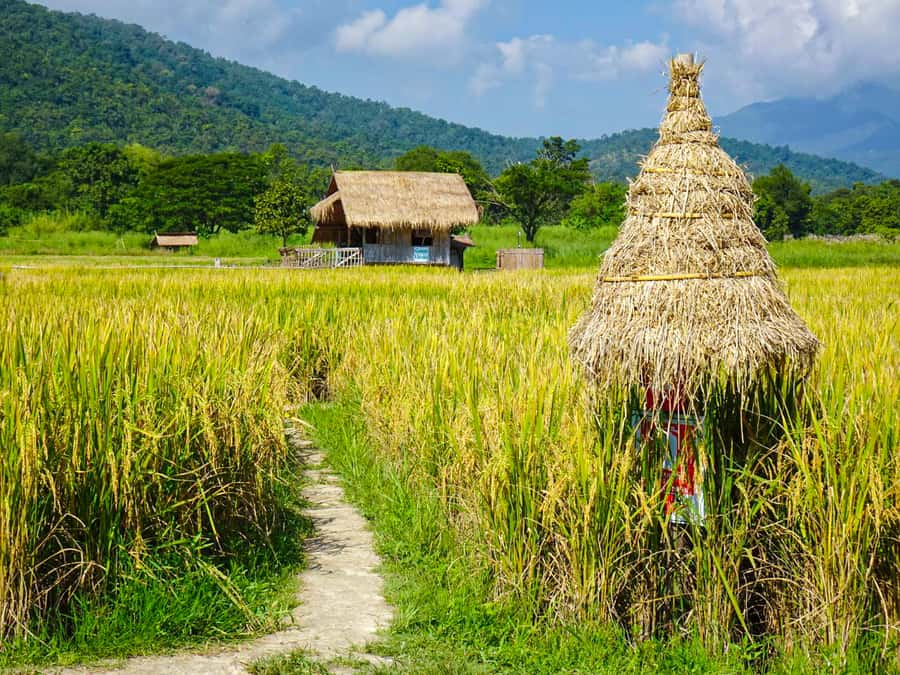
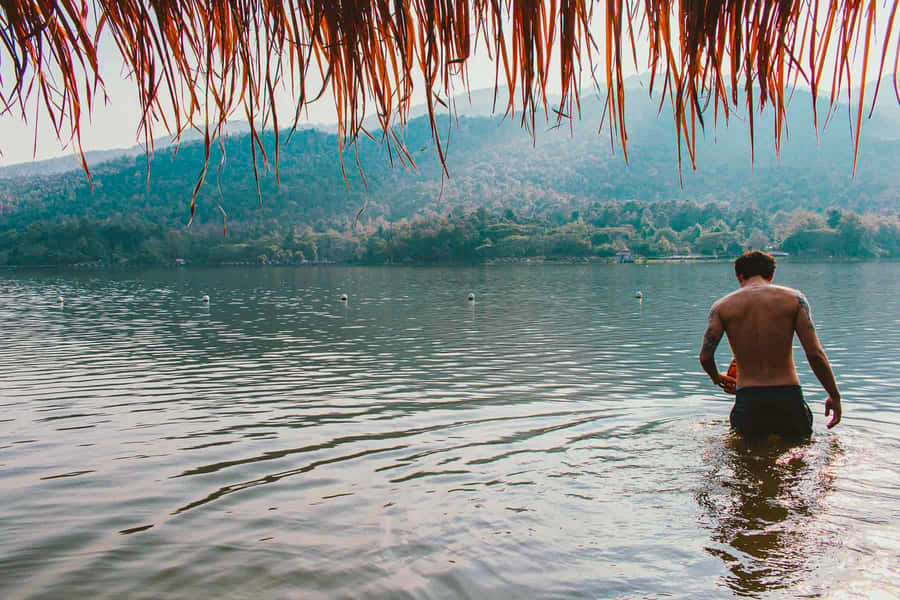
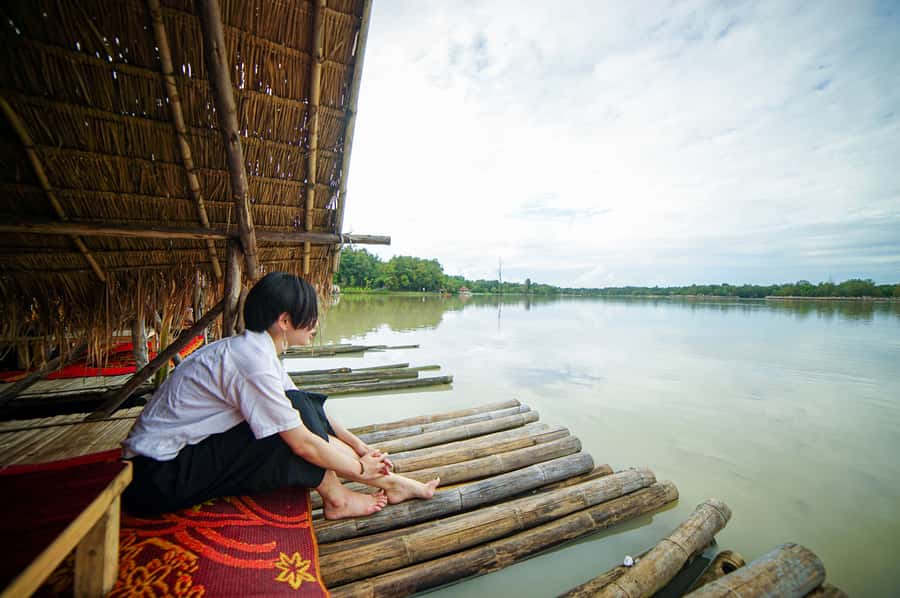
After the temples, the tour stops at Huai Tung Tao for a Thai lunch beside the lake. The setting is part of the appeal: bamboo houses surround the water, and local people use the area for a day out, especially on weekends.
This is a useful change of pace after several temple visits. You can sit, eat, and take in a more relaxed side of Chiang Mai. The meal is included, along with drinking water, so you do not need to arrange lunch separately.
The value of this stop depends on your expectations. You are not being promised a high-end restaurant. The attraction is a local leisure setting with Thai food by the water. If you prefer a scenic, informal meal, it should fit the day well.
Food quality is the biggest uncertainty in the supplied feedback. One account gave the tour a very low score, describing the lake area as dirty, the food as poor, and reporting gastroenteritis afterward. That single report cannot establish what caused the illness, but it is still a fair reason to use normal food and water precautions. Alcoholic drinks are not included.
I would judge this stop as a practical part of the itinerary rather than the main reason to book. The temples and Spanish guiding carry most of the tour’s value. Lunch gives you a break and a local setting, but it should not be treated as a culinary highlight guaranteed to satisfy everyone.
Warorot Market and Chiang Mai’s everyday shopping
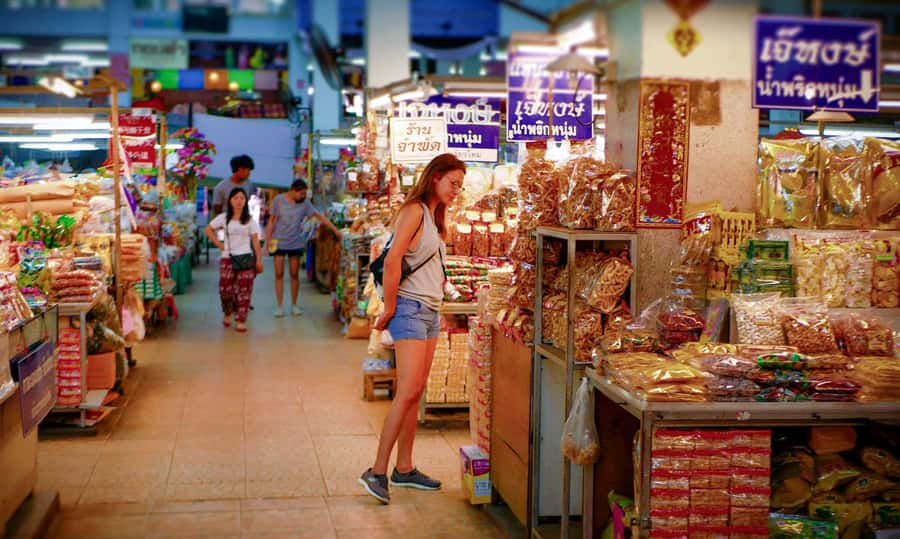
The final sightseeing stop is Warorot Market, described as Chiang Mai’s Chinatown. Here, your guide takes you through the market to see local products and souvenirs.
This is a good ending because it brings the day back from the mountain into the city. Temples show Chiang Mai’s religious identity, while the market offers a look at its shopping culture and everyday commerce. The stop also gives you a chance to buy something practical or edible rather than another temple photograph.
The market visit is guided, so you can ask about products and local specialties in Spanish. The exact length of the stop is not specified, so you should think of it as an orientation visit rather than an extended shopping session.
You return to your hotel at about 4:00 PM. Hotel pickup and drop-off are included, along with an air-conditioned vehicle. Those details matter in Chiang Mai, where a full day of temple visits can involve heat, road time, and repeated transfers. You avoid arranging several separate rides and can focus on the stops.
What the $112 price really buys
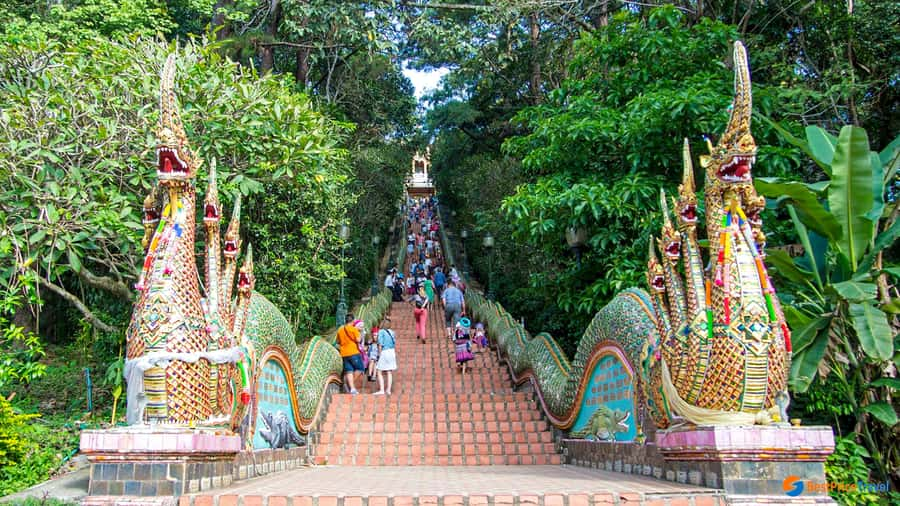
At $112 per person, this is not a budget temple circuit. The price includes hotel transportation, an air-conditioned vehicle, a Spanish-speaking guide, admission fees, lunch, drinking water, and insurance.
The strongest value comes from the language service and the route. If you do not speak English comfortably, or if you want cultural explanations in Spanish, the guide may be worth the extra cost. Visiting the temples by taxi would likely cost less in direct transport, but you would lose the planned sequence, included admissions, lunch, and interpretation.
The small-group limit of nine is another useful feature. It is more personal than a large coach outing and should make it easier to hear the guide and ask questions. However, a small group does not automatically mean a private tour. One June account described the experience as private and still found it somewhat expensive for what was provided, while the advertised format allows up to nine participants.
That distinction matters if you expect a fully tailored day. The route is set, and you are visiting five main components: Wat Umong, Wat Pha Lat, Doi Suthep, Huai Tung Tao, and Warorot Market. You get convenience and structure, not a custom itinerary.
The overall rating is 4.5 from seven published ratings, but the scores are mixed. Several people gave the experience five stars, including strong praise for Lucky and Turco. One person gave three stars and found the private format overpriced. Another gave two stars because of weak explanations, poor Spanish, and concerns about lunch. The sensible conclusion is that the tour can be excellent with a strong guide, but $112 leaves little room for an average one.
Who should book this Spanish-language outing?
I would recommend it most strongly to Spanish-speaking visitors who want one organized day covering Chiang Mai’s major temple settings. You get quiet Wat Umong, forested Wat Pha Lat, grand Doi Suthep, a lakeside meal, and a market visit without managing transport between each place.
It also suits first-time visitors who want context rather than a list of photo stops. The route gives you a useful introduction to Chiang Mai’s religious sites and local life.
You may want to skip it if you are comfortable arranging taxis, prefer to move slowly, or mainly want to see Doi Suthep. In that case, booking individual rides and visiting the temples independently could save money and give you more time at each site.
The tour is less suitable for anyone expecting a luxury meal or a fully private custom experience. The lunch is included but informal, and the group may include up to nine people. You should also keep the guide issue in mind. Ask about the guide’s Spanish fluency and name before committing if detailed explanations are important to you.
Should you book it?

Book this tour if you want a convenient, Spanish-led introduction to Chiang Mai and value seeing three very different temples in one day. Wat Pha Lat and Wat Umong add character that a simple Doi Suthep visit would miss, while the market and lake stop keep the day from becoming temple-heavy.
At $112, I would book only if the Spanish guide is a priority. Confirm the guide assignment if possible, pack your passport or ID, wear respectful clothing and comfortable shoes, and keep lunch expectations modest. With a guide like Lucky or Turco, the day could offer strong cultural value. With weak Spanish and thin explanations, the price becomes hard to defend.
FAQ
How long does the Chiang Mai temple tour last?
The tour lasts seven hours and is expected to return you to your hotel at about 4:00 PM.
Which temples are included?
The tour visits Wat Umong, Wat Pha Lat, and Wat Phra That Doi Suthep.
Is the tour conducted in Spanish?
Yes. The tour includes a live Spanish-speaking guide.
How many people can join the tour?
It is a small-group experience limited to nine participants.
Is hotel transportation included?
Yes. Hotel pickup and drop-off are included, along with transport in an air-conditioned vehicle.
Is lunch included?
Yes. A Thai lunch at Huai Tung Tao is included. Alcoholic drinks are not included.
What else is visited besides the temples?
The tour includes lunch beside Huai Tung Tao and a guided visit to Warorot Market, known here as Chiang Mai’s Chinatown.
What should I bring?
You should bring a passport or identity card. Comfortable clothing and shoes are also sensible for walking through the temple grounds.
Can I cancel the booking?
You can cancel up to 24 hours in advance for a full refund. The activity also allows you to reserve now and pay later.
Just added around Chiang Mai
- No.1 Chiang Mai: 3-Hour Monk Trail Hike to Wat Doi Suthep & Palad★ 5.0 · 11 reviews
- Monk trails hike, Wat Phalat, Monk chanting, Wat Doi Suthep.★ 5.0 · 3 reviews
- Long Neck Village, Silver Temple & Chiang Mai Top Sites★ 4.7 · 17 reviews
- Lalita Cafe & Chiang Rai Temple(White+Blue) from Chiangmai★ 4.8 · 5 reviews
- Private : Sticky Waterfall & Secret Temple & Karen Village.★ 5.0 · 9 reviews
- Chiang Mai: Temples & Culture Tour★ 4.7 · 64 reviews
- From Chiang Mai: White Temple, Blue Temple & Black House★ 4.5 · 15 reviews
- From Chiang Mai: Lamphun and Lampang Temples Tour★ 4.9 · 33 reviews
Doi Suthep Temple Tours, compared.
Doi Suthep and Wat Umong Enchanting Evening Tour
Read our review →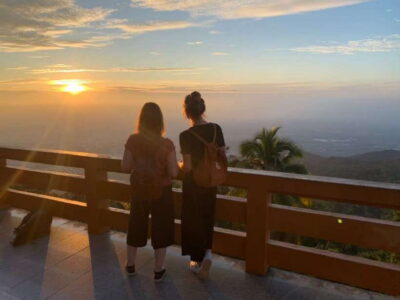
Doi Suthep, Wat Umong, and Pha Lat Sunrise Tour
Read our review →
Wat Phra That Doi Suthep spiritual Sunrise Tour with an Ex-monk
Read our review →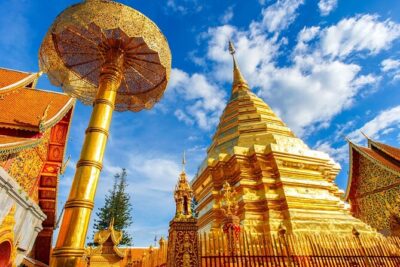
Spiritual Sunrise Wat Doi Suthep, Pha Lat, Alms & Meditation
Read our review →
Best seller!! Amazing Night tour, Doi Suthep + Wat umong – Top Must visit!
Read our review →Browse the lists this tour appears in