
Review · AZERBAIJAN
Baku: Gobustan, Volcanoes, Fire Temple and Yanardag Day Trip
Azerbaijan’s fire country comes alive beyond Baku. This 6 to 8 hour outing packs ancient rock art, bubbling mud volcanoes, a Zoroastrian fire temple, and Yanardag’s hillside flame into one useful day. I like the no-shopping-stop format and the way the route joins several very different sights. The main thing to consider is the pace: there is a lot to cover, and some stops may feel brief.
I also like that hotel pickup and return are included, with English and Russian guiding available. Guides such as Sayed, Leyla, Mahabat, Elcan, and Musa have been praised for clear explanations, good humor, and helping with photos. Lunch costs extra, and the mud volcano stop is skipped in heavy rain, so this is best booked with a little weather flexibility.
Key points at a glance
- A real no-shopping route: Your day stays focused on history, geology, religion, and local culture rather than sales stops.
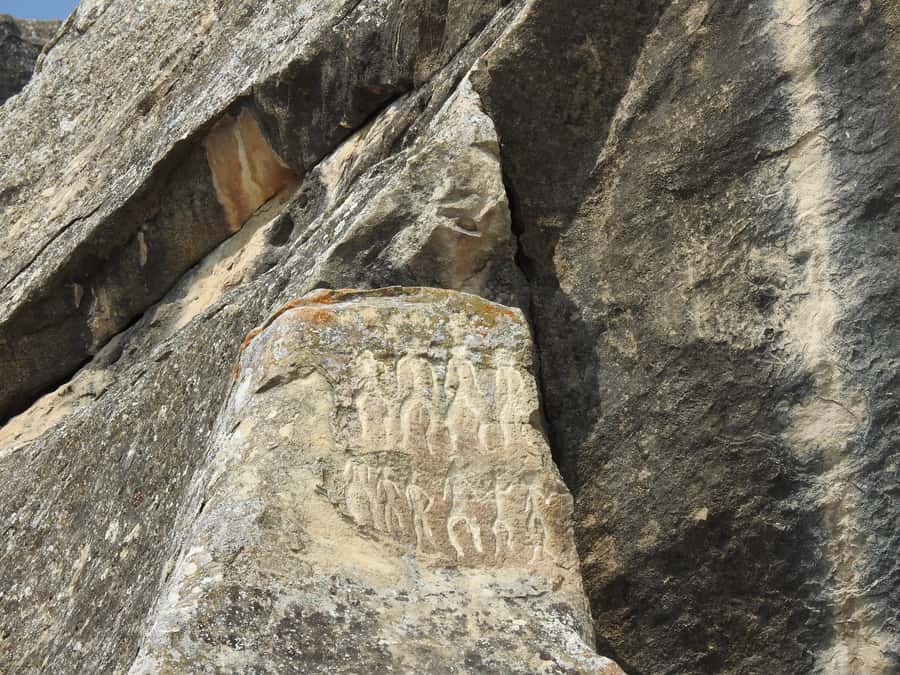
- Gobustan’s prehistoric art: See rock carvings that record hunting, dancing, boats, animals, and daily life from long ago.
- Mud volcanoes by old Soviet vehicles: The rough ride out to the volcanic area can be one of the day’s most memorable moments.
- Two different kinds of fire: Ateshgah explains sacred flame worship, while Yanardag offers a natural gas fire burning on a hillside.
- Good value at $29: Transport, guide service, hotel pickup, and included entrances under the selected option make the price appealing.
- Weather matters: Rain can cancel the mud volcano stop for safety reasons.
Why this Baku day trip is worth your time
Baku itself can fill several days with palaces, boulevards, museums, and modern architecture. Yet Azerbaijan makes more sense when you get outside the capital. This tour gives you a quick look at the country’s prehistoric past, oil age, unusual geology, and fire traditions in one long outing.
I especially like the range. You begin near Bibi-Heybat with an early industrial oil well, then move back thousands of years at Gobustan. After that come gray mud cones by the Caspian coast, followed by the religious setting of Ateshgah and the open flame at Yanardag.
That variety helps the day avoid becoming a museum marathon. You are not looking at five similar ruins. Each stop answers a different question about Azerbaijan: how did people live here, why is the ground so active, and why has fire mattered so much?
The tour costs $29 per person, before lunch. That is strong value if you want to see several places that would be awkward to connect on your own. You also avoid arranging separate taxis, entrance tickets, and transport into the countryside.
The tradeoff is time. The route covers a broad area, and the stated stops range from 20 to 60 minutes. If you prefer long, quiet visits at one archaeological site, a private custom trip may suit you better. If you want the main outlying sights in one day, this route is efficient.
More Day Trips in Baku:
- Athens: Cape Sounion & Poseidon Temple Sunset Half-Day Trip
★ 4.8 · 8,241 reviews - From Aswan: Abu Simbel Temple Day Trip with Hotel Pickup
★ 4.4 · 2,807 reviews - From Malta: Gozo Day Trip Including Ggantija Temples
★ 4.2 · 2,399 reviews
Starting near Bibi-Heybat and Azerbaijan’s oil story
The morning starts with pickup from one of several central Baku locations, including major hotels, hostels, and named meeting points. Your guide is expected to contact you the day before with the pickup time, and you meet in the hotel lobby when pickup is included.
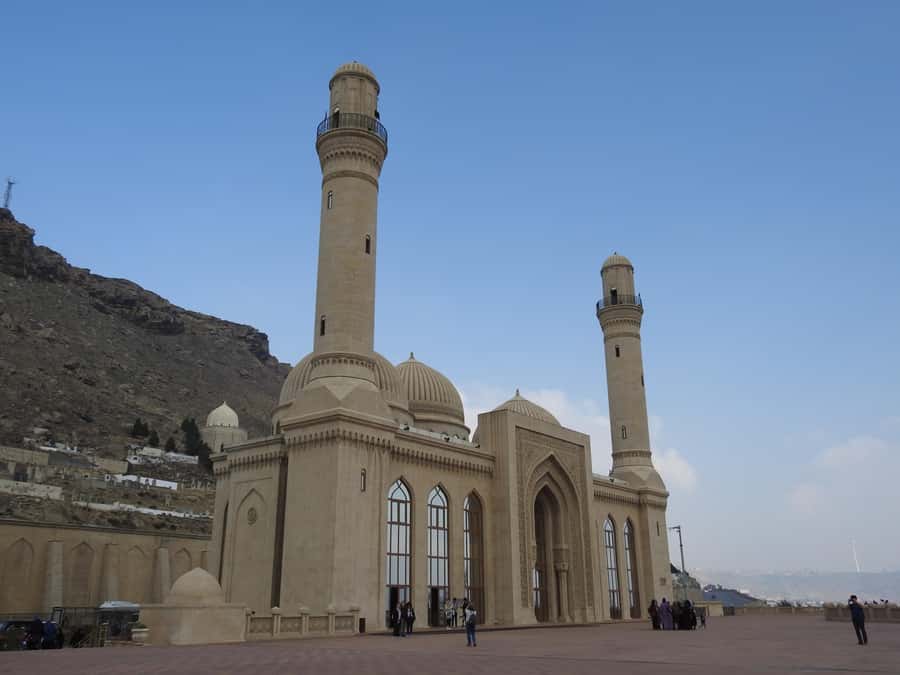
The first stop is near Bibi-Heybat Mosque, where you see an industrialized oil well. This is a short stop of about 30 minutes, but it gives useful context for the modern side of Azerbaijan. Oil is not just a business here. It helped shape Baku’s growth, wealth, architecture, and place in regional history.
I appreciate the order of the route. You begin with the oil industry, then move backward to prehistoric life. That contrast makes Gobustan feel less isolated from the rest of the country. Azerbaijan’s story is not only about flame and ancient carvings. It is also about petroleum, engineering, and rapid change.
The oil well stop is not the day’s biggest visual attraction, so keep your expectations in check. It works best as a short introduction rather than a major museum visit.
Gobustan Museum and the prehistoric carvings
Gobustan National Park is roughly 70 kilometers from Baku. The visit includes an indoor and outdoor museum, with about an hour set aside for a guided tour.
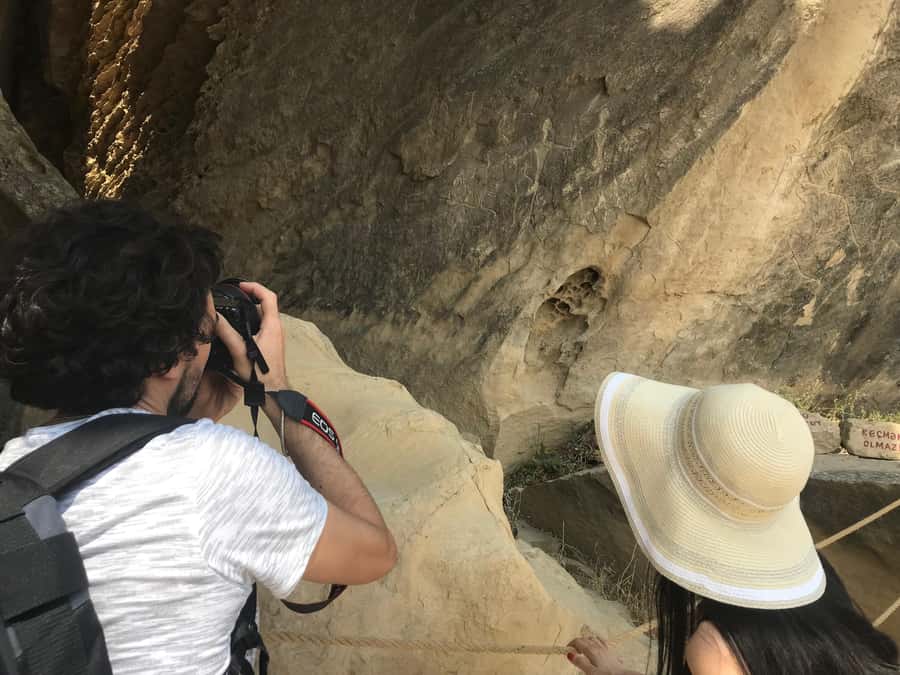
This is the cultural heart of the excursion. On the rocks and cave walls, you see petroglyphs made by early people. The carvings show animals, human figures, boats, hunting scenes, and other signs of daily life. They are not decorative pictures in the modern sense. Together, they offer clues about work, belief, movement, and the way people understood their surroundings.
The indoor museum helps place the carvings in context, while the outdoor area lets you see the actual stone surfaces. This combination matters. Without explanation, rock drawings can blur into a collection of old marks. A good guide points out what you are seeing and explains how the carvings reflect the culture and economy of ancient people in this part of Azerbaijan.
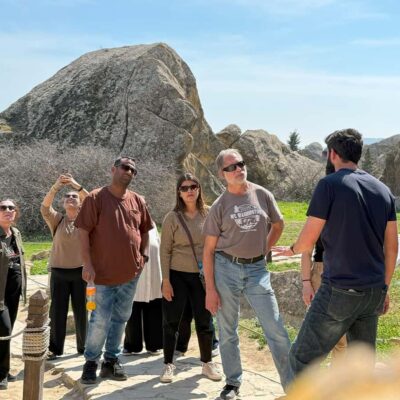
Past guides on this route have been praised for adding stories and answering questions rather than simply naming each site. Sayed, Leyla, Mahabat, and Elcan are among the guides singled out for clear, engaging commentary. Your guide may be someone else, but the quality of the explanation matters greatly here.
Gobustan can be crowded at times, and the schedule is fairly tight. You should wear comfortable shoes and stay close enough to hear the guide. If photography matters to you, this is a good place to ask for a few extra minutes, though the group schedule may limit how long you can linger.
The mud volcanoes and the rough ride out
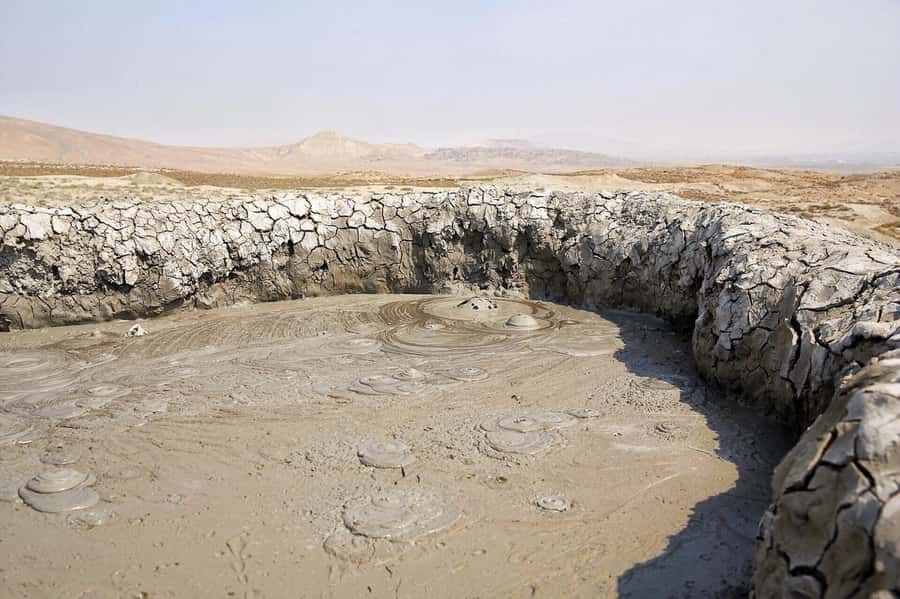
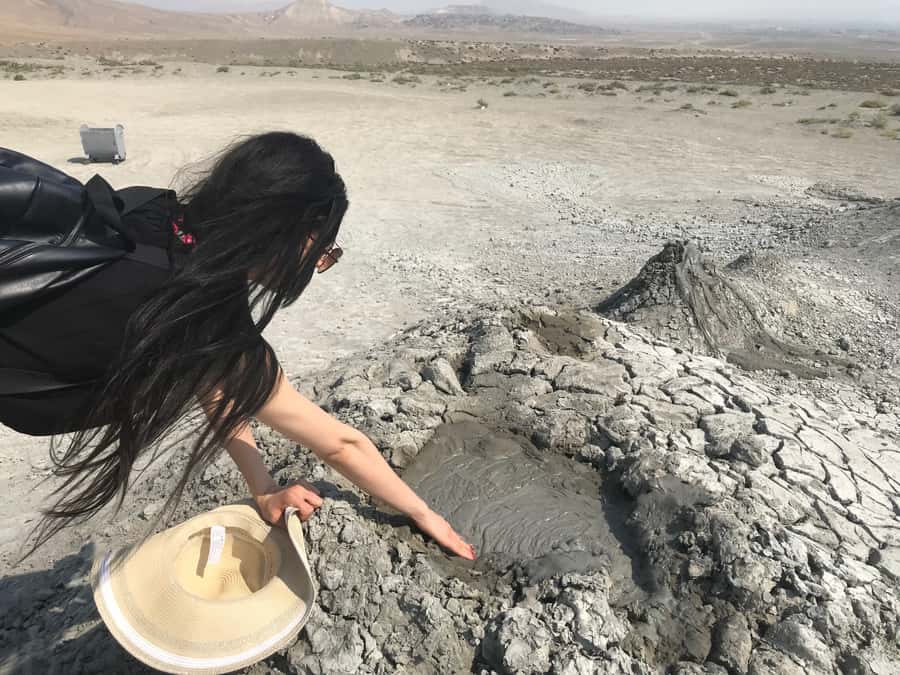
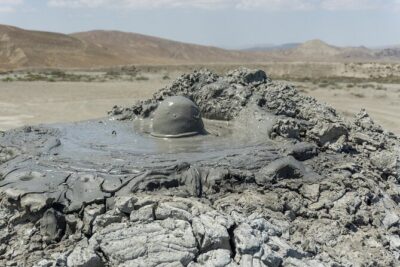
Azerbaijan is known for its unusually large number of mud volcanoes, with about 400 found around the country’s coastal area. The tour includes a sightseeing stop of about 20 minutes.
These are not fiery lava volcanoes. They push mud, gases, and mineral material from underground, creating low cones and strange, scarred ground. The result is a stark setting that feels very different from Gobustan’s carved rock surfaces and Baku’s urban streets.
The approach can be part of the fun. Several tour experiences have included old Soviet Lada vehicles for the rough road to the volcanoes. This is not a polished luxury transfer. It can be bumpy, dusty, and memorable, which is exactly why some people regard it as one of the day’s highlights.
You should also keep expectations sensible. A mud volcano may bubble or release gas, but conditions can vary. This is a short geology stop, not a dramatic eruption show. The appeal is the unusual terrain and the chance to see a type of volcanic activity that many people have never encountered.
Rain creates a firm limitation. The mud volcano visit is skipped on rainy days for safety reasons, and one winter outing had to omit it after heavy rain. If this stop is your main reason for booking, check the forecast and accept that nature gets the final say.
A few more temple visits around Baku worth a look
- Gobustan & Mud, Fire Temple, Burning Mountain (Group & Private)
★ 4.5 · 418 reviews - Gobustan-Mud Volcan-Fire Temple and Mountain Tour/Entrance inc
★ 5.0 · 267 reviews - Baku:Gobustan Mud Volcanoes Temple & Entry tickets included
★ 4.8 · 178 reviews - Gobustan, Mud volcanoes, Fire temple, Fire mountain PRIVATE TOUR
★ 5.0 · 47 reviews
Lunch: practical, filling, and extra
After Gobustan and the volcano area, the group stops at a buffet-style local restaurant. Lunch is not included, and the expected cost is about $8 to $12.
This arrangement gives you choice, though it is not a carefully designed food tour. The buffet setting makes sense for a group on a fixed schedule because you can select food quickly and pay separately. Azerbaijani dishes are available, and past guests have described the selection as good and the meal as delicious.
Still, lunch is one area where expectations should stay modest. Some people have wished for a better lunch stop, so treat it as a convenient break rather than a central cultural experience. If you have dietary needs, ask your guide what is available before filling your plate.
The day can be hot, and one useful improvement would be having water in the vehicle. Bring your own bottle, especially from late spring through summer. The schedule leaves little room for a long meal, so eat efficiently and be ready to leave when the guide calls the group together.
Ateshgah, the fire temple of Absheron
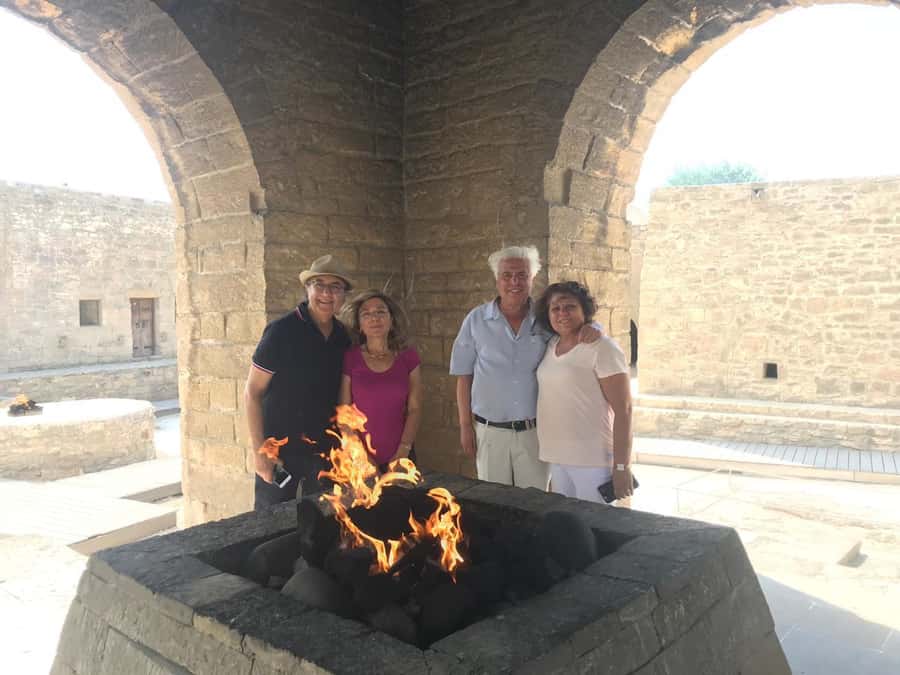
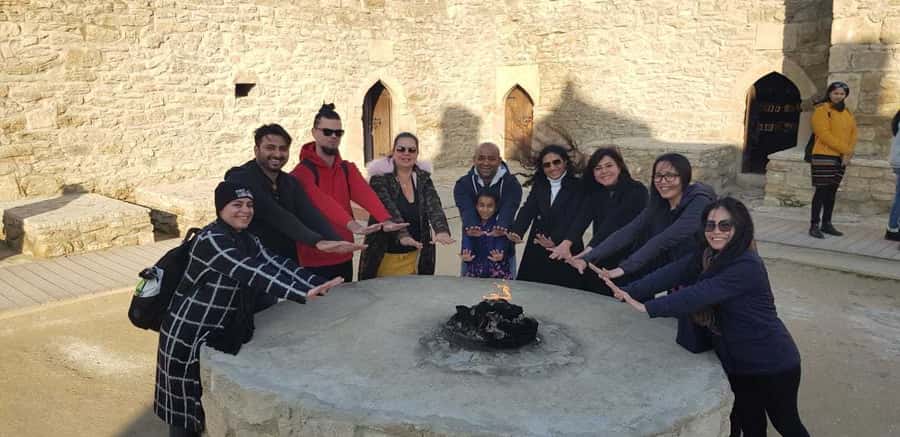
The afternoon continues at Ateshgah, an ancient Zoroastrian fire temple. The visit lasts about 40 minutes and gives the tour its strongest religious and historical layer.
Ateshgah was a holy place for fire worshippers. The temple’s importance comes from natural gas flames that once appeared in the area, creating a setting where fire seemed to burn from the earth itself. The buildings and courtyard help you understand how travelers, merchants, and worshippers connected sacred fire with the wider region.
This stop is more about ideas and atmosphere than size. You walk through a compact religious complex and learn why fire carried such power in Zoroastrian belief. The guide’s explanation is important, since the bare walls alone do not tell the full story.
I find Ateshgah especially worthwhile for visitors who want more than scenery. Gobustan shows human life through images cut into stone. Ateshgah shows how people gave spiritual meaning to unusual natural forces. Together, the two sites provide a stronger sense of Azerbaijan’s older cultures.
The 40 minute visit is enough for an overview, but not for a slow, detailed study of every part of the complex. If religion and early belief systems are a major interest, you may wish for more time here.
Yanardag and the flame on the hillside
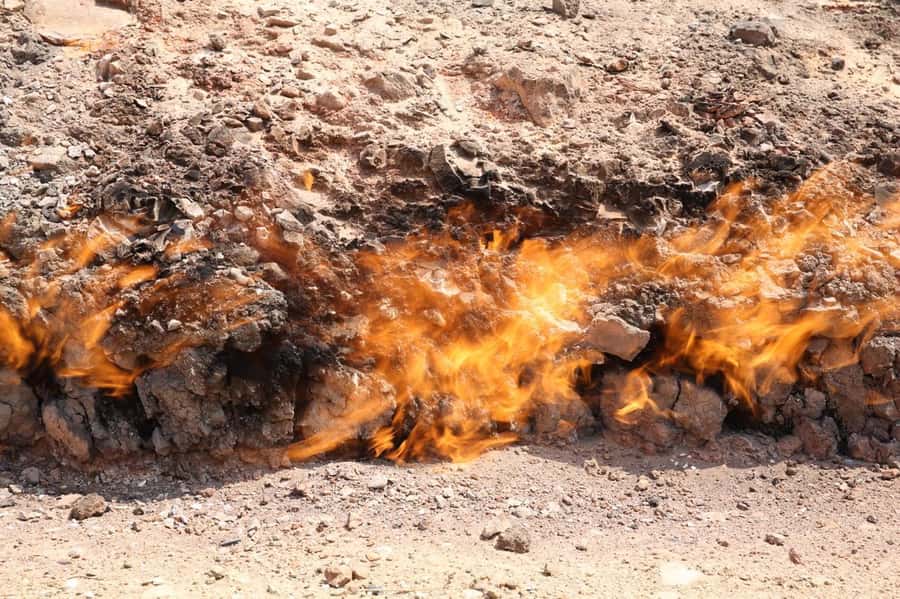
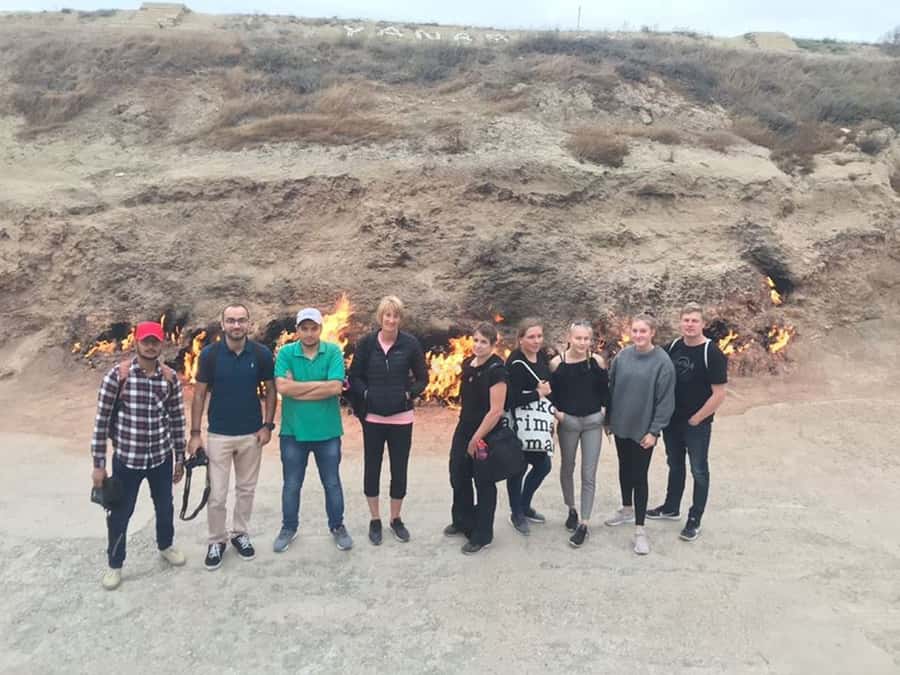
The final major stop is Yanardag, a natural gas fire that burns continuously on a hillside of the Absheron Peninsula. The visit is scheduled for about 30 minutes.
Yanardag is the simplest sight to understand and one of the easiest to remember. Gas escaping from the ground feeds a line of flame along the hillside. Unlike Ateshgah, where fire is framed by a temple and worship, Yanardag is a direct encounter with a natural phenomenon.
The flame can look especially striking in cooler or darker conditions, though the tour timing and daylight will affect the view. You may find the stop quick, but half an hour gives you time to watch the fire, take pictures, and hear how it fits into Azerbaijan’s identity as the land of fire.
The site also brings the day full circle. You have seen oil drawn from the earth, mud pushed from below, sacred fire honored by people, and gas burning naturally from the hillside. Few day trips tie geology, belief, and industry together so neatly.
Transport, group size, and the pace of the day
Hotel pickup and drop-off make this a simple choice for a short stay in Baku. There are 13 pickup and drop-off options listed, including places near the Old City, major hotels, the waterfront, and SAHIL Hostel & Hotel. Confirm your exact meeting point carefully, since the options are specific rather than an open-ended door-to-door promise.
Private and small-group formats are available. A small group can make a real difference at Gobustan, where clear access to the guide helps you follow the explanations. One outing had only four participants plus the guide, while other groups used comfortable vans.
The total length is listed as 6 to 8 hours. Traffic, pickup order, weather, and time at each site can affect the final return time. The schedule is organized, but not leisurely. One person found the timing tight, while others felt there was adequate time at each place.
Guides are a major part of the experience. Names praised across different dates include Sayed, Leyla, Mahabat, Elcan, Musa, Ughur, Samir, Irana, and Zaur. The strongest pattern is not one particular guide, but the value of having someone who explains the sites in plain English or Russian, answers questions, helps with group photos, and keeps the day moving.
The tour is also offered with Turkish explanations in some cases, as one visitor specifically noted. Confirm language availability when booking if that matters to you.
What the $29 price really gets you
At $29, this is a good-value introduction to the area outside Baku. You get transport, a professional guide, hotel pickup and return, and museum entrance fees if you select the option that includes tickets. Lunch is separate, adding roughly $8 to $12.
The value is strongest when you compare it with arranging the route independently. Gobustan, the mud volcanoes, Ateshgah, and Yanardag are spread out, and the volcanoes may require a special vehicle for the rough approach. A tour removes that planning burden.
You are paying for coverage rather than luxury. The vehicle may be comfortable, but the day includes a rough Lada ride to the volcanoes in some arrangements, and the schedule keeps moving. The inexpensive price should not be mistaken for a private, slow-paced excursion.
Free cancellation up to 24 hours before the start and reserve-now, pay-later booking add flexibility. Those terms are useful when weather could affect the volcano visit, but check the exact option you choose for ticket inclusion and pickup details.
Who should book this experience
I would choose this tour if I had one or two spare days in Baku and wanted to see the major outlying sights without renting a car. It suits first-time visitors, history fans, geology enthusiasts, photographers, and anyone curious about Azerbaijan’s fire traditions.
It is also a smart choice for families and mixed-interest groups. One person can enjoy the carvings, another the volcanoes, and someone else the temple and burning hillside. The guides’ friendly style, photo help, and willingness to answer questions add comfort for groups who do not want to manage the day themselves.
I would think twice if you dislike long drives, rough roads, short visits, or fixed meal stops. You should also avoid booking it solely for the mud volcanoes if rain is likely. The volcano stop may be removed for safety, though the rest of the route still offers plenty to see.
Should you book the Gobustan and fire sites tour?
Yes, if you want a broad, affordable introduction to the history and natural oddities around Baku. The no-shopping policy is a real advantage, and the combination of Gobustan, mud volcanoes, Ateshgah, and Yanardag gives the day a clear sense of place.
Book it with sensible expectations. This is a busy route, not a slow private archaeological visit. Bring water, allow extra money for lunch, wear shoes suited to uneven ground, and check the weather before you go. If those conditions suit you, the $29 price buys one of the most useful day trips from Baku.
FAQ
How long does the tour last?
The tour lasts about 6 to 8 hours, depending on the starting time, traffic, pickup order, weather, and time spent at each stop.
What places are visited?
The route includes an industrialized oil well near Bibi-Heybat Mosque, Gobustan National Park Museum, the mud volcanoes, Ateshgah Fire Temple, and Yanardag burning mountain.
Is lunch included?
No. The tour stops at a buffet-style restaurant where lunch can be purchased for about $8 to $12.
What happens if it rains?
The mud volcano visit is skipped on rainy days for safety reasons. The other planned stops may still take place.
Is hotel pickup available?
Yes. Pickup and drop-off are included when that option is selected, with several listed hotels, hostels, and meeting points in Baku. The provider contacts you the day before to confirm the pickup time.
What languages are available?
Live guiding is available in English and Russian. Turkish explanations have also been provided on some departures, so confirm availability if needed.
Are entrance fees included?
Museum tickets and entrance fees are included if you select the ticket-inclusive option. Check the booking choice carefully before paying.
Just added around Baku
- Gobustan, Mud volcanoes, Fire temple, Fire mountain GROUP TOUR★ 4.5 · 19 reviews
- Qobustan rock arts, Mud Volcanoes, Fire temple Ateshgah, Yanardag★ 5.0 · 30 reviews
- Ateshgah Fire Temple & Yanar Dag mountain (Group & Private)★ 4.5 · 7 reviews
- Gobustan, Mud volcanoes, Fire temple, Fire mountain PRIVATE TOUR★ 5.0 · 47 reviews
- Baku: Gobustan, Mud Volcano, Fire Temple & Burning Mountain★ 4.0 · 9 reviews
- Fire Temple and Fire Mountain Tour★ 5.0 · 22 reviews
- Gobustan, Mud volcanoes, Fire temple, Fire mountain PRIVATE TOUR★ 5.0 · 28 reviews
- Private Absheron Peninsula Atesgah Temple & Fire Mountain★ 5.0 · 4 reviews
Azerbaijan Temple Tours, compared.
Gobustan & Mud, Fire Temple, Burning Mountain (Group & Private)
Read our review →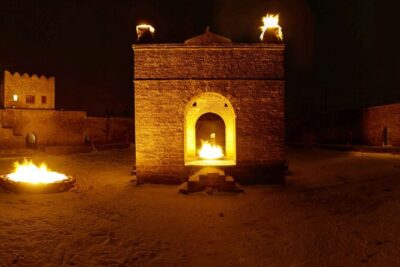
Gobustan-Mud Volcan-Fire Temple and Mountain Tour/Entrance inc
Read our review →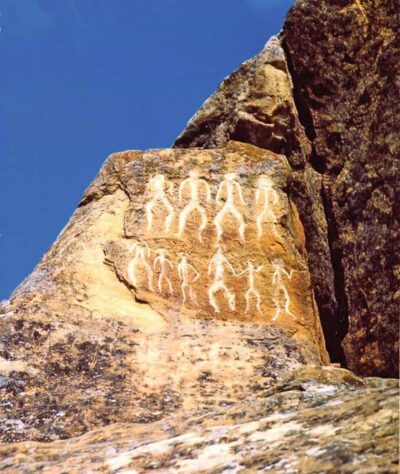
Gobustan Mud Volcanoes Temple & Entry tickets included
Read our review →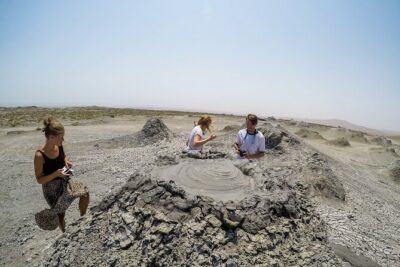
Gobustan, Mud volcanoes, Fire temple, Fire mountain PRIVATE TOUR
Read our review →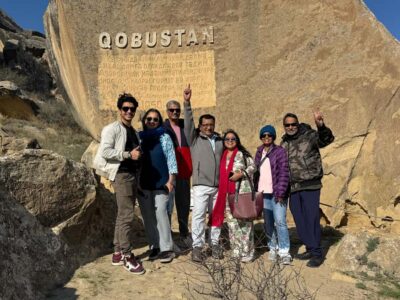
Gobustan & Mud, Fire Temple, Burning Mountain, H.A. Center
Read our review →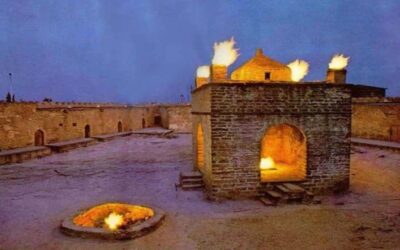
Gobustan, Mud Volcanoes, Fire Temple, & Yanar Dag Tour
Read our review →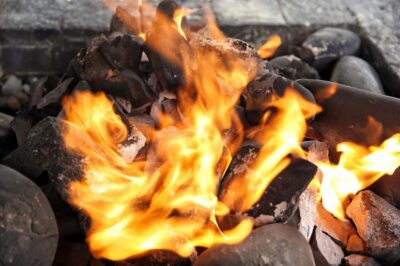
Atashgah Fire Temple & Burning Mountain Half-Day Tour
Read our review →Browse the lists this tour appears in