
Review · AZERBAIJAN
Baku: Atashgah Fire Temple & Burning Mountain Half-Day Tour
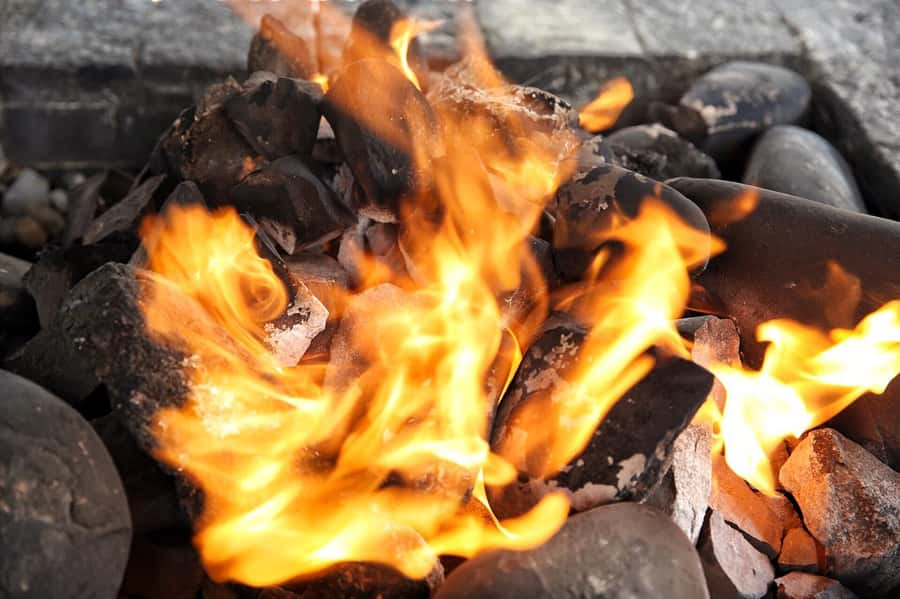
Fire rises from the earth outside Baku. I like the unusual pairing of Ateshgah Fire Temple and Yanardag, since one explains Azerbaijan’s fire-worship traditions while the other lets you watch natural gas burn from the ground. I also like the low $23 price, which includes transport, a guide, and entry tickets. The main drawback is organization: some half-day departures have been tied to a longer group outing, creating long waits and an unexpected lunch stop.
This is a short trip into the Absheron region, about 21 kilometers east of central Baku. You get a useful taste of Azerbaijan’s famous flames, but you should confirm the pickup time and ask if your group will be combined with a full-day tour before setting aside your afternoon.
Key points to know before booking
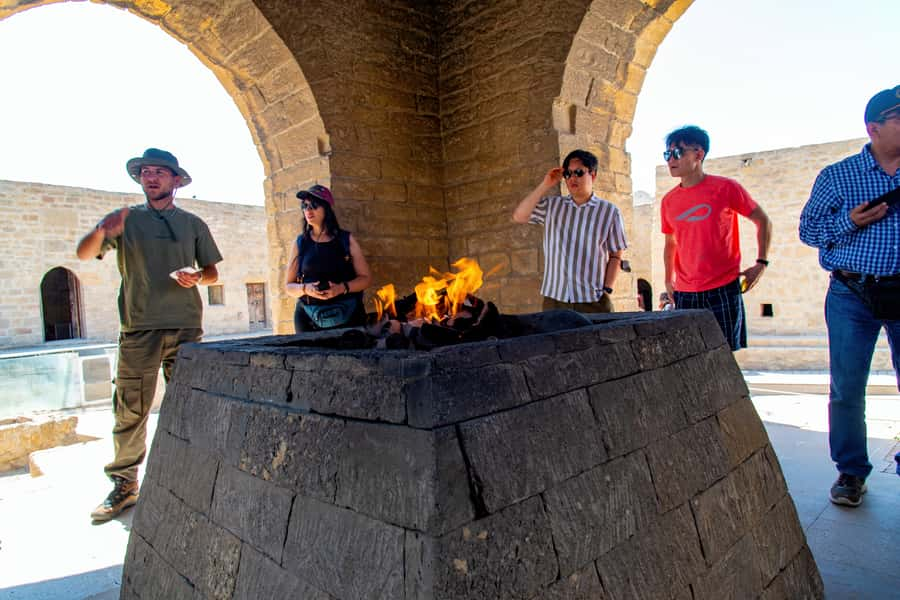
- Ateshgah is a stone courtyard temple: The site looks like a small fortress, with cells around a central fire altar and four smaller rooftop flames.
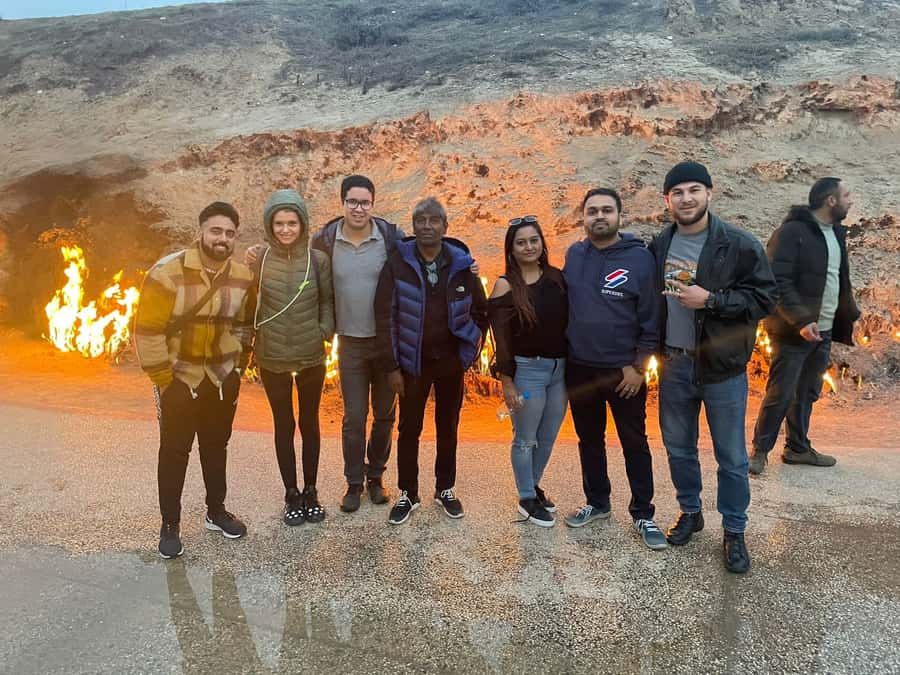
- Yanardag is a natural fire wall: Gas escaping through the rocks keeps a strip of hillside burning.
- The advertised duration is three hours: That works well for a compact outing, but delays have made some departures much longer.
- The price covers the main costs: At $23 per person, transport, an English or Russian-speaking guide, and admission are included.
- The tour may suit solo visitors: One booking described the trip as smooth and comfortable for someone touring alone, when the schedule ran properly.
- Private departures are available: You can ask about a private group if you want more control over the pace and timing.
Why these two fire sites matter
Baku is closely linked with natural gas, oil, and flames that have appeared from the ground for centuries. The Absheron Peninsula has underground gas deposits, and shifts in the earth allow gas to reach the surface in places such as Ateshgah and Yanardag.
This tour gives you two different ways to understand that setting. At Ateshgah, human belief and trade shaped the site. At Yanardag, the fire is a natural phenomenon that continues without a temple built around it.
I like that contrast. The first stop is about people who traveled to a place of sacred fire, built a courtyard sanctuary, and lived or prayed in its surrounding cells. The second stop is about the earth itself. You are not simply visiting two similar attractions. You are seeing two separate reasons Baku became known as a land of eternal flames.
The experience lasts about three hours when transportation and visits follow the planned schedule. That makes it easy to fit around a morning in Baku or an evening meal in the city. The catch is that the practical schedule has not always been as tidy as the advertised length.
More Half-Day Tours in Baku:
- Athens: Cape Sounion & Poseidon Temple Sunset Half-Day Trip
★ 4.8 · 8,241 reviews - Cape Sounion and Temple of Poseidon Half-Day Small-Group Tour from Athens
★ 4.5 · 3,205 reviews - From Athens: Temple of Poseidon & Cape Sounion Half-Day Tour
★ 4.3 · 1,082 reviews
Ateshgah Fire Temple, a fortress built around flame
The first stop is Ateshgah, also called the Fire Temple of Baku. It sits roughly 21 kilometers east of Baku, so the ride takes you beyond the central city and into the Absheron area.
The temple has a strong, simple shape. A stone wall encloses a courtyard, giving the site the appearance of a small fortress. Cells line the inside of the walls, and the central fire area anchors the whole complex.
The site was built in the 18th century by Indian merchants, in a place where natural gas rose from below the ground. That detail gives Ateshgah its special character. It was not built in an arbitrary location. The flame was the reason people came, and the reason the structure took the form it did.
At the center, you can see a fireplace supplied by natural gas ventilation. The main flame burns in the middle, with four smaller fires placed at the corners of the pavilion roof. This arrangement gives you a clear view of how the sacred fire shaped the building.
The surrounding cells are just as important as the altar. They were used by ascetic believers and pilgrims, and they help you picture Ateshgah as a place of worship rather than a single monument to photograph and leave. Your guide should explain the fire-worship practices associated with the site and the role of Indian merchants in its construction.
I would give this stop the larger share of your attention. Yanardag is visually striking, but Ateshgah gives you more to look at and more questions to consider. Why build sleeping or living cells around a fire? Why did merchants travel so far to worship here? How did a natural gas flame change the meaning of an otherwise ordinary stone courtyard?
The information supplied for this trip presents the site through the lens of one of the world’s oldest fire-worship traditions. You should treat that as cultural context rather than expect a full religious history lesson. The guide, rather than the short visit alone, will make the difference.
One practical limitation is time. A three-hour tour includes the drive to and from Baku, the temple, and Yanardag. You may have enough time to walk the courtyard, inspect the cells, take photographs, and listen to the explanation, but you should not expect an unhurried museum visit.
Yanardag, the burning mountain outside Baku
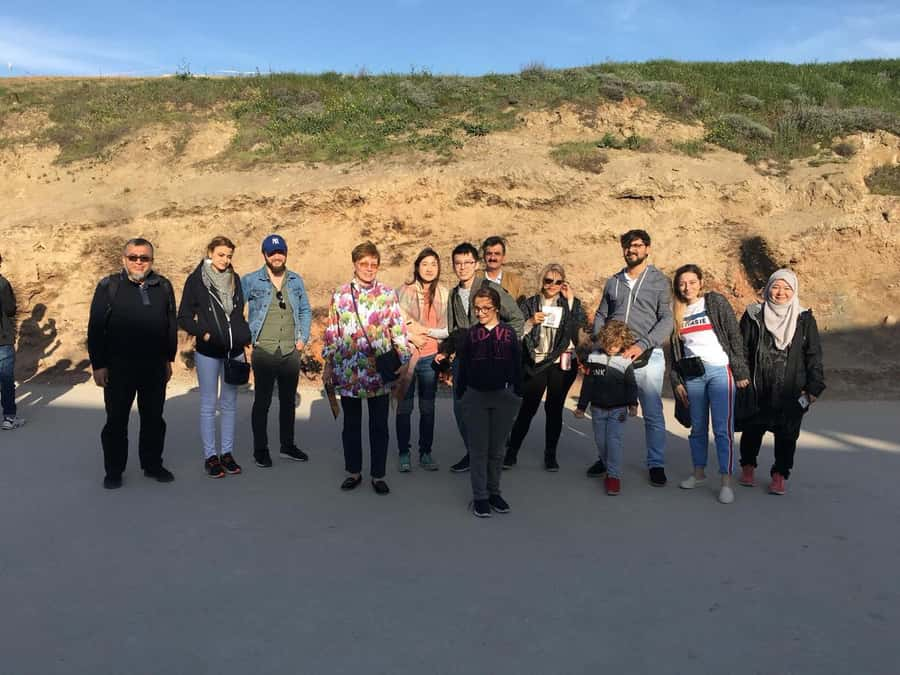
After Ateshgah, the tour continues to the Yanardag State Historical, Cultural and Natural Reserve. The ride to this stop takes about 35 to 40 minutes, according to the supplied details.
Yanardag means burning mountain. Its main attraction is a wall of flames burning along a hillside. Natural gas escapes through cracks in the rock, and the underground supply keeps the fire going. Tectonic shifts and volcanic material below the surface help explain why gas reaches the open air here.
The sight is different from Ateshgah. There is no enclosed courtyard, central altar, or ring of cells. Instead, you face a natural fire that appears to come directly from the hillside. It is the kind of place that makes you stop trying to separate geology from legend.
The flames have attracted attention for centuries. Marco Polo mentioned fires in the Baku area during his travels, although the exact age of the current Yanardag fire is uncertain. The important point for your visit is that this is not a modern special effect. It is a continuing gas leak shaped into a famous natural attraction.
Yanardag can be especially memorable in changing light, but the tour information does not promise a particular time of day. Your visit may be in daylight, depending on the departure you select. Even then, the flames should be clear enough to see, since the attraction is a burning strip on the hill rather than a subtle underground feature.
I would approach this stop with realistic expectations. Yanardag is not a huge mountain covered in fire. It is a limited area with a burning wall of flames. The visit is likely to be shorter than your time at Ateshgah, but the natural setting gives it a different kind of impact.
The guide can make the short schedule work
The tour includes an English or Russian-speaking live guide. That matters most at Ateshgah, where the stone walls and fires do not explain themselves. Without context, you might see a handsome courtyard and a few flames. With a good explanation, the cells, altar, roof fires, and merchant connection fit together.
One English-speaking guide received especially strong praise for being friendly and informative. That is the kind of guiding this trip needs. You do not need a long academic lecture, but you do need someone who can explain why the temple was built, who used it, and how the natural gas shaped its religious role.
The tour is also available as a private group. If you choose that option, ask exactly how the timing works before booking. A private departure may give you more say over how long you spend at each site, though the supplied information does not state a separate private price or a guaranteed custom schedule.
For an individual visitor, the small scale of the stops can be an advantage. You are not signing up for a full day of monuments and long commentary. You get two unusual places and a guide to connect them. But the group arrangement matters a great deal, as the transport problems show.
A few more temple visits around Baku worth a look
- Baku: Gobustan, Volcanoes, Fire Temple and Yanardag Day Trip
★ 4.7 · 433 reviews - Gobustan & Mud, Fire Temple, Burning Mountain (Group & Private)
★ 4.5 · 418 reviews - Gobustan-Mud Volcan-Fire Temple and Mountain Tour/Entrance inc
★ 5.0 · 267 reviews - Baku:Gobustan Mud Volcanoes Temple & Entry tickets included
★ 4.8 · 178 reviews
The biggest issue is schedule control
The advertised duration is three hours. On paper, that is a sensible half-day plan. In practice, some departures have involved a long wait before reaching the sites.
The most serious reported problem was a delay of about two and a half hours. A pickup time was not confirmed as expected, the group was directed back to an office, and later a taxi was used to connect people with the main vehicle. On a three-hour tour, losing two and a half hours is not a minor inconvenience. It changes the value of the entire experience.
Another departure included an unexpected one-hour lunch stop. The half-day outing had been combined with people taking a longer tour, and lunch was arranged for the larger group. One person spent about an hour and 20 minutes waiting before the sightseeing portion began.
This is the key question to ask before you commit: Will I be joining a full-day group, and is lunch included in my departure? The supplied tour information describes a three-hour experience, but these reports show that the actual operation may sometimes be linked to a longer route.
I would contact Baku City Tours shortly before the day of the trip and request four details in writing:
- Your exact meeting point
- Your confirmed departure time
- Whether you will join a full-day group
- Whether a lunch stop is part of the schedule
That small bit of planning can protect the main reason you booked a half-day tour. If you have a flight, dinner reservation, or another paid activity later, allow plenty of extra time. I would not schedule anything tight after this outing.
Is $23 good value?
At $23 per person, the tour is inexpensive for Baku. Transport is included, along with an English or Russian-speaking guide and entry tickets to the two main sites. If the vehicle leaves on time and the visit lasts close to three hours, the price is strong.
You are paying for convenience as much as admission. A taxi to the Absheron sites might require separate planning, and you would lose the guide’s explanation at Ateshgah. The tour gives you a direct way to reach both attractions without arranging separate rides.
The value falls sharply when the schedule breaks down. A long delay means you are paying with your limited holiday time, not just money. If you spend more than an hour waiting for another group to eat lunch, the low price no longer feels like the whole story.
For that reason, I see the tour as good value for a flexible afternoon, not as a perfectly controlled private transfer. The $23 price is easiest to justify if you care more about seeing the two fire sites cheaply than about knowing the exact minute you will return.
Who should book this outing?
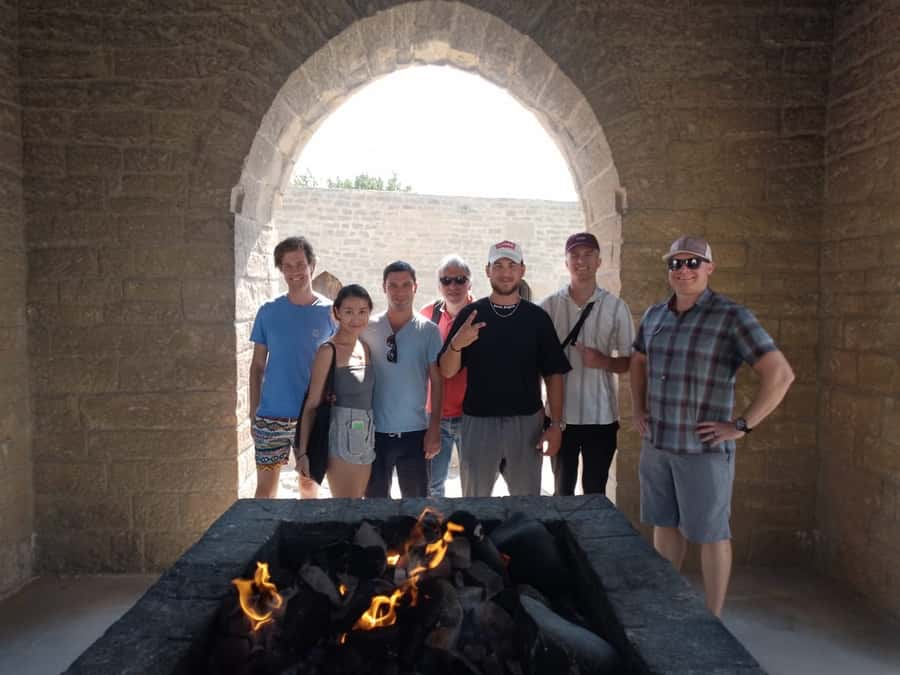
I would recommend it to you if you want an unusual half-day outside central Baku and prefer having transport and admission arranged. It is also a good match if you enjoy places where geology, trade, and religion overlap.
Solo visitors can find the format useful, especially if they do not want to arrange a taxi or research both sites independently. The guide gives the stops structure, and the three-hour design leaves room for other plans in Baku, provided the operator keeps to schedule.
The experience may also suit first-time visitors who want a quick introduction to the Absheron Peninsula. You will see a significant cultural site and a natural fire feature without giving up an entire day.
I would be more cautious if you have a strict evening commitment. I would also think twice if waiting irritates you or if you specifically want a private, fully controlled outing. In that case, request a private group and confirm the timing, or arrange separate transport.
Wheelchair access is listed as available, which makes this one of the more practical options for visitors who need an accessible tour. You should still confirm the exact vehicle and site arrangements when booking, since the supplied information does not describe the access conditions at each fire location in detail.
Booking, cancellation, and practical details
You can cancel up to 24 hours in advance for a full refund. You can also reserve now and pay later, which helps if your Baku schedule is still changing.
The tour operates with a minivan or van, and live guiding is available in English or Russian. The stated duration is three hours, but the departure time depends on availability, so check the schedule for your date.
I would save the operator’s contact details and confirm the meeting point rather than assume it will arrive automatically. This is especially important because a pickup location and time were not always communicated as early as expected.
Wear comfortable shoes for walking around the stone courtyard and reserve enough time to look beyond the main flame. At Ateshgah, the cells and enclosed layout reward a slower glance. At Yanardag, the burning wall is the focus, so your time there will be more concentrated.
Should you book the Ateshgah and Yanardag tour?
I would book it if you want two distinctive fire sites, a guide, transport, and entry tickets for $23, and you can keep your schedule flexible. Ateshgah is the stronger cultural stop, while Yanardag supplies the dramatic natural contrast. Together, they offer a memorable look at why fire has shaped Baku’s identity.
I would not book without confirming the pickup time and group plan. The sightseeing itself receives strong praise, especially when the guide is friendly and informative, but the operation has sometimes been poorly organized. Ask about lunch and full-day group connections before paying.
With that check made, this is a worthwhile, low-cost addition to a Baku visit. Just remember that the flames may be ancient, but your schedule should not be left to chance.
FAQ
How long does the tour last?
The stated duration is three hours. Actual completion can take longer if the departure is delayed or joined to a longer group tour.
How much does the tour cost?
The listed price is $23 per person.
Which places does the tour visit?
It visits Ateshgah Fire Temple and the Yanardag State Historical, Cultural and Natural Reserve.
What is included in the price?
The price includes an English or Russian-speaking guide, transportation by minivan or van, and entry tickets.
How far is Ateshgah from Baku?
Ateshgah is approximately 21 kilometers east of Baku.
How long is the drive to Yanardag?
The stated travel time to Yanardag is about 35 to 40 minutes.
What languages are available?
Live guiding is available in English and Russian.
Can I cancel the booking?
Yes. You can cancel up to 24 hours in advance for a full refund.
Just added around Baku
- Gobustan, Mud volcanoes, Fire temple, Fire mountain GROUP TOUR★ 4.5 · 19 reviews
- Qobustan rock arts, Mud Volcanoes, Fire temple Ateshgah, Yanardag★ 5.0 · 30 reviews
- Ateshgah Fire Temple & Yanar Dag mountain (Group & Private)★ 4.5 · 7 reviews
- Gobustan, Mud volcanoes, Fire temple, Fire mountain PRIVATE TOUR★ 5.0 · 47 reviews
- Fire Temple and Fire Mountain Tour★ 5.0 · 22 reviews
- Gobustan, Mud volcanoes, Fire temple, Fire mountain PRIVATE TOUR★ 5.0 · 28 reviews
- Baku: Gobustan, Mud Volcano, Fire Temple & Burning Mountain★ 4.0 · 9 reviews
- Private Absheron Peninsula Atesgah Temple & Fire Mountain★ 5.0 · 4 reviews
Azerbaijan Temple Tours, compared.
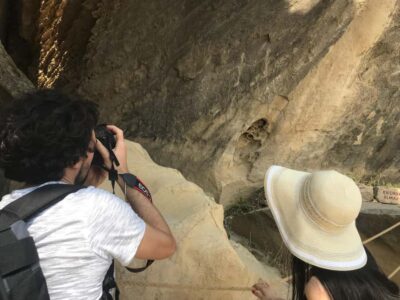
Gobustan, Volcanoes, Fire Temple and Yanardag Day Trip
Read our review →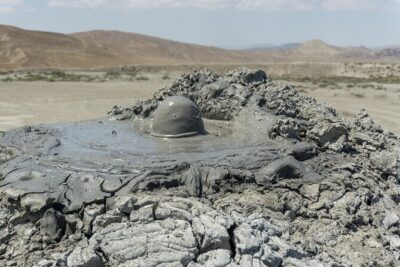
Gobustan & Mud, Fire Temple, Burning Mountain (Group & Private)
Read our review →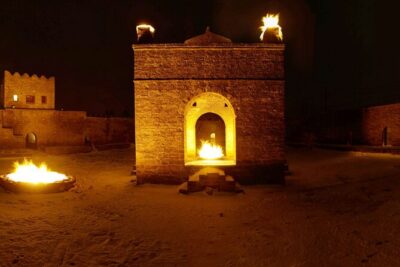
Gobustan-Mud Volcan-Fire Temple and Mountain Tour/Entrance inc
Read our review →
Gobustan Mud Volcanoes Temple & Entry tickets included
Read our review →
Gobustan, Mud volcanoes, Fire temple, Fire mountain PRIVATE TOUR
Read our review →
Gobustan & Mud, Fire Temple, Burning Mountain, H.A. Center
Read our review →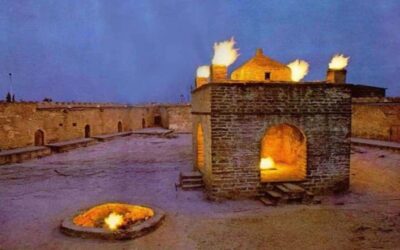
Gobustan, Mud Volcanoes, Fire Temple, & Yanar Dag Tour
Read our review →Browse the lists this tour appears in