
Review · POKHARA
Pokhara in 5 Hours: Lake, Museum, Cave, Falls & Pagoda Hill
Pokhara packs big sights into a small window. This private five-hour tour links Fewa Lake, Devi’s Fall, and the Peace Pagoda with a driver-guide, making it a useful first look at the city when your schedule is tight. I like the private format and the clear route through five major stops. I also like that the price includes transport, bottled water, and your own driver-guide.
The main catch is that admission fees are extra, and five hours leaves little room for long stops or slow wandering. The tour is best for getting your bearings, not for spending a full morning at every sight.
Key points to know before booking
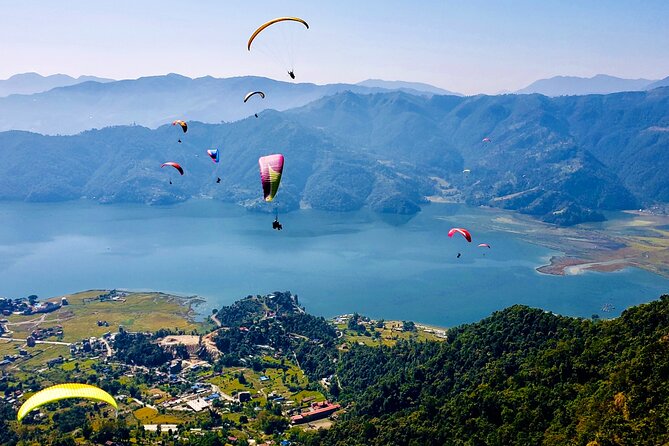
- Five major Pokhara sights in about five hours: The route covers Barahi Temple, the International Mountain Museum, Devi’s Fall, Gupteshwor Mahadev Cave, and the Peace Pagoda.
- Private transport keeps the day flexible: Only your group takes part, and the driver-guide can help with timing and basic local context.
- Fewa Lake includes a temple visit and boat ride: Barahi Temple sits on a small island in the lake, reached by boat.
- The International Mountain Museum deserves your full attention: You can learn about Himalayan climbing, mountain culture, and famous mountaineers.
- The Peace Pagoda requires a physical climb: One traveler specifically noted the effort involved in climbing about 200 steps.
- The $40 price is transport-focused: Entry tickets and personal spending are not included, but bottled water and air-conditioned private transport are covered.
A fast, useful introduction to Pokhara
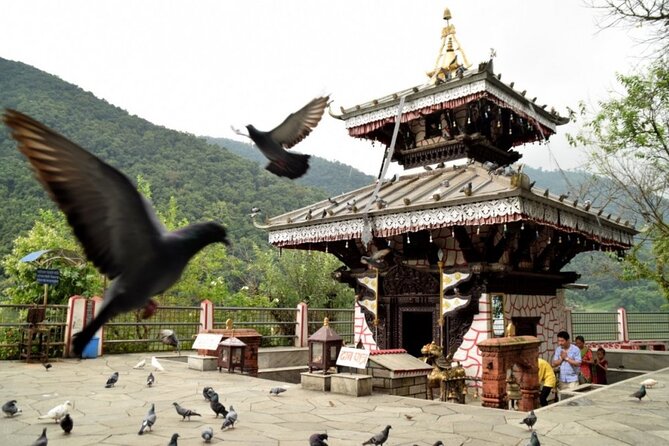
Pokhara is the kind of place where a short tour can make sense. The city’s major sights spread across different areas, and arranging a private vehicle saves you from piecing together taxis and local transport. In roughly four to five hours, you get a broad look at the lake, a mountain museum, a waterfall, a cave, and a hilltop Buddhist monument.
I would think of this as a city sampler. It gives you enough context to decide where you want to return later. You will not have unlimited time at each stop, but the route covers a strong mix of nature, religion, mountain culture, and local history.
The private format is especially useful if you are traveling with family or friends. You are not tied to a large group’s pace, and the driver-guide can help keep the route moving. The tour has a rating of 4.4 from 16 ratings, with especially strong praise for punctuality, courtesy, patience, and the quality of the guiding.
Pujan Thapa received particular praise for knowing the museum well, helping a visitor find George Mallory’s photograph, and showing patience during the climb to the Peace Pagoda. Bidur was also praised for being an excellent guide and driver. Those details matter because this tour depends on more than simply getting from one address to another.
More Museum Visits in Nepal:
- Pokhara in 5 Hours: Lake, Museum, Cave, Falls & Pagoda Hill
★ 5.0 · 10 reviews - Montserrat Museum and Monastery Entry Ticket
★ 4.5 · 1,740 reviews - Lisbon: Belem, Jeronimos Monastery, and Coach Museum Tour
★ 4.8 · 478 reviews
Barahi Temple and the first look at Fewa Lake
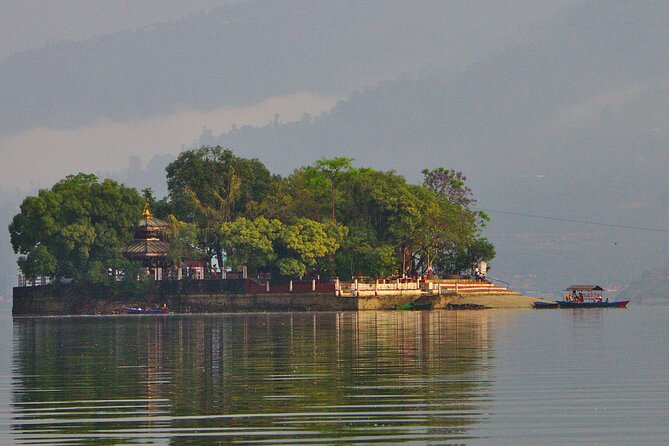
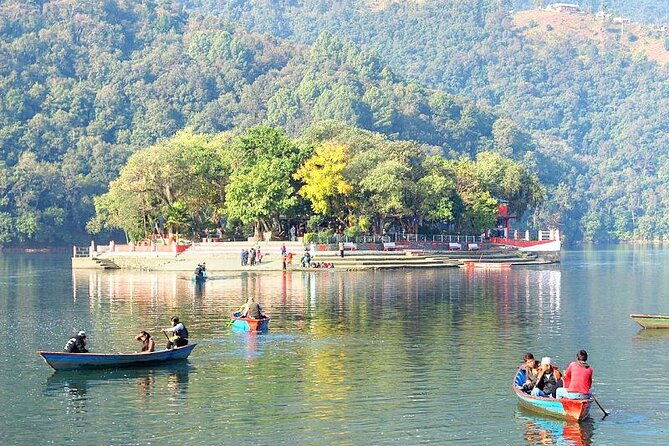
The tour begins at Tal Barahi Temple, also called Lake Temple or Barahi Temple. The Hindu shrine sits on a small island in Fewa Lake and is dedicated to Barahi, a form of the goddess Durga. It is described as Pokhara’s most important religious monument.
The boat ride gives this first stop more character than a standard roadside temple visit. You see the city from the water, reach the island, and get an early look at the mountain setting around Fewa Lake. If the weather is clear, the lake can provide beautiful views toward the Annapurna range.
You have about 45 minutes here, which should be enough for the crossing and a short visit. It is not enough for a long paddle or an unhurried lake outing. If the lake is one of your main reasons for coming to Pokhara, you may want a separate boating session later.
This stop works well at the beginning because it eases you into the city. You get water, worship, local life, and mountain scenery in one compact visit. The temple itself is modest in size, so the real appeal is the combination of the island setting and the boat journey.
The International Mountain Museum brings the Himalayas indoors
The International Mountain Museum is the most educational stop on the route. You have about an hour to explore displays focused on mountain culture, mountaineering, and the history of climbing in Nepal.
This is not simply a place to take a few photographs and leave. The exhibits give you a way to understand why the Himalayas matter to Nepal and to the people who climb them. The museum’s terrace also provides mountain views, adding an outdoor pause after the galleries.
An hour is a sensible amount of time, though you may wish you had longer if you enjoy mountaineering history. Pujan Thapa’s museum knowledge was a real advantage for one visitor, especially when he located George Mallory’s photograph. A guide who can point out important figures and explain what you are seeing makes the museum far more useful than walking through it without context.
The museum admission is not included in the $40 price. Keep that in mind when comparing the tour with a taxi or a self-planned day. The entrance cost is separate, but the private vehicle and guide save you the trouble of arranging transport between the stops.
Devi’s Fall shows Pokhara’s force underground
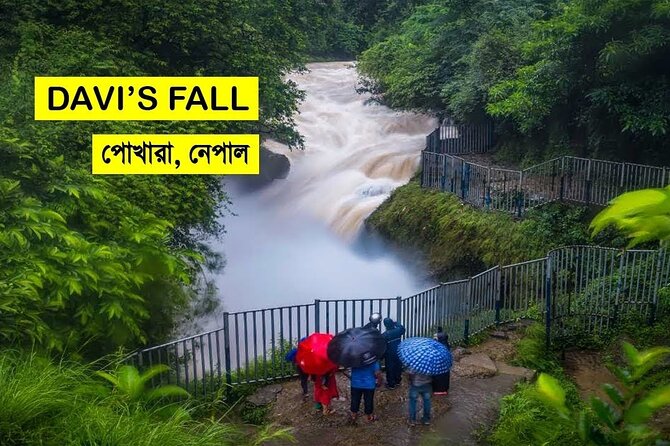
Devi’s Fall gives the tour a change of mood. The water drops into a channel and then passes into a tunnel below ground. The tunnel is described as about 500 feet long and 100 feet below the surface, giving the waterfall an unusual feature beyond the visible cascade.
You have about 45 minutes here. That is enough to see the falls, take photographs, and listen to the water, but it is still a brief stop. The appeal is the natural feature itself and the story of where the water goes after it disappears.
The admission ticket is not included. Since the stop is short, you may want to keep your visit focused rather than spending too much time browsing around the site. The waterfall fits neatly into this tour because it requires less time than a museum or a longer walking attraction.
The name is often written as Devi’s Fall or Davis Fall in descriptions of Pokhara. The feature itself is the same stop, with the underground passage as its most distinctive detail.
A few more temple visits around Nepal worth a look
- Kathmandu Spiritual Sites: Bodhnath & Pashupatinath Tour
★ 5.0 · 185 reviews - Kathmandu: Chandragiri Cable Car and Monkey Temple Tour
★ 4.8 · 139 reviews - From Kathmandu: 2 Stupas and Kopan Monastery Spiritual Tour
★ 4.8 · 115 reviews - Lunch with Nuns – Monastery
★ 5.0 · 75 reviews
Gupteshwor Mahadev Cave adds a spiritual layer
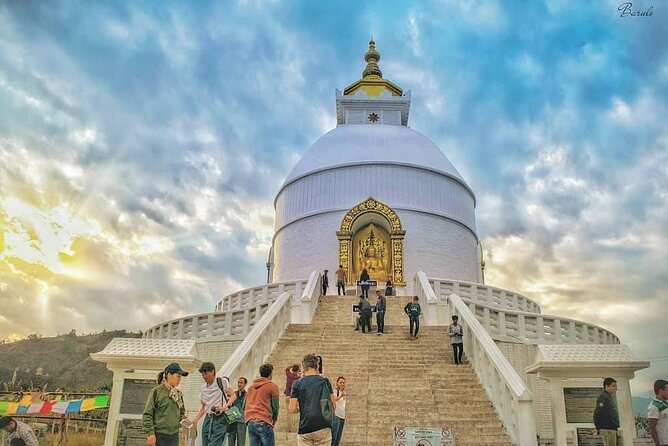
Gupteshwor Mahadev Cave lies opposite Devi’s Fall, so these two stops make practical sense together. Water from the falls passes through the cave, connecting the two sights in a physical way.
The cave is both a natural attraction and a religious place. It is dedicated to Lord Shiva and is considered one of Pokhara’s major attractions. The name Gupteshwor Mahadev points to the cave’s sacred character, while the enclosed setting gives the visit a more mysterious feel than the open waterfall.
You have around 45 minutes here. Expect the cave to involve walking through a confined underground space, though the supplied details do not specify the exact route or conditions. If you dislike enclosed places or uneven walking surfaces, this is worth considering before booking.
Visiting the cave after the waterfall helps you understand the connection between the two. At the falls, you watch water drop away. In the cave, you see part of the route it takes underground. That simple link makes the pairing stronger than two unrelated sightseeing stops.
The Peace Pagoda rewards effort with wide views
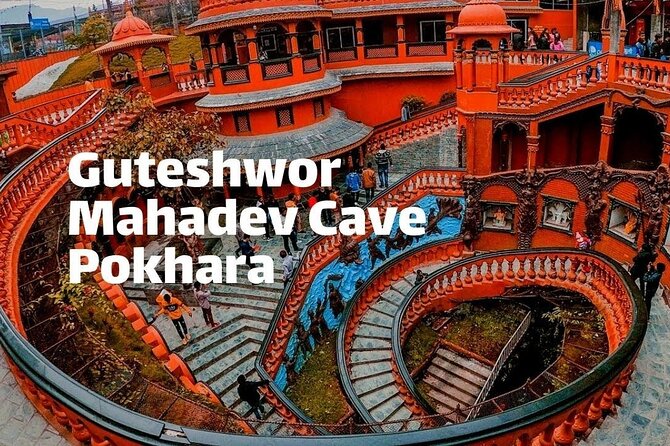
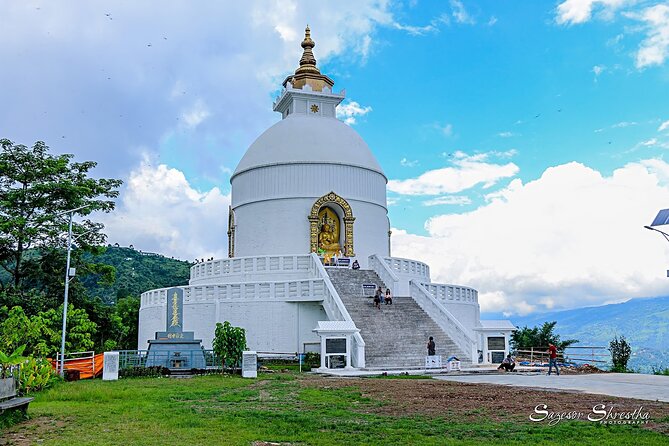
The final stop is Pokhara Shanti Stupa, commonly called the Peace Pagoda. This Buddhist monument sits on Anadu Hill in the former Pumdi Bhumdi area of Kaski District. It was built to promote world peace and offers broad views toward the Annapurna range.
The pagoda is the most physically demanding stop in the schedule. One visitor praised Pujan Thapa for being patient during the climb of about 200 steps. That is useful advice: this is not just a quick roadside photo stop. You need to be ready for an uphill approach and a little exertion.
The reward is the setting. From the hill, you can look across Pokhara and toward the mountains when conditions allow. The white pagoda-style monument also has a calm, open feel after the enclosed cave and the noisy waterfall.
You have about 45 minutes here. That should allow time to reach the monument, look around, take photographs, and enjoy the view, but the climb can reduce the amount of time available at the top. Wear shoes that are comfortable for steps and walking.
The monument has no admission fee listed for this tour. That helps balance the separate charges at the museum, waterfall, and cave.
How the private vehicle changes the experience
Private transportation is the practical heart of this tour. You receive an air-conditioned vehicle, bottled water, and transport reserved for your group. The driver also serves as your guide, so you are not simply hiring a car and navigating each stop alone.
That arrangement gives you two benefits. First, you can move between attractions without arranging separate rides. Second, the driver-guide can help with timing, directions, and basic information at each place.
The tour description calls the driver a driver cum guide, so you should not assume you are getting a specialist historian at every stop. Still, the strong comments about Pujan Thapa and Bidur suggest that the quality of the person assigned to you can add real value. Pujan was praised for being punctual, courteous, patient, flexible, and well informed about the mountain museum.
The private setup also means only your group participates. That is a good fit if you want a quieter day or need some flexibility. It does not mean the tour can expand into a full-day outing. The five-hour window still requires discipline, especially if you spend extra time at the lake or museum.
What the $40 price really covers
At $40 per person, the tour is reasonably priced if you value a private vehicle and a driver-guide. You are paying for convenience, route planning, air conditioning, bottled water, and transport between five separate attractions.
The price does not include entry tickets or personal expenses. Tips are also not listed among the included items, and one detailed rating specifically noted that entrance fees and a guide tip were not included but were explained in the booking information.
That makes the final cost higher than $40. Still, the value can be good for a small group, particularly if the alternative is arranging several rides and negotiating transport during the day. Group discounts are available, which may improve the price for larger parties.
The tour is also booked an average of 11 days in advance. That does not guarantee it will sell out, but it suggests you should not leave the reservation until the last moment if your schedule is fixed.
Who will get the most from this five-hour tour
I would recommend this experience most strongly to first-time visitors with limited time in Pokhara. It gives you a clear introduction to the city’s main sights without requiring a full day.
It also suits people who prefer private transport, families, and groups that want to stay together. The air-conditioned vehicle and bottled water are small comforts that matter when you are moving between several stops.
You may want something else if your priority is a slow visit. Fewa Lake deserves more than a quick temple boat ride if you want time on the water. The mountain museum may also deserve a longer visit if you have a strong interest in climbing history. And the Peace Pagoda can feel rushed if you want to sit quietly and take in the view.
People with limited mobility should consider the climb and the cave carefully. The tour information says most people can participate, but it specifically notes about 200 steps at the Peace Pagoda. Service animals are allowed, and the experience is near public transportation, though private transport is provided.
The cancellation policy is forgiving if your plans change. You can cancel at least 24 hours before the start time for a full refund. Cancellations or changes made within 24 hours are not refunded or accepted.
Should you book this Pokhara tour?
Book it if you want a private overview of Pokhara in one compact morning or afternoon. The route is well chosen, and the combination of lake, temple, museum, waterfall, cave, and hilltop pagoda gives you a useful sense of the city.
I would be especially happy with this choice if Pujan Thapa or Bidur were assigned as the driver-guide, based on the specific praise for their courtesy, patience, and local knowledge. You should also budget for admission tickets and personal expenses, and expect the Peace Pagoda climb to require effort.
Skip it if you want long, peaceful visits at each attraction. For everyone else, $40 per person is a fair starting price for private transport and a well-packed introduction to Pokhara, provided you understand what is and is not included.
FAQ
How long does the Pokhara tour take?
The experience lasts approximately four to five hours.
What attractions are included?
The route includes Barahi Temple at Fewa Lake, the International Mountain Museum, Devi’s Fall, Gupteshwor Mahadev Cave, and the Peace Pagoda.
Is the tour private?
Yes. Only your group takes part in the activity.
Is transportation included?
Yes. Private transportation in an air-conditioned vehicle is included.
Is a driver-guide included?
Yes. A friendly driver cum guide is included with the experience.
Are entrance tickets included in the price?
No. Entry tickets are not included and must be paid separately.
Is bottled water provided?
Yes. Bottled water is included.
Can I cancel for a full refund?
Yes. You can cancel at least 24 hours before the start time for a full refund.
Are service animals allowed?
Yes. Service animals are allowed.
Just added around Nepal
- Sacred Pashupatinath: Aarati,Cremation Rites & Boudha Stupa★ 5.0 · 18 reviews
- Pokhara in 5 Hours: Lake, Museum, Cave, Falls & Pagoda Hill★ 5.0 · 10 reviews
- Pokhara: 1-Day World Peace Pagoda and Lord Shiva Statue Trek★ 4.8 · 5 reviews
- Pashupatinath: Evening tour of temple and Aarati ceremony★ 5.0 · 3 reviews
- Nagarkot Sunrise and Hike to Changu Narayan Temple★ 5.0 · 3 reviews
- Magical Sunset Tour of Pokhara: Davis Fall, Cave & Pagoda★ 3.2 · 3 reviews
- Kathmandu: Pashupatinath Temple Evening Aarati Tour★ 5.0 · 36 reviews
- Kathmandu: Monkey Temple and Chandragiri Cable Car Ride Tour★ 4.6 · 3 reviews
Pokhara Temple Tours, compared.
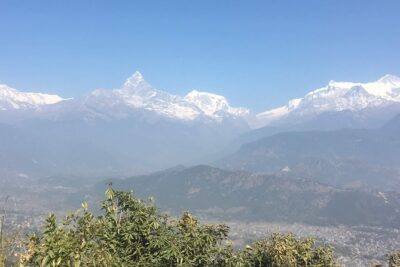
Day Hiking from Sarangkot to World Peace Stupa from Lakeside
Read our review →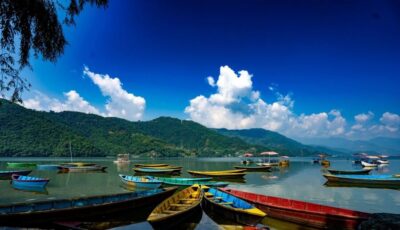
From Lakeside: Pokhara Private Day Tour with Pagoda Hills
Read our review →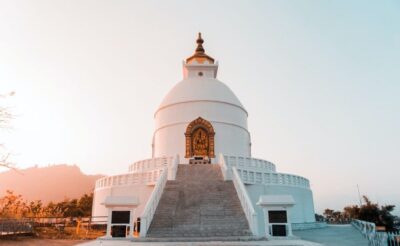
Golden Hour at Peace Pagoda – Himalayan Sunset Tour
Read our review →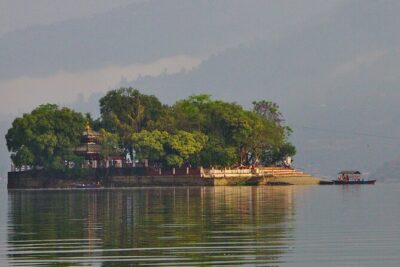
Pokhara in 5 Hours: Lake, Museum, Cave, Falls & Pagoda Hill
Read our review →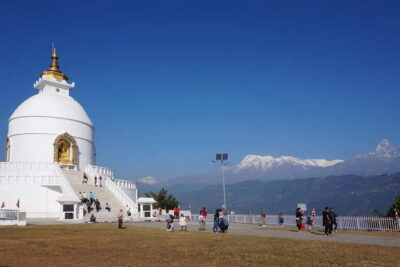
1-Day World Peace Pagoda and Lord Shiva Statue Trek
Read our review →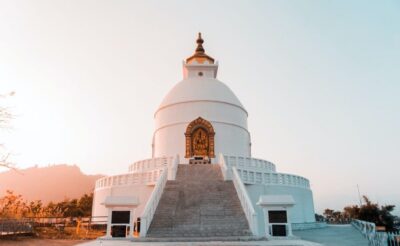
Magical Sunset Tour of Pokhara: Davis Fall, Cave & Pagoda
Read our review →Browse the lists this tour appears in