
Review · POKHARA
Pokhara: 1-Day World Peace Pagoda and Lord Shiva Statue Trek
The lake starts the day gently. This private eight-hour tour combines a quiet Phewa Lake boat ride, a small island temple, forest walking, two major Pokhara viewpoints, and a return taxi for $28 per person. I like the mix of transport and walking, and I like that an English-speaking guide can add local context instead of leaving you to guess what you are seeing. The main catch is simple: this is a real hiking day, not a gentle sightseeing loop.
I especially like the stop at Barahi Temple, since the short boat trip makes the visit feel distinct from the rest of Pokhara. I also like the flexible pace reported by guests who toured with guide Roman Paudel, including time for photos and pauses. Keep your expectations sensible about mountain views, though. Clouds can cover Annapurna even on a pleasant sunny day.
Key points to know before you go
- Phewa Lake opens the day with a calm boat ride, a useful contrast to the uphill walking later.
- Barahi Temple sits on a small lake island, giving you a short but memorable cultural stop.
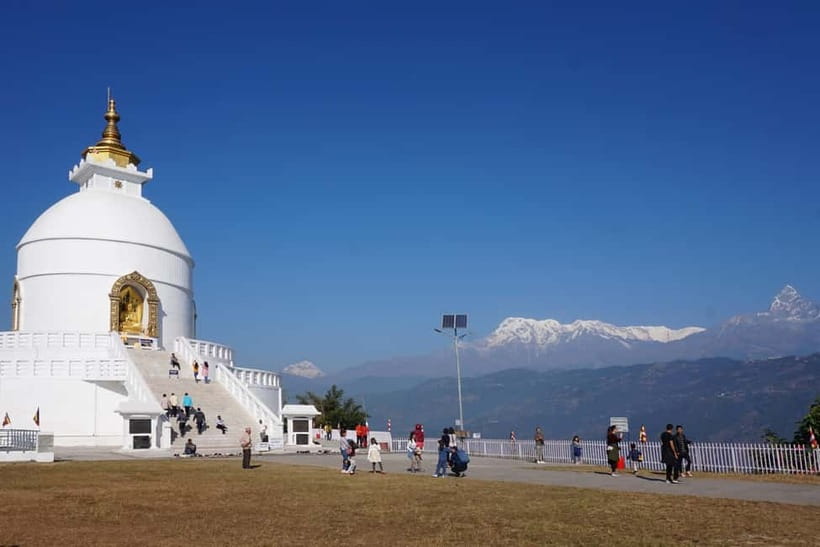
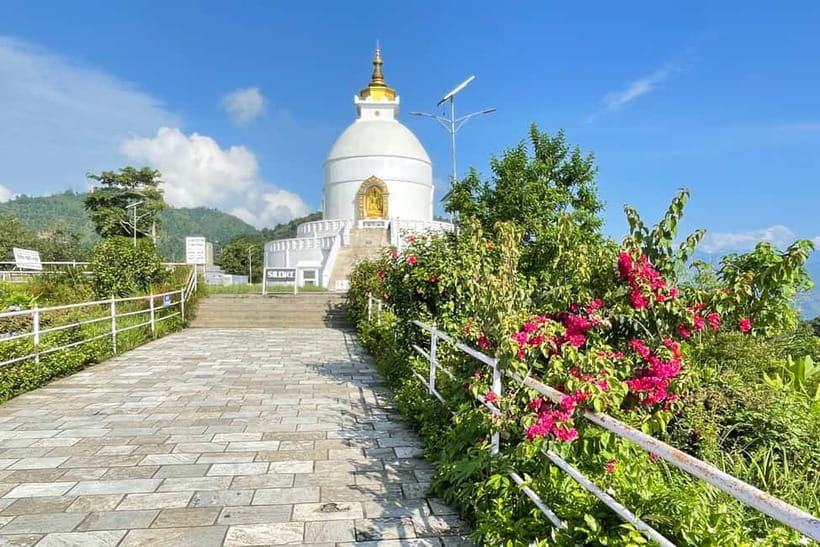
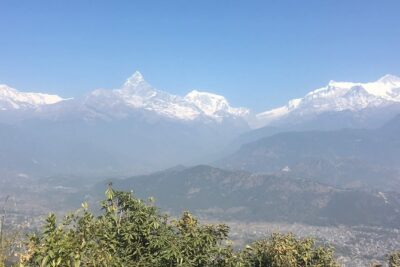
- The World Peace Pagoda reaches 1,100 meters, with views over the lake, Pokhara, Annapurna, Dhaulagiri, and Machhapuchre when skies are clear.
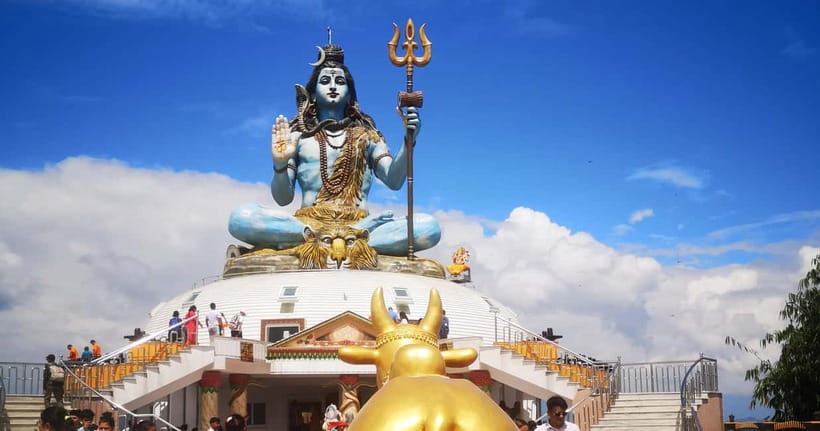
- Pumdikot Shiva Statue rises more than 15 meters, making it the tallest statue of its kind in Nepal.
- The walk lasts several hours, with forest paths, settlements, uphill sections, and a return route toward Damside.
- The $28 price includes the useful basics, including hotel pickup, the boat, temple visit, guide, and taxi from Damside to Lakeside.
Why this Pokhara day works so well
Pokhara is easy to enjoy at water level. Phewa Lake, the lakeside streets, and the mountain views do much of the work. This tour asks you to see the city from higher ground too, and that change in angle is its main strength.
You begin with a boat ride instead of a hard climb. Then you visit Barahi Temple before crossing to the far shore and walking uphill toward the World Peace Pagoda. Later, you continue to Pumdikot, home of the large Lord Shiva statue, before walking back toward Damside.
That sequence gives the day a good rhythm. You get water, worship, forest, mountain views, and city sights. None of the individual stops takes all day, but together they create a full picture of Pokhara.
The tour is private, with hotel pickup from Pokhara Lakeside at 8:30 AM. That matters if you prefer to ask questions, pause for photos, or adjust the pace without waiting for a large group. The activity has earned a 4.8 rating from five recorded bookings, and the strongest praise goes to the guides, especially Roman Paudel. One German guest found the boat ride relaxing but warned that the climb to the Shiva statue works your legs. That is a fair description.
A few more temple visits around Nepal worth a look
- Pokhara: Day Hiking from Sarangkot to World Peace Stupa from Lakeside
★ 5.0 · 20 reviews - Nagarkot Sunrise and Hike to Changu Narayan Temple
★ 5.0 · 3 reviews - From Barcelona: Montserrat Monastery, Easy Hike, Cable Car
★ 4.9 · 1,021 reviews
Phewa Lake and Barahi Temple: a quiet start
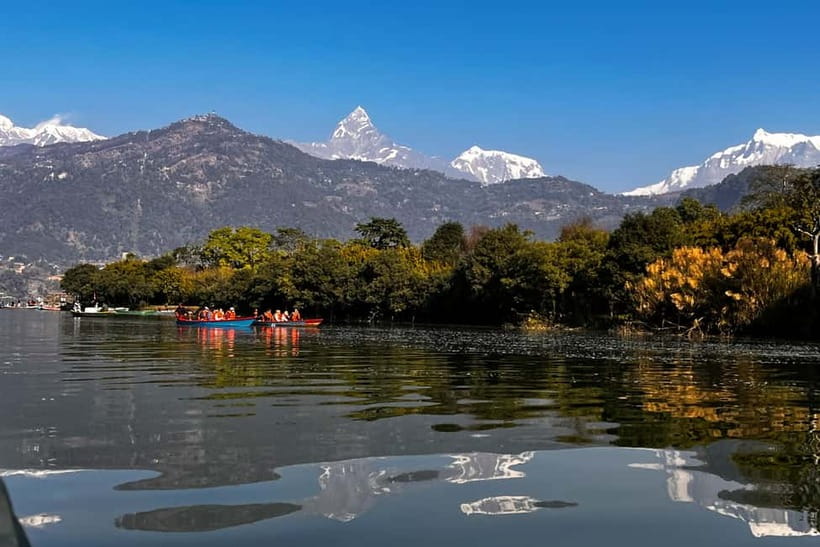
The day begins at Phewa Lake, where you board a boat and cross the calm water. From the lake, you can see Pokhara, wooded slopes, and the World Peace Pagoda above the shore. On a clear day, the water and mountains create the classic Pokhara view. On a cloudy day, the ride still gives you a peaceful start before the walking begins.
The boat ride is not only a way to reach the trail. It changes your sense of the city. Lakeside can feel busy, but the lake gives you a few quiet minutes to look back toward the shore and get your bearings. I like this part because it lets you settle into the day rather than rushing straight into an uphill route.
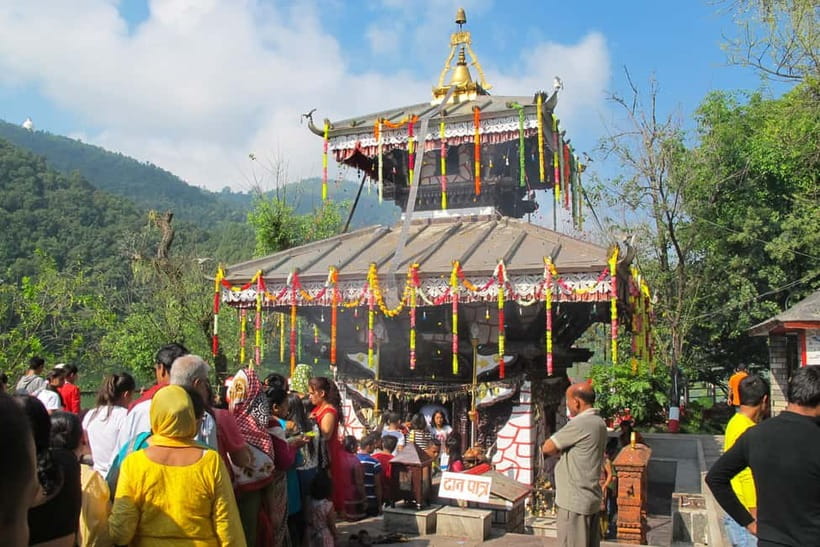
Your first stop is Barahi Temple, located on a small island in the middle of the lake. The temple is important to the local religious life of Pokhara, and its island setting makes the visit feel different from a roadside shrine. You have a short boat trip, a brief visit, and then continue across the lake.
Do not expect a long temple tour. The value is in the setting and the combination of boat and culture. You should dress respectfully and follow your guide’s advice about where to walk and how long to stay.
The climb to World Peace Pagoda
After the temple, the boat takes you to the other shore of Phewa Lake. From there, the route heads uphill through shady forest and past small settlements. The walk to the pagoda is described as taking about an hour, though the exact pace depends on your group and the condition of the path.
This is where comfortable shoes become important. You do not need to treat the outing like a technical mountain trek, but sandals or stiff casual shoes would make the walking less pleasant. Bring water, sunscreen, a hat, and clothes suited to hiking. The tour provider recommends enough water for the day, and that is good advice because meals and drinks are not included.
The route gives you more than a climb from one attraction to another. You pass through green surroundings and see pieces of everyday life outside central Lakeside. The small settlements help make the walk feel connected to Pokhara rather than separated from it by a tourist trail.
The main drawback is that you may spend more energy than expected before reaching the first big viewpoint. If you have mobility problems or dislike several hours of walking, this is not the right outing. The route includes uphill walking, later descents, and a long return section.
World Peace Pagoda at 1,100 meters
The World Peace Pagoda sits on Ananda Hill at an elevation of about 1,100 meters. It is a Buddhist monument built around the message of peace, non-violence, and compassion. You get around 30 minutes here, enough to look around, take photos, and enjoy the view without turning the visit into a rushed photo stop.
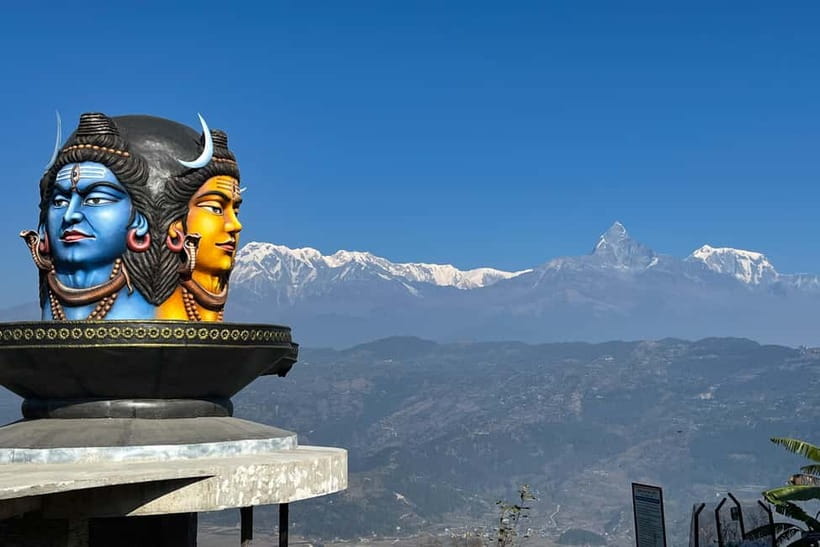
The pagoda’s location is the real prize. From the hill, you can look across Phewa Lake toward Pokhara and, on clear days, toward the Himalayan range. The listed views include Annapurna I at 8,091 meters, Dhaulagiri at 8,167 meters, and the distinctive Machhapuchre at 6,997 meters.
Mountain visibility is never guaranteed. One guest visited in sunny weather but found clouds over the slopes and saw very little of Annapurna. That does not make the stop pointless, but it does mean you should treat the Himalayan views as a bonus rather than a promise.
I would give the pagoda a little quiet attention beyond the usual photo. Its message of peace and compassion is central to the site, and the stillness of the hill makes it a good place to pause. Your guide can also add context about the monument and its place above Pokhara.
More Day Trips in Nepal:
- Athens: Cape Sounion & Poseidon Temple Sunset Half-Day Trip
★ 4.8 · 8,241 reviews - From Aswan: Abu Simbel Temple Day Trip with Hotel Pickup
★ 4.4 · 2,807 reviews - From Malta: Gozo Day Trip Including Ggantija Temples
★ 4.2 · 2,399 reviews - Montenegro: Durmitor, Tara & Ostrog Monastery Day Trip
★ 4.8 · 1,894 reviews
Walking on to Pumdikot Shiva Statue
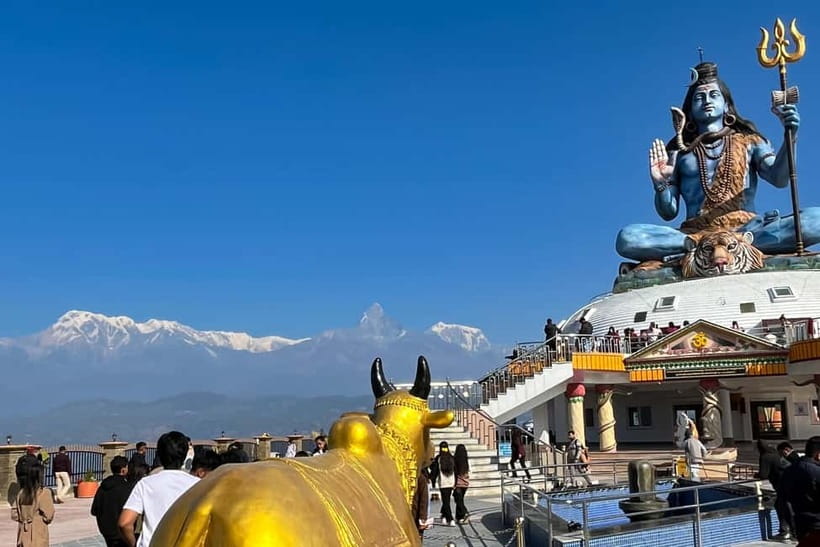
After the pagoda, the route continues toward Pumdikot and its Lord Shiva Statue. The supplied timing describes this part as roughly 45 minutes to 1.5 hours, so you should expect the pace and exact route to affect the total. Either way, it is not a quick stroll between two nearby monuments.
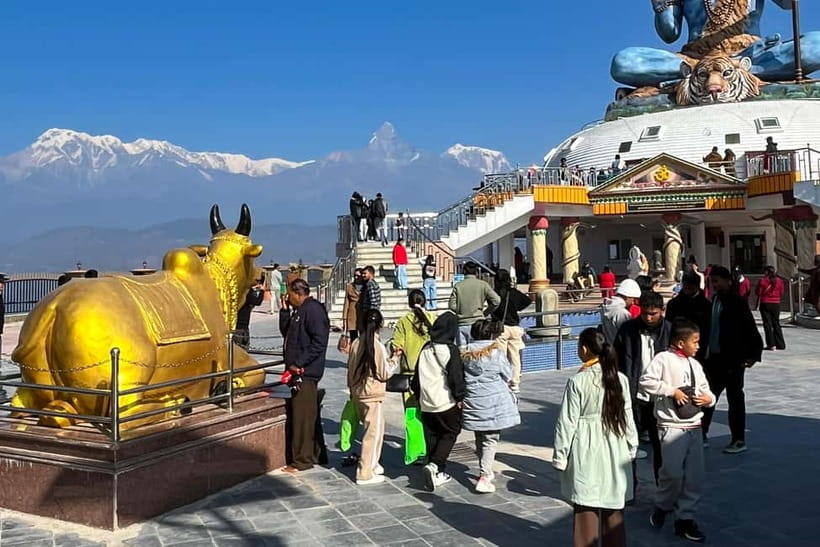
The Shiva statue is more than 15 meters tall and is described as the tallest of its kind in Nepal. It makes a striking second viewpoint after the Buddhist pagoda. The two sites also give the day a useful religious balance, with Buddhist and Hindu landmarks connected by a walking route through the hills.
At Pumdikot, you have about 20 minutes for sightseeing. From the viewpoint, you can look over Phewa Lake and Pokhara, with the Annapurna range visible in clear conditions. The statue itself is the focus, but the position above the city gives the visit much of its appeal.
This section may be the toughest part for your legs, especially if you have already climbed from the lake to the pagoda. One guest specifically described the ascent to the Shiva statue as tiring, while still finding both monuments worth visiting. Plan for steady walking, not a race. The private format helps here because the guide can allow pauses.
Lunch and the long walk toward Damside
After seeing the Shiva statue, you return to the World Peace Pagoda area for lunch. Food is not included, but the group stops at a local place where you can buy a meal. This keeps the tour price low, but you should carry enough cash for lunch and drinks.
The lunch stop also gives you a chance to recover before the final walking section. The route then continues for about 1.5 hours toward Pokhara Damside, followed by a quick 30-minute trip to Lakeside by taxi. The broader timing lists around three hours of hiking for the final part of the day, so do not think of the taxi as covering most of the return.
This return is less about collecting another major sight and more about completing the route on foot. You pass through natural surroundings and head back toward the city. By this point, the boat ride can feel like a distant memory, which is why water and a proper lunch matter.
The included taxi from Damside to your Lakeside hotel is a useful finish. After several hours of walking, you do not need to bargain for a ride or make another transport plan. It also makes the tour more practical for people staying in the main Lakeside area.
What the $28 price really covers
At $28 per person, the tour offers good value if you want several connected activities in one day. The price includes hotel pickup, the boat ride on Phewa Lake, the Barahi Temple visit, the guided walking route to both viewpoints, and the taxi from Damside back to your Lakeside hotel.
You are paying for more than admission to two landmarks. The guide helps connect the sights, keeps the route moving, and can explain local culture and the meaning of the pagoda and Shiva statue. Guests who toured with Roman Paudel gave especially strong marks for his friendly, attentive approach and his useful information about Pokhara.
The private group format adds value for anyone who wants a more personal day. You can ask questions, stop for photos, and take breaks without feeling that a larger group is waiting. One guest also appreciated a guide’s flexibility and local knowledge, including a later suggestion to visit Sarangkot when clouds blocked the Annapurna views. That kind of advice can help you make better use of your time in Pokhara.
The omissions are clear. Lunch, drinks, and other food are not included. You need to bring water and pay for your own meal. If you compare this with a simple self-guided walk, the tour costs more than transportation alone, but the boat, private guide, organized route, pickup, and return taxi make the price fair for a full day.
Who should book this walking tour
I would recommend this tour to you if you want to combine Pokhara’s main viewpoints without arranging several separate rides. It suits people who enjoy a moderate-to-demanding day of walking, want an English-speaking guide, and like mixing scenery with religious and cultural sites.
It is also a good choice for a first full day in Pokhara. The boat helps you see Phewa Lake, the pagoda gives you a high view over the city, and Pumdikot adds another strong viewpoint. You get a broad introduction rather than spending the whole day in one place.
You should think twice if you have mobility problems, limited walking stamina, or little tolerance for uphill paths. The eight-hour duration includes several hours on foot. The tour provider specifically says it may not suit people with mobility impairments.
Weather should guide your expectations too. Clear skies can bring the Annapurna, Dhaulagiri, and Machhapuchre views, but clouds may hide them. You will still see the monuments, lake, forest, and city, but the famous Himalayan panorama may not appear.
Practical tips for a better day
- Wear proper walking shoes with a secure sole.
- Bring water, sunscreen, a hat, and a camera.
- Carry money for lunch and drinks because they are not included.
- Wait in your hotel lobby by 8:15 AM for the 8:30 AM pickup.
- Leave room in your schedule for several hours of walking, not just sightseeing.
- Ask your guide about the best viewpoint conditions during the day.
- If clouds block the mountains, enjoy the lake and city views rather than treating the day as a failure.
The free cancellation policy allows cancellation up to 24 hours before the activity for a full refund, and you can reserve now and pay later. Those terms are useful if your Pokhara plans depend on weather or changing transport arrangements.
Should you book it?
Book this tour if you want a well-priced, active Pokhara day with a strong mix of lake, forest, culture, and viewpoints. The private setup, included boat, hotel pickup, and final taxi make it easier than piecing the route together yourself.
Skip it if you want a relaxed sightseeing day or if long uphill and downhill walks are a problem. Also, do not book it solely for guaranteed Himalayan views. I would choose it for the complete experience, then treat Annapurna and Machhapuchre as the reward when the clouds lift.
FAQ
How long does the Pokhara World Peace Pagoda and Shiva Statue tour last?
The tour lasts about eight hours, including the boat ride, temple visit, hiking, sightseeing stops, lunch break, and taxi transfer back to Lakeside.
What time is hotel pickup?
Pickup is from your hotel in Pokhara Lakeside at 8:30 AM. You should wait in the hotel lobby at least 15 minutes before pickup.
Is the boat ride on Phewa Lake included?
Yes. The tour includes a boat ride on Phewa Lake and a visit to Barahi Temple on its small island.
Is lunch included?
No. Lunch and drinks are not included. The group stops at a local place where you can buy your meal.
How much walking is involved?
The tour involves several hours of walking, including the route from the far shore of Phewa Lake to the World Peace Pagoda, the walk to Pumdikot Shiva Statue, and the return toward Damside.
Can I see Annapurna from the viewpoints?
On clear days, the viewpoints can show Annapurna I, Dhaulagiri, and Machhapuchre. Clouds may block the mountains, even when the day is sunny.
Is the tour suitable for people with mobility impairments?
No. The tour provider says it may not be suitable for people with mobility problems because it includes several hours of hiking.
Just added around Nepal
- Sacred Pashupatinath: Aarati,Cremation Rites & Boudha Stupa★ 5.0 · 18 reviews
- Pokhara in 5 Hours: Lake, Museum, Cave, Falls & Pagoda Hill★ 5.0 · 10 reviews
- Pashupatinath: Evening tour of temple and Aarati ceremony★ 5.0 · 3 reviews
- Nagarkot Sunrise and Hike to Changu Narayan Temple★ 5.0 · 3 reviews
- Magical Sunset Tour of Pokhara: Davis Fall, Cave & Pagoda★ 3.2 · 3 reviews
- Kathmandu: Pashupatinath Temple Evening Aarati Tour★ 5.0 · 36 reviews
- Kathmandu: Monkey Temple and Chandragiri Cable Car Ride Tour★ 4.6 · 3 reviews
- Kathmandu: Chandragiri Cable Car and Monkey Temple Tour★ 5.0 · 9 reviews
Pokhara Temple Tours, compared.
Day Hiking from Sarangkot to World Peace Stupa from Lakeside
Read our review →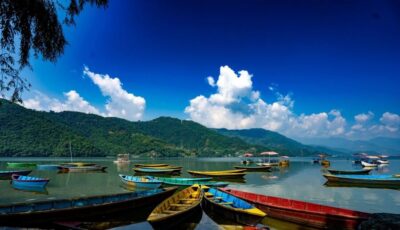
From Lakeside: Pokhara Private Day Tour with Pagoda Hills
Read our review →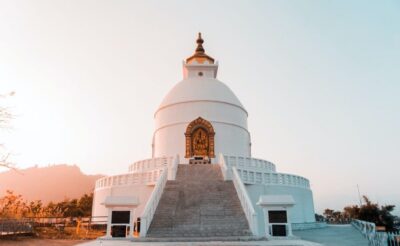
Golden Hour at Peace Pagoda – Himalayan Sunset Tour
Read our review →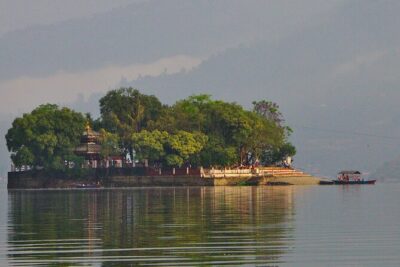
Pokhara in 5 Hours: Lake, Museum, Cave, Falls & Pagoda Hill
Read our review →Pokhara in 5 Hours: Lake, Museum, Cave, Falls & Pagoda Hill
Read our review →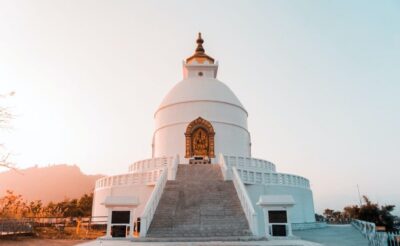
Magical Sunset Tour of Pokhara: Davis Fall, Cave & Pagoda
Read our review →Browse the lists this tour appears in