
Review · KATHMANDU
Pashupatinath: Evening tour of temple and Aarati ceremony
Some places ask you to slow down. Pashupatinath does that naturally. This three-hour evening tour brings you into one of Nepal’s most important Hindu sacred sites, with temple architecture, riverbank rituals, cremation ghats, and the powerful Pashupati Aarati ceremony. I especially like the private group format and the chance to see the temple at sunset, when lamps, drums, and prayers shape the evening. I also like that transportation, entry fees, and an English-speaking guide are included. The main consideration is that cremation rituals are visible and emotionally serious, so this is not a casual sightseeing stop.
You pay $57 per person for a focused cultural experience in Kathmandu’s Bagmati Zone. That price makes reasonable sense if you value a private guide, door-to-door transportation, and help understanding customs that can be difficult to read from the outside. The three-hour length is also useful: long enough for the temple complex and Aarati, but not so long that the evening becomes tiring.
Key points to know before booking
- The evening ends with Pashupati Aarati: Priests perform a ceremony with oil lamps, chanting, and drums beside the Bagmati River.
- Cremation ghats are part of the visit: You may see funeral rituals, so respectful behavior and a calm attitude are essential.
- The main temple is sacred Hindu space: The complex includes shrines, murtis, incense, bells, and pagoda-style architecture.
- A private English-speaking guide is included: This gives you a better chance to ask questions and understand what you are seeing.
- Transportation and entry fees are covered: The $57 cost includes more than admission alone.
- The tour is not suitable for wheelchair users: Temple paths and riverbank areas may be difficult to manage.
Why Pashupatinath feels different from an ordinary temple visit
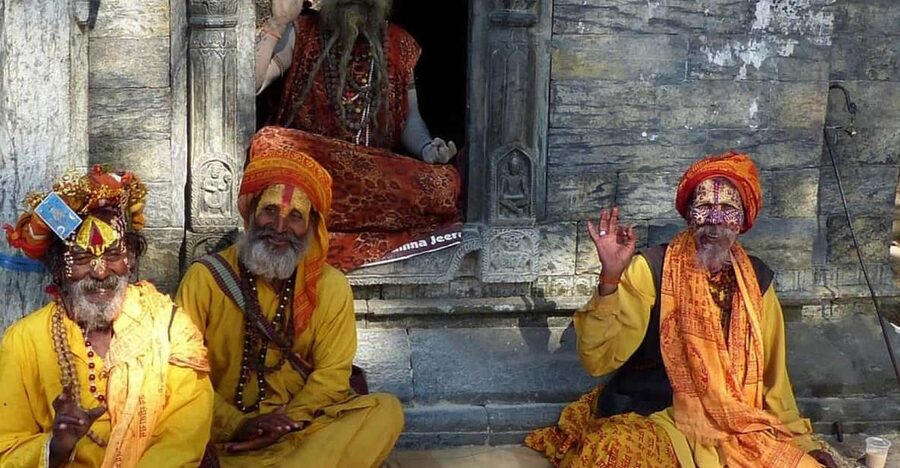
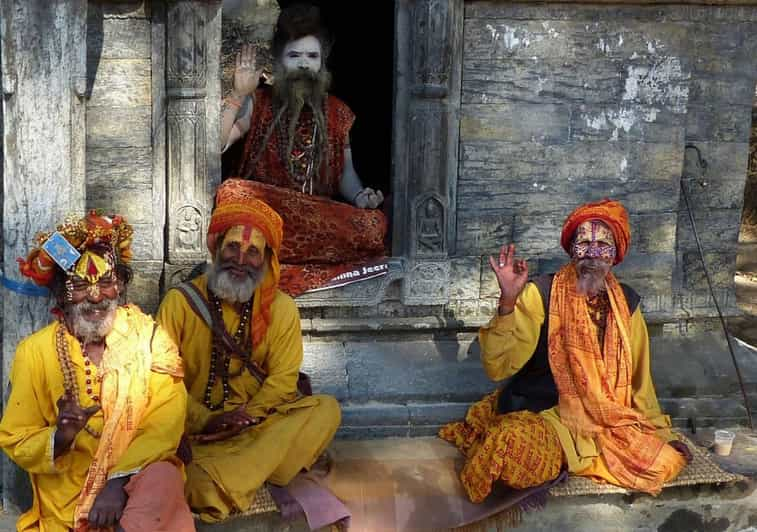
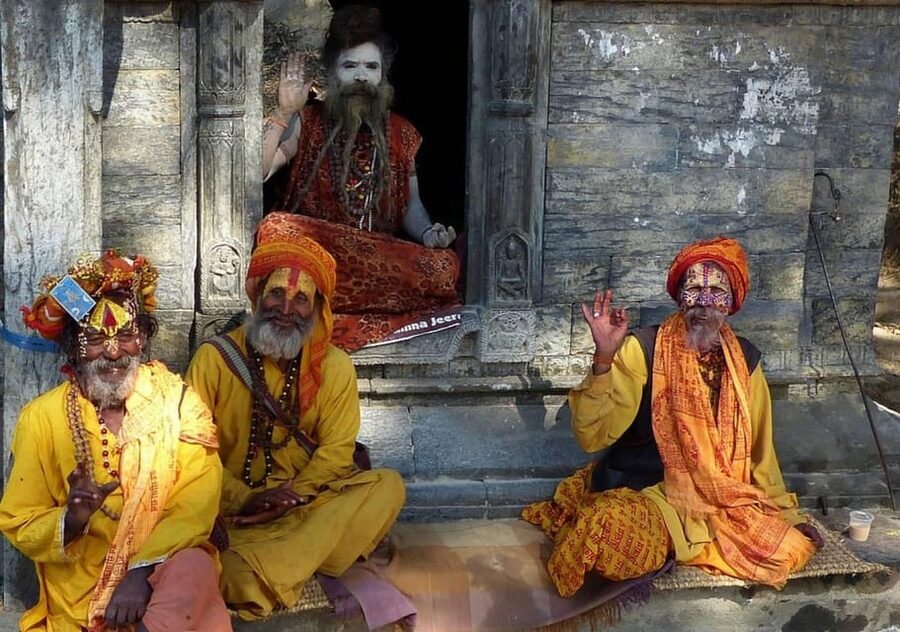
Pashupatinath is not a quiet monument preserved behind glass. It is a working religious complex where worship, family ceremonies, architecture, and daily life share the same space. That makes the visit more direct and sometimes more confronting than a standard historic-site tour.
The main temple is dedicated to Lord Pashupatinath, a form of Lord Shiva. Its pagoda-style design, detailed decoration, and golden spire give the building an unmistakable presence. The sacred lingam inside is highly revered by Hindus, and the temple’s importance reaches well beyond its appearance.
The site has UNESCO heritage status, but its value is not limited to official recognition. You see its importance in the steady presence of devotees, the ringing bells, the incense, and the rituals taking place around the complex. I like that this tour presents the temple as a living place of worship rather than simply an old building to photograph.
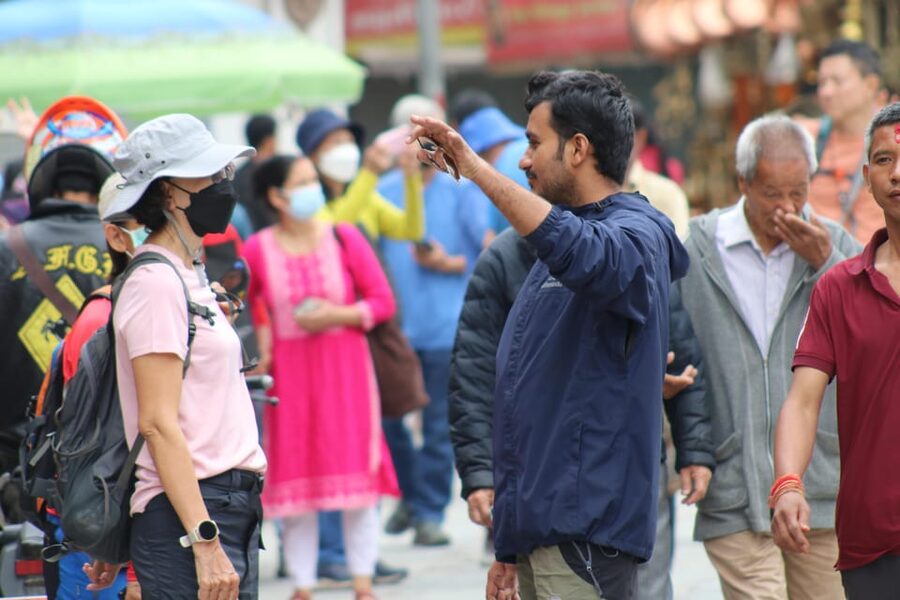
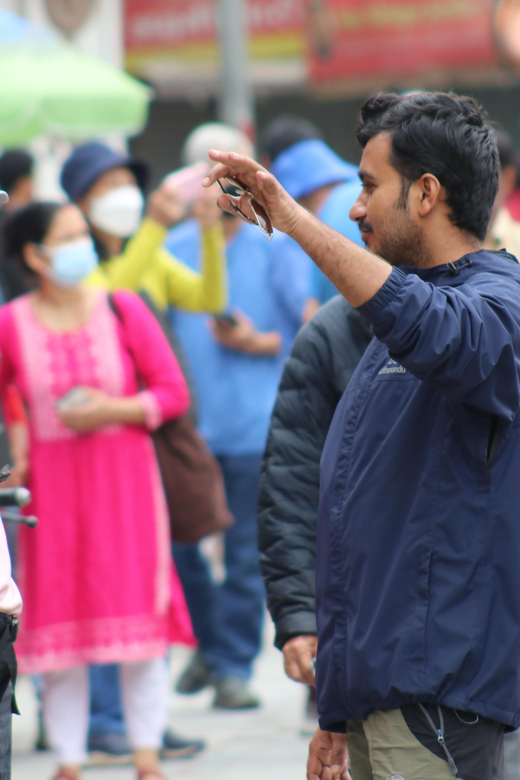
Your guide matters here. Without context, you might notice lamps, statues, priests, and crowds without understanding how they fit together. With an English-speaking guide in a private group, you can ask about the different shrines and murtis as you encounter them. That personal format should feel less rushed than a large group moving from one stop to another.
A few more temple visits around Kathmandu worth a look
- Kathmandu Spiritual Sites: Bodhnath & Pashupatinath Tour
★ 5.0 · 185 reviews - Kathmandu: Chandragiri Cable Car and Monkey Temple Tour
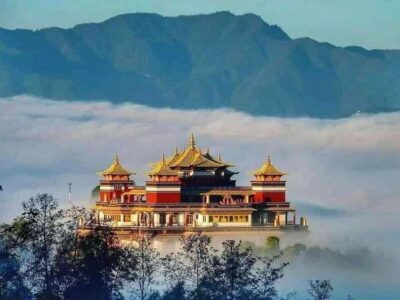
★ 4.8 · 139 reviews - From Kathmandu: 2 Stupas and Kopan Monastery Spiritual Tour
★ 4.8 · 115 reviews
Entering the temple complex at dusk
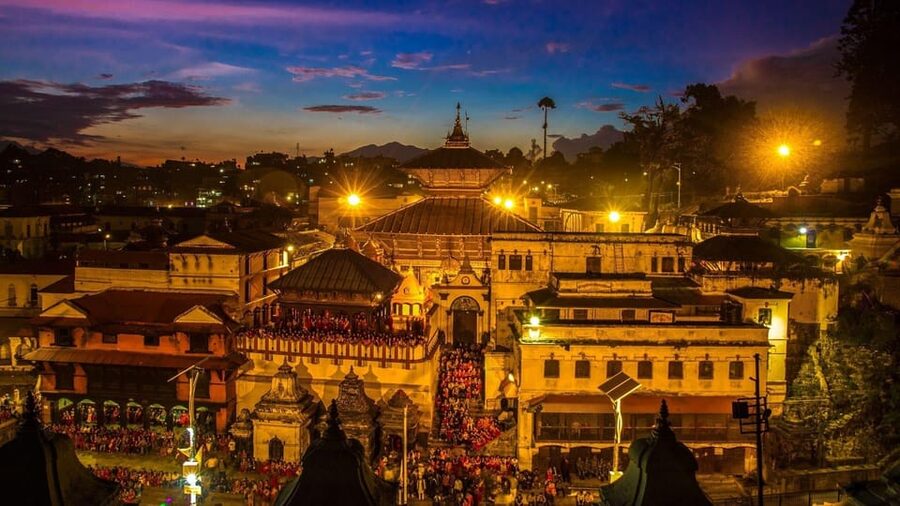
The tour takes place in the evening, a useful choice for Pashupatinath. As daylight fades, the mood changes. Incense becomes more noticeable, bells carry across the grounds, and the first lamps begin to add warmth to the stone and painted surfaces.
The complex contains many shrines and statues, each connected to Hindu stories and beliefs. You are not simply walking toward one famous building. You are moving through a sacred area where smaller structures and religious images add layers to the visit.
I would pay attention to the contrast between the grand main temple and the smaller devotional spaces around it. The golden spire may catch your eye first, but the surrounding shrines help explain why Pashupatinath works as a major pilgrimage site. Your guide can point out architectural details and explain the place of each feature in the wider religious setting.
The atmosphere can be active, with devotees, pilgrims, and sightseers sharing the grounds. That is part of the experience, but it also means you should not expect a museum-like visit with perfectly quiet rooms and fixed viewing points. Keep your pace respectful, listen to your guide, and allow room for people who are there to worship.
The temple itself is not the only reason to come. The value lies in seeing how architecture, ritual, and ordinary movement fit together. For me, that is more rewarding than collecting a quick photograph of the exterior.
Walking beside the Bagmati River
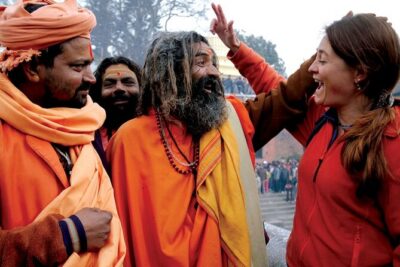
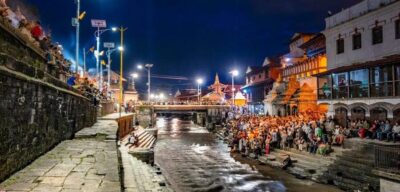
The Bagmati River gives the visit its emotional center. The temple complex sits along its banks, and the river ghats are used for cremation ceremonies. Here, the tour moves from architecture and worship into the difficult subject of death.
You may see families saying goodbye to relatives while priests conduct rituals nearby. These ceremonies are solemn and private, even when they take place in a public setting. You should keep your voice low, avoid treating the funeral as a spectacle, and follow your guide’s direction about where to stand and when photography is inappropriate.
This part of Pashupatinath can be moving because it shows a belief system in practice, not in a classroom explanation. The ceremonies reflect Hindu ideas about death, farewell, and reincarnation, and they place the cycle of life directly beside the river and temple. One Japanese visitor described the experience as changing the way they thought about life, death, and reincarnation. That reaction makes sense, but you should come prepared for an intense experience rather than a light cultural outing.
The ghats may also be the hardest part for some people. If you are uncomfortable around funerals or prefer visits centered on art and architecture, this tour could feel too personal. The description of the activity is clear about cremation rituals, so treat that information as an important booking decision, not a minor detail.
The Pashupati Aarati ceremony after sunset
The main event is the Pashupati Aarati ceremony. At sunset, you gather near the riverbank as priests begin a coordinated offering to Lord Pashupatinath.
The ceremony uses oil lamps, known as diyas, along with traditional clothing, mantras, and drums. The lamps move through careful patterns as the priests perform the ritual. The sound builds through chanting and percussion, while the fading daylight gives way to the glow of the flames.
I like this part of the tour because it brings together the details you have already seen. The temple’s religious importance, the river, the priests, and the presence of worshippers all come together in one shared ceremony. You are not just hearing an explanation of Hindu practice. You are watching an event that continues as part of the site’s regular religious life.
The Aarati is also likely to be the most memorable section for people who enjoy visual and musical ceremonies. The combination of fire, bells, chanting, and drums has a strong effect, even if you do not share the faith behind it. Still, the ceremony should be approached with respect. This is worship, not a staged performance arranged only for sightseeing.
Expect the mood to be focused and reverent. You may find yourself standing quietly for parts of it, watching the lamps and listening to the prayers. That stillness is a useful counterpoint to the busy streets and traffic elsewhere in Kathmandu.
Same place, a different morning at the gates:
- Lunch with Nuns – Monastery
★ 5.0 · 75 reviews - Kathmandu: Pashupatinath Temple Evening Aarati Tour
★ 5.0 · 36 reviews - Chandragiri Cable Car & Monkey Temple Tour- Private/Group
★ 5.0 · 32 reviews - Kathmandu: Pashupatinath Temple Aarti Night Tour
★ 4.8 · 29 reviews
What the private format adds for $57
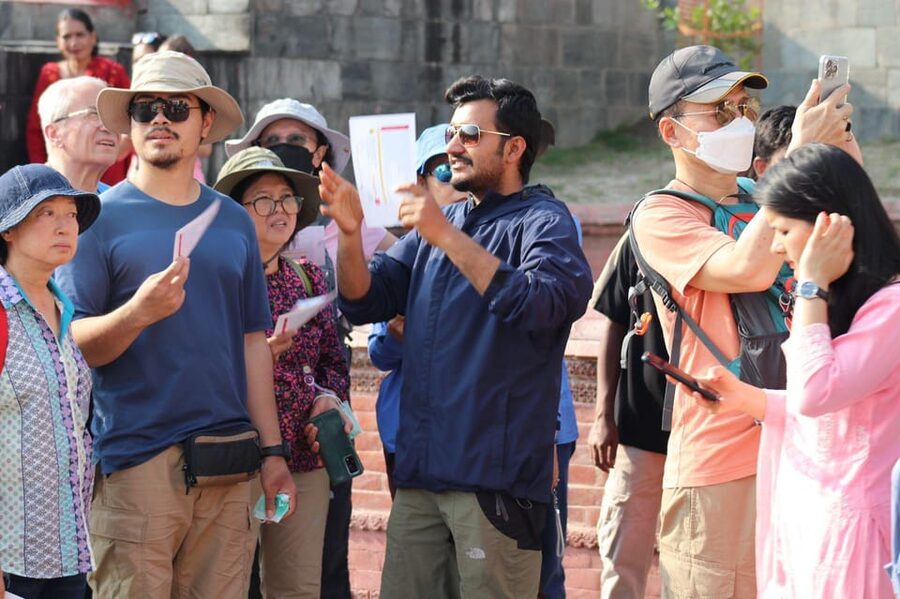
At $57 per person, this is not the cheapest way to reach Pashupatinath. The value depends on how much support you want during the visit.
The fee includes transportation, entry fees, and an English-speaking guide. Those inclusions remove several small decisions from the evening. You do not need to arrange separate transport, work out entrance costs, or try to interpret the ceremonies alone.
The private group setup is the strongest part of the package. A guide can adjust the pace, answer questions, and explain sensitive moments in a more personal way. That matters at a place where visitors need help understanding the difference between a religious ritual and a sight intended for public viewing.
A large group could make the cremation ghats and Aarati feel crowded or impersonal. A private group should make it easier to listen and stay aware of local customs. The supplied comments point to this human side of the experience: one person praised a caring guide, while another specifically enjoyed the tea. That small refreshment detail suggests the evening includes a thoughtful touch, though the exact arrangements are not fully specified.
The tour also received five-star ratings from three verified bookings, including comments from people from France, Japan, and Nepal. The praise focused on a pleasant guide, the spiritual effect of the ceremony, and the overall quality of the visit. That is a small sample, so I would not treat it as proof that every departure will be identical. Still, it supports the idea that the guide and the ceremony are the tour’s strongest features.
Timing, comfort, and practical limits
The tour lasts three hours. That is enough time to see the main areas, walk along the river, and attend the Aarati without turning the visit into a full-day commitment. Since starting times vary, check the available departure before booking and make sure it fits the sunset ceremony.
Transportation is included, which is useful for an evening activity. The tour operates as a private group and includes a live guide in English. If English is not your preferred language, the supplied information does not list another guide language, so check before reserving.
You should wear comfortable shoes. The visit includes movement through a large temple area and along the riverbank, and the site is not suitable for wheelchair users. No special clothing requirements are provided in the tour details, but modest dress and respectful behavior are sensible choices at an active religious site.
Bring a patient attitude. Religious ceremonies do not run like theater performances, and the best moments may come from watching quietly rather than trying to see everything at once. Avoid turning cremation rites into a photo opportunity. Your guide can help you understand where attention and cameras are appropriate.
The tour offers free cancellation up to 24 hours before the start, and you can reserve now and pay later. Those terms are useful if your Kathmandu schedule may change, though the practical question remains whether this particular evening suits your interests.
Who will appreciate this evening most
I would recommend Pashupatinath to you if you want to understand Nepal through its religious traditions rather than only through monuments and scenic viewpoints. It suits people who enjoy guided cultural experiences, ritual music, historic architecture, and honest encounters with subjects that are not always comfortable.
It is especially suitable if you prefer a private group and want to ask questions as you go. The English-speaking guide can provide the context needed to make sense of the shrines, murtis, funeral customs, and Aarati.
Families should think carefully before booking. The cremation ghats may be upsetting for children or anyone who is not ready to see funeral rituals. The same is true for people who want a relaxed evening filled only with architecture and photography.
This is also not the best choice for anyone needing wheelchair access. The activity information specifically excludes wheelchair users, so accessibility should be treated as a firm limitation.
Should you book the Pashupatinath evening tour?
Book it if you want a serious, guided look at Kathmandu’s religious life, and if seeing cremation rituals will not make you uncomfortable. The Aarati ceremony is the clear highlight, while the private format and included transportation make the $57 price easier to justify.
Skip it if you want a quick temple photo, a quiet historical building, or a fully comfortable sightseeing stop. Pashupatinath asks you to pay attention to real religious practice, including grief and death. For the right person, that honesty is exactly what makes the evening memorable.
FAQ
How long does the Pashupatinath evening tour last?
The tour lasts three hours.
What does the $57 price include?
The price includes transportation, entry fees, and an English-speaking guide.
Is the tour private?
Yes. The activity is offered as a private group with a live English-speaking guide.
Will the tour include the Pashupati Aarati ceremony?
Yes. The evening program includes the Aarati ceremony, with priests, oil lamps, chanting, and drums near the Bagmati River.
Can I see cremation rituals during the visit?
Yes. The tour includes the river ghats, where cremation ceremonies may take place. These are solemn religious rituals and should be treated respectfully.
Is the tour suitable for wheelchair users?
No. The activity is not suitable for wheelchair users.
Just added around Kathmandu
- Sacred Pashupatinath: Aarati,Cremation Rites & Boudha Stupa★ 5.0 · 18 reviews
- Kathmandu: Chandragiri Cable Car and Monkey Temple Tour★ 5.0 · 9 reviews
- Kathmandu: Pashupatinath Temple Evening Aarati Tour★ 5.0 · 36 reviews
- Kathmandu: Pashupatinath Temple Aarti Night Tour★ 4.8 · 29 reviews
- Kathmandu: Pashupatinath Temple Evening Aarati Tour★ 4.7 · 11 reviews
- Kathmandu: Guided Walking Tour with Monkey Temple★ 5.0 · 18 reviews
- Pokhara: Pagoda, Waterfall & Cave – Private Short Trip★ 3.9 · 3 reviews
- Chandragiri Cable Car & Monkey Temple Tour- Private/Group★ 5.0 · 32 reviews
Kathmandu Temple Tours, compared.
Kathmandu Spiritual Sites: Bodhnath & Pashupatinath Tour
Read our review →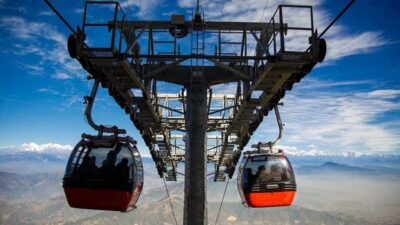
Chandragiri Cable Car & Monkey Temple Tour- Private/Group
Read our review →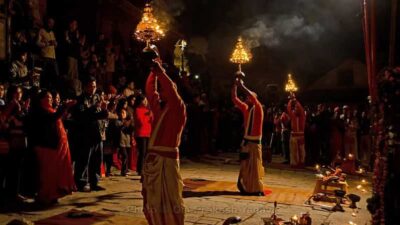
Browse the lists this tour appears in