
Review · KATHMANDU
Kathmandu: Pashupatinath Temple Aarti Night Tour
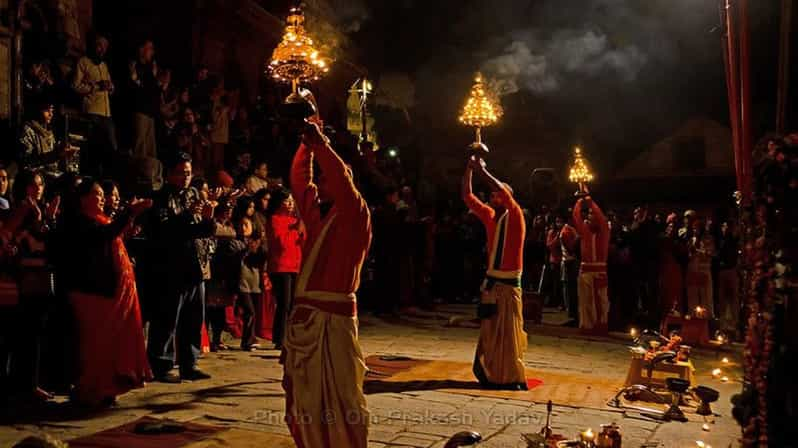
Sacred fire lights up Kathmandu. This three-hour evening visit to Pashupatinath Temple combines temple history, Hindu devotion, the Bagmati River, and the nightly Aarti ceremony in one private outing. You are picked up at your hotel, driven to the temple complex, shown around by an English-speaking guide, and returned afterward.
I like the easy hotel transport and the chance to see the temple grounds at night, when the Aarti ceremony gives the visit its emotional focus. I also like that a guide explains what you are seeing instead of leaving you to guess at the meaning of the rituals. The main drawback is timing: one person arrived late enough to miss the beginning of the ceremony, so Kathmandu traffic can matter here.
Key points to know before booking
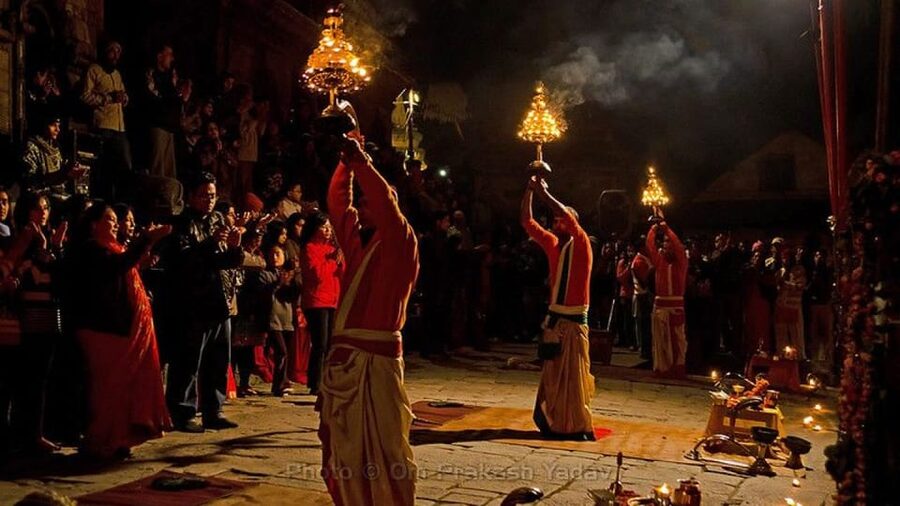
- The Aarti is the evening highlight: Lamps, prayer, music, and movement create the tour’s central moment beside the Bagmati River.
- You see more than the main temple: The complex includes smaller temples, ashrams, river ghats, and the Arya Ghat cremation site.
- The main shrine is for Hindus: You can visit the complex and learn about it, but access to the central temple itself may be restricted.
- A private group keeps the pace personal: The guide can explain details and answer questions without the feel of a large coach tour.
- The price includes the practical basics: At $71 per person, you get hotel pickup and drop-off, transport, entry, a licensed English-speaking guide, and taxes.
- Allow for traffic and ceremony timing: Be ready in your hotel lobby 15 minutes early, and do not cut the schedule too close.
Why Pashupatinath matters in Kathmandu
Pashupatinath is one of Nepal’s most important Hindu temples. It is dedicated to Pashupatinath, a form of Lord Shiva, and draws pilgrims from Nepal and other parts of the region. For many Hindu visitors, this is not simply an old building to photograph. It is a place of prayer, offerings, family rites, and final farewells.
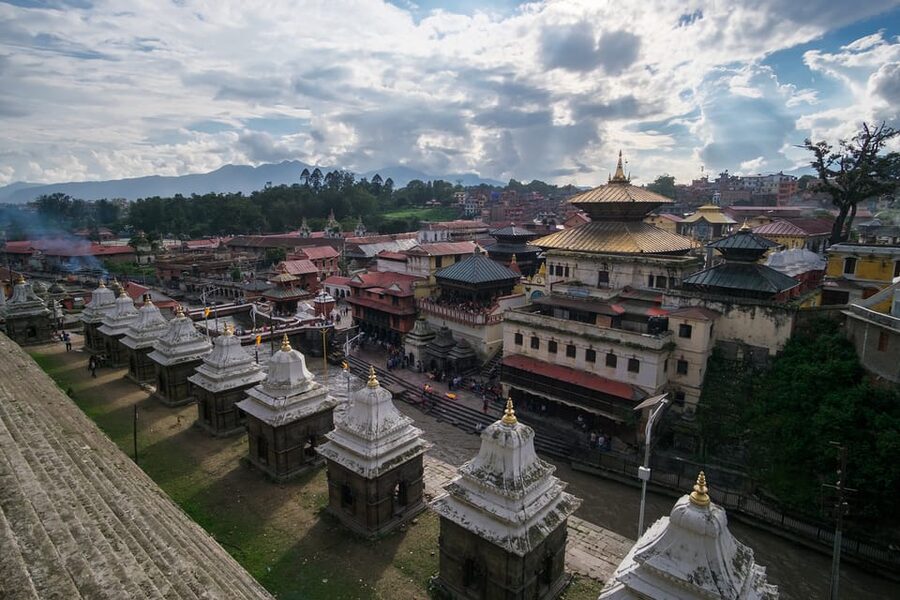
The temple complex stretches along both banks of the Bagmati River. The main shrine is a pagoda-style structure with a golden roof and silver doors, details that are especially striking after dark when the area is lit for evening worship.
The site is recognized by UNESCO as part of Kathmandu’s cultural heritage. A temple has occupied this area since at least the fifth century, while the current main structure dates mainly from the seventeenth century after repeated rebuilding. Your guide’s historical explanation helps connect the roof, doors, courtyards, and smaller shrines to the larger story of Kathmandu’s religious life.
You should also understand that this remains an active place of worship. The ceremony is not a staged performance made for sightseeing. You are entering a living religious setting, so quiet attention and respectful dress matter.
A few more temple visits around Kathmandu worth a look
- Kathmandu Spiritual Sites: Bodhnath & Pashupatinath Tour
★ 5.0 · 185 reviews - Kathmandu: Chandragiri Cable Car and Monkey Temple Tour
★ 4.8 · 139 reviews - From Kathmandu: 2 Stupas and Kopan Monastery Spiritual Tour
★ 4.8 · 115 reviews
Hotel pickup and the drive to the temple
The outing begins with pickup from your Kathmandu hotel. You are asked to wait in the lobby 15 minutes before the scheduled time, a small step that can save a surprising amount of confusion in a city where traffic and hotel entrances are not always simple.
Transport is included in both directions, along with the temple entry fee and all taxes. That makes the tour fairly straightforward for someone who does not want to arrange a taxi, find the entrance, negotiate a return ride, and keep track of local payment details after dark.
The transport received a perfect score from 86 percent of the people who rated that part of the service. One particularly positive account described a comfortable car and an on-time pickup with guide Madhu. Another account had the opposite experience: the driver arrived late and the opening part of the ceremony was missed.
That contrast gives you useful advice. Keep your phone available on the afternoon of the tour, confirm the pickup details, and leave some flexibility around dinner or other evening plans. The tour lasts three hours, but the exact starting time depends on availability, and road conditions can affect how much time you get at the temple.
Entering the Pashupatinath complex
Once you arrive, your guide leads you through the temple area and explains the role of its different spaces. The main Pashupatinath shrine is the visual anchor, with its gold-covered roof and intricately worked silver doors.
The complex also contains smaller temples and ashrams. These surrounding structures help you understand that Pashupatinath is not a single monument with a quick photo stop. It is a broad religious center where worship, study, ceremony, and cremation all take place in the same riverfront setting.
The main temple is reserved for Hindu worshippers. That distinction is important, since you should not assume that paying an entry fee means every interior space is open to you. The value of the visit comes from the wider complex, the guide’s interpretation, and the chance to observe the ceremonies respectfully.
A private group is useful here. You can stop to ask why a particular shrine matters, what an offering represents, or how the buildings relate to Shiva worship. The guide can also help you move through the complex without treating sacred areas like ordinary sightseeing stops.
The Bagmati River and Arya Ghat
The Bagmati River runs through the Pashupatinath complex and gives the evening visit much of its solemn character. Along the river is Arya Ghat, an important cremation site for Hindu families.
Cremation here is connected with the Hindu belief that the deceased may attain moksha, or liberation from the cycle of rebirth. That belief helps explain why the riverbank is not merely a scenic part of the temple grounds. It is a place of intense religious and family importance.
You may witness a live cremation during the visit. One account described watching a cremation alongside the Aarti ceremony and called the experience moving. This can be meaningful, but it can also be difficult. You should approach quietly, keep your distance, and avoid treating a family’s mourning as a photo opportunity.
The presence of cremation gives this tour a seriousness that a standard temple visit may not have. It also means the experience is not ideal for someone who wants only colorful architecture and festive atmosphere. I would choose this outing if you want to see how worship and daily religious life fit together, not if you prefer a neatly packaged cultural show.
Same place, a different morning at the gates:
- Lunch with Nuns – Monastery
★ 5.0 · 75 reviews - Kathmandu: Pashupatinath Temple Evening Aarati Tour
★ 5.0 · 36 reviews - Chandragiri Cable Car & Monkey Temple Tour- Private/Group
★ 5.0 · 32 reviews - Sacred Pashupatinath: Aarati,Cremation Rites & Boudha Stupa
★ 5.0 · 18 reviews
The evening Aarti ceremony
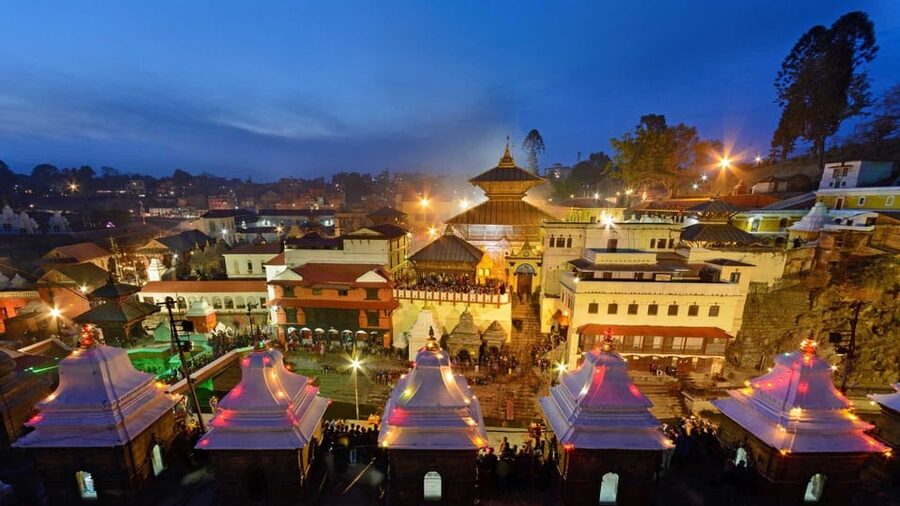
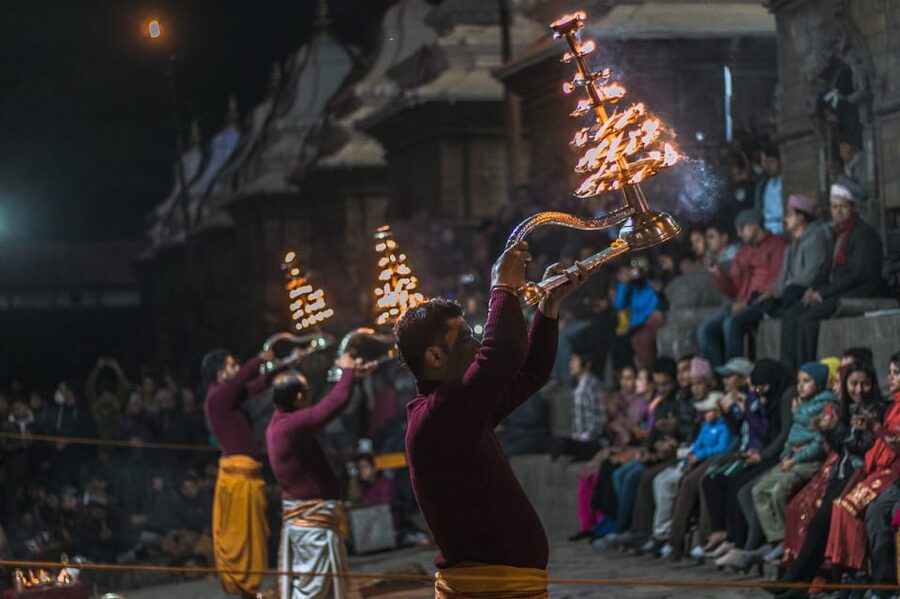
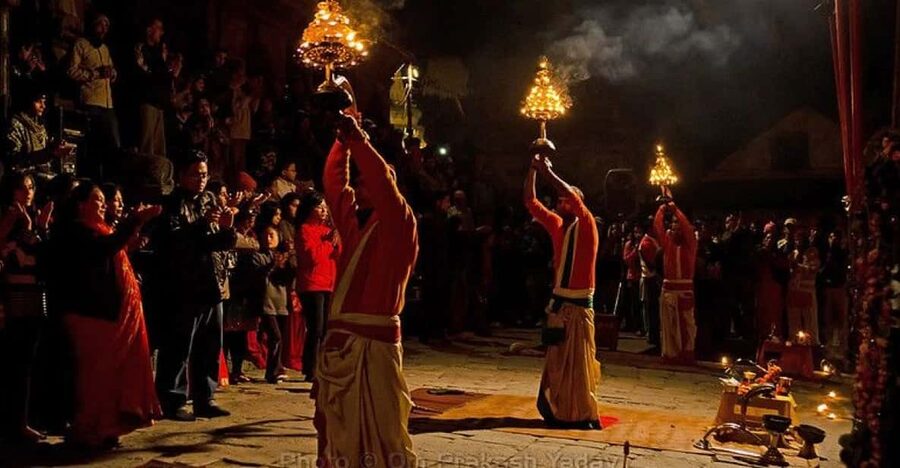
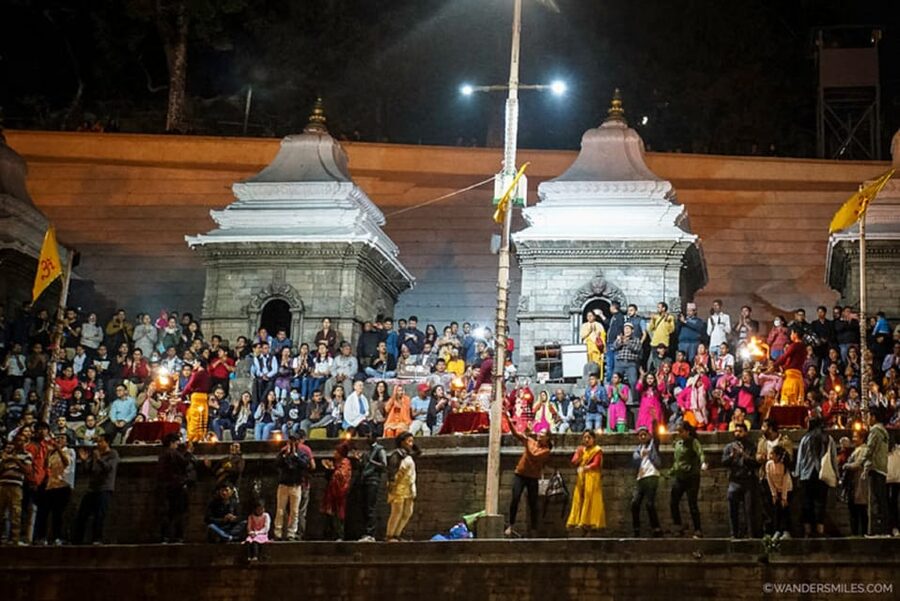
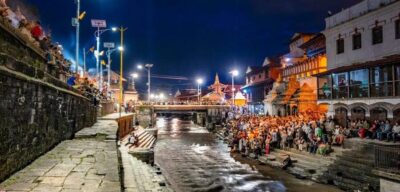
The Aarti is the main reason to choose this particular night tour. During the ceremony, lamps and ritual movement create a shared focus for the people gathered near the river. The light, music, prayer, and crowds of worshippers give the temple area a very different feel from a daytime monument visit.
Your guide can explain the meaning behind the ceremony and point out details you might otherwise miss. This is where the English-speaking guide adds the most value. Without context, you might see lamps being raised and hear chanting without understanding why the ritual matters to devotees.
The ceremony is also the part most vulnerable to delays. One person had a very good overall visit but arrived late enough to miss its beginning. Since the Aarti is not something you can simply repeat on demand, an early pickup and a little patience with traffic are worth more than squeezing another stop into your evening.
You may also find that the area feels crowded around the ceremony. That is part of its nature as a public act of worship, not a flaw in the tour. The private format does not create a private ceremony. It gives you a more personal guide experience while you remain in a shared religious setting.
What the guide adds to the experience
The guide is central to the quality of this tour. The strongest feedback describes guides who explain the temple’s history, share stories about the buildings, and stay attentive throughout the visit.
Madhu received particular praise for his enthusiasm, historical explanations, and care in showing the temple area. Another solo visitor felt safe and well informed throughout the outing. Those details matter because Pashupatinath can feel confusing at first, with multiple shrines, river paths, worship areas, and cremation spaces close together.
A good guide also helps you read the mood of the place. The temple is not simply an attraction to tick off. You need to know when to pause, where a ceremony is taking place, and how to observe without getting in the way.
The tour is offered in English and uses a private group format. That should suit you if you like asking questions or want explanations shaped around your interests. The experience may feel less useful if you already know Pashupatinath well and prefer to explore independently.
Is $71 per person good value?
At $71 per person, this is not the cheapest way to reach Pashupatinath. You are paying for convenience, a private group, transport in both directions, temple entry, and a licensed English-speaking guide.
The value improves if you are staying somewhere unfamiliar in Kathmandu, visiting at night, or want a reliable return to your hotel. A taxi-only approach may cost less, but it leaves you to manage the route, entrance, timing, and interpretation yourself. The tour also removes the hassle of arranging an evening ride after the Aarti, when traffic and crowds may make the return less predictable.
For a solo visitor, $71 is a more serious expense because the private rate is charged per person. For two or more people who want a guided cultural evening, the package can make better financial sense, especially when you count the included transport and entry.
I would not book it simply for a quick look at the gold roof. I would book it for the full combination: temple grounds, historical explanation, Aarti, riverfront cremation area, and hotel-to-hotel service. If you value convenience and interpretation, the price is reasonable. If you are comfortable making your own way and researching the site, you may prefer an independent visit.
What to bring and how to prepare
Bring your passport, or a copy of it. That is the only specific item listed for the outing, but a few practical habits will improve the evening.
Wear clothing suitable for a religious site. The information provided does not set out a strict dress code, but modest clothing is the sensible choice at an active Hindu temple. Comfortable shoes will also help, since you will be moving through a sizeable complex rather than remaining in one room.
Do not plan a tight dinner reservation immediately afterward. The listed duration is three hours, but traffic affected at least one pickup, and the ceremony has a fixed rhythm that you cannot rush.
Food and drinks are not included. Plan to eat before or after the tour, or carry only what is appropriate and permitted for the setting. Since this is a night visit, keep your essentials organized and wait in the hotel lobby rather than making the driver search for you.
The tour is wheelchair accessible, according to the available details. If you need specific assistance within the complex, it is sensible to confirm the arrangements before departure, since the site includes riverfront areas and multiple structures.
Who will enjoy this tour most?
I would recommend the tour to first-time visitors who want an introduction to Hindu religious culture without managing the evening on their own. It also suits solo visitors who prefer a guide and arranged transport, and people who want the Aarti explained rather than viewed as an unfamiliar ritual.
It is a good fit if you are interested in history, living religious practice, and the connection between temples and cremation traditions. The experience has more emotional weight than a standard sightseeing stop, so you should be comfortable seeing a working cremation site.
The tour is less suitable if you want a quiet, empty temple or a purely architectural visit. It is also not ideal for a rigid schedule, since late traffic can reduce your time at the ceremony.
The overall rating is 4.8 from 29 ratings, and the most consistent praise centers on the guides, the comfort of the transport, the amount of explanation, and the sense of safety. Those strengths make the tour more than a ride to a famous temple. They help you understand what you are seeing.
Should you book the Pashupatinath Aarti Night Tour?
Book it if you want a guided, private evening with transport handled from start to finish. The Aarti, the golden-roofed temple, the Bagmati River, and Arya Ghat create a powerful look at Kathmandu’s religious life, while guides such as Madhu can add the history and context that make the visit meaningful.
I would book early enough to protect the ceremony from traffic delays and keep the rest of your evening flexible. I would skip it only if you want to explore independently, avoid cremation sites, or need the lowest-cost possible visit.
FAQ
How long does the Pashupatinath Aarti Night Tour last?
The tour lasts three hours, including hotel pickup, the visit to Pashupatinath Temple, and the return to your hotel.
What does the $71 price include?
The price includes hotel pickup and drop-off, transportation to and from Pashupatinath Temple, a licensed English-speaking guide, temple entry, and all taxes.
Is food included?
No. Food and drinks are not included in the tour price.
Is the tour private?
Yes. The activity is offered as a private group tour.
Is hotel pickup included?
Yes. Pickup and drop-off at your hotel are included. You should wait in the hotel lobby 15 minutes before the scheduled pickup.
What language is the tour conducted in?
The live guide speaks English.
What should I bring?
Bring your passport. A copy of your passport is also accepted.
Can I cancel the tour for a full refund?
Yes. You can cancel up to 24 hours in advance for a full refund. You can also reserve the tour and pay later, subject to the booking terms.
Just added around Kathmandu
- Sacred Pashupatinath: Aarati,Cremation Rites & Boudha Stupa★ 5.0 · 18 reviews
- Pashupatinath: Evening tour of temple and Aarati ceremony★ 5.0 · 3 reviews
- Kathmandu: Chandragiri Cable Car and Monkey Temple Tour★ 5.0 · 9 reviews
- Kathmandu: Pashupatinath Temple Evening Aarati Tour★ 5.0 · 36 reviews
- Kathmandu: Pashupatinath Temple Evening Aarati Tour★ 4.7 · 11 reviews
- Kathmandu: Guided Walking Tour with Monkey Temple★ 5.0 · 18 reviews
- Pokhara: Pagoda, Waterfall & Cave – Private Short Trip★ 3.9 · 3 reviews
- Chandragiri Cable Car & Monkey Temple Tour- Private/Group★ 5.0 · 32 reviews
Kathmandu Temple Tours, compared.
Kathmandu Spiritual Sites: Bodhnath & Pashupatinath Tour
Read our review →
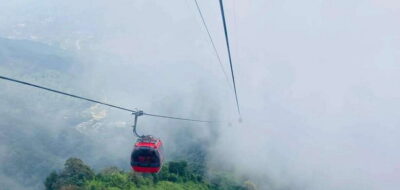
Chandragiri Cable Car & Monkey Temple Tour- Private/Group
Read our review →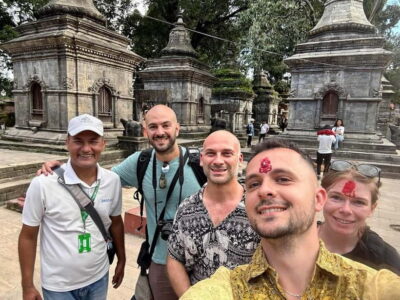
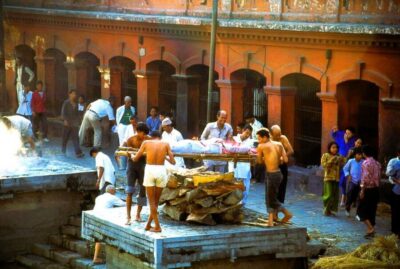
Sacred Pashupatinath: Aarati,Cremation Rites & Boudha Stupa
Read our review →Browse the lists this tour appears in