
Review · ITALY
Cooking Class in a former Artist Monastery in the Heart of Monopoli
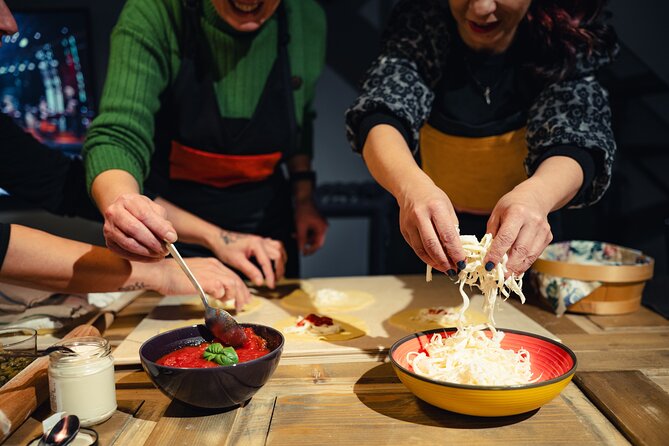
Pasta tastes better when you make it yourself. In the heart of Monopoli, Marilena welcomes you into her charming former artist’s home for a three-hour lesson built around handmade Apulian pasta, local wine, and a full meal. You make cavatelli, fusilli, orecchiette, and, if you prefer, ricotta and spinach ravioli.
I especially like the small, private format, which lets Marilena guide your group through the hands-on work rather than simply demonstrate it. I also like the setting: this is not a cooking school in a plain commercial kitchen, but an artsy home in the old town with a personal feel. The main consideration is timing. At $114.14 per person, it is a serious meal price, and the three-hour class requires enough room in your schedule to enjoy the food rather than rush off.
- Three Apulian pasta shapes: Learn to form cavatelli, fusilli, and orecchiette by hand.
- A choice of main dish: Prepare fresh pasta with tomato and basil sauce, or make ricotta, spinach, and Parmesan ravioli.
- A home-based setting: The class takes place in Marilena’s former artist monastery in central Monopoli.
- A complete meal: Seasonal caponatina, pasta or ravioli, homemade tiramisu, coffee, limoncello, and wine are included.
- Private participation: Only your own group takes part in the activity.
- A useful souvenir: You leave with techniques you can repeat at home, not just photographs of lunch.
Arriving at Via Giuseppe Garibaldi 39
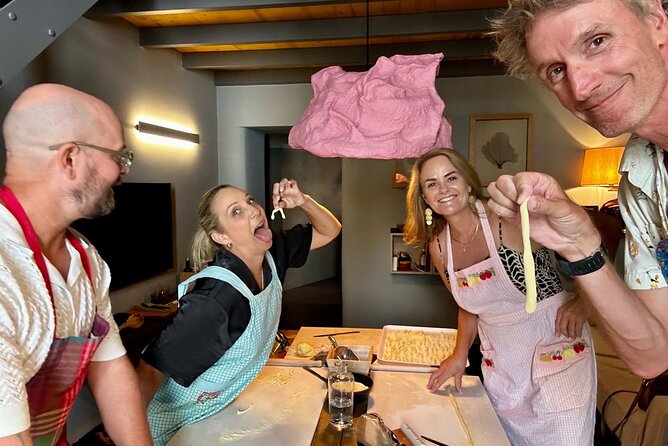
The class begins at Via Giuseppe Garibaldi, 39, in Monopoli’s old town. This central address matters because you do not need to arrange a separate transfer to a distant farm or cooking school. You can build the lesson around your time in the historic center.
The setting is part of the appeal. Marilena’s home is described as a former artist monastery, with an artsy, warm character that gives the class a more personal tone than a standard group workshop. The room itself becomes part of the meal, and you are welcomed with a seasonal vegetable drink and a choice of local white or red wine.
That opening drink is a small but smart touch. It gives you time to settle in, meet Marilena, and hear what the class will cover before flour appears on the table. If you are not sure which wine to choose, the white may suit a lighter vegetable starter, while the red should work well with tomato sauce. The choice is yours.
A bottle of wine is included for every two people. That adds useful value, though you should keep the alcohol in mind if you have a long afternoon of sightseeing afterward. The class is about food, but it is also designed as a relaxed social meal.
Starting with Summer Caponatina
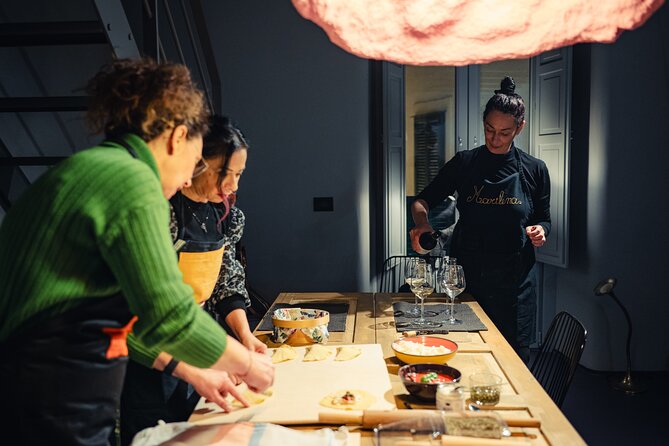
The first food course is a summer caponatina made with seasonal vegetables. The dish includes aubergines, zucchini, and cherry tomatoes, served cold on homemade bread crostini.
This is a good opening because it introduces the basic character of Apulian cooking without making the meal heavy at the start. The vegetables are the focus, with bread adding texture and a simple base. Served cold, the caponatina also gives you something to eat while the hands-on work begins.
You can expect the menu to follow the seasons rather than a fixed international recipe. That is useful if you want a taste of southern Italian home cooking instead of a dish designed mainly for tourists. The menu also gives you a preview of the region’s favorite habits: good vegetables, olive oil, bread, and restrained seasoning.
The caponatina is a starter, not a separate cooking lesson listed in the program. The main practical work centers on the pasta and dessert. Still, it helps turn the class into a proper meal rather than a short demonstration followed by a token tasting.
More Cooking Classes in Italy:
- Private Tour: Grand Palace,Wat Phra Kaew, Museum&Cooking Class
★ 5.0 · 7 reviews - Ninh Binh Jeep Adventure: Temples, Lotus, Fishing & Cooking
★ 4.5 · 5 reviews
Making Three Shapes of Fresh Pasta
The central part of the class is the practical pasta workshop. Marilena guides you through three typical Apulian formats: cavatelli, fusilli, and orecchiette.
Each shape gives you a different kind of lesson. Cavatelli are small, rolled pieces with a hollow or curved form that holds sauce well. Fusilli require a different hand movement and produce a spiral shape. Orecchiette, the little ear-shaped pasta associated closely with Puglia, ask for a light touch and a feel for shaping the dough.
The value here is repetition. You are not simply watching someone make one perfect piece of pasta while you stand back. You handle the dough and work through several shapes, which gives you a better chance of remembering the method once you return home.
Do not expect every piece to look identical. That is part of the fun, and handmade pasta is meant to show the hand that shaped it. Your first orecchiette may look more like a small shell, and your fusilli may not have the tidy curl of Marilena’s. The lesson is about gaining enough skill to keep practicing, not producing factory-perfect pasta in one sitting.
This is also where the class earns much of its price. You receive a meal, but you also get a technique you can use again. After the lesson, you can make a simple Sunday lunch at home and remember the feel of the dough rather than relying only on a printed recipe.
Choosing Tomato Sauce or Ricotta Ravioli
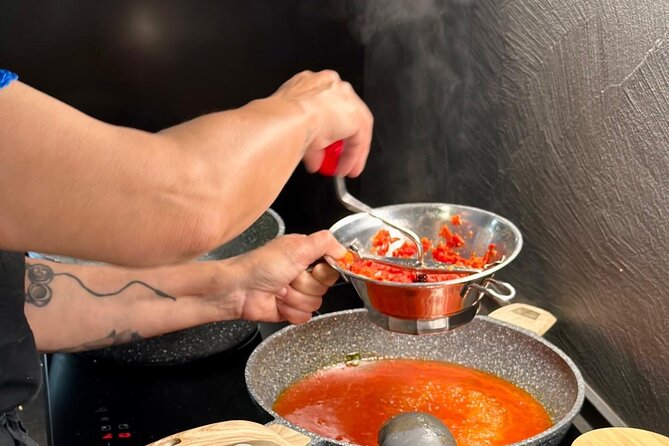
Once the pasta is made, you can choose how to continue. The standard option is fresh tomato and basil sauce, scented with Apulian extra virgin olive oil. The finished pasta can be topped with ricotta or Parmesan, according to your taste.
This is a simple dish, but simple food is less forgiving. Fresh tomatoes, basil, olive oil, and cheese work only when the ingredients are treated with care. The class gives Marilena a chance to explain how to balance the sauce and how much oil and cheese the pasta needs.
You can also choose homemade ravioli filled with ricotta, spinach, and Parmesan. These are sautéed with extra virgin olive oil and sage leaves. The ravioli option is a better fit if you want a richer, more substantial main course or enjoy stuffed pasta more than rustic shapes.
The choice may depend on your appetite and cooking interests. Tomato sauce teaches a basic preparation you can repeat often. Ravioli gives you a more involved project, since filling and sealing pasta requires extra attention. If your aim is to learn a skill that feels special, ravioli may be the more memorable route. If you want the clearest lesson in everyday Apulian cooking, choose the tomato sauce.
The supplied details do not specify whether the main course choice must be made before arrival, so it is sensible to clarify that when booking if you have strong dietary preferences. The available options do include dairy, and the menu as described does not identify vegetarian, vegan, or gluten-free substitutions.
Finishing with Homemade Tiramisu
Dessert is not an afterthought. Marilena shows you how to prepare mascarpone cream for a revised tiramisu made with homemade biscuits instead of standard ladyfingers.
That change gives the dessert its own identity. You are still getting the familiar combination of mascarpone and coffee flavors, but the homemade biscuits make the texture and preparation different from the usual restaurant version. It also rounds out the lesson nicely, since you learn both a savory dish and a sweet one.
The class ends with dessert, coffee, and limoncello. This final stretch turns the workshop into a slow meal, so plan on staying for the full three hours. The schedule is not ideal for anyone looking for a quick morning activity before catching a train or packing several major sights into the same block of time.
The dessert lesson is especially useful for cooks who already know how to make basic pasta. It gives you another recipe to take home and means the class is not limited to one skill. You leave with ideas for a main course and a dessert, along with a better sense of how a full Italian meal comes together.
A few more temple visits around Italy worth a look
- Kyoto: Calligraphy class at Buddhist temple in city center
★ 5.0 · 167 reviews - Chinese Kungfu class in old temple beside Forbidden Ci
★ 4.8 · 53 reviews - Seoul: Vegan Temple Food Class, Jogyesa & Changdeokgung Tour
★ 4.6 · 34 reviews - Bali: Full-Day Private Water Temple Ritual & Yoga Class
★ 4.6 · 31 reviews
Why the Private Format Matters
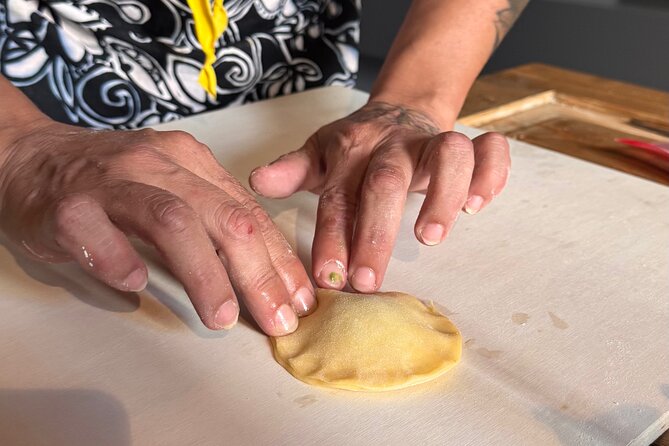
This is a private activity, so only your own group participates. That can make a big difference in a hands-on class. You should have more room to ask questions, repeat a technique, and work at a comfortable pace without competing with a large table of people.
A private setting also suits families, couples, or friends who want a shared activity rather than a formal lecture. The class has enough structure to keep things moving, but the home setting should feel less rigid than a professional culinary school.
The personal role of Marilena is central. The strongest praise focuses on her warmth, hospitality, and ability to make the class both informative and enjoyable. The space is described as welcoming and artsy, and the food is considered good enough to rank among the best meals of a stay in Monopoli.
That is high praise, but it also points to the right expectation. You are booking a social cooking lesson led by a friendly host, not an advanced professional certification course. If you want technical instruction at restaurant level, this may feel too relaxed. If you want to learn regional food in a home-like setting, the tone should suit you well.
What $114.14 Includes
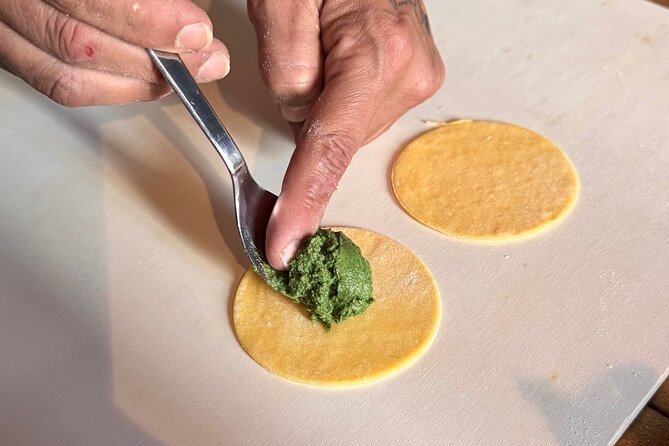
At $114.14 per person, this is more expensive than ordering a casual plate of pasta in Puglia. The comparison is not quite fair, though, because the price includes much more than lunch.
You receive a welcome seasonal drink, local wine, a vegetable starter, a hands-on pasta lesson, a main course, dessert preparation, tiramisu, coffee, limoncello, and wine. You also receive direct instruction in several pasta shapes and a ravioli option.
The value depends on how much you care about the lesson. If you only want to eat, you can find less expensive meals elsewhere. If you want an activity that combines food, conversation, and practical cooking skills, the price is easier to justify.
A bottle of wine for every two people adds to the package, especially for couples. The three-hour length also gives you time to enjoy the meal instead of being hurried through a short class. With a perfect 5 rating from 18 published ratings and 100 percent of customers recommending it, the experience has a strong record so far, though a small sample should not replace your own judgment.
Timing, Weather, and Planning Your Day
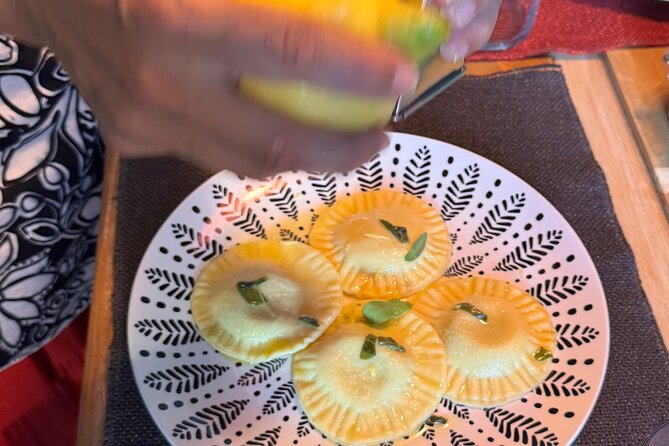
The activity is offered Monday through Sunday from 11:00 a.m. to 8:30 p.m. The exact start time should be confirmed when you book, since the class lasts about three hours and the available window is broad.
A late-morning start could work well if you want a substantial lunch followed by a quiet afternoon in Monopoli. An evening start turns it into a cooking-based dinner and may suit you better after a day of sightseeing.
The activity requires good weather and may be canceled if conditions are poor. That is an unusual condition for a cooking class, so leave some flexibility in your schedule, especially if the lesson is a key part of your visit. If poor weather causes cancellation, you are offered another date or a full refund.
You can cancel for a full refund up to 24 hours before the start time. Changes made less than 24 hours before the class are not accepted, and late cancellations are not refunded. The times are based on local time in Italy.
The ticket is mobile, and confirmation is provided at booking. The activity ends back at the same meeting point, so you do not need to plan a separate return transfer.
Who Will Enjoy This Class Most
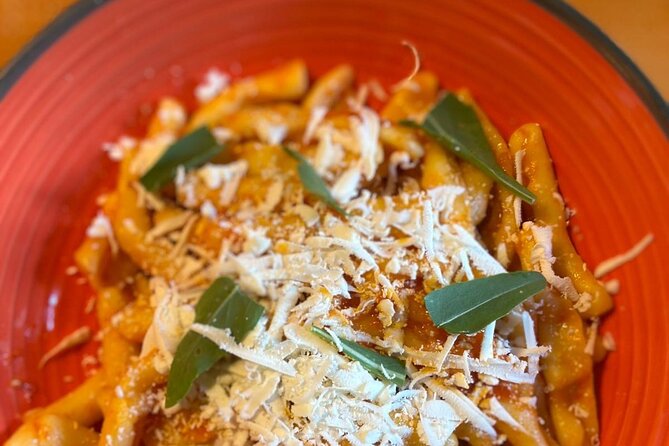
I would recommend this class to you if you want food to be one of the main parts of your Puglia visit. It suits people who like to learn by doing, especially those who want to recreate regional dishes after returning home.
It is also a strong choice for couples and small private groups. The artsy house, local wine, and shared meal make it feel suited to a relaxed celebration or a memorable afternoon together.
Families may enjoy the shaping work, but very young children could find three hours at the table demanding. The supplied information does not give an age policy, so check before booking if children are part of your group.
You should think twice if you have strict dietary requirements that are not covered by the stated menu. The listed dishes include pasta, cheese, mascarpone, and bread, and no specific substitutions are described. You should also skip it if you want a short activity or dislike social meals built around wine.
Should You Book This Monopoli Cooking Class?
Book it if you want a warm, personal food lesson with a full meal and practical skills to take home. Marilena’s friendly hosting, the former artist monastery setting, and the chance to make three Apulian pasta shapes give the class more character than a standard cooking demonstration.
The price is fair for a three-hour private activity that includes food, wine, dessert, coffee, and limoncello, but it is not the right choice for a budget meal alone. Check the weather, allow the full afternoon or evening, and confirm any dietary needs before paying.
For visitors based in Monopoli who want to understand Puglian food through their own hands, this is an easy class to recommend.
FAQ
Where does the cooking class begin?
It begins at Via Giuseppe Garibaldi, 39, 70043 Monopoli BA, Italy.
How long does the class last?
The activity lasts approximately three hours.
What pasta shapes will I learn to make?
You will learn to prepare cavatelli, fusilli, and orecchiette.
Is there an alternative to pasta with tomato sauce?
Yes. You can choose ravioli filled with ricotta, spinach, and Parmesan, sautéed with extra virgin olive oil and sage leaves.
Is wine included?
Yes. A bottle of wine is included for every two people, and you can choose local white or red wine for the welcome drink.
Is this a private activity?
Yes. Only your own group participates.
Can I cancel for a full refund?
Yes. You can cancel at least 24 hours before the start time for a full refund. Late cancellations and changes made less than 24 hours before the start time are not refunded or accepted.
Just added around Italy
- Private Tour to the Villa Romana del Casale and the Valley of the Temples★ 4.5 · 19 reviews
- Villa Romana Del Casale in Piazza Armerina and Valley Of Temples in Agrigento★ 4.5 · 38 reviews
- Agrigento and Piazza Armerina: Valley of the Temples and Villa Romana del Casale★ 4.5 · 121 reviews
- Padre Pio’s Shrine in San Giovanni Rotondo from Bari (Apulia)★ 5.0 · 3 reviews
- Agrigento to Siracusa with Valley of Temples and Roman Villa Trip★ 5.0 · 5 reviews
- Private transportation to the Valley of the Temples + Agrigento★ 5.0 · 8 reviews
- Agrigento Valley of the Temples Archaeological Area★ 4.0 · 33 reviews
- Agrigento: Valley of the Temples Entry Ticket & Audio Guide★ 3.0 · 40 reviews
Workshops, compared.
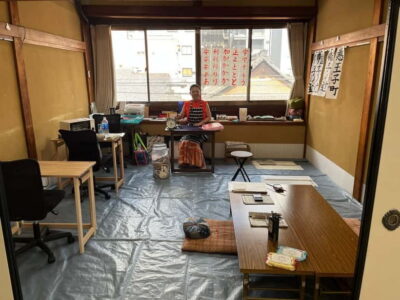
Calligraphy class at Buddhist temple in city center
Read our review →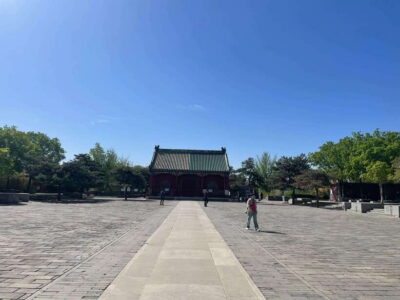
Chinese Kungfu class in old temple beside Forbidden Ci
Read our review →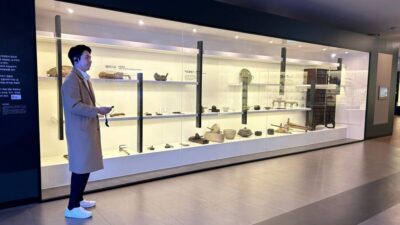
Vegan Temple Food Class, Jogyesa & Changdeokgung Tour
Read our review →
Full-Day Private Water Temple Ritual & Yoga Class
Read our review →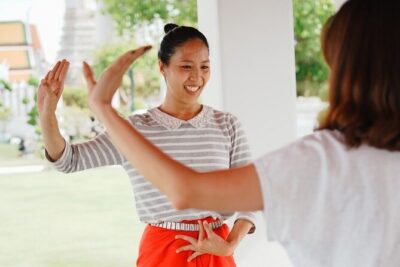

My Son Hindu Temples & Terracotta Workshop PRIVATE TOUR
Read our review →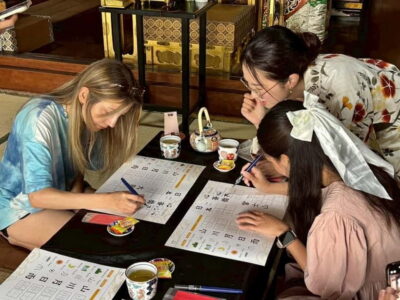
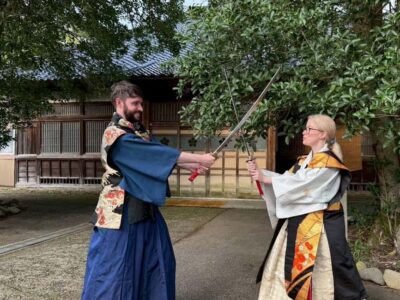
Kanazawa: Samurai Swordsmanship Lesson at a rented temple
Read our review →Browse the lists this tour appears in