
Review · TOKYO
Tokyo: Visit 5 Shrines & Collect Goshuin on Private Tour
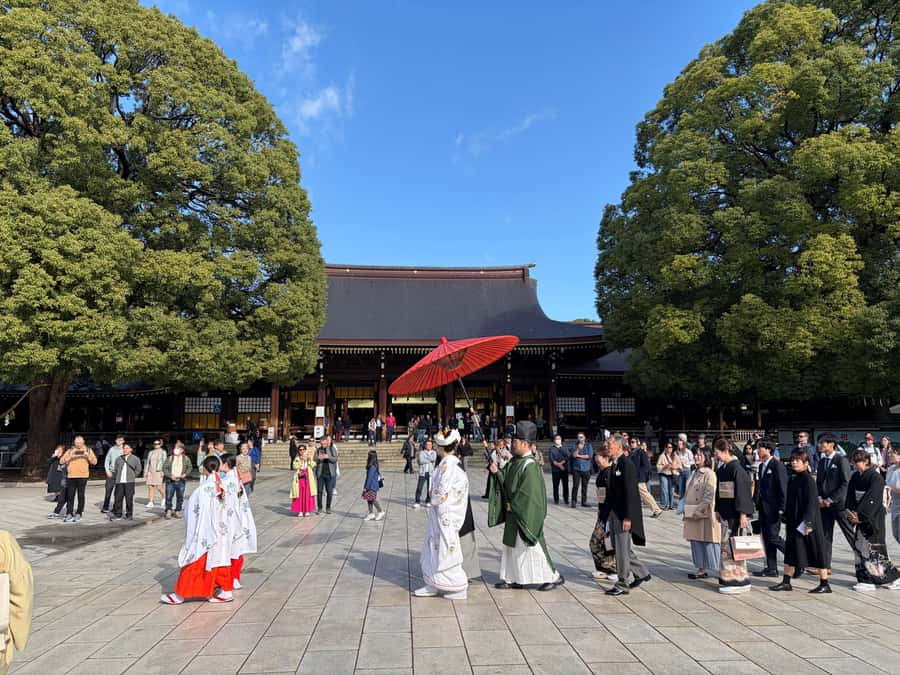
Sacred Tokyo takes more than a day. This private tour brings you to five important shrines and temples, from lively Asakusa to the quiet woods of Meiji Shrine, with a guide who explains the rituals and stories along the way. I like the hand-written Goshuin stamps, which turn the day into a personal keepsake, and I like the private car, especially when Tokyo traffic and long train transfers would otherwise eat up your time. The main consideration is that the schedule is full, with only 30 to 45 minutes at most stops.
I also appreciate the chance to visit sites tied to very different parts of Japanese life: love, business, remembrance, imperial history, and the Tokugawa shogunate. Oishi, the guide and driver praised for being professional, entertaining, and helpful with shrine etiquette, can also point out landmarks as you cross several Tokyo districts. Just be aware that the advertised experience sometimes describes six shrines and temples, while the detailed route lists five religious sites: Sensō-ji, Yasukuni, Hie, Meiji, and Zōjō-ji.
Key points to know before booking
- Five religious sites in one private day: You visit major sites in Asakusa, Chiyoda, Akasaka, Harajuku, and Minato.
- Goshuin make the day memorable: Your guide helps you collect sacred calligraphy stamps, generally costing 500 yen per shrine.
- Oishi adds practical local help: He explains shrine procedures, points out landmarks, and can adapt the route when possible.
- A car saves time across Tokyo: Hotel pickup and drop-off are included within the stated central Tokyo areas.
- The pace is purposeful: Visits range from 30 to 45 minutes, so this is a sampler rather than a slow study of each site.
- Best value for up to three people: At $279 per group, the cost works out to $93 per person for three, before stamp fees and lunch.
Five sacred stops, five sides of Tokyo
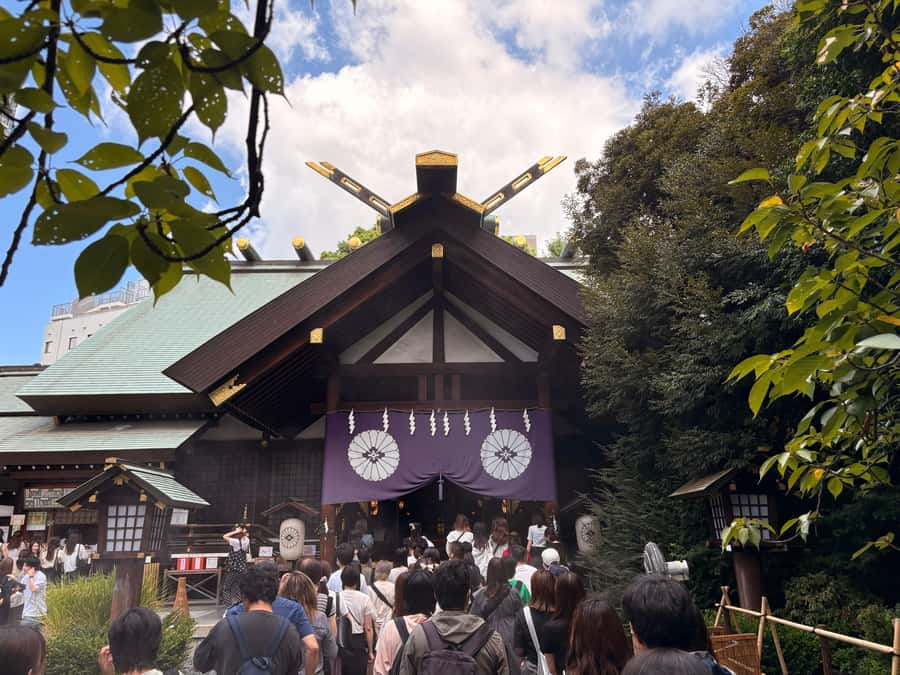
This is a cultural sightseeing day built around contrast. You begin at Sensō-ji in Asakusa, move through sites of national remembrance and business prayer, pass through Harajuku, then finish near Tokyo Tower at Zōjō-ji. The route lets you see how religious spaces fit into very different city districts.
A local guide matters here because Japanese shrine and temple visits are not just about taking a photo at the gate. You may need help recognizing where to bow, how to cleanse your hands, and how to behave around worship areas. The tour includes assistance with Goshuin collection, so you are not left guessing about this popular souvenir.
The private format also changes the feel of the day. You are not matching the pace of a large group, and the guide can respond to reasonable requests. Oishi even adjusted a planned route for one group that wanted to visit Asakusa Shrine. That kind of flexibility is useful, though you should not assume every extra stop will fit into the schedule.
More Private Temple Tours in Japan
- From Tokyo: Private Tour Snow Monkey Park & Zenko-ji Temple
★ 4.7 · 184 reviews - Tokyo Private Tour: Temples, Culture & Modern City Highlights
★ 5.0 · 56 reviews - From Tokyo: Snow Monkey Park & Zenko-ji Temple Private Tour
★ 4.9 · 42 reviews
Sensō-ji: Tokyo’s oldest temple and the lively opening
Your first major stop is Sensō-ji, with about 45 minutes for the visit. This is a strong place to begin because it gives you a clear introduction to Tokyo’s religious customs, while the surrounding Asakusa district adds plenty of street life and visual energy.
Sensō-ji is a Buddhist temple, not a Shinto shrine, and that distinction gives the day an important early lesson. The temple is known for its powerful guardian deities and its famous shopping approach. You will have time to see the main areas, take photographs, and seek help with your first Goshuin.
The drawback is simple: 45 minutes passes quickly in Asakusa. If you want a relaxed look at every shop, a long snack break, and a careful temple visit, the schedule may feel tight. I would treat this stop as an introduction, not a full Asakusa tour.
Still, the visit has strong value. The area gives you a lively start before the route shifts toward quieter religious grounds. Wear shoes you can walk in comfortably, since this day involves repeated walking at several sites.
Yasukuni Shrine: remembrance and seasonal beauty
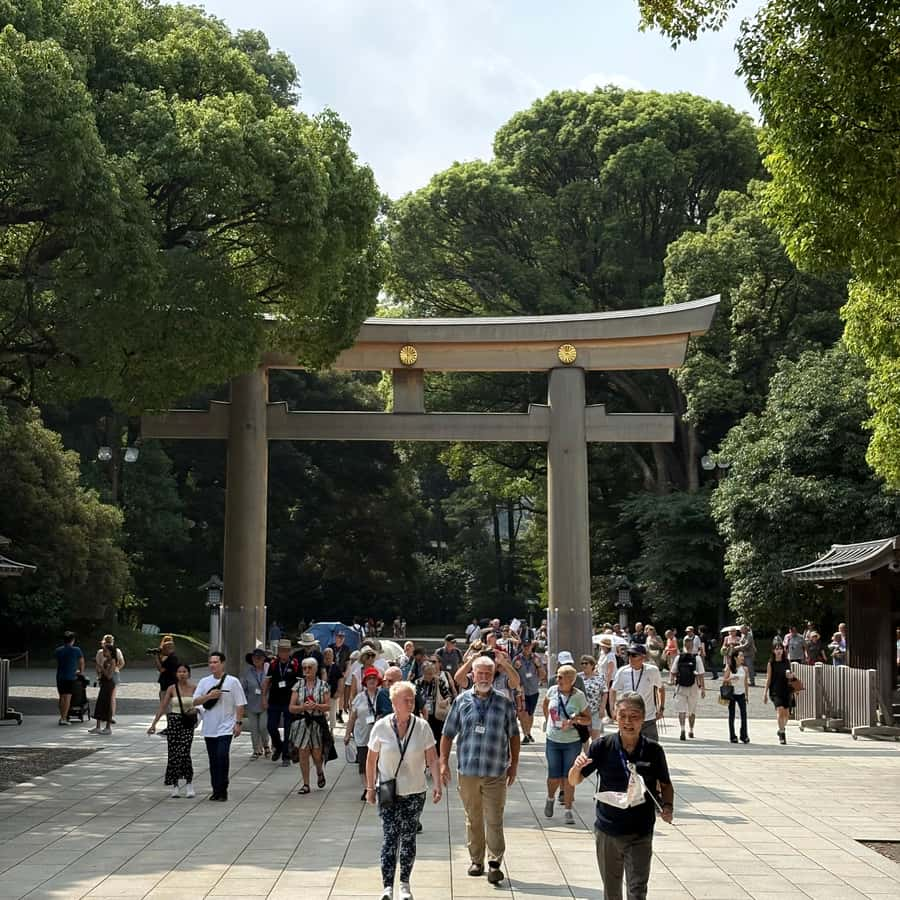
Yasukuni Shrine receives about 30 minutes. It is especially attractive during cherry blossom season, but its importance is not limited to flowers. This is a site of remembrance, and your guide can provide context that helps you understand why it occupies a serious place in Tokyo’s public life.
The short stop works best if you want a broad look at the shrine grounds and a clear explanation of their significance. It is less suited to anyone hoping to spend a long time reading every display or lingering beneath the trees.
Yasukuni also gives the tour a different tone from Sensō-ji. Instead of the shopping streets and temple crowds of Asakusa, you get a place associated with memory and national events. That contrast is one of the tour’s strengths. You are not simply collecting similar stamps at five lookalike locations.
Hie Shrine: red torii and practical blessings
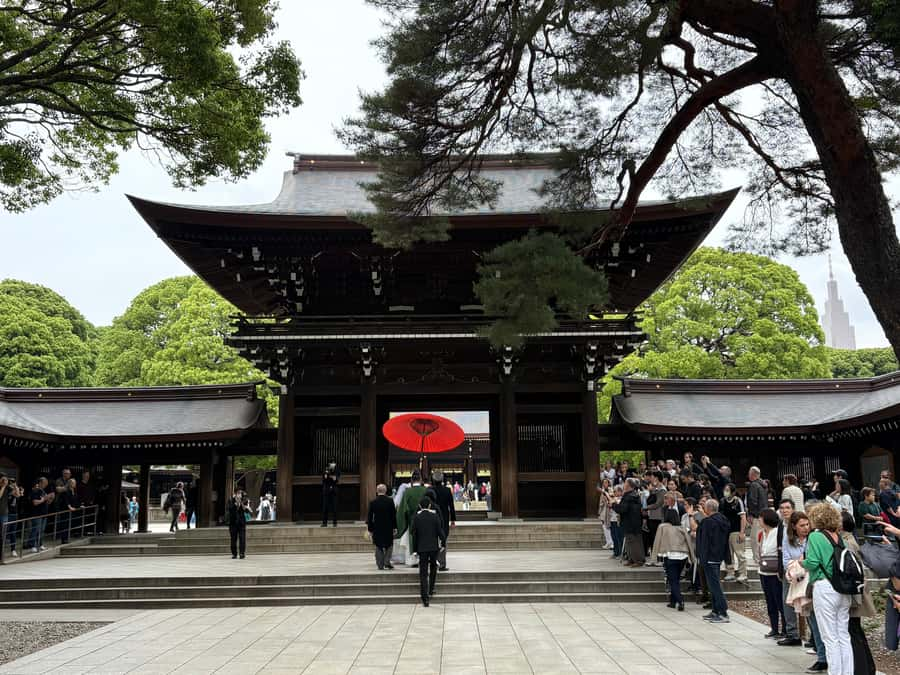
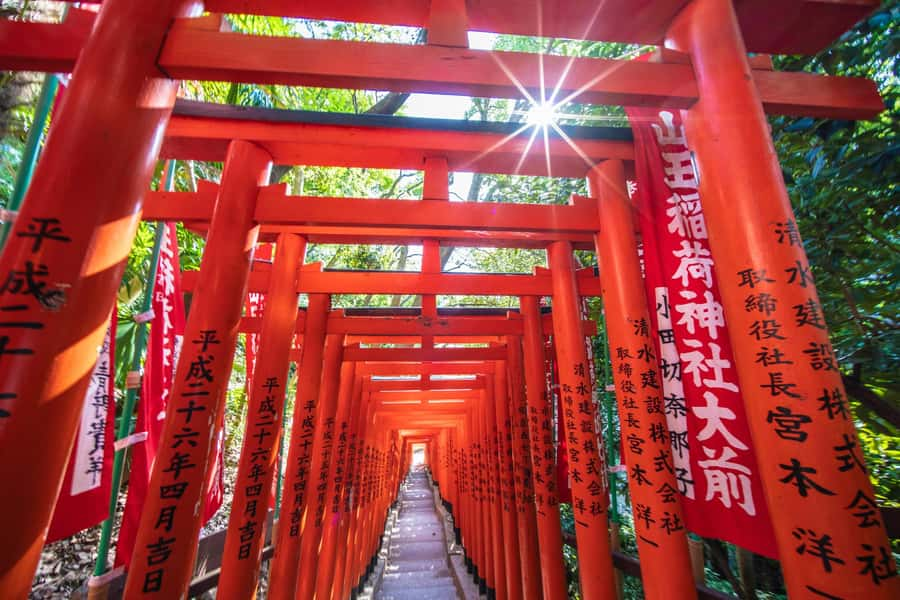
Hie Shrine is another 30-minute stop, known for its red torii gates and prayers connected with love and prosperity. The strong visual identity makes it one of the most photogenic parts of the route, and the Goshuin from here can add another distinctive page to your stamp book.
The stop is also useful if you are interested in the everyday purpose of shrine visits. People come to Shinto shrines for specific hopes and blessings, and Hie is presented here as a place linked with relationships and success. Your guide can explain the difference between simply seeing a shrine and taking part in its customs.
Thirty minutes is enough for an overview and a stamp, but not for an unhurried visit. If you want to spend time photographing every torii or quietly observing worshippers, you may need to accept a quick pace. The private car helps by reducing time between districts, but it cannot remove Tokyo’s traffic.
More Private Temple Tours in Tokyo
- Tokyo History: Sensoji Temple & Asakusa District Private Tour
★ 5.0 · 28 reviews - Tokyo/Nagano: private Tour with Snow Monkey Park & Temples
★ 4.8 · 13 reviews - From Tokyo: Nikko Customize private Tour With English Driver
★ 4.9 · 11 reviews - Tokyo: Sensoji Temple & Street Food: Private Tour with guide
★ 4.6 · 8 reviews
Harajuku and Meiji Shrine: from city streets to forest paths
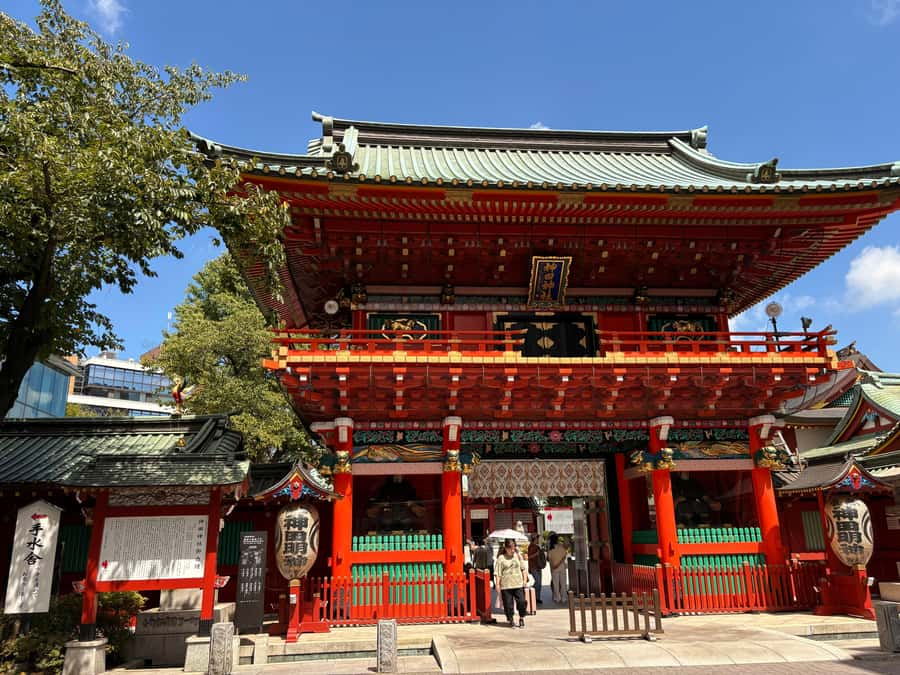
The route passes through Harajuku for about five minutes before Meiji Shrine. This is not a full Harajuku sightseeing stop, so keep your expectations in check. You are getting a brief look at the district while moving toward one of Tokyo’s best-known forest sanctuaries.
Meiji Shrine is dedicated to Emperor Meiji and is given about 45 minutes for photographs, sightseeing, and walking. The setting is a major part of its appeal. After the denser city districts earlier in the day, the shrine offers a more peaceful change of pace.
I like this portion because it gives you breathing room without abandoning the city. You can focus on the approach, the wooded surroundings, and the shrine’s atmosphere, while your guide explains the customs and background. It is also a useful point for collecting another Goshuin.
The limitation is that the time includes walking. Forty-five minutes may sound generous, but some of it can disappear on the approach and between points of interest. If Meiji Shrine is your top priority, you may wish to ask at the start how much time can realistically be spent there.
Zōjō-ji: a final temple beside Tokyo Tower
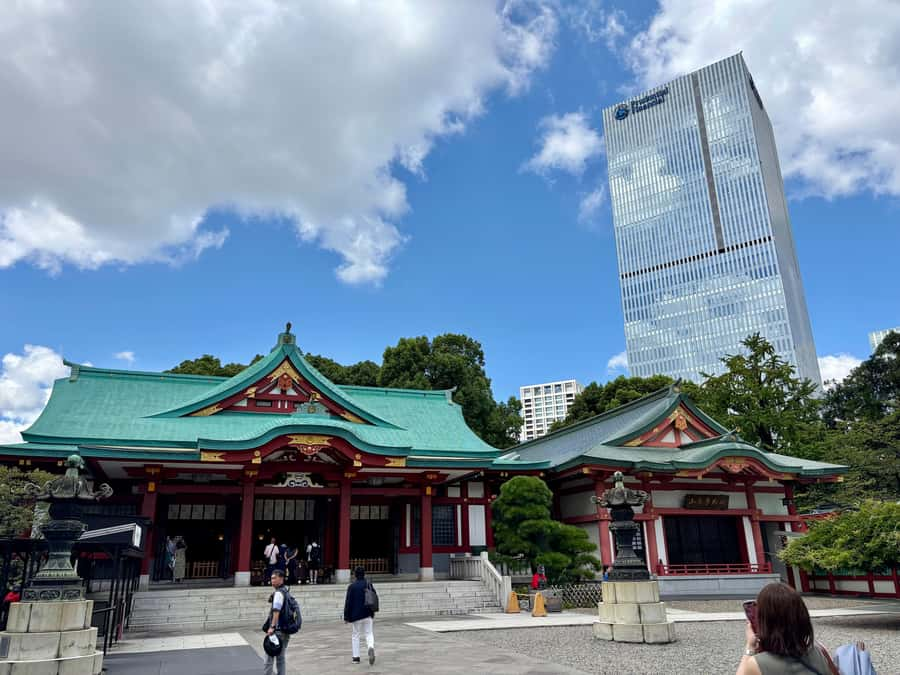
The final listed religious stop is Zōjō-ji in Minato, with around 30 minutes for sightseeing and photographs. This historic Buddhist temple is associated with the Tokugawa shogunate, giving the day another connection to Japan’s political past.
Its location near Tokyo Tower makes it particularly useful for photographs. You can frame the traditional temple setting with one of the city’s most recognizable modern landmarks. That pairing neatly captures Tokyo’s habit of placing old and new within the same view.
The 30-minute visit is enough for a focused look and a final stamp, but it is not a full temple tour. You will need to choose between lingering at the temple, taking photographs, and asking questions. For most people, that is a fair trade after four earlier stops.
Goshuin: the souvenir that gives the day a purpose
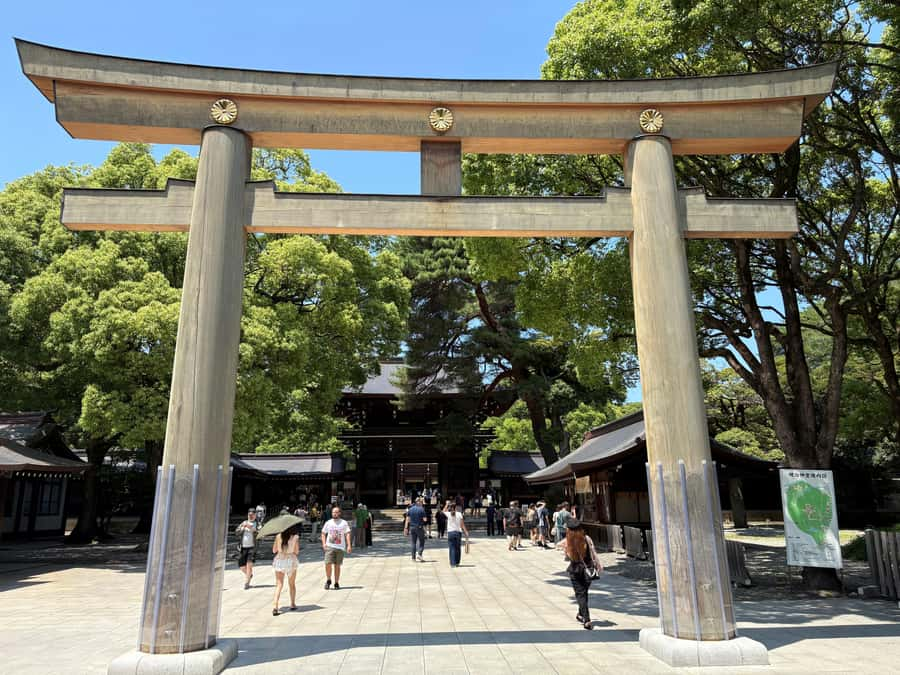
Goshuin are handwritten sacred calligraphy stamps collected at temples and shrines. They are more meaningful than a standard tourist sticker because each entry is tied to a particular religious site and usually written directly into a stamp book.
The tour includes help with collecting them, which is a real advantage if you have never done it before. One practical detail from the experience is that a stamp at each shrine may cost about 500 yen. Those fees are not included in the $279 tour price, so carry enough yen for the stamps you want, along with any lunch or snacks.
You will need a Goshuincho, or stamp book, if you want the entries written together in a proper format. The supplied information confirms assistance with collection but does not state that a book is provided, so ask the operator before departure if you need one.
The stamp book also helps pace your day. At each site, you are not just collecting another image for your phone. You are marking a particular place, its blessing, and the explanation you received there. Handle the book respectfully and follow your guide’s advice about where to request each stamp.
Why the private car matters in Tokyo
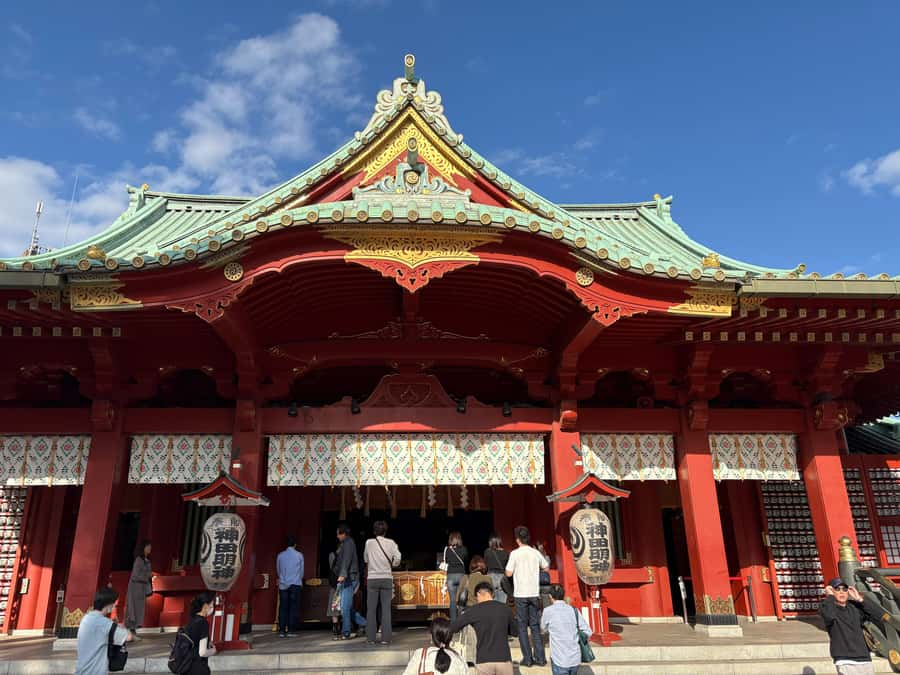
The tour includes a private car, guide, hotel pickup, and hotel drop-off. Pickup and drop-off are listed for Chiyoda, Chuo, Shibuya, Minato, and Shinjuku. You should confirm that your hotel falls within one of these areas before booking.
The car is a practical choice because the stops are spread across Tokyo. Public transit is excellent, but changing trains, finding the correct exit, and walking between stations can take energy. With a private vehicle, you can spend more of the six to seven hours seeing places and less time figuring out the next connection.
There is still no magic solution to traffic. Tokyo roads can slow the schedule, and the tour’s tightly timed visits leave limited room for delays. The private format is best seen as a time-saving tool, not a promise of a perfectly smooth ride.
Oishi’s role appears to go beyond driving. He is described as professional and entertaining, and he points out landmarks while crossing different districts. That adds value for first-time visitors who want a moving overview of Tokyo rather than five isolated stops.
Price, pace, and what the day really delivers
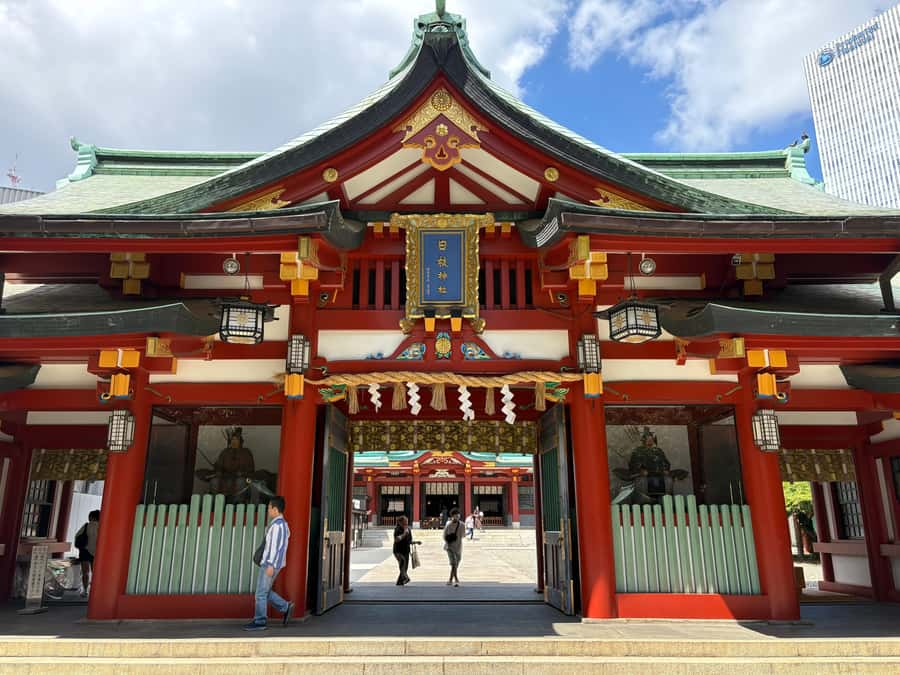
The price is $279 for a private group of up to three people. For three, that is $93 per person before Goshuin fees, lunch, and any optional Tokyo Tower ticket. For a couple, the per-person cost is higher, but you gain a private vehicle and a flexible guide rather than joining a large group.
This is a good value if you want several major religious sites in one day and would otherwise pay for taxis or spend time planning the route. It is less compelling if you prefer to explore one neighborhood slowly, browse shops, or spend an hour at each temple.
Lunch is not included. That gives you some freedom, but the schedule may make a long restaurant meal difficult. One group enjoyed a sushi restaurant chosen with Oishi’s help, so you can ask about food suggestions. Just clarify whether a meal fits the day’s timing and whether it changes the planned stops.
Tokyo Tower tickets are also not included. The route gives you a nearby view and photo opportunity at Zōjō-ji, but you should not expect admission to the tower itself.
Who should book this private shrine tour?
I would recommend this experience to first-time Tokyo visitors who want cultural context without managing a complicated route. It also suits couples, families, and small groups who value privacy and want a physical keepsake from the day.
It is especially useful for you if:
- You want help with shrine and temple etiquette.
- You are interested in both Shinto shrines and Buddhist temples.
- You want to see several Tokyo districts in one outing.
- You prefer a car to multiple train transfers.
- You like collecting meaningful souvenirs rather than only taking photographs.
I would be more cautious if you dislike fixed schedules or want long, quiet visits. The route covers a lot of ground, and the 30-minute stops can feel brief. It is also worth confirming the exact number of religious sites and the pickup location before you pay, since the description refers to both five and six sites.
Free cancellation is available up to 24 hours before the tour, and you can reserve now and pay later. Be ready in your hotel lobby 15 minutes before pickup. Comfortable shoes are essential, and smoking is not allowed during the experience.
Should you book it?
Book this tour if you want an efficient, personal introduction to Tokyo’s religious landmarks, with Oishi’s practical help and a Goshuin book to take home. The strongest reasons are the private car, the clear variety of sites, and the chance to learn proper customs instead of rushing through unfamiliar gates.
Skip it if your ideal day means one shrine, a long lunch, and hours of wandering. This tour is about range and guidance. For three people sharing the cost, it offers a sensible way to connect five important sites across Tokyo without building the route yourself.
FAQ
How long does the tour last?
The tour lasts approximately six to seven hours. Starting times depend on availability.
How many shrines and temples are visited?
The detailed route lists five religious sites: Sensō-ji Temple, Yasukuni Shrine, Hie Shrine, Meiji Shrine, and Zōjō-ji Temple. Some descriptions refer to six shrines and temples, so confirm the exact route when booking.
Is hotel pickup included?
Yes. Hotel pickup and drop-off are included for locations in Chiyoda, Chuo, Shibuya, Minato, and Shinjuku.
How many people can join the private tour?
The price covers a private group of up to three people.
What languages does the guide speak?
The tour is offered with a live guide in Japanese or English.
Are Goshuin stamps included in the price?
Assistance with collecting Goshuin is included, but the stamp fees are not stated as included. A stamp may cost about 500 yen at each shrine.
Is lunch included?
No. Lunch is not included in the tour price.
Are Tokyo Tower tickets included?
No. Tokyo Tower admission is not included. The route includes Zōjō-ji Temple nearby, where you can take photographs with the tower in the area.
What should I bring?
Bring comfortable shoes. You should also be ready in your hotel lobby 15 minutes before the scheduled pickup time.
Just added around Tokyo
- :Tokyo,Shibuya /Meiji Shrine tour in KIMONO/English-friendly★ 5.0 · 4 reviews
- Tokyo: Snow Monkey and Zenkoji Temple Day Trip In Low Price★ 5.0 · 5 reviews
- Tokyo War History Tour: Yasukuni Shrine & War Museum★ 4.5 · 6 reviews
- Tokyo: Gotokuji Culture Walk & Lucky Cat Temple Experience★ 4.9 · 5 reviews
- Tokyo: Shibuya Sky, Harajuku & Meiji Shrine Highlights Tour★ 4.5 · 9 reviews
- Tokyo: Sensoji Temple & Street Food: Private Tour with guide★ 4.6 · 8 reviews
- Tokyo’s Kitchen: Tsukiji Market Food & Culture Walk★ 4.7 · 74 reviews
- Tokyo: Nikko Day Tour Shrines, Lake Chūzenji & Kegon Falls★ 4.9 · 26 reviews
Private Temple Tours, compared.

Waterfalls, Water Temple & Rice Terraces Private Tour
Read our review →
Montserrat Monastery Small Group or Private Tour Hotel pick-up
Read our review →
Full-Day Angkor Wat Sunrise Private Tour with Guide from Siem Reap
Read our review →
Chiang Rai Temples: Private Tour from Chiang Mai
Read our review →
Private Tour: Teotihuacan and Guadalupe Shrine
Read our review →
Grand Palace, Wat Pho, and Wat Arun Private Tour
Read our review →
Ephesus and Temple of Artemis Private Tour from Kusadasi Port
Read our review →
Browse the lists this tour appears in