
Review · KATHMANDU
Kathmandu: Pashupatinath Temple Evening Aarati Tour
Light, bells, and river prayers await.
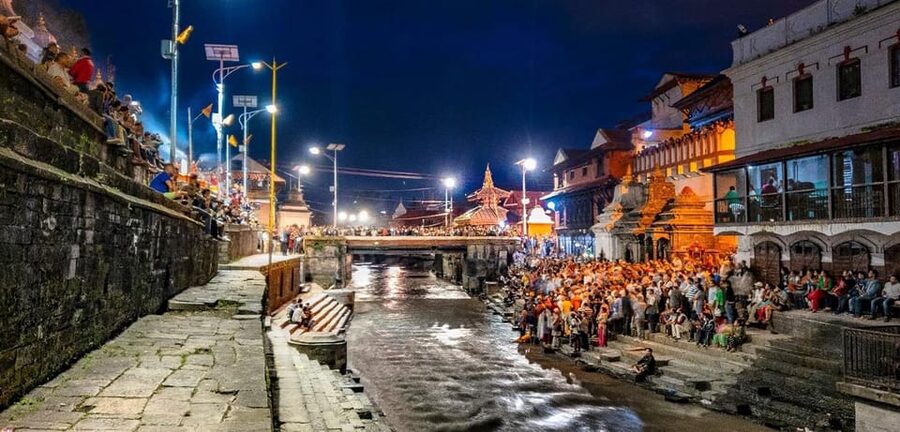
Kathmandu’s Pashupatinath Temple Evening Aarati Tour gives you a focused look at one of Nepal’s most important Hindu rituals. I like the timing: you arrive in the late afternoon, see the temple area before dark, then watch the Bagmati River ceremony as oil lamps, incense, chants, bells, and music fill the evening. I also like the private format and the guide’s role, especially when a guide such as Ramesh or Rajat can explain what is happening instead of leaving you to guess.
The main consideration is that this is a three-hour cultural visit, not a full-day temple tour. The ceremony can draw a large crowd, and the spiritual setting calls for quiet respect rather than casual sightseeing. At $45 per person, the price makes the most sense if you value personal explanation, hotel transport, and a private group more than simply reaching the temple on your own.
Key points at a glance
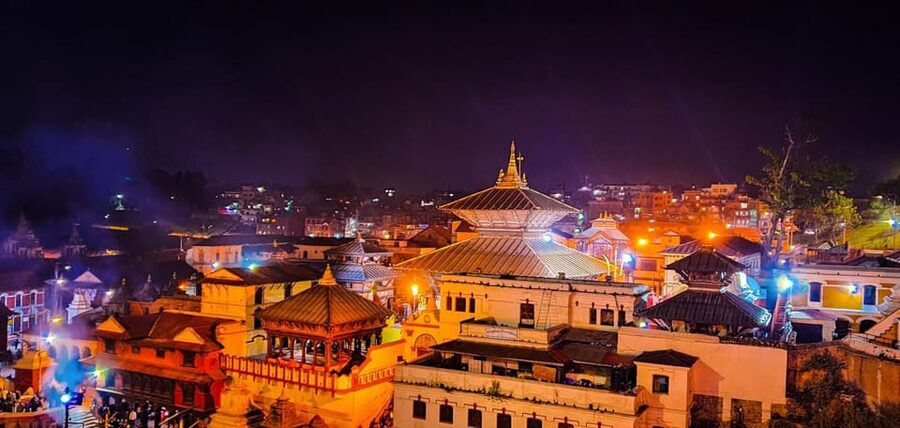
- The Aarati begins around 6 p.m.: Plan for an evening of Vedic mantras, oil lamps, incense, bells, hymns, and classical instruments beside the Bagmati River.
- The private group format matters: You get a guide who can adjust explanations, answer questions, and help you find a good viewing position.
- Guides receive the strongest praise: Ramesh, Rajat, Anjan, and others are described as friendly, patient, clear, and helpful with cultural questions.
- Hotel pickup and return are included: This keeps the evening simple, especially when you would rather not arrange transport after the ceremony.
- Photography is possible in permitted areas: Tell your guide if photographs matter to you, but keep the ritual and worshippers ahead of the camera.
- The tour suits curious first-time visitors: It offers useful context without asking you to commit an entire day to religious sites.
Why the Bagmati River ceremony matters
The central event is the Aarati, an evening worship ritual held on the Bagmati River bank on the eastern side of the Pashupatinath Temple complex. Priests chant prayers and wave lamps before Lord Shiva, while incense, bells, singing, and traditional instruments build the ceremony’s sound and rhythm.
You are not simply watching a light show. The lamps are part of a religious act, and the chants and gestures carry meaning for the people gathered there. That distinction matters. You will get more from the experience if you treat it as worship taking place in a public setting, not as a performance arranged only for sightseeing.
The ceremony is visually striking, particularly as daylight fades and the lamps become the main source of light. The river, temple buildings, smoke from incense, and gathered crowd create a powerful setting. Still, the event can feel busy. You may not have a perfectly open view, and the experience depends partly on where you stand and how close you are to the ceremony.
That is where a good guide earns the fee. The best guides do more than point out the priests. They explain why the lamps are used, what the chants represent, and how the ritual fits into Hindu practice. Ramesh is repeatedly praised for giving extra insight into Hindu culture and answering questions with patience. Rajat is also singled out for being friendly and well informed. Anjan helped one visitor better understand the religion and the ceremony.
A few more temple visits around Kathmandu worth a look
- Kathmandu Spiritual Sites: Bodhnath & Pashupatinath Tour
★ 5.0 · 185 reviews - Kathmandu: Chandragiri Cable Car and Monkey Temple Tour
★ 4.8 · 139 reviews - From Kathmandu: 2 Stupas and Kopan Monastery Spiritual Tour
★ 4.8 · 115 reviews
Starting in Kathmandu and reaching Pashupatinath
The evening begins with hotel pickup in Kathmandu. Transportation to and from Pashupatinath is included, along with return service to your hotel after the Aarati.
The benefit is practical rather than glamorous. Kathmandu traffic can make short distances take time, and arranging a separate ride at the end of an evening ceremony can be a nuisance. Here, your transport is built into the plan, and the driver is part of the service. Santosh, one named driver, was praised for being polite, friendly, and safe.
The exact starting time depends on availability, but the tour is planned around arriving before the ceremony. That gives you time to see the temple complex, hear an introduction from your guide, and find your bearings before the crowds gather.
You should not expect a long scenic drive or a sightseeing route through Kathmandu. The purpose of this transfer is to get you to Pashupatinath without wasting the evening. If you are staying far from the temple, traffic may affect how much time you have on site, so an early pickup is useful.
Exploring the temple complex before sunset
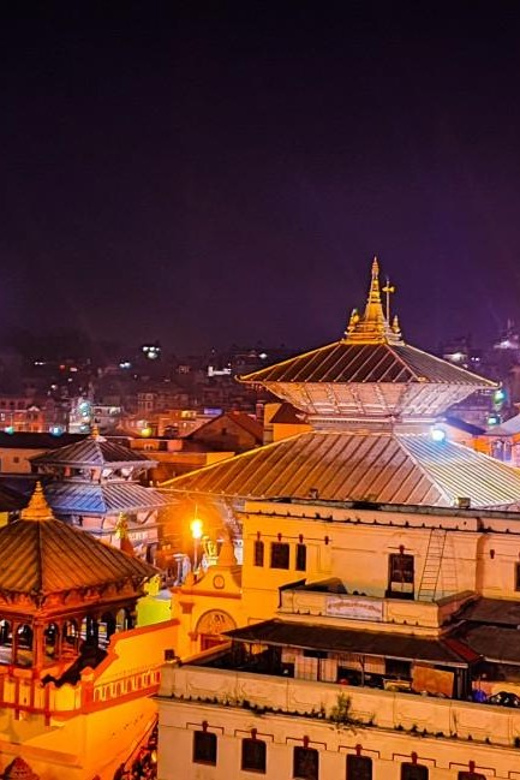
After arrival, your guide leads a visit around the Pashupatinath Temple area. This part gives the evening its needed context. Without it, the Aarati could be beautiful but confusing, with unfamiliar gestures, prayers, and customs passing quickly in front of you.
The guide provides background on the temple’s religious importance and helps you understand the surrounding spaces. You also have time for independent exploration before the ceremony begins. That balance works well. You receive an explanation first, then a little freedom to look around at your own pace.
I would use this period to ask direct questions. If you want to understand the role of Lord Shiva, the meaning of the lamps, or the difference between formal worship and general temple activity, this is the moment. Guides such as Ramesh have been praised for turning questions into useful conversations rather than giving a rushed speech.
The temple visit is described as a photo stop and guided sightseeing, with photography allowed in permitted areas. Do not assume that every corner is suitable for photos. Ask your guide before taking pictures, especially during prayers or near worshippers. One visitor booked mainly for photography and said Ramesh patiently accommodated requests and allowed time for the images they wanted. That is encouraging, but respectful behavior still comes first.
The Aarati around 6 p.m.
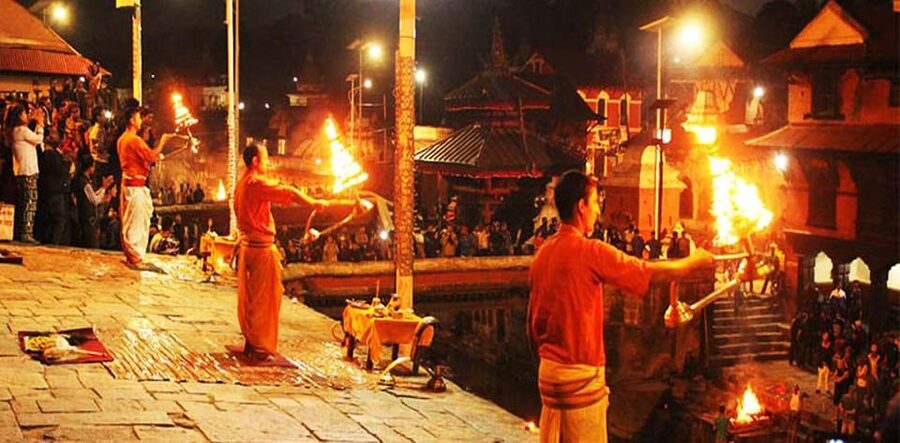
As evening arrives, people gather along the Bagmati River for the Aarati. The ceremony includes Vedic mantras, ringing bells, oil lamps, incense, hymns, and classical music. Priests wave the lamps before the image of Lord Shiva while the crowd watches and participates in its own way.
The sound is a major part of the experience. Bells cut through the singing, instruments add a measured rhythm, and the repeated chants give the ceremony a steady flow. Smoke from incense softens the scene, while the lamps create the main visual focus after sunset.
This is the point where the tour feels most special. You have already received an explanation, so you can pay attention to the ceremony rather than trying to work out its basic structure. The guide’s commentary also helps you notice details you might otherwise miss.
You may have a good view, but the tour does not promise a private viewing platform or a silent audience. The Aarati attracts many people, and the riverside can feel crowded. If you want photographs, you may need to choose between watching the ritual closely and framing every shot. I recommend watching the first part without raising your camera. Then take photographs only when your guide indicates that it is appropriate.
The ceremony itself is not long enough to fill the entire three-hour outing. The time before it is important, because it transforms the evening from a quick stop into a cultural visit. One visitor described the tour as a chance to understand the area before sunset and said that combining the temple visit with the Aarati was the best way to see both.
Same place, a different morning at the gates:
- Lunch with Nuns – Monastery
★ 5.0 · 75 reviews - Chandragiri Cable Car & Monkey Temple Tour- Private/Group
★ 5.0 · 32 reviews - Kathmandu: Pashupatinath Temple Aarti Night Tour
★ 4.8 · 29 reviews - Sacred Pashupatinath: Aarati,Cremation Rites & Boudha Stupa
★ 5.0 · 18 reviews
What the guide adds to the evening
The strongest feature of this experience is the human explanation. The ceremony can be moving on its own, but the guide gives you a way to understand it without pretending that a short tour can teach you everything about Hinduism.
Ramesh receives particularly warm praise. He is described as friendly, patient, and generous with cultural information. One person noted that he spoke both Spanish and English, which may be useful if you happen to share those languages. Another said his calm manner and respect for the setting made the evening feel more meaningful.
Rajat is praised for answering questions clearly and helping visitors learn about local traditions. Anjan is described as a strong English speaker who helped explain Hindu religion and the Aarati. These comments point to a useful pattern: the provider appears to assign guides who can do more than lead you from one place to another.
That said, guide quality can vary from person to person. The named guides receive excellent praise, but you cannot assume that every guide will have the same personality or language ability beyond the stated English service. The listed tour language is English. If explanation is the main reason you are booking, tell the provider what you hope to learn.
Is $45 per person good value?
The price is $45 per person. That includes hotel pickup and drop-off, transportation, an English-speaking licensed guide, the Pashupatinath entry ticket, taxes, and service charges. Food and drinks are not included.
For a private three-hour experience, the price is reasonable if you want a guide and door-to-door transport. You are paying for more than entry. You are paying for someone to explain the setting, help with timing, answer questions, and handle the practical movement to and from the temple.
The value is weaker if you only want to stand near the river for the ceremony and do not care about background information. In that case, much of the cost goes toward services you may not use fully. But Pashupatinath is not the kind of place where visual impressions always explain themselves. The guide can make the difference between seeing lamps and understanding a religious ritual.
The private group format also improves the value for couples, families, or small groups with shared interests. You can ask for more detail, request time for photography, and avoid being tied to a large group’s questions or pace. One person who booked for travel photography found the guide accommodating, which suggests that the format can work well for visitors with specific needs.
Who will enjoy this Pashupatinath tour?
I would recommend it most strongly to first-time visitors to Kathmandu who want an introduction to Hindu practice through a real evening ritual. It suits you if you enjoy learning from a guide, asking questions, and watching a ceremony with some cultural context.
It is also a good fit if you have limited time in Kathmandu. Three hours gives you a meaningful temple visit without taking a full morning or day. The late afternoon departure lets you see the complex in daylight and the Aarati after dark.
Photographers can benefit from the private arrangement, provided they accept the limits of respectful photography. The experience is also a good choice for solo visitors who would prefer arranged transport and a guide rather than managing the visit alone.
You may want to reconsider if you dislike crowds, religious ceremonies, or waiting for a fixed evening event. The setting is spiritual and public, not polished or staged for comfort. You should also avoid treating the ceremony as a photo opportunity first and a religious service second.
Practical tips for making the most of it
Ask questions before the Aarati begins. Once the chanting and music start, it may be difficult to hear a long explanation.
Tell your guide early if photography is important to you. That gives the guide time to suggest suitable areas and explain where pictures are permitted.
Keep the schedule flexible around the ceremony. The listed start is around 6 p.m., but tour availability determines the exact beginning time. Check the starting time when booking.
Bring an open mind and modest behavior. You are entering a major Hindu religious setting, so quiet attention and restraint with cameras will improve the experience for you and the people around you.
Do not plan on a meal as part of the tour. Food and drinks are not included, so arrange anything you need before or after the three-hour outing.
The provider offers free cancellation up to 24 hours in advance and a reserve-now, pay-later option. Those terms are useful if your Kathmandu plans are still shifting.
My recommendation
Book this tour if you want more than a quick look at Pashupatinath. The Aarati gives you the memorable sights and sounds, while the guided temple visit explains why the ceremony matters. The strongest praise goes to the guides, especially Ramesh and Rajat, and that personal interpretation is the main reason to choose this organized visit.
Skip it if you only want independent temple sightseeing or if a crowded evening ritual does not appeal to you. For most curious first-time visitors, though, the combination of temple context, riverside worship, private transport, and a three-hour schedule makes this a worthwhile Kathmandu evening.
FAQ
How long does the Pashupatinath Aarati tour last?
The tour lasts three hours, including hotel pickup, the visit to Pashupatinath Temple, the Aarati ceremony, and return transportation to Kathmandu.
What time does the Aarati ceremony begin?
The ceremony generally commences around 6 p.m. The exact tour starting time depends on availability.
Is transportation included?
Yes. Hotel pickup and drop-off, along with transportation to and from Pashupatinath Temple, are included.
Is a guide included?
Yes. The tour includes a licensed English-speaking live guide, and the group format is private.
Is the Pashupatinath entry ticket included?
Yes. The entry ticket to Pashupatinath is included in the tour price.
Are food and drinks included?
No. Food and drinks are not included.
Can I cancel the booking?
You can cancel up to 24 hours in advance for a full refund. A reserve-now, pay-later option is also available.
Just added around Kathmandu
- Sacred Pashupatinath: Aarati,Cremation Rites & Boudha Stupa★ 5.0 · 18 reviews
- Pashupatinath: Evening tour of temple and Aarati ceremony★ 5.0 · 3 reviews
- Kathmandu: Chandragiri Cable Car and Monkey Temple Tour★ 5.0 · 9 reviews
- Kathmandu: Pashupatinath Temple Aarti Night Tour★ 4.8 · 29 reviews
- Kathmandu: Pashupatinath Temple Evening Aarati Tour★ 4.7 · 11 reviews
- Kathmandu: Guided Walking Tour with Monkey Temple★ 5.0 · 18 reviews
- Pokhara: Pagoda, Waterfall & Cave – Private Short Trip★ 3.9 · 3 reviews
- Chandragiri Cable Car & Monkey Temple Tour- Private/Group★ 5.0 · 32 reviews
Kathmandu Temple Tours, compared.
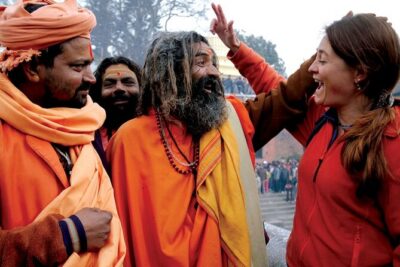
Kathmandu Spiritual Sites: Bodhnath & Pashupatinath Tour
Read our review →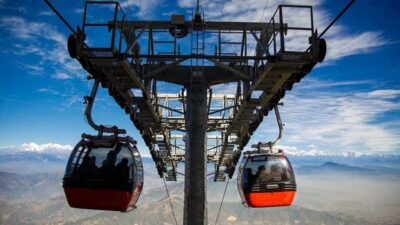
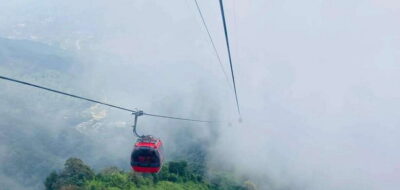
Chandragiri Cable Car & Monkey Temple Tour- Private/Group
Read our review →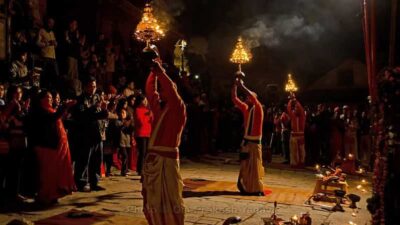
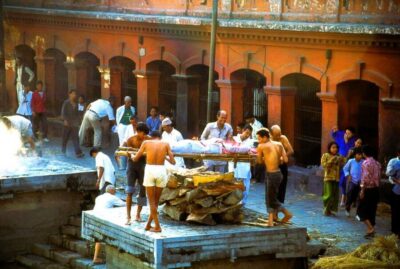
Sacred Pashupatinath: Aarati,Cremation Rites & Boudha Stupa
Read our review →Browse the lists this tour appears in