
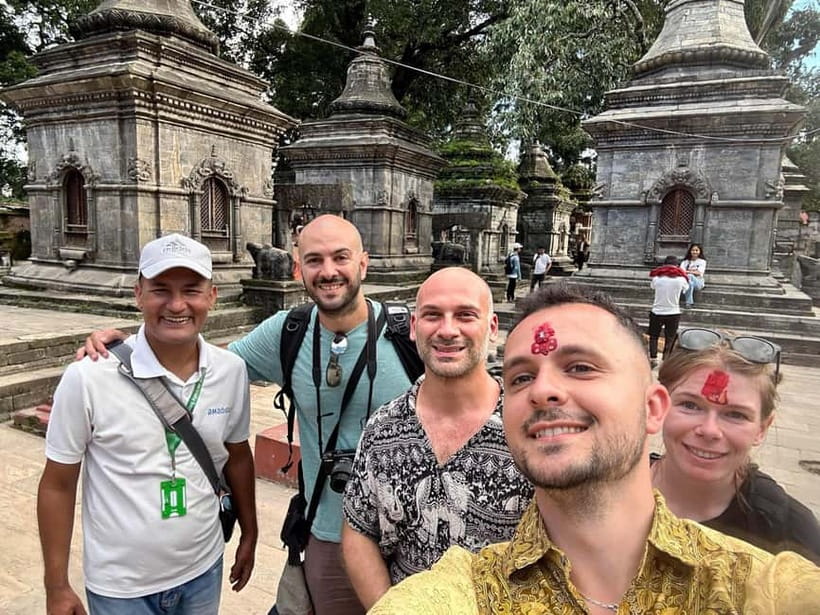
Review · KATHMANDU
Kathmandu: Guided Walking Tour with Monkey Temple
Kathmandu rewards curious walkers. This $15 guided walk links the Garden of Dreams, local neighborhoods, Kathmandu Durbar Square, and the Monkey Temple in one useful introduction to the city. I like the way it moves beyond the main sights, and I like that a local guide explains the rituals and daily life you would likely miss alone.
The route also includes old stupas, temples, a Newari residential area, and a cremation place. That gives the outing more substance than a simple monument tour. The trade-off is clear: you walk a lot, finish with 365 steps downhill, and this is not suitable for wheelchair users, people with mobility impairments, or children under five.
The guide can make a big difference. Shiva is praised for being patient, friendly, and willing to answer detailed questions about culture and religion. If he leads your walk, you can expect a calm, personal style rather than a rushed march from one photo stop to the next.
Key points to know before you go
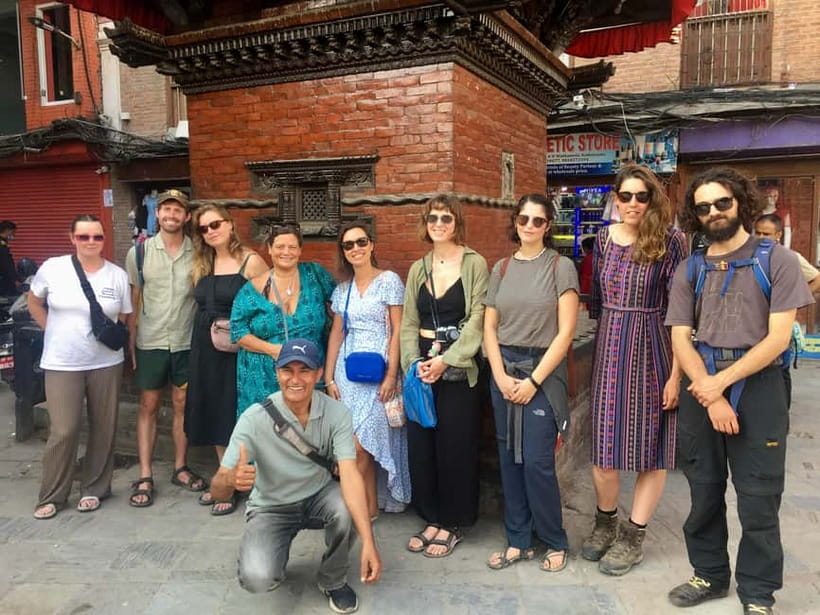
- Garden of Dreams starting point: Meet at the front gate, where the guide carries a Himkala Adventure placard.
- A city walk with real local texture: The route includes residential lanes, ritual activity, old stupas, temples, markets, and a cremation place.
- Kathmandu Durbar Square included: You see one of the city’s major heritage areas as part of a broader walking route.
- Monkey Temple finish: Reach the 77-meter hill and its stupa after about 45 minutes of walking.
- 365 steps on the return: Comfortable shoes, water, sunscreen, and a hat are practical essentials.
- Good value at $15: The price covers a professional English-speaking guide, but not meals, drinks, transport, or entry fees that may apply.
Why this $15 walk is a useful Kathmandu introduction
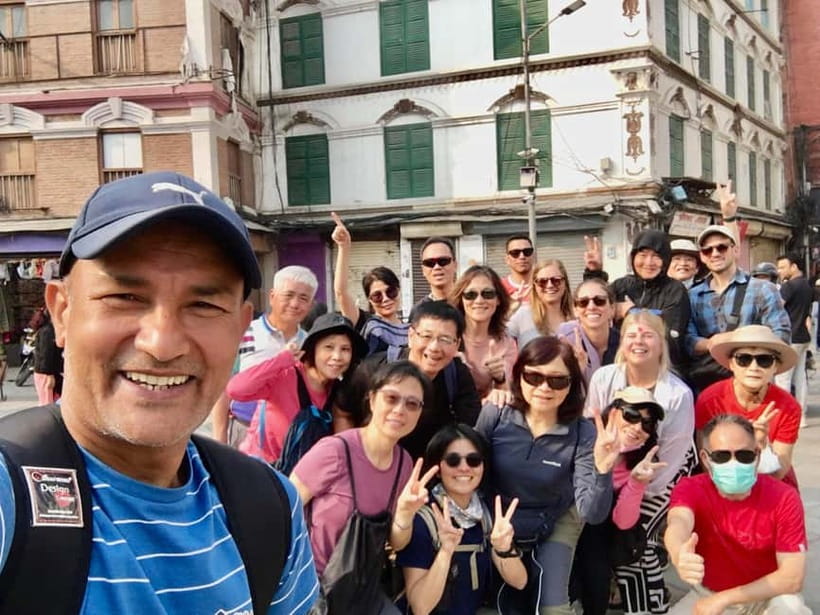
Kathmandu can feel confusing at first. Streets change from quiet courtyards to crowded market lanes in a few minutes, and religious sites often sit beside ordinary homes and shops. A guided walk helps you connect those pieces instead of seeing each place as an isolated stop.
At $15 per person, the value comes mainly from the guide and the route. You are not paying for a meal, hotel transport, or a luxury vehicle. You are paying for local explanation and a planned path through several important parts of the city.
That is a fair deal if you want orientation on foot. It is less suitable if you want a short, gentle sightseeing outing or a fully packaged day with transport and refreshments included.
The advertised language is English, and the experience is provided by Himkala Adventure Pvt. Ltd. The meeting point is easy to identify: the front gate of the Garden of Dreams. Your guide should be holding a placard marked Himkala Adventure.
More Monkey Forest Temple Tours in Kathmandu:
- Kathmandu: Chandragiri Cable Car and Monkey Temple Tour
★ 4.8 · 139 reviews - Chandragiri Cable Car & Monkey Temple Tour- Private/Group
★ 5.0 · 32 reviews - Kathmandu: Chandragiri Cable Car and Monkey Temple Tour
★ 5.0 · 9 reviews
Starting at the Garden of Dreams
The Garden of Dreams is a sensible place to begin. It gives you a calm opening before the city’s noise takes over. The garden is described as a beautiful oasis in the center of Kathmandu, so the first part of the outing offers a brief contrast between maintained open space and the crowded streets ahead.
From the front gate, you walk toward local areas rather than heading straight for the headline sights. I like that choice. It means you begin by seeing how Kathmandu works at street level, with old religious structures and daily activity forming part of the same setting.
Do not expect a long garden visit to be the main event. The garden is the starting point and a meeting place, while most of the experience unfolds on the streets beyond it.
Local stupas, temples, and everyday rituals
The early route brings you past age-old local stupas and temples. These are not presented simply as old buildings. You also see people performing ritual activities, which gives your guide a chance to explain how religious practice fits into ordinary city life.
This is one of the strongest parts of the walk for anyone who wants context. Kathmandu’s religious sites are often active places, not silent museum pieces. A guide can help you understand what you are seeing and remind you to behave respectfully around worshippers.
You should dress modestly for this part of the route. Bring water, wear shoes that can handle uneven walking, and keep your camera ready without letting photography become the whole point of the visit.
The experience does not promise a private or exclusive setting. You are moving through local areas where people live and worship. That is valuable, but it also means you need to be considerate. Avoid blocking doorways, watch where you step, and follow your guide’s instructions at religious sites.
Kathmandu’s market streets and Durbar Square
The walk then continues through Kathmandu’s market area before reaching Kathmandu Durbar Square. The market adds movement and noise to the day, with a more crowded feel than the Garden of Dreams or the residential lanes.
I like having the market placed before Durbar Square. It gives you a sense of the city as a living center rather than presenting the square as a disconnected heritage attraction. You see commerce, worship, historic buildings, and foot traffic in the same broad sequence.
Kathmandu Durbar Square is one of the major cultural stops in the city. Here, the guide’s role matters. A square filled with temples and historic structures can blur together when you walk alone. Explanations about the city and its people help you understand why the place matters.
The tour description does not state how long you spend inside the square, so you should not plan around a precise visit length. The total walking demand is more important than the clock. You need enough energy left for the Newari area and the climb toward Swayambhu, commonly called the Monkey Temple.
More Temple Walking Tours in Kathmandu:
- Bangkok: City Highlights Temple and Market Walking Tour
★ 4.5 · 3,990 reviews - Bangkok: Grand Palace and Wat Phra Kaew Guided Walking Tour
★ 4.4 · 2,417 reviews - Bangkok: Wat Pho and Wat Arun Guided Walking Tour
★ 4.6 · 1,720 reviews - Tokyo: Asakusa Walking Tour with Sensoji Temple Visit
★ 4.8 · 1,583 reviews
The Newari residential area and cremation place
After Durbar Square, the route follows a Newari residential area. This changes the mood again. Instead of focusing only on major public monuments, you see a neighborhood connected to the city’s traditional communities.
That is a useful feature for visitors who want more than a checklist of famous sights. Residential streets show how heritage remains part of daily life. At the same time, you should remember that this is someone’s home area. Keep your voice low, ask before taking close-up photographs of people, and follow local customs.
The route also includes a local temple and a cremation place. This may feel more serious than the earlier stops, but it is part of understanding Kathmandu’s religious life. The guide can explain the setting and its importance, while you observe with care.
This is not a staged cultural show. You may see ritual activity, but you should not treat it as entertainment. Modest clothing and respectful behavior matter here more than getting the perfect photograph.
Walking 45 minutes to the Monkey Temple
From the Newari area, you walk for about 45 minutes to a conical hill rising 77 meters above Kathmandu. The destination is the Monkey Temple, the affectionate name commonly used for the stupa and religious complex at Swayambhu.
This section is where the outing becomes physically demanding. A 45-minute walk may sound modest, but it comes after the Garden of Dreams, market streets, Durbar Square, and neighborhood lanes. You will want water before this point, not after you start feeling tired.
The hill and the stupa provide a clear goal. The route lets you arrive at the site through the city rather than simply being dropped at a parking area. That makes the approach part of the experience.
The Monkey Temple is described as a UNESCO World Heritage Site, and the surrounding area is also part of the visit. You can expect religious structures and ritual activity around the stupa. Keep your camera available, but take care around worshippers and sacred objects.
The name can make the site sound lighthearted, but the setting is religious and should be treated seriously. Monkeys are part of the nickname and atmosphere, yet the main value here is the stupa, the hilltop setting, and the chance to see an active sacred place.
Descending 365 steps back toward Thamel
After visiting the stupa and its surrounding area, you return toward Thamel by descending 365 steps. This detail matters more than it may first appear. Downhill steps can be hard on knees, and the stone or paved surfaces may feel tiring after several hours on your feet.
I would not book this walk while wearing sandals with poor grip. Comfortable walking shoes are specifically recommended, and they are essential here. A hat, sunscreen, and water also make sense because the route is outdoors and weather can vary.
The activity ends back at the meeting point, so you should be prepared to walk back through the city rather than expecting hotel drop-off. Hotel pickup and drop-off are not included. Meals and drinks are also not included, and personal expenses remain your responsibility.
The route information mentions Thamel as the return direction but gives the end point as the original meeting point. For practical planning, confirm the exact return instructions with the guide when you meet.
What the guides add to the experience
A good guide is the main reason to choose this outing instead of following a map. The route passes through places where a short explanation can change what you notice, from ritual activity at a local shrine to the layout of a Newari neighborhood.
Shiva receives especially warm praise for his calm manner, kindness, and willingness to answer questions. He is also credited with explaining culture and religion clearly and showing places that are easy to miss alone. If Shiva is assigned to your walk, his style appears to suit people who prefer patient conversation over a hurried script.
The provider is Himkala Adventure Pvt. Ltd., and the guide is described as professional. The experience is offered in English. No group size is provided, so do not assume this is a private tour unless your booking confirmation says so.
You may also want to ask your guide about the walking pace at the start. The route includes several different settings and ends with a long stair descent, so knowing the plan helps you manage your energy.
Who should book this walk?
I would recommend it to first-time visitors who want a practical introduction to Kathmandu and are comfortable walking through busy streets, residential areas, and religious sites.
It also suits people who enjoy cultural explanation. You see temples, stupas, market activity, ritual practices, Durbar Square, a Newari neighborhood, and the Monkey Temple in one outing. That is a strong range for the price.
It is less suitable for anyone with limited mobility. The tour is specifically not suitable for wheelchair users or people with mobility impairments, and children under five are not accepted. The stairs alone make this a poor choice for anyone who struggles with downhill steps.
You should also think carefully about the weather. The instructions say to prepare for changing conditions. Wear light, practical clothing, carry water, and bring sun protection. Smoking is not allowed during the activity.
Booking flexibility and practical value
You can reserve now and pay later, which is useful if your Kathmandu plans are still moving around. Cancellation is allowed up to 24 hours in advance for a full refund, according to the stated terms.
The $15 price is low for a guided city walk that covers this much ground. Still, value depends on what you need. If you only want to see Durbar Square and the Monkey Temple, arranging separate visits might give you more time at each site. If you want a connected route with local explanation, this walk makes better sense.
Remember that the price does not include food, drinks, hotel transport, or personal spending. The information provided also does not state whether entrance fees are included, so ask before booking if that affects your budget.
Should you book the Kathmandu walking tour?
Book it if you want to understand Kathmandu through its streets, not only through its major monuments. The best features are the range of neighborhoods, the local religious sites, the Newari residential area, and the guide’s cultural explanation. Shiva, in particular, is a strong name to look for if you have the option to request a guide.
Skip it if you need transport, a short itinerary, a gentle pace, or step-free access. The walk is physically demanding, especially after the 45-minute approach to the Monkey Temple and the final 365-step descent.
For an active visitor arriving in Kathmandu, this is a well-priced way to get your bearings while seeing parts of the city you might not find alone. Bring water, wear proper shoes, respect the religious settings, and leave room in your schedule for the walk to take as long as your feet require.
FAQ
Where does the Kathmandu walking tour start?
The tour starts at the front gate of the Garden of Dreams. The guide should be holding a placard marked Himkala Adventure.
Where does the activity end?
The activity ends back at the meeting point.
What places are included on the walk?
The route includes the Garden of Dreams, local stupas and temples, Kathmandu’s market area, Kathmandu Durbar Square, a Newari residential area, a local temple, a cremation place, and the Monkey Temple with its surrounding area.
How long is the walk to the Monkey Temple?
The walk to the conical hill of the Monkey Temple takes about 45 minutes.
How many steps are involved?
The return from the Monkey Temple includes a descent of 365 steps.
Is the tour offered in English?
Yes. English is the stated tour language.
Is hotel pickup and drop-off included?
No. Hotel pickup and drop-off are not included. The activity begins and ends at the Garden of Dreams meeting point.
Is the tour suitable for wheelchair users?
No. The tour is not suitable for wheelchair users or people with mobility impairments.
What should I bring?
Bring comfortable shoes, a hat, a camera, sunscreen, and water. Prepare for changing weather and dress modestly at religious sites.
Just added around Kathmandu
- Sacred Pashupatinath: Aarati,Cremation Rites & Boudha Stupa★ 5.0 · 18 reviews
- Pashupatinath: Evening tour of temple and Aarati ceremony★ 5.0 · 3 reviews
- Kathmandu: Pashupatinath Temple Evening Aarati Tour★ 5.0 · 36 reviews
- Kathmandu: Chandragiri Cable Car and Monkey Temple Tour★ 5.0 · 9 reviews
- Kathmandu: Pashupatinath Temple Aarti Night Tour★ 4.8 · 29 reviews
- Kathmandu: Pashupatinath Temple Evening Aarati Tour★ 4.7 · 11 reviews
- Pokhara: Pagoda, Waterfall & Cave – Private Short Trip★ 3.9 · 3 reviews
- Chandragiri Cable Car & Monkey Temple Tour- Private/Group★ 5.0 · 32 reviews
Monkey Forest Temple Tours, compared.
Monkey Forest, Jungle Swing, Rice Terrace, and Water Temple
Read our review →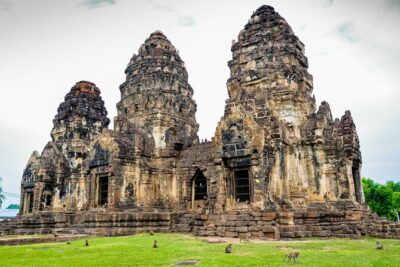
Lopburi Monkey Temple & Ayutthaya Old City Tour From Bangkok
Read our review →Monkey Forest, Water Temple, Rice Terrace, Waterfall
Read our review →
Ubud Tour with Monkey Forest Waterfalls Temples and More
Read our review →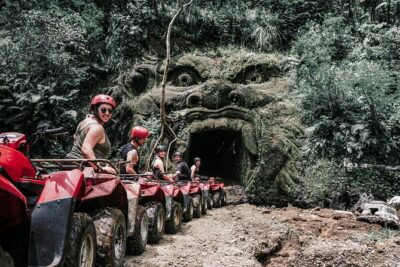
Gorilla Cave ATV Bali Ubud, Monkey Forest, Temple, and Lunch
Read our review →
Saraswati Temple, Monkey Forest, Ubud Waterfalls
Read our review →
Sok River: Bamboo Raft Ride, Monkey Temple & View Point Tour
Read our review →
Ubud Tour with Swing, Temple, Monkey Forest, and Waterfall
Read our review →Browse the lists this tour appears in