
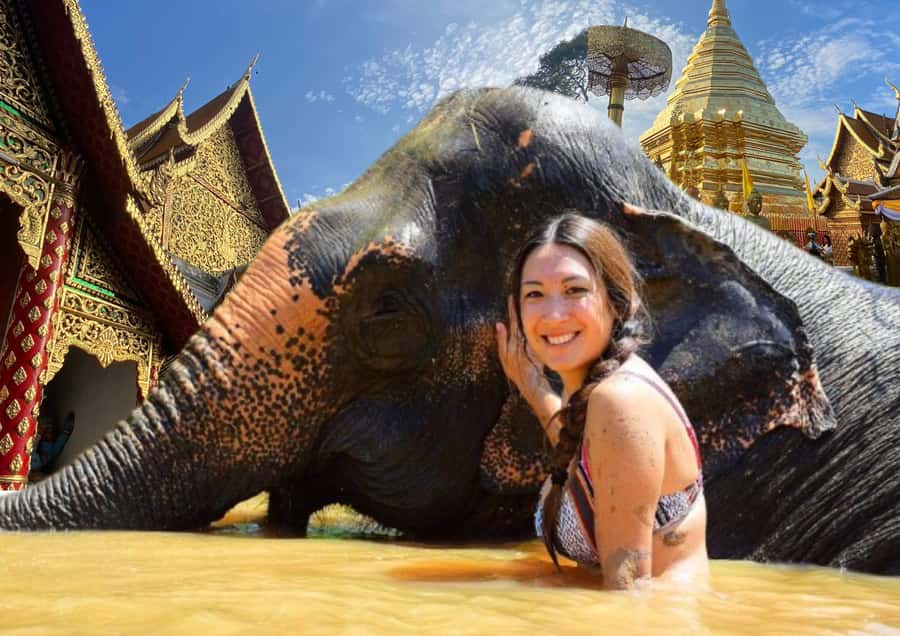
Review · DOI SUTHEP
Elephant care with Wat Umong, Doi Suthep and Night City view
This is a full day with two very different moods. You begin with hands-on elephant care outside Chiang Mai, then return toward the hills for quiet temple tunnels and a night view over the city. I like the chance to feed elephants, prepare healthy treats, and watch their behavior without rushing from one photo stop to the next. I also like the evening timing at Wat Umong and Doi Suthep, when the cooler air and lower visitor numbers should make the temple visits feel calmer.
The main consideration is the long schedule. This is a 510-minute outing, with several road transfers and a short rest period between the elephant program and the temple visit. The mud and bathing activities are also wet and messy, and the elephant interaction depends on the animal’s willingness to take part. That is the right principle, but it means you should arrive ready for a less controlled, more natural encounter.
The key details at a glance
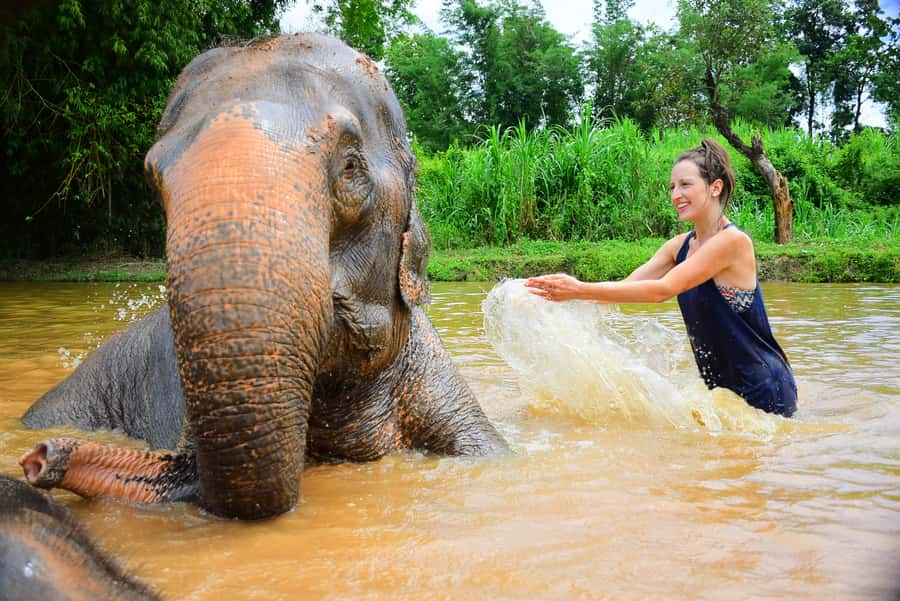
- Elephant care comes first: Prepare food and herbal medicines, feed adult and baby elephants, and learn about their behavior from an English-speaking guide.
- Mud and bathing are hands-on: You may scrub mud onto an elephant’s skin and bathe with it, but the activity depends on whether the elephant wants to participate.
- Wat Umong has an unusual setting: The temple sits in a forest area and includes an underground tunnel system.
- Doi Suthep is visited after dark: The mountain stop combines a sacred temple visit with a view of Chiang Mai’s lights.
- The day lasts about eight and a half hours: Pickup is around noon, and return to your hotel is planned for about 9 p.m.
- The guide is a strong part of the day: The guide has been praised for being excellent, friendly, and careful in explaining each activity.
From Chiang Mai hotels to the elephant care program
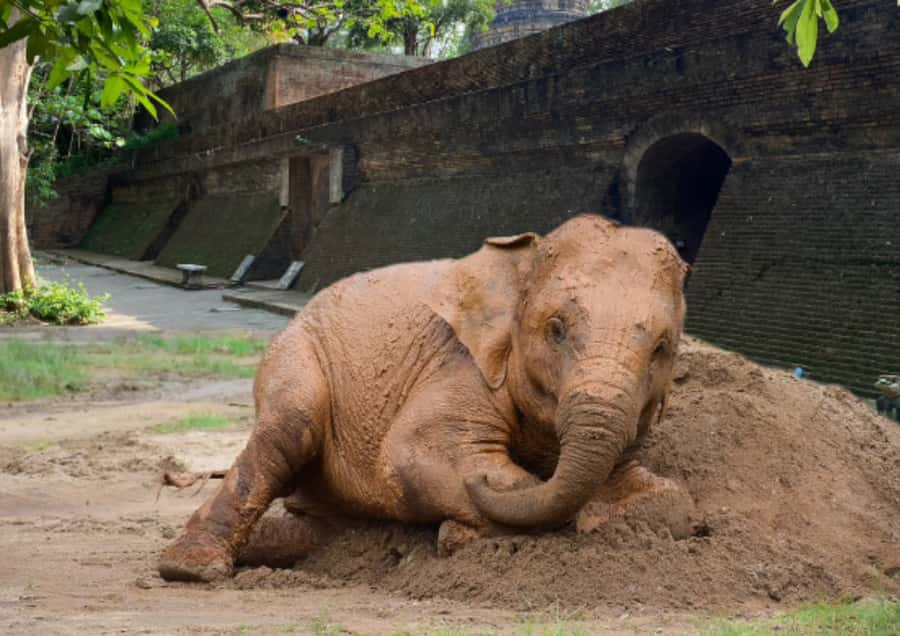
Pickup is scheduled between 12:00 and 12:30 p.m., with hotel collection included. You should wait in the lobby 10 minutes before your scheduled time. The drive to the elephant camp takes about an hour, so this is not a quick city activity. It works best when you want to give one full afternoon and evening to the outing.
At the camp, you change into local clothing before the activities begin. This is practical, not just decorative. Mud, water, banana pieces, and elephant food can make a proper mess, so you will want clothing you can move in and wash afterward. Bring swimwear, sunscreen, insect repellent, sunglasses, and a sun hat. Long pants are also required later at the temple.
The guide begins with information about elephant behavior, history, and proper care. I value this part because it gives some meaning to the contact that follows. Feeding an elephant is more interesting when you understand a little about its social behavior, appetite, and body language rather than treating the animal as a large prop for photographs.
The program describes itself as an elephant save and care activity. That wording alone cannot prove the quality of an animal program, so I would still pay attention to how the elephants are handled on the day. The useful sign here is that the mud activity is optional for the elephant. If the elephant does not want to take part, you do not force the session. That condition matters.
More Doi Suthep Temple Tours in Chiang Mai:
- Chiang Mai: Doi Suthep and Wat Umong Enchanting Evening Tour
★ 4.6 · 1,811 reviews - Chiang Mai: Doi Suthep, Wat Umong, and Pha Lat Sunrise Tour
★ 4.7 · 1,425 reviews - Chiang Mai: Wat Pha Lat & Wat Phra That Doi Suthep Tour
★ 4.8 · 1,207 reviews
Feeding elephants and preparing healthy treats
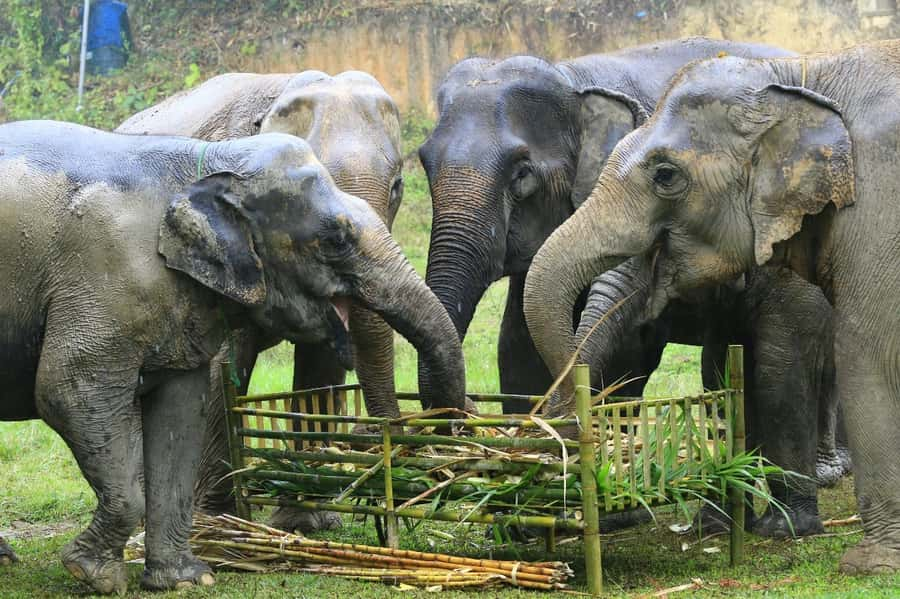
The food preparation begins around 2 p.m. You help prepare food and herbal medicines, then offer baskets of bananas and other healthy treats to the elephants. This is a good point in the day for photographs because the elephants are occupied, but you are asked to turn off your camera flash. Follow that rule carefully, since sudden flashes can disturb animals.
The chance to feed both elephants and a baby elephant is one of the most appealing parts of the visit. You can touch and interact with the elephants while the guide explains what you are seeing. Keep your movements calm and follow the guide’s instructions. An elephant may look relaxed, but its size and strength mean that you should not assume every touch or approach is welcome.
I would set your expectations correctly. This is not a wildlife sighting from a distant trail. It is a managed care visit with close contact. That makes it memorable, but it also puts more responsibility on the staff and on you. The best version of this activity is one where the elephant’s comfort controls the pace.
The guide received especially warm praise for this part of the day. One Spanish-speaking customer described the guide as lovely and great during the elephant activity, then praised the detailed explanations during the later stops. Another customer simply called the guide excellent. There are only a few published ratings, but both comments point to the same strength: clear, attentive guiding.
Mud pool, elephant bathing, and a change of clothes
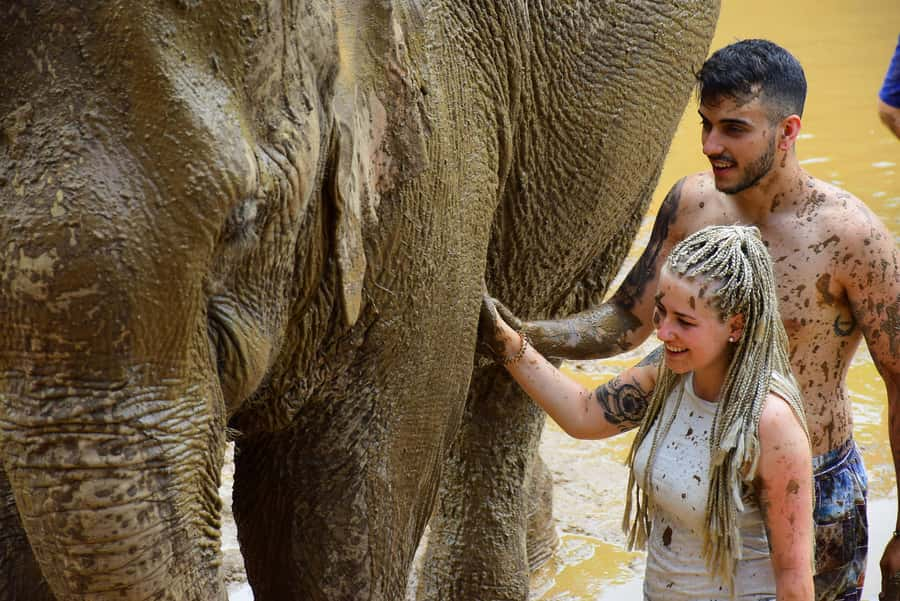
Around 2:30 p.m., you and the elephants walk to the mud and sand spa. Here you may help clean the elephant’s skin and scrub mud over its body. The mud helps protect the skin from insects, according to the program description. You also have the chance to enjoy the mud pool with the elephant.
This is likely to be the most playful section of the day, but it is also the least tidy. Bring swimwear and expect to get wet and muddy. Afterward, you can change clothes and shower before the drive back toward Chiang Mai.
The wording about the elephant choosing to participate deserves attention. You may join the scrubbing activity if the elephant wants to do it. That can make the encounter feel less like a fixed performance and more like an interaction shaped by the animal. It can also mean that your planned activity changes. For an ethical elephant visit, that is a fair trade.
Bathing with elephants is often the image that sells this kind of outing, but I would treat it as a possible part of the visit rather than a guaranteed show. You are paying for the care program, food preparation, feeding, guide, transport, and temple visits. You are not buying a promise that an elephant will perform on command.
The afternoon transfer and short city break
After the elephant program, the drive back toward Chiang Mai takes about an hour. The planned arrival at the office is around 4 p.m., followed by a short rest and a pickup for the next program between 5:00 and 5:40 p.m. The timing gives you a chance to dry off, change, and reset before the temple visit.
This split schedule is useful, but it also makes the day feel long. You have a one-hour drive out, a one-hour drive back, another transfer to Wat Umong, and then about 45 minutes to Doi Suthep. If you dislike road time, a shorter elephant visit or a single temple tour may suit you better.
The schedule also has a little built-in variation, since the second pickup is listed as a window rather than one exact time. Keep your belongings together and be ready in the office area rather than wandering off. Hotel pickup and drop-off are included, which removes the need to arrange separate transport at night.
A few more temple visits around Chiang Mai worth a look
- Chiang Mai: Chiang Rai Temples, Karen Tribe and Hot Springs
★ 4.7 · 5,401 reviews - Chiang Rai White Temple and Blue Temple Day Tour
★ 4.6 · 3,366 reviews - Chiang Mai: White, Red/Black & Blue Temples Tour with Lunch
★ 4.2 · 2,017 reviews - Chiang Mai: 3 Hour Old City and Temples Guided Walking Tour
★ 4.6 · 1,568 reviews
Wat Umong and its underground tunnels
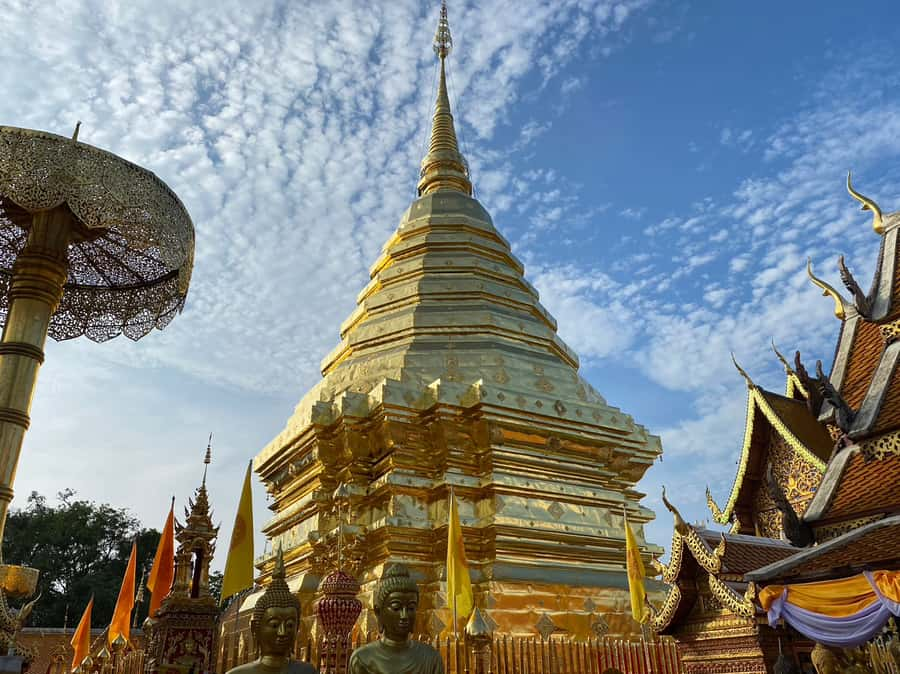
The drive from the office to Wat Umong takes about 30 minutes. The visit is scheduled for around 6:10 p.m., when the day is moving toward evening.
Wat Umong is in the foothills of Doi Suthep, about 10 kilometers outside central Chiang Mai. Its setting is notably different from a city temple. The temple is associated with a forest setting and underground tunnels, giving the visit a quiet, enclosed quality.
The tunnels are the main reason this stop feels unusual. Instead of arriving at a large, open temple complex and moving straight to a high viewpoint, you enter a space built into the temple grounds. The experience is more about atmosphere and reflection than grand scale. If you enjoy places with an unusual physical design, this stop should hold your attention.
Wear respectful clothing for the temple. Long pants and a long shirt are required, so do not rely on the swimwear or loose clothes used at the elephant camp. This is one of the most important packing details for the day. A light long-sleeved shirt and comfortable long pants should serve both the evening weather and temple rules.
Doi Suthep after dark and the Chiang Mai city view
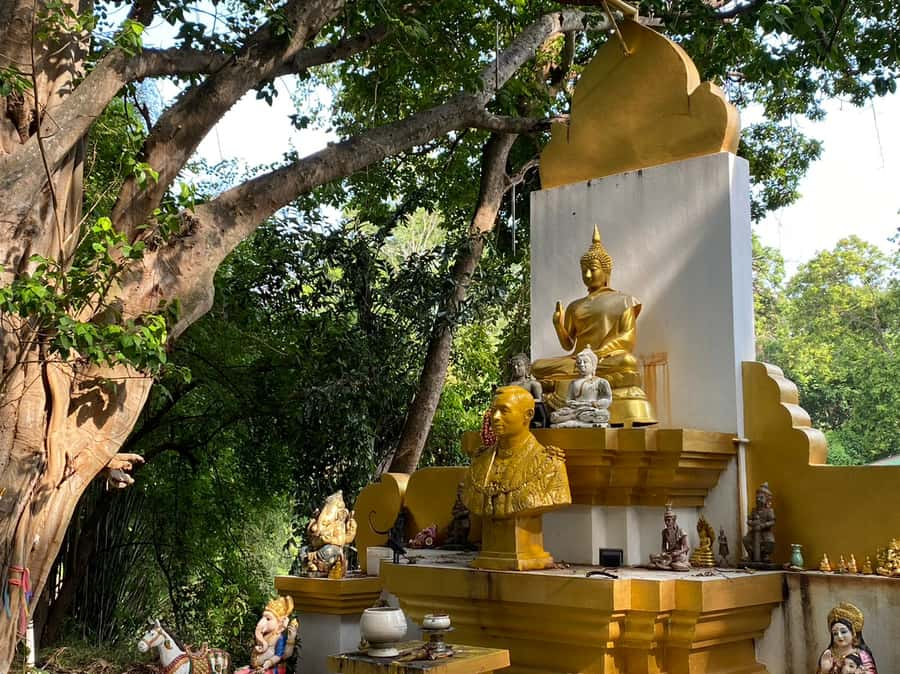
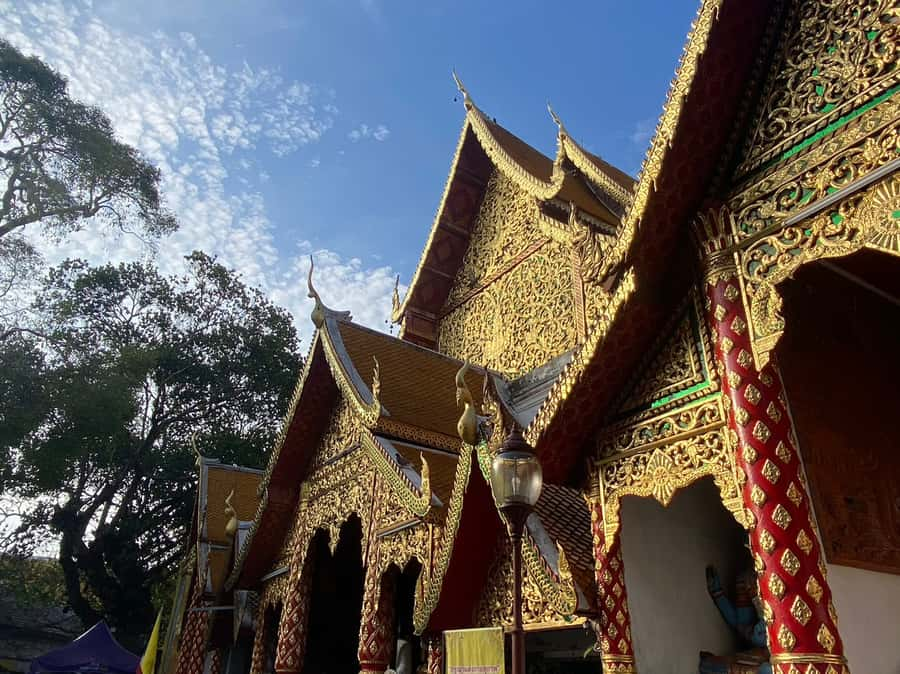
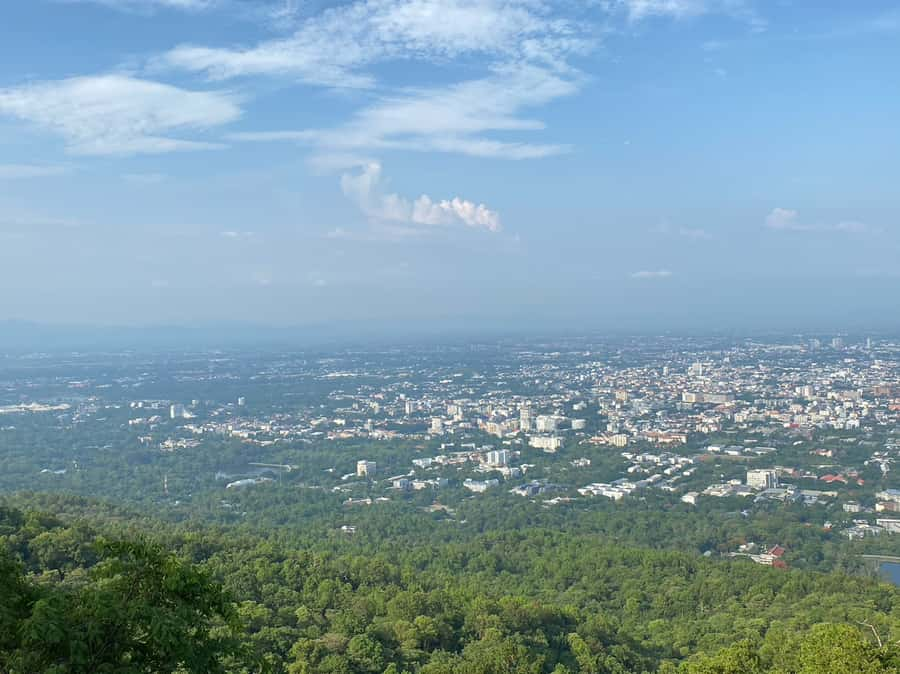
After Wat Umong, you travel about 45 minutes to Doi Suthep. The evening stop is designed around two things: the sacred temple and the view from the mountain over Chiang Mai.
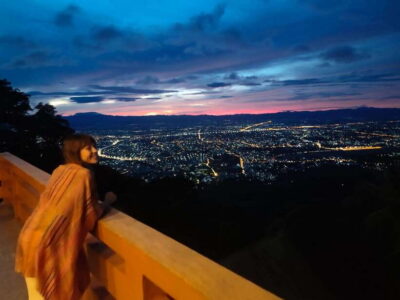
The mountain rises to 1,676 meters and is located west of the city. At night, the city view becomes the main visual reward. Instead of seeing rooftops and roads in the full heat of the afternoon, you look out across the lights below. The description promises fewer crowds at this time, which should make it easier to pause, take photographs, and enjoy the setting without the usual daytime pressure.
The temple visit still requires respectful behavior and appropriate clothing. It is worth remembering that this is not simply a viewpoint stop. You are visiting a sacred Buddhist site, so cover your shoulders and knees, keep your voice low, and follow instructions from the guide and temple staff.
The night visit also changes the practical side of the stop. You should not expect the same detail in the surrounding scenery that you would see in daylight. The reward is the cooler evening setting and the city lights. If your priority is temple architecture in bright natural light, a daytime visit may offer more visual detail. If you want a quieter visit and a nighttime panorama, this schedule makes sense.
What the $122 price includes
At $122 per person, this is not the cheapest way to meet elephants or visit Chiang Mai temples. It is also more than a simple afternoon elephant activity. The price covers hotel pickup and drop-off, transport between several locations, an English-speaking guide, elephant food preparation, feeding, bathing, and the evening temple and city-view program.
I see the value in the combination. You get a full afternoon with the elephants and a separate evening program without needing to arrange taxis or coordinate two bookings. The price makes more sense for a first visit to Chiang Mai, especially if you want a single day that joins animal care, an unusual temple, a mountain setting, and nighttime city views.
The value is weaker if you only want an elephant encounter. In that case, a focused elephant program could give you more time at the camp for less money. The same is true if you prefer slow temple visits. This outing covers several places, so the pace is active rather than leisurely.
Free cancellation up to 24 hours before departure and the option to reserve without paying immediately add useful flexibility. Check the available starting time when booking, since the pickup window can vary.
Who will enjoy this long Chiang Mai day
I would recommend this outing to you if you want variety and do not mind spending much of the day on the move. Families and first-time visitors may appreciate the mix of feeding, mud play, temple tunnels, and a city view. The guide’s clear explanations are another reason it suits people who want context rather than a simple transfer between photo stops.
It also suits anyone who wants an elephant activity that at least acknowledges the animal’s choice to participate. The mud and bathing sessions are not presented as compulsory for the elephant, which is a meaningful detail. Still, you should watch the handling yourself and support calm, respectful contact.
You may want another plan if you dislike getting wet, have limited mobility, or prefer a quiet evening. The details provided do not describe accessibility arrangements, group size, or the exact vehicle. Ask the operator directly if those points matter to you. The day includes uneven temple areas, changing clothes, mud, and several transfers, so comfort and flexibility will help.
What to pack for the elephant camp and temples
Pack as if you are preparing for two separate outings.
- Swimwear and a full change of clothes for the mud and bathing session
- Long pants and a long shirt for the temple visits
- Sunscreen, sunglasses, and a sun hat for the afternoon
- Insect repellent for the outdoor elephant program
- Comfortable footwear suitable for wet and muddy conditions
- A camera with the flash switched off around the elephants
Do not bring alcohol or drugs, and alcoholic drinks are not allowed in the vehicle. Keep your temple clothing accessible rather than buried in your main bag.
Should you book this elephant and temple tour?
Book it if you want a packed Chiang Mai day with genuine variety: close elephant care, a mud activity shaped by the animal’s willingness, Wat Umong’s tunnels, and a night view from Doi Suthep. The guide is a clear strength, with praise for both warmth and detailed explanations.
Think twice if you want a slow, quiet schedule or a dedicated elephant sanctuary visit with no extra stops. At $122, the price is easiest to justify when you use the whole package. For the right visitor, it turns a long day into a well-rounded introduction to Chiang Mai’s animals, temples, hills, and lights.
FAQ
How long does the experience last?
The full activity lasts 510 minutes, or about eight and a half hours. Pickup is scheduled around 12:00 to 12:30 p.m., with return to your hotel planned for about 9 p.m.
Is hotel pickup and drop-off included?
Yes. Hotel pickup and drop-off are included. You should wait in your hotel lobby 10 minutes before the scheduled pickup time.
What elephant activities are included?
You can prepare food and herbal medicines, feed elephants and a baby elephant, touch and observe them, join the mud activity, scrub mud onto an elephant’s skin, and bathe with an elephant. The mud activity depends on whether the elephant wants to participate.
What should I wear for the temple visits?
You need to wear a long shirt and long pants for the temple session. Bring separate clothing if you plan to wear swimwear or clothes that may get muddy at the elephant camp.
Is an English-speaking guide provided?
Yes. The tour includes a live English-speaking guide. The guide explains elephant behavior, elephant history, care practices, and details about the temple visits.
Can I cancel or pay later?
You can cancel up to 24 hours in advance for a full refund. You can also reserve your place and pay later, subject to the booking terms.
Just added around Chiang Mai
- No.1 Chiang Mai: 3-Hour Monk Trail Hike to Wat Doi Suthep & Palad★ 5.0 · 11 reviews
- Monk trails hike, Wat Phalat, Monk chanting, Wat Doi Suthep.★ 5.0 · 3 reviews
- Long Neck Village, Silver Temple & Chiang Mai Top Sites★ 4.7 · 17 reviews
- Lalita Cafe & Chiang Rai Temple(White+Blue) from Chiangmai★ 4.8 · 5 reviews
- Private : Sticky Waterfall & Secret Temple & Karen Village.★ 5.0 · 9 reviews
- Chiang Mai: Temples & Culture Tour★ 4.7 · 64 reviews
- From Chiang Mai: White Temple, Blue Temple & Black House★ 4.5 · 15 reviews
- From Chiang Mai: Lamphun and Lampang Temples Tour★ 4.9 · 33 reviews
Doi Suthep Temple Tours, compared.
Doi Suthep and Wat Umong Enchanting Evening Tour
Read our review →
Doi Suthep, Wat Umong, and Pha Lat Sunrise Tour
Read our review →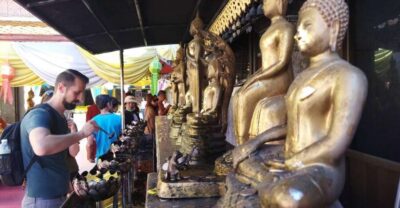
Wat Phra That Doi Suthep spiritual Sunrise Tour with an Ex-monk
Read our review →
Spiritual Sunrise Wat Doi Suthep, Pha Lat, Alms & Meditation
Read our review →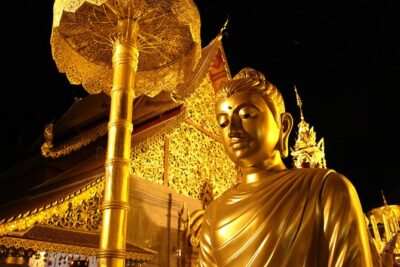
Best seller!! Amazing Night tour, Doi Suthep + Wat umong – Top Must visit!
Read our review →Browse the lists this tour appears in