
Review · SIEM REAP
Siem Reap: Angkor Wat Temples & Phnom Kulen Park 3-Day Tour
Sunrise, carvings, jungle, and floating homes. This private three-day tour brings together Siem Reap’s biggest sights and a few quieter corners, from the fine pink sandstone of Banteay Srey to the water villages of Tonle Sap Lake. I especially like the sensible route planning and the private car, which gives you more control than a large group bus.
I also like the care shown by the driver and guide team. Guides such as Paul, Praim, Noy, Sa, and Samuth have earned praise for clear explanations, good photo stops, and adapting the pace to families and older visitors. The main drawback is the schedule: three days of temples, heat, and early departures can feel demanding, and several major costs are not included.
Key points to know before booking
- Banteay Srey comes early: You visit the finely carved temple before the worst crowds and heat.
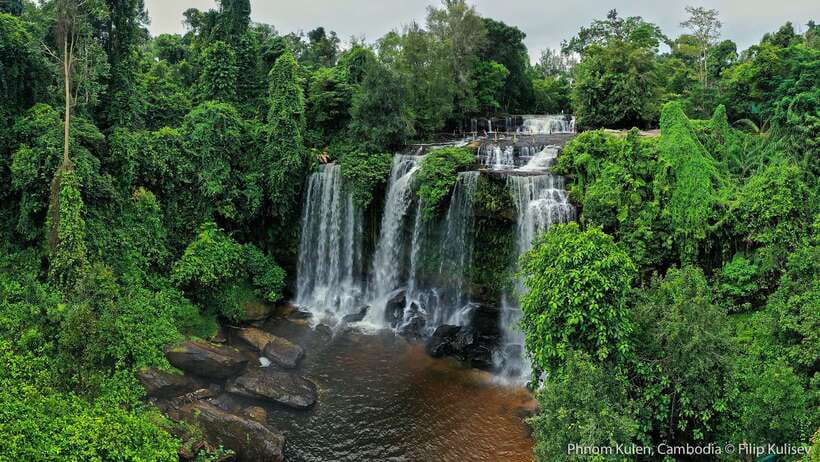
- Phnom Kulen adds a different side of Cambodia: The mountain connects to the beginning of the Angkor royal era.
- Kampong Phluk breaks up the temple days: A floating village and Tonle Sap Lake offer a change of setting.
- The final day starts at 5:00 AM: This is the price of seeing sunrise at Angkor Wat.
- Private transport keeps the pace flexible: A Lexus RX300 or Mercedes minivan, driver, water, and cold towels are included.
- The $336 price covers up to three people: Temple tickets, Phnom Kulen admission, food, lodging, and the Landmine Museum cost extra.
Three days that show more than Angkor Wat
Siem Reap is often treated as a one-temple stop, with visitors racing to Angkor Wat, taking a few photographs, and moving on. This tour makes a stronger case for staying three days. You see the famous monuments, but you also reach Phnom Kulen and Kampong Phluk, two places that give useful context to the temples.
The plan is private, so you are not tied to a large coach group. That matters in Cambodia, where heat and long walks can quickly change your energy level. You can ask for a slower pace, spend longer at a favorite monument, or keep moving when a smaller site does not hold your interest.
The tour costs $336 per group of up to three people. For a couple or small family, that is a reasonable price for three days of private transport and a licensed English-speaking guide. It is not the final bill, though. You still need to budget for the three-day temple pass, Phnom Kulen ticket, meals, and accommodation.
More Angkor Wat Tours in Siem Reap:
- Angkor Wat Sunrise or Sunset Tour with Guide from Siem Reap
★ 5.0 · 12,109 reviews - Siem Reap: Angkor Wat: Small-Group Sunrise or Sunset Tour
★ 5.0 · 9,444 reviews - Siem Reap: Angkor Wat 2-Day Tour with Sunrise and Sunset
★ 4.9 · 4,429 reviews
Day one: Banteay Srey, Phnom Kulen, and Tonle Sap
The first pickup is suggested for 7:30 AM. You meet the driver and guide at your hotel in Krong Siem Reap, then stop to buy the three-day temple pass before heading north toward Banteay Srey.
The drive itself has value. You pass traditional Khmer villages and palm sugar plantations, giving you a look at rural life beyond the main temple zone. Do not expect a long village tour, but the views help place Angkor in its wider setting.
Banteay Srey’s small scale and fine stonework
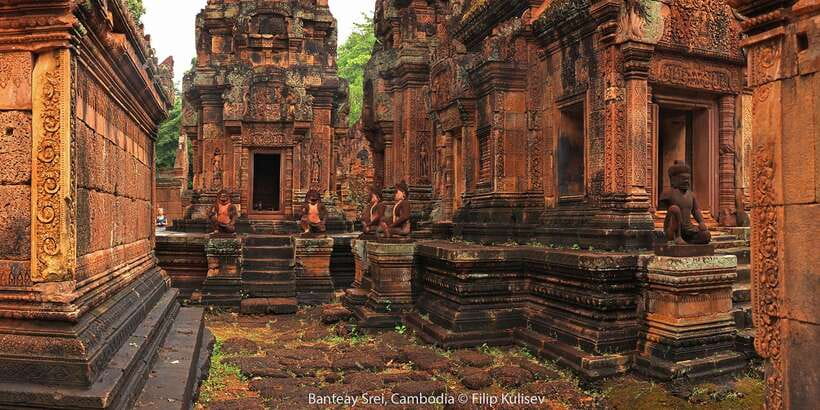
Banteay Srey is smaller than Angkor Wat, yet its carvings are among the most detailed in the entire temple area. The pink sandstone allows unusually fine work, with carefully cut figures, floral patterns, and scenes from Hindu stories.
Arriving early is a smart choice. The temple is compact, and its narrow paths can feel crowded later in the day. Morning light also suits the warm stone, though the tour cannot guarantee a particular crowd level or weather.
Your guide can point out details you may miss on your own. This is where the guide’s value becomes clear. A good explanation turns a wall of carvings into something you can read, rather than simply photograph.
Landmine Museum or Phnom Kulen
After Banteay Srey, you have the option to visit the Landmine Museum, with admission listed at $5, or continue to Phnom Kulen National Park. This choice gives the day some flexibility, but you should confirm your preference with the guide before setting out.
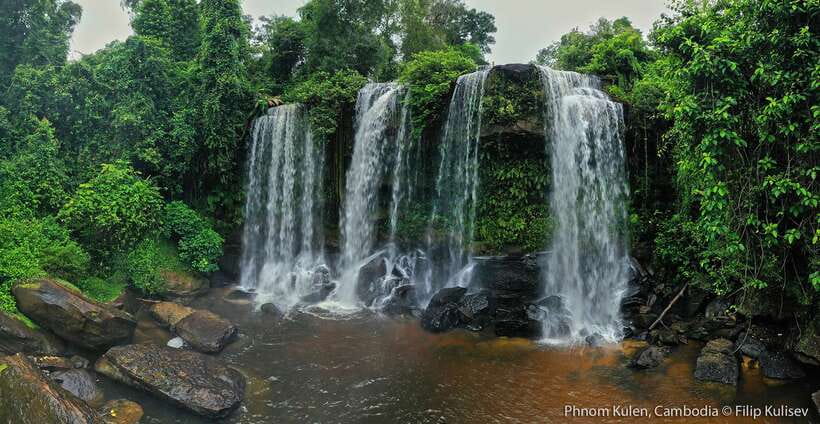
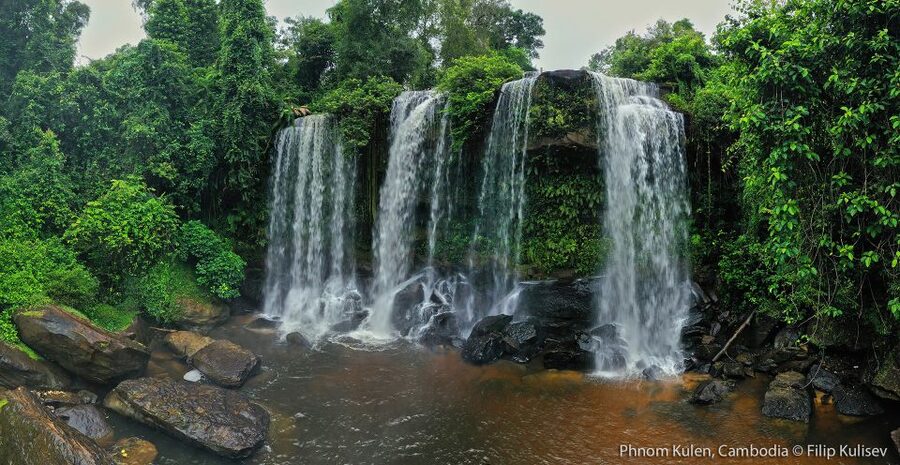
Phnom Kulen is important because it is linked to the start of the Angkor era. In 802 AD, King Jayavarman II began the royal God of the King Linga cult on this mountain, marking a major turning point in Khmer political and religious history.
The park gives you a change from carved stone. You trade temple galleries for a mountain setting and a broader sense of how the Angkor kingdom began. The Phnom Kulen ticket is not included, so keep that separate from your temple-pass budget.
This part of the day may feel long after an early start. If you want both the museum and the national park, ask how much time is available before confirming. The published plan presents the museum as an alternative, not an added stop.
A few more temple visits around Siem Reap worth a look
- 3-Day Angkor Wat & All Interesting Major Temples & Kulen Mount Waterfall
★ 5.0 · 63 reviews - Angkor Region: 3-day Private Tour of Top Temples
★ 5.0 · 47 reviews - From Siem Reap: Angkor Wat and Floating Village 3-Day Trip
★ 5.0 · 39 reviews - 3-Day Angkor Wat Tour with Kulen Mountain & Floating Village
★ 5.0 · 12 reviews
Kampong Phluk on Tonle Sap Lake
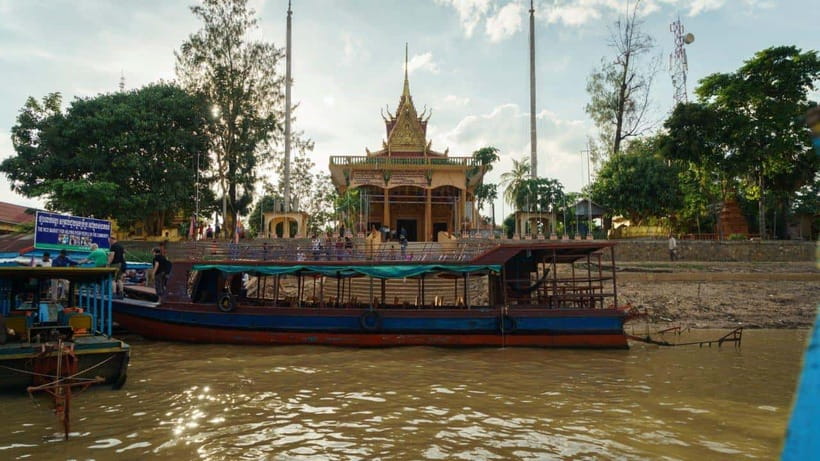
The final stop is Kampong Phluk, a floating village on Tonle Sap Lake. This is a useful addition because it shows how people live with the lake’s changing water levels and gives you a break from temples.
The lake visit is also a good test of your expectations. This is not another ancient monument or polished cultural show. It is a working water community, and the appeal lies in seeing a different part of local life.
One family with a small child found the private transport especially helpful, with the driver offering smooth rides and meeting them promptly between stops. That practical support matters on a day that covers a lot of ground.
Day two: Angkor Thom and the jungle at Ta Prohm
Day two begins at 8:00 AM, a more forgiving start than the first and third mornings. You head to Angkor Thom, the great walled city that contains several major monuments.
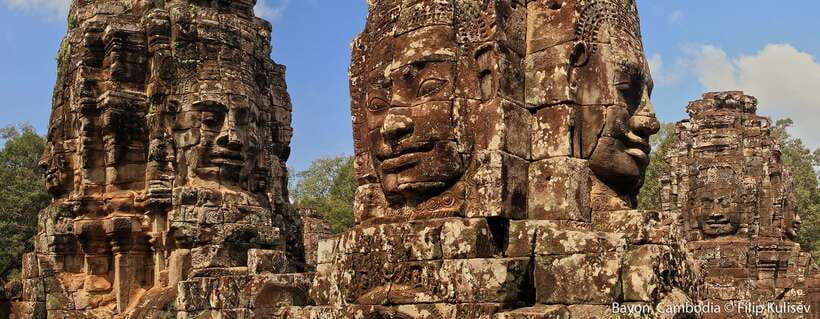
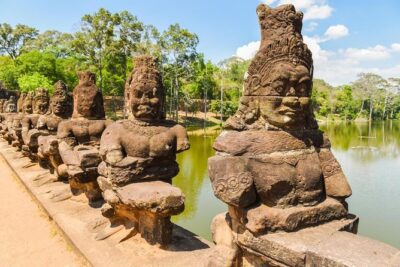
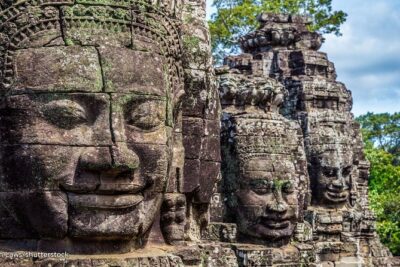
The South Gate is an impressive entrance, lined with sculpted figures connected with the famous churning of the ocean story. It prepares you for Bayon, where huge stone faces look out from the towers. Bayon can be confusing at first because its galleries and upper levels form a busy maze, so a guide is useful for explaining what you are seeing.
Angkor Thom’s royal monuments
The route includes Bayon, Baphuon, Phimeanakas, the Terrace of the Elephants, the Terrace of the Leper King, North Khleang, and South Khleang. These monuments do not all offer the same level of visual impact, but together they show how Angkor Thom functioned as a royal center.
Baphuon has a tall, striking form and requires some climbing. Phimeanakas is more restrained, while the terraces are best understood through their carved details and former ceremonial purpose. You may enjoy some sites more than others, which is normal on a day with many stops.
The number of monuments can feel like a lot. Take water breaks, use the shade when available, and tell your guide if you need to slow down. The private format is most useful here because you do not have to keep pace with a full bus.
The smaller circuit: Chau Say Tevoda, Thommanon, and Ta Keo
The tour then moves to smaller temples on the circuit, including Chau Say Tevoda, Thommanon, and Ta Keo. These sites are less famous than Angkor Wat, which can make them easier to appreciate without the same pressure to capture the perfect photograph.
Ta Keo has a more severe, block-like appearance and gives you a sense of the scale and ambition behind Khmer temple building. Chau Say Tevoda and Thommanon are more compact, so your guide can help you compare their styles and layouts without spending the entire afternoon at each one.
The schedule is nicely varied, but it remains full. If you prefer long, quiet visits to just two or three temples, this tour may feel too packed. If you want a broad first look at the Angkor complex, the variety works well.
Ta Prohm and the Tomb Raider effect
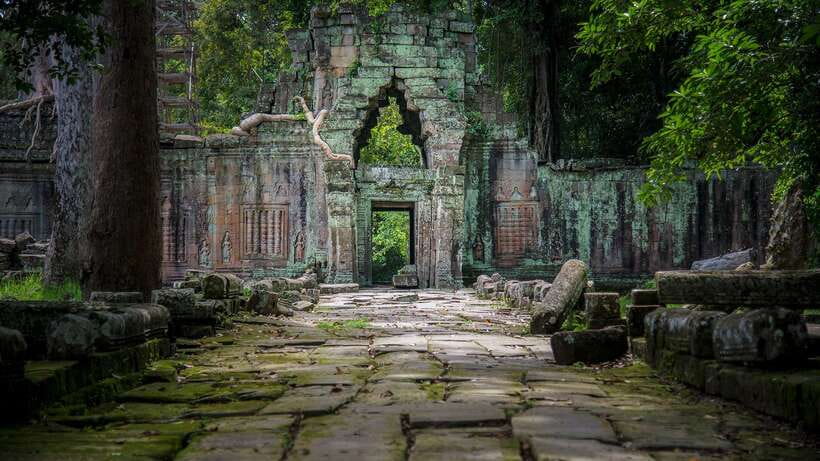
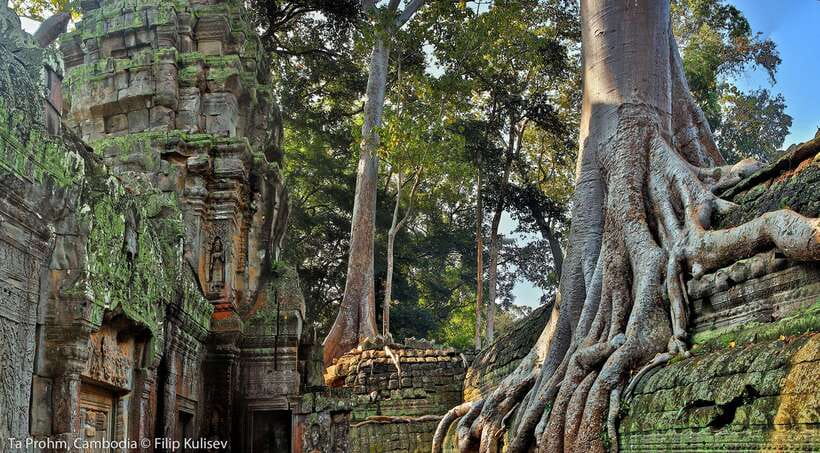
Ta Prohm is the day’s headline stop for many people. Trees and roots press against the old stone, creating the jungle-temple setting made famous by Tomb Raider.
The movie connection brings extra attention, but Ta Prohm deserves more than a quick film-location photograph. Its galleries, fallen stones, and tree-covered walls show the force of nature against a large religious complex. Expect uneven ground and narrow passages, so comfortable shoes are essential.
After Ta Prohm, you stop for lunch. Meals are not included, so plan for that expense and tell your guide about your preferred timing. A lunch break is important here because the afternoon continues with more walking.
Banteay Kdei and sunset from Phnom Bakheng
Banteay Kdei is a Buddhist temple with a quieter feel than Ta Prohm. You explore it at your own leisure, which gives the second day a little breathing room after the more structured morning.
The final stop is Phnom Bakheng for sunset. This is a popular viewpoint, and the sunset timing can bring crowds. The tour gives you the chance to reach the hill at the right part of the day, but a beautiful sunset is never guaranteed. Weather and crowd control can change the experience.
Sunset also makes day two a long one. You begin at 8:00 AM and may still be out in the evening heat. Bring water, wear clothing that covers your shoulders, knees, and chest, and do not save your energy only for the final viewpoint.
Day three: sunrise at Angkor Wat and the outer temples
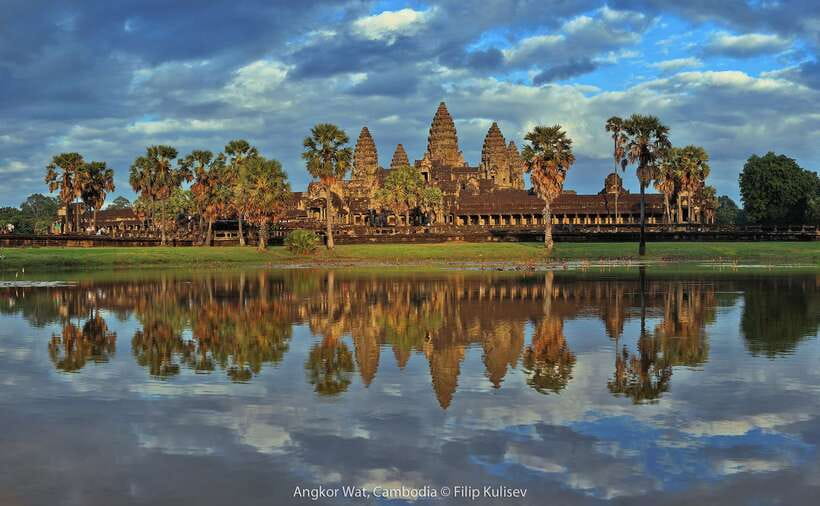
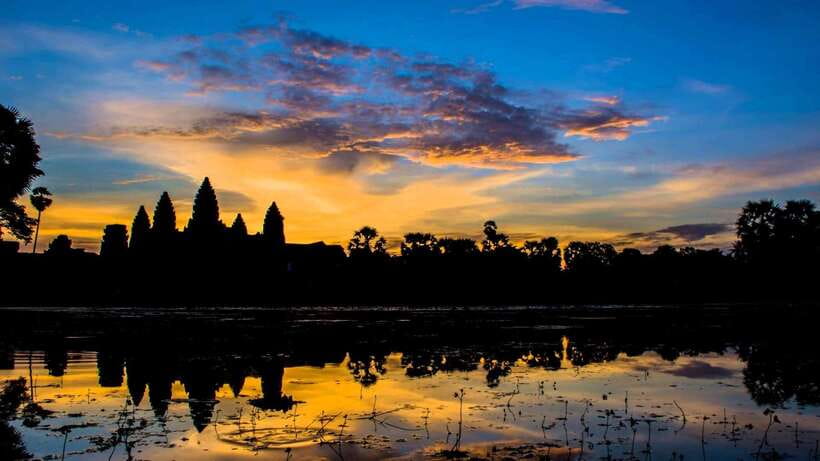
The third day starts at 5:00 AM. That is early even by holiday standards, but sunrise at Angkor Wat is the tour’s grand finale.
You reach the temple in the dark or early morning, then wait for the sky to brighten behind the towers. Conditions change from day to day, so the famous reflection and colorful sky are never promised. Still, the quiet approach and first light make this one of the most worthwhile early starts in Siem Reap.
After the early rush thins, you have time to explore Angkor Wat at your own pace. This is an important detail. You are not limited to a quick front-of-the-temple photograph. The guide can explain the layout, carvings, religious purpose, and details that are easy to miss when you walk through alone.
One visitor praised guide Paul for adapting the program to physical ability without leaving out key sights. That is the kind of service you want on this day, since Angkor Wat involves extended walking and steps.
Pre Rup and Banteay Samre
After Angkor Wat, the route includes Pre Rup and Banteay Samre. Pre Rup has a strong brick-and-stone profile and is often appreciated for its open, elevated form. Banteay Samre is more enclosed and carefully arranged, giving you another contrast after the huge scale of Angkor Wat.
These temples help prevent the final day from becoming a single-monument visit. You continue seeing different architectural plans and decorative styles rather than repeating the same view.
East Mebon, Ta Som, Neak Pean, and Preah Khan
The afternoon brings four more sites: East Mebon, Ta Som, Neak Pean, and Preah Khan. East Mebon once occupied an island in a reservoir, while Neak Pean is associated with a water-centered design.
Ta Som is a smaller temple with a memorable tree-covered area, though it should not be confused with Ta Prohm. Preah Khan is larger and offers long corridors, carved details, and a more extended exploration period.
By now, you may feel temple fatigue. That is not a flaw in the tour so much as the reality of seeing so many monuments in three days. The private format lets you ask for a pause, but the route itself is ambitious.
On the drive back, you pass local villages and can stop for photographs. This last stretch is a pleasant way to leave the temple zone and return to present-day Cambodia.
Transport, guides, and the small comforts
Transport is provided by a Mini Lexus RX300 or Mercedes Istana minivan, with gasoline and a driver included. The vehicle type may depend on the size of your group and availability, but both options are more comfortable than arranging separate local rides for every stop.
You also receive mineral drinking water, cold handkerchiefs, and umbrellas during the rainy season. These sound like minor details until you are hot, dusty, and waiting for the next temple entrance. One especially strong account praised driver Sol for keeping chilled water and lemon-scented cold cloths ready.
The English-speaking guide is fully licensed. Names associated with this tour include Paul, Praim, Noy, Sa, and Samuth. Their strengths appear slightly different: Paul is praised for adapting the route and explaining Cambodian history, Praim for his helpful attitude and photography, Sa for strong English and flexibility, and Samuth for pointing out carvings and details that are easy to miss.
The guide quality matters more here than on a simple transfer. Angkor is vast, and without help you can spend a lot of time looking at stones without understanding their purpose. At the same time, one family found Samuth’s explanations fairly light and supplemented them with online videos. If you want long lectures at every stop, explain that before the tour begins.
What the $336 price really covers
At $336 per group of up to three, the price is most attractive for two or three people. A solo visitor pays the same group rate, so the value is weaker if you are alone.
The package includes:
- Private car or minivan
- Driver and fuel
- Licensed English-speaking guide
- Bottled mineral water
- Cold handkerchiefs
- Rain-season umbrellas
- Hotel pickup in Krong Siem Reap
You must pay separately for:
- Three-day Angkor temple pass
- Phnom Kulen National Park ticket
- Landmine Museum admission, listed at $5
- Meals
- Accommodation
- Personal expenses
The value comes from saving time and avoiding the work of arranging transport, routes, and temple order yourself. It is less suitable if you enjoy spontaneous, low-cost transport and want to build each day as you go. One account specifically noted that ad hoc transport can be cheaper, but also found the private tour better for a relaxed visit with a child.
You can cancel up to 24 hours before the activity for a full refund, and reserve now while paying later. Those terms are useful if your Siem Reap plans are still shifting.
Practical advice for a more comfortable visit
Wear shoes that can handle uneven paths, steps, and long periods of walking. Sandals may be fine for some visitors, but comfortable closed shoes give you better support at the larger temple sites.
Temple clothing rules apply to everyone. Cover your shoulders, knees, and chest. A light, breathable top and loose trousers or a long skirt are more practical than heavy clothing in the heat.
Carry sunscreen, insect repellent, and a hat. Drink water throughout the day rather than waiting until you feel thirsty. The supplied water and cold cloths help, but they do not replace your own sun protection.
The tour is described as suitable for all ages, but that does not mean every day is easy. The 5:00 AM sunrise, hot weather, uneven stone, and full temple schedule require reasonable stamina. Families can benefit from the private vehicle, while older visitors should ask the guide to adjust the walking pace.
Should you book this three-day tour?
Book it if you want the major Angkor temples with Phnom Kulen and Tonle Sap added, and you value a private vehicle, hotel pickup, and a guide who can explain what you are seeing. It is especially useful for couples, small families, and first-time visitors who do not want to plan a large temple circuit themselves.
Think twice if you dislike early mornings, prefer slow visits to only a few monuments, or want the cheapest possible way to get around. The schedule is full and the extra tickets and meals add to the advertised price.
For most small groups, the strongest reason to choose it is not simply the number of temples. It is the combination of a well-ordered route, flexible private transport, thoughtful comforts, and access to places beyond the usual Angkor Wat photograph.
FAQ
How long is the tour?
The tour lasts three days and includes pickup from hotels in Krong Siem Reap.
What time does pickup begin each day?
The suggested pickup times are 7:30 AM on day one, 8:00 AM on day two, and 5:00 AM on day three for sunrise at Angkor Wat.
Is the tour private?
Yes. It is a private group experience for up to three people.
Is hotel pickup included?
Yes. Pickup is included from hotels in Krong Siem Reap.
Are temple tickets included?
No. The three-day temple ticket is not included and must be purchased separately.
Is Phnom Kulen admission included?
No. The Phnom Kulen National Park ticket is an additional cost.
What language does the guide speak?
The live guide speaks English.
Just added around Siem Reap
- Sunrise at Angkor Wat Temple: 3-Hour Private Tour★ 4.7 · 30 reviews
- Small-Group Explore Angkor Wat Sunrise Tour with Guide★ 5.0 · 3 reviews
- Siem Reap: Ultimate Angkor Wat Offbeat Experience by Jeep★ 4.9 · 8 reviews
- SiemReap: Private Angkor Wat Tour in English or German guide★ 5.0 · 5 reviews
- Siem Reap : Private Tuk-Tuk Tour of the Magnificent Temples.★ 4.9 · 14 reviews
- Siem Reap: Private 4-Day Angkor Wat and Phnom Kulen Tour★ 5.0 · 9 reviews
- Siem Reap: Personalized Angkor Wat Sunrise/Set by TukTuk/Car★ 4.9 · 41 reviews
- Siem Reap: 1-Day Angkor Wat Tour in Portuguese★ 5.0 · 4 reviews
Angkor Wat Tours, compared.
Angkor Wat Sunrise or Sunset Tour with Guide from Siem Reap
Read our review →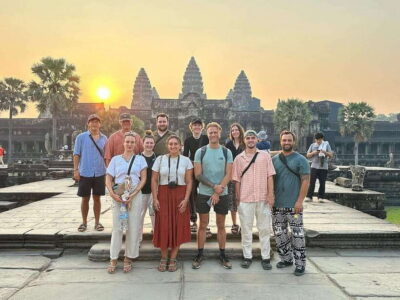
Angkor Wat: Small-Group Sunrise or Sunset Tour
Read our review →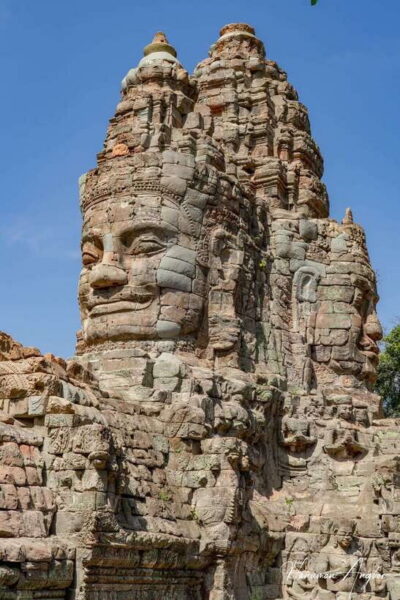
Angkor Wat 2-Day Tour with Sunrise and Sunset
Read our review →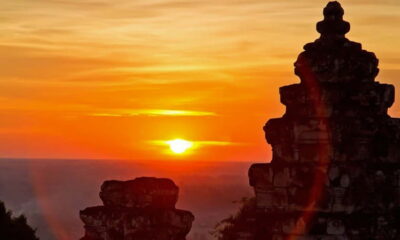
Angkor Wat Sunrise tour with Small – Group and Guide tours
Read our review →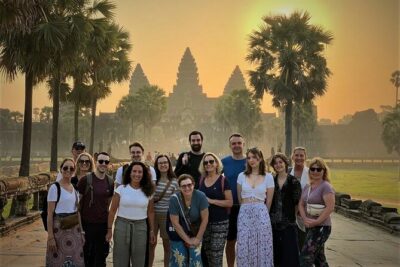
Angkor Wat Highlights and Sunrise Guided Tour from Siem Reap
Read our review →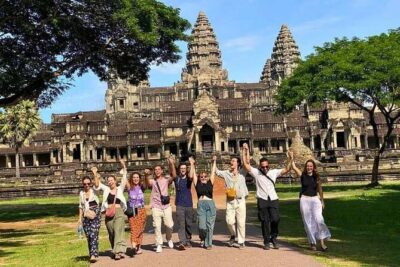
Angkor Wat Sunset Small Group Tour with Lunch Included
Read our review →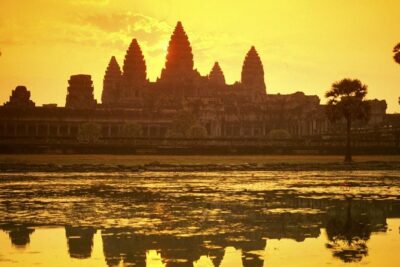
Full-Day Angkor Wat Sunrise Private Tour with Guide from Siem Reap
Read our review →Browse the lists this tour appears in