
Review · SIEM REAP
Siem Reap: Private 4-Day Angkor Wat and Phnom Kulen Tour
Temples are only half the story. This four-day private tour pairs Angkor’s great monuments with Phnom Kulen’s waterfall and a boat ride through Kampong Phluk on Tonle Sap. I like the careful order: nature comes first, the major temple circuits follow, and the final morning begins with sunrise at Angkor Wat. I also like the private format, which gives you room for photos, questions, and small changes to the plan.
The main drawback is the pace. Four days cover a lot of ground, and several days include six or more temple sites. Admission fees, meals, the boat, and transport to Phnom Kulen are extra, so the advertised $455 price is not the final bill. Still, for up to three people sharing a car, it can be a strong value.
Key points at a glance
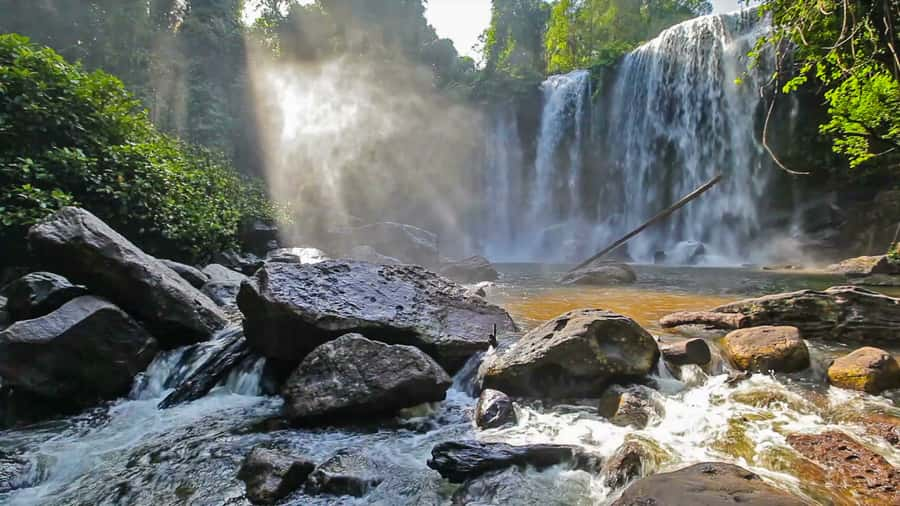
- Swim at Phnom Kulen Waterfall: A welcome change from four days of stone temples and hot walking.
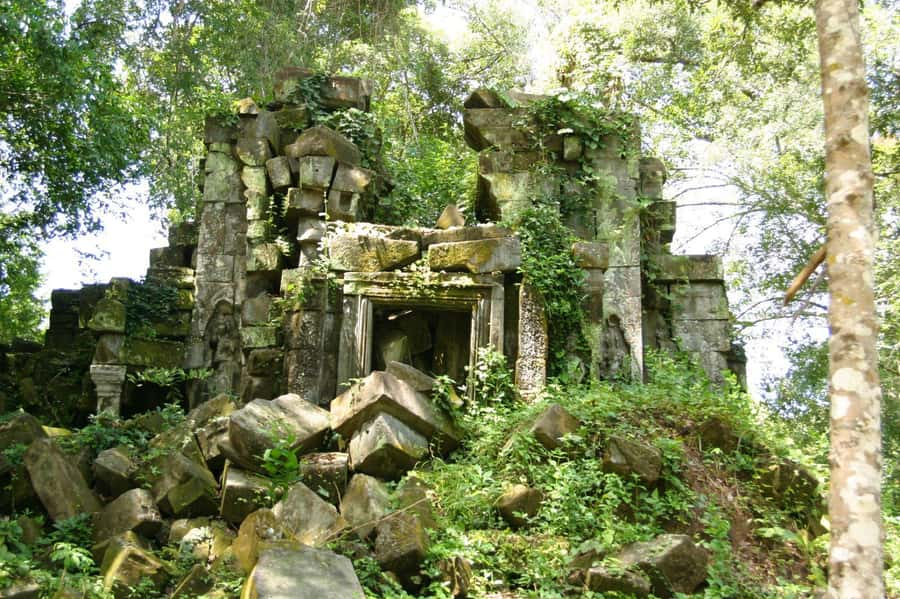
- See Angkor beyond Angkor Wat: The route includes major monuments, small quiet temples, jungle ruins, and early Khmer sites.
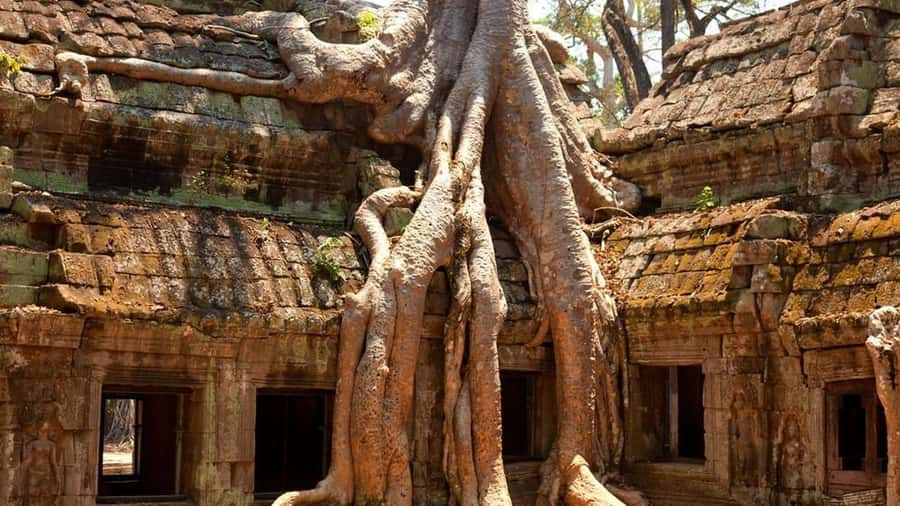
- Reach Ta Prohm after Angkor Thom: The Tomb Raider temple makes a memorable afternoon stop.
- Take a Tonle Sap boat trip: Kampong Phluk gives you a look at life in a floating village.
- Use a private guide and vehicle: Guides such as Samuth, Paul, Praim, and Hat have been praised for history explanations, photo advice, and flexibility.
- Expect extra costs: You must pay separately for the 3-day temple pass, Phnom Kulen ticket, boat, meals, and personal expenses.
Why the four-day plan works
The clever part of this tour is not simply the number of temples. It is the sequence.
Day one gives you water, trees, and a floating community before the stonework begins. Days two and three build your understanding of the Angkor area, moving from the fortified royal city to smaller temples and then to Angkor Wat itself. Day four starts with the famous sunrise and finishes with Banteay Srei and the Roluos group.
I like this progression because Angkor can become a blur if you see every temple in one long push. Here, you get a new setting each day. The private vehicle also matters. After a hot walk, you can return to an air-conditioned car, drink the supplied mineral water, and continue without waiting for a larger group.
The tour is designed for a private group of up to three people. At $455 for the group, the base cost works out to about $152 per person if three people share it. For one person, the value is weaker because the same group price applies, but solo visitors gain the comfort of a private car and a guide focused on their questions.
More Angkor Wat Tours in Siem Reap:
- Angkor Wat Sunrise or Sunset Tour with Guide from Siem Reap
★ 5.0 · 12,109 reviews - Siem Reap: Angkor Wat: Small-Group Sunrise or Sunset Tour
★ 5.0 · 9,444 reviews - Siem Reap: Angkor Wat 2-Day Tour with Sunrise and Sunset
★ 4.9 · 4,429 reviews
Day one: Phnom Kulen waterfall and Tonle Sap
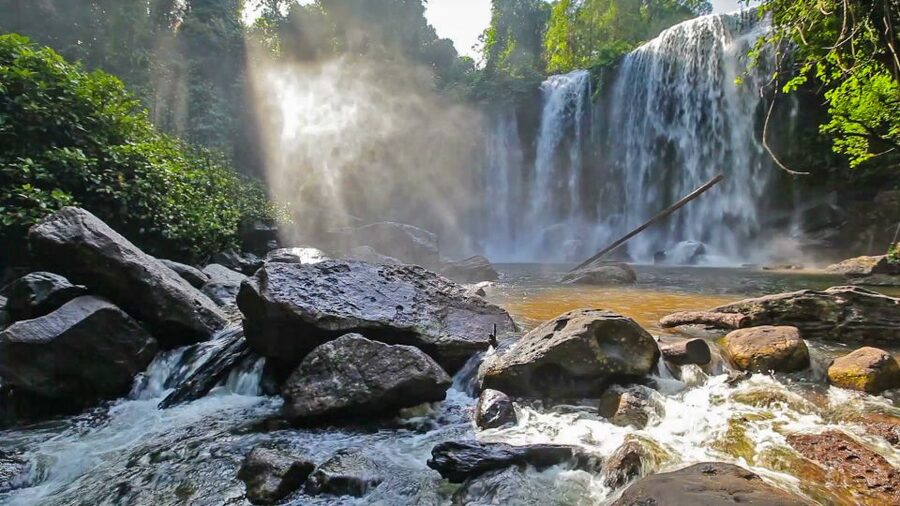
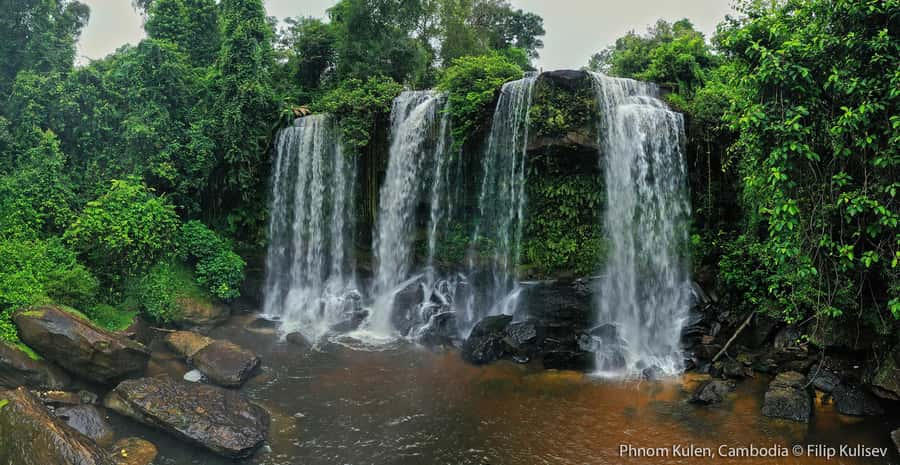
Your driver and English-speaking guide collect you in the morning for Phnom Kulen National Park. This is a different side of Cambodia from the temple zone. The day includes the River of 1000 Lingas and the waterfalls, where you can swim.
The waterfall is an especially useful first stop. Angkor’s temples require walking, climbing, and plenty of time in the sun. A chance to cool off gives the four-day schedule some balance. Bring swimwear if you plan to enter the water, along with sunscreen, insect repellent, and a hat for the rest of the day.
The River of 1000 Lingas is a carved riverbed associated with Hindu religious imagery. Your guide can help explain what you are seeing, which is valuable here because the details are easy to miss. Phnom Kulen is also a mountain outing, so expect a longer day than a simple city excursion.
In the afternoon, you continue to Kampong Phluk on Tonle Sap Lake. The boat trip is included in the plan but not in the tour price. Tonle Sap is the largest lake in Southeast Asia, and its water level changes greatly with the seasons. Kampong Phluk is known for houses and daily life shaped by the lake, making this stop a useful contrast to royal temples and carved stone.
The practical point is timing. You are combining a mountain park and a lake village in one day, so you should expect a full schedule. If you prefer slow mornings and long lunches, this may feel busy. If you want variety, it is an excellent opening.
There is also a second option without Phnom Kulen National Park. That version follows a similar four-day plan but removes the mountain visit. Choose it if swimming and the waterfall are not important to you, or if you would rather keep the trip centered on Angkor.
Day two: Angkor Thom, smaller temples, and Ta Prohm
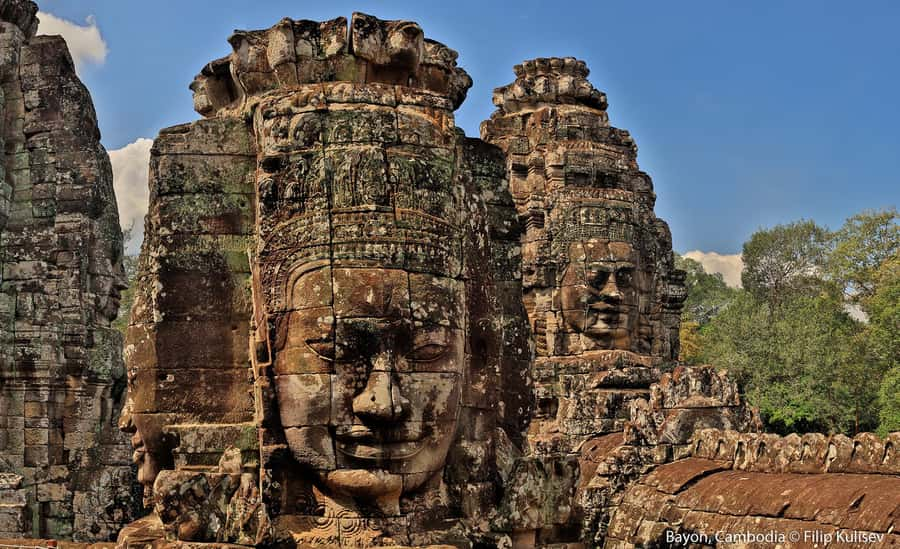
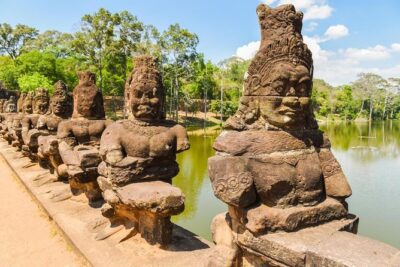
Day two begins at 8:30 a.m. with Angkor Thom, the great walled city. You enter through the South Gate and continue to Bayon, Baphuon, Phimeanakas, the Terrace of the Elephants, the Terrace of the Leper King, and the North and South Khleangs.
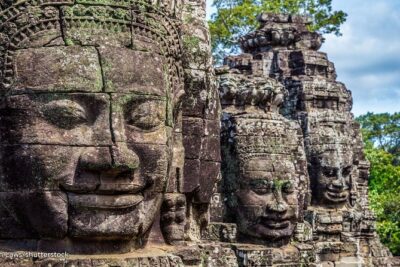
This is a serious morning of monuments. Angkor Thom is not one temple but a broad royal complex, so you should be ready for repeated walks between sites. Bayon is the headline stop, with its famous stone faces, while the terraces help show how ceremonial and political life once occupied the same urban space.
Baphuon gives you a sense of scale and construction. Phimeanakas is quieter and more compact. The terraces are best understood with a guide because the carvings and functions can blend together when you visit alone. Guides such as Samuth have been praised for taking time with Khmer history and for answering detailed questions rather than rushing through a memorized script.
After lunch at a local restaurant, the route shifts to smaller temples: Chau Say Tevoda, Thommanon, and Ta Keo. This is one of the tour’s strongest choices. You get the famous sights, but you also see monuments that usually receive less attention.
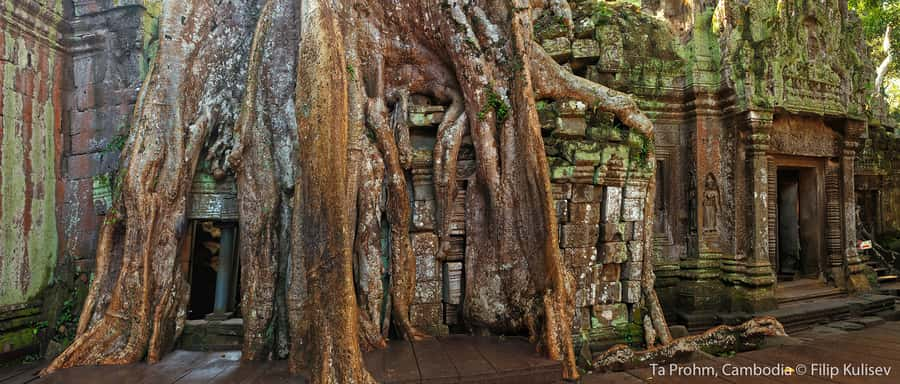
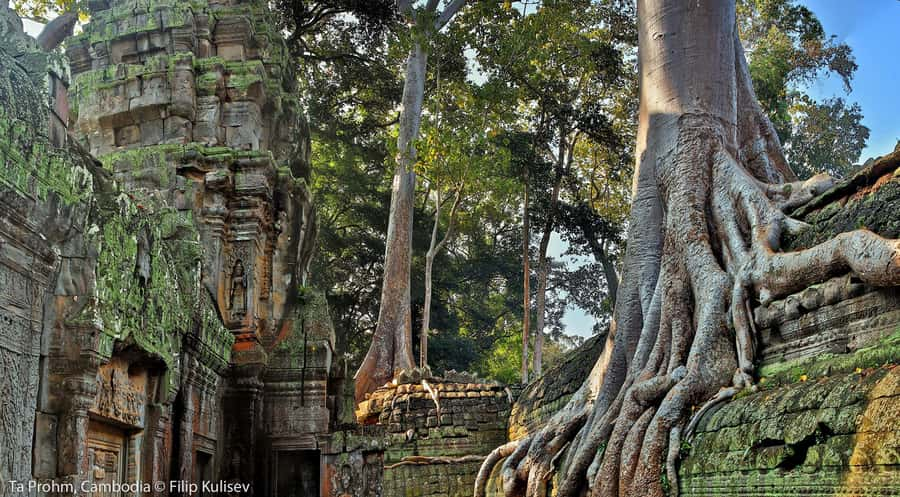
Ta Prohm comes later in the afternoon. This is the jungle temple made famous by the film Tomb Raider, and it earns its popularity. Trees and stone walls meet in dramatic ways, though the site is still a serious historical monument rather than just a movie backdrop.
Your guide can help you look past the obvious photo spots. That matters because Ta Prohm is easy to reduce to one tree-covered doorway. Give yourself time to notice the courtyards, galleries, carvings, and damage. The private setup helps here, since you can spend longer at a detail that interests you or move on when the site feels crowded.
Day three: monastic ruins and Angkor Wat
Day three begins at 8:30 a.m. at Preah Khan, a large monastic complex with long corridors, courtyards, and a more spread-out feel than some of the compact temples. It is a good place to see how Angkor’s religious buildings worked as active institutions, not just royal monuments.
Next come Neak Pean, Ta Som, East Mebon, Pre Rup, and Banteay Kdei. The variety is the point. Neak Pean has an unusual island setting, Ta Som offers a smaller and more intimate visit, and East Mebon and Pre Rup give you a sense of the older temple-mountain style.
Banteay Kdei brings you back to a broad complex with galleries and courtyards. By this stage, you will have seen enough temples to compare construction styles and decoration. A good guide becomes increasingly useful because the question is no longer simply what is this, but why does this one look different?
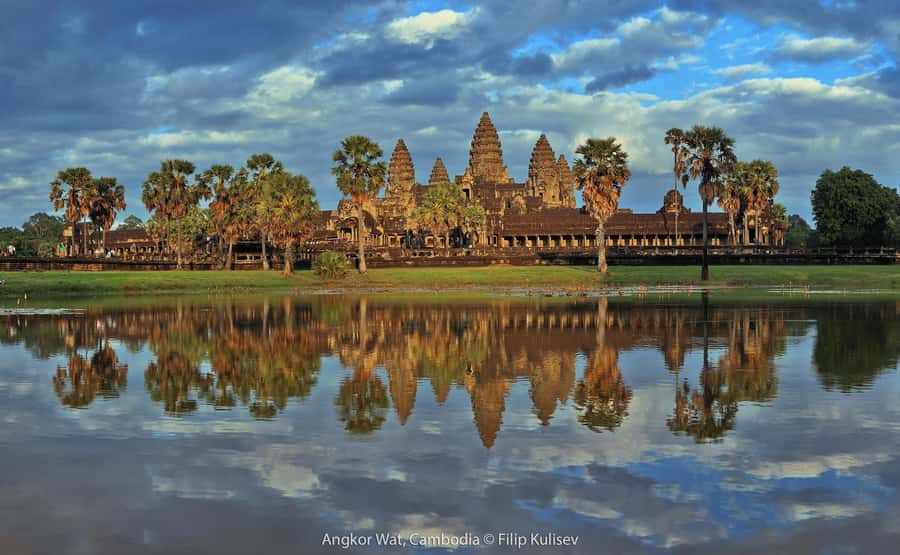
After lunch, you finally reach Angkor Wat. The plan allows free time, so you can explore at your own pace. That is better than treating Angkor Wat as a quick photo stop at the end of an exhausting temple circuit.
Allow yourself time for the galleries, bas-reliefs, towers, and long approach. The monument is large enough that a rushed visit misses the point. Your guide can provide context, then give you room to look on your own. Several guides assigned to this tour, including Paul and Hat, have been praised for adjusting the schedule and helping with good photo positions.
The day is demanding. You will have already visited several sites before arriving at Angkor Wat, and heat can make the final stop harder than expected. Keep drinking water and use the supplied cold handkerchiefs as a small but welcome refreshment.
A few more temple visits around Siem Reap worth a look
- Siem Reap: 4-Day Angkor Wat and Beng Mealea Tour
★ 5.0 · 8 reviews - Luxury Cruise from Aswan to Luxor 4 Days with Abu Simble Temple
★ 5.0 · 60 reviews - 4 Days 3 Nights from Aswan to Luxor Nile cruise+Abu simbel temple
★ 5.0 · 27 reviews - 4 Days Expedition From Bangkok to Angkor Wat
★ 5.0 · 26 reviews
Day four: sunrise, Banteay Srei, and the old capital
Day four begins before sunrise at Angkor Wat. This is the tour’s grand finale, even though it is technically the final morning’s first stop. You should ask your accommodation for a breakfast box if you want to eat early. You can also eat at a local restaurant near the temple, or return to your accommodation for breakfast and have the driver take you back to the temple afterward at no extra transport charge.
Sunrise is popular for good reason, but it requires an early start and patience. The light changes quickly, and conditions can vary. Bring a layer if you are sensitive to early-morning chill, although the temple heat will soon become the bigger concern.
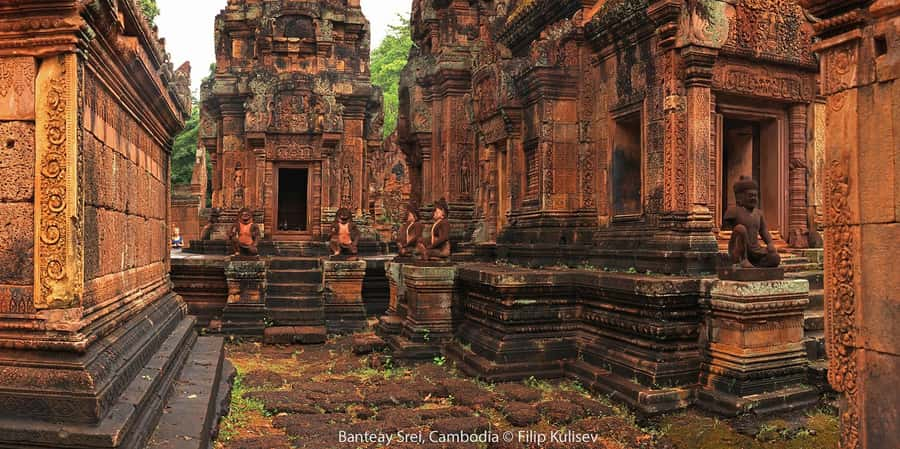
After Angkor Wat, you continue to Banteay Samre and Banteay Srei. Banteay Samre is a smaller temple with strong architectural lines and a less overwhelming scale. Banteay Srei is the star for fine carving. Its pink sandstone details are unusually delicate, and it is often described as one of the most intricately carved temples in Cambodia.
You then visit a traditional Khmer village and a palm sugar plantation. This adds some everyday rural context to a trip otherwise centered on monuments. Do not expect a long cultural program here, but the stop helps connect temple tourism with present-day village life.
The nearby Landmine Museum is optional and costs $5 per person. It is not included, so carry cash if you want to add it. This is a worthwhile choice for people who want more context about Cambodia’s recent past, though you should allow for the extra stop within an already full day.
After lunch, the route heads to the Roluos Temple Group. These monuments mark the remains of Hariharalaya, the first major capital of the Khmer Empire. They are older than many of the better-known Angkor sites and help you see how Khmer temple design developed before the great central monuments.
Roluos is a fitting final stop because it gives the tour a chronological shape. You begin with early Khmer foundations and finish with the grander temple complexes that most people come to Siem Reap to see.
Guides, drivers, and the private format
The strongest feature in the guest feedback is the people running the days. Samuth has been praised for detailed explanations, patience, and care for older family members. Paul has been singled out for clear answers about Khmer culture and history. Praim and Hat have also been praised for adapting the schedule and helping with photographs.
Your actual guide and driver depend on assignment, so treat those names as examples rather than guarantees. The important pattern is the service style: careful driving, punctual hotel pickup, help getting in and out of the vehicle, and willingness to adjust small parts of the day.
The private arrangement gives you more control than a shared bus. You can ask for more time at Angkor Wat, pause for photographs, or keep moving through a site that does not interest you. It does not remove the heat, early starts, or walking, but it makes those demands easier to manage.
Transportation is by car or minivan, with gasoline and driver included. The guide speaks English. Mineral water and cold handkerchiefs are supplied, and umbrellas are available during the rainy season.
What the $455 price really covers
At first glance, $455 for four days and a private group of up to three looks attractive. If three people share the cost, the base rate is reasonable for a dedicated vehicle, licensed English-speaking guide, gasoline, hotel pickup, and four full touring days.
You must budget beyond that headline price. The following are not included:
- Phnom Kulen National Park admission
- Tonle Sap boat ticket
- Three-day temple pass
- Meals
- Personal expenses
- The optional Landmine Museum, listed at $5 per person
Because the temple circuit is extensive, the 3-day temple pass is the major extra cost to plan for. Keep cash ready for entrance fees when requested. The tour itself removes much of the day-to-day planning, but it does not turn the trip into an all-inclusive package.
For three people, I consider the price good value if you want a guide who can explain the temples and a vehicle at your disposal. For a solo visitor, compare the convenience against the higher per-person cost. A solo guest might still prefer it for the privacy and the ability to ask questions all day.
Heat, clothing, and the daily effort
Cambodia is hot for much of the year, and temple visits expose you to sun for long stretches. Wear comfortable clothes, bring sunscreen, use insect repellent, and carry a hat. Keep drinking water even when you are not thirsty.
Temple rules require covered shoulders, chest, and knees. Pack clothing that meets those rules without becoming uncomfortable in the heat. You should also have practical footwear because the route includes substantial walking around uneven historic sites.
There is no minimum age restriction, but the schedule can still be tiring for young children or older adults. The private format helps because the guide and driver can respond to your needs, and one family specifically appreciated the care shown to older relatives. Still, four days of temples is a lot, so be honest about how much walking your group enjoys.
Who should book this tour?
You should book it if you want the major Angkor sites, smaller monuments, Phnom Kulen, Tonle Sap, and an English-speaking guide in one organized plan. It is especially well suited to a first visit when you want context instead of simply collecting temple photographs.
It also suits a couple, family, or small group that values flexibility. The schedule is full, but a private vehicle gives you more breathing room than a large group departure.
You may want the version without Phnom Kulen if you prefer a more temple-focused trip or do not want the longer mountain day. You may also prefer a shorter Angkor plan if slow mornings and unstructured time matter more to you than covering a wide range of sites.
FAQ
What is included in the $455 price?
The price includes transportation by car or minivan, gasoline, a driver, a licensed English-speaking guide, mineral drinking water, cold handkerchiefs, and hotel pickup in Siem Reap.
How many people can join the private tour?
The price covers one private group of up to three people.
Are the temple tickets included?
No. You must pay separately for the 3-day temple pass.
Is the Phnom Kulen entrance fee included?
No. The Phnom Kulen National Park ticket is an extra cost, payable upon arrival.
Is the Tonle Sap boat ticket included?
No. The boat ticket for the Kampong Phluk visit is not included.
Can I skip Phnom Kulen?
Yes. You can select the tour option without Phnom Kulen National Park. That version keeps a similar itinerary but removes the mountain visit.
What time does the temple touring begin?
Days two and three begin at 8:30 a.m. Day four starts early for sunrise at Angkor Wat.
What should I wear at the temples?
You must cover your shoulders, chest, and knees. Comfortable clothing, sunscreen, a hat, and insect repellent are also recommended.
Can I cancel the booking?
You can cancel up to 24 hours in advance for a full refund. You can also reserve now and pay later.
Just added around Siem Reap
- Sunrise at Angkor Wat Temple: 3-Hour Private Tour★ 4.7 · 30 reviews
- Small-Group Explore Angkor Wat Sunrise Tour with Guide★ 5.0 · 3 reviews
- Siem Reap: Ultimate Angkor Wat Offbeat Experience by Jeep★ 4.9 · 8 reviews
- SiemReap: Private Angkor Wat Tour in English or German guide★ 5.0 · 5 reviews
- Siem Reap : Private Tuk-Tuk Tour of the Magnificent Temples.★ 4.9 · 14 reviews
- Siem Reap: Personalized Angkor Wat Sunrise/Set by TukTuk/Car★ 4.9 · 41 reviews
- Siem Reap: 1-Day Angkor Wat Tour in Portuguese★ 5.0 · 4 reviews
- Siem Reap: Grand Circle Temples Tour With Private Tuk-Tuk★ 5.0 · 4 reviews
Angkor Wat Tours, compared.
Angkor Wat Sunrise or Sunset Tour with Guide from Siem Reap
Read our review →
Angkor Wat: Small-Group Sunrise or Sunset Tour
Read our review →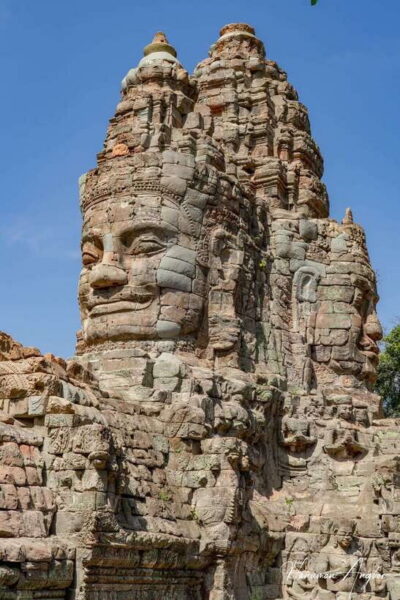
Angkor Wat 2-Day Tour with Sunrise and Sunset
Read our review →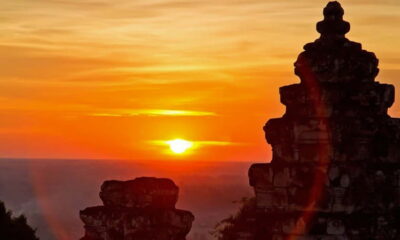
Angkor Wat Sunrise tour with Small – Group and Guide tours
Read our review →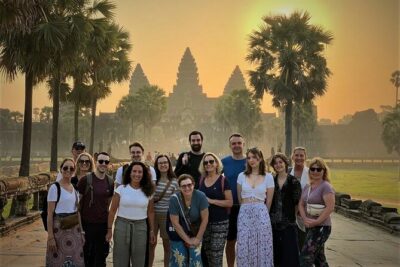
Angkor Wat Highlights and Sunrise Guided Tour from Siem Reap
Read our review →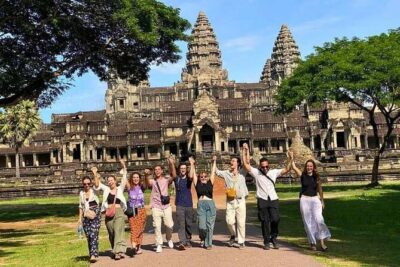
Angkor Wat Sunset Small Group Tour with Lunch Included
Read our review →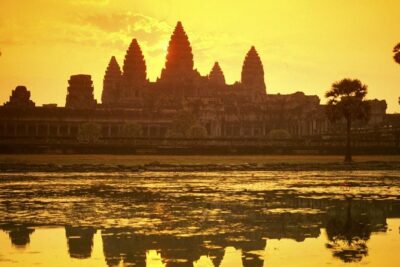
Full-Day Angkor Wat Sunrise Private Tour with Guide from Siem Reap
Read our review →Browse the lists this tour appears in