
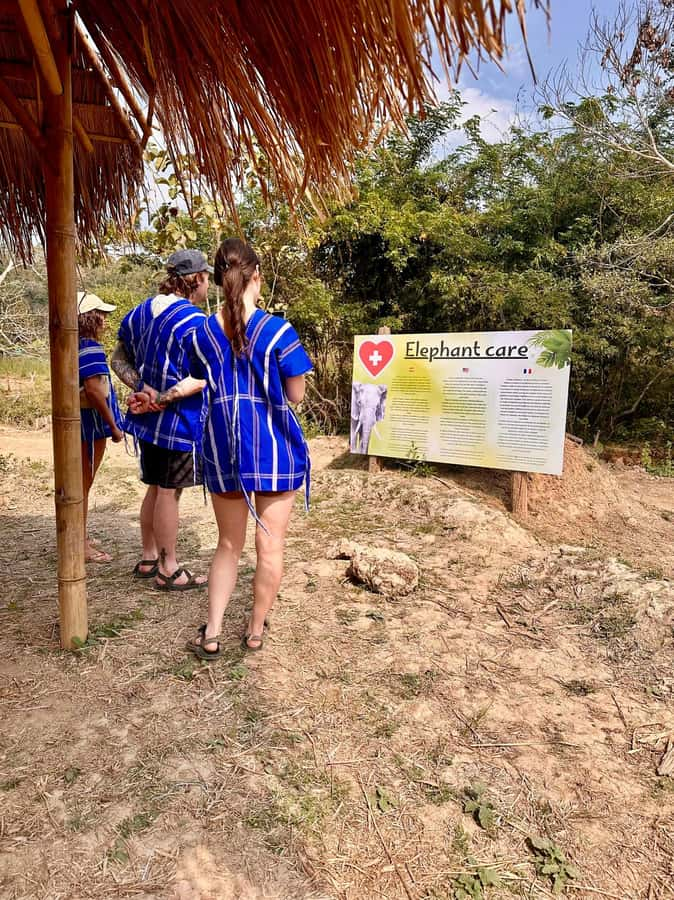
Review · CHIANG MAI
Chiang Mai: Two-day Temple of Elephants Sanctuary Tour
Jungle nights make this trip special. You get bamboo rafting, waterfalls, a Karen village, and close time with elephants in a small setting. I especially like the three-elephant sanctuary, where the animals have space and are cared for by their owners, and the overnight stay beside a waterfall, with a fresh Thai meal cooked over a fire. The main drawback is simple: this is a serious jungle trek, not a soft adventure.
You should expect a bamboo hut, no electricity, river crossings, steep and rocky sections, and a waterfall loud enough that earplugs may help. If you want comfort, this is the wrong trip. If you want a small-scale, human-paced experience with guides such as Chin, Pepe, Dan, and Jack, it offers far more character than a quick elephant photo stop.
Key points at a glance
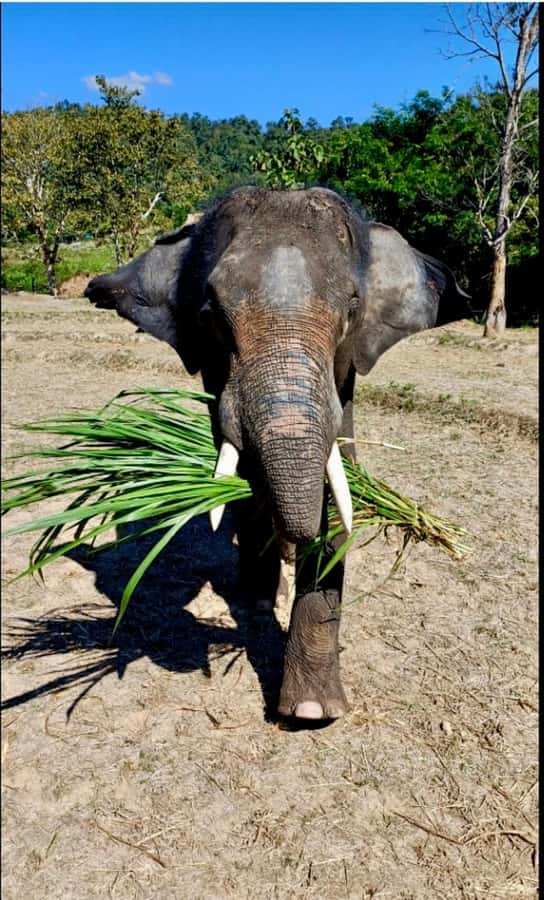
- Three elephants in a small sanctuary: Feed the animals, watch their behavior, and take part in a mud bath and river bath under close care.
- A real jungle overnight: Sleep in a simple hut beside a waterfall, with a Thai dinner prepared over a fire.
- Bamboo rafting on the Mae Wang River: The roughly 30-minute ride gives you a quiet view of the forest and river corridor.
- A demanding two-day trek: Expect rocks, streams, uneven paths, waterfalls, and plenty of walking. Good footwear matters.
- Karen cultural connection: Visit a Karen village and spend the night with a local guide who shares food, stories, and jungle knowledge.
- Good value at $118: Transport, meals, rafting, guiding, the overnight stay, and the elephant visit are included.
Why this Chiang Mai tour feels different
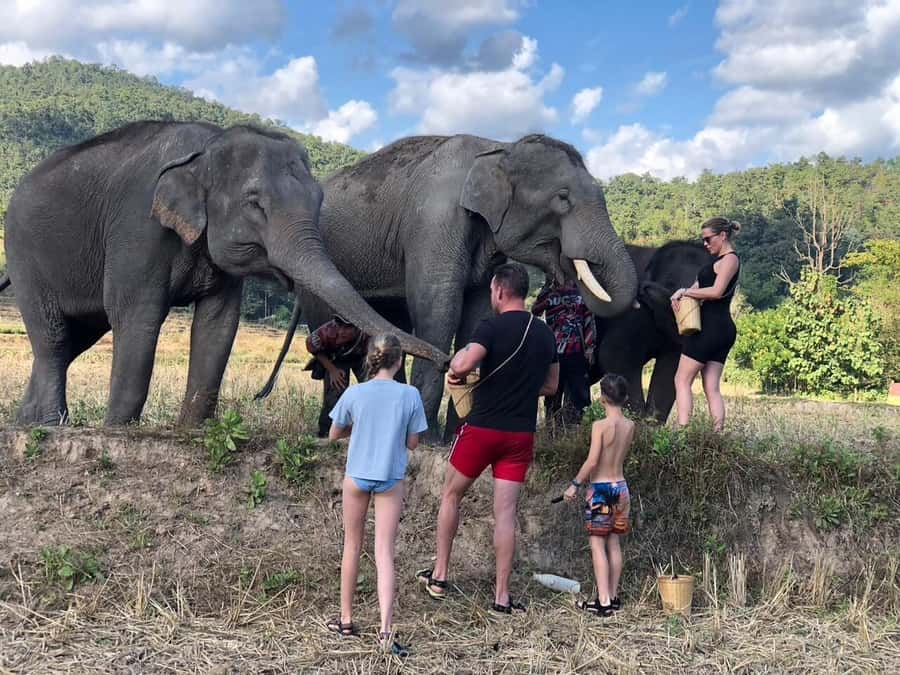
Many elephant outings near Chiang Mai last only a few hours. This one gives you two days and one night to slow down. The elephants are only one part of the trip. You also spend time walking through the forest, stopping at waterfalls, eating local food, and sleeping in a rural setting far from hotel comforts.
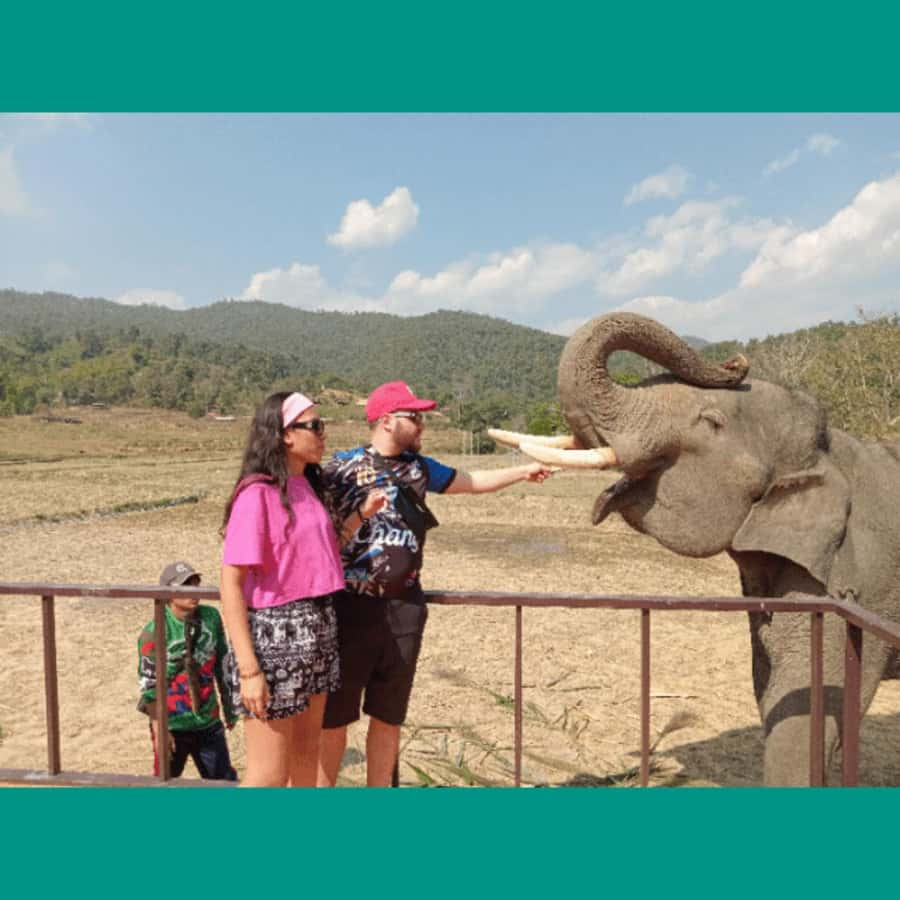
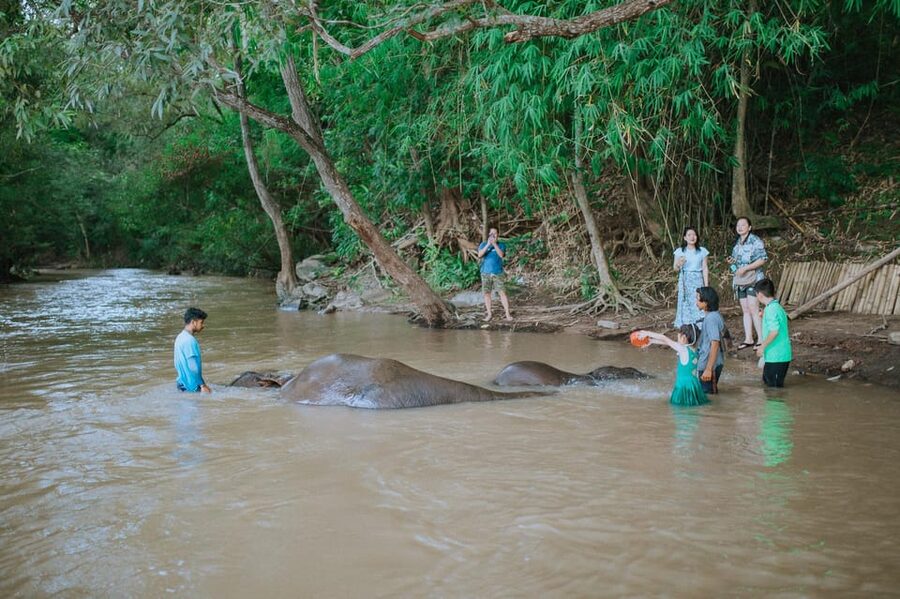
I like that the experience does not treat the elephants as a quick attraction. The small group of three animals includes a mother and her two sons. You feed them, learn about their care, watch them enjoy a mud bath, and then accompany them at the river. The close setting makes the visit feel personal without relying on tricks or performances.
The guides are another strong point. Chin is described as funny, attentive, and good at explaining small details in the forest. Pepe receives similar praise for making people feel safe and comfortable. Dan is noted for adjusting the pace, which matters on a trek that can be hard on the legs. Jack, the owner of the three elephants, also cooks and cares for the animals near his village.
Because different guides may lead the trip, the exact personality of your experience can vary. The common thread is a local, hands-on approach rather than a polished resort-style tour.
A few more temple visits around Chiang Mai worth a look
- Chiang Mai: Chiang Rai Temples, Karen Tribe and Hot Springs
★ 4.7 · 5,401 reviews - Chiang Rai White Temple and Blue Temple Day Tour
★ 4.6 · 3,366 reviews - Chiang Mai: White, Red/Black & Blue Temples Tour with Lunch
★ 4.2 · 2,017 reviews
From Chiang Mai hotels to the Mae Wang River
Pickup is scheduled between 8:30 and 9:00 in the morning, with the exact time affected by hotel location and the number of groups being collected. You should allow patience at the start. If your hotel is farther from the other pickup points, the vehicle may take longer to arrive.
The drive heads southwest from Chiang Mai Province. Along the way, you may see farms, rice paddies, and hill tribe villages. This is not simply dead time in a van. The change from city streets to agricultural land helps you understand how quickly Chiang Mai’s surroundings become rural.
The first major activity is bamboo rafting on the Mae Wang River. The ride lasts about 30 minutes. It is a gentle way to start, with views of the forest and the chance to see elephants in the surrounding area. You should not expect a fast white-water ride. The appeal is the simple raft, the river, and the quiet view from water level.
Bring clothes that can get wet or dirty. A reusable water bottle, sunscreen, and insect repellent are sensible from the start. Flip-flops may help around water, but they should not replace proper shoes for the trek.
The jungle walk, waterfalls, and local knowledge
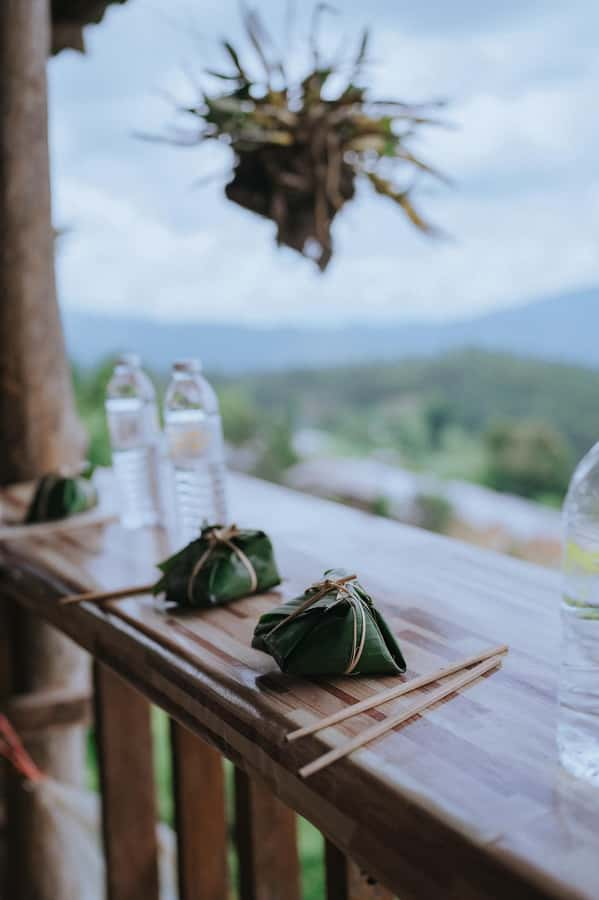
After rafting, you begin walking through the jungle. The route includes several waterfalls, swimming or bathing stops, a lunch break, and explanations about the plants and animals around you.
The guides point out details that are easy to miss when you walk alone. You may learn about plants that move when touched, see where local birds build nests, and hear stories about life in the forest. These details give the walk a purpose beyond reaching the overnight hut.
Still, do not mistake the word trekking for a casual stroll. The route can include rocks, river crossings, and steep or uneven sections. One account describes it as a serious trek, while another notes that reaching the homestay is not easy. You need a reasonable level of fitness and steady shoes.
The tour asks you to bring both hiking shoes and comfortable footwear. I would make sturdy walking shoes the priority, then pack water shoes or sandals for the river. Quick-dry clothing is useful because you may swim, cross streams, or get muddy. A towel and spare clothes belong near the top of your day bag, not at the bottom.
Waterfalls break up the walking and give you time to cool down. These stops are valuable on a hot day, but they also make the trip more physical because wet rocks can be slippery. Listen to your guide, move at your own pace, and do not rush into the water.
A waterfall hut and dinner under the stars
By late afternoon, you reach the overnight house near a river and waterfall. The setting is one of the most memorable parts of the trip. You can relax beside the water, wash off the dust, and settle into a very simple rural night.
The accommodation is a clean and safe hut, according to the available descriptions, but it is not a hotel. There is no electricity, and the building is made in a basic bamboo style. The waterfall can be loud through the night. If you sleep lightly, pack earplugs.
This simplicity is part of the value, but only if you know what you are buying. You will not have air-conditioning, a quiet room, or modern facilities. You will have a forest setting, water nearby, and a night that feels far removed from Chiang Mai.
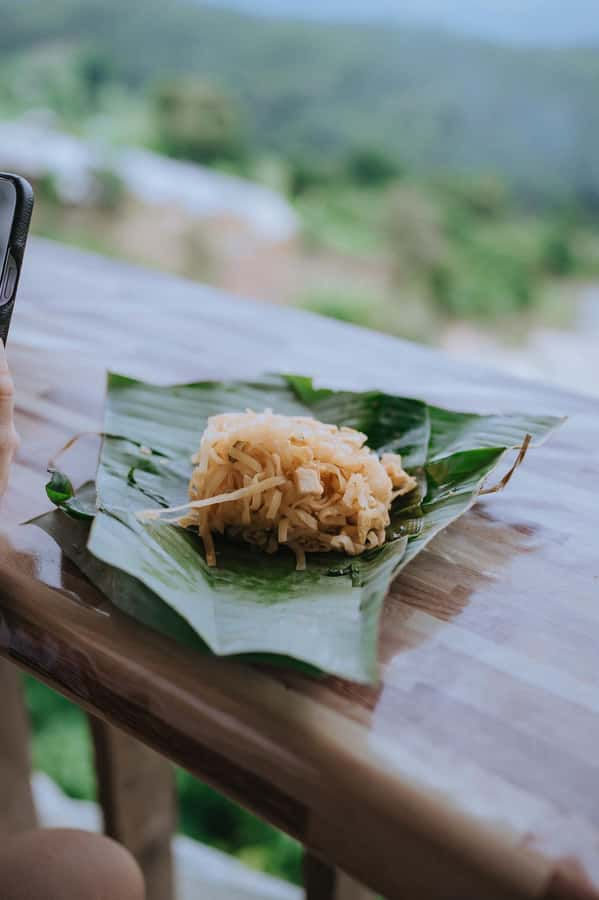
Your guide prepares an authentic Thai meal at the hut. The food is included, as are the other meals during the tour. The dinner is cooked fresh, often over a fire, and adds a welcome local touch after a long walk.
There may also be a campfire in the fields under the stars. That moment depends on the conditions and the guide, but it is one reason the overnight stay feels more personal than a standard camp stop. You can sit, eat, talk, and listen to the forest instead of checking your phone.
Same place, a different morning at the gates:
- Chiang Mai: Doi Suthep and Wat Umong Enchanting Evening Tour
★ 4.6 · 1,811 reviews - Chiang Mai: 3 Hour Old City and Temples Guided Walking Tour
★ 4.6 · 1,568 reviews - Chiang Mai: Doi Suthep, Wat Umong, and Pha Lat Sunrise Tour
★ 4.7 · 1,425 reviews - Chiang Rai Temples: Private Tour from Chiang Mai
★ 5.0 · 1,267 reviews
Morning with the elephants
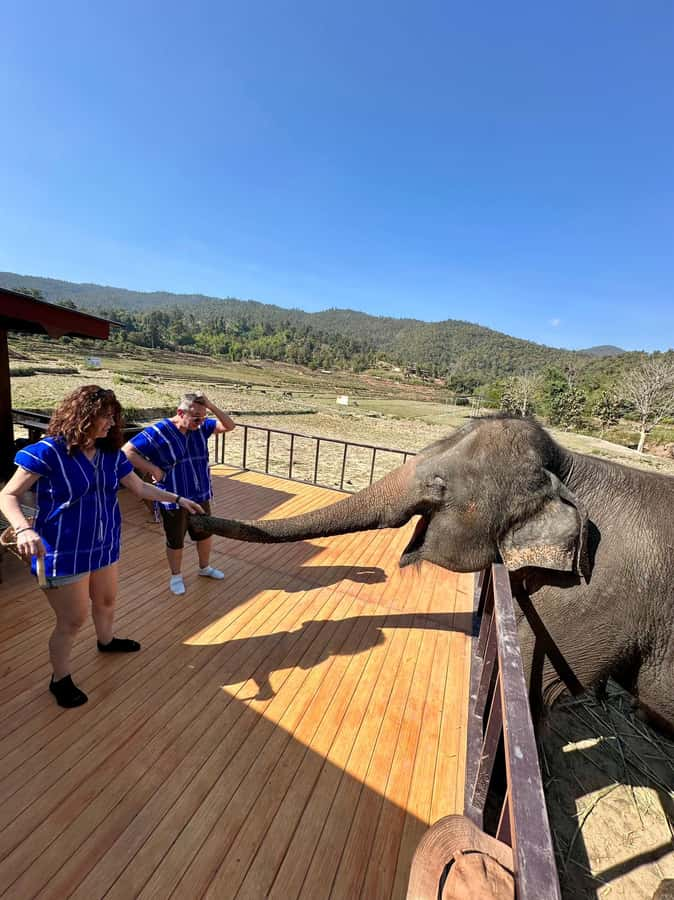
The next morning begins with breakfast before you set out for the elephant camp. The schedule combines more walking with time at the sanctuary, so you should not expect a lazy morning after the night outdoors.
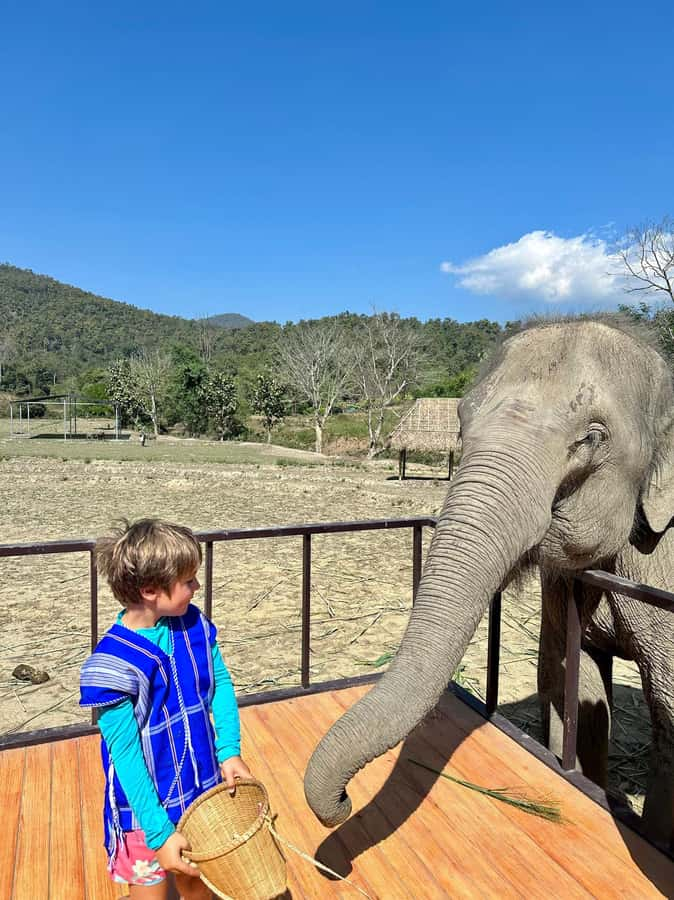
The elephant visit centers on feeding and observation. You get close enough to see how the animals behave, but the emphasis is on care rather than spectacle. The three elephants live near the village and have room to move through the forest. They eat sugarcane, bathe in the river, and stay together as a family group.
That small number matters. You are not entering a large attraction with a long line of animals. The setting is more intimate, and you may be the only people at the camp for part of the visit. Group size can vary, but some departures have been as small as two people, effectively making the outing feel private.
The owner, Jack, cares for the mother and her two sons. That gives you a direct connection between the elephant experience and the local community. You are not simply paying for access to the animals. Your visit also supports the feeding and care routine.
Feeding, mud baths, and river bathing
Feeding is the easiest way to begin interacting with the elephants. It lets you watch their size, patience, and social behavior from close range without asking them to perform.
The mud bath adds another layer. Elephants use mud as part of their hygiene and comfort routine, and the activity lets you see their playful side. You may get muddy yourself, so wear swimwear or clothing you do not mind washing well afterward.
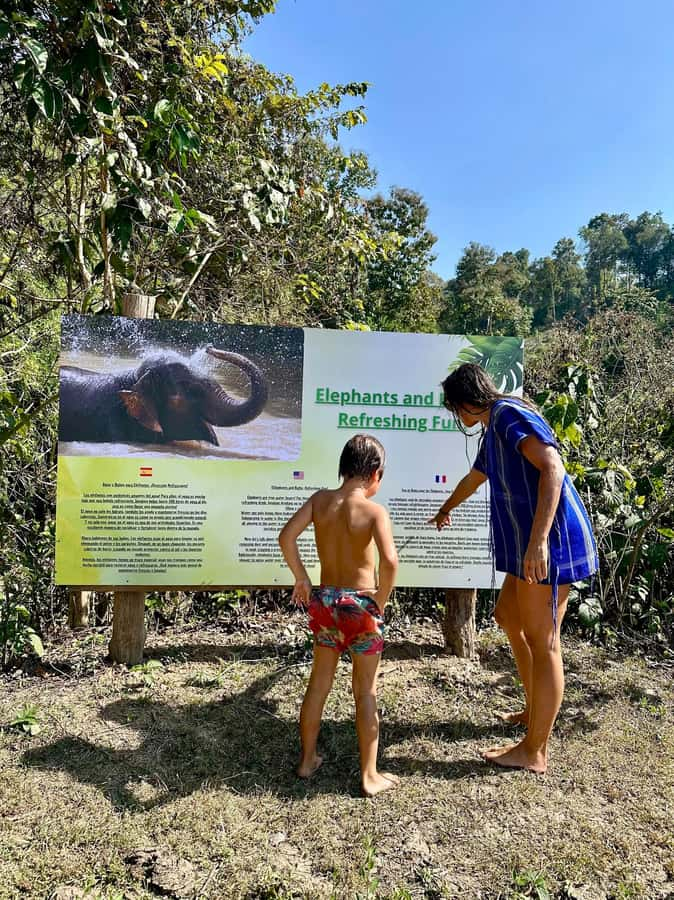
The river bath is the most active part of the elephant visit. You can watch the animals splash, play, and wash while learning why regular bathing matters to their health and comfort. The water setting also gives the encounter a natural feel.
You should keep your expectations realistic. This is not a guaranteed cuddling session, and the animals should set the pace. The strongest part of the experience is seeing elephants behave like elephants, not posing for a perfect photograph.
Bring a towel, swimwear, quick-dry clothes, and footwear that can handle wet ground. Keep your phone protected if you carry it near the river. You will likely take plenty of photographs, but do not let the camera distract you from watching the animals carefully.
More waterfalls before returning to Chiang Mai
After the elephant visit, the trek continues. You make more waterfall stops and pause for lunch before the return to Chiang Mai.
This second walking section means the tour is not finished once you leave the elephants. If your legs are tired from the first day, the route may feel demanding. The benefit is that you continue seeing the forest at a slower pace instead of being rushed back to the city.
The waterfalls offer places to rest and cool down, while the guide continues explaining the forest. Lunch is included, so you do not need to arrange food along the route. Drinks are not included, however. Available purchases include water for 20 baht, soft drinks for 40 baht, and beer for 60 baht.
The return vehicle takes you back to your Chiang Mai hotel after the day’s activities. Exact timing depends on the route and pickup arrangements, so avoid booking a tight evening connection.
What the $118 price covers
At $118 per person, the price is strong if you plan to use every part of the package. You receive hotel pickup and return, transport, two days of guiding, one night’s accommodation, all meals, bamboo rafting, the trek, waterfall stops, a Karen village visit, and the elephant activities.
A separate Chiang Mai elephant visit plus a jungle trek and overnight stay could easily take up more of your planning time and transport budget. Here, those pieces are joined into one trip.
The value is less clear if you want only elephant time. You spend a large part of the experience walking and traveling, so a short sanctuary visit would suit you better if the elephants are your only priority.
You should also budget for drinks and carry cash. No other paid extras are specified, but bottled water is especially important in the heat. Buying one at the start is sensible even if you bring a reusable bottle.
Who should book this experience?
I would recommend this trip to you if you enjoy active days, local food, basic accommodation, and small-scale animal encounters. It suits couples, friends, and fit solo visitors who want more than a quick activity from Chiang Mai.
It may also suit families with older children, but the stated restrictions make clear that it is not designed for very young children. It is unsuitable for children under 2, babies under 1, people with a low level of fitness, and people over 95.
The age information is slightly inconsistent because both under-2 and under-3 restrictions appear in the tour details. If you are booking for a child close to that range, confirm the exact rule before paying.
I would not choose this tour if you need polished accommodation, reliable electricity, easy paths, or a quiet night. I would also avoid it if you dislike getting wet, muddy, or tired.
The language offered is English. The guides are native Karen locals, which adds useful context to the village visit, meals, and jungle walk. Their role is not limited to leading the path. They explain plants, birds, elephant care, and local life as you go.
What to pack for the jungle
Pack light, but pack for several different conditions. You need comfortable walking clothes, swimwear, quick-dry clothing, a towel, sunscreen, insect repellent, and a reusable bottle.
Your footwear deserves special attention:
- Hiking shoes or sturdy walking shoes for rocks and uneven ground
- Water shoes or secure sandals for rivers and wet areas
- Flip-flops for relaxing around the hut
Bring cash for drinks and small personal expenses. Keep clothes that can get dirty separate from dry clothing, especially after the mud bath and waterfall stops.
A waterproof bag or phone case would be useful for the river sections, although it is not specifically listed among the required items. The important point is to protect anything you do not want wet.
Should you book the Temple of Elephants tour?
Book it if your idea of a good trip includes a hard walk, a simple hut, a loud waterfall, fresh Thai food, and time with a small family group of elephants. The best parts are the personal guiding, the natural setting, and the chance to see animal care without a large-scale show.
Skip it if you want an easy sanctuary visit or a comfortable overnight. At $118, the tour offers good value because so much is included, but its real reward comes from accepting the rough edges. Pack proper shoes, carry water, expect dirt, and let the jungle set the pace. That is when this two-day outing makes sense.
FAQ
How much does the two-day Temple of Elephants tour cost?
The price is $118 per person.
What time is hotel pickup in Chiang Mai?
Pickup is scheduled from 8:30 to 9:00 in the morning. The exact time can take longer if your hotel is far from other pickup locations.
What is included in the price?
The tour includes hotel pickup and return, transport, all meals, bamboo rafting, guided trekking, one night’s accommodation, a Karen village visit, waterfall stops, elephant feeding, and elephant bathing activities.
Are drinks included?
No. Drinks cost extra. Listed prices are 20 baht for water, 40 baht for Coke or orange Fanta, and 60 baht for beer.
Where do you sleep?
You sleep in a basic hut or homestay near a river and waterfall in the jungle. Electricity is not provided, and the waterfall may be loud at night.
Is the trek suitable for people with low fitness?
No. The tour is not suitable for people with a low level of fitness. The route can include rocks, river crossings, and demanding jungle paths.
What should you bring?
Bring comfortable and hiking shoes, swimwear, a towel, sunscreen, flip-flops, insect repellent, cash, clothes that can get dirty, a reusable water bottle, and quick-dry clothing.
What language is the tour offered in?
The tour is offered in English. The guiding is provided by a native Karen local guide.
Just added around Chiang Mai
- No.1 Chiang Mai: 3-Hour Monk Trail Hike to Wat Doi Suthep & Palad★ 5.0 · 11 reviews
- Monk trails hike, Wat Phalat, Monk chanting, Wat Doi Suthep.★ 5.0 · 3 reviews
- Long Neck Village, Silver Temple & Chiang Mai Top Sites★ 4.7 · 17 reviews
- Lalita Cafe & Chiang Rai Temple(White+Blue) from Chiangmai★ 4.8 · 5 reviews
- Private : Sticky Waterfall & Secret Temple & Karen Village.★ 5.0 · 9 reviews
- Chiang Mai: Temples & Culture Tour★ 4.7 · 64 reviews
- From Chiang Mai: White Temple, Blue Temple & Black House★ 4.5 · 15 reviews
- From Chiang Mai: Lamphun and Lampang Temples Tour★ 4.9 · 33 reviews
Chiang Mai Temple Tours, compared.
Chiang Rai Temples, Karen Tribe and Hot Springs
Read our review →
Chiang Rai White Temple and Blue Temple Day Tour
Read our review →
White, Red/Black & Blue Temples Tour with Lunch
Read our review →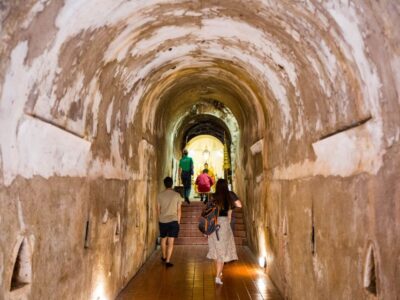
Doi Suthep and Wat Umong Enchanting Evening Tour
Read our review →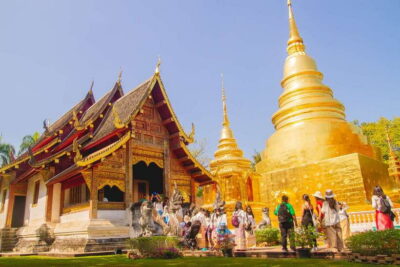
3 Hour Old City and Temples Guided Walking Tour
Read our review →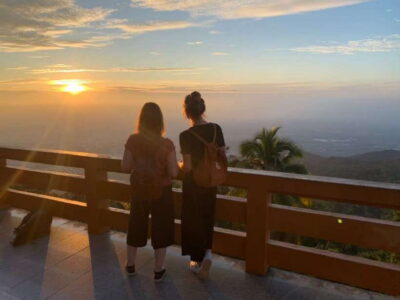
Doi Suthep, Wat Umong, and Pha Lat Sunrise Tour
Read our review →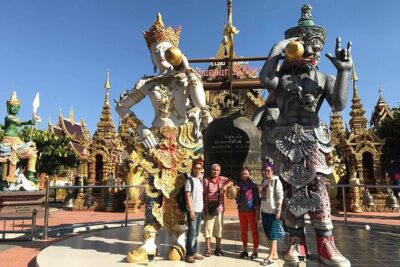
Chiang Rai Temples: Private Tour from Chiang Mai
Read our review →
Browse the lists this tour appears in