
Review · SIEM REAP
Angkor Wat 2-Day complex Sun rise & Sun set with Guided Tour
Angkor Wat rewards an early start. This two-day tour gives you sunrise at Angkor Wat, a wide run of nearby temples, and a sunset from Phnom Bakheng, all with hotel transfers and an English-speaking guide. I like the sensible split between the closer temples on Day 1 and the outer circuit on Day 2. I also like the air-conditioned minibus, cold water, and small group size, which matter a great deal in Cambodia’s heat.
The main drawback is the very early pickup. Day 1 begins between 4:00 and 4:20 a.m., and some people have waited in darkness for quite a while before sunrise. The price of $30 is attractive, but you must add the Angkor Archaeological Park pass, costing $37 for one day or $62 for two to three days.
Key points before you book
- Sunrise begins before dawn: Hotel pickup is around 4:00 to 4:20 a.m., with an expected return around 1:00 to 1:30 p.m.
- Sunset finishes the second day: Day 2 runs roughly 10:00 or 10:30 a.m. to 7:00 p.m., ending at Phnom Bakheng.
- Eleven temples are included: The route covers Angkor Wat, Angkor Thom, Bayon, Banteay Kdei, Ta Keo, Preah Khan, Neak Pean, Ta Som, East Mebon, Pre Rup, and Phnom Bakheng.
- The group is limited to 13 people: That is small enough for questions and easier movement than a large coach tour.
- Two different days may mean two different guides: Guides named Sam, Sayon, John, Nick, Vone, Sary, Rith, Pheap, and others have been praised for clear explanations, photography help, and friendly service.
- The temple pass is extra: Buy it online from the official Angkor Enterprise website before the first morning.
Why this two-day plan works
Angkor is not one temple. It is a huge archaeological park with monumental gateways, forest-covered ruins, reservoirs, carved galleries, and temples built for different religious purposes. Trying to see the best of it in one rushed day can leave you hot, tired, and unsure what you just saw.
This tour gives you two distinct outings. Day 1 follows the popular small-circuit route, with Angkor Wat at sunrise and major temples near the park entrance. Day 2 takes you farther out on the big circuit, where the sites feel more spread out and the buildings have a different character.
That split also gives you time to recover between early starts. You will still have two long days on your feet, but the structure is easier than packing every major site into one marathon visit.
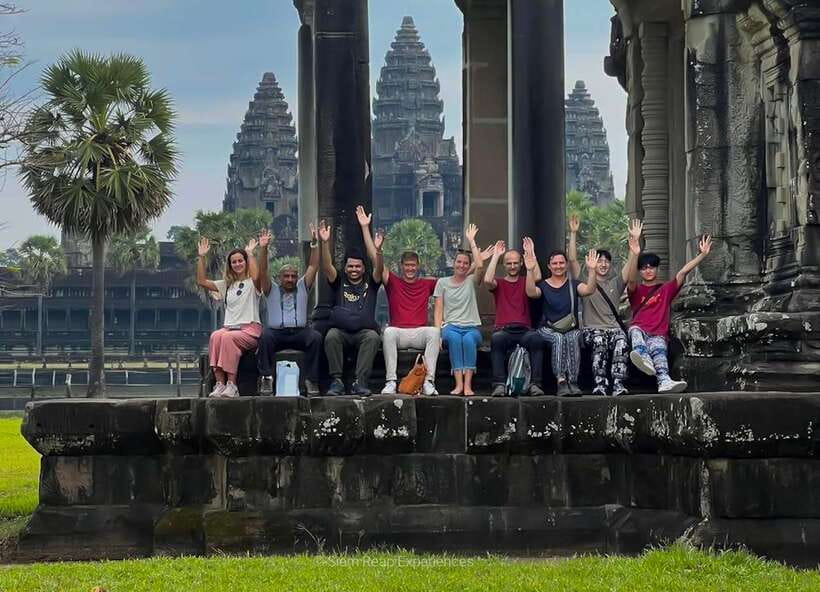
The group limit of 13 is useful. You can hear the guide without standing shoulder to shoulder with dozens of people, and it is easier to keep the group together at gates and junctions. The minibus provides a cool break between temples, which is not a minor comfort in hot, humid weather.
More Angkor Wat Tours in Siem Reap:
- Angkor Wat Sunrise or Sunset Tour with Guide from Siem Reap
★ 5.0 · 12,109 reviews - Siem Reap: Angkor Wat: Small-Group Sunrise or Sunset Tour
★ 5.0 · 9,444 reviews - Siem Reap: Angkor Wat 2-Day Tour with Sunrise and Sunset
★ 4.9 · 4,429 reviews
Day 1: Angkor Wat before breakfast
The first pickup comes before sunrise. You are asked to wait in your hotel lobby about 30 minutes ahead of the scheduled time, and the driver waits no longer than five minutes after pickup time. Make sure your hotel address is correct and keep your phone available, since the driver uses a sign with your last name.
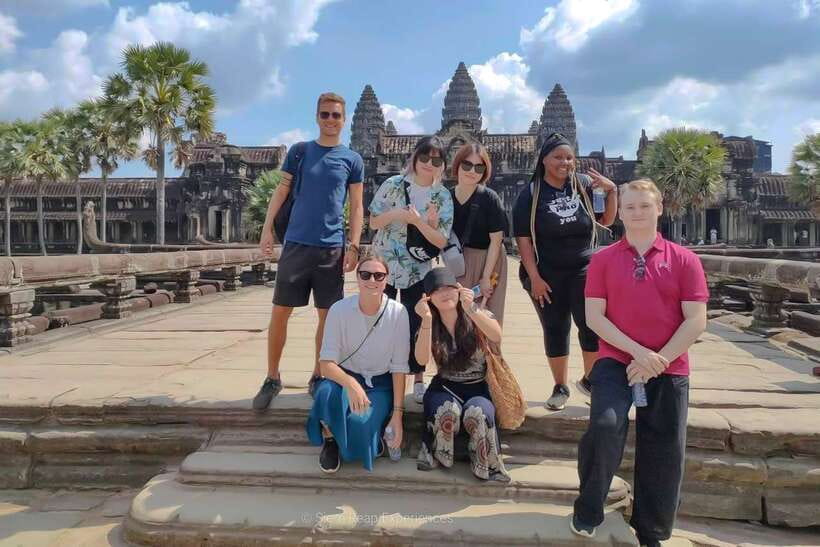
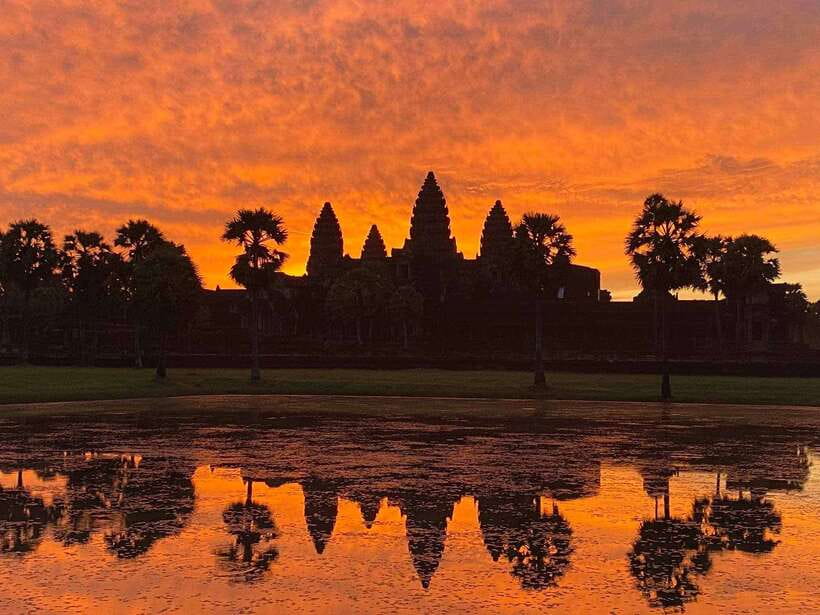
The first stop is Angkor Wat, Cambodia’s best-known monument. Arriving in darkness lets you reach the reflecting pool before the sky changes color. When conditions cooperate, the towers and their reflection gradually take shape in the blue and pink light.
The early start has a practical benefit: the air is cooler than later in the day. It also offers a chance to see the temple before the heat becomes severe. The tradeoff is clear, though. Pickup can be much earlier than the actual sunrise, and one person found the long wait in darkness unnecessary. In the rainy season, cloud cover can make a 3:00 or 4:00 a.m. start feel especially uncertain.
Bring a small flashlight or use your phone light carefully. The ground can be uneven, and walking around temple paths before daylight requires attention. The tour information advises long pants and covered shoulders and knees, so dress for temple rules as well as the morning temperature.
After sunrise, you explore Angkor Wat with the guide. The value here is not only getting the famous photograph. A guide can explain the carvings, religious purpose, and Khmer building traditions, helping you read the monument instead of simply walking through it.
Angkor Thom and the smiling faces of Bayon
The route continues to Angkor Thom, the enormous walled city that contains several important monuments. Its gates and approach roads give you a sense of the scale of the former Khmer capital.
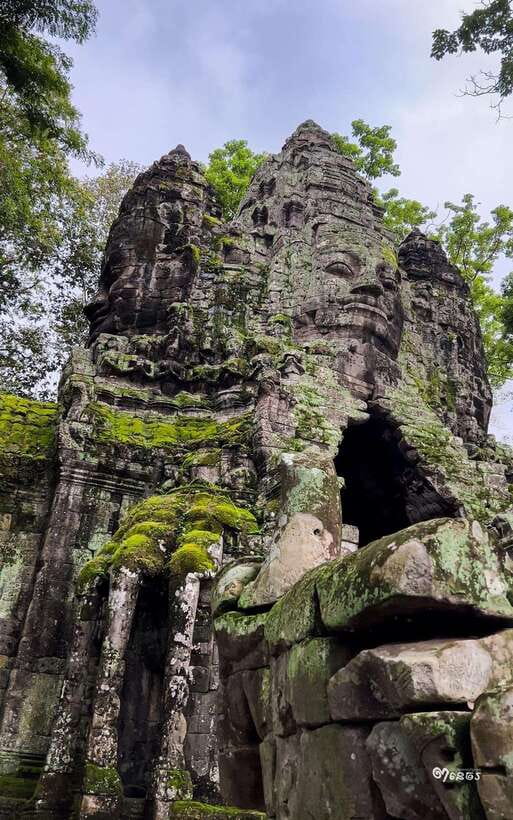
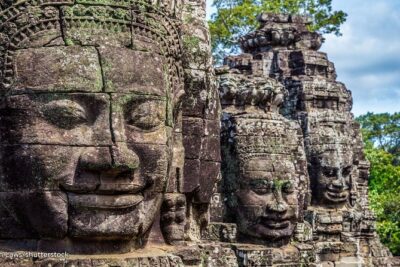
Within Angkor Thom, Bayon is the great visual prize. Its towers carry large carved faces with calm, enigmatic expressions. Your guide can point out details that are easy to miss, especially among the many levels and narrow passageways.
This is one of the places where a good guide changes the experience. Guides such as Sam, Sayon, John, and Nick have been praised for explaining Cambodian history and culture in a lively way, while also keeping the group moving at a comfortable pace. Several have also helped with photographs, showing people where to stand and taking pictures for them.
The route is not simply a march from one famous site to another. You get some time to look around independently, take photographs, and ask questions. That balance matters at Bayon, where you may want both a clear explanation and a few quiet minutes to study the carvings.
Banteay Kdei and Ta Keo on Day 1
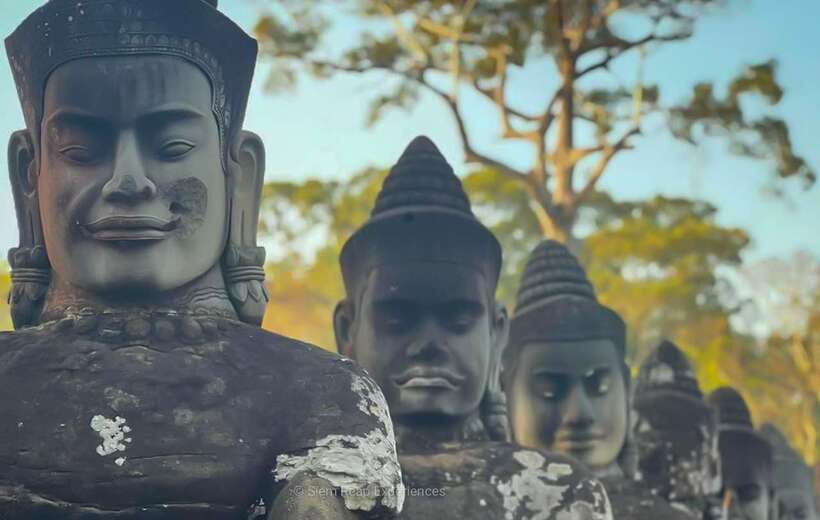
Banteay Kdei gives the first day a different mood. This Buddhist temple is less imposing than Angkor Wat, but its worn galleries and passageways reward slower walking. Monks use the site, adding a living religious connection to the ancient stones.
Ta Keo is a 10th-century mountain temple built in a stepped, pyramid form. Its plain stone surfaces and strong geometry differ from the more heavily carved temples. The climb and uneven surfaces may be tiring, especially after several hours outside, but the structure helps you understand how Khmer architects used height and symmetry to create a sacred setting.
Day 1 ends with a return to your accommodation around 1:00 to 1:30 p.m. That early finish is welcome. You can eat, rest, and cool down rather than continuing through the hottest part of the afternoon.
Breakfast is not included. Food is available at local restaurants near the temples, and the tour includes a break. One point to watch is timing: a meal stop can be convenient, but food service may be slow or orders may not always arrive together. If you want a quick and predictable morning, carry a snack and do not rely entirely on the restaurant stop.
A few more temple visits around Siem Reap worth a look
- 2 Days Exclusive Temple Highlights with Sunset and Sunrise Tour
★ 5.0 · 1,157 reviews - Siem Reap: Angkor Sunrise 1- or 2-Day Guided Temples Tour
★ 4.9 · 1,132 reviews - 2-Day Angkor Wat With Small, Big Circuit and Banteay Srei Tour
★ 5.0 · 545 reviews - Siem Reap: 2-Day Temple Highlights Sunrise and Sunset Option
★ 4.9 · 445 reviews
Day 2: the outer circuit and Preah Khan
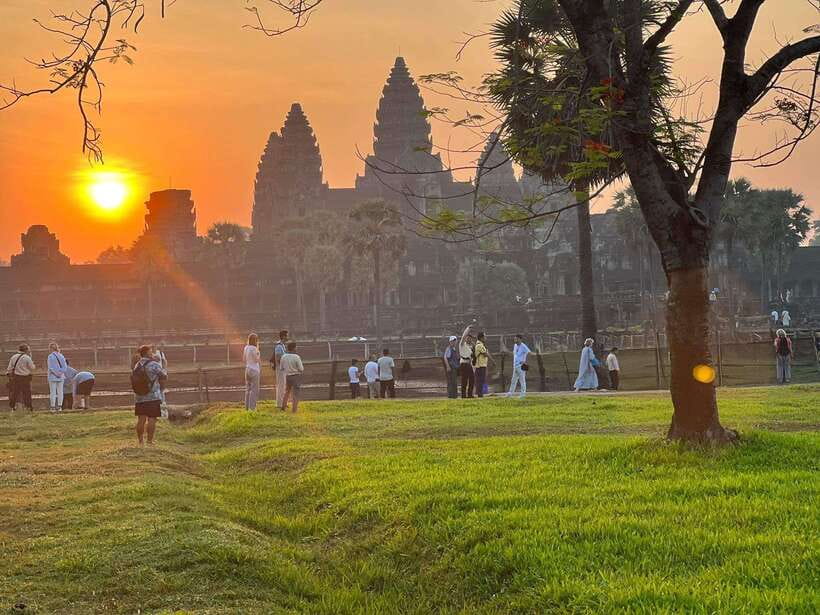
The second day starts much later, with pickup around 10:00 to 10:30 a.m. That makes the schedule easier on your body and gives you time for a proper breakfast in Siem Reap.
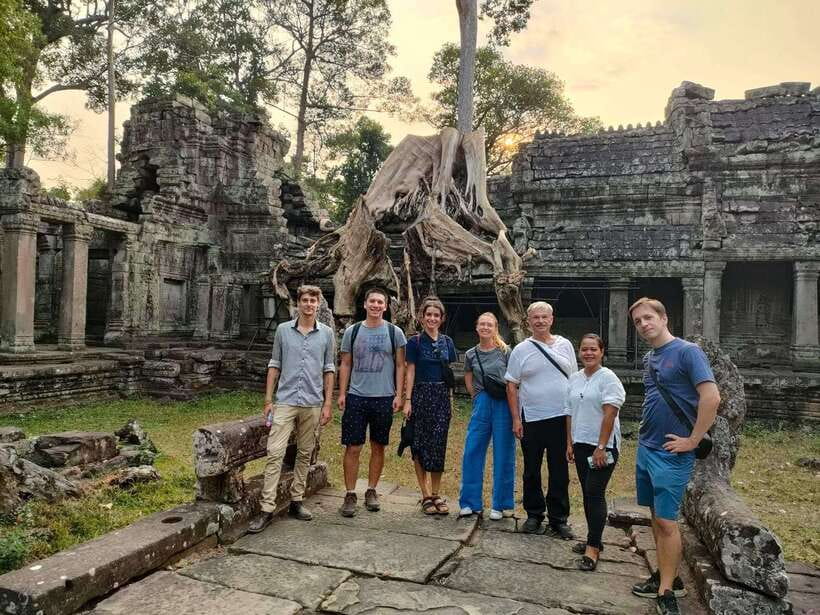
Preah Khan is the first major stop. It is described as the largest temple on this loop and was built by King Bayon for his father. The site has long corridors, courtyards, and a mixture of religious imagery. It is a good place to notice how these complexes were more than isolated shrines. They included spaces for ritual, movement, and daily activity.
A different guide may lead Day 2. That is normal for this arrangement, and it can give you two teaching styles. Sam has received especially strong praise for clear explanations, a calm manner, organization, and his earlier life as a monk. Sayon is also often praised for keeping his group together, finding good photo spots, and giving detailed explanations.
Neak Pean, Ta Som, and East Mebon
Neak Pean is a compact temple on an island. The surrounding water once served a practical and religious purpose, including bathing during the Angkor period. Its setting makes it unlike the larger enclosed temples, though the visit may feel shorter because the central structure is relatively small.
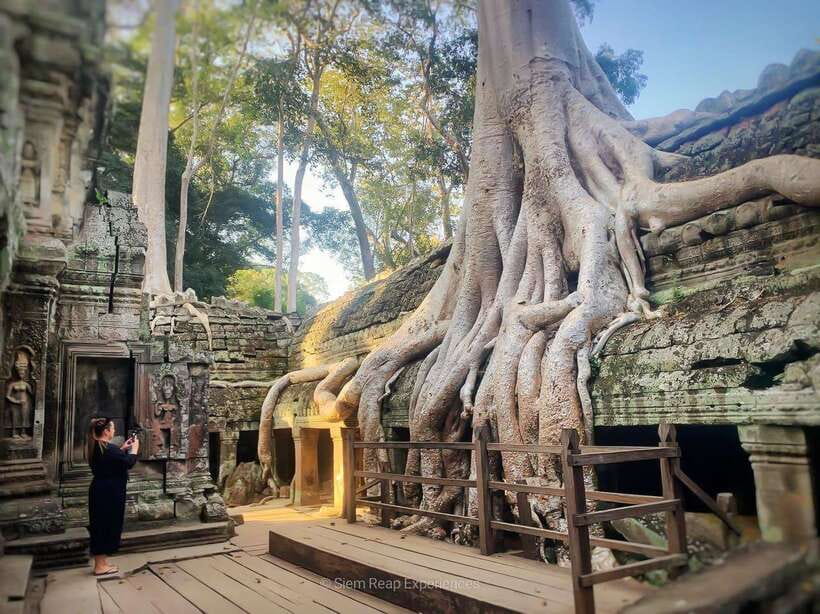
Ta Som is memorable for the tree growing over the East Gate. Nature has become part of the architecture here, and the tree gives you one of the most recognizable images on the second day. It also shows why Angkor is best seen with some patience. The attraction is not only the building itself, but the way roots, stone, and time have combined.
East Mebon was once built on an artificial island in a reservoir. Today, the reservoir is dry, so the temple’s original setting takes some explanation. This is another stop where the guide adds real value by helping you picture the water system and the way the temple would have appeared in the Angkor period.
The tour continues to Pre Rup, a stone temple associated with Hindu meditation on the full moon. Its strong, layered form gives you another example of pyramid-style Khmer architecture. By this stage, the number of sites can feel demanding, but the variety helps prevent the day from becoming a blur of similar ruins.
Phnom Bakheng sunset, with a practical warning
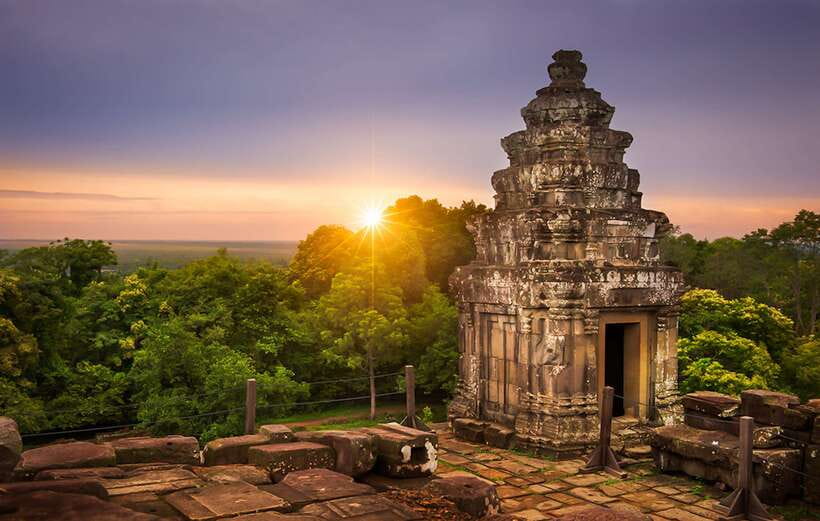
The final stop is Phnom Bakheng, a hilltop temple with 33 towers representing the heavens. The elevated position is the reason it is used for sunset, giving you a broad view over the surrounding area.
Sunset is a fitting end to the two-day route, but conditions are not guaranteed. Clouds, haze, and crowd levels can affect the view, so treat the sunset as a worthwhile opportunity rather than a promise of perfect colors.
You also need to be ready for a long day. Day 2 runs until about 7:00 p.m., and the sunset stop comes after several temples. Wear shoes suitable for uneven ground, carry water, and use the provided refreshing towels when needed.
The return to your hotel follows the sunset visit. Food and soft drinks are not included, so budget for a meal or snacks during the day. The air-conditioned minibus should be waiting between stops, giving you a valuable chance to cool off.
Guides, transport, and the small-group experience
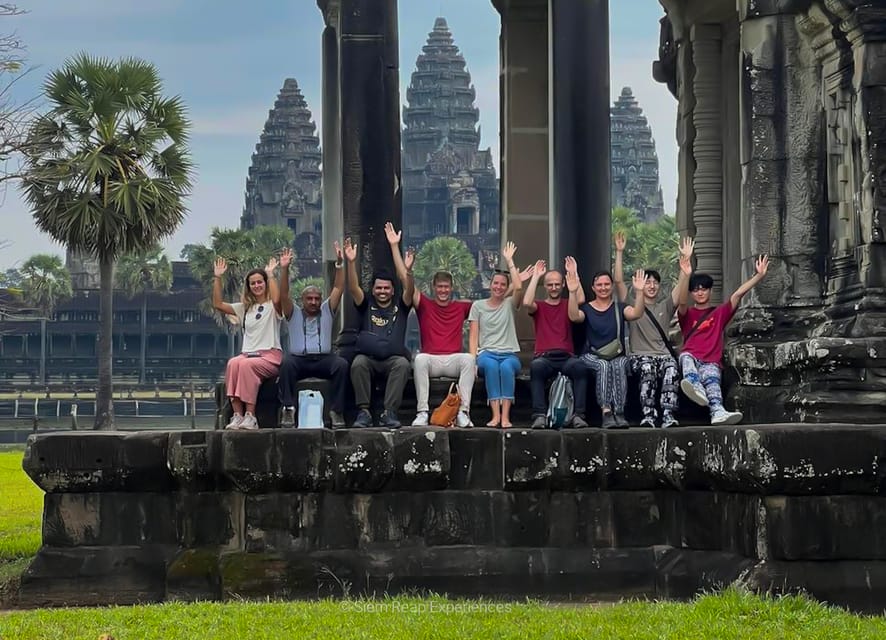
The strongest part of this tour is the guiding. The most praised guides include Sam, Sayon, John, Nick, Vone, Sary, Rith, Pheap, and Savon. Their strengths vary, but the repeated pattern is useful: clear temple explanations, friendly conversation, help with photographs, and good attention to the group.
Sam is often singled out for his calm, organized approach and strong knowledge of the temples. Sayon is praised for keeping people together and finding photo locations ahead of larger groups. John brings humor and energy, while Nick has been praised for explaining the schedule clearly and pointing out local wildlife.
You cannot choose a particular guide with certainty from the information provided, so book this tour for the structure and service rather than for one individual. Still, the consistency across many guide names is encouraging.
The air-conditioned minibus is essential, not decorative. You will move between temples in the heat, then return to a cool vehicle with chilled bottled water. The transport has received a 96 percent perfect score, and that fits the practical needs of the route.
What $30 really gets you
At $30 per person, the tour is good value if you want transport, guiding, and a clear route across two days. Included are hotel pickup and drop-off, the air-conditioned minibus, an English-speaking guide, chilled water, refreshing towels, local tax, and visits to 11 temples.
The important extra cost is the park pass. A one-day pass costs $37, while the two to three-day pass costs $62. Since this tour operates over two days, the two to three-day ticket is the logical choice, bringing the combined basic cost to $92 per person before food and drinks.
That total remains reasonable for two full guided days, especially if you would otherwise arrange separate tuk-tuks, drivers, and temple visits. The value is strongest for first-time visitors who want historical context and do not want to negotiate transport at every stop.
The tour is less appealing if you prefer complete control over timing. You will follow a set schedule, share transport, and stop for meals near the temples rather than choosing every restaurant yourself.
What to pack and how to prepare
Buy your temple pass online through the official Angkor Enterprise website before the tour. Do this at least a day ahead if possible, so the first morning is not slowed by ticket arrangements.
Pack:
- A camera or phone
- Long pants or another garment covering the knees
- A shirt covering the shoulders
- Hat and sunscreen
- Cash for food and drinks
- A sarong if you need an easy cover-up
- Water, even though bottled water is supplied
- Comfortable shoes for uneven temple surfaces
The dress code is enforced at temple sites, so shorts, short skirts, and sleeveless shirts are not suitable. Alcohol and drugs are not allowed.
This experience is not suitable for babies under one year, people over 95, or wheelchair users. It also does not require a passport.
Who should book this tour?
I would choose this tour if you are visiting Angkor for the first time and want the main temples explained rather than simply photographed. It suits people who value a fixed plan, hotel transfers, small groups, and practical help with photos.
It is also a good choice for couples, friends, and solo visitors who want company without joining a large bus. The two-day format gives you more sites than a basic one-day visit and leaves the first afternoon free for rest.
I would think twice if you dislike pre-dawn starts, have difficulty walking on uneven ground, or want a slow private itinerary. Day 1 is demanding, and the early pickup may feel excessive when sunrise is still some time away. Rainy-season clouds may also reduce the payoff of the early start.
Free cancellation is available up to 24 hours before the activity, and you can reserve now and pay later. Those terms help if your Siem Reap plans are still shifting.
Should you book the Angkor Wat two-day tour?
Book it if you want a well-priced introduction to 11 Angkor temples, with sunrise, sunset, air conditioning, and guides who are often praised for history, humor, and photography help.
The key question is not the $30 tour price. It is whether you are comfortable adding the park ticket, following a group timetable, and waking before dawn. If the answer is yes, this is a practical way to see the famous monuments without arranging each ride yourself. If you want privacy or a later start, choose a private guide instead.
FAQ
What is included in the $30 price?
The price includes hotel pickup and drop-off, an air-conditioned minibus, an English-speaking guide, two tour days, visits to 11 temples, chilled bottled water, a refreshing towel, and local tax.
Is the Angkor temple pass included?
No. You must buy the Angkor Archaeological Park ticket separately. The listed prices are $37 for one day and $62 for two to three days.
How early is the Day 1 pickup?
Pickup is scheduled between 4:00 and 4:20 a.m. You should wait in your hotel lobby about 30 minutes before the scheduled pickup time.
What time does Day 1 finish?
The first day is expected to finish with hotel arrival between 1:00 and 1:30 p.m.
What time does Day 2 start and finish?
Day 2 pickup is scheduled between 10:00 and 10:20 a.m. The tour ends with hotel arrival at about 7:00 p.m.
How many temples does the tour visit?
The tour visits 11 temples over two days, including Angkor Wat, Bayon, Banteay Kdei, Ta Keo, Preah Khan, Neak Pean, Ta Som, East Mebon, Pre Rup, and Phnom Bakheng.
Is food included?
No. Breakfast, lunch, soft drinks, and other food are not included. Local restaurants near the temples are available during breaks.
How large is the tour group?
The tour is described as a small group with up to 13 participants.
What should I wear?
Wear clothing that covers your knees and shoulders. Long pants and a shirt with sleeves are suitable for temple visits. Bring a sarong if you need an extra cover-up.
Can I cancel the booking?
You can cancel up to 24 hours in advance for a full refund. The tour also allows you to reserve now and pay later.
Just added around Siem Reap
- Sunrise at Angkor Wat Temple: 3-Hour Private Tour★ 4.7 · 30 reviews
- Small-Group Explore Angkor Wat Sunrise Tour with Guide★ 5.0 · 3 reviews
- Siem Reap: Ultimate Angkor Wat Offbeat Experience by Jeep★ 4.9 · 8 reviews
- SiemReap: Private Angkor Wat Tour in English or German guide★ 5.0 · 5 reviews
- Siem Reap : Private Tuk-Tuk Tour of the Magnificent Temples.★ 4.9 · 14 reviews
- Siem Reap: Private 4-Day Angkor Wat and Phnom Kulen Tour★ 5.0 · 9 reviews
- Siem Reap: Personalized Angkor Wat Sunrise/Set by TukTuk/Car★ 4.9 · 41 reviews
- Siem Reap: 1-Day Angkor Wat Tour in Portuguese★ 5.0 · 4 reviews
Angkor Wat Tours, compared.
Angkor Wat Sunrise or Sunset Tour with Guide from Siem Reap
Read our review →
Angkor Wat: Small-Group Sunrise or Sunset Tour
Read our review →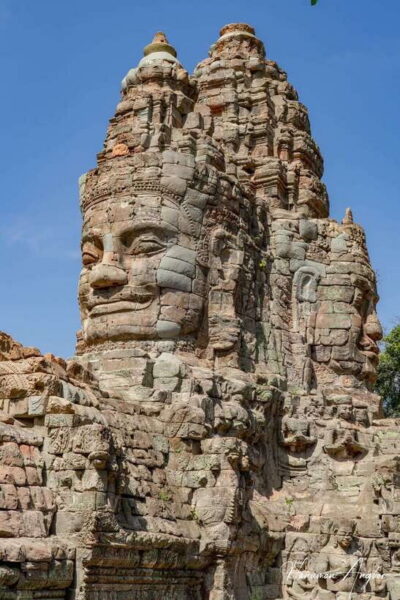
Angkor Wat 2-Day Tour with Sunrise and Sunset
Read our review →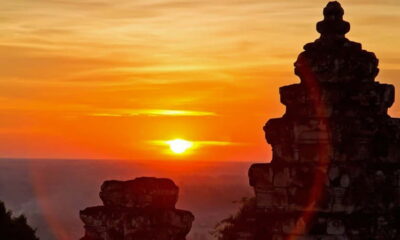
Angkor Wat Sunrise tour with Small – Group and Guide tours
Read our review →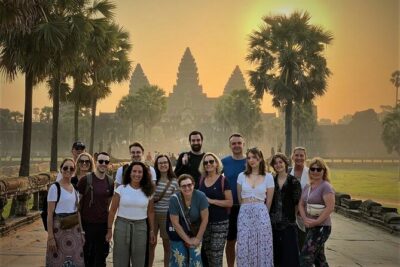
Angkor Wat Highlights and Sunrise Guided Tour from Siem Reap
Read our review →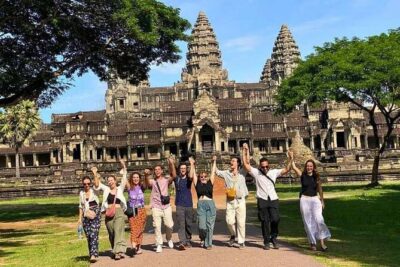
Angkor Wat Sunset Small Group Tour with Lunch Included
Read our review →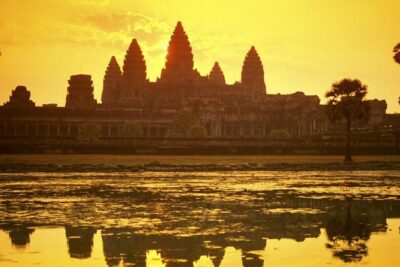
Full-Day Angkor Wat Sunrise Private Tour with Guide from Siem Reap
Read our review →Browse the lists this tour appears in