
Review · PERU
Cusco : City Tour of 4 Ruins and Sun Temple
Cusco keeps its best views uphill. This five-hour tour links Coricancha and four Inca sites for $16 per person, a useful first look at the city’s sacred, military, and ceremonial past. I like the mix of Inca and Spanish architecture at the Sun Temple, and I like that transport connects the outlying ruins without making you arrange taxis. The main caution is time: some stops can feel rushed, especially if shopping visits are added.
The tour also earns praise for clear historical explanation and attentive guiding, including a guide named Yako, who was described as caring and informative. Still, the bilingual format can make the day longer, and the English explanations may be shorter than the Spanish ones. Bring soles for admission, sturdy shoes for uneven paths, and patience for a schedule that may not run like a Swiss train.
Key points before you book
- Coricancha begins the story: See how an Inca Sun Temple was adapted into a Spanish colonial church.
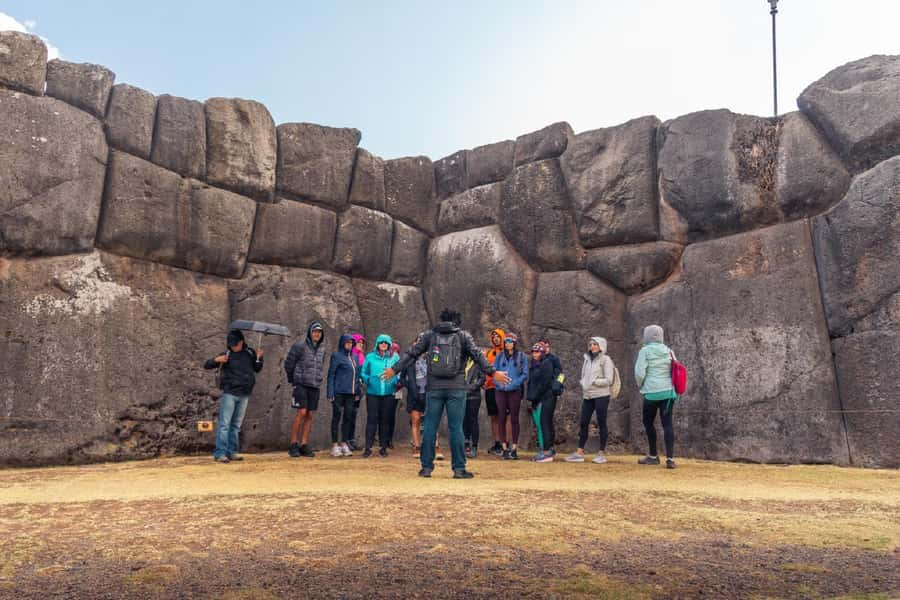
- Sacsayhuamán brings the big stones: The fortress has massive carved blocks and broad views over Cusco.
- Qenqo is short but unusual: Its carved rock channels and ceremonial spaces reward close attention.
- Tambomachay adds water and ritual: Stone channels carry spring water through a site linked with purification.
- Puca Pucara completes the military picture: The high fortress helped control movement around Cusco.
- Tickets cost extra: Plan for 15 soles at Coricancha and 70 soles for the partial Tourist Ticket, paid in soles.
What this $16 Cusco tour really covers
At $16, this is best viewed as a transport-and-guide package, not an all-inclusive sightseeing ticket. You receive hotel pickup near Cusco’s historic center, tourist transport, a bilingual English and Spanish guide, and assistance throughout the outing.
The two departure patterns are designed to fit different days. The morning option begins around 9:00 a.m. and returns around 2:00 p.m. The afternoon option starts around 1:00 p.m. and returns around 6:30 p.m. You are contacted the day before to arrange pickup, and if the meeting area lacks phone coverage, the guide may call your name at the agreed point.
The price is good if you want the basic route handled for you. Coricancha and the four archaeological sites are spread across Cusco and the hills above it, so arranging separate transport would take more effort. The value drops if you expect long, quiet visits at every site or if unplanned shopping stops take time away from the ruins.
A partial Tourist Ticket costs 70 soles, while admission to Qoricancha costs 15 soles. Those fees are not included, and payment is made in soles at the entrance. Keep cash handy rather than assuming a card will work.
A few more temple visits around the world worth a look
- Lisbon: Jerónimos Monastery Entrance Ticket
★ 4.1 · 14,164 reviews - Angkor Wat Sunrise or Sunset Tour with Guide from Siem Reap
★ 5.0 · 12,109 reviews - Teotihuacan, Guadalupe Shrine & Tlatelolco Day Tour with Lunch
★ 5.0 · 11,603 reviews
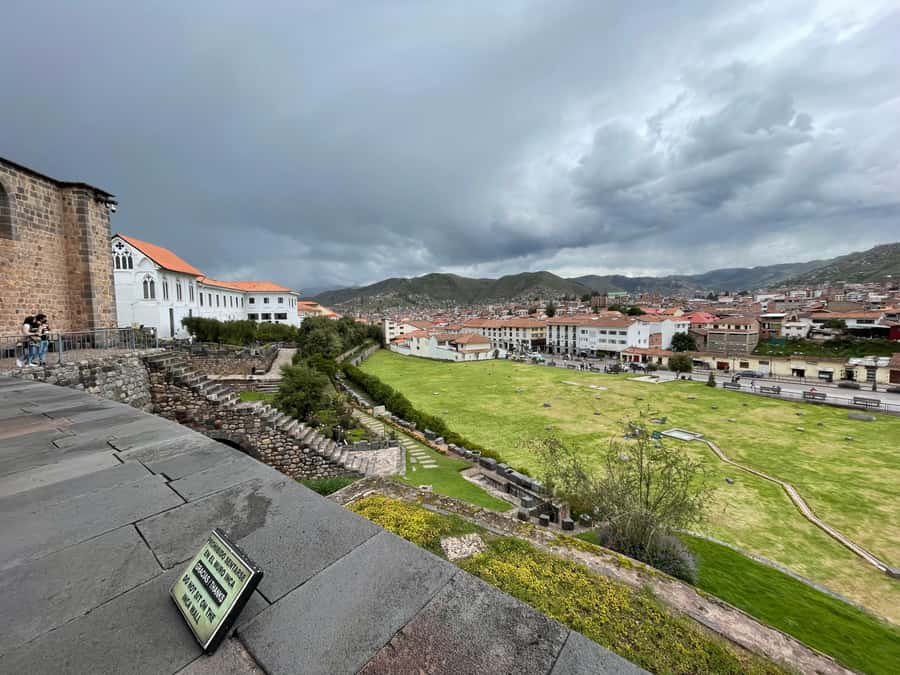
Coricancha: where Inca stone meets Spanish church
The tour usually begins with a short walk of about 10 minutes from the pickup area to Coricancha, also called Qoricancha. You spend roughly 40 to 60 minutes here, depending on the departure schedule and guide.
This is the most important stop for understanding Cusco’s layered identity. Coricancha was an Inca temple devoted to the Sun God. After the Spanish conquest, much of the sacred complex was adapted for colonial religious use. The result is not one clean architectural style, but a striking meeting of precisely fitted Inca masonry and Spanish colonial construction.
I especially like this opening because it gives you a useful question for the rest of the day: what is original, what was altered, and what was built over it? The stop is less about spectacular open views and more about close-looking. Pay attention to the contrast between the tight, carefully cut stonework and the later colonial forms above it.
Admission is separate, so do not confuse the tour price with the full cost of entering the site. The guide leads the visit, and there is time for sightseeing and photographs. If the bilingual presentation is delivered first in Spanish and then in English, the English portion may feel brief. Stand close to the guide and ask for clarification if you need more context.
Sacsayhuamán and the problem of a rushed visit
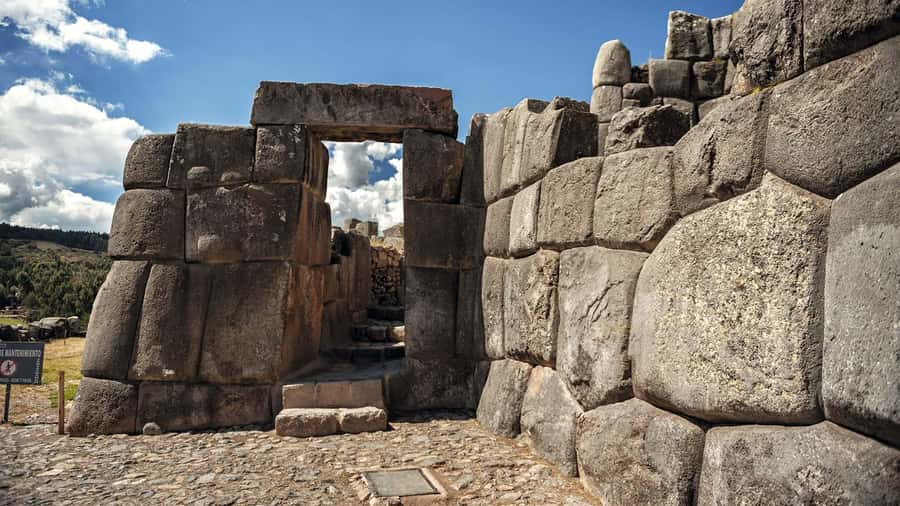
A van ride of about 15 minutes brings you to Sacsayhuamán, the day’s most visually powerful ruin. The visit is scheduled for about 40 to 45 minutes, with guided commentary, photographs, walking, and some free time.
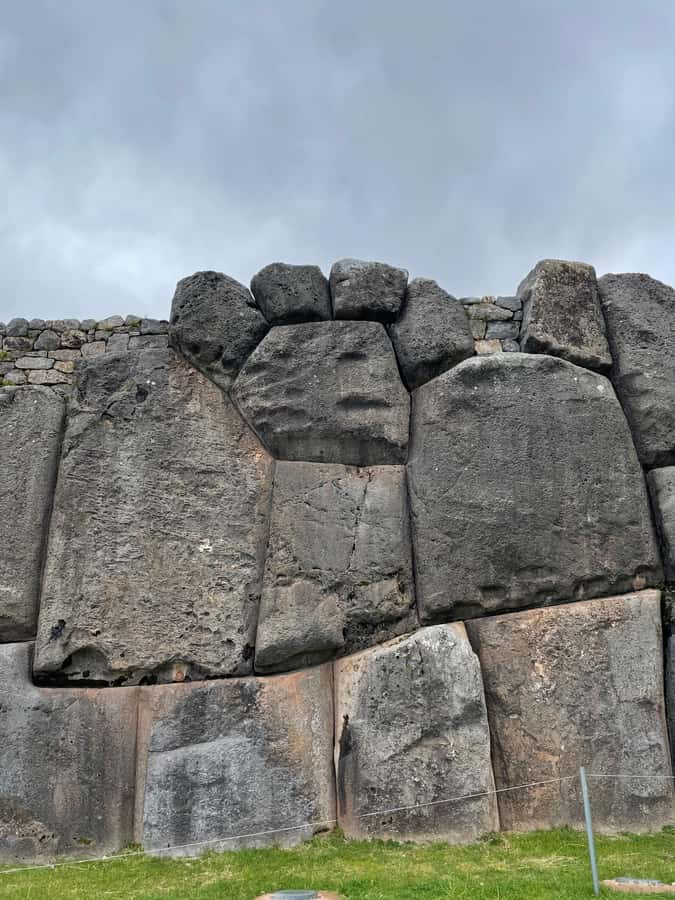
The fortress is famous for its huge carved stone blocks. Their size is what catches your eye first, but the fit between them is the real marvel. The walls are built in zigzag lines, and the elevated position gives you broad views across Cusco. This is also where the tour’s military theme becomes clearest. Sacsayhuamán was not simply a scenic ruin. Its commanding position helped protect and control the Inca capital.
You will want more time here than the schedule allows. One reported outing spent only about 15 minutes at the site, with the rest of the planned time reduced by extra stops. That matters because Sacsayhuamán needs a little breathing room. You need time to look at the masonry, hear the explanation, and take in the city below without being hurried back to the van.
If you are interested in stonework, this is the stop to protect. Ask at the start how much time you will have on foot. Keep your camera ready, but do not spend the whole visit looking at the screen. The scale of the walls is easiest to grasp when you stand close to the blocks and then turn toward the view.
Qenqo: a compact ceremonial site with strange stone details
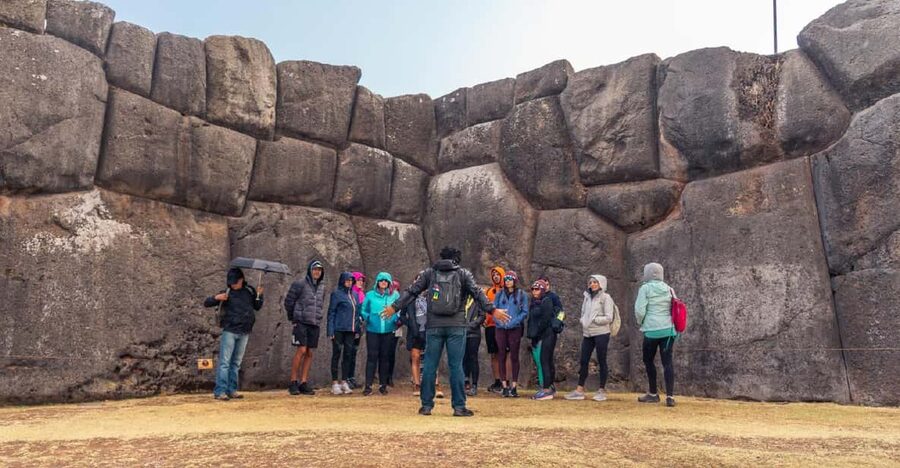
The next drive is short, about five minutes, and Qenqo receives roughly 20 minutes. That may sound brief, but Qenqo is smaller and more concentrated than Sacsayhuamán.
The site is known for carved rock formations, ceremonial spaces, channels, and maze-like details. Your guide can point out the parts that are easy to miss when you first walk in. Unlike the open, monumental feel of Sacsayhuamán, Qenqo feels more enclosed and puzzling.
I would treat this as a focused stop rather than a place to wander. Look closely at the carved surfaces and water channels. The exact purpose of every feature is not presented as a simple modern explanation, which is part of its appeal. You are seeing a place shaped for ritual, but the stone leaves room for questions.
The short visit can work well if the guide keeps the explanation tight. It can also feel thin if the group is rushed. This is another reason to stay near the guide and listen at the first explanation rather than waiting for a second pass.
Same place, a different morning at the gates:
- From Bangkok: Ayutthaya Temples Guided Tour with Lunch
★ 4.7 · 10,535 reviews - Siem Reap: Angkor Wat: Small-Group Sunrise or Sunset Tour
★ 5.0 · 9,444 reviews - Athens: Cape Sounion & Poseidon Temple Sunset Half-Day Trip
★ 4.8 · 8,241 reviews - Ubud: Monkey Forest, Jungle Swing, Rice Terrace, and Water Temple
★ 5.0 · 7,160 reviews
Tambomachay: water, stone channels, and high-altitude air
After about 20 minutes in the van, you reach Tambomachay. The schedule allows around 45 minutes, while the broader route description gives this stop up to an hour. Either way, it is one of the more peaceful places on the circuit.
Tambomachay is associated with water and purification. Water flows through carefully arranged stone channels and fountains, giving the site a different mood from the heavy walls of Sacsayhuamán. The engineering is modest in scale but graceful in effect. You can see how water was directed through the stone rather than simply allowed to run downhill.
The site is also a good reminder that Inca power was not only about fortresses and monumental blocks. Water, ritual, movement, and careful construction were all part of the picture. Let the guide explain the channels, then use the free time for photographs and a short walk.
Wear shoes with a firm sole. The tour information recommends comfortable or hiking shoes, and that advice makes sense across the route. Add a long-sleeved shirt and breathable layers because conditions can change quickly at altitude. During the rainy season, carry waterproof clothing or buy a poncho in the plaza.
Puca Pucara and the final view over Cusco
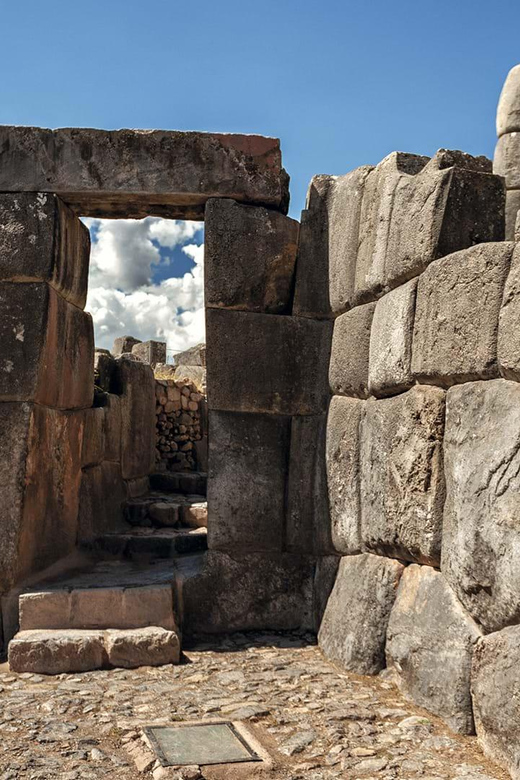
The final archaeological stop is Puca Pucara, reached after a short van ride from Tambomachay. The schedule gives about 20 minutes for the visit, followed by transport back toward Cusco.
Puca Pucara is described as a military fortress and strategic control point. Its position provides panoramic views, and the site helps complete the day’s military story. After seeing Sacsayhuamán’s massive defenses, you get a smaller outpost with a practical purpose: watching movement along routes approaching the capital.
Do not expect another Sacsayhuamán. Puca Pucara is more compact, and the short stop reflects that. Its value comes from location and function. Look out across the surrounding area and imagine why a high control point mattered. The views are also a pleasant final pause before returning to the city.
The route finishes at Calle Plateros or the original departure area, depending on the arrangement. The detailed schedule describes a return to the first starting point, while the route information lists Calle Plateros as the finish. Confirm the exact drop-off when your pickup is arranged.
How the bilingual guiding affects your day
The guide speaks English and Spanish, which makes this tour accessible to a wider range of visitors. The quality of the explanation can be good, and Yako received particular praise for being caring and for explaining the ancient Inca civilization clearly.
There is one practical issue. When every explanation is repeated in two languages, the schedule becomes tight. English sections may also be shorter than Spanish sections. If you are relying on English, stay close to the guide and ask direct questions during the walk rather than waiting for a long formal talk.
The guide may also manage the group while handling calls or other tasks. That can affect the feeling of attention during transfers. I would judge the tour mainly by whether the guide gives you useful context at each ruin, not by expecting a private-guide pace.
The shopping-stop warning
The planned route is about ruins, temples, water channels, and views. Yet some outings have included stops at places that are not part of the main sightseeing route, such as an alpaca clothing shop or a textile store. Books and liquor have also been offered on the bus.
A short craft stop may not bother you. It can give you a chance to browse Peruvian textiles, and some people like having a shopping break. The problem comes when a half-hour sales visit replaces time at Sacsayhuamán or another archaeological site.
If shopping is not your priority, ask early whether any commercial stops are planned and how long they will last. A polite, direct question can help you understand what kind of day you are getting. The most valuable part of this tour is the archaeology, so I would rather spend ten extra minutes studying Inca stonework than browsing a sales display.
What to bring for the five-hour route
The packing list is practical, but you do not need to carry every item suggested. Start with a passport or identification card, cash in soles, a charged smartphone, and a camera.
For clothing, choose breathable layers, long pants, and a long-sleeved shirt. Comfortable shoes are essential, while hiking shoes or hiking pants are useful if you prefer more support and protection. Clothing that can get dirty is sensible because the route includes walking around archaeological sites.
Biodegradable sunscreen is recommended. Rain protection matters during the wet season, when you can bring waterproof clothing or buy a poncho in the plaza. Keep your tickets and cash secure and easy to reach at the entrances.
Strollers and baby carriages are not allowed, and the tour is not suitable for children under three, babies under one, people with altitude sickness, or people over 95. Those limits are important because the route includes walking, uneven archaeological ground, and high-altitude conditions.
Who will get the most from this tour?
I would choose this outing if you want a low-cost introduction to Cusco’s main nearby Inca sites and prefer not to organize transport yourself. It is especially useful early in a Cusco stay, when you want a broad orientation before deciding which places deserve a longer return visit.
It also suits you if you enjoy comparing different kinds of sites: a sacred temple, a huge fortress, a ceremonial rock complex, a water shrine, and a military lookout. The variety keeps the five hours moving.
I would hesitate if you want slow photography, detailed archaeology, or a completely sales-free day. The schedule is already compact, and extra stops can reduce the time at the ruins. If Sacsayhuamán is your main reason for booking, confirm the expected time there before paying.
Free cancellation up to 24 hours ahead and reserve-now, pay-later terms make the booking flexible. Check the available start times carefully, since the morning and afternoon versions return at different hours.
Should you book this Cusco city tour?
Book it if you want five major sites for a modest price, included transport, and a bilingual guide who can connect the ruins into one clear story. Coricancha is a strong beginning, Sacsayhuamán supplies the drama, and Tambomachay adds a welcome change of pace with its flowing water.
Skip it if you dislike rushed sightseeing or sales stops. In that case, arrange fewer sites with more time, or make Sacsayhuamán your priority and visit it separately.
For most first-time visitors with limited time, this is a useful orientation tour, not the final word on Cusco’s Inca heritage. Bring soles, protect your time at Sacsayhuamán, and treat the $16 price as a good base package with entrance fees and a little scheduling uncertainty added on.
FAQ
How long does the Cusco city tour last?
The tour lasts about five hours. The morning version is scheduled from around 9:00 a.m. to 2:00 p.m., while the afternoon version runs from about 1:00 p.m. to 6:30 p.m.
Which sites are included?
The route includes Coricancha, Sacsayhuamán, Qenqo, Tambomachay, and Puca Pucara. Coricancha is the Sun Temple, while the other four are archaeological sites around Cusco.
Is hotel pickup included?
Pickup is included from hotels near Cusco’s historic center. You are contacted one day before the tour to coordinate the exact pickup arrangement.
Are entrance tickets included in the $16 price?
No. Admission to Qoricancha costs 15 soles, and the partial Tourist Ticket costs 70 soles. Entrance payments are made in soles at the archaeological sites.
What languages does the guide speak?
The tour provides a live guide in English and Spanish. Explanations may be given in both languages during the same visit.
What should I bring?
Bring your passport or identification card, cash in soles, comfortable or hiking shoes, a camera, sunscreen, layered clothing, and a charged smartphone. Waterproof clothing or a poncho is useful during the rainy season.
Is the tour suitable for young children?
The tour is not suitable for children under three years old or babies under one year old. Baby strollers and baby carriages are also not allowed.
Can I cancel the booking?
You can cancel up to 24 hours in advance for a full refund. The reserve-now, pay-later option lets you hold a place without paying immediately.
Where does the tour finish?
The detailed route lists Calle Plateros as the finish, while the scheduled program describes returning to the original departure point. Confirm your exact drop-off location when arranging pickup.
Just added around the world
- No.1 Chiang Mai: 3-Hour Monk Trail Hike to Wat Doi Suthep & Palad★ 5.0 · 11 reviews
- 8 Days Private South India Temple Tour with 4 Star Luxury Hotels★ 5.0 · 3 reviews
- Chennai City Highlights – Government Museum & Temple Discovery★ 4.0 · 7 reviews
- South India Tour- Temple Architecture and Backwaters★ 5.0 · 7 reviews
- Half-Day Trip to Arkadi Monastery and Melidoni Cave★ 4.5 · 4 reviews
- Chania Private Tour: Monastery, Scenic Gorge & Mountain Views★ 5.0 · 12 reviews
- 2-Day Private Tour of Leshan Grand Buddha and Emei Shan including Monastery Stay★ 4.5 · 8 reviews
- Monastery, Elafonissi and Winery Tour from Chania★ 5.0 · 8 reviews
Peru Temple Tours, compared.
Pre Inca Temple of Pachacamac Half-Day Tour from Lima
Read our review →
Cusco City Sightseeing, San Pedro Market, Cathedral and Qorikancha Temple
Read our review →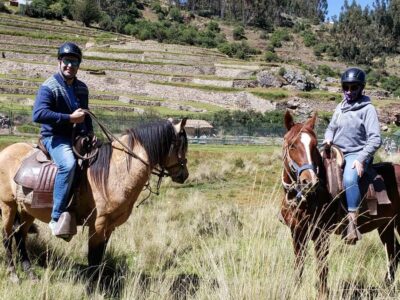
Cusco: 3-Hour Horse Riding Tour to the Temple of the Moon
Read our review →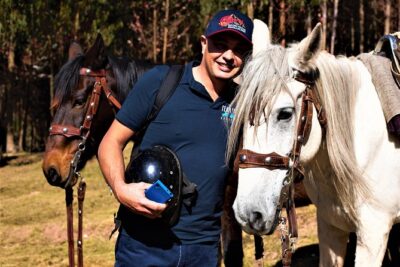
Horse Riding Chacan Mountain And Temple Of The Moon
Read our review →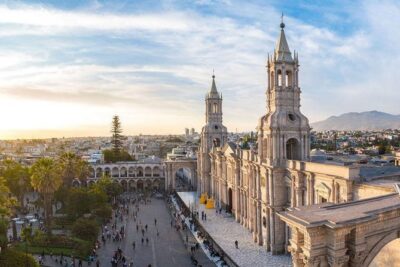
Arequipa, Historic and Colonial City and Santa Catalina Monastery
Read our review →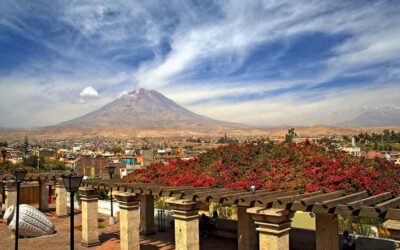
Arequipa: Walking Tour and Santa Catalina Monastery
Read our review →
From Trujillo: Temple of the Moon and Sun and Chan Chan
Read our review →Browse the lists this tour appears in