
Review · PERU
From Trujillo: Temple of the Moon and Sun and Chan Chan
Ancient temples, adobe walls, and a full day of northern Peru. This tour links the Moche temples at Campiña de Moche with Chan Chan, giving you two major archaeological sites in one outing. I like the clear cultural contrast: Huaca de la Luna shows Moche religion, while Chan Chan presents the later Chimú world. I also like that transportation, hotel pickup, and an English or Spanish guide are included.
The main concern is value. At $85 per person, the price feels high because entrance tickets, lunch, and drinks are extra. The schedule also packs several stops into eight hours, so you may spend less time at the major sites than you would on separate visits.
Key points to know before booking
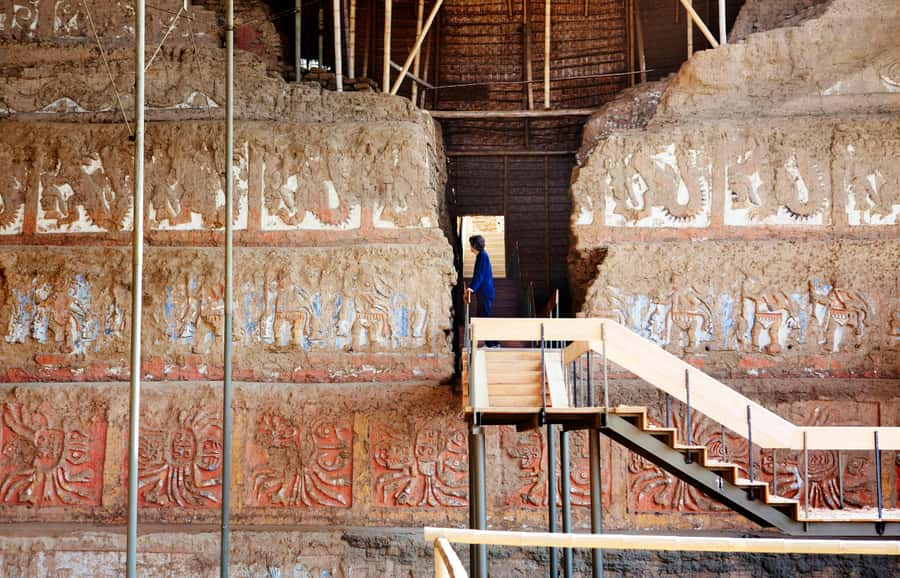
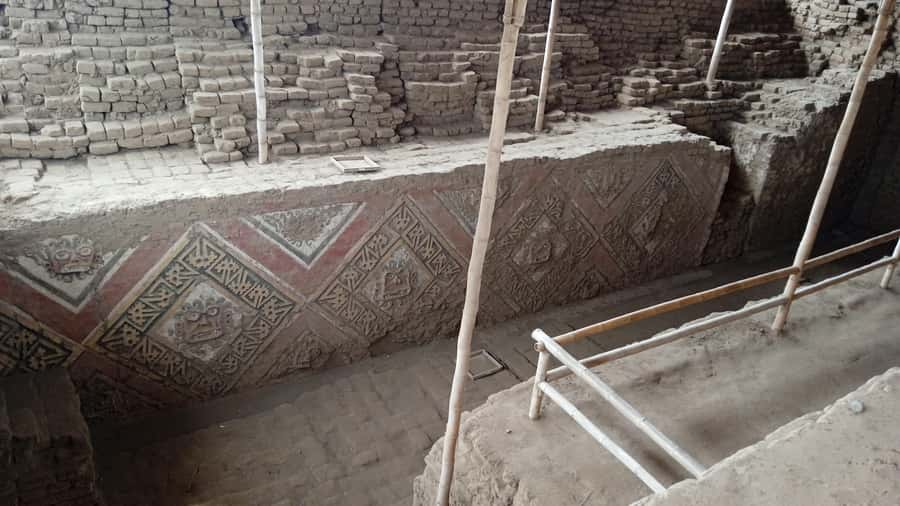
- Huaca de la Luna is the day’s strongest stop: See adobe walls decorated with Aia Paec, warriors, dancers, spiders, and snakes.
- The Moche Museum comes first: Three rooms of archaeological remains help explain the temple before you walk through it.
- Chan Chan includes more than the main museum: You also visit Huaca Arco Iris, known as the Huaca del Dragon.
- Lunch is not included: Bring money for the restaurant stop, and remember that drinks are also on your own.
- Guide quality can shape the day: Wilmer received praise for his attention and subject knowledge, while Napoléon was described as passionate about history.
- The schedule is tight: Pickup is around 10:00 AM, lunch follows the morning sites, and you return to Trujillo around 6:00 PM.
Why this Trujillo day trip matters
Trujillo is one of Peru’s best bases for ancient coastal cultures. The nearby monuments are not just piles of old adobe. They show how two powerful societies organized religion, government, trade, art, and daily life in a dry coastal setting.
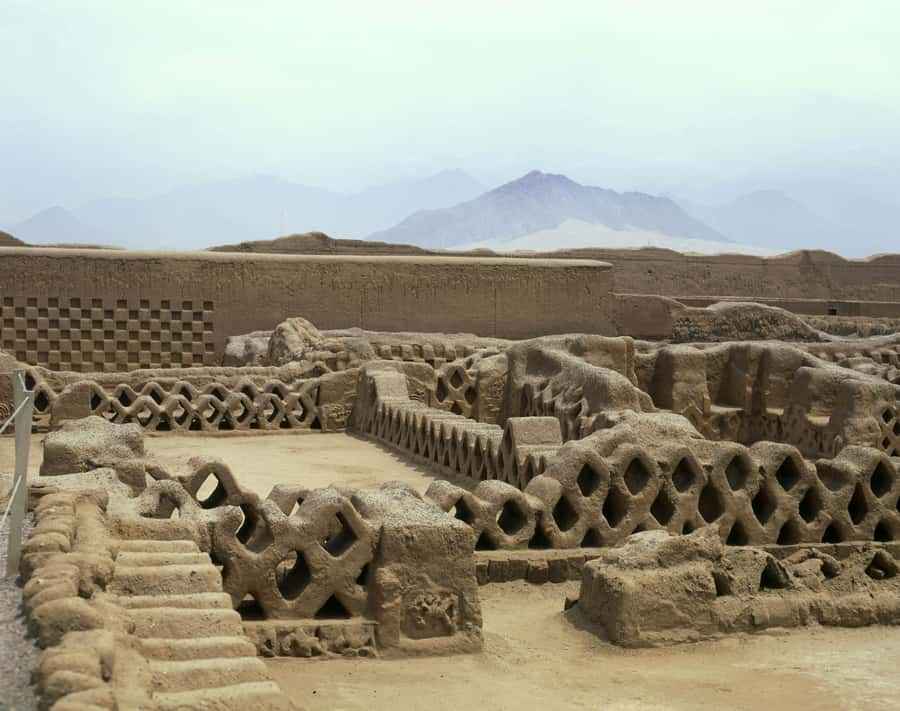
This outing focuses on the Moche and Chimú. The Moche came first and are especially known here for their ceremonial temples and striking painted imagery. Chan Chan belongs to the Chimú period, when the city grew into a major urban center with planned compounds and skilled craft production.
I like the way the itinerary puts these cultures side by side. You begin with the Moche religious center, then finish with Chimú material and political culture. That sequence gives the day a useful rhythm, even if the timing can feel rushed.
The tour costs $85 per person. That fee covers transportation, pickup from your accommodation in central Trujillo, a professional guide, and drop-off at the city’s main square. It does not cover the Huaca tickets, Chan Chan admission, lunch, or drinks. Before booking, add those extra costs to the headline price. The convenience may still be worthwhile, but this is not a low-cost sightseeing day.
A few more temple visits around the world worth a look
- Lisbon: Jerónimos Monastery Entrance Ticket
★ 4.1 · 14,164 reviews - Angkor Wat Sunrise or Sunset Tour with Guide from Siem Reap
★ 5.0 · 12,109 reviews - Teotihuacan, Guadalupe Shrine & Tlatelolco Day Tour with Lunch
★ 5.0 · 11,603 reviews
Starting at Campiña de Moche
Pickup takes place at about 10:00 AM, followed by a drive of roughly 20 minutes to Campiña de Moche. That short transfer is useful because you get from central Trujillo to the archaeological area without arranging a taxi or working out local transport.
The first stop is the Huacas de Moche Museum. Its three rooms display archaeological remains connected with the Moche civilization. This introduction matters. Without it, the symbols and building techniques at Huaca de la Luna can seem like a collection of fragments. With it, you have a basic framework for understanding what follows.
The museum is not described as a huge institution, and the visit is likely fairly focused. That can be a strength during a full-day outing. You get enough background to read the site, but you are not spending the entire morning indoors.
There is one important practical warning: the advertised museum visit was not completed on at least one occasion. If this museum is a major reason for booking, confirm with the operator that it is included on your departure date. A missed museum visit would reduce the value of a tour that already carries a higher price.
Reading the symbols at Huaca de la Luna
Huaca de la Luna is the central Moche experience. This religious complex was built from adobe, a material suited to the dry coastal climate but vulnerable to rain and erosion. The site gives you a direct look at how the Moche shaped ceremonial architecture and used images to express religious ideas.
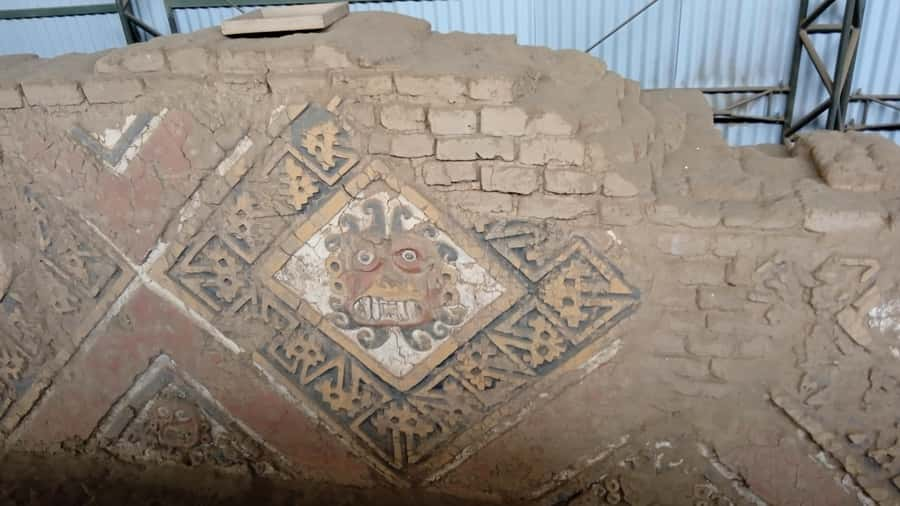
The deity Aia Paec is displayed here. You can also look for images of warriors, dancers, spiders, and snakes. These are not random decorations. They form part of the visual language of the complex, and a good guide can help you connect the figures to Moche beliefs and ceremonies.
This is where guide quality matters most. Wilmer was praised for being attentive and well informed, while Napoléon was described as especially passionate about history. Those comments point to the difference between simply walking past the walls and understanding what the figures mean.
From the highest level of Huaca de la Luna, you can see Huaca del Sol, rising about 43 meters. Huaca del Sol was used for administrative purposes, according to the tour information, while Huaca de la Luna served a religious role. Seeing both structures from above helps you grasp that this was more than one isolated temple. It was a larger center with different functions.
The viewpoint also gives the morning a strong visual finish. You look across to the massive Huaca del Sol while standing among the decorated walls of Huaca de la Luna. I would give this stop the most time if you have any control over the schedule.
Huaca del Sol from the upper platform
Huaca del Sol is not presented as a full walking visit on this outing. Instead, you view it from the highest level of Huaca de la Luna. That distinction matters if you expect to enter both major huacas.
Still, the view has value. The 43-meter height of Huaca del Sol makes its scale clear, and its administrative purpose provides a useful contrast with the religious complex under your feet. Your guide can explain how the two buildings worked together within Moche society.
The drawback is that a quick explanation may not satisfy visitors who want a longer archaeological visit. If your priority is detailed exploration of every structure, a more specialized or private arrangement may suit you better. This tour is designed to cover several major places in one day, not to examine one monument at a very slow pace.
Same place, a different morning at the gates:
- From Bangkok: Ayutthaya Temples Guided Tour with Lunch
★ 4.7 · 10,535 reviews - Siem Reap: Angkor Wat: Small-Group Sunrise or Sunset Tour
★ 5.0 · 9,444 reviews - Athens: Cape Sounion & Poseidon Temple Sunset Half-Day Trip
★ 4.8 · 8,241 reviews - Ubud: Monkey Forest, Jungle Swing, Rice Terrace, and Water Temple
★ 5.0 · 7,160 reviews
Lunch between the Moche and Chimú sites
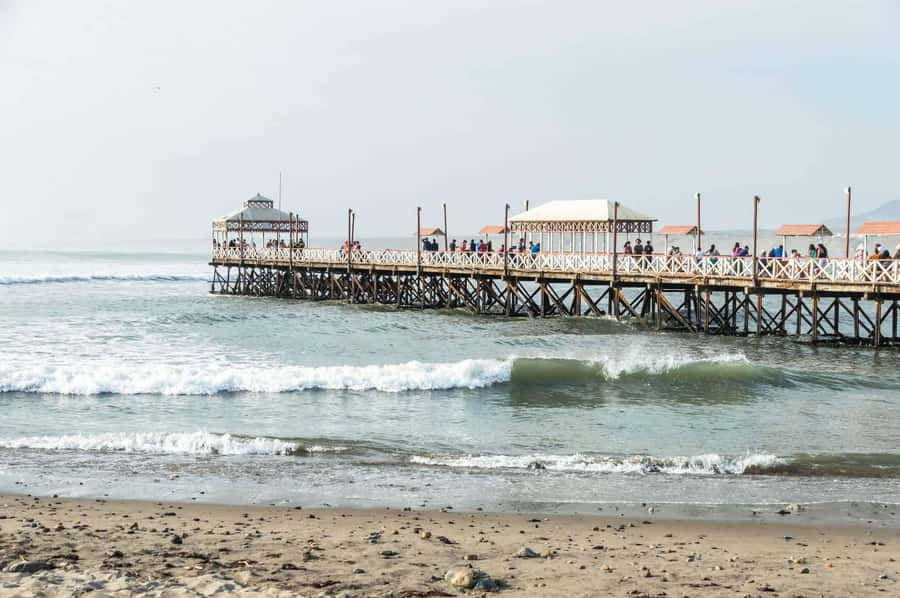
After the morning visit, the group goes to a restaurant for lunch. Lunch is not included, and drinks are also excluded, so plan for that extra spending.
The timing places lunch between the two main parts of the tour. After eating, the Chan Chan portion begins at about 2:45 PM. That gives you a clear break, which is helpful after walking around the huacas, but it also means the afternoon has a fixed start.
I would ask about the restaurant and expected lunch length when booking. The available information does not specify the menu, meal price, or dietary choices. You should not assume that food is included simply because the stop is part of the itinerary.
Huaca Arco Iris, the Dragon Temple
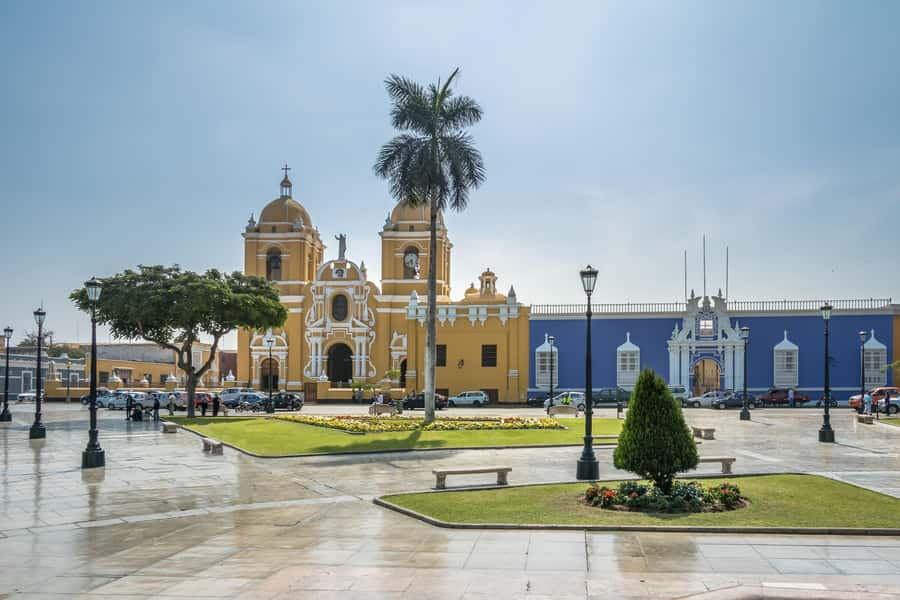
The afternoon begins with Huaca Arco Iris, also called Huaca del Dragon. It is located in the district of Hope and is dedicated to the rainbow as a symbol of fertility.
This stop adds another type of adobe architecture to the day. Unlike the imagery at Huaca de la Luna, the focus here is the rainbow and its connection with fertility. That gives you a fresh set of symbols to consider before reaching Chan Chan’s museum.
The stop may be brief, especially because the afternoon also includes the Chan Chan Site Museum. One direct account described two stops as not very interesting and felt that Huaca de la Luna and Chan Chan were visited too quickly. That is a useful warning. If you prefer a slow, detailed archaeological visit, the tour’s broad coverage may frustrate you.
I see Huaca Arco Iris as a supporting stop rather than the main reason to book. It works best when you want a wider view of the region’s ancient monuments. If your time in Trujillo is limited and you want only the most important site, Huaca de la Luna deserves priority.
What you see inside the Chan Chan Site Museum
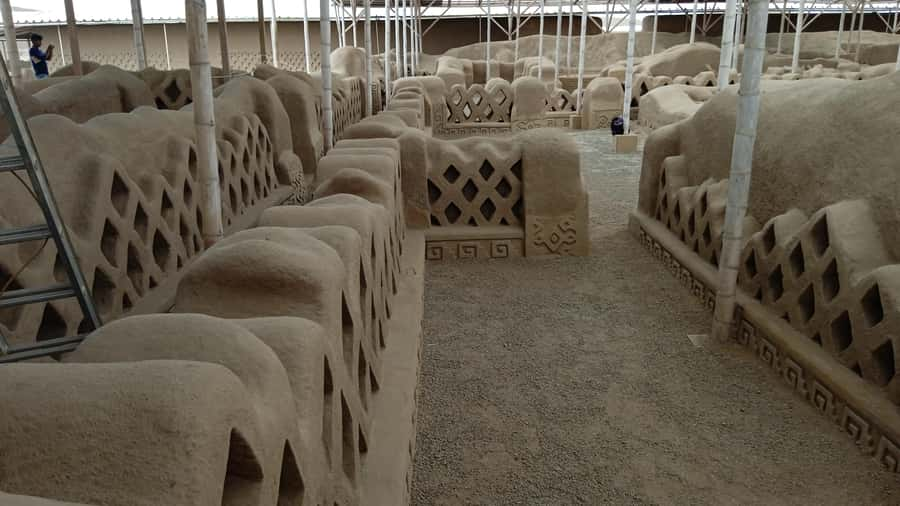
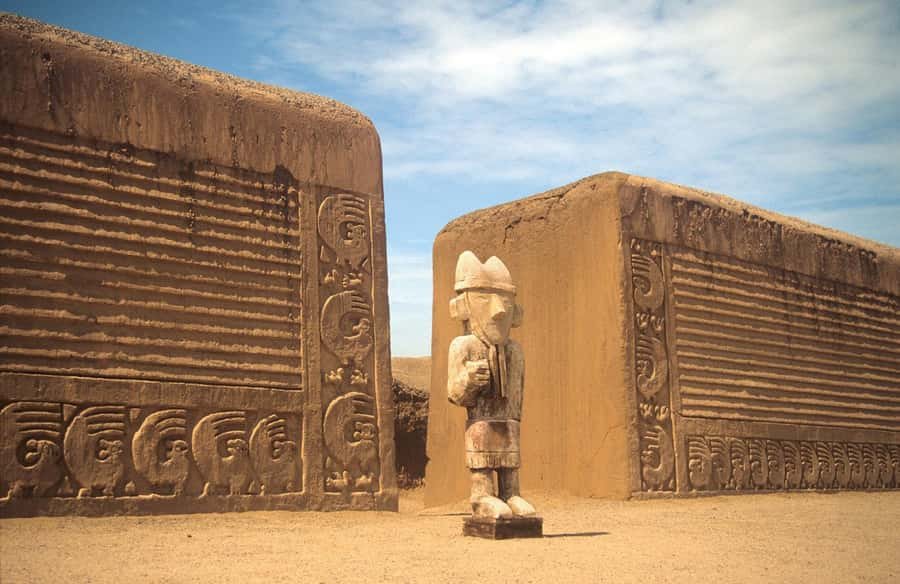
The Chan Chan Site Museum brings the Chimú story into focus through several types of objects. Displays include ceramics, textiles, metalwork, and construction materials. These objects help you think about Chan Chan as a functioning society, not simply as walls in the desert.
A second room presents the pre-Hispanic cultural development of the region. This broader section is useful because the Chimú did not appear in isolation. It places the city within a longer sequence of local cultures.
The final room tells the Chimú story with projections, lights, and sound effects. This presentation gives the museum a more theatrical finish than a conventional display case. Some people will appreciate the added atmosphere; others may prefer labels, artifacts, and quiet interpretation. Either way, it provides a clear closing chapter before you return to Trujillo.
I like having the museum in the afternoon because it can organize what you have seen at Huaca Arco Iris and the wider Chan Chan area. The museum visit also gives you a break from outdoor adobe sites, which can make the eight-hour schedule feel more manageable.
How the timing affects your day
The stated schedule runs from about 10:00 AM until 6:00 PM. That is a full day, but it is not an exhausting early start. The 20-minute drive to Campiña de Moche keeps the morning transfer short, while the afternoon is reserved for Chan Chan and its museum.
The schedule’s weakness is its lack of spare time. You have the Moche Museum, Huaca de la Luna, lunch, Huaca Arco Iris, the Chan Chan Site Museum, and transport all within eight hours. If traffic, lunch, or a delayed start takes longer than expected, the major archaeological stops may receive less attention.
One person who took the tour felt Huaca de la Luna and Chan Chan were covered at a run. I would keep that possibility in mind, especially if you enjoy photography, careful reading, or long guide discussions. Ask at the start how much time is planned at each site. That simple question can help you set expectations.
The return is scheduled for about 6:00 PM, with drop-off at Trujillo’s main square. That is convenient if you want to eat nearby or continue exploring the center afterward.
The guide can make or break the experience
The guide is one of the tour’s biggest strengths when the match is good. The service is offered in English or Spanish, and the comments about Wilmer and Napoléon are especially encouraging.
Wilmer was praised for being attentive and well informed. That combination matters on an archaeological tour. You need clear explanations, but you also need someone who notices when the group is confused, tired, or missing an important detail.
Napoléon was praised for being very informed and passionate about history. Passion can bring the Moche and Chimú subjects to life, particularly at Huaca de la Luna, where the symbols require explanation.
The experience is not guaranteed to feel identical with every guide. Still, the strongest feedback centers on the people leading the visits, not on the transport or lunch arrangements. If cultural interpretation is your main reason for booking, confirm the language you need and ask whether a live guide in that language is available on your date.
Is $85 a fair price?
The price is the tour’s most difficult point. One direct assessment called it too expensive compared with similar Trujillo tours, especially because lunch was not included. That criticism is reasonable.
You are paying for an eight-hour package with transportation, hotel pickup, a guide, and return to the main square. Those services remove much of the planning work. If you are short on time or do not want to arrange several taxis, that convenience has real value.
Still, the admission tickets are extra, and so are food and drinks. The final cost will be higher than $85. Since the itinerary is busy, you should also ask whether the convenience compensates for the shorter visits.
I would consider the price fair only if the guide is strong, the museum stop takes place as planned, and you value having both Moche and Chimú sites handled in one day. If you are watching your budget or want long visits at each monument, compare other local options first.
Who should book this experience?
I would recommend this tour to you if you have one free day in Trujillo and want a guided introduction to the area’s two major ancient cultures. It suits visitors who value transport and explanation over designing every minute of the day themselves.
It is also a good match if you want both religious architecture and museum displays. Huaca de la Luna supplies the strongest visual material, while Chan Chan’s museum adds ceramics, textiles, metalwork, construction materials, and a presentation about Chimú culture.
I would hesitate if you dislike fixed schedules, want an unhurried visit, or expect all costs to be included. The tour also may not suit you if the Huaca de Moche Museum is essential unless you first confirm that the visit will happen.
Free cancellation up to 24 hours before the activity and the option to reserve without paying immediately make planning easier. Those policies do not fix the price issue, but they reduce the risk of committing before your Trujillo plans are settled.
My recommendation
Book this tour if convenience, a live guide, and broad coverage matter more to you than saving money or lingering at one site. The combination of Aia Paec imagery, Huaca del Sol views, Huaca Arco Iris, and the Chan Chan museum gives you a useful picture of northern Peru’s ancient cultures.
Before paying, confirm three things: the museum visit, the admission costs, and how much time you will have at Huaca de la Luna and Chan Chan. If those answers are clear, the tour can be a practical one-day introduction. If not, look for a cheaper option with a slower schedule.
FAQ
Where does the tour begin?
Pickup begins from your accommodation in the Trujillo city center at around 10:00 AM.
How long does the experience last?
The tour lasts about eight hours, with a return to Trujillo scheduled for approximately 6:00 PM.
How far is Campiña de Moche from Trujillo?
Campiña de Moche is about a 20-minute drive from Trujillo.
Which languages are available?
The live guide is available in English or Spanish.
Is transportation included?
Yes. Transportation and pickup from your accommodation in central Trujillo are included.
Is lunch included?
No. Lunch and drinks are not included. You receive time to eat at a restaurant during the tour.
Are entrance tickets included?
No. Tickets for the huacas and admission to Chan Chan are not included in the $85 price.
What can you see at Huaca de la Luna?
You can see the adobe religious complex, the image of Aia Paec, and imagery of warriors, dancers, spiders, and snakes.
What is displayed at the Chan Chan Site Museum?
The museum displays ceramics, textiles, metalwork, and construction materials. It also presents the region’s pre-Hispanic cultural development and the Chimú story through light and sound projections.
Where does the tour end?
Drop-off is at Trujillo’s main square at about 6:00 PM.
Just added around the world
- No.1 Chiang Mai: 3-Hour Monk Trail Hike to Wat Doi Suthep & Palad★ 5.0 · 11 reviews
- 8 Days Private South India Temple Tour with 4 Star Luxury Hotels★ 5.0 · 3 reviews
- Chennai City Highlights – Government Museum & Temple Discovery★ 4.0 · 7 reviews
- South India Tour- Temple Architecture and Backwaters★ 5.0 · 7 reviews
- 2-Day Private Tour of Leshan Grand Buddha and Emei Shan including Monastery Stay★ 4.5 · 8 reviews
- Half-Day Trip to Arkadi Monastery and Melidoni Cave★ 4.5 · 4 reviews
- Chania Private Tour: Monastery, Scenic Gorge & Mountain Views★ 5.0 · 12 reviews
- Monastery, Elafonissi and Winery Tour from Chania★ 5.0 · 8 reviews
Peru Temple Tours, compared.
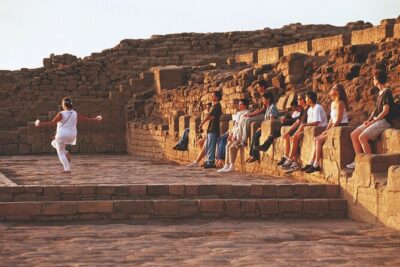
Pre Inca Temple of Pachacamac Half-Day Tour from Lima
Read our review →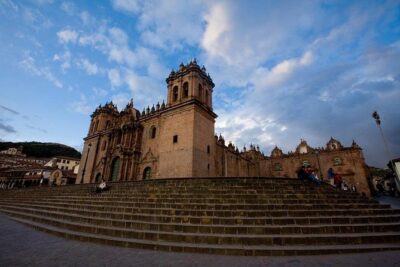
Cusco City Sightseeing, San Pedro Market, Cathedral and Qorikancha Temple
Read our review →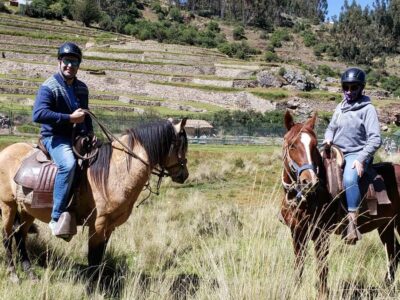
Cusco: 3-Hour Horse Riding Tour to the Temple of the Moon
Read our review →
Horse Riding Chacan Mountain And Temple Of The Moon
Read our review →
Arequipa, Historic and Colonial City and Santa Catalina Monastery
Read our review →
Arequipa: Walking Tour and Santa Catalina Monastery
Read our review →
Browse the lists this tour appears in