Review · SIEM REAP
2 Days Exclusive Temple Highlights with Sunset and Sunrise Tour
The best Angkor mornings start before breakfast. This two-day Siem Reap tour pairs sunrise at Angkor Wat with a wide sweep of major and lesser-known temples, using air-conditioned transport and an English-speaking guide to make a large ancient site easier to understand. I especially like the sensible order, with the tour ending at Angkor Wat, and the steady supply of bottled water and cool towels. The main catch is cost: the $49 tour price does not include the required $62 temple pass, and meals are extra.
You will see a lot in two days, from finely carved Banteay Srei to jungle-wrapped Ta Prohm and the grand city of Angkor Thom. I also like that the schedule leaves room for personal exploring and photo stops instead of making every temple a rushed walk-through. Still, this is a full, high-energy program, so comfortable shoes, covered shoulders and knees, and a willingness to rise before dawn are essential.
The Angkor highlights that make this tour worthwhile
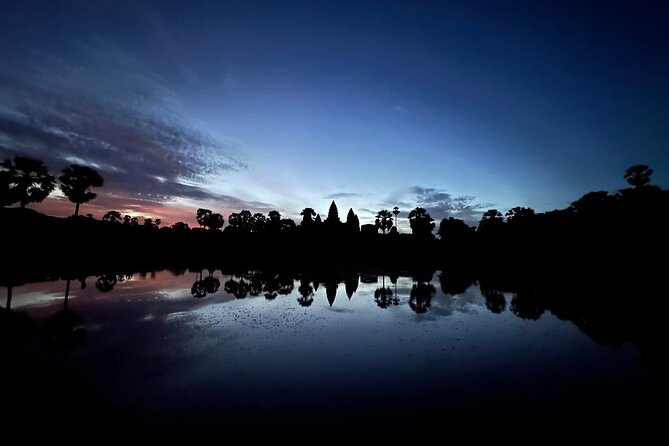
- Sunrise at Angkor Wat: Enter from the quieter eastern side before dawn, with a torch, then watch daylight gather around Cambodia’s most famous temple.
- A strong mix of temples: The route includes Banteay Srei, Preah Khan, Ta Prohm, Bayon, Neak Pean, Pre Rup, and smaller Ta Nei.
- Guides who add real value: Guides such as Pal Saruon, Chhay, Sokpee, Sak, Bun, and Vantha are praised for clear explanations, photo help, timing, and warmth.
- Comfort between ruins: Air-conditioning, bottled water, cool towels, hotel transfers when selected, and regular bathroom breaks matter in Siem Reap’s heat.
- Two different sunset choices: The private option includes rice-field sunset time at Baitang, while the small-group option goes to Bakheng Mountain.
- A useful first visit: The itinerary gives you a broad introduction without forcing every major temple into one exhausting day.
What the $49 price really covers
At first glance, $49 per person looks like a low-cost way to see Angkor. The important calculation is the temple pass. A 2 to 3 day pass costs an additional $62 per person, paid directly at the site, bringing the basic combined cost to $111 before meals and drinks.
That total is still reasonable for two days of transport, a guide, hotel pickup and drop-off when selected, and a carefully arranged route. You are not paying only for a ride between monuments. A good guide helps you understand why one temple uses brick, another sandstone, and another was built as a Buddhist site or royal center.
The value is strongest for a first visit. Angkor covers a large area, and the distances between temples can make independent planning awkward. You also avoid spending one day at Angkor Wat and then discovering that several important sites require another long outing.
Check the booking option closely. The information describes both small-group and private arrangements. A private booking gives your group the vehicle and allows a more personal pace. The small-group version offers a social setting and uses the Bakheng sunset plan. The transport is air-conditioned, a major benefit after walking across hot stone courtyards.
Meals are not included. Breakfast and lunch stops may be part of the day’s flow, but you pay for what you order. One useful piece of advice: the scheduled restaurants can cost more than similar places in town, with quality that may feel ordinary for the price. Carry some cash and treat these stops as convenient breaks rather than culinary highlights.
More Temple Sunrise Tours in Cambodia
- Angkor Wat Sunrise or Sunset Tour with Guide from Siem Reap
★ 5.0 · 12,109 reviews - Siem Reap: Angkor Wat: Small-Group Sunrise or Sunset Tour
★ 5.0 · 9,444 reviews - Siem Reap: Angkor Wat 2-Day Tour with Sunrise and Sunset
★ 4.9 · 4,429 reviews
Day one begins with Pre Rup and Banteay Srei
Pre Rup is a good opening temple because its tall brick and laterite structure gives you a clear sense of the temple-mountain design used by Khmer rulers. It was built as the state temple of King Rajendravarman and dedicated around 961 or 962. Allow about an hour here.
You will climb steps and walk over uneven stone, so shoes with a firm sole are more useful than sandals. Pre Rup is not as ornate as Banteay Srei, but its strong shape and elevated terraces help set up the architectural story for the rest of the day.
The route then heads farther out to Banteay Srei, often called the Lady Temple. This is one of the most finely carved sites in Cambodia, built from pinkish sandstone with small, precise reliefs. You have about two hours, which is helpful because the details reward a slow look.
Banteay Srei is smaller than Angkor Wat, but do not mistake small for minor. Its carved lintels, figures, and floral patterns are unusually delicate. This is one place where a guide’s explanation helps you notice what you might otherwise walk past.
The distance to Banteay Srei also gives you a change from the central Angkor circuit. The outing is less about one giant monument and more about seeing how Khmer builders handled proportion and ornament. It does add driving time, so if you want only the central temples, this route may feel ambitious. For a first visit, I think the extra time is worthwhile.
Neak Pean and Preah Khan change the mood
Neak Pean is an artificial island temple reached by a walkway over wet ground. The site was associated with water and healing, and its unusual layout makes it different from the hilltop and enclosed temples earlier in the day.
You spend about an hour here. The walkway and open setting offer a break from tight corridors, though the temple itself is more compact than Preah Khan or Angkor Wat. Keep your expectations realistic: Neak Pean is interesting for its design and setting, not for a long sequence of grand galleries.
Preah Khan follows, with about two hours to explore. This is one of the most atmospheric stops on the route, a sprawling ruin where trees, roots, doorways, and crumbling walls share the same space. You will see a mixture of Buddhist and Hindu elements, along with long corridors and courtyards that make the former complex feel substantial.
Preah Khan can be confusing without a guide. There are many turns and layers, and it is easy to focus only on the photogenic stones while missing the purpose of the site. A good guide can give you a clear route, then allow time to wander and take pictures.
This is also where pacing matters. After Banteay Srei and several hours of walking, two hours among uneven ruins can feel long. The advantage of the two-day plan is that the tour does not try to add Angkor Wat and Ta Prohm to this same afternoon.
Sunset brings a softer end to day one
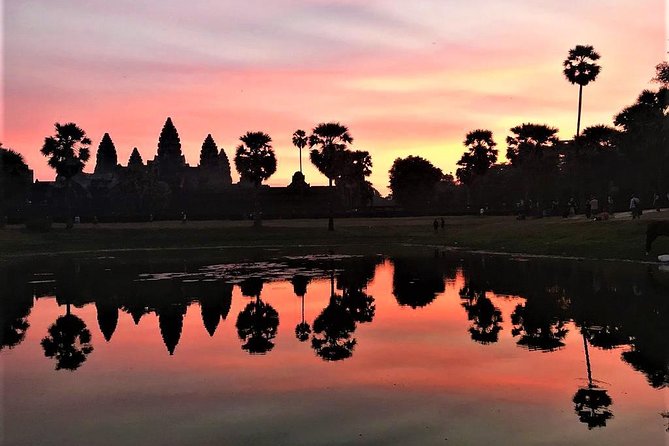
The sunset plan depends on the booking type. The private option includes time at Baitang in the Siem Reap rice fields, where you can sit with a cold drink and enjoy a simple countryside setting. The small-group option goes to Bakheng Mountain.
Baitang sounds less dramatic than a temple summit, but it offers a quieter change of pace after a day among ruins. If you choose the private option, this is a chance to slow down without another major monument competing for your attention.
Bakheng is the classic sunset choice for the small-group plan. The view can be appealing, but sunset access and crowd levels may affect how relaxed the stop feels. The schedule may also depend on weather and site conditions. The tour’s timing is a strength, but it cannot control clouds.
Several guides, including Pal and Vantha, are praised for finding good positions for sunrise and sunset photos. That service is useful if you want pictures of yourself, not only pictures of temples. Guides also commonly offer to take photos at key viewpoints, which saves you from relying on a passing stranger.
More Temple Sunrise Tours in Siem Reap
- Angkor Wat Sunrise tour with Small – Group and Guide tours
★ 5.0 · 3,655 reviews - Angkor Wat Highlights and Sunrise Guided Tour from Siem Reap
★ 5.0 · 3,213 reviews - Full-Day Angkor Wat Sunrise Private Tour with Guide from Siem Reap
★ 5.0 · 2,920 reviews - Angkor Wat Sunrise & 3 Main Temples with Breakfast – Small Group
★ 5.0 · 2,857 reviews
Sunrise at Angkor Wat is the tour’s big moment
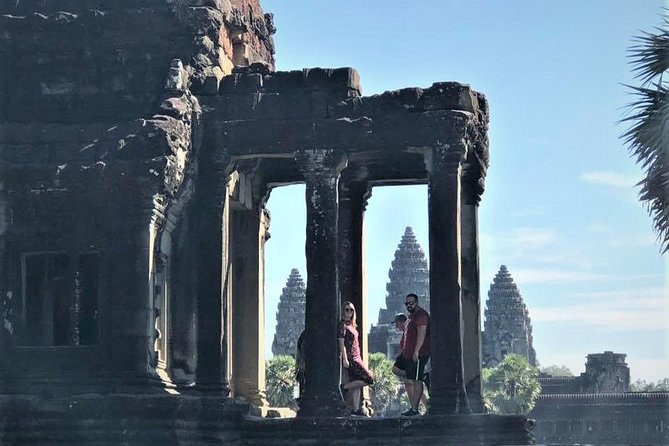
Day two begins before dawn. Bring a small torch because the route enters Angkor Wat from the eastern side while it is still dark. This approach is less direct than walking straight toward the famous western facade, but it helps avoid starting with the most familiar view and lets you move through the temple in a quieter, more atmospheric way.
Angkor Wat receives about three hours. That is enough for the sunrise experience and a meaningful look inside, though the site is so large that you could spend much longer. The first light over the towers is the emotional peak of the tour, but do not stop after taking the famous reflection photograph. The galleries and carved scenes inside deserve time.
The pre-dawn departure is the clear trade-off. You will be tired, especially after a full first day, but the timing is essential. If sunrise at Angkor Wat matters to you, this is the morning to protect. Bring water, a torch, and a layer for the cooler early hours if you need one.
The tour ends with Angkor Wat rather than beginning and ending with it on day one. That order works well. You first gain context from smaller and less familiar temples, then return to the most important site with a better sense of Khmer design and royal ambition.
Ta Prohm gives you the famous jungle setting
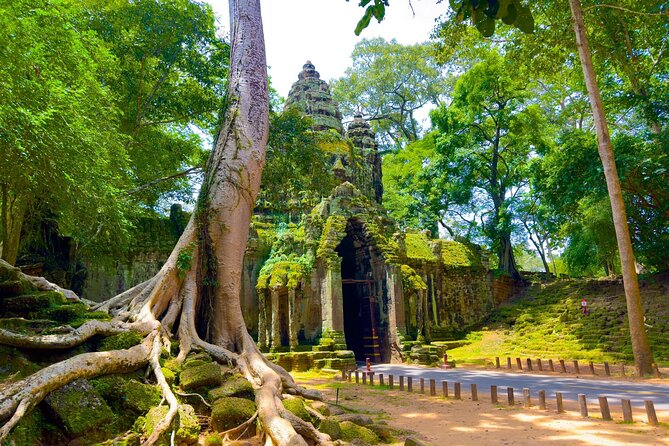
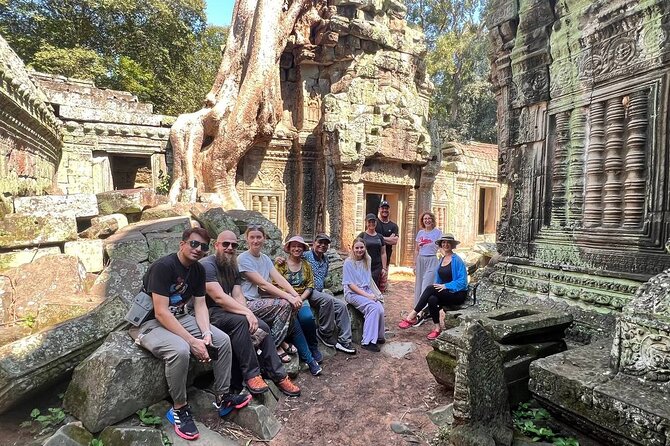
Ta Prohm follows Angkor Wat and receives about two hours. This is the temple most associated with tree roots pressing through stone, and it is easy to see why it attracts so much attention. The ruin was once home to 2,740 monks, and its scale becomes clearer as you move through courtyards and galleries.
Ta Prohm is photogenic, but it can also be busy. Your guide’s timing matters here. Several guides are praised for steering groups toward better photo spots while still allowing private exploration. Do not expect every corner to be empty, and be prepared to pause while other groups pass.
The stone can be uneven, and roots and narrow passages require care. Covered shoulders and knees are required throughout the temple complex. A scarf cannot replace proper shoulder coverage, so dress accordingly before leaving your hotel.
Ta Nei offers a quieter hour among ruins
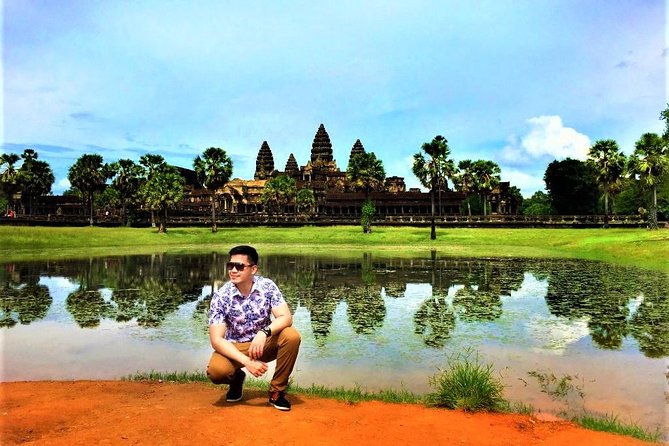
Ta Nei is a smaller late 12th-century stone temple in the Angkor area. The tour allows about an hour, giving you a contrast with the scale and fame of Ta Prohm.
This is the kind of stop that makes the itinerary feel more rounded. You see the headline monuments, but you also get a less famous site where the remains can be easier to take in as a ruin rather than as a major attraction.
Ta Nei may appeal most if you enjoy atmosphere and quiet details more than polished presentation. It is not likely to provide the same visual punch as Angkor Wat or Ta Prohm, and that is precisely its value. The route gives your eyes a rest from the biggest sights while keeping you within the Angkor story.
Angkor Thom brings the grand finish
Angkor Thom was the Khmer Empire’s capital city, and the scale changes again as you approach its gates and walls. The tour includes about an hour and a half in the city area, with time around Bayon.
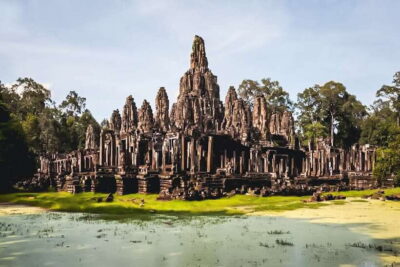
Bayon is known for its large carved faces, which appear from different angles as you move through the temple. The site can feel maze-like, so a guide’s route helps you avoid wandering without context. Take time to look at the lower reliefs too, where scenes of daily life and warfare add a human side to the royal monument.
The program also passes the Terrace of the Elephants and the Terrace of the Leper King. These are brief pass-by stops rather than long independent visits, so you should not expect the same amount of time as at Angkor Wat or Preah Khan.
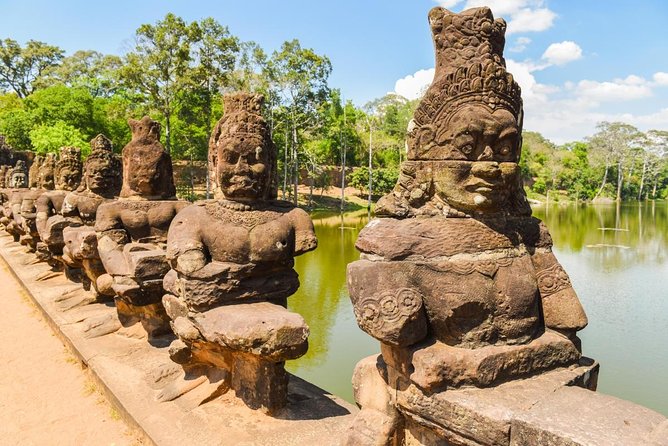
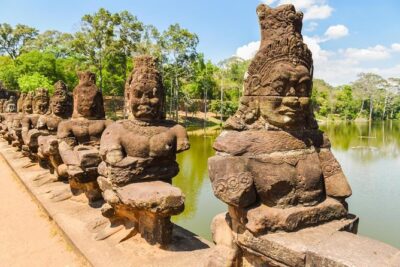
The final stop is Angkor Thom South Gate, with about 30 minutes. The gate’s bridge and guardian figures make a strong closing view, especially after you have seen the capital from inside. Because the stop is short, have your camera ready and listen for the guide’s explanation before exploring on your own.
Guides and drivers make the difference
The strongest part of this experience is the human service. Guides such as Pal Saruon, Chhay, Sokpee, Sak, Bun, Sokha, Vantha, and Vongsetha receive praise for explaining temple design, Cambodian customs, local life, and the religious meaning of the sites.
The useful pattern is not simply that guides know facts. The best ones balance explanation with silence, answer questions, help with photos, and keep the group moving without making it feel frantic. Chhay is praised for broad cultural explanations, while Pal is praised for time management and photo help. Sokpee and Sak are noted for patient, clear guiding.
Drivers also matter during two hot days. Names including Seyha, Vichet, Mao, Ro, Benly, and Keal are associated with careful driving, punctual transfers, cold water, and cool towels. You will appreciate those small comforts when you return to the vehicle dusty and warm.
Regular bathroom breaks are another practical advantage. The schedule is full, but the day is not meant to be one long march from ruin to ruin.
Who should book this two-day Angkor plan?
I would choose this tour if you are visiting Angkor for the first time, want the major temples plus a few quieter sites, and prefer having the route handled for you. It also suits families and small groups who value an air-conditioned vehicle, an attentive driver, and help with photos.
It is less suitable if you dislike early mornings, want long unstructured time at each temple, or prefer choosing every meal and stop yourself. The program is packed, though the guide usually leaves room for personal exploration.
Wear light, respectful clothing that covers your shoulders and knees. Bring comfortable walking shoes, a torch for the first morning, sun protection, and money for the temple pass, meals, and drinks.
Should you book it?
Book this tour if sunrise at Angkor Wat is a priority and you want an efficient first look at the Angkor area without arranging transport and temple order yourself. The best value comes from the combination of an experienced guide, a careful driver, air-conditioning, water, and a route that includes both famous and less familiar ruins.
Before booking, budget the extra $62 temple pass and meals. Choose the private option if you want a more personal pace and the rice-field sunset at Baitang. Choose the small-group option if you enjoy meeting others and prefer the Bakheng sunset plan. With those costs and choices understood, this is a strong, practical introduction to Siem Reap’s temples.
FAQ
What is included in the tour price?
The tour includes an English-speaking guide, air-conditioned transport, hotel pickup and drop-off when the selected option includes transfers, bottled water, and cool towels. The private option includes a rice-field sunset, while the small-group option includes sunset at Bakheng Mountain.
Is the Angkor temple pass included?
No. A 2 to 3 day temple pass costs $62 per person and is paid directly at the site.
Are meals and drinks included?
No. Food and drinks are not included. You can buy them at your own choice during the tour.
Is this a private or small-group tour?
The experience offers private and small-group options. A private booking is for your group only and allows a more personal pace.
What should I wear to the temples?
You must cover your shoulders and knees. This applies to both men and women. A scarf used only to cover the shoulders is not accepted, and you may be refused entry if you do not meet the dress rules.
Do I need a torch?
Yes. A torch is recommended for the pre-dawn entry to Angkor Wat from the eastern side.
Is the tour suitable for children?
Children must be accompanied by an adult. Most travelers can participate, but the two days involve considerable walking and early starts.
Can I cancel for a full refund?
Yes, if you cancel at least 24 hours before the experience start time. Cancellations or changes made less than 24 hours before the start time are not accepted for a refund.
More Temple Sunset Tours in Siem Reap
- Siem Reap: Full Day Angkor Wat Temple Experience with Sunset
★ 4.9 · 1,490 reviews - Angkor Wat full Day ‘Small Group with sunset & Tour Guide
★ 5.0 · 1,369 reviews - Siem Reap: 2-Day Temple Highlights Sunrise and Sunset Option
★ 4.9 · 445 reviews - Angkor Wat Small Group Tour and Sunset with Lunch Included
★ 5.0 · 398 reviews
More Temple Sunset Tours in Cambodia
- Siem Reap: Full-Day Angkor Wat Guided Tour with Sunset
★ 4.9 · 3,803 reviews - Angkor Wat Sunset Small Group Tour with Lunch Included
★ 5.0 · 3,059 reviews - Siem Reap: Angkor Wat Sunrise or Sunset Guided Tour
★ 4.9 · 2,123 reviews - Full-Day Guided Sunset Tour of Angkor Wat
★ 5.0 · 1,507 reviews
Just added around Siem Reap
- Sunrise at Angkor Wat Temple: 3-Hour Private Tour★ 4.7 · 30 reviews
- Small-Group Explore Angkor Wat Sunrise Tour with Guide★ 5.0 · 3 reviews
- Siem Reap: Ultimate Angkor Wat Offbeat Experience by Jeep★ 4.9 · 8 reviews
- SiemReap: Private Angkor Wat Tour in English or German guide★ 5.0 · 5 reviews
- Siem Reap : Private Tuk-Tuk Tour of the Magnificent Temples.★ 4.9 · 14 reviews
- Siem Reap: Private 4-Day Angkor Wat and Phnom Kulen Tour★ 5.0 · 9 reviews
- Siem Reap: Personalized Angkor Wat Sunrise/Set by TukTuk/Car★ 4.9 · 41 reviews
- Siem Reap: 1-Day Angkor Wat Tour in Portuguese★ 5.0 · 4 reviews
Temple Sunrise Tours, compared.
Angkor Wat Sunrise or Sunset Tour with Guide from Siem Reap
Read our review →
Angkor Wat: Small-Group Sunrise or Sunset Tour
Read our review →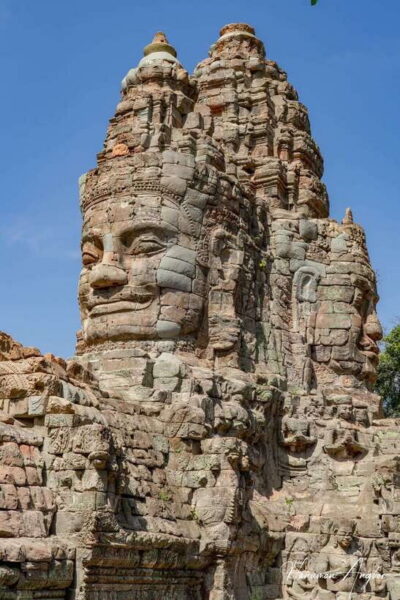
Angkor Wat 2-Day Tour with Sunrise and Sunset
Read our review →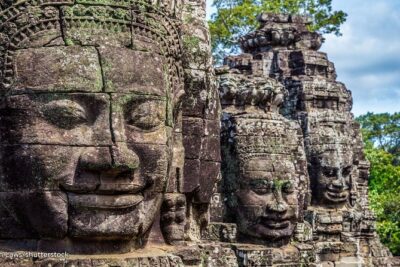
Angkor Wat Sunrise tour with Small – Group and Guide tours
Read our review →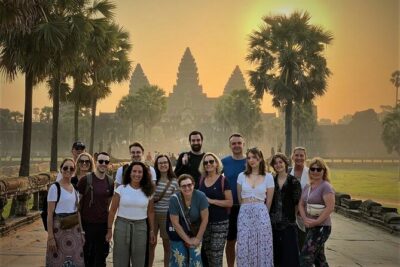
Angkor Wat Highlights and Sunrise Guided Tour from Siem Reap
Read our review →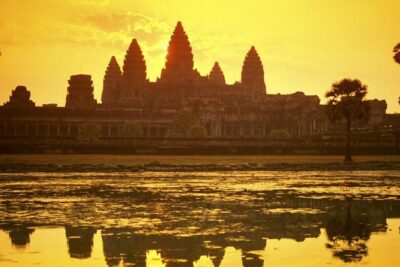
Full-Day Angkor Wat Sunrise Private Tour with Guide from Siem Reap
Read our review →
Angkor Wat Sunrise & 3 Main Temples with Breakfast – Small Group
Read our review →