
Review · GREECE
Meteora: Hiking Tour with Local Guide and Monastery Visit
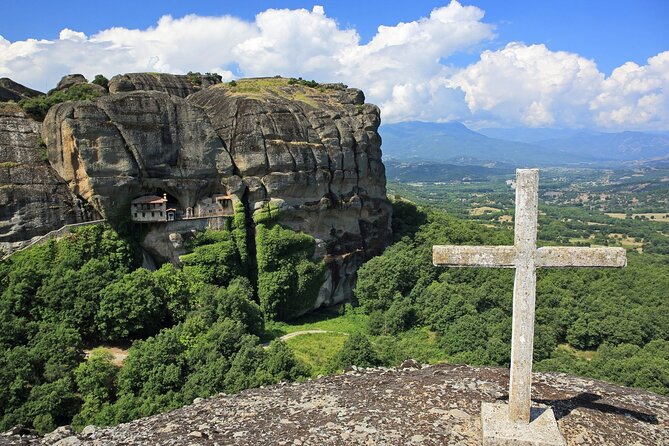
Meteora is best seen on foot. This four-hour hike takes you beyond the main road to Ypapanti monastery, old ruins, hermit caves, and viewpoints that buses cannot reach. I like the mix of nature and religious history, and I like having a local mountain guide explain the myths and monastic life along the way. The main consideration is fitness: the 7-kilometer route includes about 200 meters of climbing and is rated moderate.
I also like the small-group format and hotel pickup from Kalambaka or Kastraki. Guides such as Kosta, George, and Nikolas have been praised for their friendly manner and strong knowledge of the area. The guide does not lead the interior monastery visit, however, and the €5 entrance fee is extra.
Key points at a glance
- Ypapanti is reachable only by foot: This old monastery gives the hike a purpose beyond scenic walking.
- The route covers about 7 kilometers: Expect roughly four hours on foot, with 200 meters of elevation gain.
- A major monastery visit is included: The day includes Great Meteoron or Varlaam, depending on the schedule.
- Local stories add depth: Your English-speaking mountain guide explains Meteora’s myths, monks, ruins, and caves.
- Pickup is simple: Complimentary pickup and drop-off are provided from accommodation in Kalambaka or Kastraki.
- The price is strong for the area: At $35 per person, the fee includes transport, guiding, the hike, and water, but not the €5 monastery entrance fee.
Why this Meteora walk is different from a road tour

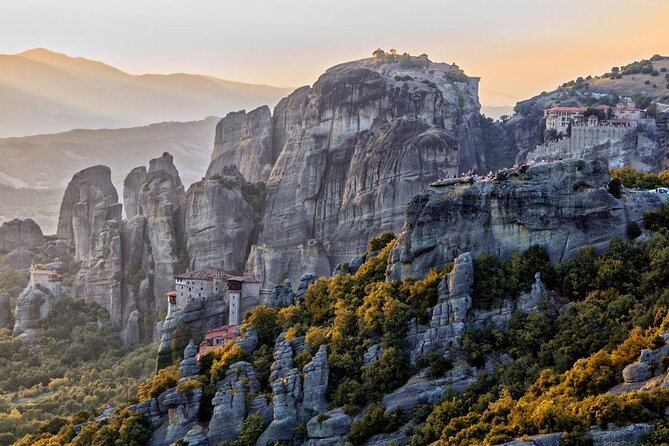
Meteora is famous for monasteries perched on towering rock pillars, but the most memorable parts are not always visible from the road. This route takes you along older footpaths used by monks and local residents, giving you a closer look at the rocks, plants, caves, and ruins around the main monuments.
The experience combines three things that are often separated: a proper walk, a monastery visit, and local interpretation. You are not simply driven to a viewpoint, handed a few minutes for photos, and moved along. You spend time moving through the area at walking pace, with pauses for Ypapanti, the ruins of St. Dimitrios, and wide views across Meteora.
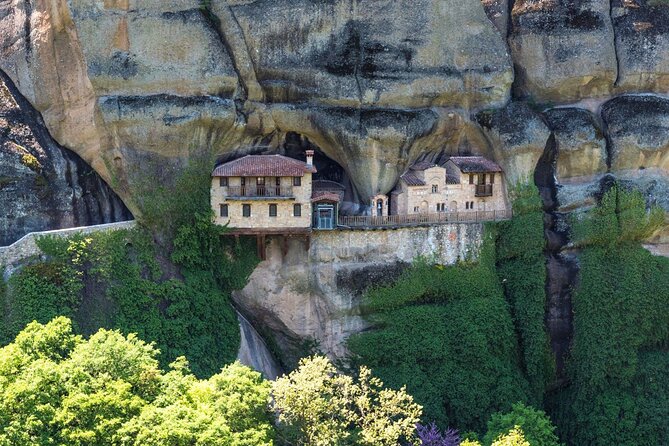
I especially like the focus on places that large vehicle tours cannot reach. Ypapanti is the clearest example. It is an old monastery tucked into the rock and can only be seen by hikers on this route. You should not expect a polished attraction with extensive facilities. That is part of its appeal.
The tour has an average rating of 4.8 from 20 ratings, and the strongest praise centers on the balance of scenery, culture, and guiding. Several people singled out the guide’s friendliness and explanations. That matters here, since the ruins and caves are more meaningful when someone can explain how monks used these difficult cliffs.
More Meteora Monastery Tours in Greece:
- Meteora Sunset with Monastery & Hermit Caves Tour in Small Group
★ 5.0 · 706 reviews - Meteora Small Group Hiking tour with Transfer and Monastery Visit
★ 5.0 · 484 reviews - Kalabaka: Meteora Small-Group Hiking Tour w/ Monastery Visit
★ 4.9 · 205 reviews
Starting near St. Nicholas Anapavsa
After pickup, the route begins around the foothills of Meteora and includes a short sightseeing stop at the Monastery of St. Nicholas Anapavsa. The planned stop is about 15 minutes, so this is more of an introduction and photo opportunity than a long interior visit.
St. Nicholas helps you understand the setting before the hiking begins. The monastery sits among the dramatic rock formations, where the vertical cliffs make ordinary buildings look tiny. It is a quick stop, but it gives you a useful first look at the relationship between the monasteries and the terrain.
From there, you begin walking for about 45 minutes. The route follows local trails rather than a simple paved approach. You should expect uneven ground and some climbing, so comfortable sports shoes are important. This is not a stroll for dress shoes or sandals with weak support.
The walking pace also changes how you see Meteora. Instead of taking in the rock pillars only from below, you move through the folds of the hills and wooded areas. The guide can point out places that are easy to miss when you are focused on reaching the next monastery.
Finding Ypapanti on the old trails

The visit to Ypapanti is the most distinctive part of the tour. You spend around 30 minutes at the old monastery after the first hiking section, with time to look at the structure, the surrounding rock, and the setting that makes it feel separate from the better-known monasteries.
Ypapanti is called hidden because it is not part of the usual road circuit. You reach it by walking, and that effort gives the stop more weight. The monastery is not simply another building on a sightseeing schedule. It feels connected to the earlier monastic tradition of seeking quiet, hard-to-reach places.
Your guide explains the legends and history as you go. This is useful because old religious sites can otherwise become a blur of stone walls and unfamiliar names. With context, you can better understand why monks chose high cliffs, caves, and narrow paths for prayer and retreat.
The route also includes views of the old ruins of St. Dimitrios. These ruins add another layer to the walk. You see not only the famous monuments that remain in active use, but also traces of the many smaller religious foundations that once filled the area.
There is no promise of a full interior visit at Ypapanti, and the supplied details describe it as a sightseeing stop. Think of it as a scenic and historical discovery along the trail, not a staffed museum.
Caves, cliffs, and the second hiking section
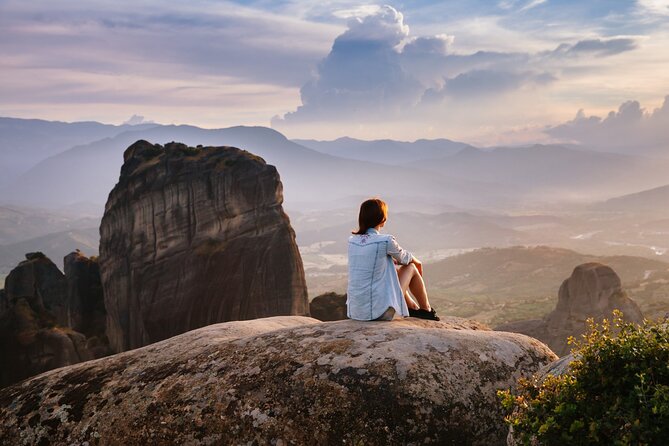
After Ypapanti, another 30-minute hiking section leads toward the major monastery visit. The path continues through the natural setting around Meteora, with caves once used by hermits and viewpoints that reward a camera.
The caves are an important part of the story. Meteora was not shaped only by the large monasteries visible in photographs. Individual hermits also lived in small, difficult spaces in the cliffs, choosing isolation and demanding conditions as part of their religious life.
You may find the trail more demanding here, depending on your pace and comfort with uneven ground. The tour is rated moderate, with around 200 meters of elevation gain across about 7 kilometers. That is manageable for someone used to regular walking, but it is not suitable for a low level of fitness.
Bring water even though one bottle is provided. Cash is also needed for the monastery entrance fee. A camera is worthwhile, but keep your hands free when the path becomes uneven. The best photographs are often made during short pauses, not while trying to walk and photograph at the same time.
A few more temple visits around Greece worth a look
- Amorgos: Guided Hike of the Panagia Hozoviotissa Monastery
★ 5.0 · 3 reviews - From Barcelona: Montserrat Monastery, Easy Hike, Cable Car
★ 4.9 · 1,021 reviews - From Barcelona: Montserrat Monastery & Scenic Mountain Hike
★ 4.9 · 978 reviews - Chiang Mai – Doi Suthep Temple & Wat Pha Lat Hike
★ 4.6 · 740 reviews
Great Meteoron or Varlaam: the main monastery stop
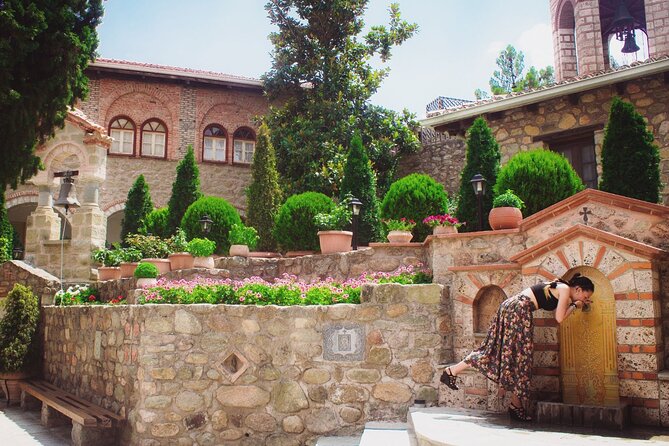
The itinerary allows time for a major monastery visit, with Great Meteoron or Varlaam selected according to the day’s schedule. The planned visit lasts about an hour for Great Meteoron, while Varlaam appears as a shorter 15-minute sightseeing stop in the route description. Confirm which monastery is scheduled when you book, especially if one is a priority for you.
Great Meteoron is the largest and most famous of the Meteora monasteries. Varlaam is also one of the major sites in the group. Either stop gives the hike a strong cultural finish, but the experience is not the same as taking a dedicated monastery tour.
The local guide does not provide a guided tour inside the monastery. You will pay the €5 entrance fee yourself, and the interior visit is separate from the trail commentary. This is a useful point to understand before booking. The guide’s role is to lead the hike and explain the area, not to interpret every room once you enter.
That arrangement has both a benefit and a drawback. You get freedom to look around at your own speed, but you may want a guidebook or audio information if detailed interior explanations are important to you. The tour gives you the setting and the route; it does not replace a specialist monastery visit.
Dress appropriately for a religious site and be ready for steps. The supplied information does not give a detailed dress code, so check current monastery rules before you go. The entrance fee is not included in the $35 price.
The final 45 minutes and the best photo stops

The final hiking section lasts about 45 minutes and brings the route back through Meteora toward drop-off. This is another chance to stop for wide views and photographs, rather than rushing straight to the vehicle.
The guides are especially valuable during these pauses. Participants have praised Kosta, George, and Nikolas for being friendly and informative, and one person described the guide as a major reason the activity worked so well. A good local guide can help you frame the rock pillars, point out less obvious ruins, and explain what you are seeing without turning every stop into a lecture.
You should allow time for the route to breathe. Four hours sounds generous, but it includes transport, several stops, hiking, and the monastery visit. The schedule is active. If you want long meals, extended photography sessions, or a slow visit inside several monasteries, this tour may feel tight.
Still, the final walk is a good counterpoint to the more formal monastery stop. You return to the natural side of Meteora, where the sound of footsteps, the rough trail, and the open views become the main experience.
What $35 includes and what it does not
At $35 per person, this is good value for a four-hour activity in a major UNESCO site. You receive hotel pickup and drop-off from Kalambaka or Kastraki, an English-speaking local mountain guide, a small-group hike, and a bottle of water.
The price is particularly fair if you do not have a car. Getting between the foothills, trailhead, and monasteries can be awkward without transport. The pickup service saves time and keeps the day simple.
The €5 monastery entrance fee is extra. Interior guiding is also not included, so do not compare this directly with a full private cultural tour that includes a specialist guide inside the monastery.
A private group is available if you want a more personal pace or have a family group. The standard format is a small group, which offers a useful middle ground: more personal than a large bus tour, but usually less costly than a private guide.
The booking terms are flexible. You can cancel up to 24 hours ahead for a full refund, and reserve now while paying later. Those details help if your Meteora plans depend on weather or train connections.
Who should book this hike?
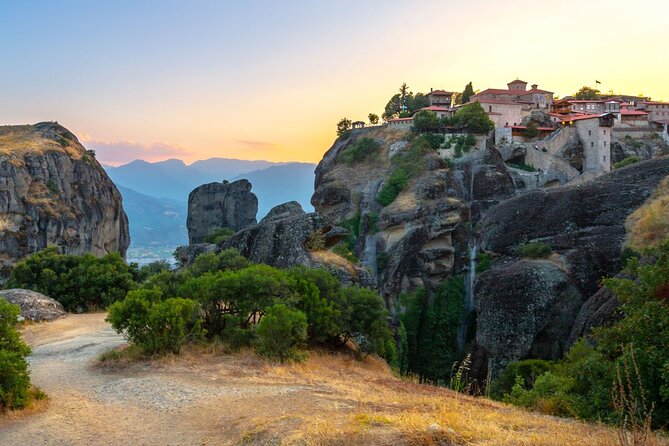
I would choose this tour if you want to see Meteora beyond the main road and enjoy a moderate walk. It suits people who care about both scenery and the religious past of the area, especially those who want a local guide rather than a self-guided route.
It is a good fit for families with children aged six and older if the children are comfortable walking on uneven trails. The minimum age is six, but age alone does not tell you how easy the hike will feel. A child who tires quickly may find the four-hour schedule demanding.
You should skip it if you have limited mobility, heart or respiratory problems, a recent surgery, a pre-existing medical condition, or a low level of fitness. It is also not suitable for wheelchair users, visually impaired people, pregnant women, or people over 80. These restrictions reflect the trail conditions and the climbing, not a lack of welcome.
Wear proper walking shoes and bring cash. You will receive one bottle of water, but a small personal supply is sensible for a 7-kilometer route. Keep your schedule flexible enough to enjoy the viewpoints rather than treating the hike as a race.
Should you book the Meteora hiking tour?

Book it if you want a compact, affordable introduction to Meteora that combines quiet trails, local stories, and one major monastery. Ypapanti and the old St. Dimitrios ruins give the route something different from a standard monastery shuttle, while the 200 meters of climbing keep the day active without turning it into a serious mountain expedition.
Choose another experience if your main goal is detailed interior interpretation or visiting several monasteries in one day. The guide does not enter the monastery with you, and the route gives more time to walking than to indoor sightseeing.
For most reasonably fit visitors staying in Kalambaka or Kastraki, the $35 price makes sense. You get transport, a local guide, unusual trail access, and broad views in four hours. Pack good shoes, carry cash, and confirm whether the day’s monastery is Great Meteoron or Varlaam before setting out.
FAQ
How long does the Meteora hiking tour last?
The tour lasts four hours, including hiking, sightseeing stops, the monastery visit, and pickup and drop-off.
How far is the hike?
The route covers approximately 7 kilometers.
How much elevation gain is involved?
The hike includes about 200 meters of elevation gain.
What difficulty level is the route?
The hike is rated moderate.
Which monastery will I visit?
You will visit Great Meteoron or Varlaam, depending on the day’s schedule.
Can I visit Ypapanti monastery by vehicle?
No. Ypapanti is described as a monastery that can only be seen by hikers on this route.
Is the monastery entrance fee included?
No. The entrance fee is €5 per person and must be paid separately.
Does the guide lead the monastery visit inside?
No. Guided commentary inside the monastery is not included.
Where does pickup take place?
Complimentary pickup and drop-off are provided from accommodation in Kalambaka or Kastraki. The listed pickup options also include Kastraki, Trikala, and Kalabaka, so confirm the exact pickup point when booking.
What should I bring?
Bring comfortable sports shoes, cash, and a camera if you want photographs of the viewpoints and old sites. One bottle of water is provided.
What language is the tour conducted in?
The live tour guide speaks English.
Can I cancel the booking?
Yes. You can cancel up to 24 hours in advance for a full refund. You can also reserve now and pay later.
Just added around Greece
- Chania Private Tour: Monastery, Scenic Gorge & Mountain Views★ 5.0 · 12 reviews
- Half-Day Trip to Arkadi Monastery and Melidoni Cave★ 4.5 · 4 reviews
- Monastery, Elafonissi and Winery Tour from Chania★ 5.0 · 8 reviews
- Shore Explore Chania: City Charm, Beach, Monastery & Winetasting★ 5.0 · 13 reviews
- Rethymno: Arkadi Monastery, Margarites Village & Melidoni Cave.★ 4.5 · 12 reviews
- Chania Old Town, Public Market and Chrisopigi Monastery Tour★ 4.5 · 6 reviews
- Monastery – Ancient Olive tree & Museum-Cretan Brewery Private Tour from Chania★ 5.0 · 5 reviews
- Private Half-day Tour: Antisamos beach Swim, Melissani Lake, Agrilia Monastery★ 5.0 · 8 reviews
Meteora Monastery Tours, compared.
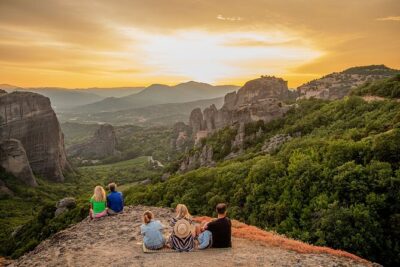
Meteora Sunset with Monastery & Hermit Caves Tour in Small Group
Read our review →
Meteora Small Group Hiking tour with Transfer and Monastery Visit
Read our review →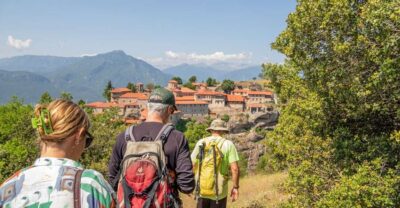
Kalabaka: Meteora Small-Group Hiking Tour w/ Monastery Visit
Read our review →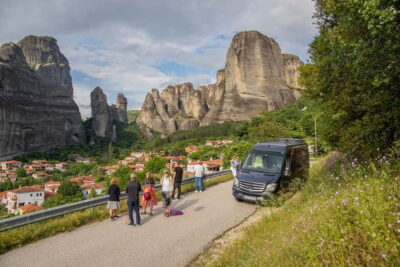
Meteora: Sunset Small Size Tour with Monastery & Caves visit
Read our review →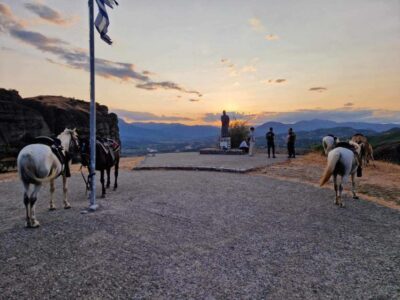
Kastraki: Meteora Morning Horse Riding with Monastery Visit
Read our review →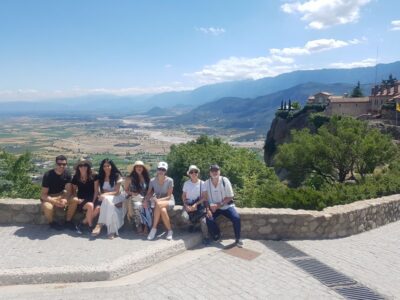
From Thessaloniki: Train Trip to Meteora & Monastery Tour
Read our review →
Athens to Meteora, Day Trip with Local Guide,up to 9 people
Read our review →Browse the lists this tour appears in