
Review · GREECE
Kalabaka: Meteora Small-Group Hiking Tour w/ Monastery Visit
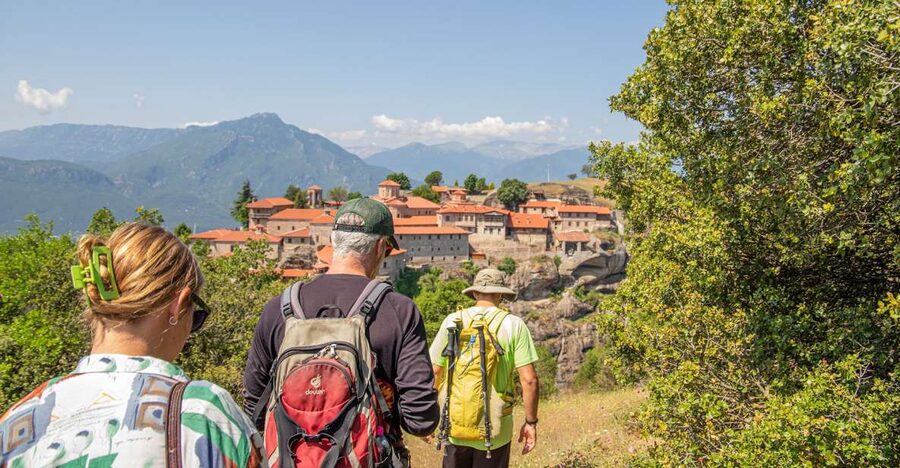
Meteora rewards slow travel. This five-hour morning hike takes you away from the road and onto old paths beneath the sandstone pillars, where the monasteries appear from surprising angles. I like the way the tour combines outdoor activity with culture, and I especially like that guides such as Christos, Evan, Dimitris, and Chris explain the plants, geology, myths, and religious past of the area rather than simply pointing at the view.
The price is a strong point. At $35 per person, with transport, a mountain guide, a map, and water included, it offers a lot for a half-day outing. The main caution is that this is a real hike, not just a gentle stroll. Most of the route is manageable, but rocky ground, uphill sections, and a steep descent from the monastery can test you, especially in hot weather or rain.
Key Points to Know Before You Book
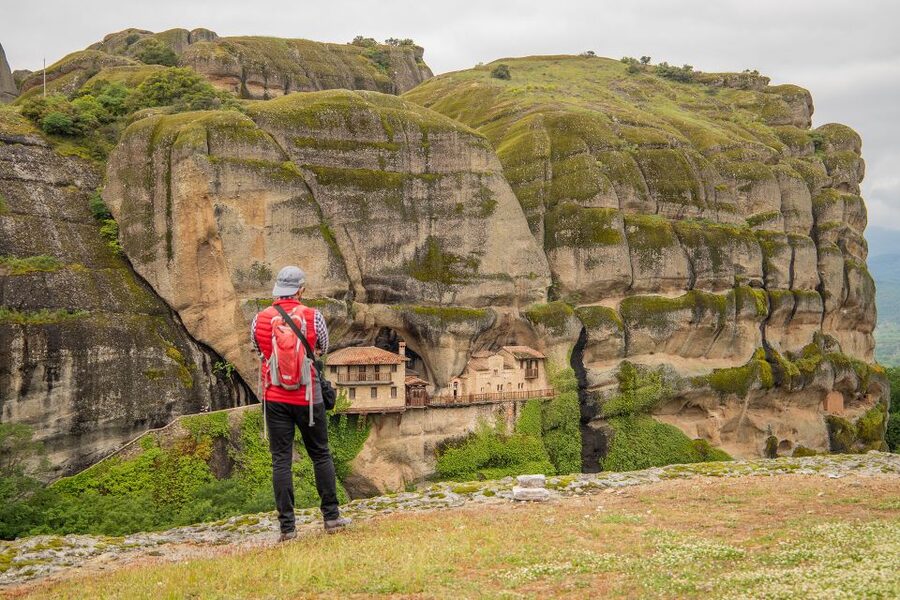
- The route reaches Ypapanti, Great Meteoron, Varlaam, and St. George the Madilas, giving you far more than a roadside photo stop.
- You visit one monastery, usually Great Meteoron or Varlaam, with the €5 entry fee paid separately.
- The walk is generally moderate but not effortless, with uneven paths, inclines, and steep steps on parts of the descent.
- Guides are the tour’s biggest strength, bringing local stories, nature notes, monastery details, and a flexible pace.
- The morning timing helps with heat and crowds, though summer conditions can still be warm.
- Closed-toe shoes are essential, and sandals or flip-flops are not suitable.
Why Hiking Is the Right Way to See Meteora
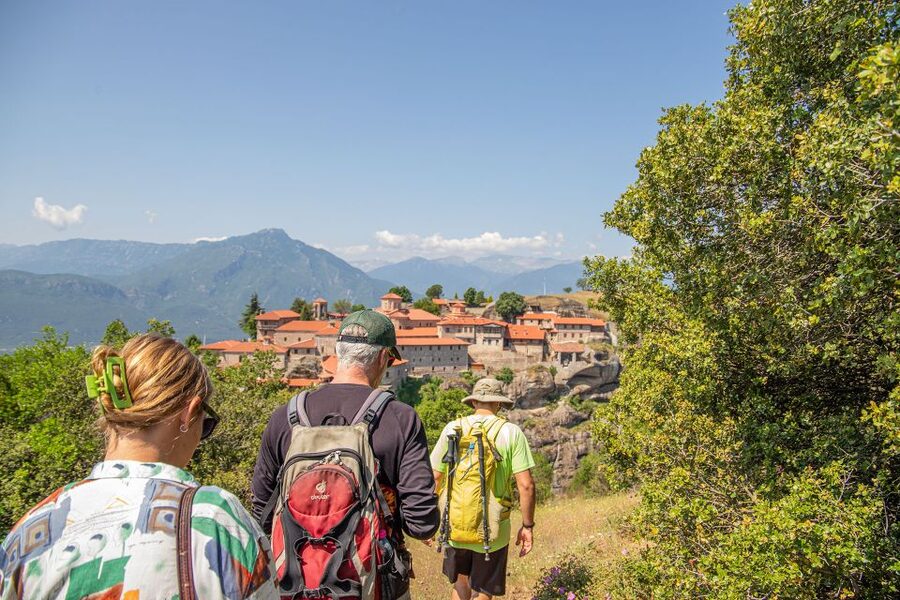
Meteora is famous for its monasteries perched on tall sandstone pillars, but a road tour can reduce the place to a series of overlooks. Walking gives you time to notice the strange grooves in the rock, small caves, wooded slopes, and the changing shape of the pillars as you move.
The route also gives the setting a human scale. You are not simply looking up at buildings in the sky. You are following old paths used to reach hermitages and monasteries, then seeing how the religious communities fitted themselves into cliffs and narrow ledges.
I like that the experience includes both movement and explanation. Guides point out local plants and animals, describe the geology, and connect the monasteries to events in Greek history. Past groups have even spotted turtles and lizards along the way, adding a small natural-history bonus to the grand views.
The tour begins with pickup in Kalabaka or from a long list of local hotels and guesthouses. The short transfer takes about 10 minutes, then the walking begins around Kastraki Square. Kastraki is a useful starting point because it places you close to the rock formations instead of wasting half the morning on a long drive.
More Meteora Monastery Tours in Greece:
- Meteora Sunset with Monastery & Hermit Caves Tour in Small Group
★ 5.0 · 706 reviews - Meteora Small Group Hiking tour with Transfer and Monastery Visit
★ 5.0 · 484 reviews - Meteora: Sunset Small Size Tour with Monastery & Caves visit
★ 4.9 · 171 reviews
Kastraki Square and the Dupiani Hermitage
From Kastraki Square, the path leads toward the Dupiani Hermitage. This is an early reminder that Meteora is more than its six surviving monasteries. Hermits came here for isolation, prayer, and a life shaped by the cliffs.
You then pass below the ruined Pantokratoros Monastery on the north side of Dupiani Rock. Ruins such as this help you understand how many religious foundations once occupied the area. Only six Eastern Orthodox monasteries remain active or accessible as major sights today, so the broken sites along the trail add important context.
This section is also where the walking begins to feel worthwhile. The trail places you below the rock walls, with the stone formations rising around you. You get views that are difficult to reproduce from a coach window, and the guide can point out details you might otherwise miss.
The first part is often described as moderate and suitable for people who enjoy regular walking, but do not read that as completely flat or effortless. You may encounter rough ground and gradual climbs. The pace is adjusted to the group, and guides have provided walking sticks when needed, but you should still arrive ready to walk for several hours.
Ypapanti and the Ruins of St. Dimitrios
The path continues to Ypapanti Monastery, a striking site built into the rock. Its position shows the practical side of Meteora’s religious life: shelter, height, and seclusion were not separate ideas here. The mountain itself formed part of the monastery.
Nearby are the ruins of St. Dimitrios, destroyed by the Ottomans in 1808 during a local uprising. You do not need to be a specialist in Greek history to appreciate this stop. The remains make the past feel physical and immediate, and they give your guide a natural opening to explain the political and religious pressures that shaped the region.
This is one of the best reasons to choose a guided walk instead of setting out alone. Several trails and ruins can be hard to identify without local help. A guide can explain what you are seeing while also keeping the group on the traditional paths.
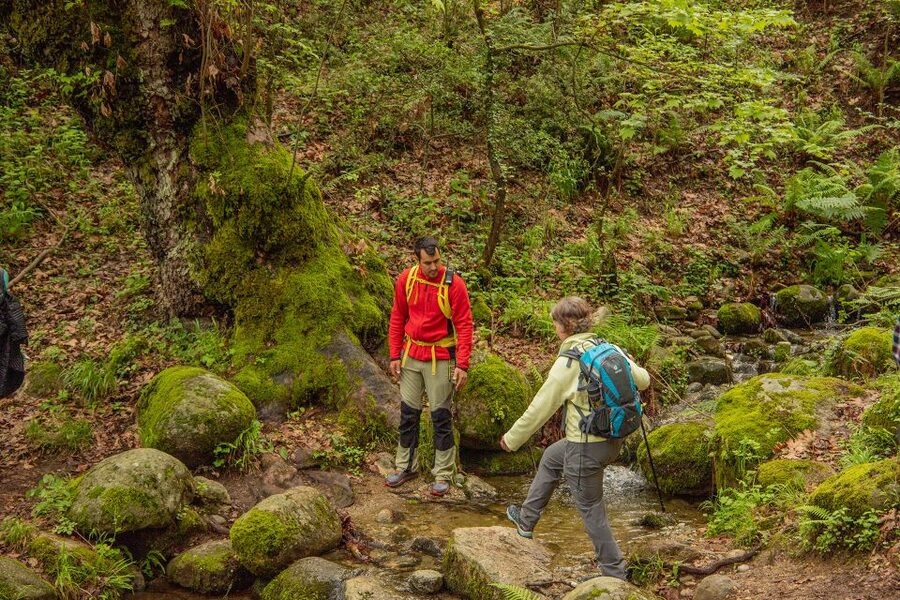
The scenery changes as you climb. At times the trail is shaded, which is welcome in summer. On warm days, however, the combination of sun, stone, and uphill walking can still be tiring. Bring a hat, water, and a snack even though a bottle of water is supplied.
Great Meteoron or Varlaam: Your Main Monastery Visit
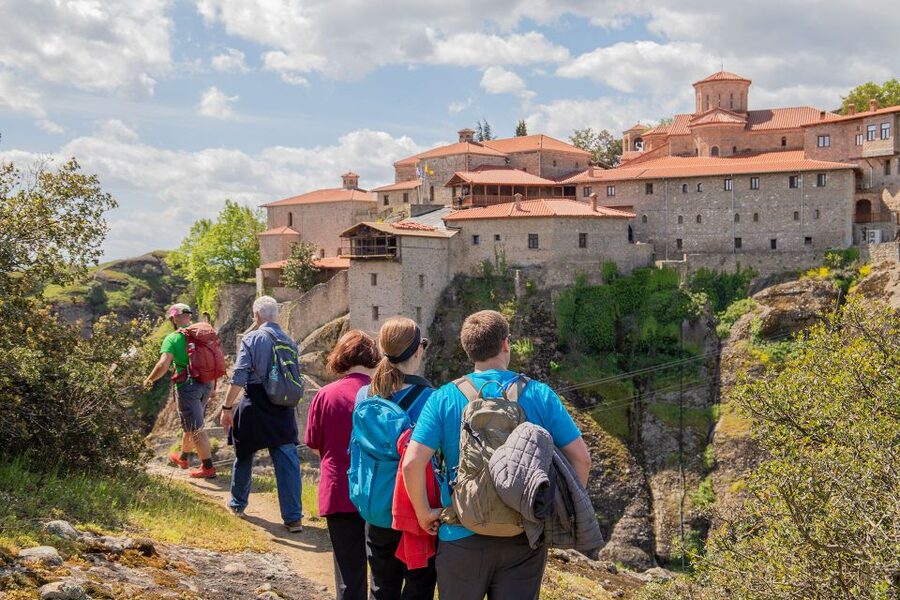
The trail eventually reaches the two largest and best-known monasteries in this part of Meteora: Great Meteoron and Varlaam. The exact monastery visit can depend on the day’s arrangements, and the experience is designed around entering one of them.
Great Meteoron is the largest monastery in Meteora and offers broad views from its high position. Varlaam is also an important monastery, with its own dramatic setting and strong connection to the early monastic communities of the region. Both give you a close look at the religious architecture and the remarkable effort required to build and maintain these places.
You have about an hour at the monastery. That is enough time to explore the grounds and see the main features without turning the tour into a rushed race. It is not enough time for an extended visit to every corner, especially if the site is busy, so use your time well.
The guide accompanies you to the monastery but does not provide the internal guided visit. Entry costs €5 per person per monastery and is not included in the tour price. Bring cash, since the practical information for this experience specifically advises you to do so.
Dress with the monastery visit in mind. Sleeveless shirts are not allowed, and suitable clothing is required for entry. Comfortable clothing is best for the hike, but it also needs to meet monastery standards. This is one area where a little planning saves hassle.
The monastery portion is partly self-guided. Before you go in, your guide can explain what to watch for and point out important details. One particularly memorable sight reported on the route was a hermit monk appearing on a balcony for some sunshine. Moments like that cannot be scheduled, but they show how the setting can still feel connected to a living religious tradition.
A few more temple visits around Greece worth a look
- Meteora: Hiking Tour with Local Guide and Monastery Visit
★ 4.8 · 20 reviews - Amorgos: Guided Hike of the Panagia Hozoviotissa Monastery
★ 5.0 · 3 reviews - From Barcelona: Montserrat Monastery, Easy Hike, Cable Car
★ 4.9 · 1,021 reviews - From Barcelona: Montserrat Monastery & Scenic Mountain Hike
★ 4.9 · 978 reviews
The Descent to St. George the Madilas
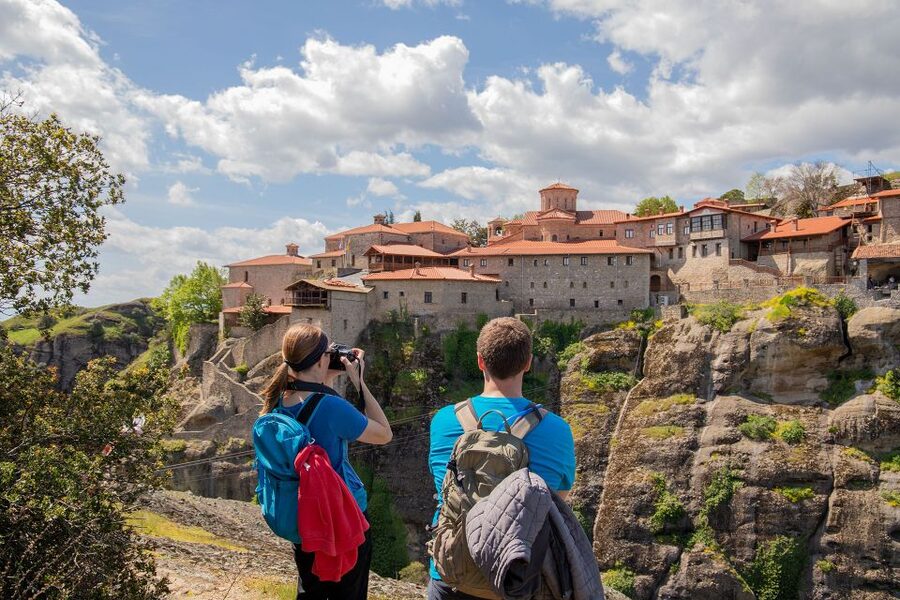
After the monastery visit, the route continues down toward St. George the Madilas. This section gives you another perspective on the rock formations and monasteries, but it is also the part that deserves the clearest warning.
The descent includes steep steps and rocky sections. Several experienced walkers found it manageable, while others described the downhill portion as the tougher part of the route. Going down can put more pressure on your knees and feet than climbing up, so trail shoes or sturdy sneakers with non-slip soles are a smart choice.
At St. George the Madilas, you see the place where local children climb with only a rope to leave offerings to St. George. It is an unusual and memorable detail, and it adds a local tradition to a route already full of monasteries and dramatic stone.
The walk through this section takes roughly an hour before the return transfer. You will have time for more photographs and explanations, but the exact pace depends on the group. Guides have been praised for stopping to rest, carrying or offering walking poles, and adjusting their speed for people with different fitness levels.
The Guides Make the Difference
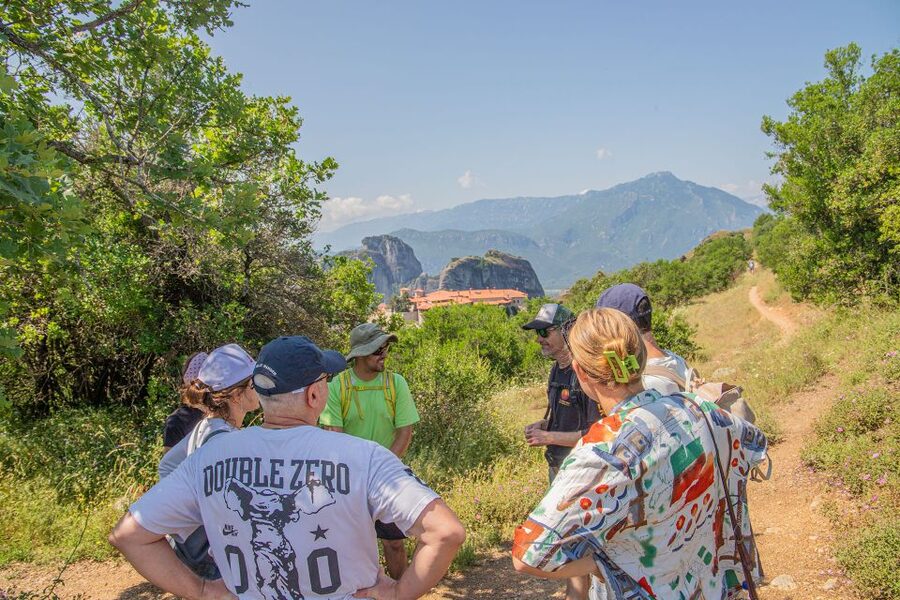
The scenery is the reason most people book this tour, but the guide determines how much you take away from it. The strongest part of this experience is the quality of the local guiding.
Christos has been praised for explaining nearly every historic point along the path and for keeping conversation lively even in rainy weather. Evan is often described as friendly and well informed about the route, nature, and monastery stories. Dimitris has earned particular praise for his passion, humor, and ability to keep a mixed-ability group together.
Chris has also guided groups through the area, explaining plants, geography, Greek history, and local life. Vangelis was noted for balancing information about nature, geology, and the past without overwhelming the walk with lectures.
That range matters. You are not locked into one narrow subject. You can ask about the monasteries, the rock formations, local animals, or climbing traditions, and the guide can connect the answers to the place around you.
The best guides also know when to stop talking. The appeal of walking through Meteora includes quiet stretches, fresh air, and time to take in the views. A good guide gives you information without filling every minute with commentary.
How Hard Is the Five-Hour Hike?
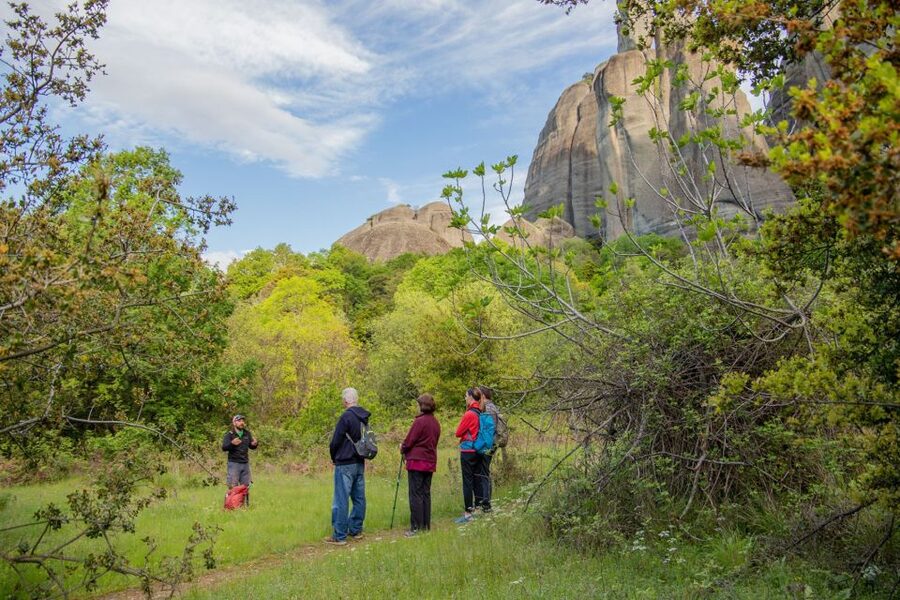
The tour lasts five hours, usually from around 8:30 a.m. to 1:30 p.m., though you should check the available start time when booking. The walking itself is spread across the morning, with transport at the beginning and end.
Descriptions from past outings range from an easy walk to a moderately challenging hike. Both can be true. The route is accessible to many beginners who are comfortable walking on uneven ground, but it includes hills, rocky paths, and steep steps.
You should be comfortable with:
- Several hours of walking
- Uphill and downhill sections
- Uneven trails
- A steep descent after the monastery
- Warm or wet conditions, depending on the season
The tour is not suitable for children under seven, people with mobility impairments, people with heart problems, people with visual impairments, or anyone with a low level of fitness. That is not a criticism of the tour. It is an honest description of the terrain and duration.
A previous group included people in their seventies who completed the walk, while another participant managed the route despite asthma and a foot blister. Those examples do not guarantee that the hike will suit you, but they show how much the pace and guide support can matter. If you have a medical condition, judge the route by your own needs rather than by the most enthusiastic account.
Price, Group Feel, and What You Receive
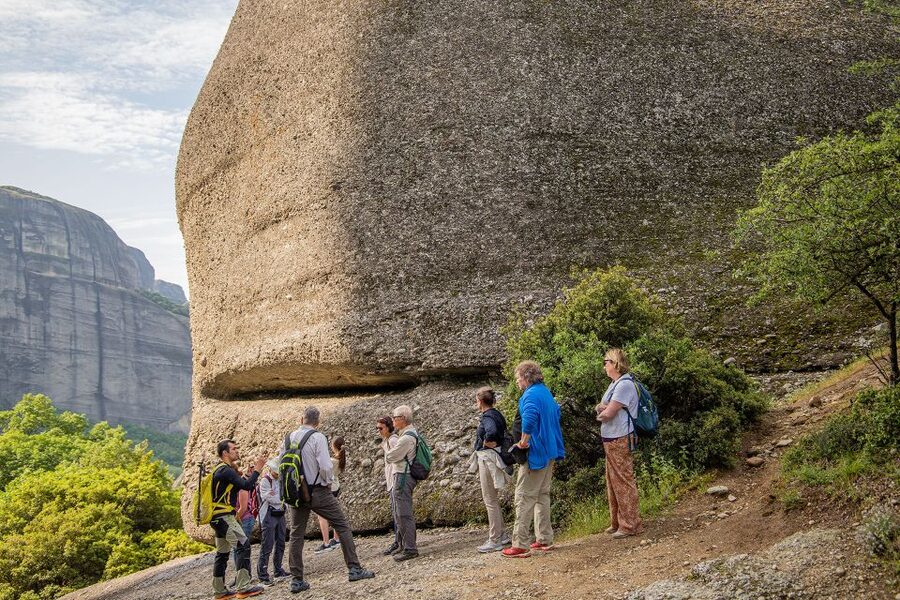
At $35 per person, this is one of the better-value ways to see Meteora. The price includes pickup and drop-off, a mountain guide, a map, and a bottle of water. You also get access to paths and viewpoints that would be harder to locate by yourself.
You must add €5 for entry to the monastery. Food, extra drinks, and any guide inside the monastery are also separate. Bring a snack, since this is a half-day activity with no meal included.
The experience is described as small-group, and some outings have been split into two smaller groups to make the walk easier to manage. That is useful on a route where people naturally move at different speeds. The transport also receives a 96 percent perfect score for its service, and pickup is available from many hotels and guesthouses in Kalabaka and Kastraki.
Free cancellation up to 24 hours before departure and a reserve-now, pay-later option make the booking relatively flexible. Still, the main decision is not the payment policy. It is whether you want to spend five hours walking instead of visiting Meteora by road.
What to Bring and Wear
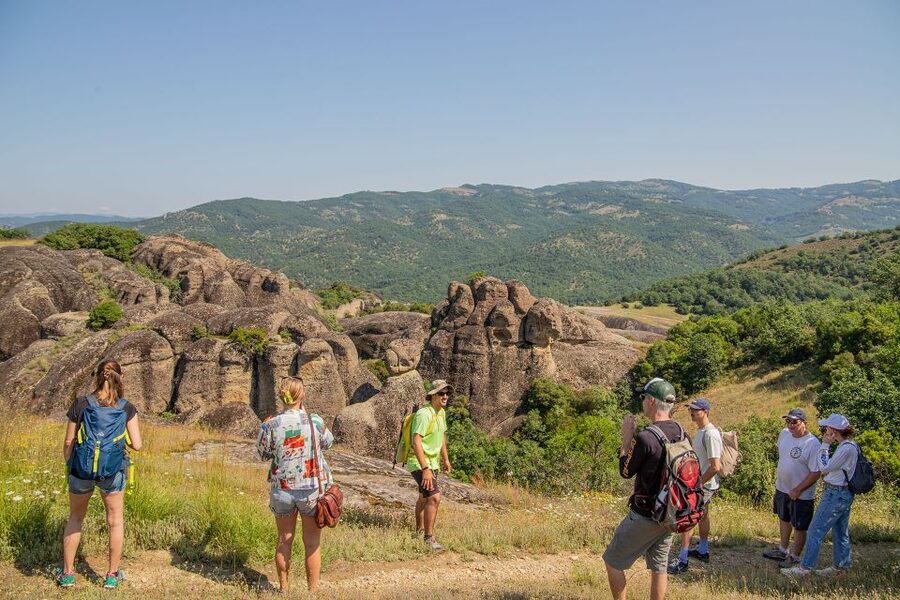
Keep your packing simple, but do not cut corners on footwear. Wear walking boots, trail shoes, or closed-toe sneakers with non-slip soles. Flip-flops and sandals are not allowed for this activity and would be poor choices on the descent anyway.
Bring:
- A hat
- Comfortable clothes
- Snacks
- Cash for the monastery fee
- A small amount of extra water if you drink often
- A light rain layer if the forecast looks unsettled
The guide supplies a bottle of water, and walking poles may be available when needed, but you should not depend on borrowed equipment for every comfort. Wear clothing that works for both hiking and monastery entry, especially because sleeveless shirts are not permitted.
Is This Meteora Hike Worth Booking?
Yes, if you want Meteora to feel like a place rather than a collection of viewpoints. You get a guided route through hermitages, ruins, rock corridors, monastery approaches, and local traditions, along with one monastery visit and a strong set of panoramic views.
I would choose it over a simple coach tour if you enjoy walking and want a closer look at the area’s natural and religious sides. The price is fair, the transport is practical, and the guides add real value through local stories and flexible pacing.
Skip it if you need an easy, flat outing, dislike uneven ground, or mainly want to visit several monasteries indoors. You will enter only one monastery, and the route can be demanding in hot or wet weather.
For most reasonably fit visitors with proper shoes, this is a memorable and well-priced introduction to Meteora. Book it for the paths, the changing views, and the chance to understand why people chose these difficult rocks as a place for prayer.
FAQ
How long does the Meteora hiking tour last?
The tour lasts five hours, including transportation from Kalabaka and the return transfer. The walking and sightseeing portions take place during the morning.
Where does pickup take place?
Pickup and drop-off are available in Kalabaka, including many listed hotels, guesthouses, and accommodations in the Kalabaka and Kastraki area. The activity information includes Boutique Hotel Iridanos, Hotel Dellas Boutique, Hotel Doupiani House, Hotel Divani Meteora, Hotel Kastraki, Hotel Meteora, and many others.
Which monasteries can I visit?
The route reaches the area of Great Meteoron and Varlaam. The visit includes one monastery, either Great Meteoron or Varlaam, depending on the arrangements for that outing.
Is monastery entry included in the price?
No. Entry to Great Meteoron or Varlaam costs €5 per person per monastery and must be paid separately. Food, drinks not specified, and a guide inside the monastery are also not included.
What footwear should I wear?
Wear walking boots, sneakers, or other closed-toe shoes with non-slip soles. Sandals and flip-flops are not suitable and are not allowed for the activity.
Is the hike suitable for beginners?
The route is manageable for many people who are comfortable with regular walking, and the pace can be adjusted. However, it includes hills, rocky paths, and steep steps, so it is not an effortless walk.
Can children join the hike?
Children under seven cannot join this activity. The tour is also not suitable for people with mobility impairments, heart problems, visual impairments, or a low level of fitness.
What language is the tour offered in?
The live tour guide speaks English. The tour includes a mountain guide, a map, and a bottle of water.
Just added around Greece
- Chania Private Tour: Monastery, Scenic Gorge & Mountain Views★ 5.0 · 12 reviews
- Half-Day Trip to Arkadi Monastery and Melidoni Cave★ 4.5 · 4 reviews
- Monastery, Elafonissi and Winery Tour from Chania★ 5.0 · 8 reviews
- Shore Explore Chania: City Charm, Beach, Monastery & Winetasting★ 5.0 · 13 reviews
- Rethymno: Arkadi Monastery, Margarites Village & Melidoni Cave.★ 4.5 · 12 reviews
- Chania Old Town, Public Market and Chrisopigi Monastery Tour★ 4.5 · 6 reviews
- Monastery – Ancient Olive tree & Museum-Cretan Brewery Private Tour from Chania★ 5.0 · 5 reviews
- Private Half-day Tour: Antisamos beach Swim, Melissani Lake, Agrilia Monastery★ 5.0 · 8 reviews
Meteora Monastery Tours, compared.
Meteora Sunset with Monastery & Hermit Caves Tour in Small Group
Read our review →
Meteora Small Group Hiking tour with Transfer and Monastery Visit
Read our review →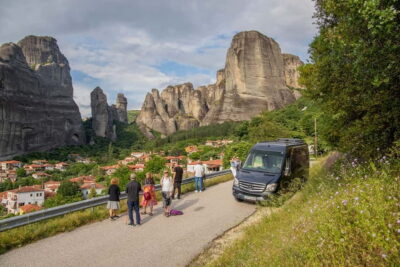
Meteora: Sunset Small Size Tour with Monastery & Caves visit
Read our review →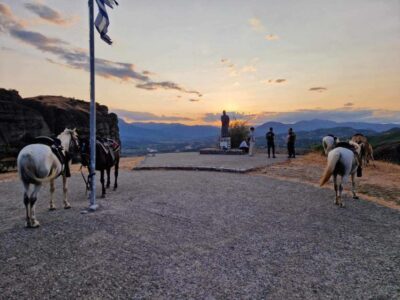
Kastraki: Meteora Morning Horse Riding with Monastery Visit
Read our review →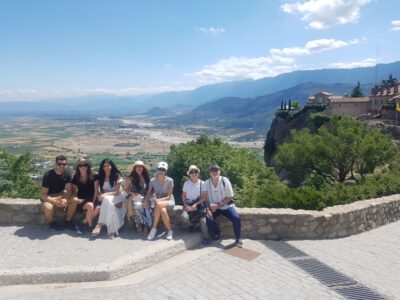
From Thessaloniki: Train Trip to Meteora & Monastery Tour
Read our review →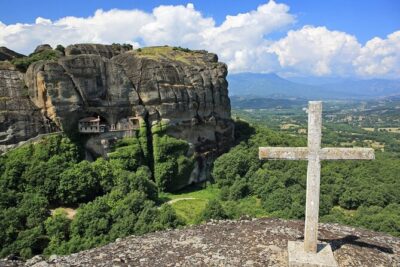
Meteora: Hiking Tour with Local Guide and Monastery Visit
Read our review →
Athens to Meteora, Day Trip with Local Guide,up to 9 people
Read our review →Browse the lists this tour appears in