
Review · GREECE
Meteora Small Group Hiking tour with Transfer and Monastery Visit
Meteora rewards walking. This four-hour morning tour takes you onto lesser-known trails beneath the famous rock pillars, then brings you to the Great Meteora Monastery and the unusual Ypapanti Old Monastery. I especially like the mix of outdoor exercise and cultural sightseeing, plus the chance to see Meteora from angles that a minivan cannot provide.
The small group, capped at 12 people, is another strong point. Guides such as Chris, Christos, Evan, and Dimitris have been praised for their stories, calm pacing, and clear explanations of local plants, animals, geology, and monastic life. The main caution is fitness: the route is manageable for active people, but some sections become more demanding, especially after the monastery visit.
Key Points to Know Before You Go
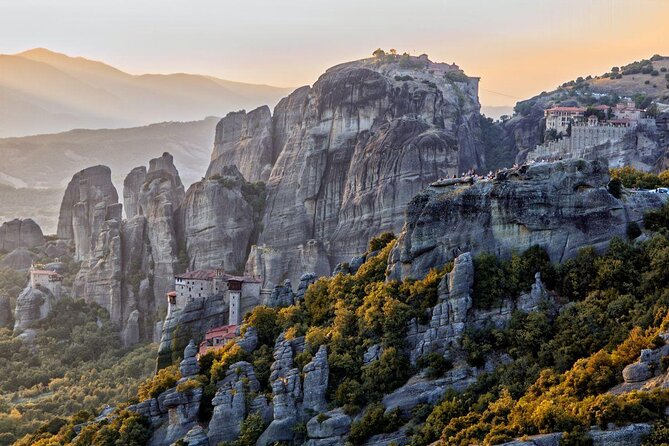
- Quiet trails beneath the rock pillars: You walk through wooded paths and the Natura 2000 area rather than spending the whole morning beside coach traffic.
- Two very different monasteries: Great Meteora is the largest and oldest, while Ypapanti is built inside a rock cavity and feels far more tucked away.
- Small group, maximum 12 people: This gives the guide room to adjust the pace, answer questions, and stop for plants, views, or photographs.
- Pickup from Kalambaka or Kastraki: Round-trip transport in an air-conditioned minivan keeps the morning simple.
- A real but moderate workout: The hike is often described as manageable, yet not effortless. Comfortable hiking shoes are essential.
- Strong value at $36.28: Transport, guide, water, and the hike are included, with a €5 entrance fee extra.
Why Hiking Is the Right Way to See Meteora
Meteora is not just a cluster of monasteries perched on dramatic rocks. It is also a small area where immense stone pillars, forest trails, religious history, and two settlements, Kalambaka and Kastraki, fit together in a surprisingly compact space.
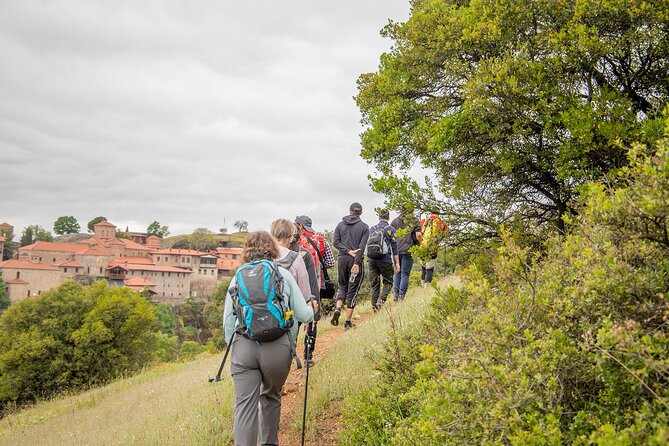
From a vehicle, you can admire the cliffs and reach the monastery entrances quickly. On foot, you get a better sense of how the early monks approached this isolated place. The trail gives you changing views of the pillars, woodland underfoot, and glimpses of buildings high above. That physical effort adds meaning to the monasteries. You are not simply ticking off a photo stop.
The route follows paths associated with the first monks who came here more than 15 centuries ago. You do not need to be a serious mountain hiker, but you should be comfortable walking on natural trails for several hours. One account describes the hike as roughly five miles, while other descriptions call it low-key and leisurely. The practical takeaway is simple: the pace is usually considerate, but the distance and uneven sections still require moderate fitness.
Guides make a big difference here. Chris has been praised for combining history and geology with an easy sense of humor. Christos is noted for stopping to explain tortoises, plants, and local wildlife, while Evan has been especially good at pointing out flora, fauna, and good picture spots. These details turn a pretty walk into a lesson about the whole region.
More Meteora Monastery Tours in Greece:
- Meteora Sunset with Monastery & Hermit Caves Tour in Small Group
★ 5.0 · 706 reviews - Kalabaka: Meteora Small-Group Hiking Tour w/ Monastery Visit
★ 4.9 · 205 reviews - Meteora: Sunset Small Size Tour with Monastery & Caves visit
★ 4.9 · 171 reviews
The Morning Start From Kalambaka or Kastraki
Pickup begins around 8:30 am from hotels and Airbnbs in Kalambaka and Kastraki. You ride in an air-conditioned minivan to the trail area, with drop-off included at the end.
That transfer is worth more than it may first appear. Meteora’s attractions are spread around the rock formations, and arranging your own transport can make a short morning feel scattered. Here, you can concentrate on the walk instead of parking, directions, or getting back to town.
The group limit of 12 is a useful middle ground. You get the social feel of a shared excursion without the long line and impersonal commentary associated with a large bus. A guide can pause for a rest, explain a plant, or answer a question without holding up dozens of people.
The tour is offered in English. Bring water, although bottled water is provided, and wear proper walking shoes. The company asks for a moderate level of physical fitness, and that wording should be taken seriously. Several people with knee problems or limited conditioning found the hike possible, but they also relied on rest breaks and a careful pace.
Walking Through Meteora’s Rock Forest
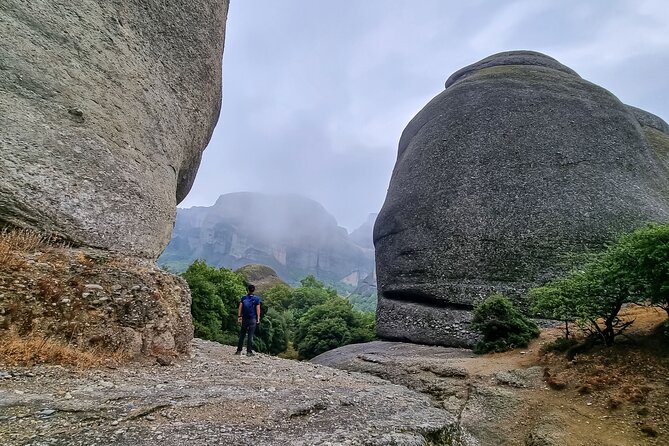
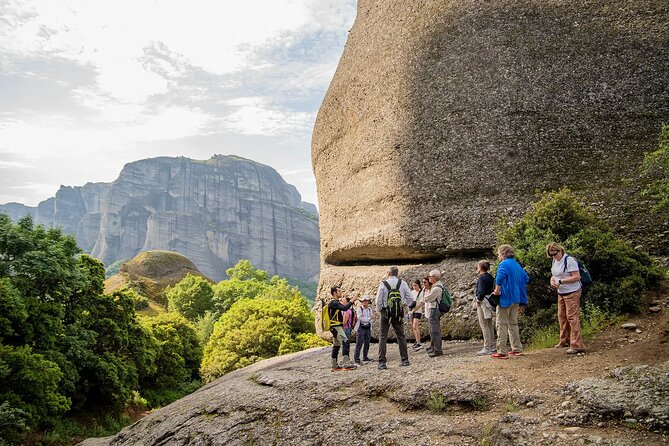
The first major section lasts about two hours. You walk through what can fairly be called a rock forest, with huge stone pillars rising around wooded trails.
The appeal is the changing view. From one bend, the rocks dominate. From another, the monastery buildings appear above you. At another point, the trail itself takes center stage, with the guide discussing the geology, plants, and animals of the area.
I like that this part is not treated as a rushed march to the next monument. The guides commonly stop to explain the land and its wildlife, and the pauses also help spread out the effort. In hot weather, that matters. One guide was praised for keeping the walk comfortable in warm conditions, while another adjusted breaks so a group could stay hydrated and safe.
The trail is not presented as extreme, but it is not a flat town stroll either. A few people found parts intense, particularly after leaving the monastery. Active hikers may call it easy, while someone who has not walked in years could find it demanding. If you want the scenery without much exertion, a vehicle-based Meteora tour may suit you better.
Cloud or fog need not ruin the morning. The rock formations can look different in poor weather, and one guide still made a foggy hike worthwhile. You should not book this expecting perfect views every day, but the route offers more than distant viewpoints. You remain connected to the woods, cliffs, and trail even when visibility changes.
Great Meteora, the Monastery Above the Plain
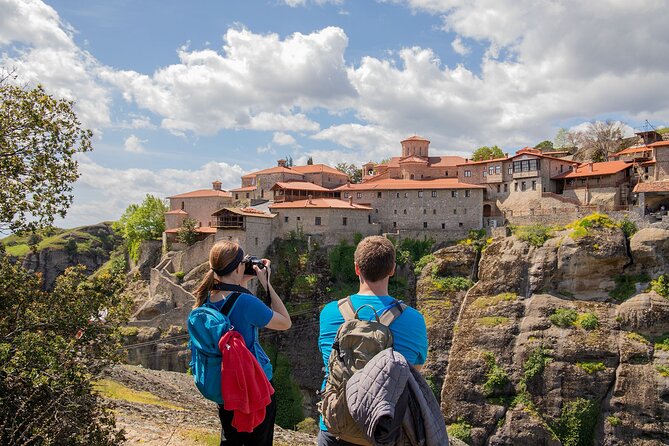
The Great Meteoron Monastery is the largest and oldest of Meteora’s monasteries. Its name refers to the idea of being suspended in the air, a fitting description for a religious complex built atop one of the area’s massive rock formations.
The monastery is linked to Saint Athanasios the Meteorite, who founded it and organized a more structured communal form of monastic life. His work is treated as a turning point in Meteora’s organized monastic tradition.
Allow about an hour here. The entrance fee is not included, and the stated charge is €5 per person. That extra cost is modest, but you should carry cash or be prepared to pay separately as directed on the day.
The monastery has a strict dress code. Men need trousers and long sleeves. Women need a long skirt. If you arrive in unsuitable clothing, trousers and skirts are provided, but it is more comfortable to dress correctly from the start. This is a functioning holy place, not simply an archaeological attraction, so modest clothing is part of showing respect.
The visit adds an important human layer to the hike. You have already seen the stone and woodland setting. Inside the monastery, you can connect that setting with the people who chose to build, pray, and work in such a difficult location.
One limitation is that the tour does not promise an extended visit to every monastery. If your priority is entering several interiors, you should set aside another part of your Meteora visit for individual monastery stops. The hiking tour is strongest when you want the natural setting and the story of the region, with one major monastery visit included.
More Temple Tours with Hotel Transfer in Greece:
- Montserrat Monastery Small Group or Private Tour Hotel pick-up
★ 5.0 · 5,144 reviews - From Aswan: Abu Simbel Temple Day Trip with Hotel Pickup
★ 4.4 · 2,807 reviews - Barcelona to Montserrat Monastery: Tour, Transfers & Basilica
★ 4.5 · 193 reviews - Barcelona Highlights Tour and Montserrat Monastery with Hotel Pick-up
★ 5.0 · 191 reviews
Ypapanti, a Monastery Inside the Rock
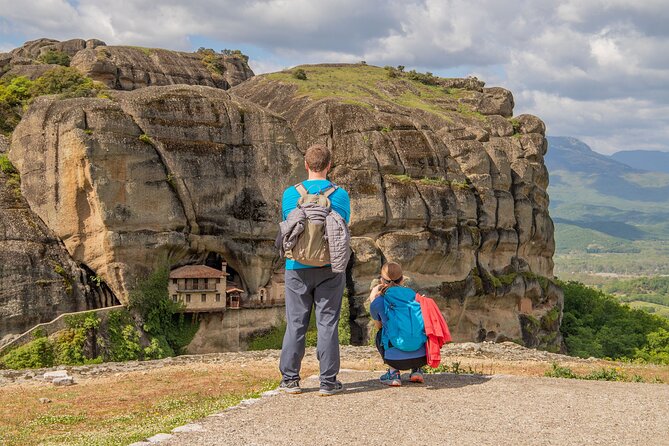
Ypapanti is the more unusual stop. Instead of sitting prominently on a high summit, it was built inside a large cavity in the rock. That setting makes it a useful contrast to Great Meteora.
The monastery was founded in 1367 by the monks Nilos and Cyprianus. It was destroyed in 1809 after the local rebel Papathymios Vlahavas was arrested there by the forces of Ali Pasha. The route to Ypapanti is described as simple and pleasant, and the visit takes about 30 minutes.
This is the part that gives the tour its sense of discovery. Great Meteora is the grand, famous monastery. Ypapanti shows a quieter and more concealed form of monastic construction. You see how religious life used the shape of the rock itself, rather than simply placing a building on top.
Admission to Ypapanti is free. Still, access and opening conditions can vary at religious sites, so your guide’s directions matter. The tour specifically includes the hidden monastery, which makes it more than a hike that merely passes beneath the better-known buildings.
Varlaam and Saint Nicholas From the Trail
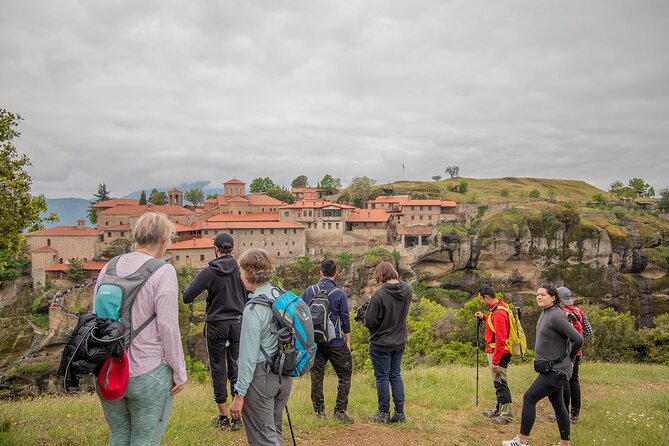
The route also brings you into the setting of other important monasteries, including Varlaam and Saint Nicholas of Anapafsas.
Varlaam is the second-largest monastery and sits opposite Great Meteora. It was founded in the mid-14th century by the ascetic Varlaam. Its main church, built in 1541 and 1542, was decorated in 1548, with the wall paintings attributed to the noted painter Frago Catelano of Thebes.
Saint Nicholas of Anapafsas is the first monastery encountered on the approach to Holy Meteora. It dates to the end of the 14th century. The name is explained in two ways: it may come from a benefactor, or it may refer to the monastery’s position as a resting place for pilgrims before they continued uphill.
These monasteries help you understand the area as a connected religious community rather than a single postcard view. You may not spend as much time inside each one as you would on a dedicated monastery circuit, but the guide can explain how their locations and histories fit together.
This is also where the tour’s balance becomes clear. You get a broad introduction to Meteora’s major sights, but not a full interior tour of every monastery. I would pair this hike with a separate visit to the monasteries you most want to explore in detail.
What the Guides Add to the Experience
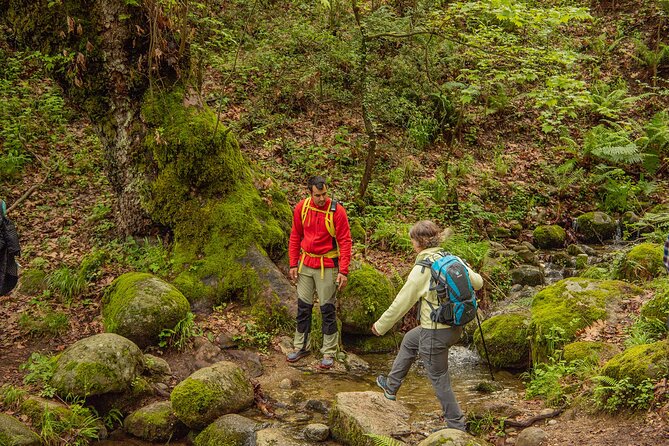
The guide is the heart of this tour. The route itself is beautiful, but the explanation gives the walk shape and purpose.
Chris has been singled out for his punctuality, warmth, knowledge of history and geology, and ability to make children feel included. Christos has been praised for his patience, humor, safety checks, and local knowledge. Evan is known for clear history stories and observations about plants and animals. Dimitris has been described as personable and enthusiastic about the area.
Those comments point to a useful quality: the guides do not stick only to dates and monastery names. They talk about the land, local transport, food suggestions, music, hobbies, and daily life when the conversation allows. One guide even recommended a lunch place after returning a group to its hotel.
The experience can also adapt when conditions change. In bad weather, one group had the hike changed to a bus tour, allowing more monasteries to be seen. That is not the standard hiking itinerary, and you should not book expecting a substitute sightseeing circuit, but it shows that weather can affect the format.
Price, Effort, and Overall Value
At $36.28 per person, this is an unusually inexpensive way to combine transport, a local English-speaking mountain guide, bottled water, a guided hike, and monastery visits. The €5 entrance fee is extra, and that should be included in your mental budget.
The value comes from combining several services that would otherwise take planning. You get collected in Kalambaka or Kastraki, transported to the trail, guided through the rock formations, shown Ypapanti, and returned to your accommodation.
The price does not buy a full monastery-by-monastery cultural tour. It buys a well-shaped morning outdoors, with enough history to make the scenery meaningful. If you want a quiet trail, personal guidance, and exercise, it is strong value. If your main goal is to spend hours inside each monastery, you will need additional visits.
The 99 percent recommendation rate and 4.9 rating indicate very broad satisfaction, but the practical details matter more than the numbers. People especially praise the guides, pacing, scenery, and sense of being away from tour buses. The recurring caution is equally clear: some sections can be challenging for people who are out of shape.
Who Should Book This Meteora Hike?
I would choose this tour if you want to see Meteora from ground level, enjoy learning about nature as well as religion, and prefer a small group to a large coach. It suits active couples, families with older children, and adults who want a morning workout without signing up for an extreme trek.
It can also work for older hikers if you are honest about your fitness and tell the guide when you need a pause. One 60-year-old participant completed the hike with a supportive guide, and another person with knee injuries found it manageable. Those examples should encourage you, but they are not a promise that the route will feel easy for everyone.
You may want another option if you dislike uneven trails, cannot walk for several hours, or care mainly about viewing monastery interiors. Also remember the clothing rules. Shorts and unsuitable skirts can be covered with provided garments, but proper clothing from home is the better plan.
Should You Book It?
Book this tour if you want the most natural introduction to Meteora: a forest trail, giant stone pillars, local stories, two distinct monasteries, and transport that removes the morning’s practical fuss.
Skip it if you want a relaxed vehicle tour or a detailed interior visit to every monastery. For most reasonably fit visitors, though, the combination of low price, small group, strong guides, and views away from the main roads makes this one of the better ways to meet Meteora properly.
FAQ
How long does the Meteora hiking tour last?
The experience lasts approximately four hours, beginning around 8:30 am.
Where does pickup take place?
Pickup and drop-off are available from hotels and Airbnbs located in Kalambaka and Kastraki village.
Is transportation included?
Yes. The tour includes round-trip transportation in an air-conditioned minivan.
Which monasteries are visited?
The experience includes the Great Meteoron Monastery and the Holy Monastery of Ypapanti. The route also takes you through the area around Varlaam and Saint Nicholas of Anapafsas.
Is the entrance fee included?
No. A €5 entrance fee per person is not included.
What clothing is required at the monasteries?
Men must wear trousers and long sleeves. Women must wear a long skirt. Trousers and skirts are provided if your clothing does not meet the dress code.
How difficult is the hike?
You need a moderate level of physical fitness and suitable hiking shoes. The route is manageable for many active people, but some sections can feel more demanding, especially after the monastery visit.
More Hiking & Trekking in Greece
- Meteora: Hiking Tour with Local Guide and Monastery Visit
★ 4.8 · 20 reviews - Amorgos: Guided Hike of the Panagia Hozoviotissa Monastery
★ 5.0 · 3 reviews - From Barcelona: Montserrat Monastery, Easy Hike, Cable Car
★ 4.9 · 1,021 reviews - From Barcelona: Montserrat Monastery & Scenic Mountain Hike
★ 4.9 · 978 reviews
Just added around Greece
- Chania Private Tour: Monastery, Scenic Gorge & Mountain Views★ 5.0 · 12 reviews
- Half-Day Trip to Arkadi Monastery and Melidoni Cave★ 4.5 · 4 reviews
- Monastery, Elafonissi and Winery Tour from Chania★ 5.0 · 8 reviews
- Shore Explore Chania: City Charm, Beach, Monastery & Winetasting★ 5.0 · 13 reviews
- Rethymno: Arkadi Monastery, Margarites Village & Melidoni Cave.★ 4.5 · 12 reviews
- Chania Old Town, Public Market and Chrisopigi Monastery Tour★ 4.5 · 6 reviews
- Monastery – Ancient Olive tree & Museum-Cretan Brewery Private Tour from Chania★ 5.0 · 5 reviews
- Private Half-day Tour: Antisamos beach Swim, Melissani Lake, Agrilia Monastery★ 5.0 · 8 reviews
Meteora Monastery Tours, compared.
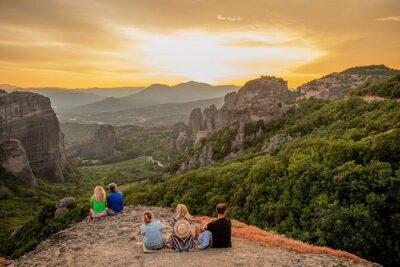
Meteora Sunset with Monastery & Hermit Caves Tour in Small Group
Read our review →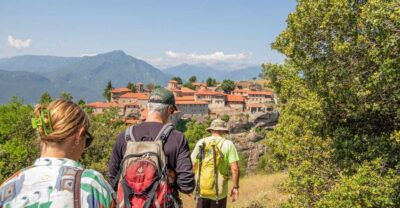
Kalabaka: Meteora Small-Group Hiking Tour w/ Monastery Visit
Read our review →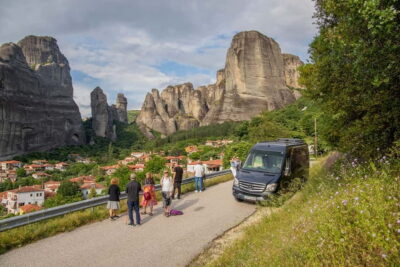
Meteora: Sunset Small Size Tour with Monastery & Caves visit
Read our review →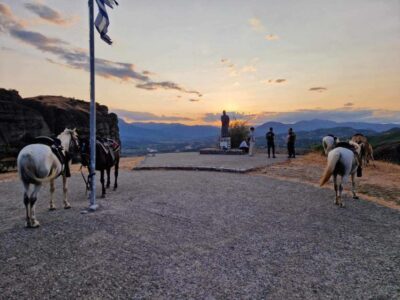
Kastraki: Meteora Morning Horse Riding with Monastery Visit
Read our review →
From Thessaloniki: Train Trip to Meteora & Monastery Tour
Read our review →
Meteora: Hiking Tour with Local Guide and Monastery Visit
Read our review →
Athens to Meteora, Day Trip with Local Guide,up to 9 people
Read our review →Browse the lists this tour appears in