
Review · CHIANG MAI
Lalita Cafe & Chiang Rai Temple(White+Blue) from Chiangmai
Chiang Rai rewards an early start. This full-day trip from Chiang Mai packs mountain scenery, striking temples, hot springs, and a garden café into one well-organized outing. I especially like the mix of serious Buddhist art and playful modern design, plus the small-group limit of 12 people.
I also like that lunch, hotel pickup, drop-off, an English-speaking guide, and travel insurance are included. The main drawback is the long day on the road, so you should be comfortable with an early departure and plenty of time in a van.
The $51 price is fair for what you receive, particularly if you want to see Chiang Rai without arranging transport yourself. The day moves quickly, but the guide can help you understand the unusual images at the temples instead of leaving you to admire them as pretty photo stops.
Key points to know before booking
- Mae Kachan Hot Springs offers a short break among green hills, with warm water, steam, snacks, souvenirs, and the amusing option of boiling eggs.
- The White Temple is not a traditional old temple. It is a modern work filled with Buddhist ideas, references to pop culture, and images about death and rebirth.
- The Blue Temple uses deep blue paint, gold decoration, cosmic murals, and a white Buddha to create a very different mood.
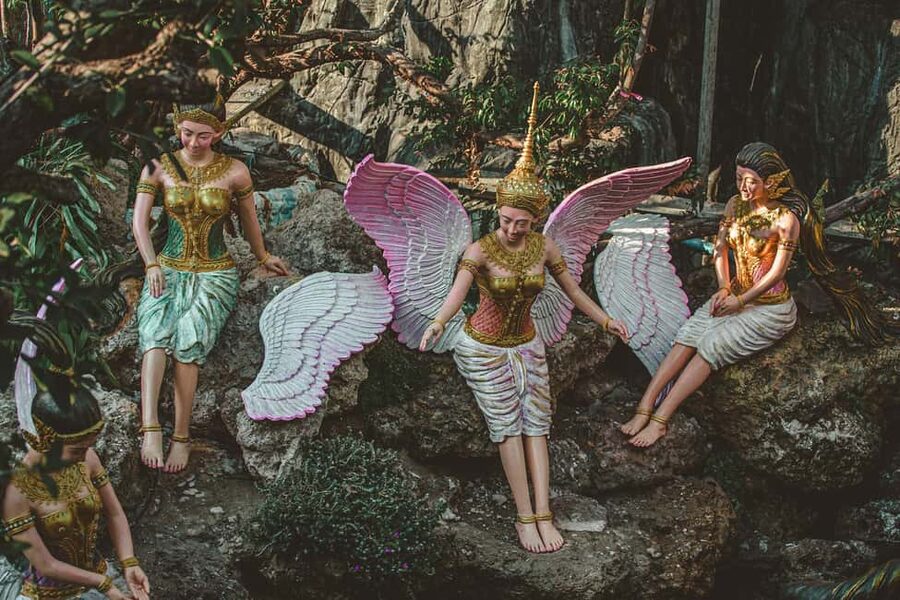
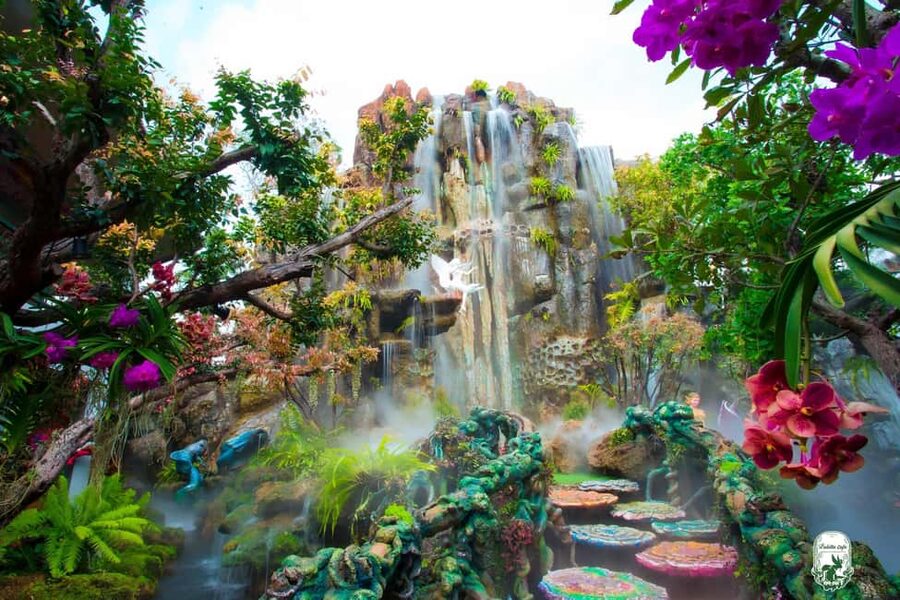
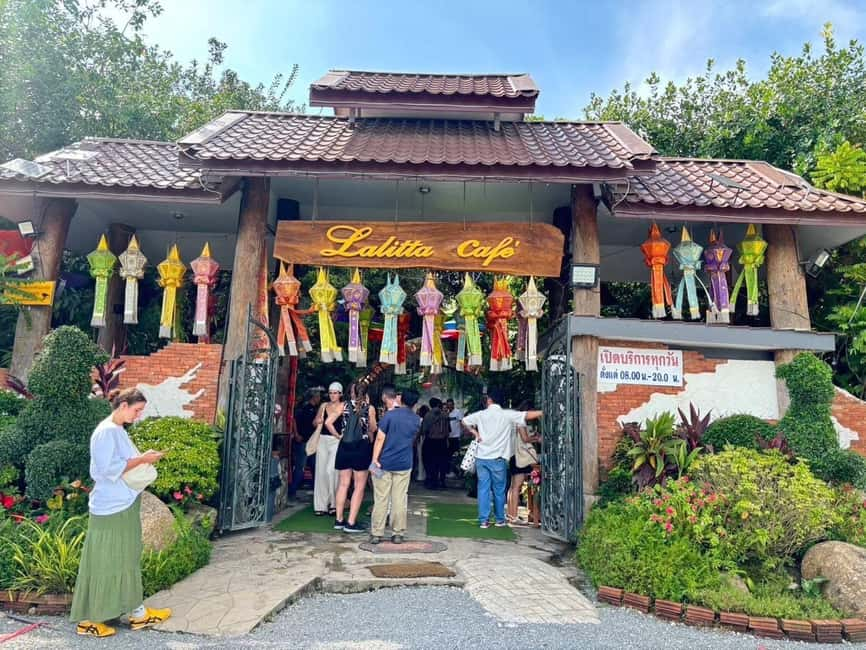
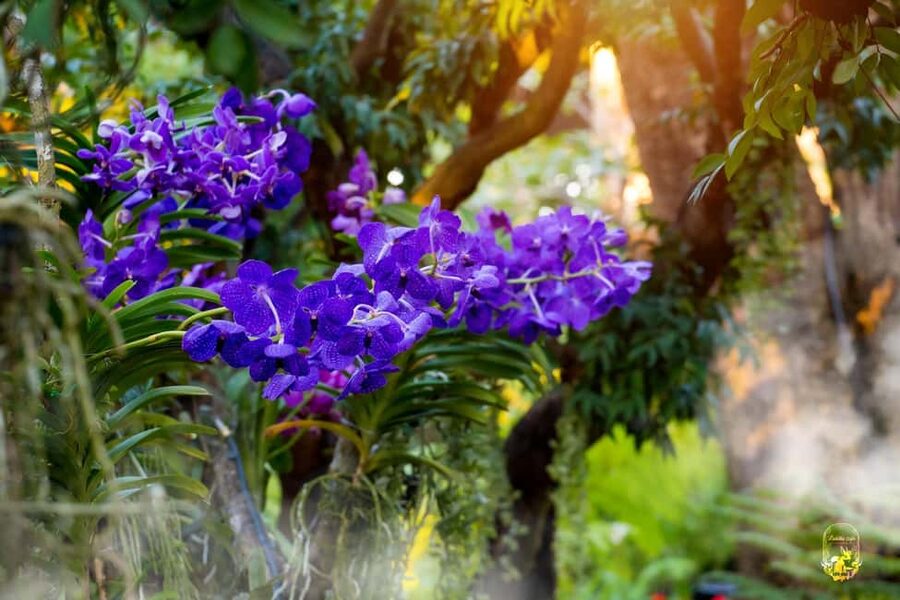
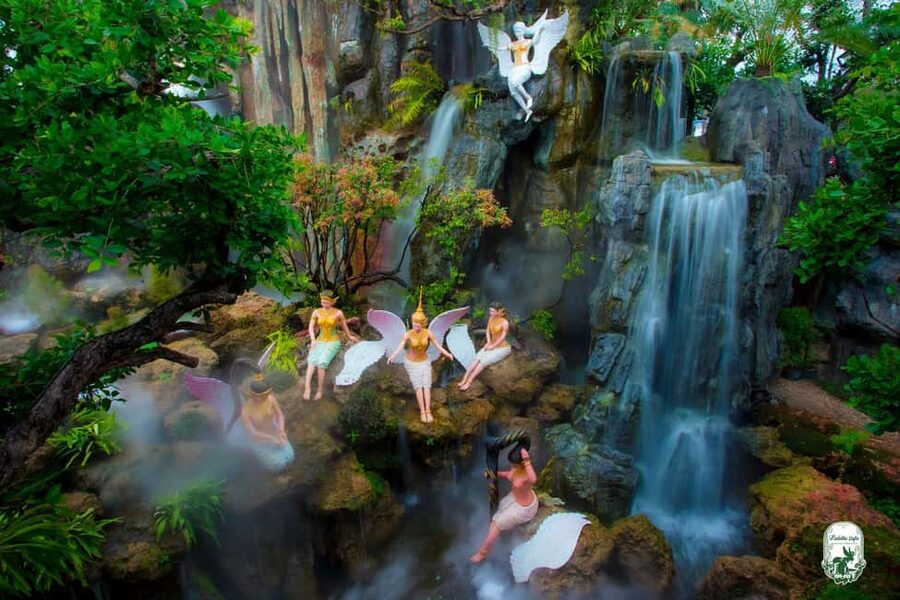
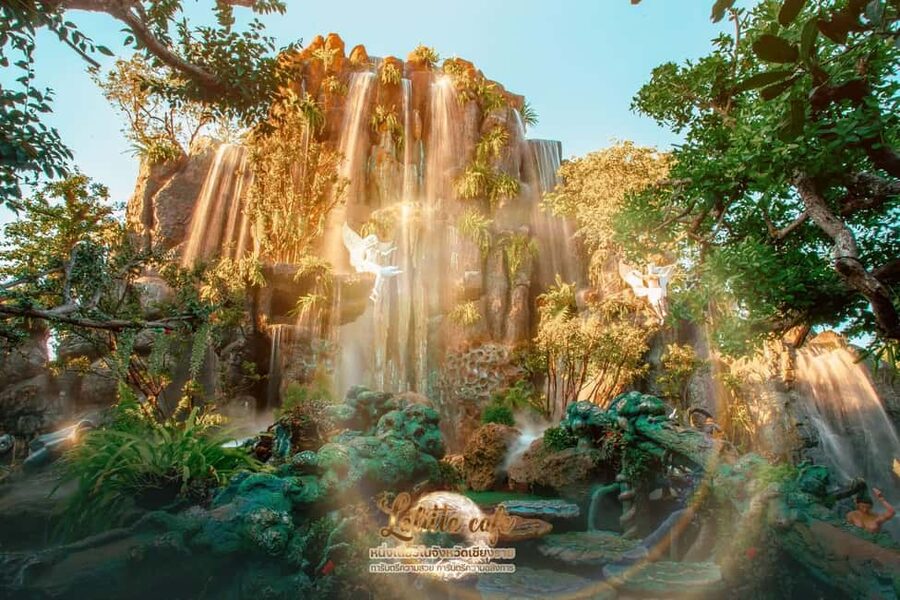
- Lalitta Café is designed around waterfalls, gardens, stone figures, swings, and photo spots rather than just coffee.
- Small groups of up to 12 people make it easier to hear your English-speaking guide and keep the day moving.
- A full day means a long outing, but the included lunch and hotel transfers remove much of the planning work.
Why this Chiang Rai day trip works
Chiang Mai and Chiang Rai are in different provinces, so this is not a quick side trip. You leave early, spend much of the day visiting several places, and return after a packed schedule. That sounds demanding, but it is also the reason this tour makes sense for many people.
Arranging a private driver, planning the route, and finding the temples on your own can take time and money. Here, you receive hotel pickup and drop-off, a comfortable air-conditioned van, lunch, and a guide who speaks English. For $51 per person, the package gives you a practical way to see major Chiang Rai sights in one day.
The strongest part of the experience is the variety. You begin with natural hot springs, then see two highly artistic temples, and finish in a carefully designed café garden. The stops do not all have the same purpose, which keeps the day from feeling like a string of identical temple visits.
The tradeoff is pace. You will not have unlimited time at every stop, and the road journey makes this less suitable for anyone who wants a slow, unhurried day. I would choose it for a first look at Chiang Rai, especially if your time in northern Thailand is limited.
A few more temple visits around Chiang Mai worth a look
- Chiang Mai: Chiang Rai Temples, Karen Tribe and Hot Springs
★ 4.7 · 5,401 reviews - Chiang Rai White Temple and Blue Temple Day Tour
★ 4.6 · 3,366 reviews - Chiang Mai: White, Red/Black & Blue Temples Tour with Lunch
★ 4.2 · 2,017 reviews
Mae Kachan Hot Springs: a useful first pause
Mae Kachan Hot Springs is a sensible opening stop because it gives you a chance to stretch after the early ride. The springs sit in a green setting with hills around them, and steam rises from geysers where hot mineral water pushes out of the ground.
You can place your feet in the warm water, which locals believe has healing qualities. You can also watch or take part in the local custom of boiling eggs in the hot spring wells. It is a small, slightly quirky activity, and it gives this stop more character than a standard roadside rest area.
Small stalls sell handmade souvenirs, snacks, and locally grown coffee. I would treat this stop as a chance to breathe fresh mountain air, use the facilities if needed, and buy a drink or a simple snack rather than expect a major sightseeing attraction.
The hot springs are best viewed as a short introduction to the day. If you want a long soak or a spa treatment, this outing does not promise that. Bring cash for purchases, and wear shoes that are easy to walk in around wet ground.
The White Temple and its unusual message
Wat Rong Khun, commonly called the White Temple, is the artistic centerpiece of the day. Its bright white surfaces and fine decorative details make it instantly striking, but the real interest comes from what the artwork is trying to say.
You cross a symbolic bridge of rebirth before entering the temple area. The imagery deals with Buddhist teachings, life, death, and rebirth, but it also includes references to modern popular culture. That mix can be surprising. The temple is not presented as an untouched relic from the past. It is a contemporary interpretation of religious ideas.
Take time to look closely rather than simply photographing the main building and moving on. The elaborate surfaces reward careful attention, while the interior frescoes can feel mysterious and unexpected. Your guide is especially useful here because the images may not explain themselves at first glance.
This is also the stop where the tour can feel busiest in your mind, even if the group itself is small. There is a lot to look at, and the schedule may not allow you to study every detail. If photography matters to you, bring a camera and listen carefully when the guide explains how much time you have.
The White Temple suits people who enjoy art, symbolism, and unusual design. If you prefer only ancient buildings with a clear historical story, you may find its modern style less satisfying. I think its value lies in the questions it raises, not just its white appearance.
Wat Rong Suea Ten and the Blue Temple
The Blue Temple, or Wat Rong Suea Ten, provides a strong contrast to the White Temple. Its deep blue color and gold details create a powerful visual effect from the moment you approach. The building was designed by a student of the person behind the White Temple, so the two places share a taste for imaginative design.
Inside the main hall, a white Buddha statue forms the focus. Detailed murals and cosmic imagery surround it, combining traditional Thai religious art with a more modern sense of color and drama.
The difference between the temples makes this pairing work. The White Temple is pale, reflective, and filled with unexpected references. The Blue Temple feels darker and more atmospheric, with blue and gold shaping the mood. Seeing both in one day helps you understand that northern Thai temple art is not limited to one fixed style.
Please remember that this is an active place of worship, not only a photo setting. Wear suitable clothing and behave respectfully. Comfortable clothing and shoes are recommended for the entire day, but temple visits also call for modest dress.
The Blue Temple is a good stop for photography, though the strong colors can make the interior feel visually busy. Let your eyes adjust and look beyond the large Buddha. The wall paintings and smaller details are part of the experience.
Same place, a different morning at the gates:
- Chiang Mai: Doi Suthep and Wat Umong Enchanting Evening Tour
★ 4.6 · 1,811 reviews - Chiang Mai: 3 Hour Old City and Temples Guided Walking Tour
★ 4.6 · 1,568 reviews - Chiang Mai: Doi Suthep, Wat Umong, and Pha Lat Sunrise Tour
★ 4.7 · 1,425 reviews - Chiang Rai Temples: Private Tour from Chiang Mai
★ 5.0 · 1,267 reviews
Lunch and the value of a guide
Lunch is included, which matters on a day with several stops and a long drive. You do not need to spend time searching for a restaurant or worry about interrupting the schedule to find food. The exact meal is not specified, so you should not book this expecting a particular menu.
The guide is an important part of the tour’s value. A guide can explain the symbols at the White Temple, give context for the Blue Temple, and tell you how to use your time at each stop. The supplied feedback gives specific praise to Mr. Nine for his guiding and the food, while another participant appreciated a guide who offered practical tips for getting the best from each location.
That kind of help matters here. These temples are visually rich, but a quick visit without context can become little more than taking pictures. A good guide also watches the group, helps people stay together, and keeps the day from slipping badly behind schedule.
The experience has a 4.8 rating from five listed ratings, with particularly strong praise for the guides, friendly care, useful advice, and the complete nature of the day. That is a small sample, so I would treat it as encouraging rather than a guarantee of exactly who will lead your group.
Lalitta Café: a playful final stop
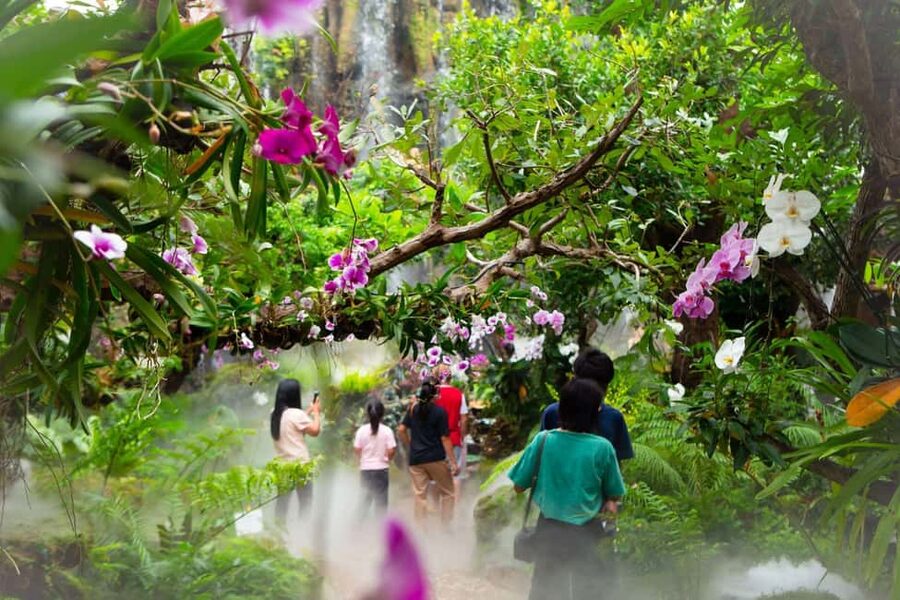
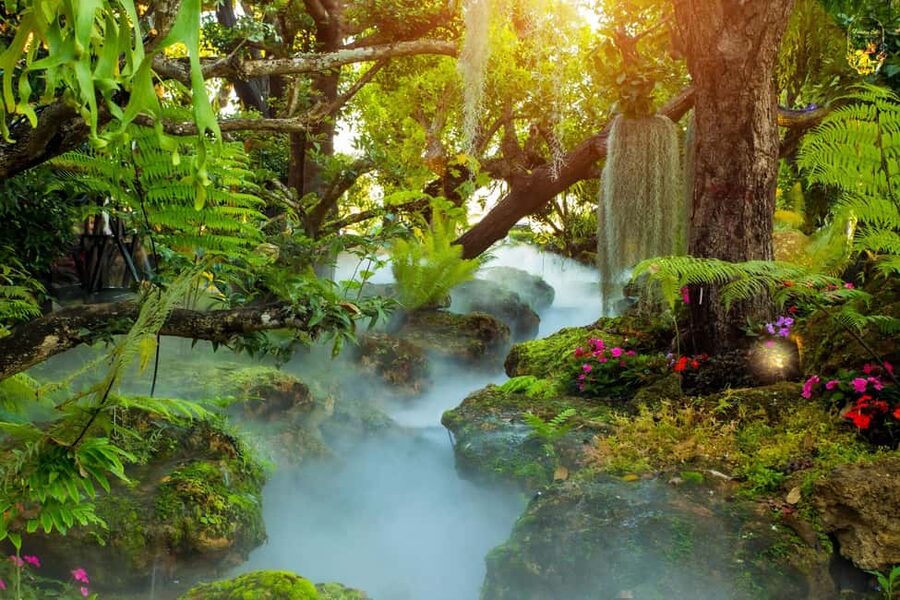
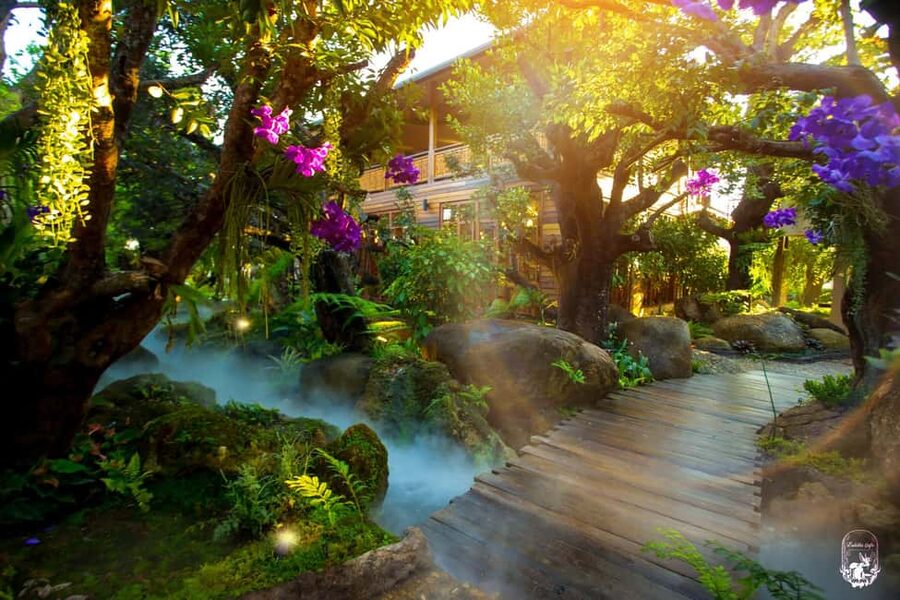
Lalitta Café changes the tone again. Instead of religious art, you get a carefully arranged garden with waterfalls, flowers, stone sculptures, swings, and marked photo areas. It is designed to feel almost like a storybook setting, with water and greenery forming the backdrop.
You can order freshly brewed coffee, a smoothie, or a sweet Thai dessert. The café is not simply a place to grab a drink. The setting is the reason for the visit, and you will likely spend time walking the garden paths and looking for good angles for photographs.
I like this as the final stop because it gives you a chance to slow down after the temples. A coffee or cold drink, a garden walk, and a few photos offer a softer ending than another formal monument.
There is also a possible weakness. If you prefer local markets, ordinary neighborhood cafés, or places with a strong connection to everyday life, Lalitta may feel highly designed and commercial. Its appeal comes from the setting and photo opportunities, not from a quiet, traditional café atmosphere.
Bring cash because personal expenses are not included. The café visit gives you flexibility, but you should budget separately for drinks, desserts, souvenirs, or other purchases during the day.
Transport, group size, and the pace of the day
Hotel pickup and drop-off are included in Chiang Mai, which removes one of the biggest practical headaches. You do not have to find a bus station, arrange a private car, or navigate unfamiliar roads. The air-conditioned van is also important in Thailand’s heat, especially during a day that involves several outdoor stops.
The group is limited to 12 participants. That is small enough for the guide to communicate clearly and keep an eye on everyone, while still costing less than a private tour. The experience will not feel completely private, but it should be more personal than a large coach excursion.
Expect an early start and a full day. The schedule includes the drive to Chiang Rai, a hot spring stop, two temples, lunch, and the café. That is a lot to fit into one outing, so you should not plan another major activity for the same evening.
The tour is not suitable for pregnant women, wheelchair users, or people over 220 pounds, or 100 kilograms. Those limits may relate to the transport and physical conditions at the stops, so take them seriously when deciding if the outing is right for you.
Backpacks are not allowed, and alcohol and drugs are prohibited. A small personal bag may be more practical, but you should confirm the exact bag rule with the operator before departure because the supplied information only specifies that backpacks are not permitted.
What to bring and how to prepare
Wear comfortable clothing and walking shoes. You will be getting in and out of the van, walking around temple grounds, standing for photographs, and visiting areas near warm water.
A hat is useful in the sun, and a camera is worthwhile because all four main stops offer different kinds of pictures. The White Temple gives you fine white detail, the Blue Temple gives you strong color, Mae Kachan offers steam and natural surroundings, and Lalitta Café provides gardens, waterfalls, swings, and sculptures.
Bring cash for snacks, coffee, souvenirs, and café purchases. Personal expenses are not included, and card acceptance is not stated.
You should also prepare for changing moods and temperatures. The springs are warm, the temple grounds may be sunny, and the van is air-conditioned. Light, comfortable clothing gives you the best chance of staying at ease throughout the day.
Free cancellation is available up to 24 hours before departure for a full refund, and you can reserve now while paying later. Check the available starting time when booking, since the exact departure hour is not supplied here.
Who should book this experience?
I would recommend this trip to you if you want a broad introduction to Chiang Rai without renting a car or planning a complex route. It suits first-time visitors, photographers, art lovers, and anyone who likes a day with several distinct stops.
It is also a good fit if you value practical support. Hotel transfers, lunch, insurance, a small group, and an English-speaking guide make the $51 cost easier to justify.
I would hesitate if you dislike long road days, prefer slow independent sightseeing, or want deep time at one temple. The schedule is full, and the café and hot springs are short-stop attractions rather than places for an entire afternoon.
Should you book it?
Book this tour if your priority is seeing Chiang Rai’s best-known modern temples while adding nature, lunch, and a photogenic café in one day. The guides receive the strongest praise, with Mr. Nine specifically recognized for good guiding and food, and the small group should help the day feel organized.
Skip it if you need wheelchair access, cannot manage a long day, or want a private schedule. For everyone else, this is a well-priced introduction to Chiang Rai, with enough variety to make the early start worthwhile.
FAQ
How long is the experience?
It is a one-day experience, with hotel pickup and drop-off from Chiang Mai.
What is the price?
The price is $51 per person.
Is hotel transportation included?
Yes. Hotel pickup and drop-off are included.
Is lunch included?
Yes. Lunch is included in the tour price.
Is an English-speaking guide provided?
Yes. The experience includes a live English-speaking guide.
How large is the group?
The tour is limited to 12 participants.
What places does the tour visit?
The route includes Mae Kachan Hot Springs, the White Temple, the Blue Temple, and Lalitta Café.
What should I bring?
Bring a hat, camera, cash, comfortable clothing, and comfortable shoes.
Are personal expenses included?
No. Personal expenses, including purchases at stops or the café, are not included.
Who is this experience not suitable for?
It is not suitable for pregnant women, wheelchair users, or people over 220 pounds, or 100 kilograms. Backpacks, alcohol, and drugs are also not allowed.
Just added around Chiang Mai
- No.1 Chiang Mai: 3-Hour Monk Trail Hike to Wat Doi Suthep & Palad★ 5.0 · 11 reviews
- Monk trails hike, Wat Phalat, Monk chanting, Wat Doi Suthep.★ 5.0 · 3 reviews
- Long Neck Village, Silver Temple & Chiang Mai Top Sites★ 4.7 · 17 reviews
- Private : Sticky Waterfall & Secret Temple & Karen Village.★ 5.0 · 9 reviews
- Chiang Mai: Temples & Culture Tour★ 4.7 · 64 reviews
- From Chiang Mai: White Temple, Blue Temple & Black House★ 4.5 · 15 reviews
- From Chiang Mai: Lamphun and Lampang Temples Tour★ 4.9 · 33 reviews
- Chiang Mai: Chiang Rai Temples & Black House Discovery Tour★ 4.4 · 12 reviews
Chiang Mai Temple Tours, compared.
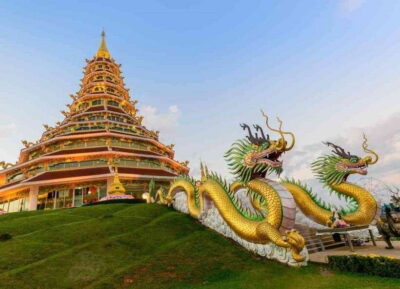
Chiang Rai Temples, Karen Tribe and Hot Springs
Read our review →
Chiang Rai White Temple and Blue Temple Day Tour
Read our review →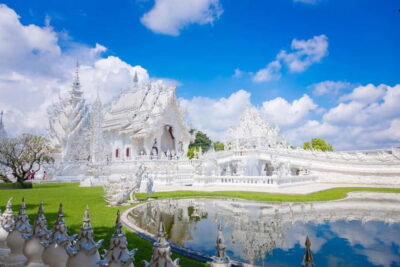
White, Red/Black & Blue Temples Tour with Lunch
Read our review →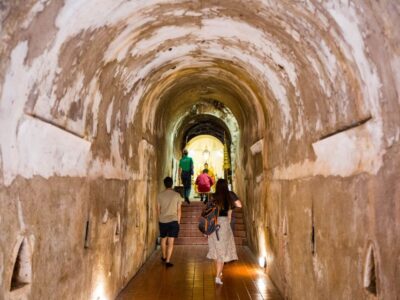
Doi Suthep and Wat Umong Enchanting Evening Tour
Read our review →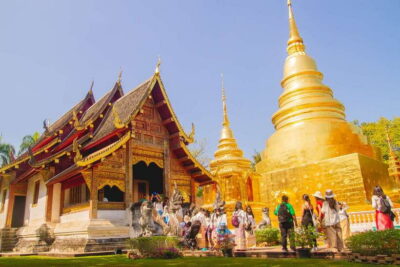
3 Hour Old City and Temples Guided Walking Tour
Read our review →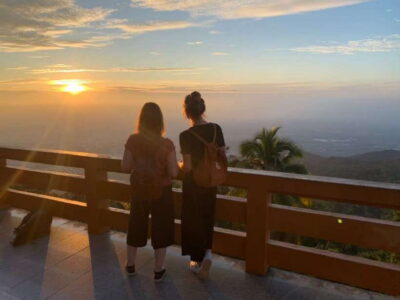
Doi Suthep, Wat Umong, and Pha Lat Sunrise Tour
Read our review →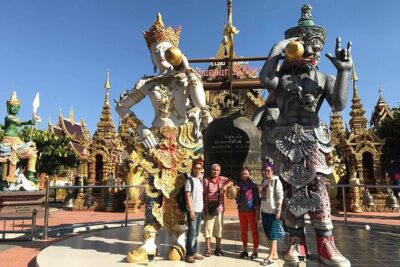
Chiang Rai Temples: Private Tour from Chiang Mai
Read our review →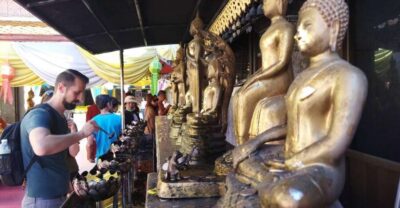
Browse the lists this tour appears in