
Review · INDIA
Historical Tour, Kangra fort &Rock cut temple from Dharmasla
History comes alive in the hills. This six-hour private trip from Dharamshala or McLeod Ganj combines Masroor Rock Cut Temple, Kangra Fort, Brajeshwari Devi Temple, village scenery, and a local market in one well-planned day. I like the mix of major monuments and ordinary local life, especially the views across Kangra Valley and the chance to stop in a working market rather than spend the whole day behind museum walls.
I also like that your guide and private car come to your hotel, which keeps the day simple in a hilly region where roads can be slow. Guides such as Onkar, Ashok, and Hemant have received especially warm praise for explaining local culture, food, religious traditions, and historic sites. The main consideration is that guide quality can vary. One guest found the commentary repetitive and the English less detailed, so this tour is best for someone who values the sites and scenery even if the guiding is not perfect.
Key points at a glance
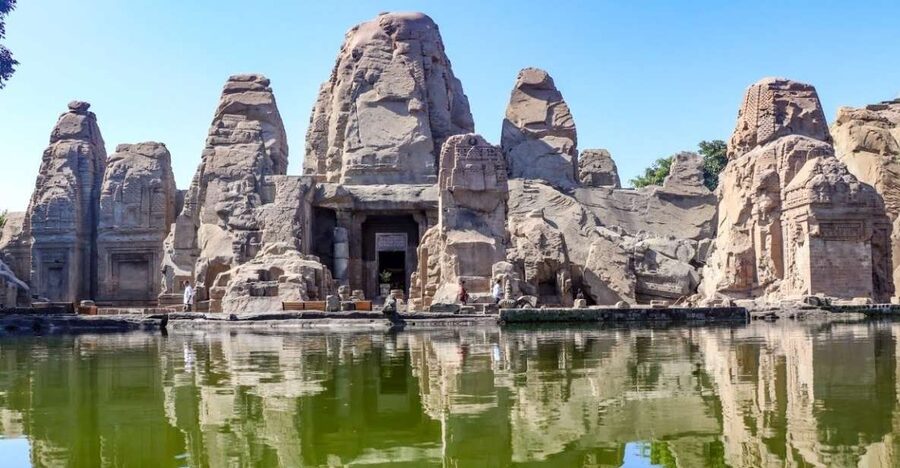
- Masroor’s carved stone temples sit beside a water pond, with views toward the Dhauladhar peaks.
- Kangra Fort tells the story of the Katoch dynasty, Mughal pressure, and centuries of regional power.
- Brajeshwari Devi Temple adds an active religious site connected with the Shakti Peeth tradition.
- The private vehicle lets you travel from McLeod Ganj or Dharamshala without arranging separate taxis.
- Local market time gives you a chance to browse gifts, taste a roadside drink, and see daily commerce in Kangra.
- The $104 group price is easiest to judge if you are traveling alone, as the advertised rate covers one person and transport sizes vary by party.
Why this six-hour outing works
Dharamshala is best known for mountain views and Tibetan culture, but Kangra adds a different layer. Here, the focus shifts to Hindu pilgrimage, Rajput power, carved temples, village life, and the long political story of the Kangra Valley.
The route is useful because the main sights are spread out. Instead of hiring separate transport to Masroor, Kangra Fort, and the temple area, you get hotel pickup, a private car, parking fees, and a guide in one arrangement. That matters in the hills, where a good driver is not a minor detail.
The tour is listed at six hours, including pickup and return. That makes it a manageable day rather than an exhausting full-day expedition. Still, you should expect the schedule to feel full. You will be moving between several sites, and the Kangra roads are winding. Allow your guide to control the pace instead of trying to force every stop into a rushed checklist.
This is a private group experience, with an English-speaking guide. Vehicle choices are listed as a medium car for up to two people, an Innova for up to six, and a Tempo Traveler for up to ten. The price shown is $104 per group up to one person, so check the exact rate for your party before booking. For a solo visitor, that amount includes a private car, guide, hotel transfers, and parking, which can be fair value if you want a focused day without sharing transport.
More History Tours in India:
- World heritage Somnathpur sculptures and Talakadu temple mystery
★ 5.0 · 79 reviews - Old Bangalore Historical Walk thro Palace, Temples, Fort & Market
★ 5.0 · 60 reviews - World heritage site of Belur & Halebid with temple sculptures
★ 5.0 · 24 reviews
Crossing Kangra Valley from McLeod Ganj
Your guide meets you at a city hotel in McLeod Ganj or Dharamshala. Pickup is limited to city hotels, so you should confirm that your accommodation qualifies before the morning of the tour.
The drive toward Kangra is part of the experience. You pass through the Kangra Valley and local villages, with views of fields, hills, homes, and daily activity. The route gives your guide a chance to explain the area before you arrive at the monuments. This is where a strong guide adds real value: the road becomes a moving introduction to the region rather than dead time between attractions.
Previous tours have included drivers praised for safe and respectful handling of the long, winding roads. That is worth noting. You are not simply going from point A to point B on a flat city route, and careful driving can make the day far more comfortable.
The village views also give the tour a useful balance. You see more than royal ruins and sacred buildings. You get a brief look at how people live and work around Kangra, although the visit is not presented as a long village walk or a formal community program.
Masroor Rock Cut Temple and its mountain setting
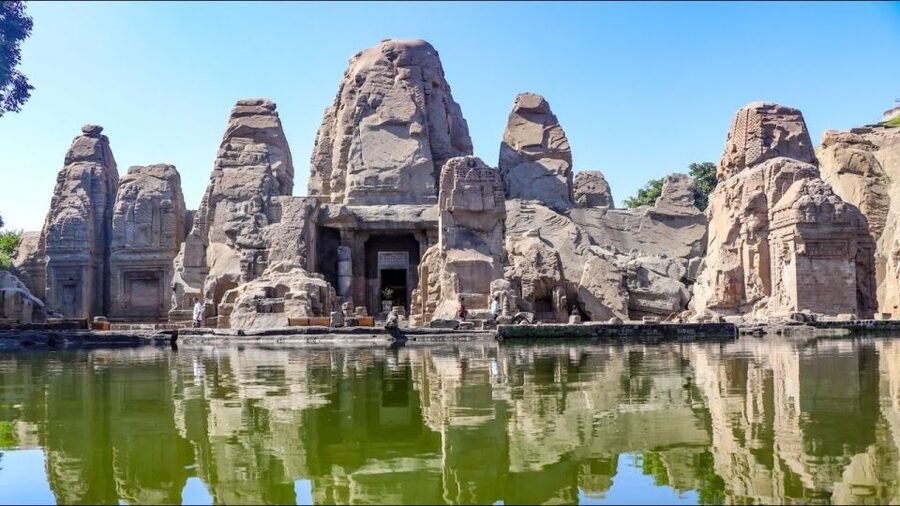
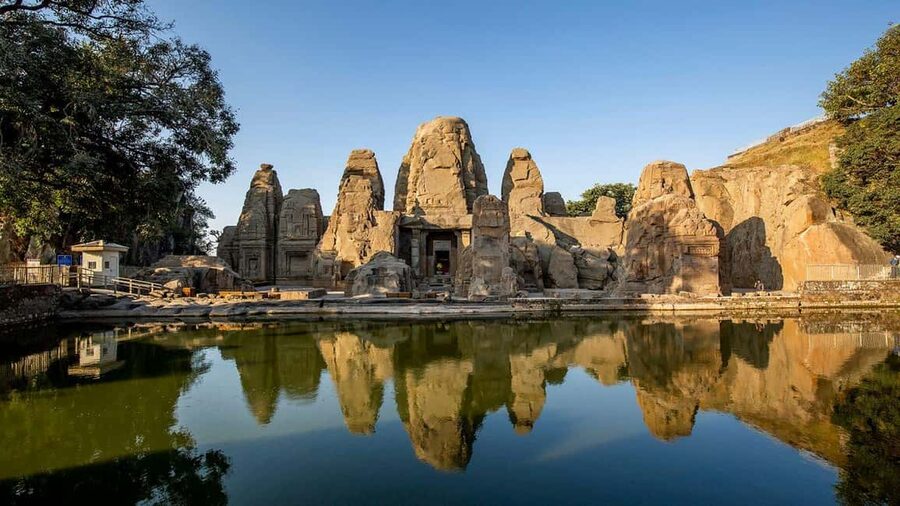
Masroor Rock Cut Temple is the most unusual stop on the route. The complex was carved from stone and is linked with Rama, Laxmana, and Sita. Stone images connected with these figures are worshiped by Hindu devotees, giving the site both archaeological interest and continuing religious importance.
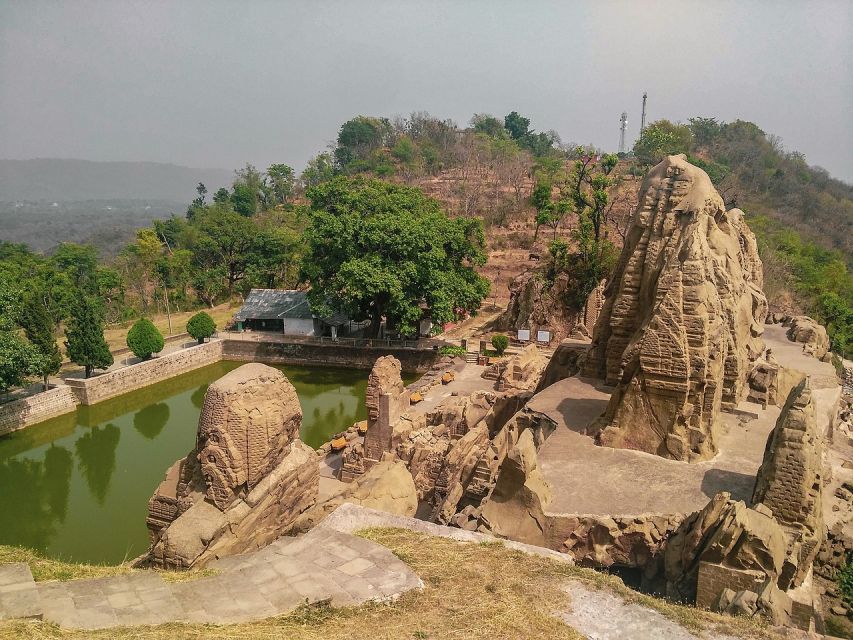
The temples sit on a hill beside a water pond. That setting is one of the reasons the stop works so well visually. You are looking at carved stone architecture while also seeing broad views toward the surrounding terrain and the snowy Dhauladhar Range when conditions allow.
Take your time here. The best part is not only the central shrine area but the relationship between the carvings, pond, hill, and distant peaks. Bring a phone or camera, because the setting offers several good angles. One guide, Hemant, was especially praised for pointing out strong photo viewpoints.
The temple is also a place where your guide’s storytelling matters. The site is tied in the tour description to the Mahabharata period and to worship connected with Rama, Laxmana, and Sita. Ask your guide to separate local belief, epic tradition, and confirmed architectural history. That makes the visit more interesting and helps you understand how sacred stories shape the meaning of the place.
The main drawback is that the stop may feel brief if you want a slow archaeological study. The overall tour has several major sites, so this is not a specialist architectural tour. You get an introduction, time for photographs and observation, and then move on.
Kangra Fort and the Katoch dynasty
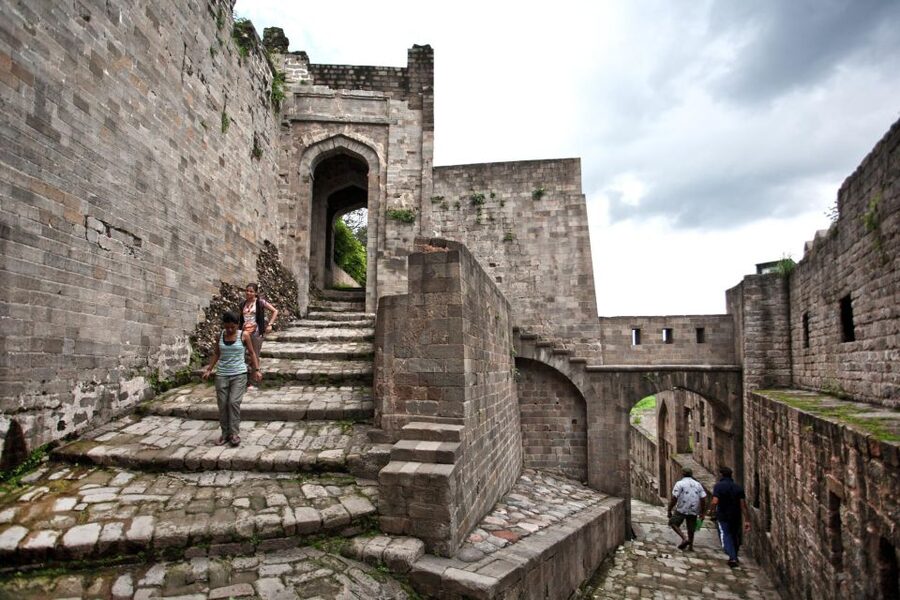
Kangra Fort is the day’s biggest historical stop. Built by the Katoch dynasty, the fort traces its roots to the ancient Trigarta Kingdom mentioned in the Mahabharata. It is described as the largest fort in the Himalayas and among India’s oldest dated forts.
The fort’s importance comes from its location and long political story. Control of Kangra meant control over a major regional stronghold, and powerful rulers wanted it. The fort resisted Akbar’s siege in 1615, but Akbar’s son Jehangir subdued it in 1620. The resulting submission of the Raja of Chamba marked a major shift in power across the region.
You should expect some walking and climbing here. One visitor specifically praised the views from higher up while climbing through the fort. Wear shoes that are comfortable for uneven surfaces, and keep water with you. The tour does not list meals or drinks as included, so plan accordingly.
Kangra Fort is not just a photo stop. It is the place where the political story becomes physical. Walls, hilltop views, and the approach route help you understand why the fort mattered. I would listen closely to the guide here, because a bare walk through old stone can feel thin without context.
The quality of the explanation may depend on who leads your tour. Onkar received strong praise for giving detailed background at the monuments and for connecting the sites to local culture. Ashok was also praised for explaining local food, scenery, customs, and the monuments. At the same time, one guest found the explanation repetitive and not detailed enough. If your guide speaks quickly or repeats basic points, ask direct questions about the Katoch rulers, the Mughal siege, and the fort’s role in the valley.
A few more temple visits around India worth a look
- New Delhi: Akshardham Temple Tour with Water and Light Show
★ 4.8 · 313 reviews - Old Delhi Food-Spice Market-Temples Tour Soon Featured on NETFLIX
★ 5.0 · 304 reviews - Private Guided Spiritual Walk in Banganga Hindu Temples
★ 5.0 · 271 reviews - Taj Mahal Sunrise with Lord Shiva Temple:- All Inclusive
★ 5.0 · 207 reviews
Brajeshwari Devi Temple and living faith
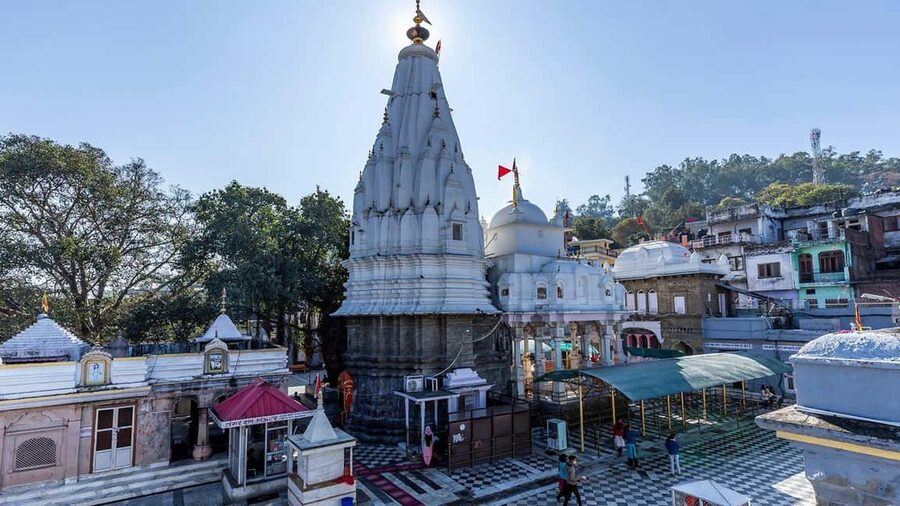
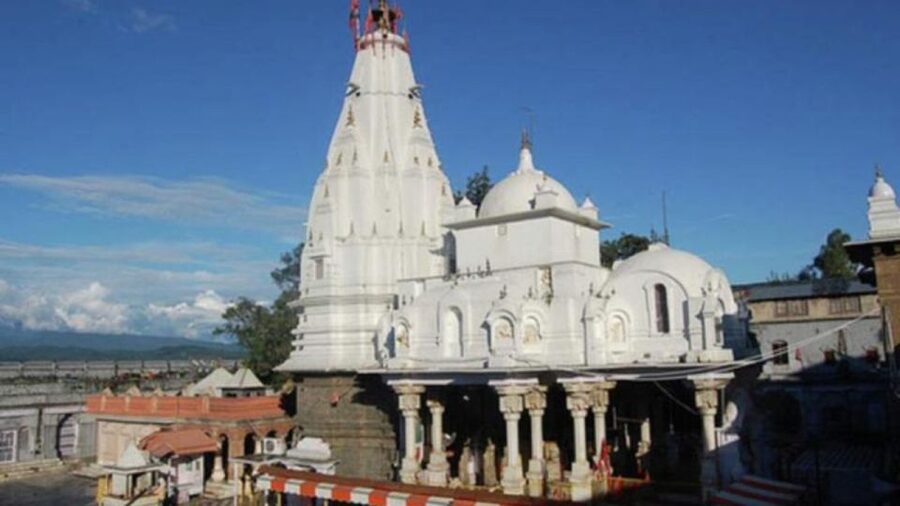
The Brajeshwari Devi Temple adds a more active religious dimension to the day. According to the tradition associated with the shrine, the left breast of Goddess Sati fell at this location after Lord Vishnu divided her body into 51 parts with his Chakra. That makes the site a Shakti Peeth, one of the places connected with the worship of the goddess.
The temple is also linked with a tradition that the original structure was built by the Pandavas during the Mahabharata period. Your guide can explain how these epic stories remain part of the temple’s identity today.
This stop differs from Masroor and Kangra Fort. At Masroor, the carved stone and mountain setting attract attention. At the fort, military history takes center stage. At Brajeshwari Devi, the main point is continuing worship and belief. Be respectful with clothing, photography, and behavior, and follow any instructions given at the temple.
The tour description refers to two other spiritual sites in addition to Masroor. Exact stop details can depend on the day’s route and timing, so ask your guide early about the order of the temple visits.
Kangra market, lemon soda, and small local details
The final market stop gives the day a welcome change of pace. You have time to browse local goods that may work as gifts or souvenirs. It is not presented as a large shopping excursion, so keep your expectations practical. The value is in seeing local trade and having a little unstructured time after the more formal monument visits.
A small detail from one tour is worth repeating: the group sampled homemade lemon soda at the temple market. Another guest was treated by guide Ashok to a roadside snack from a pakoda vendor. These moments are the sort of local contact that can make a private tour feel less scripted.
You should still ask about lunch if you expect a meal break. Breakfast, lunch, and dinner are not included. One outing used a restaurant with good food, though the price was considered high. That means you may want to ask your guide about the restaurant cost before ordering, especially if you are watching your budget.
The market is also a good place to spend any remaining small cash. The tour does not specify exactly what goods will be available, so treat the stop as an opportunity to browse rather than a promised shopping list.
What the guides add to the day
Guiding is the most important variable here. The strongest feedback centers on guides who do more than recite dates. Onkar was praised for detailed historical background and for leading another successful outing the following day. Ashok was appreciated for his friendly manner and understanding of local food, culture, scenery, and monuments. Hemant was noted for his historical knowledge and ability to find good photo angles.
One guide even included a visit to his village and family. That is not guaranteed and should not be treated as a standard part of the program, but it shows how a private tour can sometimes become more personal than a fixed group excursion.
English is the listed tour language. Most feedback about the guides was positive, but one guest wanted clearer English and more detailed explanations. I would recommend telling your guide what interests you at the start: architecture, Hindu traditions, Rajput history, photography, or village life. A specific request can lead to a better conversation than simply asking for general information.
Price, comfort, and who gets the best value
At $104 for a group of up to one person, the price is not bargain-basement sightseeing. The value comes from combining a private vehicle, hotel pickup and return, English-speaking guide, parking, and several major stops in one six-hour trip.
For a solo visitor, this can be worthwhile because you are not paying separately for transport and guiding. For more than one person, confirm the correct group price, since the published rate is specifically shown for one person even though the vehicles can carry larger groups.
The private format suits couples, families, and friends who want control over questions and pace. It also helps if someone in your party prefers not to join a large bus group. The main cost not covered is entry to the monuments, along with meals and drinks.
Cancellation is flexible up to 24 hours before the tour for a full refund, and you can reserve now and pay later. Those terms are useful in the hills, where weather or a changing Dharamshala schedule can affect plans.
Should you book the Kangra tour?
Book this tour if you want one efficient day covering Masroor Rock Cut Temple, Kangra Fort, Brajeshwari Devi Temple, village scenery, and a Kangra market. It is especially suitable for first-time visitors based in McLeod Ganj or Dharamshala who want historical sites without arranging several separate rides.
I would choose it for the combination of mountain views, sacred places, fort history, and local contact. I would also book it if photography matters to me, since the Masroor setting and Kangra Fort viewpoints are strong parts of the day.
Think twice if you want a slow archaeological study, a long village visit, or a food-focused outing. Six hours is enough for a broad introduction, not a detailed examination of every carving and wall. Also, ask who your guide will be and make your interests clear, since the guiding quality can shape the experience.
Overall, the tour offers good practical value when you want several important Kangra sights in a single private outing. The monuments carry the day, and the market, roadside food, and valley views keep it connected to present-day Himachal Pradesh.
FAQ
Where does the tour start?
Pickup is available from city hotels in McLeod Ganj or Dharamshala.
Where does the tour end?
Drop-off is provided in McLeod Ganj or Dharamshala.
How long does the tour last?
The tour lasts six hours, including the sightseeing program and hotel transportation.
Is this a private tour?
Yes. It is arranged for a private group.
What language does the guide speak?
The listed tour language is English.
Which vehicle is used?
A medium car is listed for up to two people, an Innova for up to six people, and a Tempo Traveler for up to ten people.
Are monument entrance fees included?
No. Monument fees are not included in the tour price.
Are meals included?
No. Breakfast, lunch, and dinner are not included.
Just added around India
- South India Tour- Temple Architecture and Backwaters★ 5.0 · 7 reviews
- 8 Days Private South India Temple Tour with 4 Star Luxury Hotels★ 5.0 · 3 reviews
- Chennai City Highlights – Government Museum & Temple Discovery★ 4.0 · 7 reviews
- Full Day Tour of Konark Temple and Puri★ 5.0 · 7 reviews
- Divine Delhi: Full-Day Tour of Temples & Spiritual Sites★ 4.5 · 3 reviews
- 6-hour Temples tour of Bhubaneswar including hotel pick-up & drop-off★ 4.0 · 3 reviews
- Bhubaneswar city tour & Konark Sun Temple in private car with guide★ 5.0 · 29 reviews
- Puri Jagannath, Konark Sun temple, Pattachitra art in best of Odisha in 2 days★ 5.0 · 10 reviews
Historical Tours, compared.
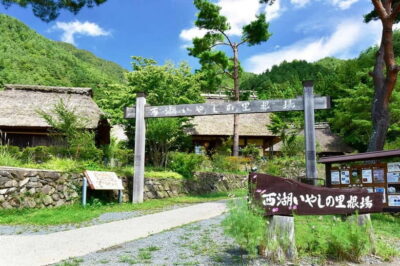
Mt. Fuji Heritage Tour: Traditional Villages, Lakes & Shrine
Read our review →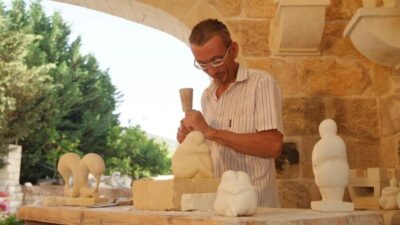
Malta: Prehistoric Temples, Limestone Heritage & Blue Grotto
Read our review →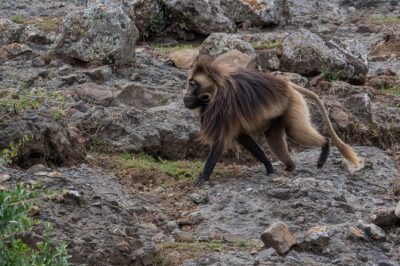
Day Trip From Addis Ababa See Historical Monastery,Stunning Nature,Animals,Birds
Read our review →
Beijing Historical Tour II including Summer Palace, Lama Temple & Panda Garden
Read our review →
“Porto: Fado Show with Guided Tour in a Historic Monastery”
Read our review →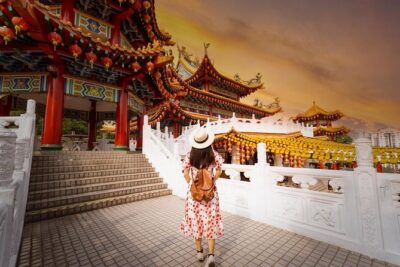
Private Half-Day Temples and Cultural Tour in Kuala Lumpur
Read our review →
Beijing Historical Tour I – Forbidden City, Tiananmen Square & Temple of Heaven
Read our review →Browse the lists this tour appears in