
Review · SOUTH KOREA
Gyeongju: UNESCO Heritage Tour Including Bulguksa Temple
Gyeongju makes Korea’s past feel close. This full-day trip packs Bulguksa Temple, Seokguram Grotto, and royal tombs into one well-organized route, with a guide, lunch, entrance fees, and hotel transport included. I especially like the comfortable van and the chance to see both famous monuments and quieter places such as Gyochon Village. The main drawback is the price: at $189 per person, this is a premium day out, particularly if you are already staying in Gyeongju.
The strongest part of the experience is the human touch. Guides such as Sue and Steve have been praised for clear stories, humor, and careful crowd management, while drivers such as Joe have helped with photos and directions. The schedule is full, though, so a late start or heavy holiday traffic can mean less time at the final stop.
The essential points at a glance
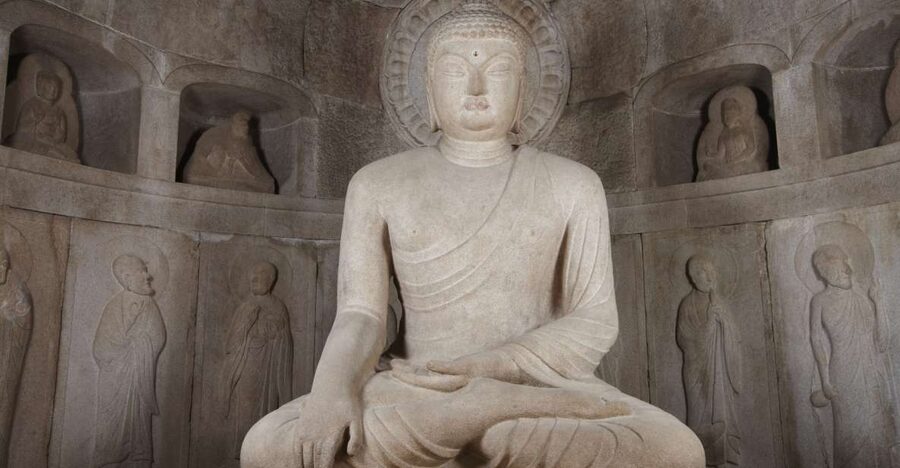
- Bulguksa and Seokguram in one day: You visit two of Korea’s most important Buddhist sites, including Bulguksa’s famous pagodas and Seokguram’s granite Buddha.
- A practical Busan day trip: Hotel pickup and drop-off in Busan or Gyeongju removes the need to piece together several buses and taxis.
- Gyeongju’s royal past outdoors: Daereungwon’s grassy tombs and Cheomseongdae give you history in open-air settings rather than only inside museums.
- A guide makes the difference: Sue, Steve, Jina, Chris, and other guides have been praised for clear explanations, humor, and flexibility.
- Lunch and entry fees are included: The price covers a meal, water, admissions, and an air-conditioned van.
- A busy eight hours: You see a lot, but this is not a slow, contemplative tour. Traffic, crowds, and a late departure can shorten visits.
Why Gyeongju deserves a full day
Gyeongju was the capital of the Silla Dynasty for roughly a millennium. That long period left the city with royal burial mounds, Buddhist temples, astronomical architecture, palace remains, village homes, and mountain scenery.
I like Gyeongju because the history is spread through ordinary streets, parks, and wooded hills. You do not need to spend the whole day in a museum to understand the place. A walk past a grassy tomb can be as revealing as a display case full of gold.
From Busan, though, the sites are spread far apart. Bulguksa and Seokguram lie east of central Gyeongju, while the tombs, Cheomseongdae, Gyochon Village, and Wolji Pond are closer to the historic center. A private or small-group van saves time and makes this route possible in one day.
The tour receives a 4.8 rating from 104 reviews, with transport and guides receiving the most consistent praise. That matters here. Gyeongju is easy to visit badly, especially if you lose time waiting for connections or arrive at a major site without understanding what you are seeing.
More History Tours in South Korea:
- Chiang Mai: Historic Temples and City Guided Walking Tour
★ 4.7 · 650 reviews - Mt. Fuji Heritage Tour: Traditional Villages, Lakes & Shrine
★ 4.5 · 509 reviews - Malta: Prehistoric Temples, Limestone Heritage & Blue Grotto
★ 4.2 · 412 reviews
Bulguksa Temple: stone, symmetry, and Buddhist calm
Bulguksa is the day’s architectural centerpiece. The temple is a UNESCO World Heritage Site and one of South Korea’s best-known cultural places.
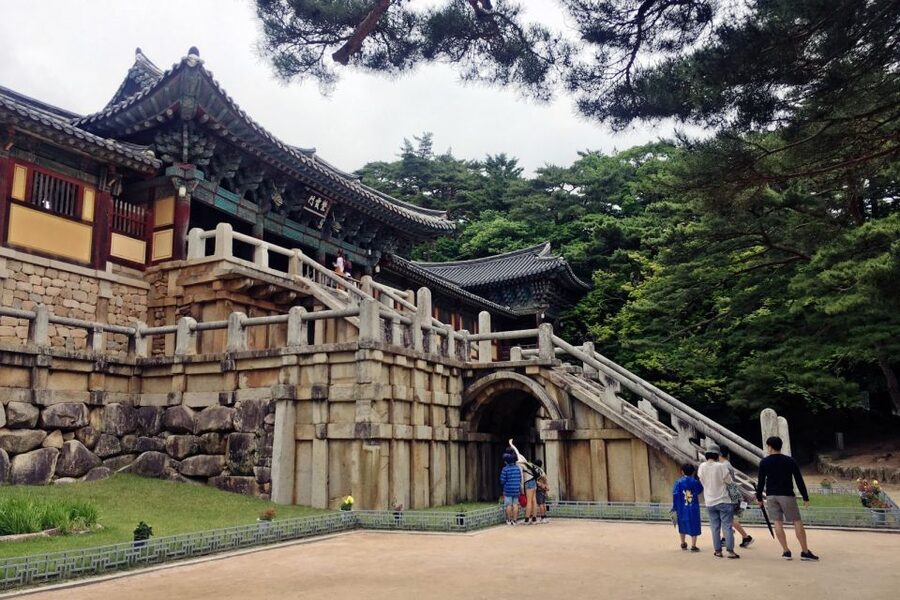
Your guided visit lasts about an hour. You can expect courtyards, stone bridges, carved details, and the famous Dabotap and Seokgatap pagodas. The design is carefully balanced, with stairways and platforms leading the eye upward toward the main halls.
I find the stonework especially rewarding because it looks restrained at first. The longer you look, the more you notice in the steps, railings, pagodas, and small carved forms. A guide can point out the meaning behind the layout and explain why Bulguksa is considered more than an attractive old temple.
The setting adds to the experience. The temple sits in a wooded mountain area, so the visit feels removed from city streets. In warm weather, the walk between areas can be tiring, and the stone paths and stairs require comfortable shoes.
An hour gives you a useful introduction, but not unlimited time for quiet wandering. If Bulguksa is your main reason for coming to Gyeongju, you might prefer a slower standalone visit. For a first look at the city’s major sights, the timed stop works well.
Seokguram Grotto and the mountain road
From Bulguksa, the van continues up Tohamsan Mountain to Seokguram Grotto. The visit is scheduled for about an hour.
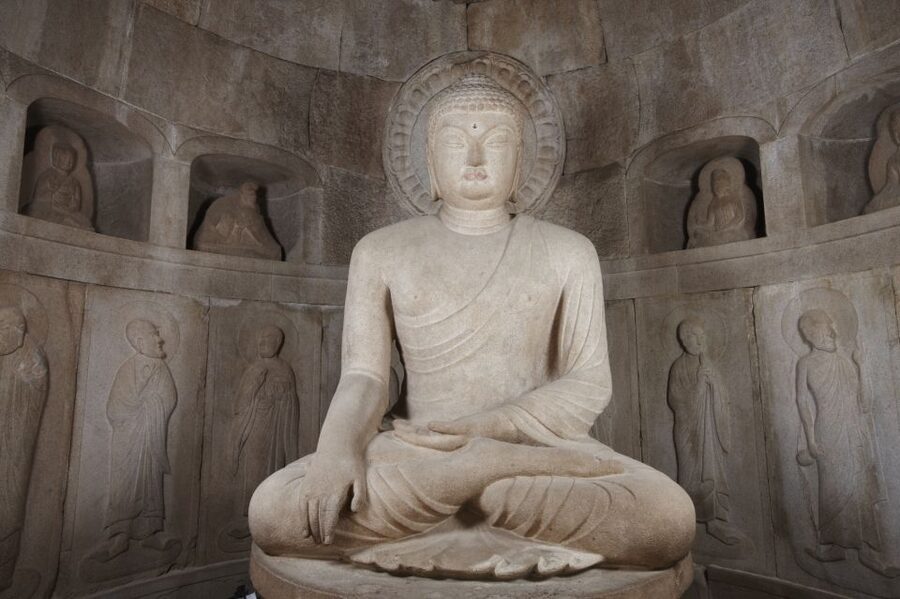
Inside the grotto is a large granite Buddha surrounded by carved guardians and other Buddhist figures. The site is admired for both its religious importance and its engineering. The Buddha’s calm expression and the surrounding stonework create a very different mood from the open courtyards of Bulguksa.
This is one of the day’s most concentrated visits. You are not simply looking at a building from the outside. You are seeing a carefully planned sacred space with a strong sense of stillness.
The mountain location also explains why transport is valuable. You avoid arranging the uphill journey yourself, and the air-conditioned van gives you a break between major stops. In hot weather, that matters. One guide even prepared iced water for the group, a small gesture that made a difference during summer conditions.
The official visit is fairly short, and access inside the grotto may be controlled. You should think of this as a focused cultural stop rather than a long mountain outing. The ride and the location are part of the appeal, but the grotto itself is the reason to come.
Daereungwon’s royal tombs
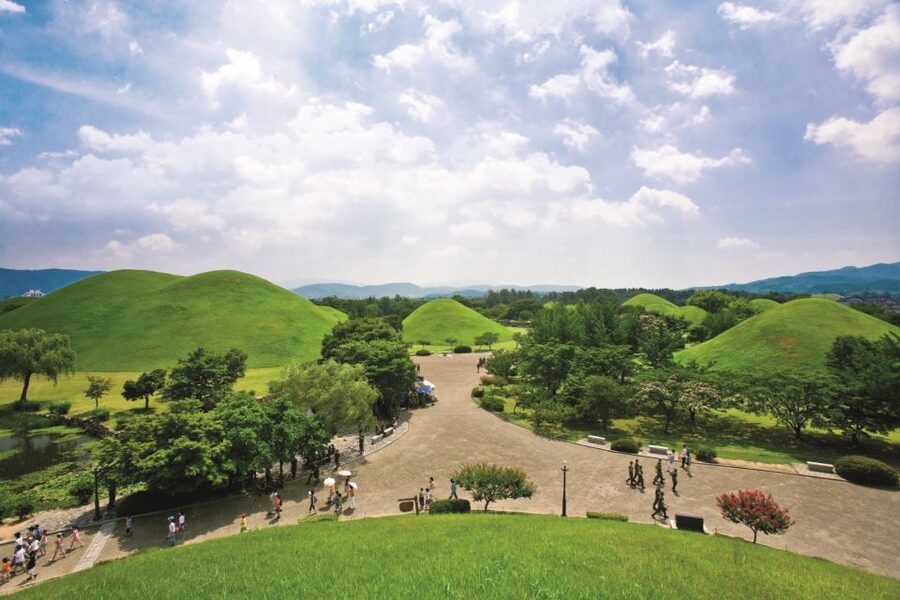
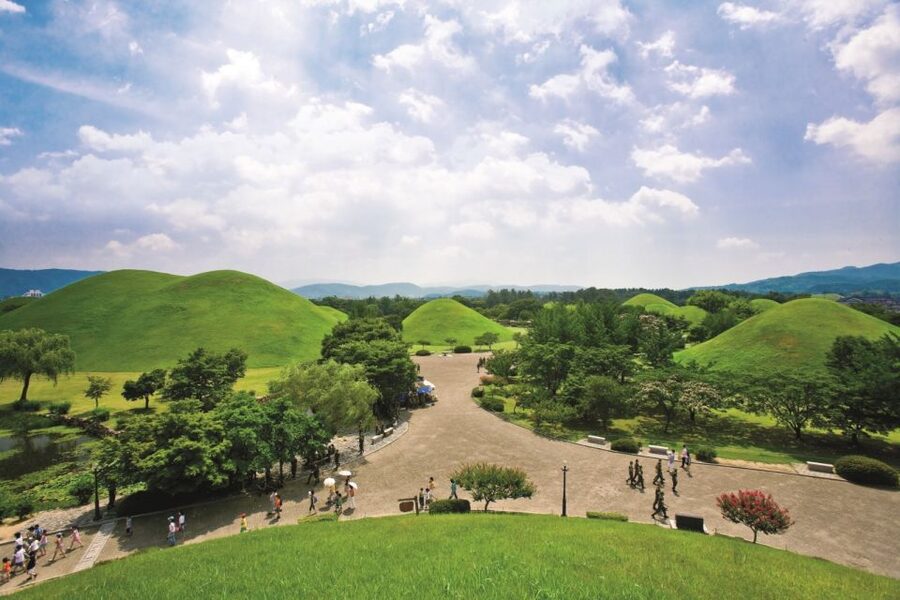
Daereungwon Tomb Complex offers a change of pace. Instead of temple roofs and mountain paths, you walk among broad green burial mounds associated with Silla kings and aristocrats.
The tombs look like smooth hills, but their scale and purpose become more striking once your guide explains what lies beneath them. Cheonmachong is linked with the famous ancient horse painting, while Hwangnamdaechong is one of the largest and most refined tombs from the period.
The scheduled visit lasts about an hour. That gives you enough time to walk through the grounds, take photographs, and see the tombs from several angles without feeling rushed.
I like this stop because it combines history and open space. You are not standing in front of a single monument. You are walking through a royal burial area that still shapes the look of central Gyeongju.
The grass, trees, and gentle slopes make the complex pleasant, but the experience depends on the guide’s explanation. Without context, the mounds can look similar. With a good guide, you begin to understand how much power and ceremony are represented by these quiet forms.
A few more temple visits around South Korea worth a look
- Seoul: Palace, Temple and Market Guided Foodie Tour at Night
★ 4.9 · 750 reviews - Seoul: Mt Seorak + Naksansa Temple or Nami Island Group Tour
★ 4.7 · 422 reviews - Best Things to Do – Half Day Seoul Trip (Seoul Palace & Temple)
★ 5.0 · 190 reviews - Mount Seorak and Naksansa Temple One Day Tour from Seoul
★ 4.5 · 167 reviews
Cheomseongdae and Silla science
Cheomseongdae is a short stop of about 30 minutes, but it fills an important gap in the story. The stone tower is recognized as the oldest surviving astronomical observatory in Asia and was built during the reign of Queen Seondeok.
Its shape is unusual and immediately recognizable. The tower’s construction reflects the Silla period’s interest in astronomy, calendars, and the relationship between the heavens and royal government.
You do not need a long visit here. The site is best understood through a short explanation and a close look at the structure. It is also a good place to appreciate how Gyeongju presents history outdoors, often with a monument surrounded by open public space.
The stop can feel brief if you are hoping for a detailed lesson in ancient astronomy. I would treat it as a compact but worthwhile part of the larger story, not as a major standalone attraction.
Gyochon Village and the Choi clan house
Gyochon Traditional Village gives you a look at historic Korean domestic architecture. Its hanok homes, tiled roofs, and quiet lanes offer a welcome contrast to the monumental temples and tombs.
The House of the Gyeongju Choi Clan is a key point of interest. The family is associated with heritage and craftsmanship, and the house helps show how an established local family lived.
Depending on availability, you may also try Gyeongju Gyodong Beopju, a traditional liquor connected with the area. This is the sort of small regional detail that makes a guided visit feel less generic.
The planned stop lasts about an hour. You can stroll through the lanes, look at the architecture, and hear about local customs. It is not a recreated theme park experience. The value is in seeing how historic homes fit into a living part of the city.
This stop can also be useful if you have a particular village you want to see. One couple started late and missed the final scheduled sight after choosing to spend time at a village that would otherwise have been difficult to reach. That flexibility worked for them, but it also shows why you should begin the day on time.
Wolji Pond at the end of the day
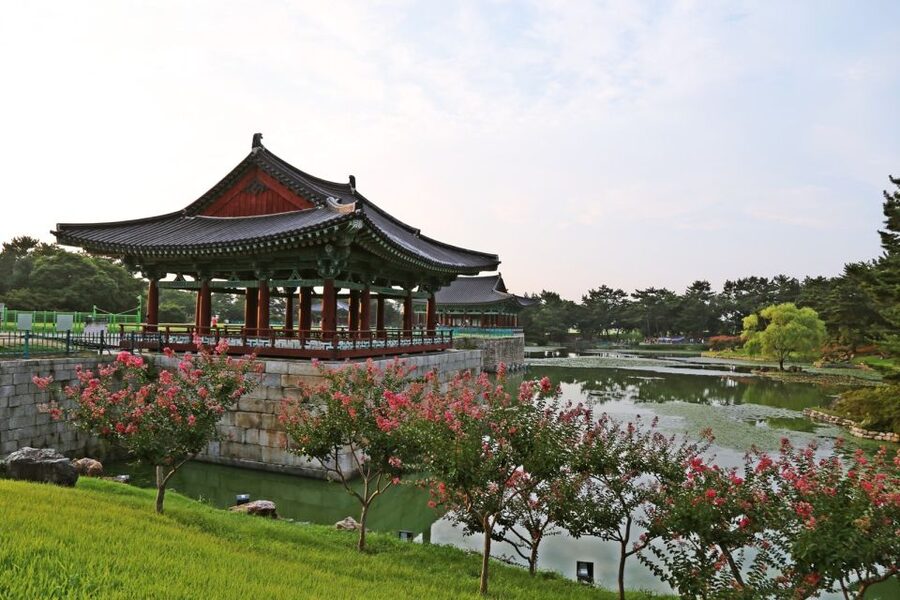
Donggung Palace and Wolji Pond is usually the final major sightseeing stop. The pond was part of a palace garden built during the reign of King Munmu.
The water reflects the pavilions, trees, and surrounding grounds. The scene is especially attractive late in the day, when softer light can give the pond a calm, reflective look.
The scheduled visit lasts about an hour. I like ending here because the pace slows after the temples, mountain road, tombs, and village. You get a final chance to take photographs and let the day’s history settle into place.
Timing is important. If traffic, crowds, or a late pickup delay the group, this is the stop most at risk of being shortened or skipped. One person was satisfied with missing the final item because the group had chosen another village, but you should not assume every stop will receive its full planned time.
Guides, drivers, and the small-group advantage
The guide can make or break a history-heavy day. Sue has been praised for warmth, humor, clear explanations, and thoughtful care for each person in the group. Steve has been credited with making Silla history understandable and adapting well to crowds and traffic. Jina has also received praise for explaining the different Korean dynasties and making the day run smoothly.
The driver matters too. Joe has helped take photographs, shown useful images on his phone, and kept people moving in the right direction. That may sound minor, but a driver who is attentive and patient improves the whole day.
Private and small-group options are available. A small group gives you more room for questions and makes it easier for the guide to adjust the pace. It also creates a more social day. Several people enjoyed having lunch with the guide and other group members rather than being left to manage the meal alone.
The experience is in English. If you want detailed explanations about Silla politics, Buddhist art, or Korean architecture, ask questions. The guides are praised for answering them, and your questions can turn a standard stop into a much better lesson.
Lunch, transport, and what the $189 price buys
The $189 price includes hotel pickup and drop-off in Busan or Gyeongju, an air-conditioned van, an English-speaking guide, lunch, bottled water, and all entrance fees.
That is a strong package for someone starting in Busan. You are paying for door-to-door transport across a wide area, not simply admission to one temple. Public transport can cost less, but it requires more planning and gives you less protection against a missed connection or a confusing transfer.
Lunch has been one of the most praised parts of the day. Traditional Korean food is included, and several people singled out the meal as especially good. Bibimbap was a favorite, with one family learning from Sue how to mix and eat it properly. Local snacks near Seokguram may also be available, and guides have sometimes helped the group try them.
The value is less clear if you already stay in Gyeongju and are comfortable arranging your own transport. One person considered the price too high for a basic traditional tour and noted that a comparable trip from Busan appeared much cheaper. That is a fair warning.
I would see this as a convenience purchase. If you value a full day with a guide, a van, lunch, admissions, and flexible pickup, the price is easier to justify. If you enjoy planning buses and visiting fewer sites at your own pace, it may not be the best use of your money.
The pace, weather, and practical details
The tour lasts eight hours, but it covers a great deal. You visit major sites on foot, climb or walk around temple grounds, move through open tomb complexes, and spend time outdoors. Comfortable shoes are essential.
Summer can be hot. A bottle of water is included, and one guide prepared iced bottles for the group, but you should still dress for warm conditions. Autumn weather can bring crowds, especially around Korean Thanksgiving. Steve was praised for handling heavy holiday traffic and large numbers of local sightseers.
The route also depends on the starting point. Pickup is available anywhere in Busan, as well as in Gyeongju. Returning to either city is included, which makes the tour useful for a stay in Busan or as a day based in Gyeongju.
Free cancellation is available up to 24 hours before departure, and you can reserve now and pay later. Starting times vary, so check availability before booking.
Who should book this Gyeongju tour?
I would choose this tour if you have only one day for Gyeongju and want to see the major UNESCO and Silla sites without handling transport yourself.
It suits first-time visitors, couples, families, and anyone staying in Busan. It is also a good choice if you want history explained in English rather than relying on signs and guidebooks.
You may want something else if you prefer slow photography, long temple visits, or independent exploration. The schedule is full, and a late start can reduce time at the last stop. People with limited walking stamina should also consider that the tour involves temple grounds, village lanes, and open-air historical sites.
Should you book it?
Book it if convenience and coverage matter most. For $189, you receive transport, a guide, lunch, water, and admission to a powerful collection of sites. The greatest strength is not one single monument. It is the way the day connects Buddhist art, royal burials, science, village life, and palace gardens.
I would especially recommend it from Busan, where the van and door-to-door service save real time. From Gyeongju, compare the price with arranging a taxi or local tour yourself. Either way, start early, wear good shoes, and tell the guide which stop matters most to you.
FAQ
Where does the Gyeongju tour start?
Pickup is available from a hotel or chosen location in Busan or Gyeongju.
Where does the tour end?
Drop-off is available in Busan or Gyeongju.
How long does the tour last?
The tour lasts eight hours.
Is the tour offered in English?
Yes. The tour includes a live English-speaking guide.
Is lunch included?
Yes. Lunch and a bottle of water are included in the price.
Are entrance fees included?
Yes. All entrance fees are included.
Does the tour visit Bulguksa Temple?
Yes. The guided visit to Bulguksa Temple lasts about one hour.
Does the tour include Seokguram Grotto?
Yes. The tour travels up Tohamsan Mountain to Seokguram Grotto, with about one hour for the guided visit.
Can I cancel the booking?
Yes. You can cancel up to 24 hours in advance for a full refund.
Just added around South Korea
- Busan Beomeosa Temple & Hongbeopsa Temple with temple lunch★ 5.0 · 11 reviews
- UNESCO Tongdosa Temple + Gourmet Eonyang Style Bulgogi Lunch★ 5.0 · 7 reviews
- Busan Sightseeing Tour Including Gamcheon Culture Village and Beomeosa Temple★ 4.5 · 10 reviews
- Cruise Layover Busan Highlight Tour with Sea temple and Gamcheon★ 4.5 · 22 reviews
- Temple Tour : Byeongpungam Seokbulsa Temple [Hiking+Cable car]★ 5.0 · 6 reviews
- Busan: Small Group With Hotel Pickup, Sky Capsule, Local Guide★ 5.0 · 50 reviews
- Seoul: War Memorial, Jogyesa Temple & Tapgol Park Tour★ 4.8 · 56 reviews
- Seoul: Vegan Temple Food Class, Jogyesa & Changdeokgung Tour★ 4.6 · 34 reviews
South Korea Temple Tours, compared.
Palace, Temple and Market Guided Foodie Tour at Night
Read our review →
Mt Seorak + Naksansa Temple or Nami Island Group Tour
Read our review →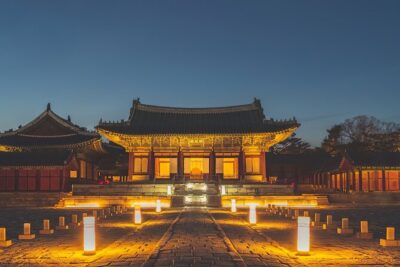
Seoul Night Palace & Market Food Tour with Vehicle
Read our review →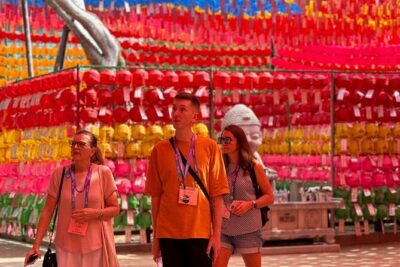
Best Things to Do – Half Day Seoul Trip (Seoul Palace & Temple)
Read our review →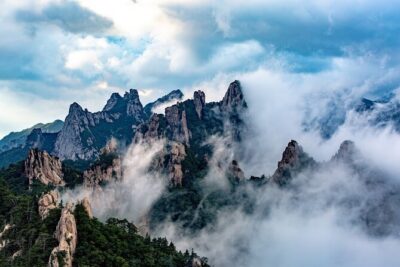
Mount Seorak and Naksansa Temple One Day Tour from Seoul
Read our review →Small Group Discover Busan Tour with hotel pickup and dropoff
Read our review →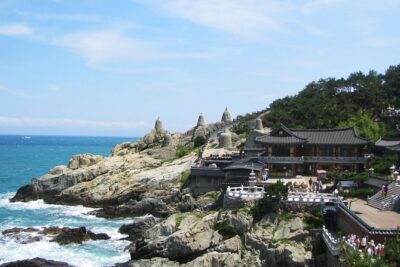
Full Day Busan Tour Including Haedong Yonggungsa Temple
Read our review →
Private Busan tour with gamcheon culture village and the temple (Customizable)
Read our review →Browse the lists this tour appears in