
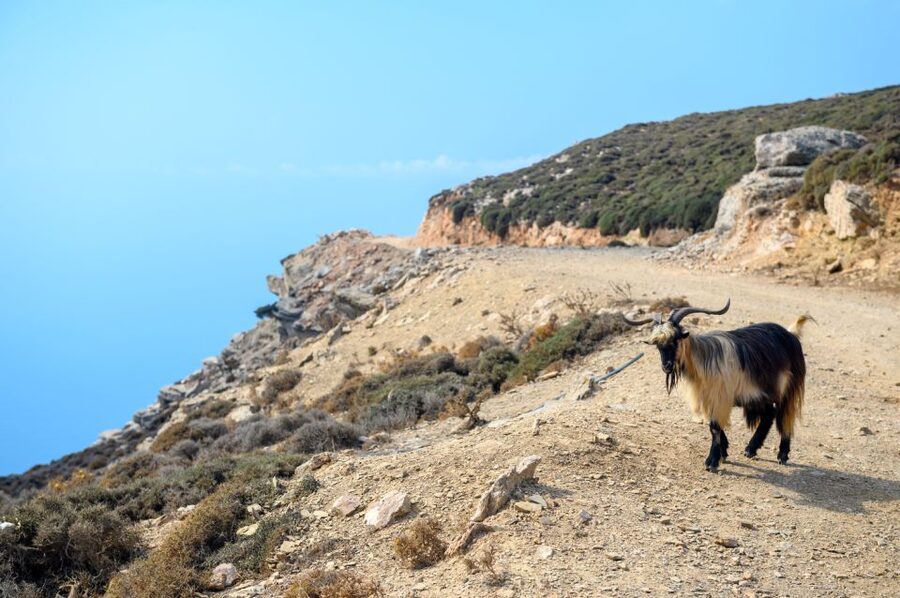
Review · GREECE
Amorgos: Guided Hike of the Panagia Hozoviotissa Monastery
Amorgos rewards walkers with a monastery above the sea. This full-day hike follows an old trading path from Aegiali Bay to Panagia Hozoviotissa, with stops at the abandoned settlement of Asfontylitis and the caves of Kapsala. I especially like the mix of wild walking and living culture, plus the chance to finish in Chora rather than simply turning around at the monastery. The main catch is that eight hours on a rocky island trail can feel demanding, even though the route is described as moderate.
The guide is a major part of the experience. Dimitris has been praised for paying close attention to each person’s pace and interests, and that matters on a hike with several historic stops. You should also plan carefully for the monastery dress code: women need to wear or carry a long skirt, and short skirts and sleeveless shirts are not allowed.
Key points to know before you book
- The walk begins near Potamos above Aegiali port, then follows an ancient route once used for trade.
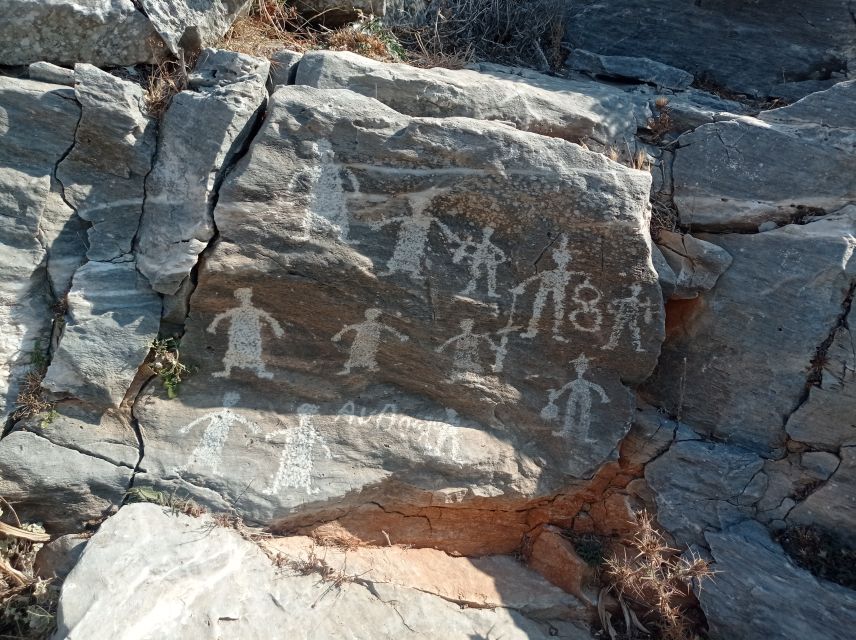
- Kapsala preserves the traces of monks who lived in natural caves, giving the hike a quieter, more personal connection to Amorgos.
- Asfontylitis is an abandoned rural settlement, marked by dry-stone walls and a strong sense of island life from another era.
- The route ends at Panagia Hozoviotissa, the second oldest monastery in Greece, built into the cliffs above the sea.
- Chora adds a pleasant final stop, and a previous participant extended the day there for lunch after the monastery visit.
- The $112 price includes a guide, monastery visit, and local pickup and drop-off, but food is not listed as included.
From Aegiali Bay to Potamos and the old island path
The day starts with pickup from Aegiali, Potamos, Lagada, or Tholaria. You need to be in your hotel lobby 15 minutes before the start time, so do not treat the pickup as a casual island-style suggestion. If you are staying elsewhere, contact Dream Blue in advance to ask about options.
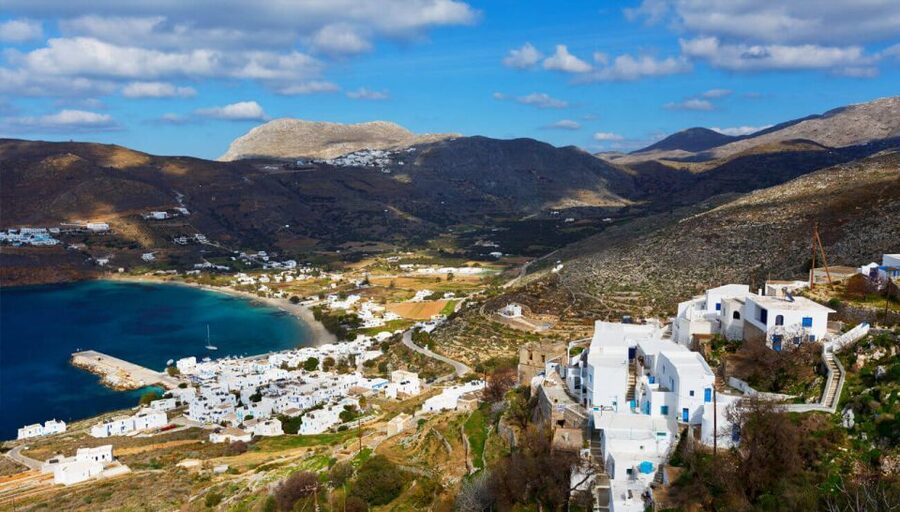
The walking portion begins from Potamos, a village above Aegiali port. That starting point gives you a useful change of scene. You are not simply walking beside the water, then climbing straight to the monastery. Instead, the route leads through the high country and follows an old path that once connected communities and served local trade.
That detail gives the hike purpose. You are walking along a route shaped by daily island life, not a trail built only for sightseeing. The path also helps you understand how difficult movement around Amorgos once was. Goods, people, and religious pilgrims had to cross this dry, rocky country on foot.
The route is described as moderate and peaceful, but you should still take the word hike seriously. The route includes uneven ground and enough walking to make solid shoes essential. One participant specifically advised wearing firm hiking footwear after finding the day somewhat tiring. Bring water, a hat, and a camera, and avoid treating sandals as a clever island shortcut.
A few more temple visits around Greece worth a look
- Meteora Small Group Hiking tour with Transfer and Monastery Visit
★ 5.0 · 484 reviews - Kalabaka: Meteora Small-Group Hiking Tour w/ Monastery Visit
★ 4.9 · 205 reviews - Meteora: Hiking Tour with Local Guide and Monastery Visit
★ 4.8 · 20 reviews
Asfontylitis and the island’s dry-stone work
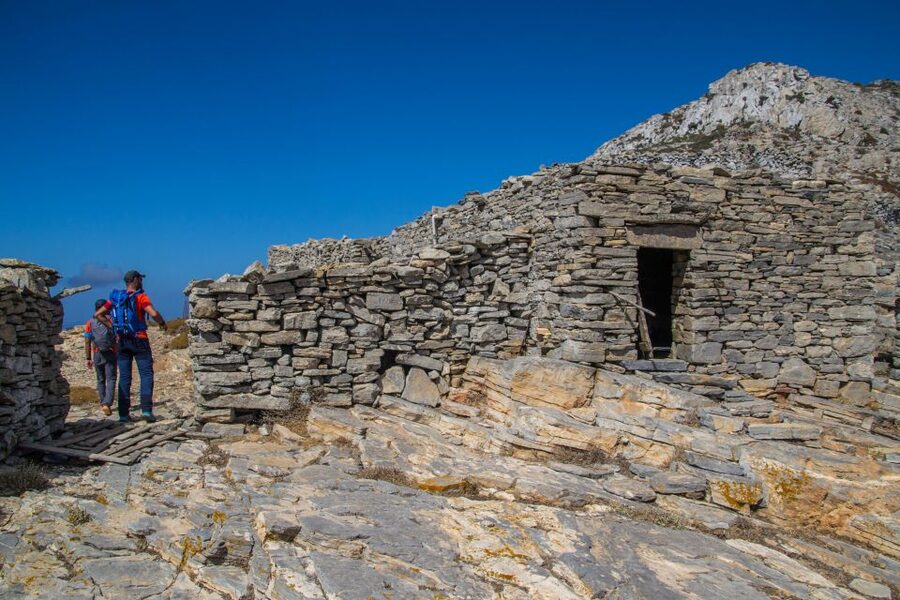
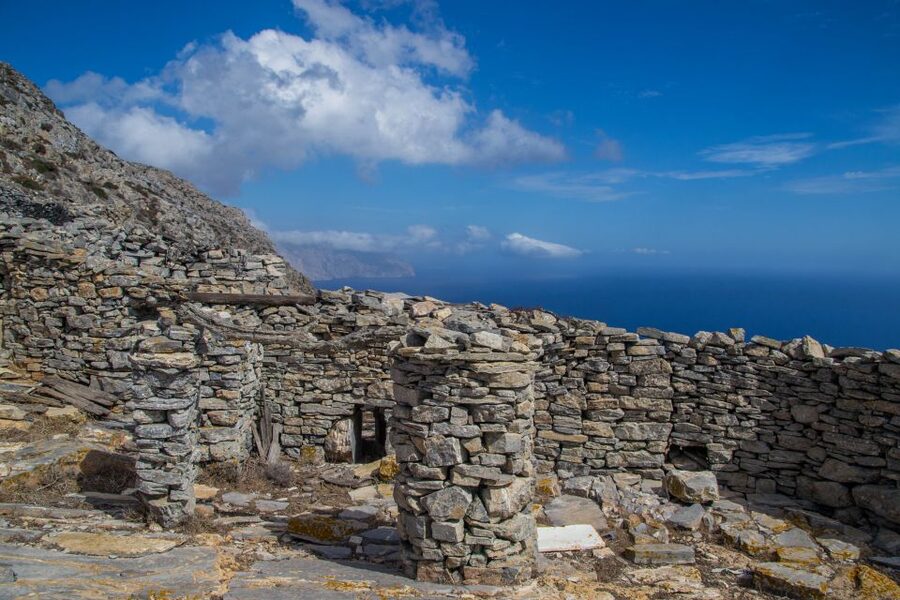
One of the most distinctive stops is Asfontylitis, also written as Asfondilitis. This abandoned rural settlement is filled with dry-stone walls, a practical feature of many Greek islands where local people had to shape land carefully for farming and shelter.
You will not find a polished open-air museum here. The appeal is the opposite. The place is quiet, weathered, and left to the elements. The walls let you see how much effort went into making a living on Amorgos, where usable ground and water could not be taken for granted.
A guide adds real value at this stop. Without explanation, an abandoned village can look like a scattering of stones. With local context, you can start to read the settlement as a record of work, movement, and rural life. The tour description promises cultural stories along the walk, and this is exactly the kind of place where those stories help.
Do not expect Asfontylitis to provide entertainment in the usual sense. There may be no dramatic entrance or formal exhibits. Its reward is slower. You pause, look closely, and picture the people who once used these walls and paths.
Kapsala’s caves and the monks who lived there
The route continues through Kapsala, the area where monks once lived in natural caves. This is a powerful part of the day because it shows the religious world around Hozoviotissa before you reach the main monastery.
The caves make the history feel physical. You are not only hearing that monks sought quiet and isolation. You are seeing the rough spaces connected with that way of life. The setting also helps explain why the monastery feels so dramatic when it finally appears.
Kapsala is likely to appeal most if you enjoy places that require imagination. There is no promise of a long indoor museum visit or a large collection of objects. Instead, your guide provides the link between the rock, the route, and the people who lived here.
This is also where a private sense of scale can emerge. A monastery built into cliffs may look impressive in photographs, but the caves show the human effort behind the religious site. You can better appreciate what it meant to live, pray, and move through this steep part of Amorgos.
Sea views before the monastery
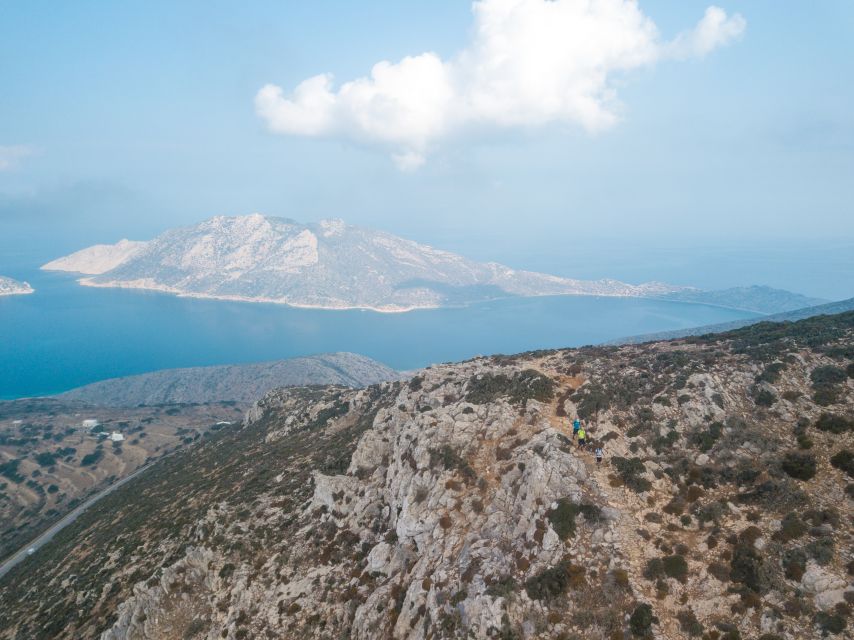
The route offers broad views of the sea and the town of Chora. These views are not a small bonus. They are one of the main reasons to approach Hozoviotissa on foot.
From the trail, you get time to watch the relationship between the island’s bare slopes, white buildings, and open water. The changing view also gives the eight-hour outing a natural rhythm. Cultural stops break up the walking, while the sea and Chora provide moments to pause and get your bearings.
Bring a camera, but do not let it turn the hike into a series of hurried stops. The best use of the viewpoints is to rest, listen to the guide, and understand where you are in relation to Aegiali, Chora, and the monastery.
The view comes with a practical trade-off. Exposed island paths can offer little shade, and the supplied information does not promise refreshments along the way. Carry enough water for the day and wear a hat. The price includes guiding and transport, not a meal or drinks.
Same place, a different morning at the gates:
- Athens: Cape Sounion & Poseidon Temple Sunset Half-Day Trip
★ 4.8 · 8,241 reviews - Athens: Cape Sounio & Poseidon Temple Trip with Audio Guide
★ 4.4 · 4,521 reviews - Cape Sounion and Temple of Poseidon Half-Day Small-Group Tour from Athens
★ 4.5 · 3,205 reviews - Cape Sounion & Temple of Poseidon: Small Group Tour
★ 4.7 · 1,945 reviews
Arriving at Panagia Hozoviotissa
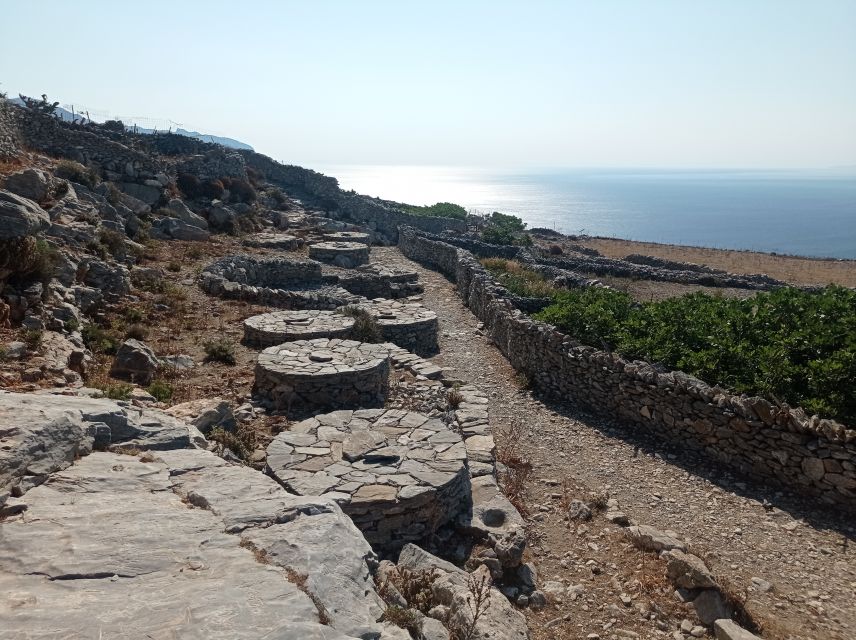
The final approach brings you to Panagia Hozoviotissa, the second oldest monastery in Greece. Its position among the cliffs gives the arrival real drama, especially after reaching it by foot from the northern side of the island.
The guided visit is included, so you are not simply taking photographs from outside. Your guide can provide cultural background before you enter, then help you understand the importance of the site as part of Amorgos.
This is where clothing rules matter. Women should wear or carry a long skirt for entry. Short skirts and sleeveless shirts are not allowed, so pack a simple cover-up rather than hoping the monastery will provide one. Modest clothing is the sensible choice for everyone, not just a rule to remember at the last minute.
The monastery is a religious place, not only a scenic viewpoint. Keep your behavior quiet and respectful, and expect the visit to follow the tone of the site rather than the pace of a standard sightseeing stop. The dramatic setting may draw your eye first, but the visit has greater value when you give attention to its religious role and long connection with the island.
A previous participant found the monastery visit to be a high point of the day. That makes sense. After the old path, dry-stone settlement, cave dwellings, and sea views, the monastery brings the separate parts of the walk together.
Chora gives the day a fitting finish
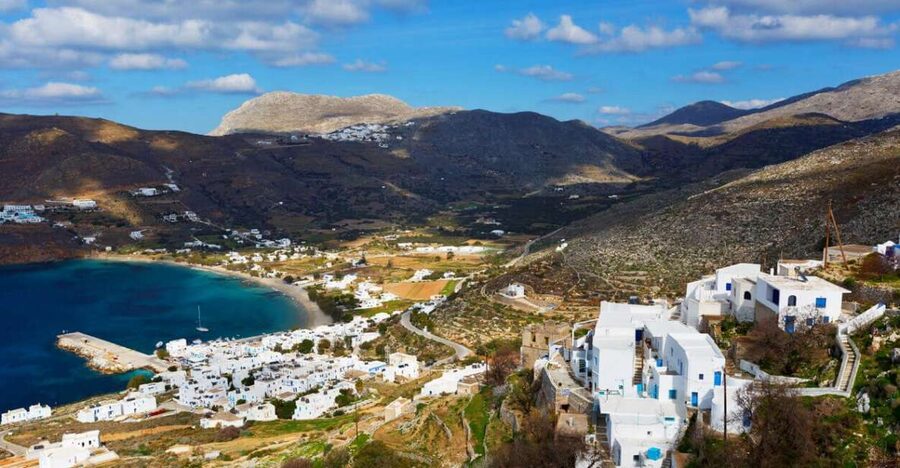
After the monastery, the experience continues with a stroll through Chora. This is a useful ending because you get a taste of Amorgos’s inhabited side after spending much of the day among trails, caves, and abandoned stonework.
The supplied details do not promise a restaurant meal, so do not assume lunch is part of the $112 price. One participant extended the experience by having lunch in Chora, which suggests you may have a chance to do the same, but confirm timing with the guide rather than counting on a fixed restaurant stop.
Chora also gives you a gentler finish than returning directly to the trailhead. You can shift from walking at a steady pace to wandering through the village and taking in the atmosphere. If your legs are tired, this final stroll may be enough. If you still have energy, it gives you time to appreciate the town after seeing the quieter side of the island.
The order matters. Seeing Chora after the hike gives you a clearer contrast between the island’s remote religious and rural places and its living village center.
What $112 gets you
At $112 per person, this is not a cheap way to reach the monastery. It is a full eight-hour experience that combines a guided hike, cultural interpretation, the monastery visit, and pickup and drop-off from Aegiali, Potamos, Lagada, and Tholaria.
The value depends on what you want from Amorgos. If you only want to see Hozoviotissa and take photographs, arranging a simpler visit may cost less and require less physical effort. If you want the old route, Kapsala, Asfontylitis, sea views, and Chora woven into one day, the price is easier to justify.
A guide also reduces the burden of planning. You do not need to work out how the stops connect, find the ancient route alone, or build transport around a long walking day. Dimitris has been praised for adapting to individual pace and interests, which is especially useful when a moderate route feels more strenuous than expected.
The main limitation is what is not included. There is no stated lunch, drinks, or equipment rental. You need to bring your own water and hiking shoes, and you should budget separately for food in Chora if you want to eat there.
Who will enjoy this hike most
I would recommend this experience to you if you enjoy walking with a clear cultural purpose. The route is a good fit for someone who wants more than a viewpoint, but does not want a highly technical mountain trek.
It should suit travelers who are comfortable with a full day outdoors, uneven paths, sun, and a moderate level of exertion. The guide can help adjust the pace, but that does not remove the physical demands of the route.
You should think twice if you have limited mobility or are pregnant, since the activity is specifically not suitable for people with mobility impairments or pregnant women. It is also not a good match if your ideal holiday day means minimal walking and long café stops.
Families should check the age and ability of each child carefully. The supplied information does not give a minimum age, so contact the provider before booking if younger participants are involved.
The language of the tour is English or Greek. A French-speaking guide may be available on request, subject to availability, so ask before confirming if that matters to you.
Practical preparation for the eight-hour day
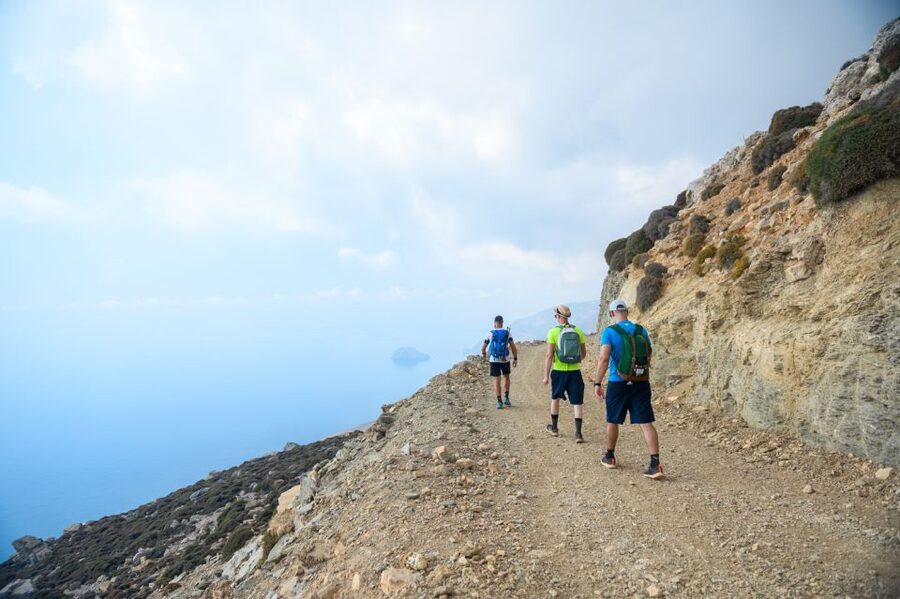
Your packing list should stay simple but useful:
- Hiking shoes with firm support
- Water for the walking portion
- A hat
- Camera
- Long skirt or suitable covering for women entering the monastery
Wear clothing that covers your shoulders and knees. Even if you carry a long skirt, starting the hike in respectful, breathable clothing will make the transition into the monastery easier.
Arrive in your hotel lobby 15 minutes before the scheduled start. Pickup is offered in Aegiali, Potamos, Lagada, and Tholaria, but assistance with exact pickup arrangements should be requested from Dream Blue.
The experience offers free cancellation up to 24 hours before the start for a full refund, and you can reserve now and pay later. Those terms are useful on an island trip, where weather, ferries, and changing plans can affect your schedule.
Should you book the Hozoviotissa hike?
Book it if you want to understand Amorgos through its paths, caves, abandoned farms, monastery, and village life. The strongest part is the complete story told by the route. You begin on an old trading path, pass places shaped by work and religious retreat, reach Hozoviotissa from the land, and finish in Chora.
I would especially favor it for a first visit to Amorgos, or for anyone who values a patient guide. Dimitris’s ability to adjust to pace and interests is a real advantage on a long day.
Skip it if you are seeking a quick monastery visit, dislike uneven walking, or do not want to carry water and dress for a religious site. For active visitors who want scenery with substance, though, $112 is a fair price for a guided eight-hour outing that reaches far beyond the usual photo stop.
FAQ
How long does the Amorgos monastery hike last?
The experience lasts eight hours, including the guided hike, monastery visit, and the later stroll through Chora.
Where does the hike begin?
The walking portion departs from Potamos, a village above Aegiali port, after following the route from the Aegiali area.
What places are included along the route?
The route includes the ancient path from Aegiali Bay, Kapsala, the abandoned settlement of Asfontylitis, Panagia Hozoviotissa Monastery, and Chora.
Is pickup included?
Yes. Pickup and drop-off are included from Aegiali, Potamos, Lagada, and Tholaria. Contact the supplier for help with exact pickup arrangements.
What should I bring?
Bring a hat, camera, hiking shoes, and water. Women should also bring or wear a long skirt for entry into the monastery.
What languages are available?
The tour is offered in English and Greek. A French-speaking guide may be available on request, subject to availability.
Can I cancel the booking?
You can cancel up to 24 hours before the activity for a full refund. You can also reserve now and pay later.
Just added around Greece
- Chania Private Tour: Monastery, Scenic Gorge & Mountain Views★ 5.0 · 12 reviews
- Half-Day Trip to Arkadi Monastery and Melidoni Cave★ 4.5 · 4 reviews
- Monastery, Elafonissi and Winery Tour from Chania★ 5.0 · 8 reviews
- Shore Explore Chania: City Charm, Beach, Monastery & Winetasting★ 5.0 · 13 reviews
- Monastery – Ancient Olive tree & Museum-Cretan Brewery Private Tour from Chania★ 5.0 · 5 reviews
- Rethymno: Arkadi Monastery, Margarites Village & Melidoni Cave.★ 4.5 · 12 reviews
- Chania Old Town, Public Market and Chrisopigi Monastery Tour★ 4.5 · 6 reviews
- Private Half-day Tour: Antisamos beach Swim, Melissani Lake, Agrilia Monastery★ 5.0 · 8 reviews
Hiking & Trekking, compared.



From Sharm: Mount Moses Trekking, Sunrise & Monastery Visit
Read our review →
Munduk Waterfalls Trek, Twin Lakes and Temple Tour
Read our review →
Munduk: Twin Lake Jungle Hike, Ulun Danu Temple, & Waterfall
Read our review →
Meteora Small Group Hiking tour with Transfer and Monastery Visit
Read our review →Browse the lists this tour appears in