
Review · CAMBODIA
Two Days Angkor Wat Park-Beng Mealea and Kampong Phluk Village
Sunrise is only the beginning. This private two-day tour gives you an early start at Angkor Wat, then moves through Bayon, Baphuon, Ta Prohm, Beng Mealea, Banteay Srei, and Kampong Phluk village. I like the well-planned mix of famous temples and quieter places, and I also like having an English-speaking guide, air-conditioned transport, and drinking water included. The main drawback is that temple admission and the Kampong Phluk boat cost extra, so the final bill is higher than the advertised tour price.
The 5 AM start is tough, but it gives you a better chance of seeing Angkor Wat before the day feels crowded. I would also keep the small boat ride in mind at Kampong Phluk, since one guest specifically found the extra time worthwhile. Guide Thom received especially warm praise for explaining temple details, village life, food, and local culture, and for helping make the schedule comfortable for a traveler with a slight walking disability.
Key points to know before booking
- 5 AM Angkor Wat start: You reach the sanctuary for dawn, then continue to Ta Prohm before the main daytime rush.
- Seven stops on day one: The route covers Angkor Wat, Angkor Thom’s South Gate, Bayon, Baphuon, the Terraces, Phimeanakas, and Ta Prohm.
- Day two changes the pace: Kampong Phluk gives you a look at life around Tonle Sap before the more remote Beng Mealea and finely carved Banteay Srei.
- Private transport: Your group travels in an air-conditioned vehicle with an English-speaking guide and drinking water.
- Extra costs matter: Temple fees are not included, and the boat at Kampong Phluk costs $25 per person.
- Good guide feedback: Thom is praised for clear temple explanations, cultural stories, and considerate help with walking needs.
Why this two-day route works
Angkor can become a blur of towers, galleries, courtyards, and stone faces. This route helps by splitting the experience into two different days.
Day one focuses on the major Angkor complex. You see the places most people associate with Siem Reap: Angkor Wat at dawn, Bayon’s carved faces, the grand terraces of Angkor Thom, and Ta Prohm with its jungle setting. It is a full day, but the stops are arranged in a logical loop.
Day two feels less like a greatest-hits tour. You spend time beside Tonle Sap at Kampong Phluk, then travel out to Beng Mealea and Banteay Srei. These sites show a different side of the Khmer world, with fewer famous-photo moments and more room to notice construction, carving, and daily life.
I like that balance. You get the essential temples without spending both days inside the same central circuit. The tradeoff is an early morning, long hours in the vehicle, and several admission charges that sit outside the tour price.
More Angkor Wat Tours in Cambodia:
- Angkor Wat Sunrise or Sunset Tour with Guide from Siem Reap
★ 5.0 · 12,109 reviews - Siem Reap: Angkor Wat: Small-Group Sunrise or Sunset Tour
★ 5.0 · 9,444 reviews - Siem Reap: Angkor Wat 2-Day Tour with Sunrise and Sunset
★ 4.9 · 4,429 reviews
Day one begins with Angkor Wat at 5 AM
The first stop is Angkor Wat, with about three hours assigned to the sanctuary. The goal is to arrive for sunrise, then continue exploring before the busiest part of the morning.
That timing is one of the strongest features of the trip. Angkor Wat is famous for its dawn view, but the early start also helps you use your energy wisely. After sunrise, you can see the temple before the heat builds and before the central paths become harder to navigate at a relaxed pace.
Three hours gives you time to do more than take a quick photograph. You can look across the main structure, walk through the complex, and listen as your guide explains what you are seeing. The temple admission fee is not included, so make sure you budget for it separately.
The early hour has a cost, of course. You need to be ready for pickup around 5 AM, and the day does not get shorter after that. If you prefer slow mornings, this tour may feel demanding. If Angkor Wat at dawn is high on your list, the timing makes sense.
Ta Prohm before the crowds
Ta Prohm is listed both as an early continuation after Angkor Wat and as a later one-hour stop in the Angkor Thom circuit. The route description indicates that the guide aims to visit it before the larger daytime crowds, which is a smart choice.
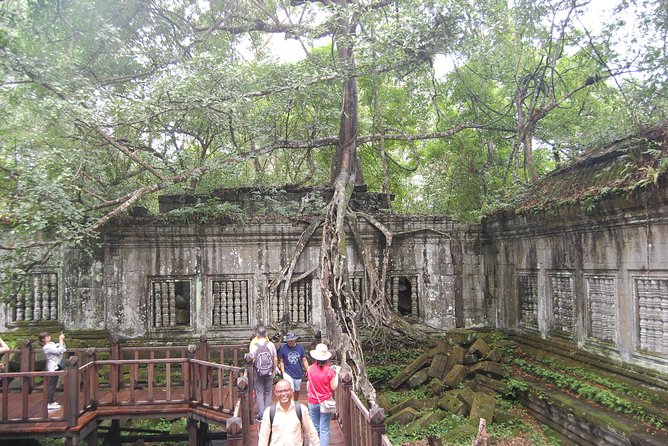
Ta Prohm is the temple many people picture when they think of Angkor’s jungle ruins. Large trees and old stonework share the same space, creating a more enclosed and dramatic setting than Angkor Wat. The site is popular, so arriving early matters.
Give yourself time to look beyond the famous tree-covered walls. The value of a guide here is not just pointing out a photo spot. A good explanation helps you understand how the temple fits into the wider Angkor complex and why its design feels different from the open courtyards of Angkor Wat.
The route allows about an hour at Ta Prohm. That is enough for a useful visit, though you may not want to linger indefinitely if you are already tired from the dawn start.
Angkor Thom: South Gate, Bayon, and the royal center
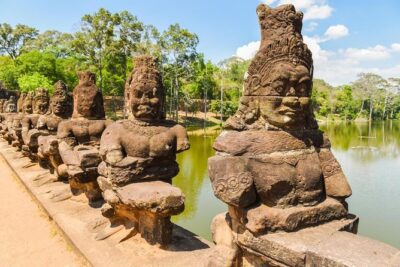
After Angkor Wat and Ta Prohm, the route moves into Angkor Thom. The South Gate is a short photo stop of about 20 minutes. This is a quick pause, but it gives you a chance to see the approach to the old royal city and photograph the gateway before moving deeper inside.
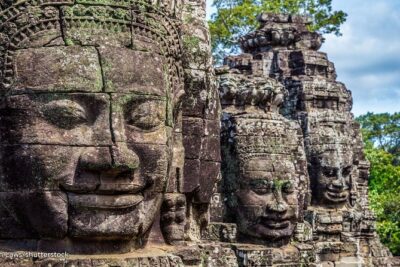
Bayon receives about an hour. For many people, this is the most memorable temple after Angkor Wat. Its carved faces appear on the towers, creating a very different mood from the long galleries and balanced profile of Angkor Wat.
I would use your time here carefully. Look upward at the towers, then walk around the lower levels to see how the faces change with your position. The temple can feel confusing without guidance, so Thom’s role is especially useful here. His explanations were praised for covering both temple details and the stories connected to the sites.
Baphuon follows, with about 45 minutes. This pyramid-style temple rises above the surrounding compound and offers a strong sense of height and form. The route description calls it a picturesque pyramid, and that is a fair way to think about it. You are not simply looking at a flat ruin. You are reading a large stone structure from ground level upward.
The climb and uneven temple surfaces may require care. The tour is private, though, so your group can ask the guide to adjust the pace when needed.
A few more temple visits around Cambodia worth a look
- 2 Days Exclusive Temple Highlights with Sunset and Sunrise Tour
★ 5.0 · 1,157 reviews - Siem Reap: Angkor Sunrise 1- or 2-Day Guided Temples Tour
★ 4.9 · 1,132 reviews - 2-Day Angkor Wat With Small, Big Circuit and Banteay Srei Tour
★ 5.0 · 545 reviews - Siem Reap: 2-Day Temple Highlights Sunrise and Sunset Option
★ 4.9 · 445 reviews
The terraces and Phimeanakas
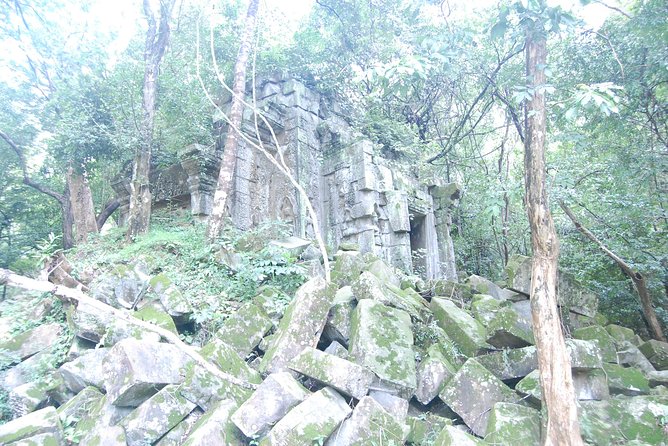
The Terrace of the Elephants is a 20-minute stop. It works well as a walking and viewing break between larger temples. The long platform once formed part of the royal center, and its carved details give you a quick look at how ceremony and power were displayed in Angkor Thom.
The route also mentions the Terrace of the Leper King while describing this part of the visit. You pass walls and carvings rather than spending a long period at one enclosed temple, so this is best treated as a shorter historical stop.
Phimeanakas receives about 30 minutes. You walk through the walls of the former royal area and see smaller temple remains within the compound. It is less instantly recognizable than Bayon or Ta Prohm, but that is part of its value. It helps fill in the picture of Angkor Thom as a functioning royal city, not just a collection of isolated monuments.
By this point, the full route has covered several major places. You will appreciate the air-conditioned vehicle between stops, especially after the morning heat and walking. Drinking water is included, another small detail that matters on a long temple day.
Day two starts beside Tonle Sap at Kampong Phluk
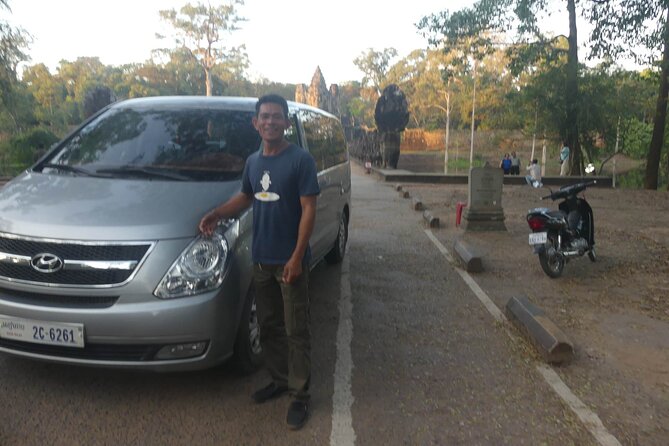
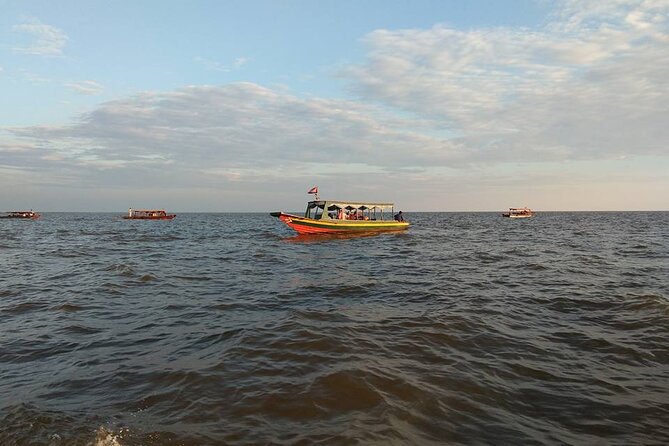
Kampong Phluk takes about two hours. The village visit shifts your attention from stone monuments to Cambodian life around Tonle Sap.
The description places the focus on the nearby way of life in a floating village. The area is associated with homes and daily activity along the water, giving you a chance to see how communities live in a setting very different from Siem Reap’s temple zone.
The boat costs $25 per person and is not included. That price should be part of your decision from the start, not a surprise at the dock. One particularly useful tip is to allow extra time for the small boat. A guest who took that option felt it added to the experience, and I agree that the boat is likely the part that makes the village visit feel more complete.
Kampong Phluk is not a temple sightseeing stop. Its value comes from seeing local life and the relationship between the village and Tonle Sap. Keep your expectations focused on observation rather than a polished attraction. You are there to see a different side of the region.
The supplied details also mention Kampong Khleang in connection with this stop, but the itinerary names Kampong Phluk as the main village visit. Confirm the exact village with the provider if that distinction matters to you.
Beng Mealea brings a rougher, quieter temple experience
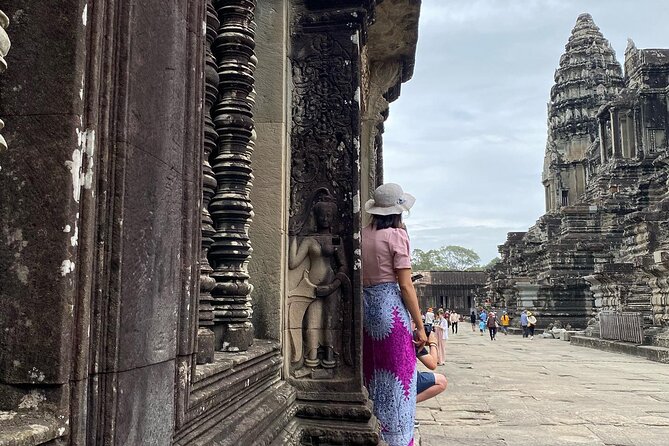
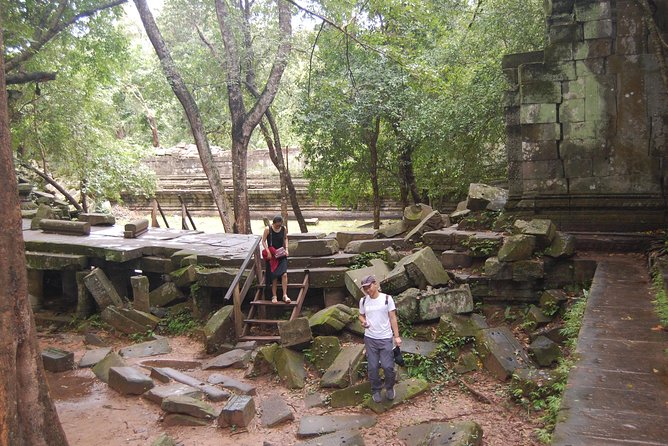
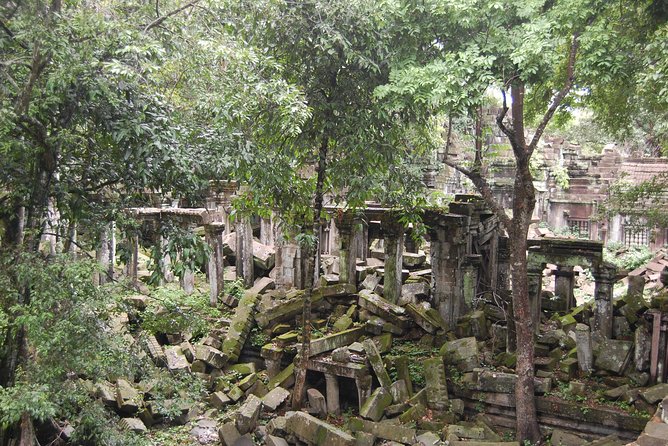
Beng Mealea is scheduled for about an hour and 30 minutes. It is described as a jungle temple that has not been restored, which gives it a more rugged feel than the carefully managed central Angkor sites.
This is where the second day earns its place. Beng Mealea is farther from the main cluster and offers a change in atmosphere. Instead of moving from one famous stop to another, you get time with a site where broken stones, trees, and surviving structures are part of the visual experience.
The lack of restoration can also make the temple harder to read. Paths and structures may not feel as orderly as they do at Angkor Wat. That is a reason to stay close to your guide and listen to the explanation. The rougher condition is not a flaw, but it does mean you should not expect the same polished access as at the best-known monuments.
A visit of 90 minutes gives you enough time to form an impression without turning the stop into an exhausting expedition. The air-conditioned vehicle is useful here because Beng Mealea adds travel beyond the central Angkor circuit.
Banteay Srei and the finest carved stone
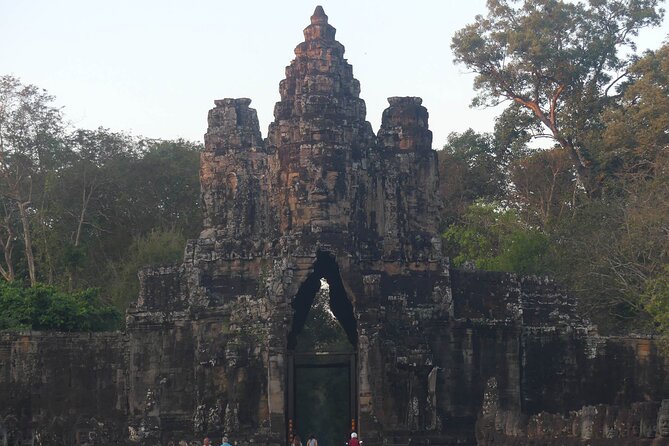
The final listed stop is Banteay Srei, with about one hour. This temple is known for its pink sandstone and detailed carving. The description makes a strong claim about the quality of its decoration, and the appeal is easy to understand: Banteay Srei is less about massive scale and more about close inspection.
Look for the fine surface work and the contrast between the warm stone color and the larger gray temples seen on day one. An hour is enough to appreciate the carvings and hear the basic story of the site, though anyone who loves architectural detail may wish for longer.
Banteay Srei also makes the second day feel varied. You have a village and lake setting at Kampong Phluk, rough jungle ruins at Beng Mealea, then a temple admired for its ornament. That sequence avoids repeating the same kind of stop.
The itinerary information contains a timing inconsistency, showing a much longer total duration beside the Beng Mealea entry. The tour itself is presented as two days, and the daily stop descriptions support that reading. I would confirm the exact pickup and return schedule before booking, especially if you have another Siem Reap activity planned.
What the $260.69 price really covers
The listed price is $260.69 per group of up to three people. For a private two-day experience, that can be a reasonable base price, especially because the vehicle, English-speaking guide, and drinking water are included.
The value improves when you fill the vehicle with three people. Divided three ways, the base cost is about $87 per person before temple tickets and the boat. For one or two people, the per-person cost rises, but you retain a private schedule rather than joining a larger group.
You must add temple fees, which are not included. The Kampong Phluk boat is another clear extra at $25 per person. Travel insurance is also excluded.
I would compare the total, not just the headline figure. The private vehicle and guide save you from arranging separate transport across two long days, while the guide adds context at places that can otherwise seem repetitive. Still, budget for the admissions and boat before deciding that this is a bargain.
Guide quality and comfort on a long route
Guide Thom is the strongest named feature in the feedback provided. He was praised for explaining temple details, local culture, village life, and food. One guest also noted that he helped make the trip workable for a person with a slight walking disability.
That matters because this is not a short temple transfer. You spend two days moving between major monuments, village roads, and a more remote temple. An attentive guide can help you decide when to walk, when to rest, and how to understand what you are seeing.
The tour is private, meaning only your group participates. That gives you more control than a large coach tour, although the listed price covers up to three people. A review also described a group of four, so confirm the maximum group size and any extra charge if your party is larger than three.
Most people can participate, but you should be realistic about walking over temple grounds. If mobility is a concern, tell the provider before the tour begins and ask how the route can be adjusted.
Who should book this experience?
I would choose this tour if you want the major Angkor highlights but also want time away from the central circuit. It suits first-time visitors who want a guide to explain what they are seeing, couples or small families who value private transport, and anyone interested in both temples and present-day village life.
It is also a good choice if you want a balanced two-day plan rather than two identical days of temple touring. The early Angkor Wat start, quieter Beng Mealea, and Banteay Srei provide plenty of variety.
I would hesitate if you dislike early mornings, have very limited walking ability, or want a slow itinerary with long breaks. I would also check the final cost carefully if you are traveling alone, since the group price is better value when shared by three people.
Should you book the two-day Angkor route?
Book it if you want a private, guide-led plan that combines Angkor’s essential temples with Kampong Phluk, Beng Mealea, and Banteay Srei. The strongest reasons are the 5 AM start, the range of sites, the included air-conditioned vehicle, and the positive feedback about Thom’s explanations and care.
Before paying, confirm the temple admission costs, the $25 boat fee, the exact village visit, the pickup schedule, and the maximum group size. If those extras fit your budget, this is a well-rounded way to see both the monuments and the living communities around Siem Reap.
FAQ
How long is the tour?
The experience is presented as a two-day tour, with an approximately 5 AM start on the first day.
What time does day one begin?
Day one begins around 5 AM so you can reach Angkor Wat for sunrise.
Is the Angkor Wat admission fee included?
No. Temple admission fees are not included in the tour price.
Is the Kampong Phluk boat included?
No. The boat costs $25 per person and must be paid separately.
What is included in the tour price?
An air-conditioned vehicle, an English-speaking tour guide, and drinking water are included.
Is this a private tour?
Yes. Only your group participates. The listed price is for a group of up to three people.
Which places are visited on day one?
Day one includes Angkor Wat, Angkor Thom South Gate, Bayon, Baphuon, the Terrace of the Elephants, Phimeanakas, and Ta Prohm.
Can I cancel for a full refund?
Yes. You can cancel at least 24 hours before the experience start time for a full refund. Changes or cancellations made less than 24 hours before the start time are not accepted for a refund.
Just added around Cambodia
- Oudong Temples & Phnom Prasith Private Tour from Phnom Penh★ 5.0 · 11 reviews
- Grand Tour-Ek Phnom. Baset. Bamboo Train. Wat Banan. Phnom Sampov★ 5.0 · 20 reviews
- Full-day: Wat Banan. Old bamboo train. Bat Cave. Killing cave★ 5.0 · 13 reviews
- Morning Tour,Ak Phnom temple,Rice wine,Rice Paper, killing Field★ 5.0 · 22 reviews
- 2-Days in temples and other areas★ 5.0 · 101 reviews
- Sunrise at Angkor Wat Temple: 3-Hour Private Tour★ 4.7 · 30 reviews
- Small-Group Explore Angkor Wat Sunrise Tour with Guide★ 5.0 · 3 reviews
- Siem Reap: Ultimate Angkor Wat Offbeat Experience by Jeep★ 4.9 · 8 reviews
Angkor Wat Tours, compared.
Angkor Wat Sunrise or Sunset Tour with Guide from Siem Reap
Read our review →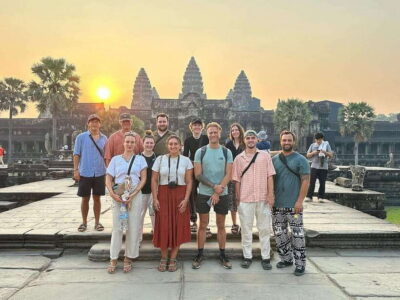
Angkor Wat: Small-Group Sunrise or Sunset Tour
Read our review →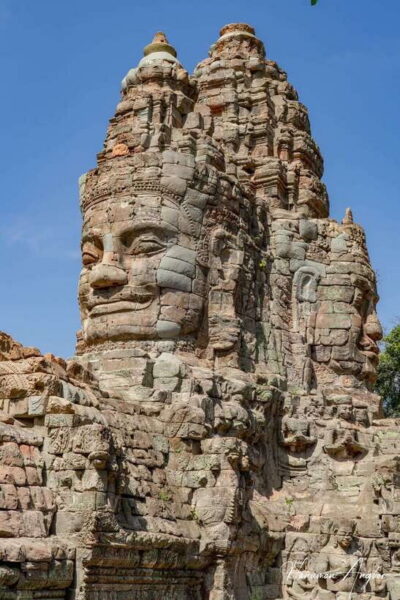
Angkor Wat 2-Day Tour with Sunrise and Sunset
Read our review →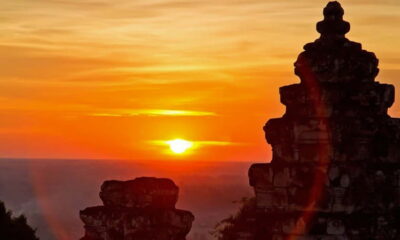
Angkor Wat Sunrise tour with Small – Group and Guide tours
Read our review →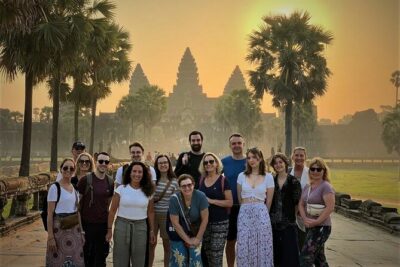
Angkor Wat Highlights and Sunrise Guided Tour from Siem Reap
Read our review →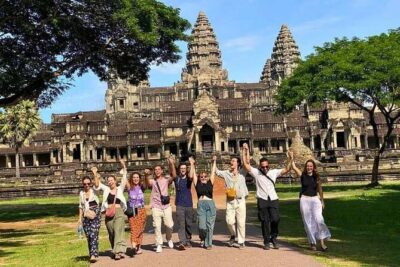
Angkor Wat Sunset Small Group Tour with Lunch Included
Read our review →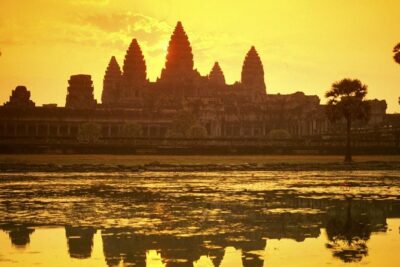
Full-Day Angkor Wat Sunrise Private Tour with Guide from Siem Reap
Read our review →Browse the lists this tour appears in