
Review · JAIPUR
Temple tour of Jaipur with ropeway ride
Jaipur’s temples reveal the city beyond its forts. This five-and-a-half-hour private or small-group tour links Hindu, Jain, and Sikh places of worship with a hilltop ropeway ride. I like the mix of formal sightseeing and living religious practice, especially the early offerings at the Ganesh temple and the communal kitchen at the Sikh gurudwara. I also like that hotel pickup and drop-off are included, so you can cover widely scattered sites without sorting out Jaipur transport yourself.
The main consideration is pace. Six religious stops, walking, ceremonies, and a cable car ride make this a full morning rather than a slow, reflective temple visit. The $38 price is fair for a private or small-group car tour with an English-speaking guide, but you must pay separately for the ropeway ticket, meals, and personal expenses. Wear modest clothing and comfortable shoes, as temple customs and uneven walking are part of the day.
Key points at a glance
- Early Ganesh worship: Begin with local offerings at an 18th-century temple before many people head to work.
- Six different religious stops: See Hindu, Jain, and Sikh traditions in one organized outing.
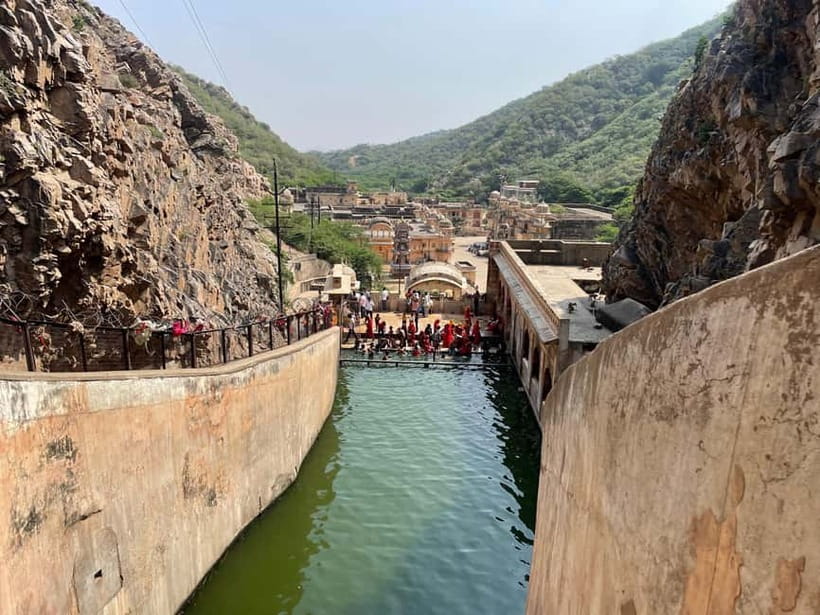
- Galta Ji’s sacred water tanks: Watch rituals at the famous Monkey Temple complex and leave time for photographs.
- Ten-minute hilltop ropeway: Ride above the forest and temple complex for broad views from the top.
- Sikh communal kitchen: Visit the gurudwara and, if you wish, help prepare or serve food for people of every background.
- Useful city transport: Hotel pickup, a driver, and return transport take the strain out of crossing Jaipur.
Why this Jaipur temple tour is worth your morning
Jaipur is best known for palaces, painted gateways, and grand forts. This tour gives you a different view of the city: one shaped by morning worship, shared food, sacred water, and small acts of devotion.
I like the way the route brings several faiths together without treating them as museum exhibits. You see Hindu temples, a Jain temple, and a Sikh gurudwara while a local guide explains the beliefs and customs connected to each place. That makes the tour useful if you want more than photographs.
The timing also matters. Starting in the morning helps you reach the first temple during active worship. Tatiana, who began at 8:30, found the early start useful for avoiding heavier traffic. Your exact departure time depends on availability, but a morning booking is the sensible choice.
You should expect a busy schedule. The experience is advertised at five and a half hours, while the main sightseeing portion is listed as about four and a half hours. The remaining time allows for hotel pickup, driving, and transitions between sites. Traffic can affect the rhythm, so do not plan an important appointment immediately afterward.
A few more temple visits around India worth a look
- New Delhi: Akshardham Temple Tour with Water and Light Show
★ 4.8 · 313 reviews - Old Delhi Food-Spice Market-Temples Tour Soon Featured on NETFLIX
★ 5.0 · 304 reviews - Private Guided Spiritual Walk in Banganga Hindu Temples
★ 5.0 · 271 reviews
Ganesh temple: Jaipur begins with morning offerings
The first stop is an 18th-century Ganesh temple. Lord Ganesha, the elephant-headed Hindu deity associated with auspicious beginnings, is the central focus here. The most interesting part is not only the idol, but the morning activity around it.
Local people come to make offerings before going to work. That gives you a chance to see worship as part of an ordinary day, rather than as a performance arranged for visitors. Your guide can explain what is happening and help you behave respectfully in a busy religious setting.
This is one of the tour’s strongest moments for anyone interested in daily life. You may need to wait, walk, or move with the flow of worshippers, so keep your camera ready but do not let photography distract you from the ritual.
Birla Mandir and the meaning behind its marble walls
The Birla temple, also known as Birla Mandir, is built from white marble on a raised platform. Its design is considered modern, and it feels different from older temple complexes such as Galta Ji.
The architecture is a major reason to visit. One particularly useful detail is that the columns carry images and names connected to Hindu gods, along with saints and religious figures from other parts of the world. Look closely rather than simply circling the building for a quick photograph.
The timing can add another layer. Ansh, one of the guides used on this route, brought a solo visitor during morning worship, allowing time inside while ceremonies were taking place. That will depend on the day and temple conditions, but a morning visit gives you a better chance of seeing active worship.
The temple is also a good place to notice how modern Indian religious architecture can combine a clean marble exterior with older devotional practices. You do not need a long visit to appreciate it, but it rewards attention.
A Jain temple and a lesson in a different faith
The Jain temple adds an important change of tone. Jainism has its own philosophy, religious figures, and approach to spiritual life, and the guide explains those ideas during the visit.
This stop is valuable because it prevents the tour from becoming a simple procession of Hindu temples. You get a broader picture of Jaipur’s religious culture and a chance to ask questions about the differences between Jain and Hindu traditions.
Keep your questions coming. Several visitors found the guide’s explanations and willingness to answer questions central to the experience. Harshit, another guide on this route, was especially praised for making the visit feel welcoming and clear. Guide quality can vary from person to person, but the tour is built around direct explanation rather than simply dropping you at each entrance.
Same place, a different morning at the gates:
- Taj Mahal Sunrise with Lord Shiva Temple:- All Inclusive
★ 5.0 · 207 reviews - Old Delhi Temples and Spiritual Sites Private 6-Hour Tour
★ 4.8 · 204 reviews - Private Delhi Temples and Spiritual Sites 6 Hours Tour
★ 5.0 · 171 reviews - Tipu Palace + Koté Vishnu + Fort + KR Market + Jain Temple = Bengaluru Pété Walk
★ 5.0 · 150 reviews
Galta Ji: sacred water tanks at the Monkey Temple
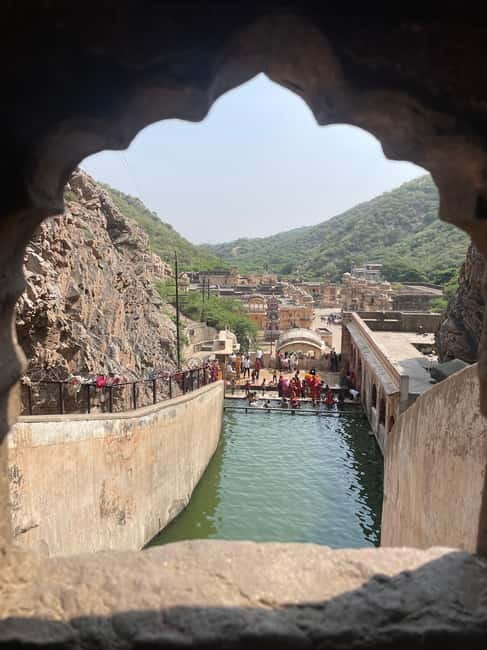
Galta Ji is the tour’s most atmospheric stop. Often called the Monkey Temple, it is a heritage temple complex set around sacred water tanks. Here, you can watch rituals and customs connected with the water while your guide explains what you are seeing.
The tanks are the key feature. They are not just scenic pools for photographs. They are religious spaces, so you need to watch where you walk, follow local instructions, and avoid treating ceremonies as a show.
You also get free time for photography. That balance works well: first listen and observe, then take pictures once you understand the setting. Bring a camera, but remember that flash photography is not allowed inside temples. Food and drinks are also prohibited inside the temple spaces.
Galta Ji involves walking, and the broader tour includes several stops. If you have mobility limitations, this is not a good fit. The experience is specifically unsuitable for wheelchair users and people with mobility impairments, and it is not recommended for people over 80.
The ropeway ride to a hilltop temple
The cable car ride is the tour’s most distinctive feature. You take a ropeway for about ten minutes to reach a temple on top of a hill, with a local guide accompanying the visit.
The ride gives you an aerial view of the forest and temple complex. Several people singled out this section as the high point of the day, particularly the broad view from the top. It also breaks up the temple visits with a short ride and a change in altitude.
The ropeway ticket is not included in the $38 price, so set aside extra money for it. The tour description does not state the ticket cost, and availability or operating conditions can affect the ride. The guide provides a safety briefing, and you should pay attention, especially if cable cars make you uneasy.
At the top, you visit the hilltop temple and have time to enjoy the views before taking the ropeway back down. This is a scenic stop, but it is not only a viewpoint. Keep your focus on the temple and its religious purpose as well as the panorama.
The old Hanuman temple after the ride
After returning by ropeway, the tour continues to one of Jaipur’s oldest Hanuman temples. Hanuman is a major Hindu deity associated with devotion, strength, and loyalty.
The stop works well after the hilltop ride because it returns the focus to worship at ground level. Your guide can connect the temple to the Hindu traditions you have already seen at the Ganesh and Birla temples.
Do not expect a long private visit at every site. This is a route designed to give you a useful introduction to several places in one morning. If you want extended time at one particular temple, a private booking gives you a better chance of discussing that preference with the guide.
The Sikh gurudwara and its communal kitchen
The Sikh temple, or gurudwara, is one of the most meaningful stops because it combines worship with service. You can observe religious ceremonies, and you may arrive while devotional music is being played. One visitor described a band creating an especially memorable atmosphere during the visit.
The communal kitchen is called a langar. It offers meals to hundreds of people each day, regardless of religion, caste, or nationality. You can try helping alongside other volunteers, though participation should be offered respectfully and according to the instructions of the people running the kitchen.
This stop gives you something that architecture alone cannot provide. You see a religious principle expressed through practical work: people cooking and serving food together. Dress modestly, follow the rules inside the gurudwara, and be ready to cover your head if local practice requires it. The supplied information does not specify head-covering arrangements, so ask your guide.
Transport, guides, and group size
Hotel pickup and drop-off are included from Jaipur, or you can request pickup from another location within the city. That matters because the temples are spread across different parts of Jaipur, and arranging separate taxis would take time and add uncertainty.
The experience is available as a private tour or for a small group. A private format is useful if you want to ask many questions, move at your own pace, or discuss religious customs in more detail. Small groups can cost less per person and still offer a more personal feel than a large bus outing.
The driver handles the road while the English-speaking guide leads the visits. Guide quality is central here. Harshit and Ansh received especially warm praise for answering questions, taking care with comfort, and helping solo participants feel at ease. That does not guarantee a particular guide on your date, but it shows what the experience can offer when the match is good.
One solo visitor rode by motorbike with the guide and felt safe, but the standard description emphasizes a car with a driver. Confirm the transport arrangement if you have a strong preference.
What to wear and bring
Religious sites require modest dress. Shorts, short skirts, and sleeveless shirts are not allowed, so choose clothing that covers your shoulders and knees. Alcohol and drugs are prohibited, and nudity is obviously not acceptable.
Wear comfortable shoes. You will walk at several sites, and the route is not suitable for wheelchair users or people with mobility impairments. A hat, sunscreen, water, and a camera are sensible additions, particularly for the open sections and photography time at Galta Ji.
Flash photography and food or drinks are not allowed inside the temples. Ask before photographing worshippers, ceremonies, or kitchen workers. A respectful approach will make the experience better for everyone.
Is $38 good value?
At $38 per person, the tour offers solid value if you want to cover many sites without managing Jaipur transport. The price includes hotel pickup and drop-off, a driver, an English-speaking guide, and visits to the Ganesh, Birla, Jain, Sikh, Monkey, and Hanuman temples.
The price does not include the ropeway ticket, meals, or personal expenses. That is important because the cable car is one of the main attractions. The tour remains reasonably priced, but do not treat $38 as the complete cost of the morning.
The value is strongest for first-time visitors who want an introduction to Jaipur’s religious life. If you already know the city well, or if you prefer to spend an hour at one temple, the schedule may feel too packed.
Free cancellation up to 24 hours before the start and a reserve-now, pay-later option make booking less risky. Check the available start times before committing, since the early morning atmosphere is a major part of the experience.
Should you book this Jaipur temple tour?
Book it if you want a clear, well-organized introduction to several faiths, active worship, a Sikh communal kitchen, and an unusual ropeway ride. It is especially useful for first-time visitors, solo visitors who want guided transport, and anyone who wants more cultural context than a standard sightseeing drive provides.
Skip it if you need step-free access, dislike walking, or prefer slow visits with long periods at one site. Also skip it if you want every cost included, since the ropeway ticket and meals are extra.
For most able-bodied visitors with a free morning in Jaipur, I see this as a strong cultural outing. The route is busy, but the range is the point: one morning takes you from local Ganesh offerings to Jain teachings, sacred water tanks, a hilltop temple, and a Sikh kitchen serving the public.
FAQ
How long does the temple tour last?
The experience lasts about five and a half hours. The main sightseeing portion is listed at approximately four and a half hours, with the remaining time used for pickup, driving, and transfers.
What is included in the price?
Hotel pickup and drop-off, visits to the listed temples, an English-speaking guide, and the guided hilltop temple visit are included.
Is the ropeway ticket included?
No. The ropeway ticket is not included and must be paid for separately.
Which temples are visited?
The route includes a Ganesh temple, Birla temple, Jain temple, Sikh gurudwara, Galta Ji Monkey Temple, and a Hanuman temple.
Can I join the communal kitchen at the Sikh temple?
You may try helping in the communal kitchen with other volunteers. The kitchen provides meals to hundreds of people from every religion, caste, and nationality each day.
What should I wear?
Wear comfortable shoes and modest clothing. Shorts, short skirts, and sleeveless shirts are not allowed at the religious sites.
Is the tour suitable for wheelchair users?
No. The experience is not suitable for wheelchair users or people with mobility impairments. It is also not recommended for people over 80.
Just added around India
- 8 Days Private South India Temple Tour with 4 Star Luxury Hotels★ 5.0 · 3 reviews
- Chennai City Highlights – Government Museum & Temple Discovery★ 4.0 · 7 reviews
- South India Tour- Temple Architecture and Backwaters★ 5.0 · 7 reviews
- Full Day Tour of Konark Temple and Puri★ 5.0 · 7 reviews
- Divine Delhi: Full-Day Tour of Temples & Spiritual Sites★ 4.5 · 3 reviews
- 6-hour Temples tour of Bhubaneswar including hotel pick-up & drop-off★ 4.0 · 3 reviews
- Bhubaneswar city tour & Konark Sun Temple in private car with guide★ 5.0 · 29 reviews
- Puri Jagannath, Konark Sun temple, Pattachitra art in best of Odisha in 2 days★ 5.0 · 10 reviews
Jaipur Temple Tours, compared.

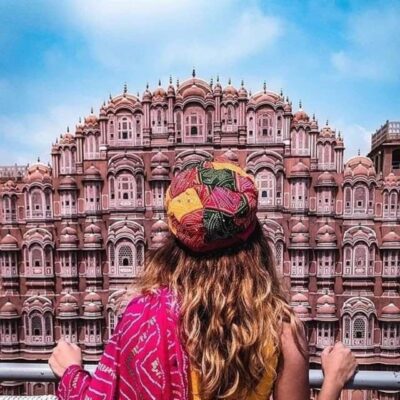
Jaipur sightseeing tour with monkey temple (Galta ji temple)
Read our review →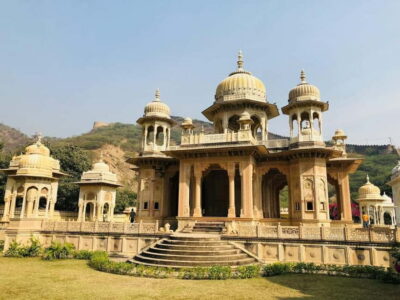
Private Full-Day Jaipur Guided Tour with Monkey Temple
Read our review →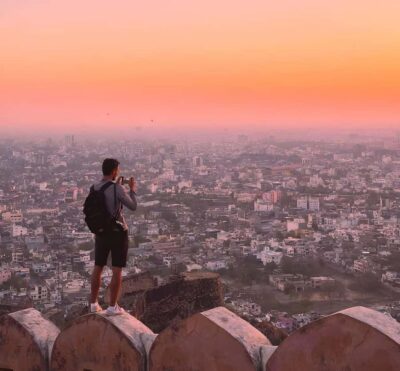

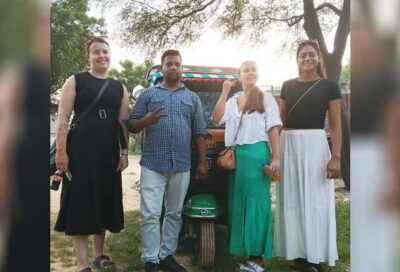
Full-Day Tuk-Tuk Sightseeing Tour with Monkey Temple
Read our review →Browse the lists this tour appears in