
Review · HISTORICAL TOURS
Taipei’s Origin & Longshan Temple – Taiwan Cultural Tour
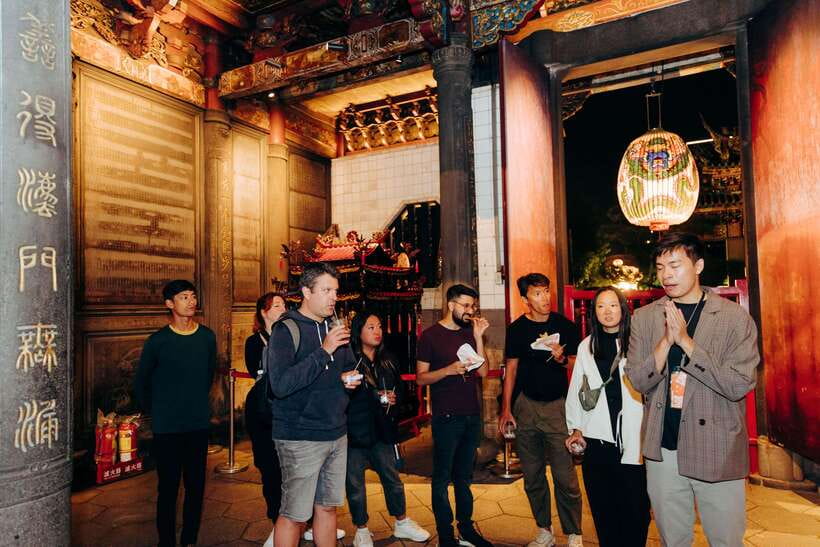
Taipei’s old stories come alive here. This 2.5-hour cultural walk links the city’s beginnings with Longshan Temple, where more than 100 folk gods serve different human needs. I like the focus on everyday Taiwanese beliefs, and I like that the guide explains rituals such as moonstone throwing instead of asking you to simply watch from the side. The main consideration is that the $1 booking fee is not the full cost, since you are expected to tip the guide separately.
This is a small-price introduction to Taiwan’s religion, customs, and oral storytelling. Guide Leo has earned particular praise for his enthusiastic explanations and volunteer spirit, though the experience will suit you best if you enjoy conversation, local legends, and walking rather than a formal museum-style tour.
Key points to know before you go
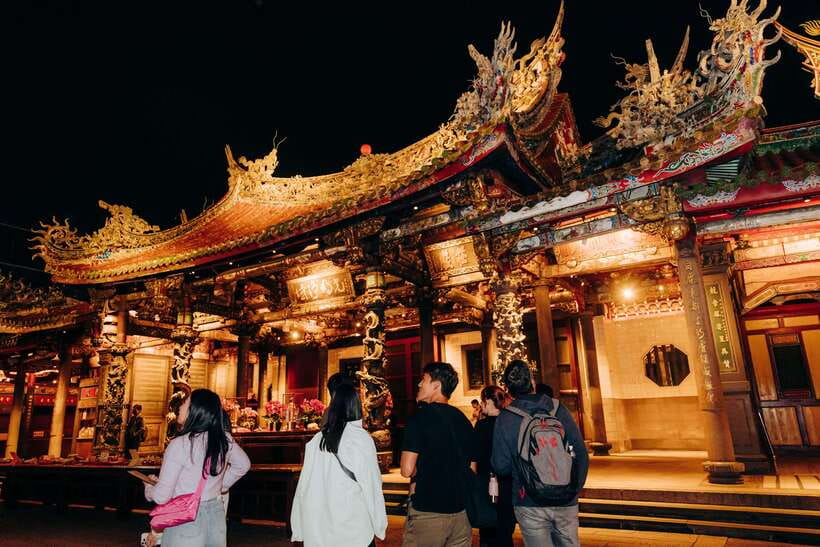
- Longshan Temple has more than 100 folk gods, with different figures connected to subjects such as learning, relationships, the sea, and battles.
- You can learn how to throw moonstones and understand how temple visitors seek answers from the gods.
- The tour connects Taipei’s origin with daily life, including how earlier generations dealt with illness before modern doctors.
- Guide Leo’s enthusiasm is a major strength, especially if you enjoy stories told with warmth rather than a dry lecture.
- The $1 price is only the booking fee, and the guide’s tip is not included.
- The walk starts and ends at Longshan Temple Station Exit 1, with an orange-badge guide waiting at the meeting point.
Why this Longshan Temple walk is different
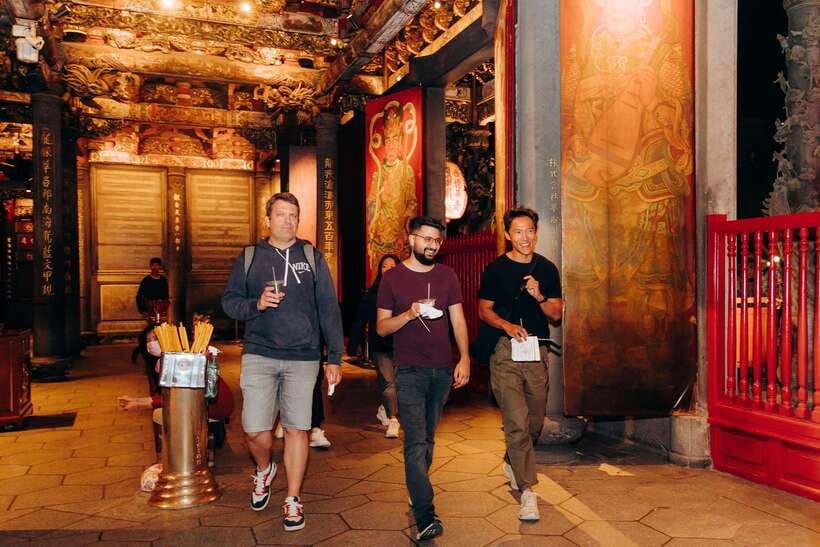
Many city tours rush from one famous building to the next. This one takes a more personal route through the ideas that shape Taiwanese life. You are not only shown a temple. You are introduced to the gods people ask for help, the customs used to seek answers, and the stories that explain how the city grew.
That focus gives the tour a useful purpose. If you are new to Taiwan, religious practice can seem confusing at first. Buddhism, Taoism, and folk belief often share the same space, and Longshan Temple brings those traditions together in a way you can see and discuss.
I like that the tour promises the Taiwanese way of life, not just a list of dates. The subjects include illness, luck, marriage, study, work, and protection. These are ordinary concerns, but they help you understand why a temple remains important to people today.
You should also set your expectations correctly. This is a tip-based cultural walk, not a luxury sightseeing package. The low advance price makes it easy to try, but the guide’s gratuity is a required part of your budget in practical terms.
More History Tours in the world:
- Chiang Mai: Historic Temples and City Guided Walking Tour
★ 4.7 · 650 reviews - Mt. Fuji Heritage Tour: Traditional Villages, Lakes & Shrine
★ 4.5 · 509 reviews - Malta: Prehistoric Temples, Limestone Heritage & Blue Grotto
★ 4.2 · 412 reviews
Meeting Taipei at its origin
The first part of the walk explores the origin of Taipei. The available information does not provide a precise list of every street or landmark used, so you should think of this section as a guided introduction rather than a fixed checklist of monuments.
The value comes from the stories. You learn how ancestors lived in Taiwan and how they managed illness before doctors were available. That subject can make the past feel close and practical. It is not only about rulers or grand buildings. It is about how people handled fear, sickness, uncertainty, and the need for help.
For me, this is the part that can give the temple visit more meaning. Without some background, Longshan Temple may look like a colorful place of worship with many statues. With the city’s beginnings in mind, the temple becomes part of a larger story about settlement, community, and survival.
The guide’s role matters here. English explanations about local belief can easily become vague or overly academic. The tour’s stated aim is to tell authentic Taiwanese stories in plain terms, and Leo’s praised enthusiasm should help keep this portion lively. His explanations were described as wonderful, with a strong sense that he gave his time generously.
You should allow the guide to tell the story in his own order. The appeal is less about collecting a perfect set of facts and more about understanding how old ideas still fit into modern life.
Reading the many gods of Longshan Temple
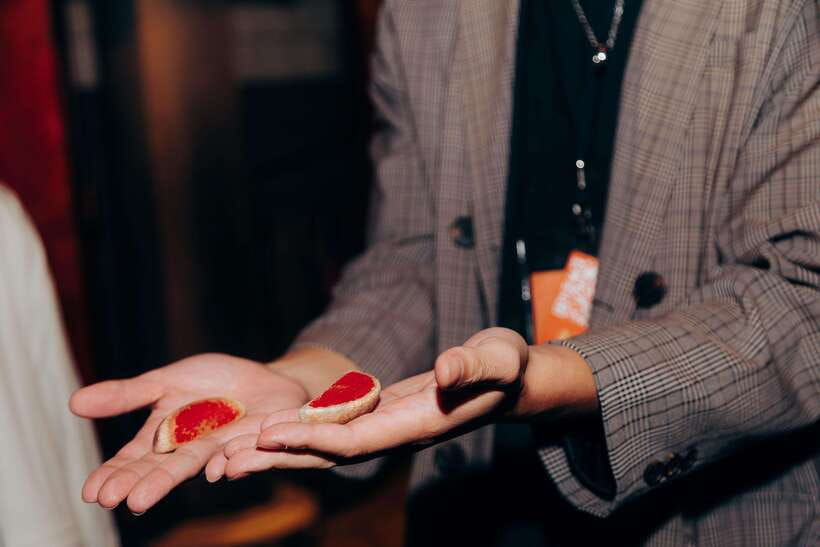
Longshan Temple is the centerpiece. It is known here as a home for more than 100 folk gods, each connected with a different need or area of life. That number alone explains why a first visit can feel hard to follow. A guide gives you a way to sort the figures and their purposes.
You may hear about gods connected with the sea and battles, along with figures people approach for learning, romance, or personal fortune. This is useful because it shows that Taiwanese folk religion is not one simple system. Different figures have different responsibilities, and people may approach more than one depending on what they hope to resolve.
Two figures receive especially clear attention. Wenchang Dijun is associated with learning, making him a natural figure for students or anyone hoping for help with study. The Old Man Under the Moon is linked with bringing couples together, a belief that gives the temple visit a very human touch.
The colorful dragons also add to the experience. They are part of the temple’s visual identity, but the tour places them alongside the religious stories rather than treating them as decoration alone. You get a better sense of why the building feels full of symbols.
I would not expect a quiet, private introduction. A working temple is a place of worship, and the focus is on observing respectfully while listening. The guide can explain what you are seeing, but you should remain aware that the rituals are meaningful to local worshippers, not a performance arranged for tourists.
Trying moonstones and asking for guidance
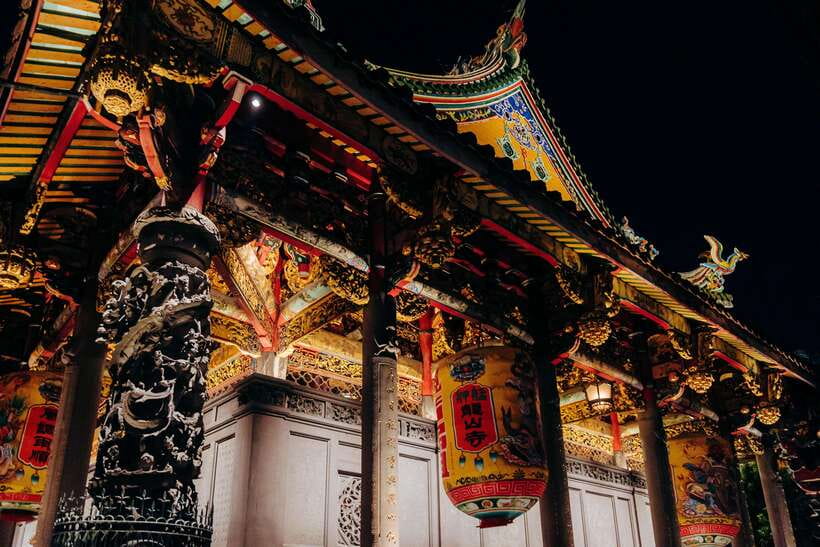
One of the most hands-on parts is learning how to throw moonstones. The guide shows you the process and explains how to read the answer from the result. This makes the religious tradition easier to understand because you are not only hearing about it as an abstract belief.
You may also have the chance to get your fortune read. The information does not specify exactly how every fortune reading works or guarantee a particular form of result, so keep an open mind. The point is to learn how people seek messages from the heavens and how those messages fit into temple practice.
I like this part because it gives you a simple way to ask questions and notice the role of ritual. You are not promised good luck. You are shown how hope, uncertainty, and decision-making can take a religious form.
If you are shy about participating, you can still learn by watching the explanation. If you enjoy trying local customs, the moonstones offer a memorable activity that goes beyond taking photographs.
This is also where a good guide makes a real difference. The process can be easy to misunderstand if no one explains what the pieces mean or how the result is interpreted. The tour specifically includes instruction, so you should leave with more than a quick superstition story.
A few more temple visits around the world worth a look
- Lisbon: Jerónimos Monastery Entrance Ticket
★ 4.1 · 14,164 reviews - Angkor Wat Sunrise or Sunset Tour with Guide from Siem Reap
★ 5.0 · 12,109 reviews - Teotihuacan, Guadalupe Shrine & Tlatelolco Day Tour with Lunch
★ 5.0 · 11,603 reviews - From Bangkok: Ayutthaya Temples Guided Tour with Lunch
★ 4.7 · 10,535 reviews
Buddhism, Taoism, and Taiwanese folk belief
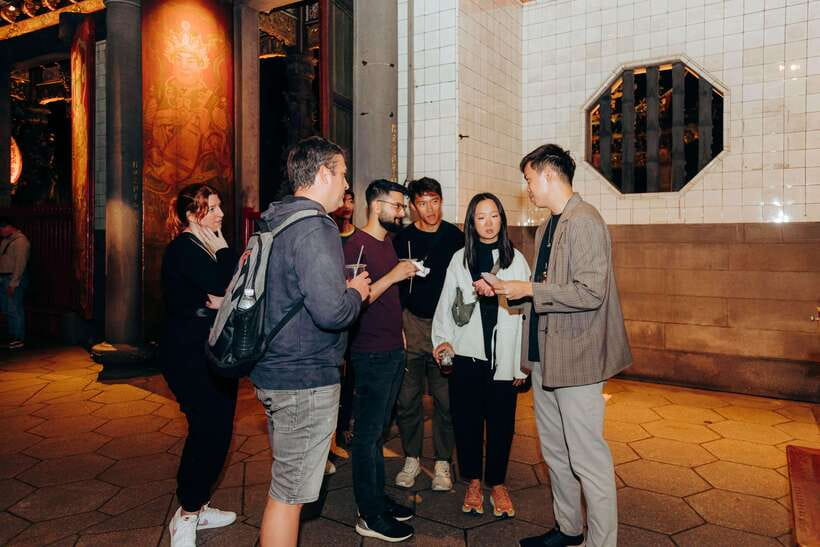
Longshan Temple is presented through the traditions of Buddhism and Taoism, along with the wider world of Taiwanese folk gods. The tour helps show how these strands have shaped the temple over centuries.
You do not need prior religious knowledge. The English-speaking guide is there to explain the basic ideas and connect them to the rituals in front of you. That makes the experience accessible if you have never visited a Taiwanese temple before.
At the same time, you should not expect a university lecture. The strength is in the stories and practical examples. Learning which god helps with study or relationships may be easier to remember than a long explanation of religious history.
The temple’s long life is another reason this stop matters. The tour presents it as a beloved place that has continued to serve the community for centuries. That gives the visit a sense of continuity, with older beliefs still part of daily choices and hopes.
I would especially recommend this section if you have visited temples elsewhere in East Asia and want to understand what feels distinct about Taiwan. The tour is built around Taiwanese stories and customs rather than a generic lesson about Asian religion.
A 2.5-hour pace with a clear meeting point
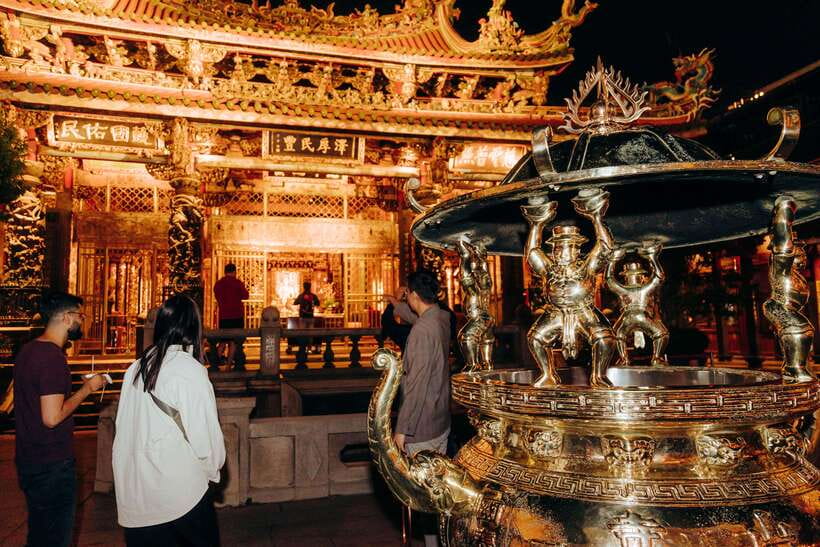
The tour lasts about 2.5 hours. That is long enough to move beyond a quick temple visit, but short enough to fit into a day of exploring Taipei.
You meet at Longshan Temple Station Exit 1. Look for the guide wearing an orange badge. The activity ends back at the same meeting point, which makes planning easier and removes the need to arrange a separate return route.
Starting at a metro station is practical. You do not need to search for a hotel lobby or a distant office, and finishing at the same place lets you continue sightseeing in the area or take the train onward.
Starting times vary, so you need to check availability before booking. The supplied details do not give a group size, a precise walking distance, or a full stop-by-stop route. If those details matter to you, ask the operator before committing.
The walking format also means sensible footwear is a good idea. That is general preparation rather than a special promise about the route, but 2.5 hours on foot is easier when you are comfortable.
What the $1 price really means
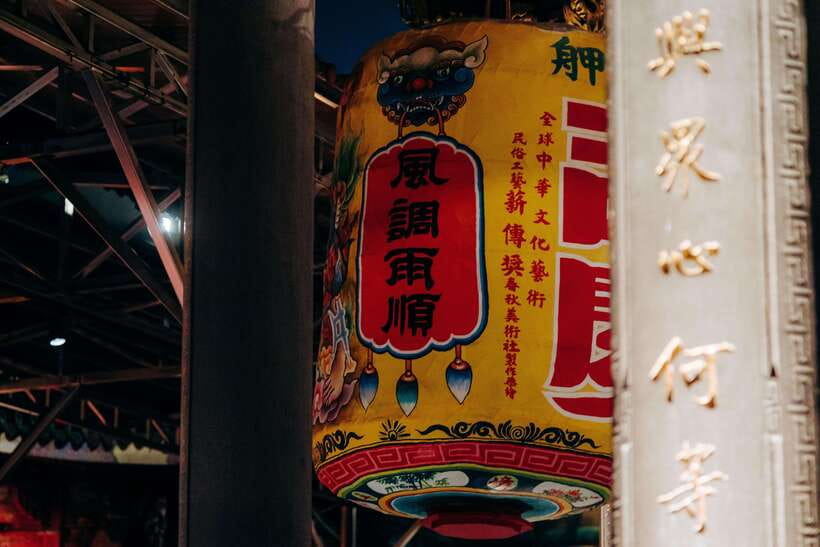
The $1 per-person price is attractive, but read it as a low-cost reservation fee rather than a complete tour price. The guide’s tip is not included, and the experience is explicitly tip-based.
That arrangement can offer good value. You can book a focused introduction to Taipei culture without paying the price of a large commercial package. The guide’s payment also depends on the gratuity, so you should budget for a tip that reflects the time and explanation you receive.
The value is strongest if you want cultural context. If you only need photographs of Longshan Temple, you can visit the site without a tour. If you want to understand why people approach particular gods, how moonstones work, and how the temple connects with Taiwanese life, the guide adds the useful part.
The price also makes this a reasonable choice early in a Taipei visit. You can use the walk to learn basic religious customs and local ideas, then recognize them more easily during the rest of your time in Taiwan.
A 4.6 rating from 19 ratings suggests a strong response so far, but the sample is not large. I would place more weight on the fit between your interests and the tour format than on the number alone.
The guide can make or break the experience
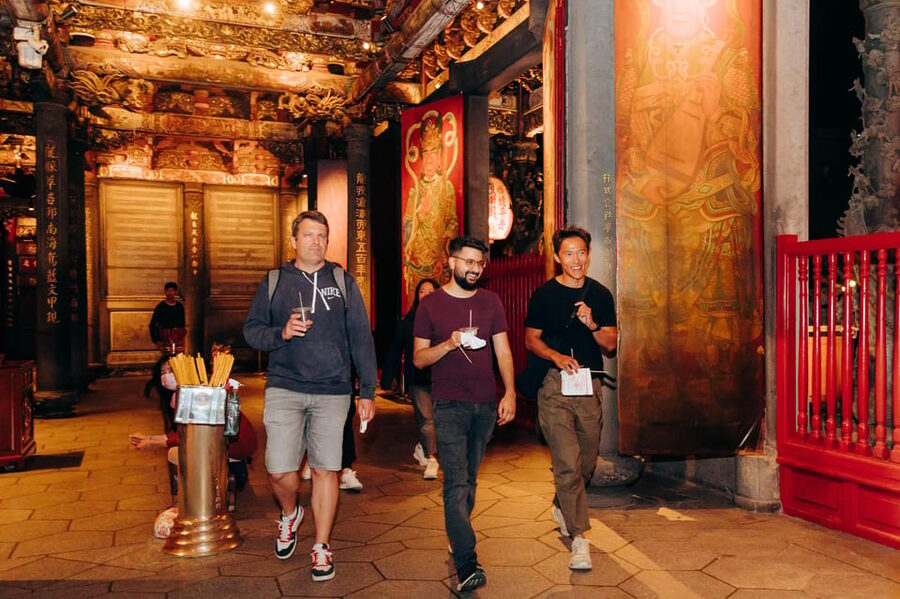
The strongest personal detail attached to this tour is guide Leo. His explanation was praised as wonderful, and his enthusiasm was clear. The same account describes him as giving his time almost as a volunteer, which says something about the spirit behind the experience.
That matters because this tour depends heavily on storytelling. There is no expensive vehicle, grand meal, or complicated attraction included. The guide’s ability to explain local belief in English is the main product.
A warm and engaged guide can turn a temple full of unfamiliar figures into a set of stories you remember. A less energetic presentation would make the same route feel much thinner. Leo’s strong praise is therefore worth noting, though guide assignments can change and no specific guarantee is given that he will lead every departure.
You should come ready to ask questions. The subjects are broad, from illness and fortune to gods connected with romance and education. A curious approach will get more from the time than treating the walk as a passive sightseeing transfer.
Who should book this cultural tour?
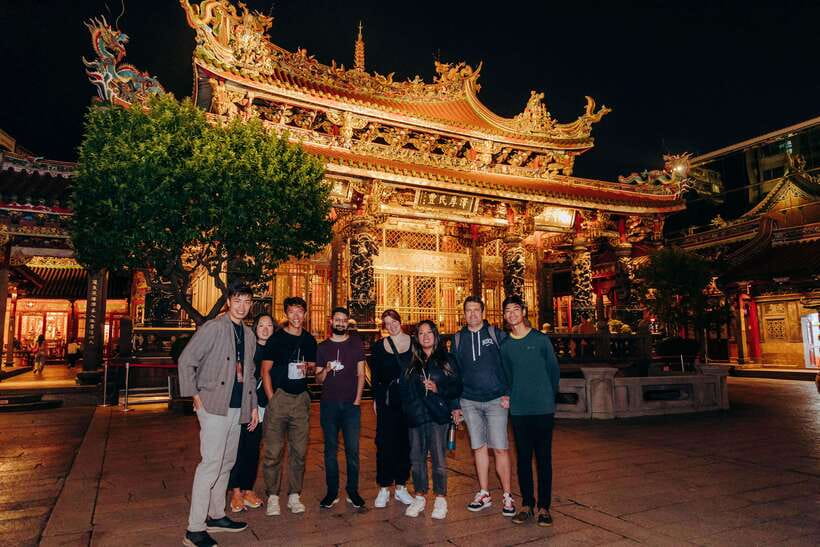
I would recommend it to first-time visitors to Taipei who want a simple introduction to Taiwanese culture. It is also a good match for anyone interested in religion, folk customs, oral stories, or the way local beliefs shape everyday decisions.
Students and families may find Wenchang Dijun especially interesting, while couples or anyone curious about marriage customs may connect with the Old Man Under the Moon. People interested in traditional approaches to illness will appreciate the discussion of how earlier generations managed without doctors.
The tour is less suitable if you want a fast list of major sights, a private luxury guide, or a detailed architectural survey. It is also not the right choice if you dislike tipping or prefer all costs to be included in advance.
Because the full route and group size are not specified, I would contact TourMeAway if you need a precise walking plan. The published help page is available for questions or if you cannot find the group.
Final verdict: a useful first look at Taipei
Book this tour if you want Longshan Temple to mean more than colorful carvings and a quick photograph. The combination of Taipei origin stories, folk gods, moonstone fortune practice, and Buddhist and Taoist traditions offers a friendly way to understand local life.
The low booking price is appealing, but remember to include the guide’s tip. For the best value, choose it near the start of your Taipei stay, bring questions, and give yourself time to listen. If you want an authentic story-led introduction rather than a formal sightseeing package, this is a sensible choice.
FAQ
Where does the tour start?
The tour starts at Longshan Temple Station Exit 1. Look for the guide with an orange badge.
Where does the tour end?
The activity ends back at the meeting point at Longshan Temple Station Exit 1.
How long does the tour last?
The tour lasts 2.5 hours. Starting times depend on availability.
What language is the tour in?
The tour is conducted in English by a live English-speaking guide.
Is the guide’s tip included in the $1 price?
No. The tip for the tour guide is not included in the booking fee.
Can I cancel the tour and receive a refund?
Yes. You can cancel up to 24 hours in advance for a full refund.
Just added around the world
- No.1 Chiang Mai: 3-Hour Monk Trail Hike to Wat Doi Suthep & Palad★ 5.0 · 11 reviews
- 8 Days Private South India Temple Tour with 4 Star Luxury Hotels★ 5.0 · 3 reviews
- Chennai City Highlights – Government Museum & Temple Discovery★ 4.0 · 7 reviews
- South India Tour- Temple Architecture and Backwaters★ 5.0 · 7 reviews
- Chania Private Tour: Monastery, Scenic Gorge & Mountain Views★ 5.0 · 12 reviews
- 2-Day Private Tour of Leshan Grand Buddha and Emei Shan including Monastery Stay★ 4.5 · 8 reviews
- Half-Day Trip to Arkadi Monastery and Melidoni Cave★ 4.5 · 4 reviews
- Monastery, Elafonissi and Winery Tour from Chania★ 5.0 · 8 reviews
Historical Tours, compared.
Mt. Fuji Heritage Tour: Traditional Villages, Lakes & Shrine
Read our review →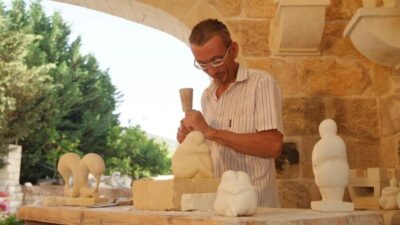
Malta: Prehistoric Temples, Limestone Heritage & Blue Grotto
Read our review →
Day Trip From Addis Ababa See Historical Monastery,Stunning Nature,Animals,Birds
Read our review →
Beijing Historical Tour II including Summer Palace, Lama Temple & Panda Garden
Read our review →
“Porto: Fado Show with Guided Tour in a Historic Monastery”
Read our review →
Private Half-Day Temples and Cultural Tour in Kuala Lumpur
Read our review →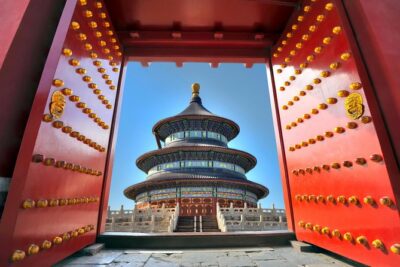
Beijing Historical Tour I – Forbidden City, Tiananmen Square & Temple of Heaven
Read our review →Browse the lists this tour appears in