
Review · SIEM REAP
Shared day tour with Spanish-speaking guide at Angkor Temple.
Ancient stone faces await you. This 8-hour Angkor tour combines Angkor Thom, Bayon, Ta Prohm, and Angkor Wat in one well-packed day, with hotel pickup in Siem Reap and a small group capped at nine people. I like the clear route through the temples and the choice of a live Spanish-speaking guide, especially if you want the carvings and old Khmer city plan explained as you go.
I also like the value at $50 per person, provided you want the main Angkor highlights in a single day. The main drawback is the pace: with four major temple areas and an eight-hour schedule, you will see a lot, but you will not have unlimited time for quiet wandering or every outer corner of Angkor Wat.
Key points at a glance
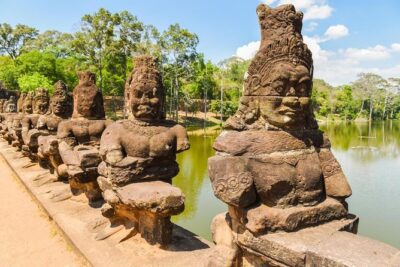
- South Gate entrance: Enter Angkor Thom across a causeway lined with gods, demons, and a giant naga.
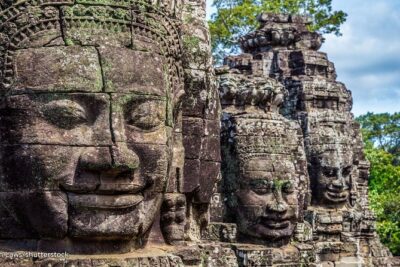
- Bayon’s carved faces: Look up at the temple towers for the serene faces that make Bayon unlike any other stop.
- Two royal terraces: See the Terrace of the Elephants and Terrace of the Leper Kings inside Angkor Thom.
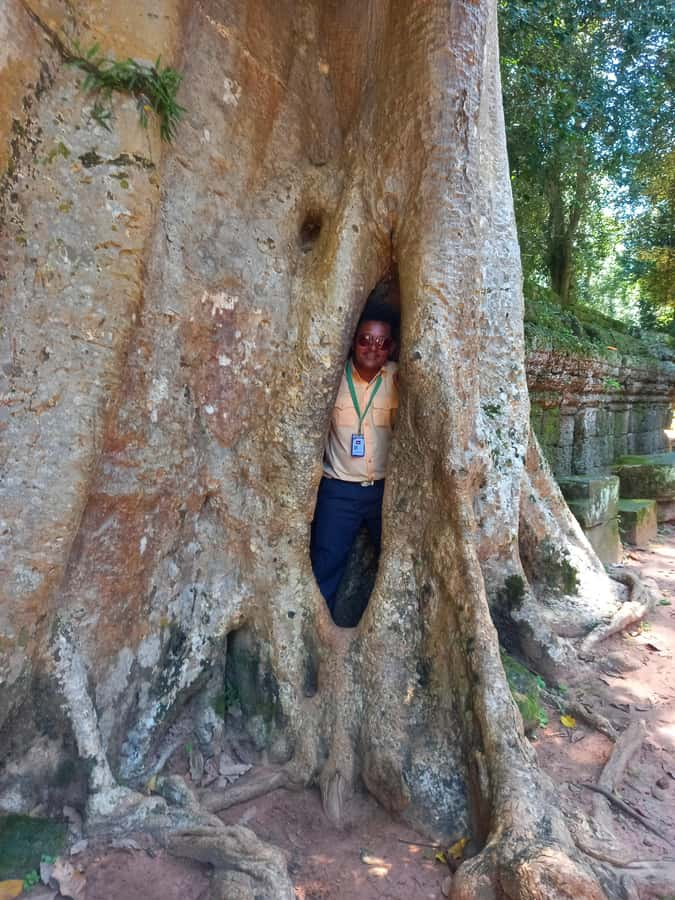
- Ta Prohm in the jungle: Visit the partly untouched temple famous for its trees and atmospheric stone corridors.
- Angkor Wat in the afternoon: Spend the second half of the day at Cambodia’s best-known temple complex.
- Small Spanish-speaking group: The group limit of nine keeps the tour more personal than a large coach outing.
Why this one-day Angkor route works
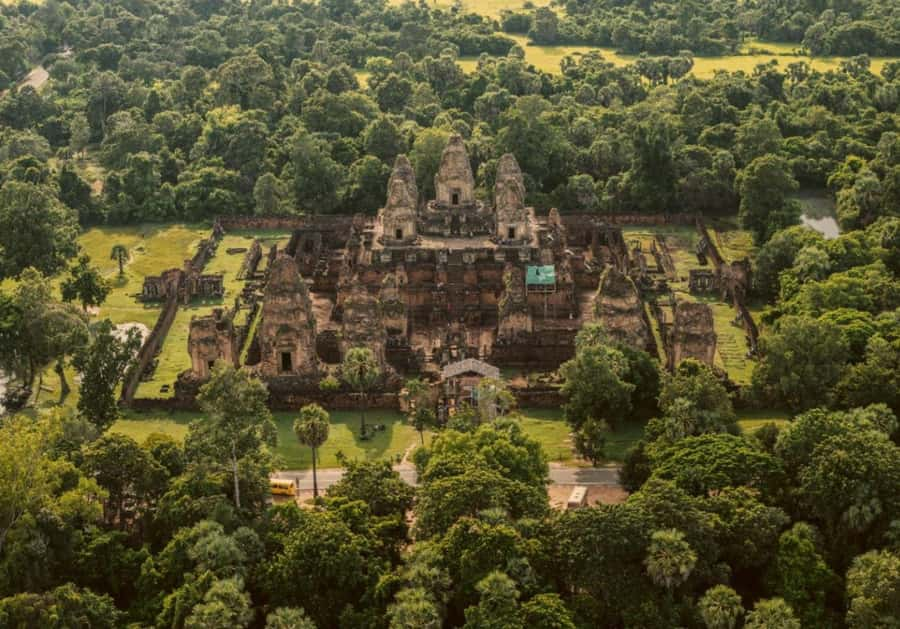
Angkor is not one temple. It is a huge archaeological zone spread across the plain near Siem Reap, with royal cities, shrines, terraces, reservoirs, gates, and processional roads. A first visit can feel confusing without a plan. This tour gives you a sensible sequence, starting with the former capital of Angkor Thom before moving to Ta Prohm and then Angkor Wat.
I find that order useful because it builds your sense of scale. You begin with a fortified city covering about 10 square kilometers, then move through individual monuments before finishing at the largest and most famous complex. By the time you reach Angkor Wat, you have a better idea of the power and ambition behind the whole Angkor kingdom.
The tour is also a practical fit for a single day in Siem Reap. You will be collected from your hotel in the morning and return after roughly eight hours. Exact start times depend on availability, so check the schedule before booking. This is not a sunrise tour based on the information provided, so it may suit you if you would rather avoid an extremely early start.
A live guide is available in Spanish, Portuguese, or English. If you choose Spanish, the explanations can make a real difference at Bayon and Angkor Wat, where a maze of carvings and religious symbols is easy to admire without fully understanding. Sem is one guide associated with the experience, and his detailed explanations have received particular praise.
More Angkor Wat Tours in Siem Reap:
- Angkor Wat Sunrise or Sunset Tour with Guide from Siem Reap
★ 5.0 · 12,109 reviews - Siem Reap: Angkor Wat: Small-Group Sunrise or Sunset Tour
★ 5.0 · 9,444 reviews - Siem Reap: Angkor Wat 2-Day Tour with Sunrise and Sunset
★ 4.9 · 4,429 reviews
Entering Angkor Thom through the South Gate
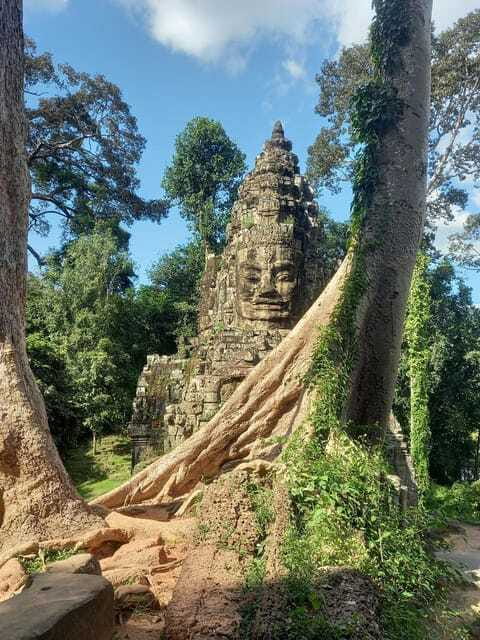
Your first major stop is Angkor Thom, the fortified capital built on a scale that can be hard to grasp from a single photograph. The city covers about 10 square kilometers, so the South Gate gives you an immediate sense that this was more than a collection of temples. It was a planned royal center with monumental entrances and broad ceremonial routes.
The approach is one of the memorable parts of the day. You cross a causeway lined with statues of gods and demons, each group helping hold a giant naga. These figures relate to the famous Hindu story of the Churning of the Ocean of Milk, and a guide can help you spot the difference between the two sides.
I would pay attention before taking out your camera. The gateway is busy with visual detail, and the statues are not just decoration placed beside the road. They set up the religious and political ideas that appear again inside the city.
The South Gate is also a good first lesson in Angkor scale. You pass through a monumental face tower before entering the old capital. The city walls and gates tell you that Angkor’s builders were thinking in terms of power, defense, ceremony, and sacred order all at once.
Bayon and its famous stone faces
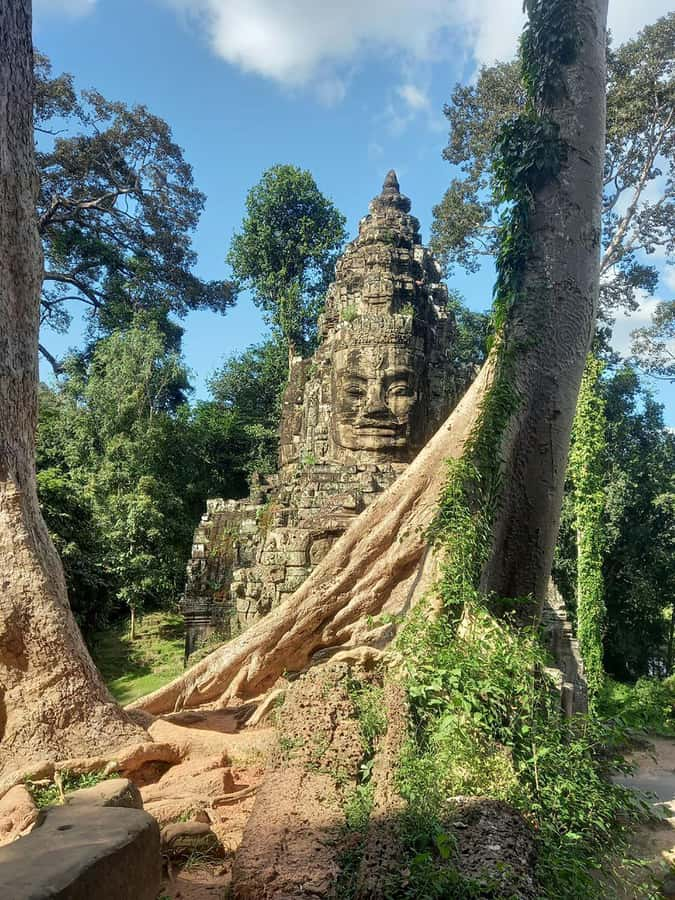
Inside Angkor Thom, the tour continues to Bayon. This is one of the strongest stops for anyone who enjoys sculpture, but it can be confusing if you explore alone. The temple has towers covered with enormous carved faces, many with a calm, almost knowing expression.
You will want to look at Bayon from several angles. Faces appear between towers, above galleries, and around corners. From one position, the temple can seem like a pile of gray stone. From another, the carvings line up and suddenly become the whole point of the place.
A guide is especially useful here because Bayon is not as instantly clear as Angkor Wat. The towers, narrow passages, and reliefs need some explanation. You can ask about the faces, the temple’s purpose, and the scenes carved into the lower galleries. The strongest praise attached to this tour focuses on the guide’s detailed history explanations, and Bayon is exactly where that service earns its keep.
The downside is that the temple can feel tight compared with the open grounds of Angkor Wat. If your group moves through the inner spaces at a brisk pace, you may want to ask for a moment to stop and study the faces. The group limit of nine helps, but this remains a busy sightseeing day rather than a private slow walk.
Royal power at the two terraces
The route then reaches the Terrace of the Elephants and the Terrace of the Leper Kings. These are not full temples in the same way as Bayon or Ta Prohm. Their value comes from their position, carvings, and role in the old royal center.
The Terrace of the Elephants is a long platform decorated with elephant imagery and other carved figures. It was tied to royal ceremonies and public display. Standing beside it, you can picture the terrace as part of a larger civic space rather than an isolated ruin.
The Terrace of the Leper Kings is more enclosed and mysterious. Its carvings reward a closer look, especially if your guide points out the figures hidden within the walls. This is a place where a quick glance can miss the best details.
These two stops also break up the temple interiors. You get open-air views and a clearer sense of how Angkor Thom functioned as a city. Still, they may feel less dramatic than Bayon if you prefer towering architecture. Their importance becomes clearer through explanation than through a first visual impression.
A few more temple visits around Siem Reap worth a look
- Siem Reap: Full-Day Angkor Wat Guided Tour with Sunset
★ 4.9 · 3,803 reviews - Angkor Wat Sunrise tour with Small – Group and Guide tours
★ 5.0 · 3,655 reviews - Angkor Wat Highlights and Sunrise Guided Tour from Siem Reap
★ 5.0 · 3,213 reviews - Angkor Wat Sunset Small Group Tour with Lunch Included
★ 5.0 · 3,059 reviews
Ta Prohm and the pull of the jungle
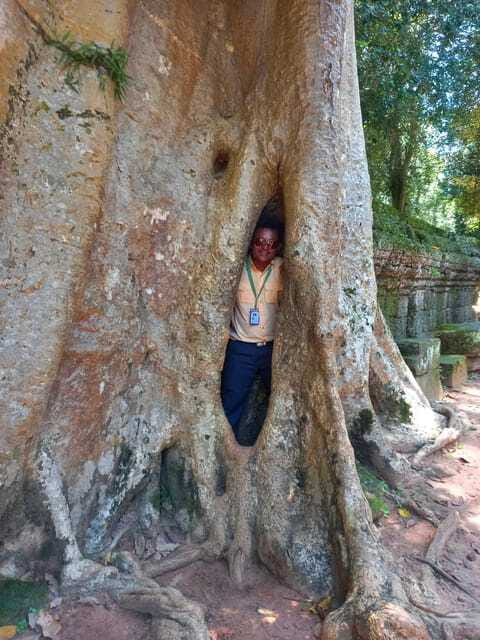
Ta Prohm brings a different mood. Instead of the ordered grandeur of Angkor Wat or the crowded towers of Bayon, you find a temple where trees and stone share the frame. The site has remained relatively untouched since it was discovered, giving it the look many people associate with an abandoned jungle city.
The appeal is easy to understand. Roots press around walls, doorways open into shadowed corridors, and blocks of carved stone appear to have been left where nature found them. You get the drama of a ruin without needing much imagination.
That atmosphere comes with a practical trade-off. Ta Prohm’s narrow passages and popular views can slow the group down. It is worth keeping your expectations realistic: the temple is not an empty forest shrine, and your time here is limited by the rest of the day’s schedule.
I would focus on the relationship between the trees and the buildings rather than trying to photograph every doorway. Let the guide explain which sections are original, what the temple was used for, and why it has become one of Angkor’s best-known images. If you only rush from one photo point to the next, you lose much of what makes Ta Prohm special.
Angkor Wat takes the afternoon
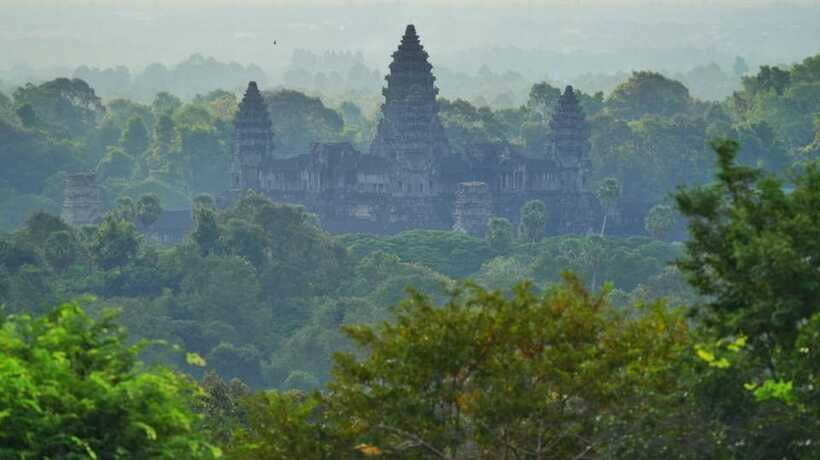
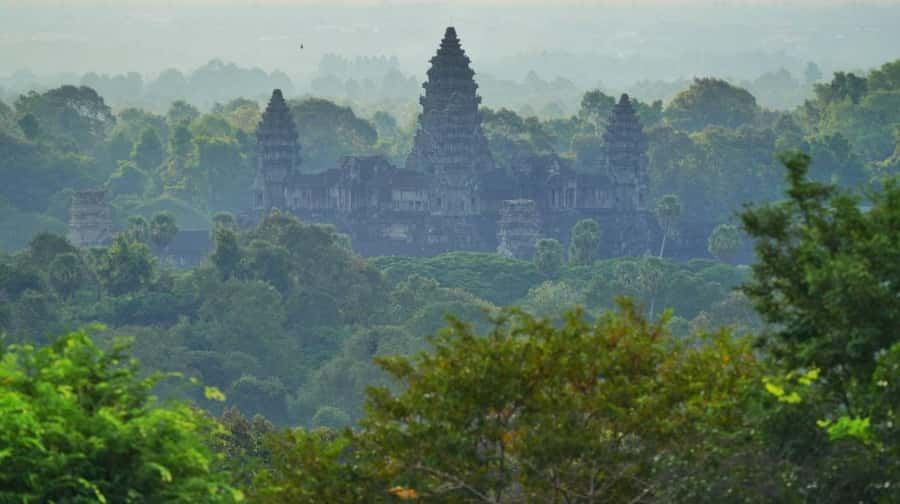
The final major stop is Angkor Wat, the largest and most famous temple on the Angkor plain. The complex covers 81 hectares, an area comparable in size to Beijing’s Imperial Palace. That comparison helps, but the best way to understand its size is to walk through the long approach and see the central towers growing ahead of you.
Angkor Wat is admired for its composition, balance, proportions, and carved detail. The building does not rely on one spectacular feature. Its impact comes from the way the causeway, galleries, towers, courtyards, and surrounding spaces fit together.
Plan to use your guide’s time well here. Ask about the temple’s religious meaning, the layout, and the carvings on the galleries. The walls contain long scenes and fine details, and a quick pass can leave you seeing only stone corridors and tall towers.
The afternoon timing has both benefits and limits. You avoid making this an all-day visit at the start, which keeps the morning route moving. On the other hand, the heat and fatigue of earlier stops may affect your concentration by the time you arrive. Bring drinks, wear practical clothing, and use the breaks in the route to save energy for Angkor Wat.
The information provided does not specify how long you spend inside each monument, so you should expect the guide to manage the timing across the full route. That is useful for a first visit, but it also means this is not the best choice if your main goal is several quiet hours at Angkor Wat alone.
What $50 includes in practical value
At $50 per person, the tour offers a reasonable package for someone who wants hotel pickup, a live guide, a small group, and the principal Angkor sights in eight hours. You are paying for structure as much as transport and sightseeing. A planned route saves you from working out the order of four major stops in a huge temple zone.
The group limit matters. Nine people is small enough for questions and guide contact, while still costing less than a fully private tour. If you want personal attention but do not need a vehicle and guide exclusively for your party, this middle ground makes sense.
The price should not be judged only by the number of temples. Bayon and Angkor Wat are places where context changes what you notice. A Spanish-speaking guide can explain the religious stories, royal setting, and carved scenes in a way that a self-guided visit may not.
The supplied details do not say whether an Angkor admission ticket, meals, or drinks are included. Check those points before paying, and do not assume that every cost connected with the day is covered by the $50 price.
Who will get the most from this day
I would choose this tour if you have one full day in Siem Reap and want the classic Angkor route without arranging each stop yourself. It is particularly suitable if you want Spanish-language guidance, since Spanish is one of the listed live-tour languages.
It also works well for people who prefer a small shared group over a private booking. The maximum of nine participants keeps the format social without the scale of a large bus tour.
You may want a different plan if you have two or more days available. A longer visit would give you more time to spread out the temples and return to your favorites. This eight-hour route is efficient, but efficiency means less freedom at each stop.
The day also requires walking and time outdoors, although the supplied information does not give a detailed accessibility assessment. If you weigh more than 331 pounds, or 150 kilograms, the experience is listed as unsuitable. For everyone else, bring drinks, a jacket, internet access, a GPS or map, and a pen. Pets are not allowed.
Small details that can improve the day
Keep your phone or map available, since GPS and internet access are specifically recommended. Even with a guide, knowing where you are helps you follow the movement from Angkor Thom to Ta Prohm and then Angkor Wat.
Bring enough water for your own needs. Drinks are on the suggested packing list, and the eight-hour duration makes this more than a quick temple visit. A light jacket is also recommended, which may help during the morning or in air-conditioned transport, though the transport type is not specified.
Wear clothing suitable for a religious site and outdoor walking, though the supplied details do not set out a formal dress code. The safest approach is practical, respectful clothing that lets you move comfortably through gateways, courtyards, and uneven temple areas.
Finally, keep a little flexibility in your expectations. The published rating is 4.3 from four reviews, with two recent five-star comments praising the experience and the guide’s explanations. That is encouraging, but it is still a small sample. The clearest strength is the combination of route planning and guide support, while the main limitation is the full schedule.
Should you book this Angkor tour?
Book it if you want the essential Angkor sights in one day, prefer a Spanish-speaking guide, and value a small group with hotel pickup. The route covers the most important contrasts: a monumental city gate, Bayon’s faces, royal terraces, Ta Prohm’s tree-covered ruins, and the vast design of Angkor Wat.
Skip it if you want a slow, private visit with complete control over timing. For most first-time visitors with only one day, though, $50 is a fair price for a guided introduction to Angkor, especially when detailed explanations are a priority. Check what is included in the fee and the exact start time before booking, then save your energy for Angkor Wat.
FAQ
How long is the Angkor temple tour?
The tour lasts 8 hours.
Which temples and sites are included?
The route includes Angkor Thom, the South Gate, Bayon, the Terrace of the Elephants, the Terrace of the Leper Kings, Ta Prohm, and Angkor Wat.
What languages are available?
Live guiding is available in Spanish, Portuguese, and English.
How many people can join the group?
The group is limited to 9 participants.
Is hotel pickup provided?
Yes. Morning pickup from your hotel in Siem Reap is included in the tour plan.
Can I cancel the booking?
You can cancel up to 24 hours in advance for a full refund.
What should I bring?
Bring drinks, a jacket, internet access, a GPS or map, and a pen. Pets are not allowed.
Just added around Siem Reap
- Sunrise at Angkor Wat Temple: 3-Hour Private Tour★ 4.7 · 30 reviews
- Small-Group Explore Angkor Wat Sunrise Tour with Guide★ 5.0 · 3 reviews
- Siem Reap: Ultimate Angkor Wat Offbeat Experience by Jeep★ 4.9 · 8 reviews
- SiemReap: Private Angkor Wat Tour in English or German guide★ 5.0 · 5 reviews
- Siem Reap : Private Tuk-Tuk Tour of the Magnificent Temples.★ 4.9 · 14 reviews
- Siem Reap: Private 4-Day Angkor Wat and Phnom Kulen Tour★ 5.0 · 9 reviews
- Siem Reap: Personalized Angkor Wat Sunrise/Set by TukTuk/Car★ 4.9 · 41 reviews
- Siem Reap: 1-Day Angkor Wat Tour in Portuguese★ 5.0 · 4 reviews
Angkor Wat Tours, compared.
Angkor Wat Sunrise or Sunset Tour with Guide from Siem Reap
Read our review →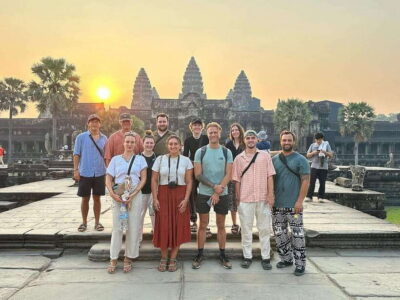
Angkor Wat: Small-Group Sunrise or Sunset Tour
Read our review →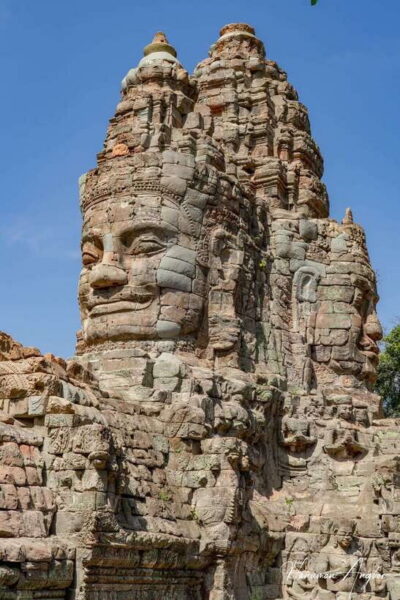
Angkor Wat 2-Day Tour with Sunrise and Sunset
Read our review →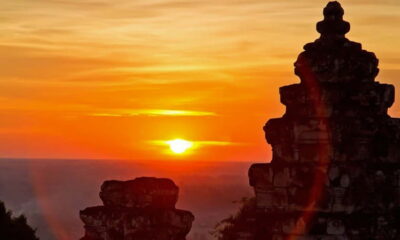
Angkor Wat Sunrise tour with Small – Group and Guide tours
Read our review →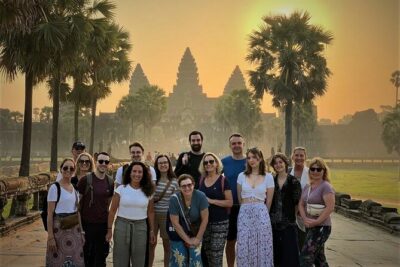
Angkor Wat Highlights and Sunrise Guided Tour from Siem Reap
Read our review →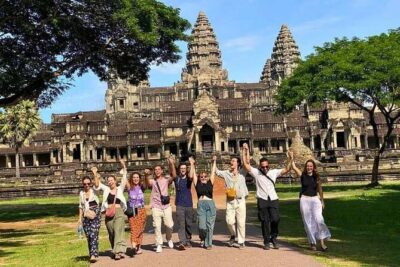
Angkor Wat Sunset Small Group Tour with Lunch Included
Read our review →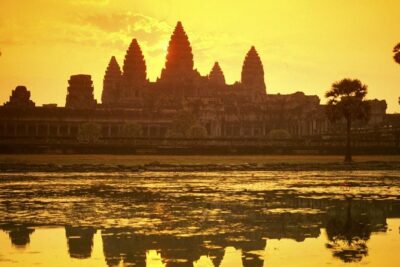
Full-Day Angkor Wat Sunrise Private Tour with Guide from Siem Reap
Read our review →Browse the lists this tour appears in