
Review · WHITE TEMPLE & BLUE
From Chiang Rai 3 Temples & Golden Triangle &Tea Plantation
Art, borders, and tea fill one long day. This Chiang Rai tour packs the White Temple, Blue Temple, and Black House into a single route, then heads north toward the Golden Triangle, a tea plantation, a Karen hilltribe village, and the Opium Museum. I like the strong mix of modern art and northern Thai culture, and I like having a private English-speaking guide in a group limited to 10 people. The tradeoff is clear: this is a busy day, and some stops may feel rushed.
I also like that lunch, drinking water, air-conditioned transport, and city pickup are included. The tour gives you a broad view of Chiang Rai Province without asking you to arrange several separate trips. Just remember that entrance fees are not included, so bring Thai baht for the temples and other sites.
The five things to know before you book
- Three very different art sites: The White Temple, Blue Temple, and Black House each offer a completely different view of contemporary northern Thai art.
- A full northern route: You travel beyond Chiang Rai to the Golden Triangle, a tea plantation, a Karen village, and the Opium Museum.
- Small-group format: The group is limited to 10 participants, with a private English-speaking guide and minibus transport.
- Extra cash is essential: Standard admission fees are not part of the price, so budget separately for every paid stop.
- Long but useful day: Pickup begins in Chiang Rai and you return to the city in the evening.
- Best for active sightseers: The tour is not suitable for wheelchair users or people over 70, according to the activity information.
Three temples, three very different ideas
Calling this a temple tour is only partly accurate. The first three major stops are artistic attractions linked to Buddhist themes, but they do not feel alike.
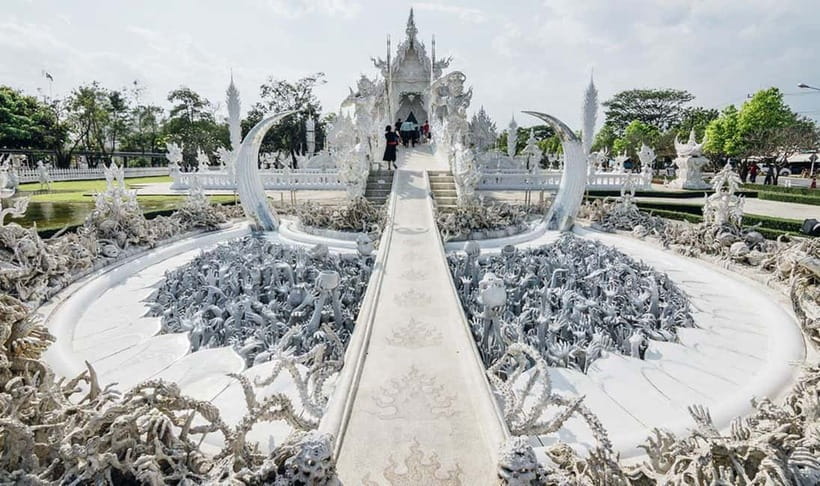
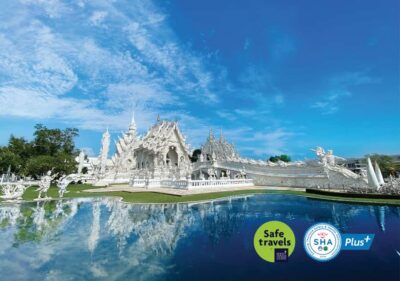
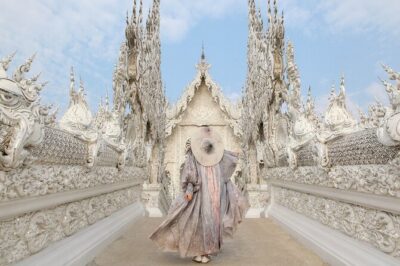
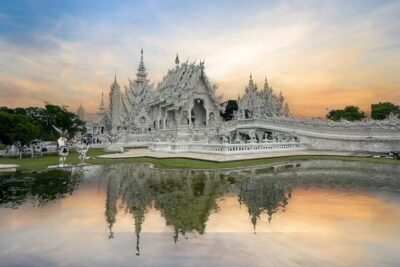
The White Temple, or Wat Rong Khun, is the headline stop. It is a modern structure created by Thai artist Chalermchai Kositpipat, whose ambition was to give Chiang Rai its own great landmark. The building is famous for its bright white surface and highly imaginative design.
I like the way this stop challenges the usual idea of a Thai temple. You are not simply looking at an old religious building with a long past. You are looking at a living art project, shaped by one artist’s personal vision. That makes the visit especially useful if you want something beyond the standard temple circuit.
The White Temple can also be visually intense. Its design asks for close attention, and you may find yourself spending more time looking at details than taking a quick photograph. Bring a hat and sunscreen, since this is an outdoor sightseeing day and shade may not always be available.
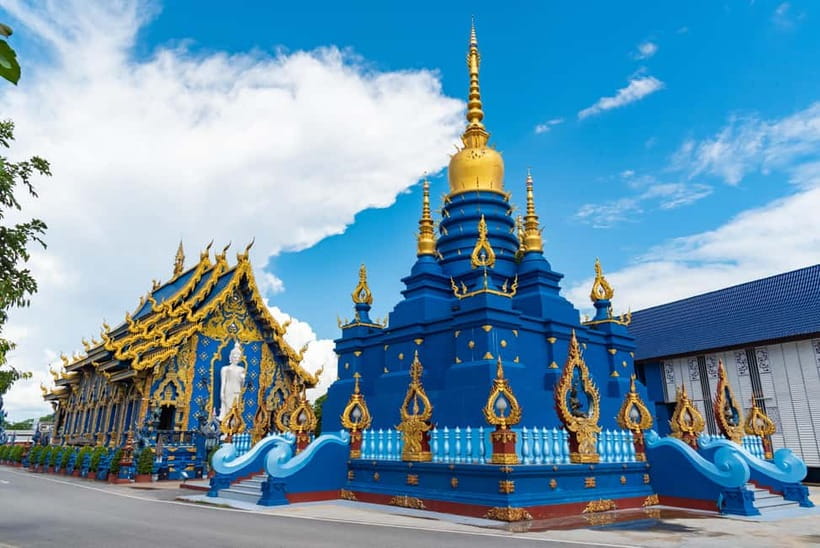
The Blue Temple, or Wat Rong Suea Ten, offers a different mood. Its strong blue color and detailed Buddhist imagery make it immediately memorable. Here, Chiang Rai’s modern artistic style works alongside traditional religious forms rather than replacing them.
I like this stop because it helps you compare the city’s creative approach. The White Temple feels dreamlike and otherworldly. The Blue Temple uses color and Buddhist symbolism in a more direct way. Seeing both on the same day gives you a better sense of Chiang Rai’s identity than visiting either one alone.
The Black House is the odd one out. Often called the Black Temple, it is not really a temple. It is a museum and art complex connected with the work of Thai artist Thawan Duchanee. The setting and objects are designed to provoke a reaction, and the experience may not suit everyone.
That difference is important. If you enjoy unusual art, folklore, and places that raise questions, you may find the Black House fascinating. If you prefer traditional temples, it may feel strange or uncomfortable. One practical criticism of the route is that some visitors would prefer less time here and more time near the Mae Kong, or Mekong, River later in the day. Keep that preference in mind when deciding if this packed itinerary suits you.
More White Temple and Blue Temple Tours in Chiang Rai:
- From Chiang Mai: Chiang Rai Temples and Golden Triangle Tour
★ 4.5 · 1,770 reviews - From Chiang Rai: Famous Temples and Golden Triangle Day Tour
★ 4.7 · 115 reviews - Chiang Rai: 3 Temples and Golden Triangle 1 Day Tour
★ 4.8 · 37 reviews
Why the White Temple deserves your attention
The White Temple is more than a quick photo stop. Its modern design gives you a chance to think about how religious art changes over time. The attraction combines a temple setting with the imagination of a single artist, making it different from older northern Thai sites.
I would pay attention to the contrast between the building’s pale appearance and its more unusual artistic details. The effect is deliberately dramatic. It is meant to make you pause, look twice, and perhaps wonder what the artist is trying to say.
This is also the stop most likely to draw people who are not normally interested in temples. The attraction works as architecture, sculpture, and cultural expression at the same time. You do not need a background in Thai religion to appreciate the visual impact, though a guide can help explain the ideas behind it.
The price of the tour makes this especially useful. For the listed $43 per group up to one person, you are not just paying for one temple visit. You are getting transportation across several parts of Chiang Rai Province, a guide, lunch, and a full day of sightseeing. Still, calculate the final cost carefully because admission charges are extra.
The Blue Temple and Chiang Rai’s modern style
The Blue Temple is a strong follow-up to the White Temple because the contrast is easy to see. Instead of the White Temple’s pale surfaces, you get a bold blue interior and exterior style. Instead of standing apart from Buddhist tradition, the site connects modern color and design with familiar religious imagery.
I find this kind of comparison more rewarding than visiting a string of similar temples. You can see how artists in Chiang Rai use color, shape, and symbolism in different ways. The stop also gives the day some variety after the first major attraction.
The tour includes an English-speaking guide, which matters here. A guide can explain what you are seeing and help connect the artistic choices to the wider culture of northern Thailand. The supplied information does not name the guide, so you should not expect a particular person when booking.
As with the White Temple, dress and behavior should be respectful at a religious site. The tour specifically recommends bringing a hat and sunscreen. It also prohibits alcohol and drugs, and pets are not allowed.
The Black House is strange by design
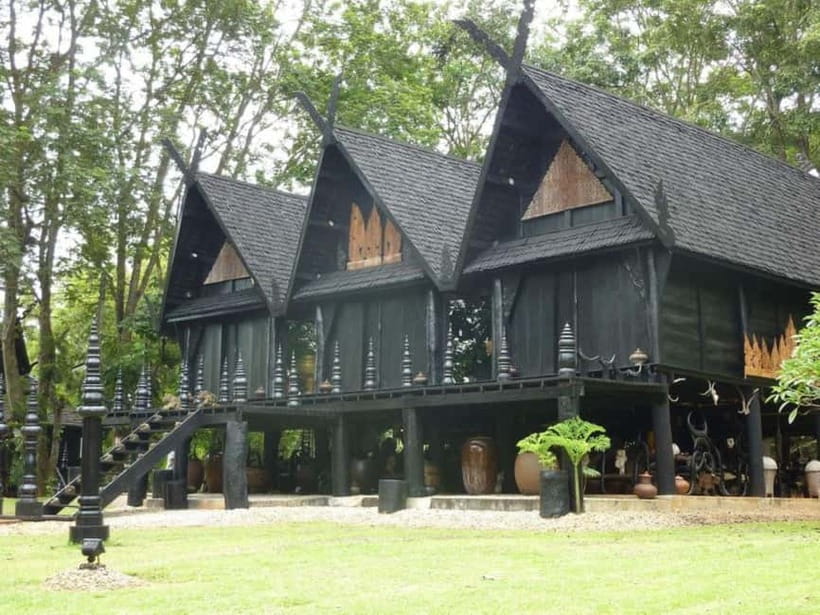
The Black House is likely to be the most divisive stop. It is an art museum, not a working temple, and its objects and style are intentionally unusual. You may love the dark, symbolic atmosphere, or you may decide that the visit is not for you.
I would treat it as a short introduction to a different side of Thai art rather than expecting a conventional cultural attraction. The site is valuable because it breaks up the religious focus of the morning and shows that Chiang Rai’s creative identity is not limited to Buddhist architecture.
Time management matters here. This is a one-day tour with several major stops still ahead. If you are more interested in rivers, border history, or tea than art, you may wish for less time at the Black House. That is one of the clearest compromises in the itinerary.
A few more temple visits around Chiang Rai worth a look
- Chiang Rai: Iconic Temples & 7 Major Sites—River View Buffet
★ 4.9 · 692 reviews - Chiang Rai: White, Blue, Red Temples, Long Neck Tour
★ 4.8 · 652 reviews - Chiang Rai: Half Day Tour – 3 Famous Temples & Lalita Cafe’
★ 5.0 · 79 reviews - Chiang Rai: 3 Temples, Long Neck Village & Lalitta Café
★ 4.7 · 63 reviews
The Golden Triangle and the Mekong region
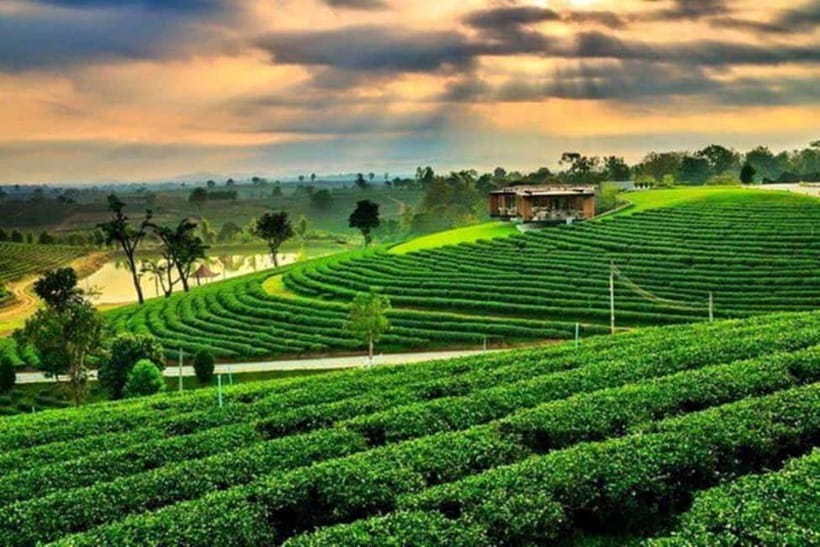
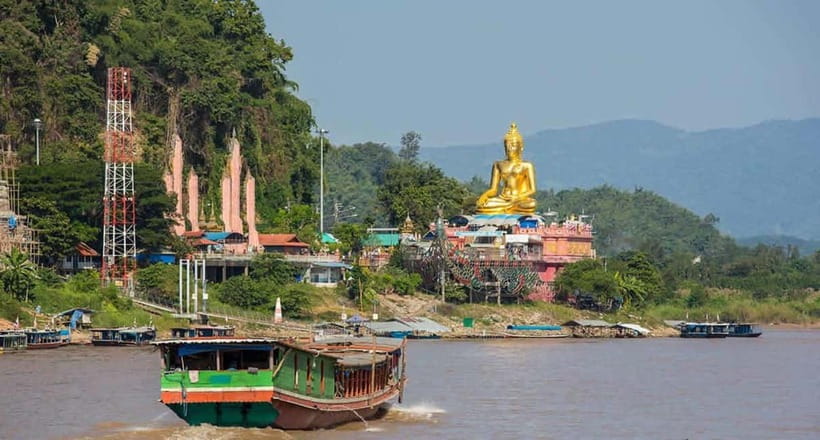
After the Chiang Rai art stops, the route heads toward the Golden Triangle. This area is known for the meeting point of Thailand, Laos, and Myanmar, with the Mekong River forming an important part of the setting.
The Golden Triangle gives the day a wider regional focus. You move from individual artists and temple design to borders, trade routes, and the geography of mainland Southeast Asia. The experience is not only about looking at a river. It places northern Thailand within a larger map.
The available details do not promise a boat ride or a specific viewpoint, so do not book this expecting those additions. What is confirmed is a visit to the Golden Triangle area, with time also allocated to the Mae Kong region. If you want a longer, slower river visit, the packed schedule may feel limiting.
This section is also where the day’s pace becomes more noticeable. The tour begins in Chiang Rai, visits several sites, travels north, and returns to Chiang Rai in the evening. The air-conditioned minibus will make the route more comfortable, but you should still expect a long day on the road.
Tea plantation views and a slower change of pace
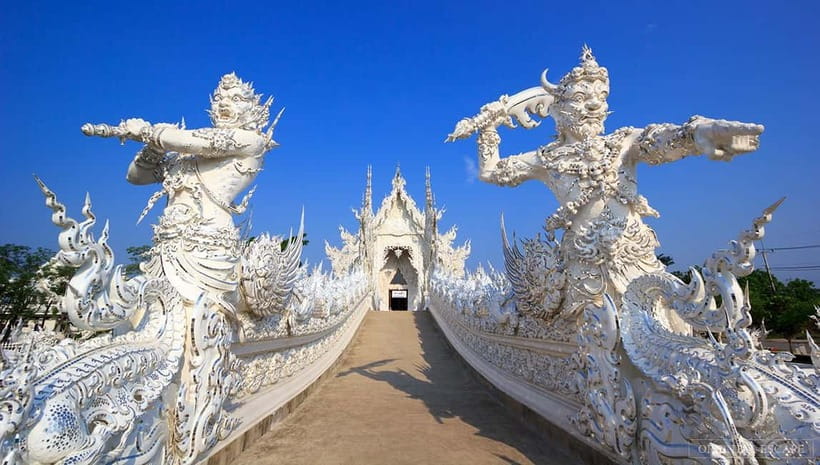
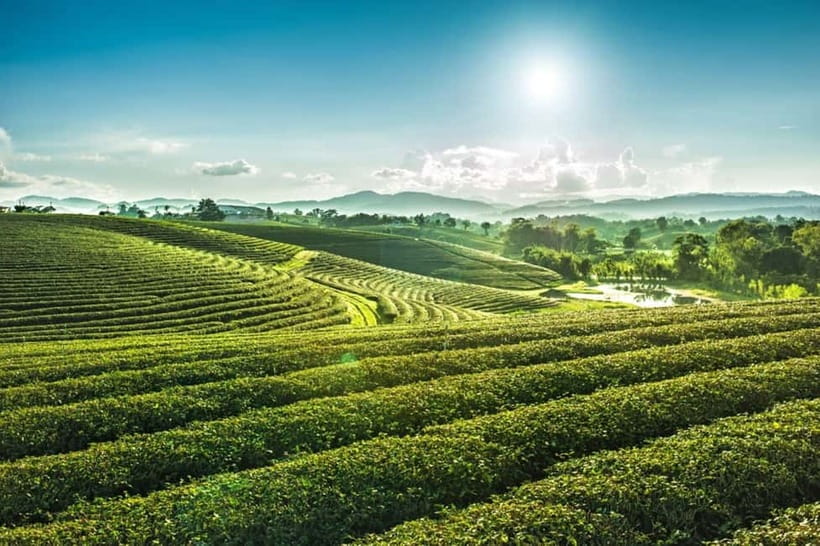
The tea plantation adds a welcome change after the temples and border region. Tea fields offer a quieter setting and a chance to see another part of Chiang Rai’s economy and rural character.
The information provided does not name the plantation or promise a tasting, so keep expectations practical. You are guaranteed a visit to a tea plantation, not a specific tea ceremony or farm activity. Even so, the stop adds variety and gives you a break from buildings and museums.
I like the structure of this day because the attractions do not all ask the same thing from you. The temples require close looking. The Golden Triangle gives you geographical context. The tea plantation provides open views and a different pace. The downside is that each place receives only part of one day.
Bring water, though drinking water is included. Sunscreen and a hat are sensible for the plantation and other outdoor stops. Comfortable clothing will also help, especially since the activity includes repeated boarding and leaving the minibus.
A Karen hilltribe village, approached with care
The itinerary includes a visit to a Karen hilltribe village. This can be a meaningful part of the day because it introduces you to a community and cultural setting different from the city’s temples.
At the same time, village visits need a respectful attitude. You are not simply adding another photo stop to a checklist. Pay attention to how the visit is presented, ask questions through the guide, and avoid treating people or homes as scenery.
The supplied details do not explain which Karen community you will visit, what activities are included, or whether shopping is part of the stop. I would therefore avoid assuming that the visit includes a performance, a craft demonstration, or a particular meeting with residents. The confirmed point is the village visit itself.
This is one reason the small group matters. A maximum of 10 participants is easier to manage than a large coach group, particularly in a community setting. The private English-speaking guide should also help you understand local context, though the depth of that explanation may depend on the guide assigned that day.
What to expect at the Opium Museum
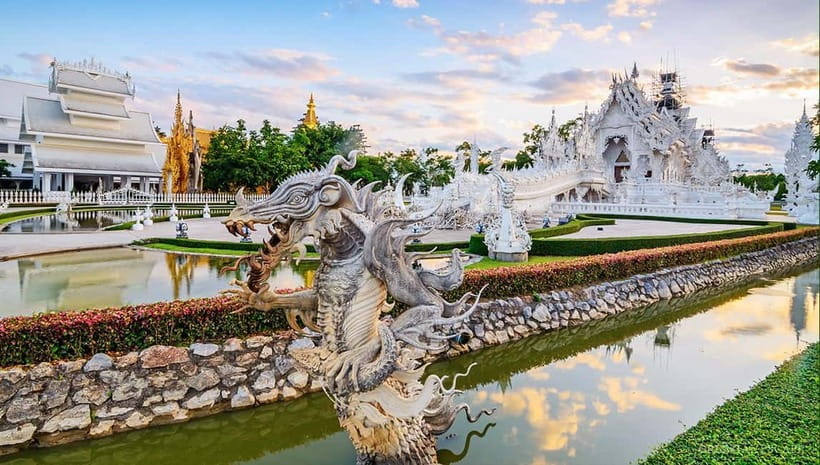
The Opium Museum adds historical and social context to the Golden Triangle area. Its subject is serious, and the museum may feel more educational than scenic. It helps explain why this border region has attracted so much attention.
The museum will not suit every schedule. One person who enjoyed the overall tour would have preferred skipping it in favor of another stop. That is useful advice if your main interests are temples, tea, and river views rather than the history of opium production and control.
I would keep an open mind, but I would also recognize that museum time has an opportunity cost. On a one-day route, every stop reduces time somewhere else. If the Mae Kong is your priority, ask the guide early about the day’s timing. The itinerary may not allow major changes, but you will at least understand how much time remains.
Lunch, transport, and the real value of $43
The listed price is $43 per group up to one person. Because pricing formats can vary by booking date and group size, check the final total before paying. The value is strongest if you want a guided private arrangement without organizing transport between distant sites yourself.
Included are pickup and drop-off within roughly 5 to 6 kilometers of Chiang Rai city center, air-conditioned minibus transport, a private English-speaking guide, buffet Thai lunch, drinking water, and travel accident insurance. Vegetarian food can be arranged, and you should tell the guide about allergies or other dietary restrictions in advance.
The main extra expense is admission. Standard fees for the temples and places visited are not included, and the amount is not specified in the supplied information. Bring cash and allow room for these charges, along with any souvenirs or personal purchases. Tips are also excluded.
For value, I would compare this tour with the cost of arranging a private vehicle, driver, guide, lunch, and several separate admissions. The tour’s advantage is convenience and coverage. Its weakness is that the schedule must serve many interests in one day.
Pickup is free within the stated city area. If you stay outside Chiang Rai, contact the provider before booking to confirm arrangements. The tour returns to Chiang Rai in the evening, so it works best when you have a full day available and do not need to reach another destination afterward.
Who should book this Chiang Rai day trip?
I would recommend it to you if you want a broad first look at Chiang Rai Province. It suits curious sightseers who like modern art, temples, border regions, museums, and rural stops in one package.
It is also a good fit if you value a small group and do not want to drive. A maximum of 10 participants is a reasonable size, and the air-conditioned minibus is helpful on a long route.
I would be more cautious if you prefer slow travel. The tour covers many sites, so you cannot expect long, unhurried visits everywhere. Art lovers may want more time at the White Temple and Black House, while river-focused visitors may want more time around the Golden Triangle.
The tour is not suitable for wheelchair users or people over 70, according to the stated restrictions. It also may not suit anyone who dislikes long days, repeated vehicle transfers, or outdoor heat.
Should you book it?
Book this tour if you want maximum variety in one day and are happy to pay entrance fees separately. The strongest parts are the White Temple, Blue Temple, and the combination of the Golden Triangle with the tea plantation.
Think twice if you want a relaxed day or if the Opium Museum and Black House do not interest you. For the best experience, carry cash, wear sun protection, tell the guide about food restrictions, and decide before departure whether art, the Mekong, or village culture matters most to you. That will help you use your limited time wisely.
FAQ
Is pickup included in Chiang Rai?
Yes. Free pickup and drop-off are included within approximately 5 to 6 kilometers of Chiang Rai city center. If you stay outside the city, contact the provider for more information.
Are temple entrance fees included?
No. Standard fees for the temples and other places are not included. Bring cash to pay these charges separately.
What does the $43 price include?
The listed price is $43 per group up to one person. The package includes air-conditioned minibus transport, a private English-speaking guide, Thai buffet lunch, drinking water, travel accident insurance, and pickup and drop-off within the stated city area.
Is lunch suitable for vegetarians?
Vegetarian food can be provided upon request. Tell the tour guide about vegetarian needs, allergies, or other dietary restrictions in advance.
How large is the group?
The activity is limited to 10 participants. It includes an English-speaking guide and transport by air-conditioned minibus.
Is the tour suitable for wheelchair users or people over 70?
No. The activity is listed as not suitable for wheelchair users or people over 70 years old.
Just added around Chiang Rai
- Private trip Chiang Rai Day trip, White Temple, Blue temple★ 4.8 · 13 reviews
- From Chiang Mai: Day Trip Chiang Rai White, Blue, Red Temple★ 5.0 · 4 reviews
- From Chiang Mai : 3 Temples & Golden Triangle with Lunch★ 4.5 · 17 reviews
- Chiang Rai: Temple Treasures & Popular Sightseeings (Buffet)★ 4.7 · 10 reviews
- ChiangRai:Full Package!Temples,Long Neck,The Golden Triangle★ 4.7 · 9 reviews
- Chiangrai : Half Day Tour 3 Famous Temples / (Private tour)★ 5.0 · 4 reviews
- Chiang Rai:Photos of traditional Thai costumes,White Temple★ 4.9 · 26 reviews
- Chiang Rai: Private 1 Day Temple Tour★ 5.0 · 7 reviews
White Temple & Blue Temple Tours, compared.
Chiang Rai White Temple and Blue Temple Day Tour
Read our review →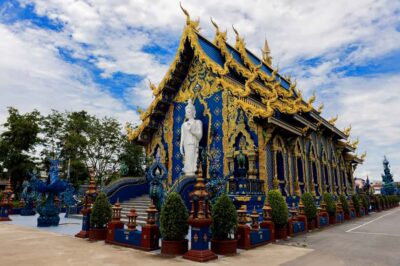
Chiang Rai White Temple, Blue Temple and more from Chiang Mai
Read our review →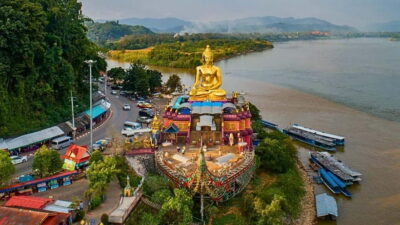
Chiang Rai Temples, Golden Triangle & Boat Tour
Read our review →
Visit Dantewada(Angel Land), Blue Temple, and Sticky Waterfall
Read our review →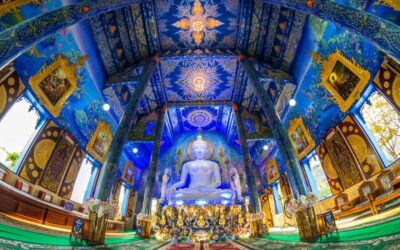
One Day Tour Chiang Rai(White Temple , Blue Temple, Black House) Private Tour
Read our review →Browse the lists this tour appears in