
Review · CHIANG MAI
Chiang Mai: Temple & City Tour Part II
Old Chiang Mai rewards slow feet. This temple walking tour links Wat Chiang Man, Wat Chiang Yuen, Wat Pa Pao, and Wat Ku Tao, giving you more than the usual postcard stops. I like the route’s focus on local history and its low-impact approach, and I like that guides such as Katoon and Big explain Buddhism through personal experience. The main drawback is simple: you will walk for hours in Chiang Mai’s heat.
You will start at 8:20 am, with a guide speaking English, Chinese, or Thai. The tour works especially well for anyone who wants context, not just photographs. It is also worth noting that some bookings may run as private or small-group walks, and the guide assigned to you can vary. Comfortable shoes, water, an umbrella, and cash will make the day easier.
Key points at a glance
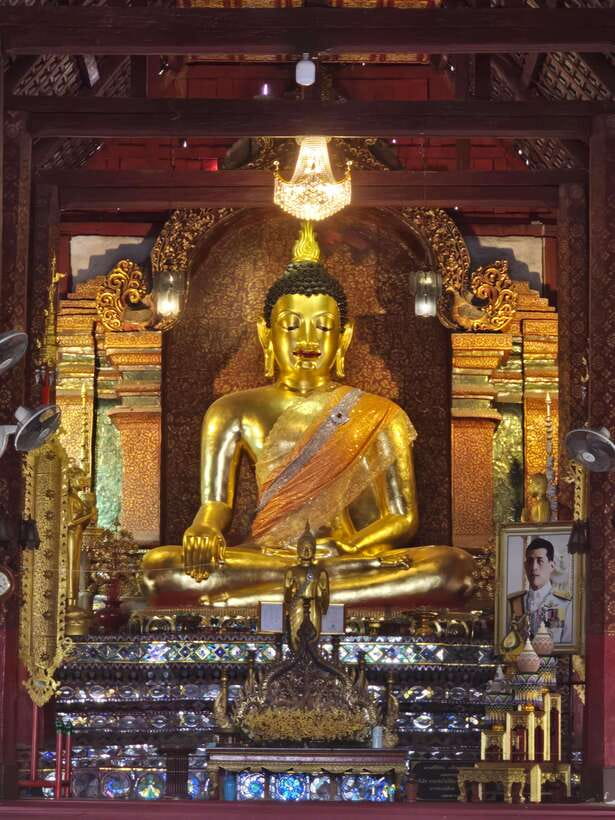
- Four temples with four different stories: You visit Wat Chiang Man, Wat Chiang Yuen, Wat Pa Pao, and Wat Ku Tao rather than seeing four versions of the same building.
- A strong Buddhist focus: Guides explain temple customs, prayer, meditation, Buddha stories, and monastic life.
- Former-monk insight may be available: Katoon and Big have shared firsthand knowledge of life as a monk, adding useful context to the artwork and rituals.
- A proper walking day: The route is considered manageable, but several hours on foot can be tiring, especially in hot weather.
- Good value at $31: The fee includes a guide and walking tour, with hotel pickup and drop-off included only for the private option.
- A quieter side of Chiang Mai: Wat Pa Pao and Wat Ku Tao offer Shan and Burmese connections that are easy to miss on a standard city visit.
Why this walking route is worth your time
Chiang Mai has no shortage of temples. You can visit several around the old city on your own, but the buildings can blur together unless someone explains what you are seeing. This walk solves that problem by linking temples with different dates, styles, communities, and religious roles.
I particularly like the choice of stops. Wat Chiang Man gives you the city’s earliest royal chapter. Wat Chiang Yuen brings in the history of the Shan people. Wat Pa Pao shows a Shan Burmese style, while Wat Ku Tao connects Chiang Mai with Burmese rule.
That variety gives the day a clear shape. You are not simply ticking off four shrines. You are watching Chiang Mai change through architecture, migration, royal power, and Buddhist practice.
The tour is listed as a one-day activity beginning at 8:20 am. Some participants describe their walk as an afternoon experience, so confirm your exact starting time when booking. The group may be private or small, and the guide can explain details at a pace suited to your questions.
A few more temple visits around Chiang Mai worth a look
- Chiang Mai: Chiang Rai Temples, Karen Tribe and Hot Springs
★ 4.7 · 5,401 reviews - Chiang Rai White Temple and Blue Temple Day Tour
★ 4.6 · 3,366 reviews - Chiang Mai: White, Red/Black & Blue Temples Tour with Lunch
★ 4.2 · 2,017 reviews
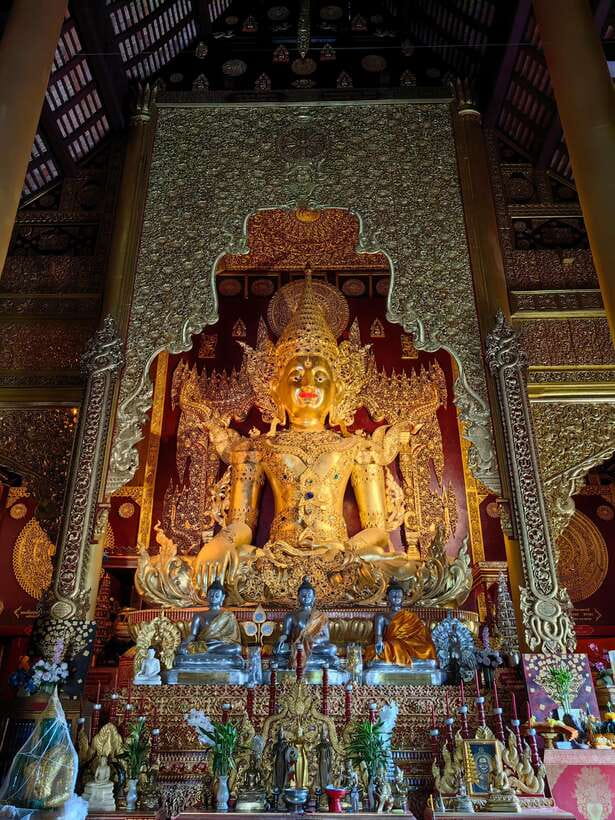
Wat Chiang Man, Chiang Mai’s oldest temple
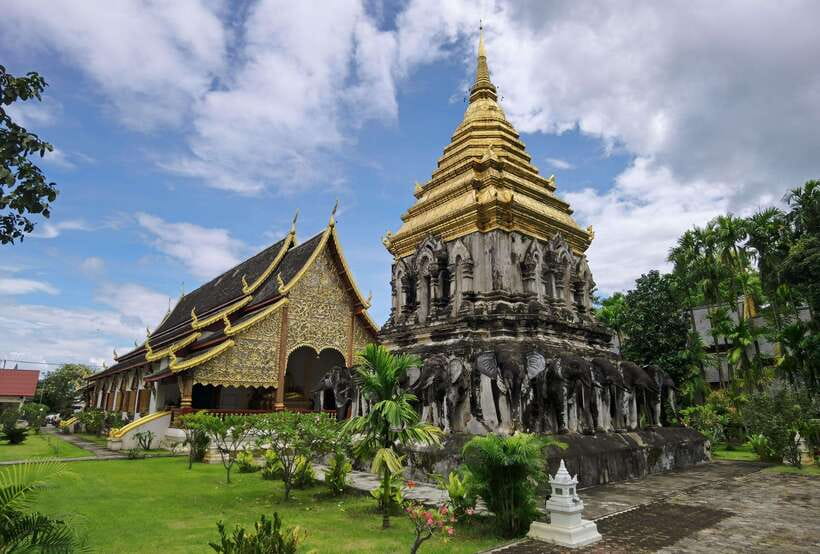
Your first stop is Wat Chiang Man, built in 1296 by King Mengrai. That date matters. Chiang Mai itself was founded in the late 13th century, so this temple belongs to the city’s earliest period.
The temple is associated with a crystal Buddha statue, one of the important sacred images connected with the site. Your guide can help you understand why such images matter within Thai Buddhism, rather than leaving you to admire the statue without context.
This is also a useful place to learn basic temple manners at the beginning of the walk. Guides have shown participants how to pray, how to enter temple spaces respectfully, and how to behave around monks and Buddha images. That early instruction helps you feel less awkward at the later stops.
Do not expect a quick photograph and a move-on approach. Guides such as Katoon have been praised for discussing Buddhist beliefs, stories of the Buddha’s previous lives, and the meaning of scenes shown in temple art. The value is in connecting the visual details with the beliefs behind them.
Wat Chiang Yuen and the story of the Shan community
Wat Chiang Yuen offers a different angle. This 16th-century temple sits in an area that once served as a residential place for the Shan people.
That detail gives the walk a wider social frame. Chiang Mai’s story is not only about kings and grand temples. It also includes communities who moved through the region, settled there, practiced their own traditions, and helped shape the city’s religious life.
You may find this stop less immediately famous than Wat Chiang Man, but that is part of its appeal. A guide can point out why its setting and background matter, then compare it with the other temples on the route.
If your interest is local culture, this is one of the stops that makes the $31 fee worthwhile. You are paying for the link between place and people, not simply admission to a building.
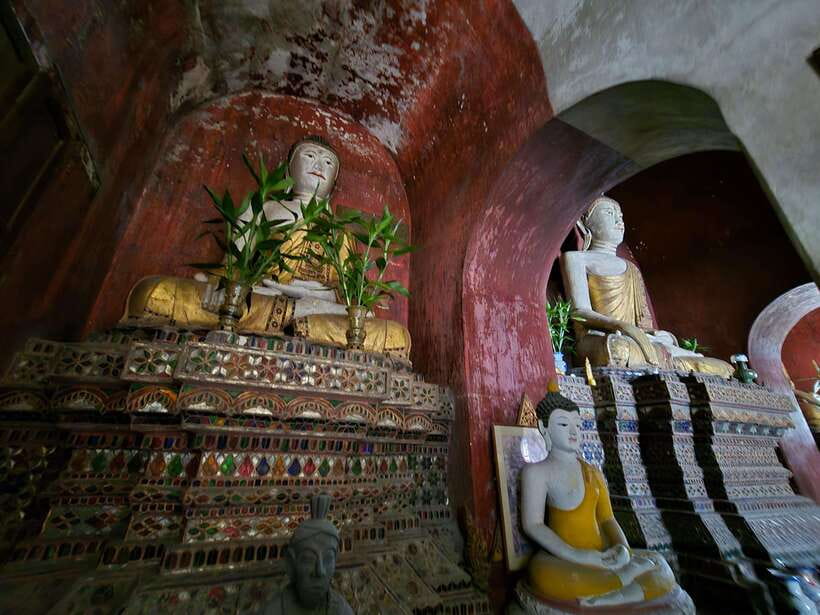
Wat Pa Pao and Shan Burmese design
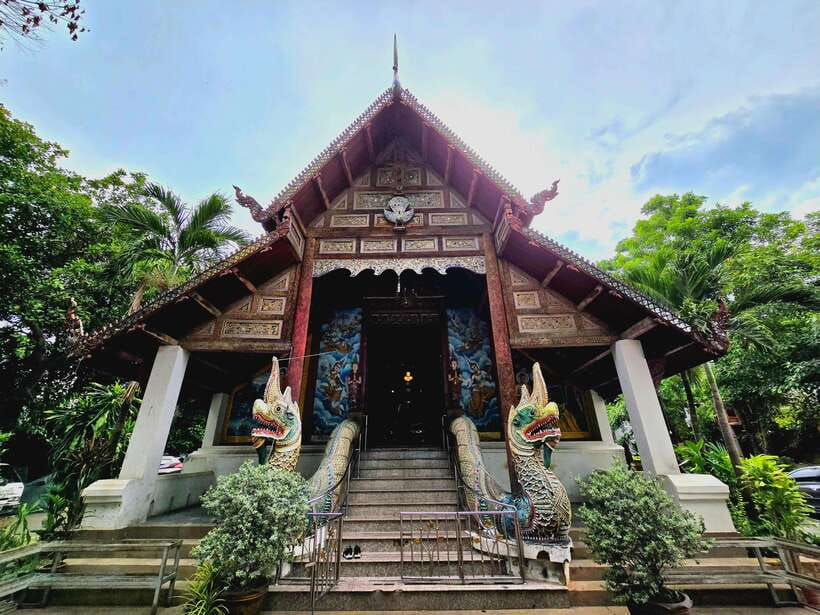
Wat Pa Pao sits outside Chiang Mai’s old city walls and moats. It is a Shan Burmese style temple, giving the walk a visual and cultural shift from the earlier stops.
The temple’s identity reflects the movement of people and ideas across the region. You can look at its forms and decoration as part of Chiang Mai’s connections with neighboring cultures, not as an isolated local style.
This is where a guide’s explanation can save you from missing the point. Without context, you might see a temple that looks different and simply take a picture. With a good explanation, you can understand that the difference reflects a particular Shan and Burmese tradition.
The stop also helps break up the route. The four temples are not presented as one long lesson in the same architectural style. Each one gives you a new question to consider: who built it, who used it, and what wider history does it reflect?
Same place, a different morning at the gates:
- Chiang Mai: Doi Suthep and Wat Umong Enchanting Evening Tour
★ 4.6 · 1,811 reviews - Chiang Mai: 3 Hour Old City and Temples Guided Walking Tour
★ 4.6 · 1,568 reviews - Chiang Mai: Doi Suthep, Wat Umong, and Pha Lat Sunrise Tour
★ 4.7 · 1,425 reviews - Chiang Rai Temples: Private Tour from Chiang Mai
★ 5.0 · 1,267 reviews
Wat Ku Tao and a Burmese ruler’s memorial
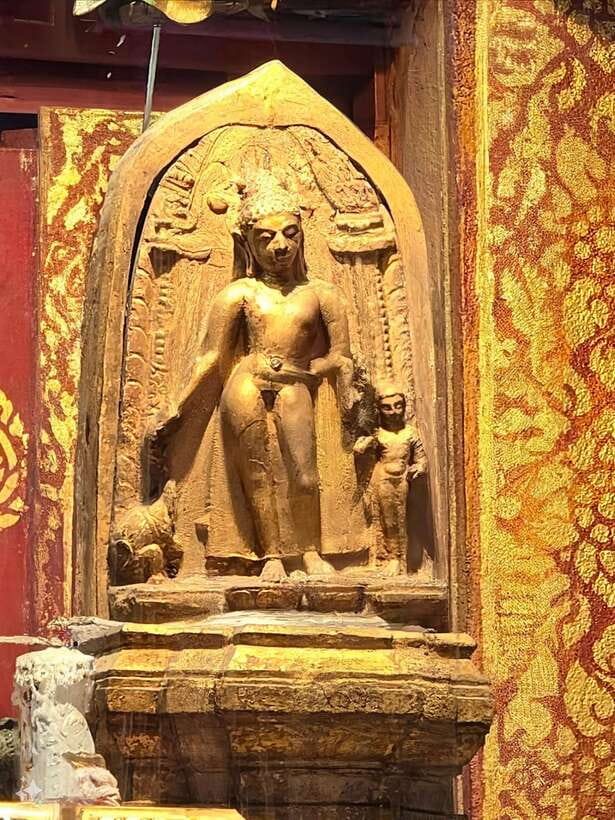
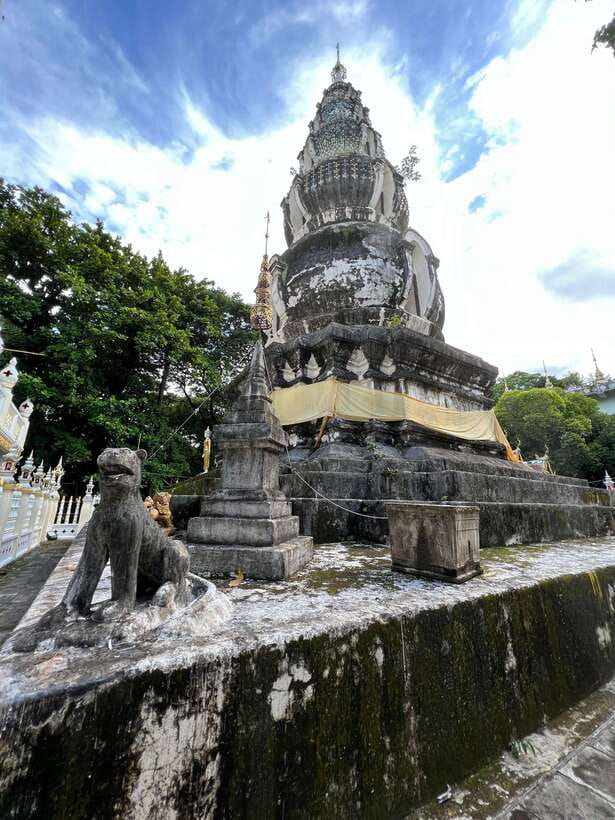
Wat Ku Tao is perhaps the most unusual stop on the walk. Its chedi is thought to have been built in 1613 to hold the ashes of Prince Saravadi, who lived from 1578 to 1607 and was the first Burmese overlord of Chiang Mai.
That story gives the temple a political edge. Chiang Mai’s past includes periods of Burmese control, and Wat Ku Tao preserves part of that complicated connection.
The chedi is visually distinctive, and its purpose makes it more than an attractive structure. Ask your guide about the relationship between memorials, royal authority, and Buddhist sites. This is the sort of question that turns a sightseeing stop into a useful history lesson.
One advantage of this route is that the guide can point out places you might not choose alone. Several participants appreciated seeing temples they would have missed without local direction. Wat Ku Tao is a good example of that value.
Buddhism explained through real questions
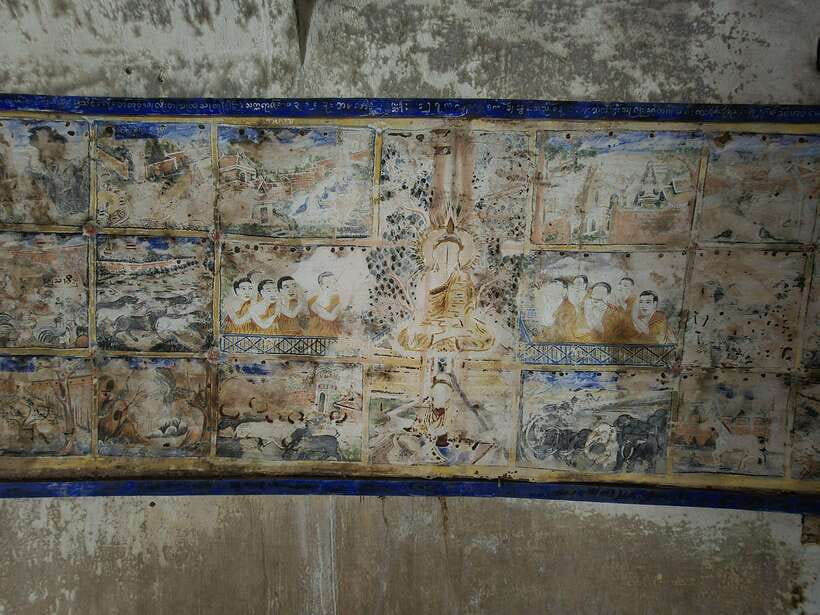
The strongest part of this experience is the chance to ask questions. You can ask what monks do, how prayer works, why certain images appear in temple art, or how Buddhism shapes daily life in Thailand.
Several guides have made this personal. Katoon is a former monk, and one participant described learning about monastic life, meditation, Buddhist stories, and the food monks eat. Another guide, Big, also drew on his experience as a monk while explaining the temples and showing basic prayer customs.
That does not mean every guide will offer the same background. Guide assignments can vary, and one participant noted that a guide was still improving his English. Still, the experience has a clear religious and cultural purpose, and the guides are expected to speak English, Chinese, or Thai.
I would book this walk if you want to understand Buddhism in practical terms. It is less suited to you if you only want a fast circuit of famous photo stops.
The pace, heat, and physical effort
The walking is described as relatively easy, but easy does not mean effortless. You will be on your feet for hours, and Chiang Mai’s heat can make a moderate route feel much longer.
One participant specifically warned about the heat, while another said that combining this tour with Part I on the same day left their feet exhausted. That is useful advice. If you book both parts, allow real time for lunch and rest rather than treating them as one continuous sightseeing push.
Wear shoes you can walk in comfortably. Bring drinks, an umbrella, and cash. The umbrella can provide protection from sun as well as rain, and the water matters more than any camera accessory.
The activity is not suitable for wheelchair users, children under two, babies under one, or pregnant women. Baby strollers are not allowed. Short skirts are also not allowed, so dress with temple etiquette in mind. You should also avoid smoking indoors, alcohol, drugs, intoxication, drones, loud behavior, and sharp objects.
Guides who add more than directions
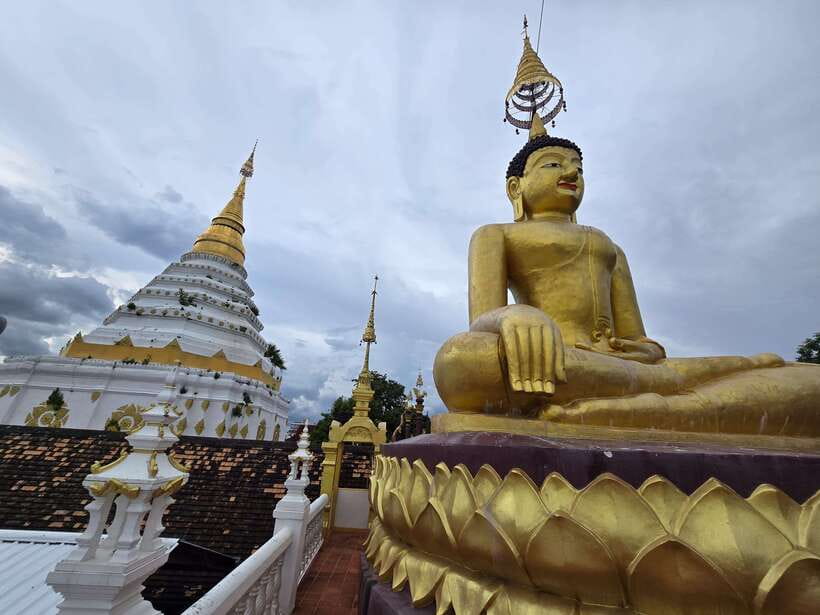
The guide is the main reason to choose this experience over walking between the temples alone. The best moments come when an explanation leads to a question, then the answer opens up another part of Thai life.
Katoon has received especially warm praise for patience, Buddhist teaching, and personal stories from his years as a monk. Participants have also appreciated his ability to find quieter temple spaces and arrange access to areas that were not open at that moment to everyone.
Eddy was praised for being friendly, attentive, and helpful with photographs. Son was described as relaxed and generous with his time while explaining Buddhism, temple history, and Thai culture. Big has been praised for showing how to pray and explaining monks’ daily lives.
These names should not be treated as a guarantee that you will receive a particular guide. They do show the range of strengths associated with the experience: history, religion, local customs, personal stories, and practical care.
If photographs matter to you, mention it to your guide. One-on-one and small-group formats can make it easier to pause for pictures without holding up a large group.
What $31 buys you
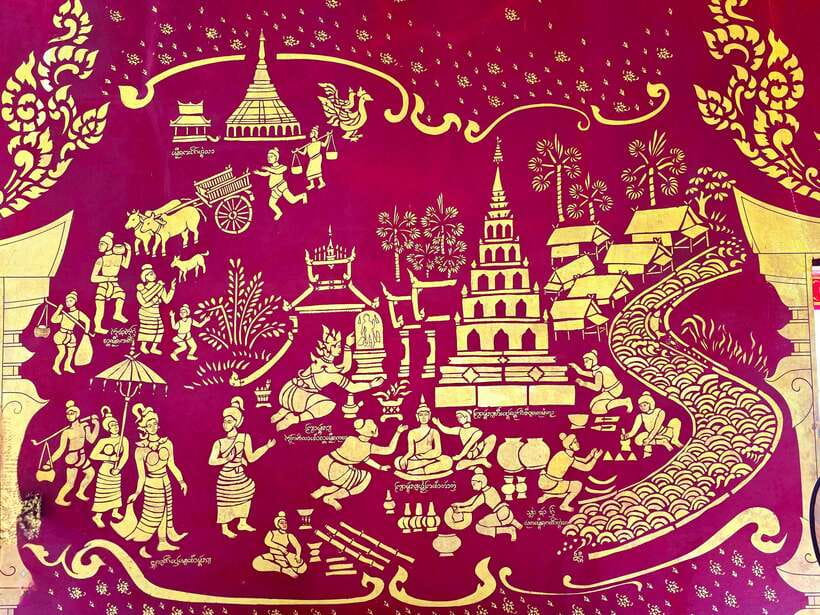
At $31 per person, this is a fair price for a full walking day with a guide. You are not paying for transport between every stop, meals, or drinks. You are paying for the guide’s time, explanations, route planning, and cultural interpretation.
The value is strongest if you would otherwise visit the temples without understanding their connections. The price also compares well if you choose a small group and receive plenty of time for questions.
Private bookings include hotel pickup and drop-off. That benefit matters if you prefer not to find the meeting point yourself, but it is not listed as part of the standard shared option.
Food and extra drinks are not included. Plan to eat before or after the activity, and carry enough cash for personal needs.
The tour also places emphasis on reducing environmental impact and offsetting carbon emissions. Since the main activity is walking rather than relying on constant vehicle transfers, that approach fits the route well.
Booking details that can save frustration
The meeting-point information deserves care. One participant had trouble with a plus-code address and found that taxi drivers and hotel staff could not easily identify it. If your confirmation uses a code such as QXRP+3WX, check the map and meeting instructions before the morning of the tour.
Arrive early. The same participant left well ahead of time, still arrived five minutes late, and found the meeting point confusing. A clear landmark, such as the Three Kings Monument, may be easier to recognize, but confirm the exact location with the provider rather than guessing.
Free cancellation is available up to 24 hours before the activity for a full refund. You can also reserve now and pay later, which helps if your Chiang Mai schedule is still shifting.
Who should book this temple walk?
I would recommend it to you if you enjoy history, religion, architecture, and local stories. It is especially suitable if you want to ask questions about Buddhism or if you have already seen the best-known temples and want a more focused route.
It also works well as a companion to Part I. Just do not underestimate the walking if you schedule both on one day.
You may want a different activity if you have limited mobility, dislike heat, need frequent transport, or prefer a short sightseeing visit. The route is not designed for wheelchairs, strollers, very young children, or a completely sedentary day.
Should you book Chiang Mai Temple and City Tour Part II?
Book it if you want four temples explained as part of Chiang Mai’s story, rather than four quick stops on a checklist. Wat Chiang Man gives you the city’s beginning, Wat Chiang Yuen and Wat Pa Pao bring in Shan culture, and Wat Ku Tao shows the city’s Burmese connection.
The strongest reason to go is the guide. With someone like Katoon or Big, the walk can become an introduction to Buddhist practice and monastic life, not just temple sightseeing. The main caution is the physical effort, heat, and possible difficulty finding the meeting point.
For $31, I consider it good value for an active, thoughtful morning. Bring water, wear respectful clothing, confirm the address, and leave enough energy in your legs for the final temple.
FAQ
What temples does the tour visit?
The route visits Wat Chiang Man, Wat Chiang Yuen, Wat Pa Pao, and Wat Ku Tao.
What time does the tour start?
The stated starting time is 8:20 am. Check the available time when booking because the activity information says to confirm starting times.
How long does the experience last?
It is listed as a one-day activity and involves walking for several hours between temples.
What languages can the guide speak?
Live guides are available in English, Chinese, and Thai.
Is hotel pickup included?
Hotel pickup and drop-off are included if you select the private option.
What should I bring?
Bring an umbrella, drinks, and cash. Comfortable walking shoes and respectful clothing are also sensible for a temple visit.
Can I cancel for a refund?
You can cancel up to 24 hours in advance for a full refund. Reserve-now, pay-later booking is also available.
Just added around Chiang Mai
- Full Day Chiang Rai 3 Temples White, Blue,Big Bhudha Temples★ 4.5 · 11 reviews
- Chiang Mai Temples & City★ 5.0 · 10 reviews
- Chiang Mai Temples and Market Tuk Tuk Night Tour★ 5.0 · 95 reviews
- Private Chiang Mai Temple Tour with Doi Suthep and Wat Umong★ 5.0 · 52 reviews
- Chiang Mai Best City Tour with Doi Suthep & Iconic Temples★ 4.5 · 24 reviews
- Chiang Mai Old City & Temples Guided Walking Tour – 3 Hrs★ 4.5 · 34 reviews
- Chiang Mai Old City & Temples 3 hour Twilight Walking Tour★ 5.0 · 9 reviews
- Chiang Mai Sticky Waterfall Dantewada and Banden Temple Tour★ 5.0 · 6 reviews
Chiang Mai Temple Tours, compared.
Chiang Rai Temples, Karen Tribe and Hot Springs
Read our review →
Chiang Rai White Temple and Blue Temple Day Tour
Read our review →
White, Red/Black & Blue Temples Tour with Lunch
Read our review →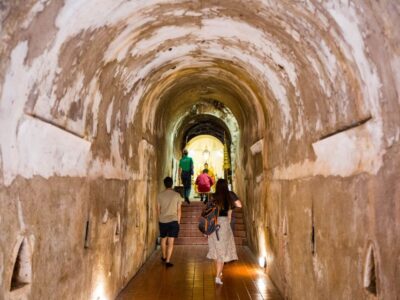
Doi Suthep and Wat Umong Enchanting Evening Tour
Read our review →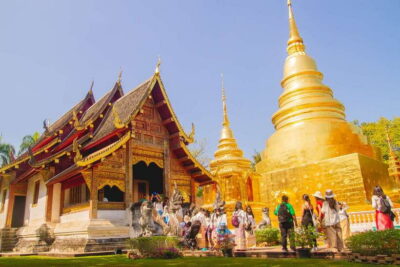
3 Hour Old City and Temples Guided Walking Tour
Read our review →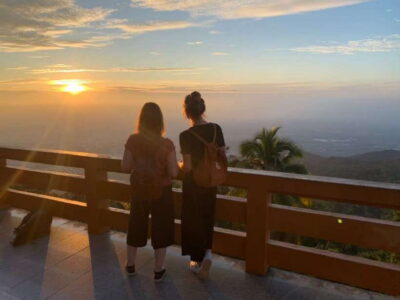
Doi Suthep, Wat Umong, and Pha Lat Sunrise Tour
Read our review →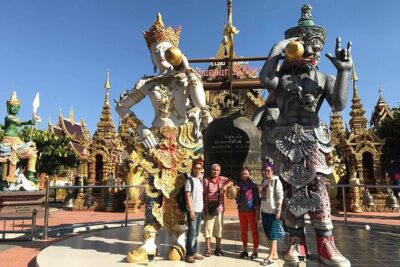
Chiang Rai Temples: Private Tour from Chiang Mai
Read our review →
Browse the lists this tour appears in