
Review · SIEM REAP
Angkor Wat Sunrise Tour
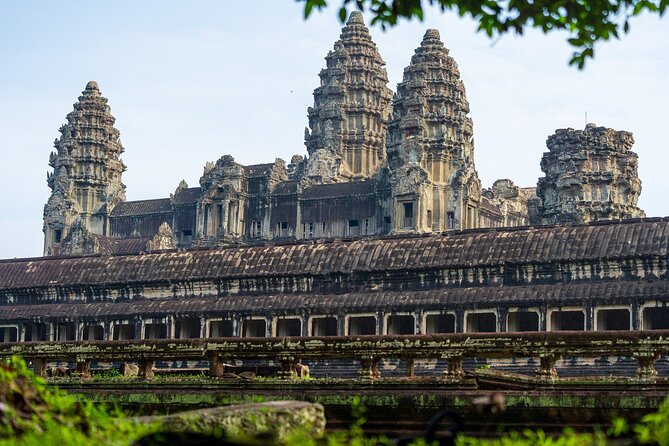
Sunrise makes ancient stones feel alive. This eight-hour tour gives you an efficient first look at Siem Reap’s main temples, with private transport and a licensed English-speaking guide who can explain the monuments, Khmer history, religion, and daily life in Cambodia. I especially like the eastern entrance into Angkor Wat before dawn and the cool towels waiting at the vehicle after long walks.
I also like the range packed into one day: Angkor Wat, Angkor Thom, Bayon, the Terrace of the Elephants, and Ta Prohm. Guides such as Sok, Bun, Pi, Nimol, and Mr. Sokpee have been praised for strong temple knowledge, personal stories, and helpful photography. The main drawback is the very early start, plus the extra $37 temple pass, which makes the real cost $63 per person before food.
Key points to know before booking
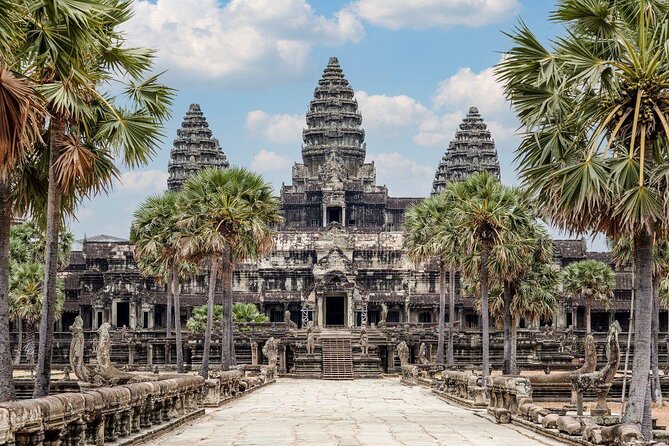
- Angkor Wat begins before sunrise: Hotel pickup starts around 4:30 to 4:45 am, depending on the season.
- The temple pass costs extra: Admission is $37 per person and is paid directly at the site.
- You enter Angkor Wat from the eastern side: This quieter approach lets you explore corridors before the main morning crowds arrive.
- The route covers the essential temples: Angkor Wat, Angkor Thom, Bayon, the Terrace of the Elephants, and Ta Prohm fill roughly eight hours.
- Your group has a private vehicle and guide: The tour is listed as a private activity, so only your own party takes part.
- Bring modest clothing and walking shoes: Shoulders and knees must be covered, and a scarf alone is not accepted for shoulder coverage.
Why an early Angkor Wat start is worth it
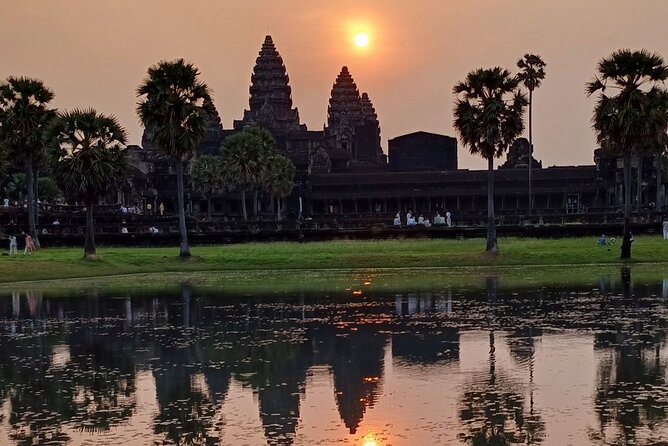
The day begins while Siem Reap is still dark. Pickup is scheduled for about 4:30 to 4:45 am, with the exact time changing through the year. That sounds punishing at first, but it gives you the best chance to see Angkor Wat in the cool hours and reach the temple before the heat builds.
You enter from the eastern side, which is described as less visited than the usual approach. In the pre-dawn darkness, the long corridors and carved stone galleries feel quiet and mysterious. You will need a little care with your footing, but the dim light adds atmosphere to the first part of the visit.
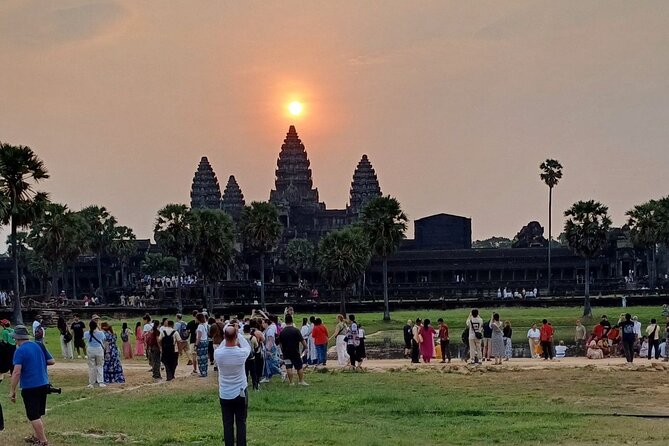
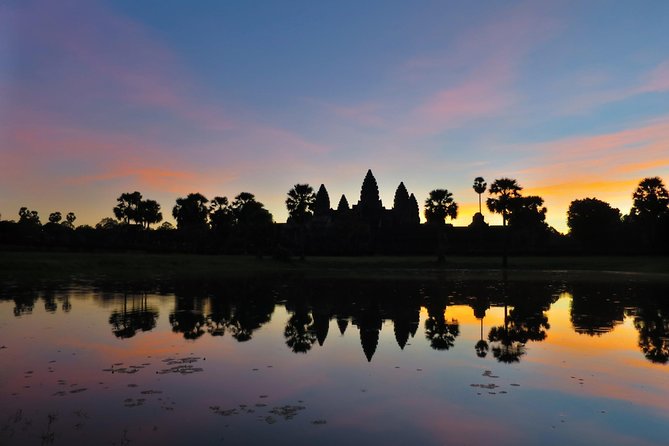
The classic sunrise view is outside Angkor Wat, where the temple’s towers appear against the morning sky. The color and visibility will depend on the weather, so you should treat sunrise as a bonus rather than a guaranteed postcard. The temple itself remains the main event.
The Angkor Wat portion lasts about three hours. That gives your guide time to explain the building, carvings, religious meaning, and role in the Khmer Empire instead of rushing you through the grounds for a photograph.
Several guides have been singled out for making this part especially useful. Sok has explained the social, economic, political, and spiritual sides of Angkor. Mr. Setha has also been praised for placing the temple within Cambodian culture, while Mr. Sokpee’s experience as a former monk gave his explanations of religion extra depth.
More Temple Sunrise Tours in Cambodia
- Angkor Wat Sunrise or Sunset Tour with Guide from Siem Reap
★ 5.0 · 12,109 reviews - Siem Reap: Angkor Wat: Small-Group Sunrise or Sunset Tour
★ 5.0 · 9,444 reviews - Siem Reap: Angkor Wat 2-Day Tour with Sunrise and Sunset
★ 4.9 · 4,429 reviews
The $63 real cost and what you receive
The advertised tour price is $26 per person. The temple pass is not included and costs another $37 per person, bringing the basic total to $63. Food and other drinks are also extra.
At that price, the tour is good value if you want a full day arranged around the major sites. You receive hotel pickup and drop-off, an air-conditioned vehicle, a licensed English-speaking guide, bottled water, and a cool towel. Those practical extras matter in Cambodia’s heat, particularly after walking across broad temple courtyards.
The value is less clear if you only want a quick sunrise photograph and a short visit. In that case, you are paying for a long itinerary and several hours of guided sightseeing. The tour makes more sense for a first visit, when you want context and transport rather than simply reaching Angkor Wat on your own.
The vehicle also gives you a place to cool down between stops. That is useful because the temples require much more walking than the promotional price alone might suggest. Comfortable shoes are a must.
The tour accepts group bookings and offers group discounts, but the activity is described as private, with only your own party participating. That combination makes it worth confirming the exact price for your party size before booking.
Angkor Wat: three hours among galleries and towers
Angkor Wat is not a quick photo stop. The complex includes long corridors, galleries, courtyards, and carved surfaces that reward a slow pace. Your guide can point out details that are easy to miss when you are focused only on the central towers.
The pre-dawn entry is the most distinctive part of this tour. You first experience the temple with limited light, then watch the morning arrive around the outer grounds. The change from darkness to daylight gives the visit a natural rhythm.
This is also when a guide adds the most value. The temple can feel overwhelming because of its scale. A good guide helps you understand what you are looking at, from religious symbolism to the wider role of Angkor as the center of a powerful Khmer state.
The strongest praise for this tour has focused on guides who go beyond dates and names. Bun has shared stories about living in Cambodia, while Pak has used an iPad to show older images and closer views of temple details. Nimol and Mr. Pi have also helped with photographs, including positioning couples at good spots.
Photography help is a pleasant extra, but it should not replace time to look carefully. If you want pictures, tell your guide early. If you prefer architecture and carvings, say so as well. The private format should make it easier to adjust the pace to your interests.
Breakfast is not provided by the tour. If your hotel includes breakfast, the practical move is to request a breakfast pack and eat it after sunrise at Angkor Wat. This saves you from starting the day hungry, though the tour itself includes only bottled water and a cool towel.
Angkor Thom and the South Gate
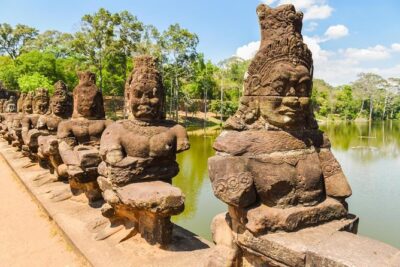
After Angkor Wat, the route moves to Angkor Thom, the ancient capital complex. The South Gate is described as the best preserved entrance, reached by a causeway roughly 50 meters across the moat.
The causeway is lined with stone figures holding a serpent. It is one of the most striking approaches in the park because the entrance is not just a doorway. It presents a ceremonial route into the former capital, with the moat and sculpture giving you a sense of the city’s scale.
This is a good point to ask your guide about how Angkor functioned as a capital rather than viewing it as a collection of isolated temples. The ancient city had political, religious, and public spaces, and the grand approach helps explain the power the rulers wanted to project.
The South Gate can also be a busy place. Your guide can help you move through it efficiently and explain the sculptures before the group gets caught up in the flow of arriving visitors. Since only your own party takes part, you should have more freedom than on a large coach tour, although the site itself is open to other groups.
More Temple Sunrise Tours in Siem Reap
- Angkor Wat Sunrise tour with Small – Group and Guide tours
★ 5.0 · 3,655 reviews - Angkor Wat Highlights and Sunrise Guided Tour from Siem Reap
★ 5.0 · 3,213 reviews - Full-Day Angkor Wat Sunrise Private Tour with Guide from Siem Reap
★ 5.0 · 2,920 reviews - Angkor Wat Sunrise & 3 Main Temples with Breakfast – Small Group
★ 5.0 · 2,857 reviews
Bayon’s carved faces
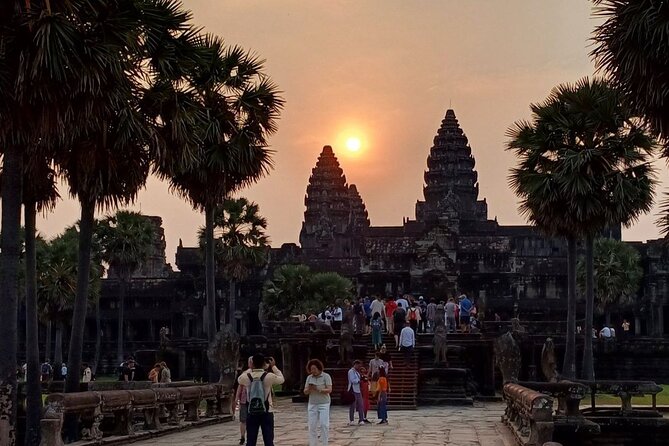
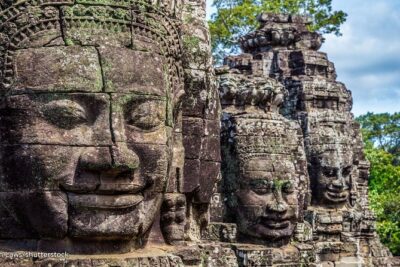
Bayon is the highlight of Angkor Thom for many people. Its towers carry the famous large carved faces, which appear from several directions as you move through the temple.
The layout can be confusing. Towers, galleries, and narrow passages overlap, so a guide helps you find a sensible route and understand what you are seeing. Allow time to look up, then look closely at the bas reliefs and stonework around you.
The Bayon visit is part of a two-hour Angkor Thom section. That time also includes the wider Angkor Thom area, so you are not likely to spend every minute inside the central temple. The broad schedule is useful because the complex needs both a close look at Bayon and a little time to appreciate the former capital around it.
One guide, Mr. Sokpee, has been praised for finding excellent positions inside the temples and for explaining religious ideas from his own experience as a former monk. You might also see wildlife around the park. One account described gibbons and water buffalo, though these sightings are not promised and should be treated as luck.
The Terrace of the Elephants and royal ceremony
The Terrace of the Elephants stretches about 350 meters and served as a giant reviewing platform for public ceremonies. It also formed the base of the king’s audience hall.
The terrace is less intimate than Bayon or Ta Prohm, but it helps connect the temples to public life and royal power. This was not simply a place for private worship. It was a stage for ceremonies and formal appearances.
You may find the terrace easier to appreciate after your guide explains its purpose. Without that context, it can look like another long stone wall. With it, the scale becomes clearer, and you can picture how rulers used the central square for official events.
The stop also breaks up the day nicely. After the enclosed passages at Bayon, the open terrace gives you room to pause before continuing to Ta Prohm.
Ta Prohm and the famous tree roots
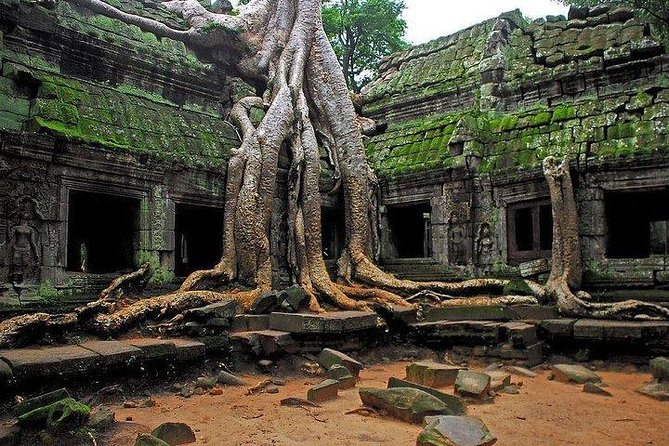
Ta Prohm is often the most atmospheric stop because trees and stone appear to grow into one another. Large roots wind around carved walls and bas reliefs, giving the temple a weathered appearance that feels different from the more orderly grandeur of Angkor Wat.
The site once housed 2,740 monks. It was left in a condition close to the way it looked when French explorer Henri Mouhot encountered it in the early 1850s. That does not mean the temple is untouched, but its partially overgrown character remains central to the experience.
The two-hour Ta Prohm section gives you time to see more than the best-known root-covered doorway. Your guide can point out carvings, explain the temple’s original function, and help you understand how the trees became part of its modern identity.
Sakrya has been praised for showing visitors an unusual echo inside one of the buildings, made by gently banging your chest while leaning against a wall. This is the kind of small, hands-on detail that can make a large archaeological site easier to remember.
Ta Prohm can also be crowded around its famous photo spots. If you want quieter corners, ask your guide to include them. The private format gives you a better chance of making that request, though no guide can remove the crowds entirely.
Guides, drivers, and the human side of the day
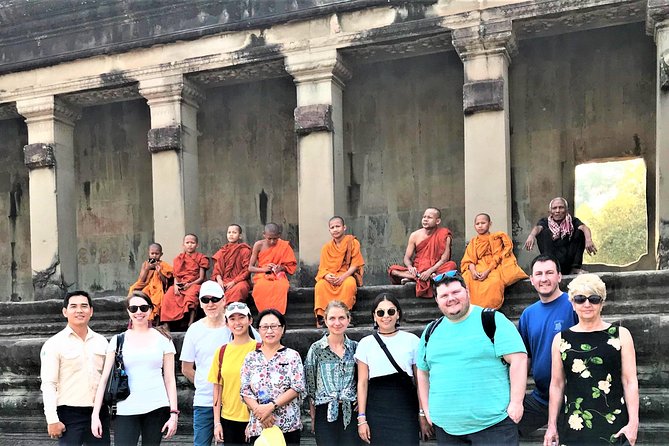
The quality of the guide matters greatly here. Angkor is enormous, and the stones do not explain themselves. Dates and royal names are useful, but the best guiding also connects temples with religion, politics, architecture, and modern Cambodian life.
The guides praised most warmly include Sok, Bun, Pi, Nimol, Mr. Setha, Mr. Samnang, Bunpheng, Mr. Horn, and Mr. Sokpee. Their strengths vary. Some focus on historical detail, some share Cambodian stories, and several help with photography.
Mr. Samnang has been described as prompt, professional, engaging, and fun. Bunpheng has been praised for excellent English and for keeping the explanations interesting. Those details matter because an eight-hour temple day can become tiring if the commentary is flat or too dense.
The drivers also play an important role. Mr. Manath, Mr. Sar, and other drivers have been praised for smooth service, hospitality, water, and cold towels. You will spend time in the vehicle between sites, so a comfortable, air-conditioned ride is not a minor benefit.
Guide quality can vary from person to person, as it does on any guided tour. If a particular guide is important to you, ask the operator about availability rather than assuming you will receive one named in an earlier account.
Dress, walking, and practical preparation
Respectful clothing is required. Your shoulders and knees must be covered, and a scarf used only to cover the shoulders is not accepted. Wear clothing that stays comfortable in warm weather while meeting the temple rules.
Choose sturdy, comfortable walking shoes. The day includes long corridors, courtyards, uneven surfaces, and repeated stops in the heat. Flip-flops may be easy to pack, but they are not the best choice for this schedule.
Carry only what you need, since you will be entering several temples and moving in and out of the vehicle. Bottled water is supplied, and you can expect a cool towel when you return to the car. Food and other drinks are not included.
The temple pass can be purchased on the day of the tour just before sunrise, and Visa cards are accepted. The pass is paid directly to the site, so budget for that $37 charge separately from the tour price.
Most people can participate, but this is still a physically active day. The tour lasts about eight hours, starts in the middle of the night, and involves substantial walking. You should be comfortable with that pace before booking.
Who should book this temple day?
I would choose this tour for a first visit to Angkor when I wanted the major sights covered in one organized day. The route gives you the signature sunrise, the main faces of Bayon, the ceremonial Terrace of the Elephants, and the tree-covered ruins of Ta Prohm.
It also suits you if you want private transport and someone to explain what you are seeing. The guides can add Cambodian stories, religious context, historical detail, and practical help with photographs. That makes the $26 tour price more useful than a simple transfer, though the $37 admission fee must be added.
I would hesitate if you dislike early mornings or prefer to spend a full day at one temple. The schedule is ambitious, and the first pickup comes before dawn. You should also think twice if you want a slow, solitary experience, since the park’s most famous places can still be busy.
Free cancellation is available until 24 hours before the start time. Changes or cancellations inside that window are not accepted for a refund, so keep the local cutoff in mind when plans are uncertain.
Should you book the Angkor Wat Sunrise Tour?
Book it if you want an efficient first day at Angkor, a private vehicle, and a guide who can explain more than the names of the ruins. The best reasons are the eastern pre-dawn entry at Angkor Wat, the full route through Angkor Thom and Ta Prohm, and the practical support of water, air conditioning, and hotel pickup.
Skip it if the 4:30 am start feels unreasonable or if you want to explore at a very slow pace. For most first-time visitors with limited time in Siem Reap, though, the combination of major temples, strong guide options, and a $63 total before food is a sensible way to begin.
FAQ
What time does the Angkor Wat Sunrise Tour start?
Hotel pickup begins around 4:30 to 4:45 am, depending on the time of year.
How long does the tour last?
The tour lasts approximately eight hours.
Is the Angkor temple pass included?
No. The temple pass costs $37 per person and must be paid directly to the site.
Can I buy the temple pass on the day?
Yes. The pass is available just before sunrise, and Visa cards are accepted.
Is this a private tour?
Yes. The activity is described as private, with only your own group participating.
What does the tour include?
It includes a licensed English-speaking guide, an air-conditioned vehicle, bottled water, a cool towel, and hotel pickup and drop-off.
What should I wear?
You must cover your shoulders and knees. A scarf used to cover the shoulders is not accepted, so wear clothing that meets the dress requirement without relying on a scarf.
More Angkor Wat Tours in Siem Reap
- Siem Reap: Full-Day Angkor Wat Guided Tour with Sunset
★ 4.9 · 3,803 reviews - Angkor Wat Sunset Small Group Tour with Lunch Included
★ 5.0 · 3,059 reviews - Siem Reap: Angkor Wat Sunrise and Full-Day Sightseeing Tour
★ 4.9 · 2,828 reviews - Siem Reap: Angkor Wat Private Tuk-Tuk Tour
★ 4.9 · 2,222 reviews
Just added around Siem Reap
- Sunrise at Angkor Wat Temple: 3-Hour Private Tour★ 4.7 · 30 reviews
- Small-Group Explore Angkor Wat Sunrise Tour with Guide★ 5.0 · 3 reviews
- Siem Reap: Ultimate Angkor Wat Offbeat Experience by Jeep★ 4.9 · 8 reviews
- SiemReap: Private Angkor Wat Tour in English or German guide★ 5.0 · 5 reviews
- Siem Reap : Private Tuk-Tuk Tour of the Magnificent Temples.★ 4.9 · 14 reviews
- Siem Reap: Private 4-Day Angkor Wat and Phnom Kulen Tour★ 5.0 · 9 reviews
- Siem Reap: Personalized Angkor Wat Sunrise/Set by TukTuk/Car★ 4.9 · 41 reviews
- Siem Reap: 1-Day Angkor Wat Tour in Portuguese★ 5.0 · 4 reviews
Angkor Wat Tours, compared.
Angkor Wat Sunrise or Sunset Tour with Guide from Siem Reap
Read our review →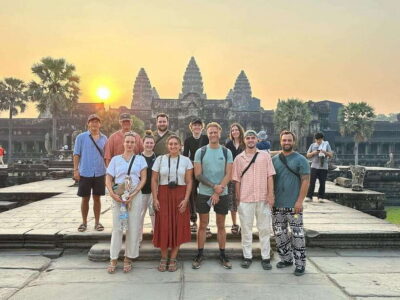
Angkor Wat: Small-Group Sunrise or Sunset Tour
Read our review →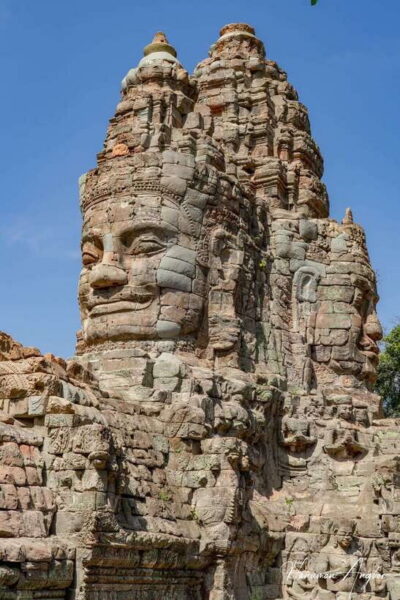
Angkor Wat 2-Day Tour with Sunrise and Sunset
Read our review →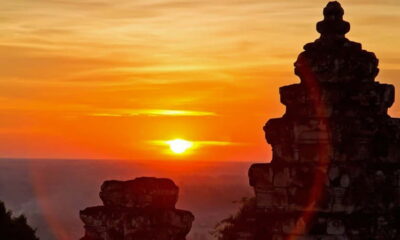
Angkor Wat Sunrise tour with Small – Group and Guide tours
Read our review →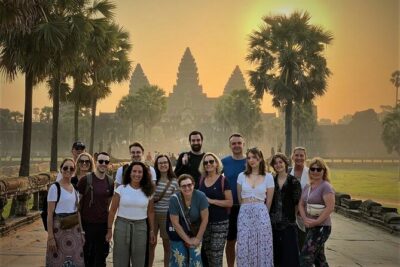
Angkor Wat Highlights and Sunrise Guided Tour from Siem Reap
Read our review →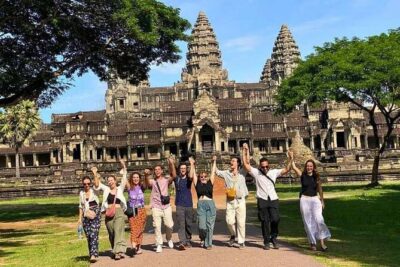
Angkor Wat Sunset Small Group Tour with Lunch Included
Read our review →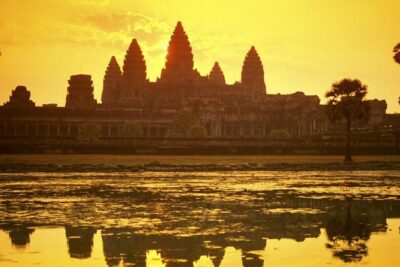
Full-Day Angkor Wat Sunrise Private Tour with Guide from Siem Reap
Read our review →Browse the lists this tour appears in