
Review · CAMBODIA
Angkor Wat: Sunrise: Ta Prohm and Bayon Temple Tour
Wake up early for Cambodia’s greatest view. This eight-hour tour gives you a well-planned first look at Angkor Wat, Ta Prohm, Angkor Thom, and Bayon without the fuss of arranging transport between far-flung temples. I especially like the early eastern entrance into Angkor Wat, which lets you begin in quieter corridors before the main temple becomes crowded, and the steady care from guides such as Mr. Sokpee, Chhay, Kiz, Sam, and Sopheaprath.
I also like the simple comforts: an air-conditioned vehicle, bottled water, cool towels, hotel pickup, and a guide who explains the carvings rather than just pointing at them. The main drawback is the wake-up call. You may leave before 4 a.m., and the $16 tour price does not include the required $37 one-day temple pass or breakfast.
The payoff is a strong morning route through Angkor’s essential sights. You see the famous sunrise, spend about two hours inside Angkor Wat, then visit the tree-covered ruins of Ta Prohm and the giant stone faces of Bayon. By early afternoon, you are back in Siem Reap with the major temples covered.
Key details to know before booking
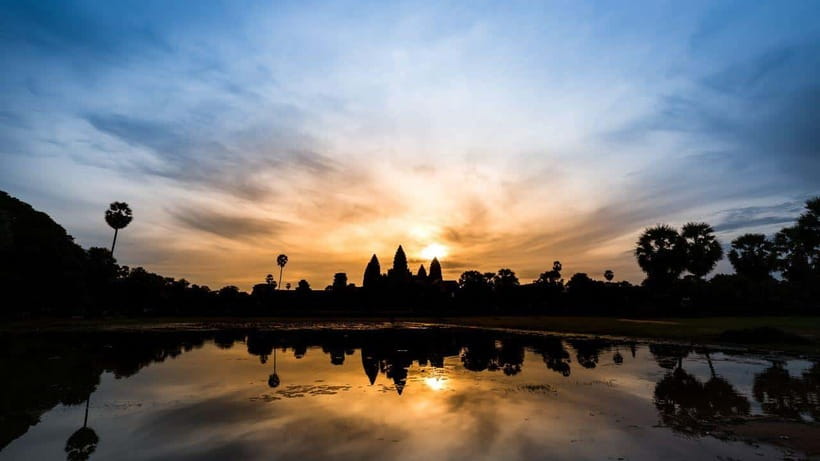
- Sunrise begins at Angkor Wat: Arrive early enough to seek a good viewing position near the temple pools and reflection water.
- The eastern entrance offers a quieter start: You enter through less-used corridors and pass ancient bas-reliefs before reaching the main interior.
- Three major temple areas fit into one morning: Angkor Wat, Ta Prohm, and Angkor Thom with Bayon form a sensible first-day introduction.
- The real cost is $53 before breakfast: The $16 tour fee plus the $37 Angkor pass gives you a clearer picture of the budget.
- Guide quality is a major strength: Guides including Chhay, Mr. Sokpee, Kiz, Sam, and Sopheaprath are praised for clear history, humor, care, and help with photographs.
- Expect walking, stairs, heat, and an early start: Comfortable shoes, covered knees and shoulders, cash, and a small torch are practical choices.
Why the sunrise start is worth the lost sleep
The tour begins with hotel pickup in Krong Siem Reap, followed by roughly 20 minutes in the van to Angkor Wat. The exact pickup time depends on the season and availability, but the early start is designed to put you at the temple before sunrise. One participant noted leaving before 4 a.m., so this is not a casual morning outing.
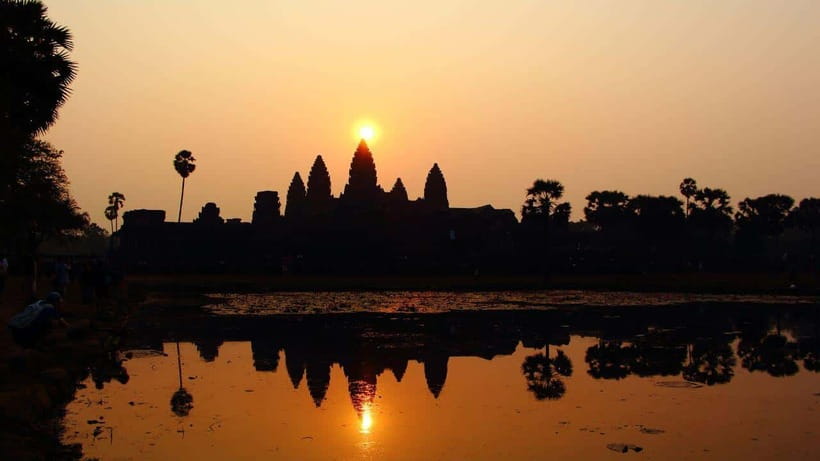
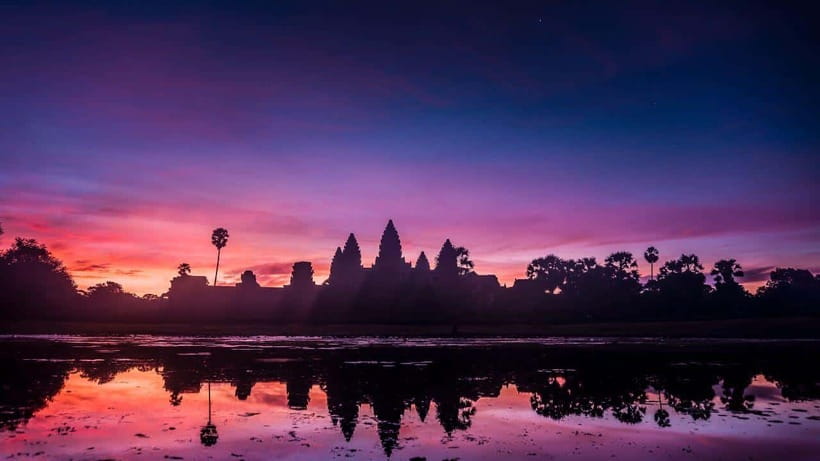
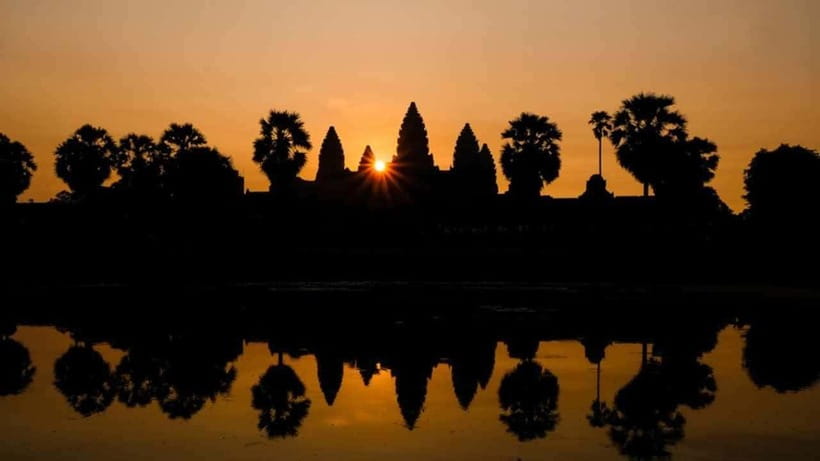
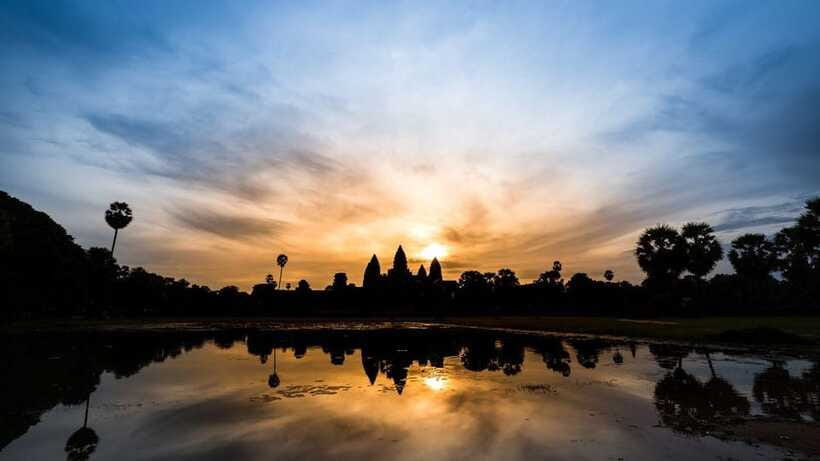
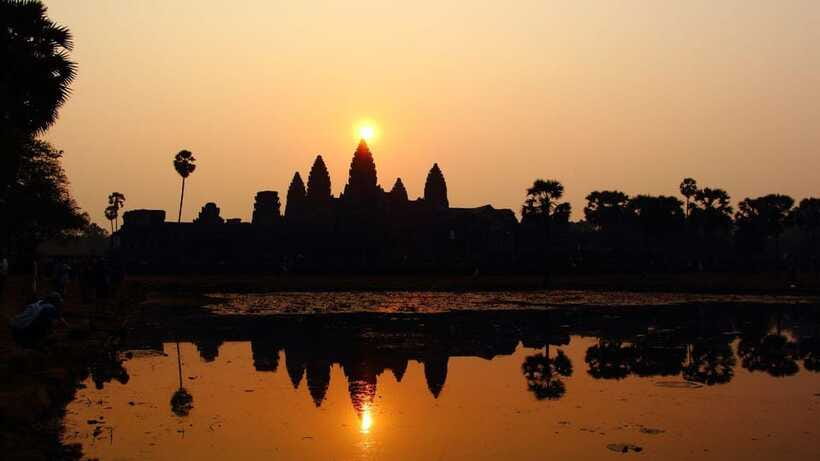
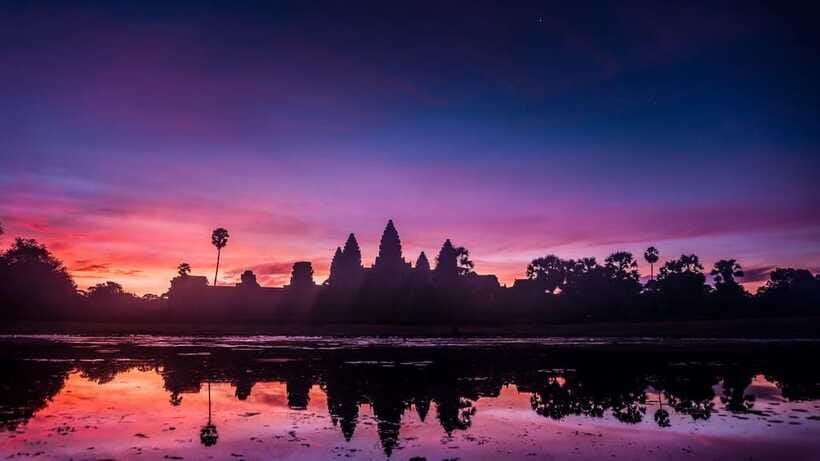
At dawn, Angkor Wat changes by the minute. The towers begin as dark shapes, then catch the first light while the water in front of the temple reflects the familiar outline. Clear skies are never guaranteed, but even a cloudy sunrise gives you the quiet, cool beginning that makes the early alarm worthwhile.
Your guide leads you in from the eastern side, an approach described as less visited than the main western entrance. That matters because you do not begin with the standard postcard view and a rush straight toward the central towers. Instead, you pass through old cloisters and corridors while the site is still dim and atmospheric.
Bring a small torch or use a phone light for the first part. Watch your footing, especially in dark passageways and around uneven stone. Comfortable walking shoes are more useful here than anything stylish.
More Temple Sunrise Tours in Cambodia
- Angkor Wat Sunrise or Sunset Tour with Guide from Siem Reap
★ 5.0 · 12,109 reviews - Siem Reap: Angkor Wat: Small-Group Sunrise or Sunset Tour
★ 5.0 · 9,444 reviews - Siem Reap: Angkor Wat 2-Day Tour with Sunrise and Sunset
★ 4.9 · 4,429 reviews
Two hours inside Angkor Wat
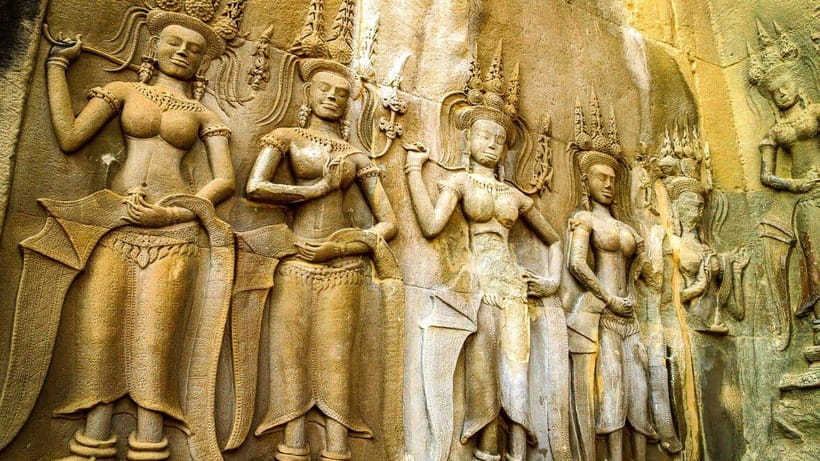
The Angkor Wat visit lasts about two hours, which is enough time for more than a quick photo stop. You can expect to see the long galleries, central chambers, upper terraces, and the great bas-relief carvings that cover the temple walls.
The carvings are not just decoration. They show scenes tied to Hindu stories, battles, processions, and the beliefs of the Khmer Empire. A good guide gives you a way to read these scenes, explaining what you are looking at and why the temple was built. Guides such as Mr. Sokpee have also been praised for explaining changing religions, architectural styles, and different Khmer kingdoms.
The upper terraces bring a practical issue: stairs and uneven surfaces. The tour is not suitable for wheelchair users, and it is a poor fit if you have trouble walking for extended periods. You should also expect warm conditions later in the morning, even though the first hour can feel cool.
Dress with temple rules in mind. Shoulders and knees must be covered inside the temples, and shorts are not allowed. Lightweight, comfortable clothing works well, but it still needs to meet the dress code.
Breakfast and a pause at Srah Srang
After Angkor Wat, the route allows about an hour for breakfast and free time at Srah Srang. Breakfast is not included, but a local restaurant is available, and cash is useful. You can also bring a boxed breakfast from your hotel, which one person found convenient.
This pause is more valuable than it may sound. The sunrise start means you may already have been walking for several hours. Sitting down, eating, and cooling off gives you a chance to recover before the next two temple stops.
Srah Srang also offers a calmer setting than the main temple entrance. Do not expect a full meal included in the tour price, though. Ask your hotel about a boxed breakfast before departure, or carry cash for the restaurant.
The tour provides bottled water and cool towels. Some participants received several bottles during the morning, and this small service matters in Cambodia’s heat. It also reflects the practical care built into the transport arrangement.
Ta Prohm and the power of the jungle ruins
The next stop is Ta Prohm, reached after the breakfast break. Plan on about an hour here, including walking and guided sightseeing.
Ta Prohm is famous for its trees growing through and over the stonework. Roots grip walls, doorways disappear into vegetation, and collapsed galleries create a much less orderly scene than Angkor Wat. The temple was once home to 2,740 monks, but today its appeal comes from the way stone and forest occupy the same space.
The site is often linked with the French explorer Henri Mouhot, who helped bring wider European attention to Angkor in the 1850s. Your guide can help separate the romantic story of rediscovery from the older Khmer history of the temple itself.
Ta Prohm is visually dramatic, but it is not always easy to move through. Narrow passages, broken stones, and uneven ground require attention. Keep your group together, especially when the guide asks everyone to move between galleries. One guide, Lucky, used a playful reminder about staying together like mango sticky rice, a useful bit of humor when people began to spread out.
This is also where the photography advice from the guides can help. Sopheaprath has been praised for knowing good photo spots, while several guides were described as helpful and attentive without overwhelming the group with facts. The best guide is not simply the person who talks the most. It is the person who helps you notice the setting.
More Angkor Wat Tours in Cambodia:
- Siem Reap: Full-Day Angkor Wat Guided Tour with Sunset
★ 4.9 · 3,803 reviews - Angkor Wat Sunrise tour with Small – Group and Guide tours
★ 5.0 · 3,655 reviews - Angkor Wat Highlights and Sunrise Guided Tour from Siem Reap
★ 5.0 · 3,213 reviews - Angkor Wat Sunset Small Group Tour with Lunch Included
★ 5.0 · 3,059 reviews
Angkor Thom and Bayon’s giant faces
From Ta Prohm, the tour continues to Angkor Thom, the fortified city that once formed one of the main centers of the Khmer Empire. The visit includes the Terrace of the Leper King, the Terrace of Elephants, Bayon Temple, and the southern gate.
At the Terrace of Elephants, look for the carved procession imagery along the platform. The Terrace of the Leper King has its own unusual name and detailed stonework. These stops are brief compared with Angkor Wat, but they help you understand that Angkor was not a single temple. It was a huge urban and ceremonial complex.
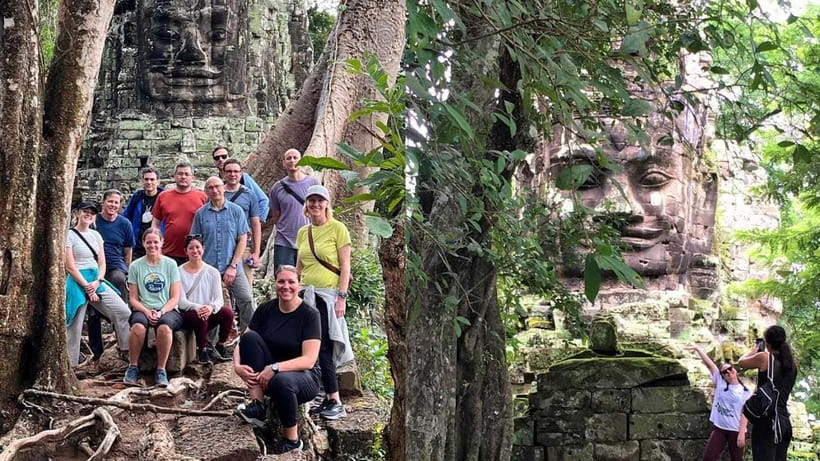
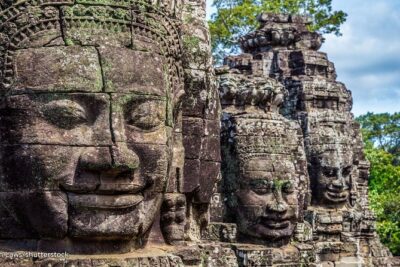
Bayon is the visual centerpiece of Angkor Thom. Its central towers carry more than 200 enormous carved faces, each with the calm, slightly mysterious expression that makes the temple so memorable. As you walk between the towers, faces appear and disappear at different angles. It is a more enclosed and confusing site than Angkor Wat, so a guide is especially useful.
The tour allocates about an hour to Bayon. That gives you enough time to walk through the main area and hear the basic story, though anyone who wants to study every carving in detail may want a separate visit later.
The final temple-related stop is Tonle Om Gate, also called the Southern Gate of Angkor Thom. A row of 54 stone figures lines each side of the approach, with gods on one side and demons on the other. It is a quick 20-minute stop, but it provides one of the clearest views of Angkor Thom’s ceremonial entrance.
What the guide and vehicle add
The tour is sold in English, with an experienced English-speaking guide and an air-conditioned vehicle. Transport received perfect marks from every listed rating, and the practical details explain why: hotel pickup and drop-off, safe driving, water, cool towels, and communication about the pickup time.
Guide quality appears to be the most praised part of the experience. Chhay is described as friendly, funny, and able to explain Cambodian history through useful stories and anecdotes. Mr. Sokpee is praised for his punctuality and understanding of religion, architecture, and different kingdoms. Kiz was noted for being caring throughout the route, while Sam and Lucky brought humor into a long morning.
That variety matters because the tour covers a lot of ground. Angkor can become a blur of stone towers if the explanations are too dry or too rushed. A guide who adds context helps you see why Angkor Wat differs from Bayon, and why Ta Prohm feels so different from both.
You should still keep your own expectations realistic. This is a group-style morning tour, not a private scholarly visit. The guide needs to balance different interests and keep the schedule moving. If you want unlimited time at one carving or a slow photography session, a private tour may suit you better.
Price, extra costs, and overall value
The advertised tour price is $16 per person, which is low for an eight-hour guided outing with hotel pickup, transport, water, cool towels, and several major sites. But the temple entrance fee is separate and required. The one-day pass costs $37 and covers the temples visited during the day.
That brings the basic cost to $53 per person before breakfast. Add food at the local restaurant or arrange a boxed breakfast from your hotel. Seen this way, the tour is not a $16 day out, but it remains a fair value for a full morning of transport, guiding, and temple visits.
The route also saves you from arranging separate rides between Siem Reap, Angkor Wat, Ta Prohm, and Angkor Thom. For a first day in Siem Reap, that convenience has real value. You can focus on the temples rather than negotiating transport while tired and still trying to find the correct gate.
Free cancellation up to 24 hours before departure and the option to reserve now and pay later add useful flexibility. The tour ends between approximately 12:30 and 1:30 p.m., leaving the afternoon open for lunch, a rest, or another Siem Reap activity.
Who should book this morning tour
I would recommend it most strongly to a first-time visitor who wants the essential Angkor route in one organized morning. It suits solo visitors, couples, and small groups who value a guide, hotel pickup, and a clear schedule.
It is also a good match if you want photographs at sunrise but do not want to arrange a driver and temple route yourself. Several guides are comfortable helping with photo locations, and arriving early improves your chance of finding a good position near the reflection pools.
Think carefully if you dislike pre-dawn starts, long walks, stone steps, or fixed timing. Children under eight are not accepted, and the tour is not suitable for wheelchair users. You also need clothing that covers your shoulders and knees, cash for breakfast, and shoes that can handle rough temple paths.
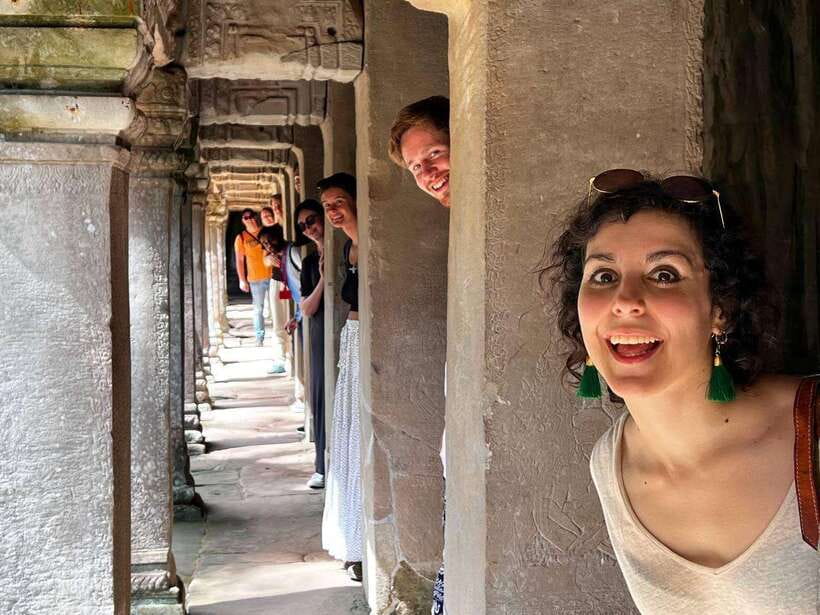
The 5.0 rating from 27 reviews reflects a consistent pattern: punctual pickup, friendly guides, useful history, comfortable transport, and considerate touches such as cold towels. The strongest praise goes to the guides, so the experience may vary slightly in personality depending on who leads your group, but the core route remains the same.
Should you book the Angkor Wat sunrise tour?
Book it if you want the classic Angkor experience with the hard work handled for you. The early entry, two hours at Angkor Wat, Ta Prohm’s tree-covered ruins, Bayon’s faces, and Angkor Thom’s southern gate make a sensible and rewarding first day.
Just budget for the separate $37 temple pass and breakfast, and accept that the alarm may ring before 4 a.m. If you can handle the early start, this is a strong-value introduction to Angkor, especially for anyone who wants history, photographs, and dependable transport in one compact package.
FAQ
How long does the Angkor Wat sunrise tour last?
The tour lasts eight hours and usually ends between 12:30 and 1:30 p.m.
What time does the tour begin?
It begins before sunrise, with some departures requiring a wake-up before 4 a.m. Check the available start time when booking.
Is the Angkor temple entrance fee included?
No. The temple pass costs $37 per person and covers all the temples visited during the one-day tour.
Is breakfast included?
No. Breakfast is available at a local restaurant, or you can bring a boxed breakfast from your hotel.
Which temples and sites are included?
The route includes Angkor Wat, Srah Srang, Ta Prohm, Bayon Temple, Angkor Thom, the Terrace of the Leper King, the Terrace of Elephants, and Tonle Om Gate, also known as the Southern Gate.
Is hotel pickup available?
Yes. Pickup and drop-off are provided in Krong Siem Reap.
What language does the guide speak?
The live tour guide speaks English.
What should I wear?
Wear comfortable clothing that covers your shoulders and knees inside the temples. Shorts are not allowed.
Is the tour suitable for children and wheelchair users?
Children under eight are not accepted, and the tour is not suitable for wheelchair users.
What should I bring?
Bring comfortable shoes, a camera, biodegradable sunscreen, comfortable clothing, cash, and a small torch for the early morning start.
Just added around Cambodia
- Oudong Temples & Phnom Prasith Private Tour from Phnom Penh★ 5.0 · 11 reviews
- Grand Tour-Ek Phnom. Baset. Bamboo Train. Wat Banan. Phnom Sampov★ 5.0 · 20 reviews
- Full-day: Wat Banan. Old bamboo train. Bat Cave. Killing cave★ 5.0 · 13 reviews
- Morning Tour,Ak Phnom temple,Rice wine,Rice Paper, killing Field★ 5.0 · 22 reviews
- Two Days Angkor Wat Park-Beng Mealea and Kampong Phluk Village★ 5.0 · 14 reviews
- 2-Days in temples and other areas★ 5.0 · 101 reviews
- Sunrise at Angkor Wat Temple: 3-Hour Private Tour★ 4.7 · 30 reviews
- Small-Group Explore Angkor Wat Sunrise Tour with Guide★ 5.0 · 3 reviews
Angkor Wat Tours, compared.
Angkor Wat Sunrise or Sunset Tour with Guide from Siem Reap
Read our review →
Angkor Wat: Small-Group Sunrise or Sunset Tour
Read our review →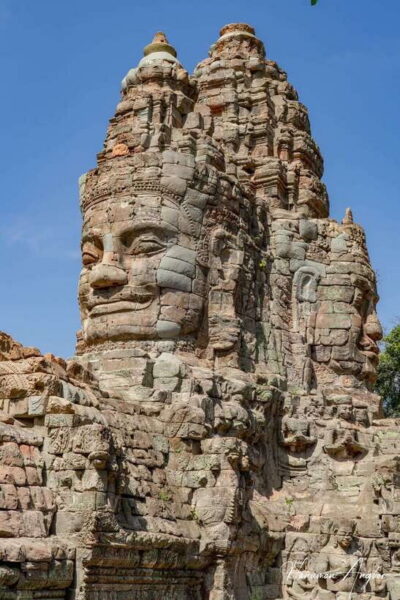
Angkor Wat 2-Day Tour with Sunrise and Sunset
Read our review →
Angkor Wat Sunrise tour with Small – Group and Guide tours
Read our review →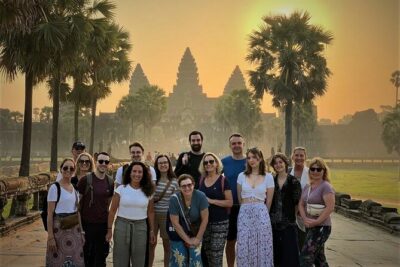
Angkor Wat Highlights and Sunrise Guided Tour from Siem Reap
Read our review →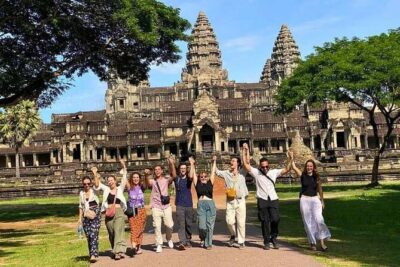
Angkor Wat Sunset Small Group Tour with Lunch Included
Read our review →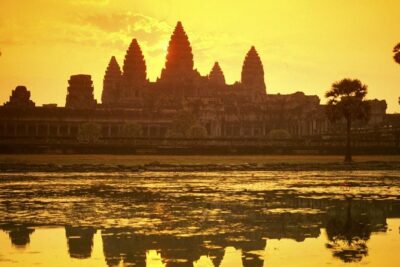
Full-Day Angkor Wat Sunrise Private Tour with Guide from Siem Reap
Read our review →Browse the lists this tour appears in