
Review · BANGKOK
Angkor Wat 3-Day Tour from Bangkok
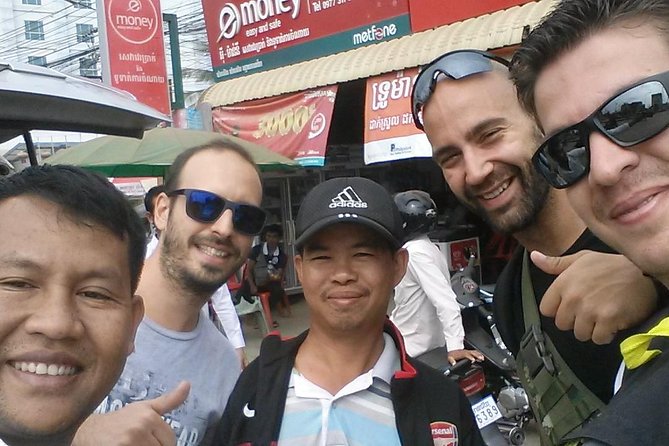
Angkor Wat rewards the effort. This three-day private trip links Bangkok with Siem Reap, giving you time for Tonle Sap Lake, Angkor Wat, Bayon, Ta Prohm, and Preah Khan. I like the private vehicle and guide, and I like that two hotel nights with breakfast are included. The main drawback is the long road journey and the often untidy Poipet border crossing.
The Cambodian part is the real strength. Guides such as Sothy, Bun, Sava, Vithyea, Narith, and Saruon have been praised for explaining temple carvings, Khmer history, Hindu and Buddhist stories, and local life in clear, engaging ways. You should also prepare for heat, early starts, and possible delays when returning to Thailand.
Key points to know before booking
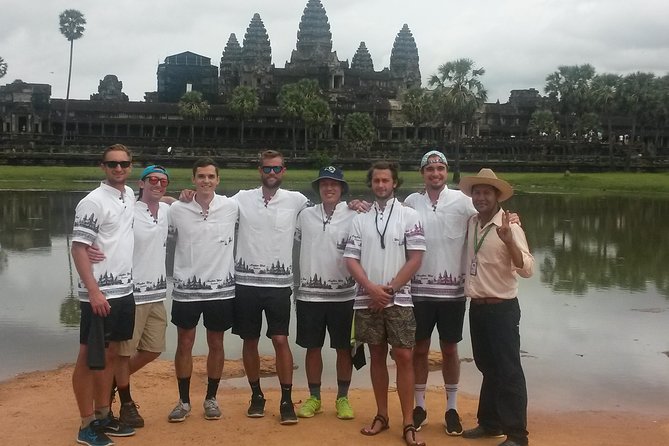
- Two nights in Siem Reap: You get more than a rushed temple stop, with an evening free for Pub Street, restaurants, or the night market.
- Private touring in Cambodia: Your own guide and air-conditioned vehicle let you set a comfortable pace within your group.
- A full Angkor circuit: Angkor Wat, Angkor Thom, Bayon, Preah Khan, and Ta Prohm are all covered on the main temple day.
- Tonle Sap at sunset: The floating village at Chong Kneas adds a very different side of Cambodia to the ancient temples.
- Poipet needs patience: The border crossing can be confusing, hot, slow, and poorly explained, especially on holidays.
- Visa costs extra: Cambodian visa fees, meals, and personal spending are not included in the $490 price.
Bangkok to Poipet: a long first morning
The tour begins with pickup at your Bangkok, Pattaya, or Koh Chang hotel at about 6:30 in the morning. That is useful, but it also tells you what sort of trip this is: a serious overland excursion, not a quick side trip.
The drive to Poipet is scheduled to take roughly four hours, followed by the border formalities and another two-hour drive to Siem Reap. Actual timing can vary. Several people have reported a total road journey of five to six hours, while traffic and border delays can make the return much longer.
The Thai vehicle normally takes you to the border, where you leave Thailand and walk through immigration. On the Cambodian side, a new driver and vehicle may meet you for the onward trip. This change makes sense operationally, but it can feel confusing if nobody clearly explains where to go next.
That is the weakest part of the arrangement. Some visitors were met by a border representative and guided through without trouble. Others were dropped near the crossing with luggage, little direction, and a hot walk to the immigration offices. You should ask in advance for the exact meeting point, the name or phone number of the border contact, and what happens after you exit Thailand.
The tour accepts a minimum of one person and can handle groups of up to 15. Since it is private, only your own party takes part in the sightseeing. The border walk, however, is a different matter. You may encounter shared handling or a change of personnel there.
More Angkor Wat Tours in Bangkok:
- 2-Day Angkor Wat Tour from Bangkok
★ 4.5 · 206 reviews - 4 Days Expedition From Bangkok to Angkor Wat
★ 5.0 · 26 reviews - Angkor Wat 2-Day Tour from Bangkok
★ 5.0 · 8 reviews
Cambodian visas and the Poipet crossing
The $490 price does not include your Cambodian visa. You can apply for an e-visa before departure, and the operator advises printing two copies. A visa on arrival is also possible at Poipet, with one original passport photograph required.
Visa rules depend on nationality. Citizens of ASEAN countries receive a free 30-day Cambodian visa according to the supplied information. Mexican and Burmese passport holders need to check re-entry or multiple-entry requirements for Thailand, and the tour provider recommends flying instead if the return by land will not work for them. Indian passport holders should carry a hotel booking and an onward flight ticket from Thailand.
This is an area where careful preparation pays off. An e-visa can reduce one part of the process, but it does not remove Thai exit and re-entry procedures. Some people have paid an extra $10 for expedited Cambodian visa handling. That fee is optional and separate from the tour price.
Allow extra time on the way back. Thai immigration can become very slow during Chinese New Year, Khmer or Thai New Year, water festivals, and other busy periods. Delays of two to three and a half hours have been reported, with the entire trip back to Bangkok stretching to six or seven hours, or longer.
If you have a flight from Bangkok on the return day, this tour is a poor match unless you leave a very wide safety margin. The border is not controlled by the tour company, and a line that looks manageable can suddenly stop moving.
Chong Kneas and an evening in Siem Reap
After reaching Siem Reap, the first afternoon goes to Chong Kneas on Tonle Sap Lake. The boat ride lasts about three hours, including the floating village visit, and is scheduled for the afternoon and early evening.
This gives the trip a welcome change of pace. Instead of stone temples, you see a community built around the lake and experience a different part of Cambodian life. The timing may also provide sunset views, depending on the season and the day’s schedule.
The floating village is not a substitute for seeing Cambodia away from tourist routes, but it does add useful context. Life here is tied to water, boats, fishing, and changing lake conditions. The visit is also less physically demanding than the next day, which matters after the early departure from Bangkok.
You return to the hotel around 5:30 in the afternoon. The evening is free, so you can walk around central Siem Reap, eat at a restaurant, visit the night market, or spend time on Pub Street. I consider this free evening one of the best reasons to choose three days instead of trying to force Angkor into a shorter schedule.
Two hotel nights and what the price covers
The package includes two nights at a four-star hotel, with breakfast. The exact property can vary, so you should not book it expecting a specific hotel unless the operator confirms one in writing.
The accommodation has received some of the strongest praise connected with the tour. A hotel described as Tara Angkor was considered comfortable, with a generous breakfast buffet, a pool, and a convenient location. That property is not guaranteed by the information provided, but it gives you a reasonable idea of the standard some bookings have received.
The booking arrangement provides one king room for a couple, or a twin room for friends or family. Meals other than breakfast are not included. Lunch and dinner are easy places for costs to grow, especially on a temple day when you are eating near the archaeological park.
At $490 per person, the price is not cheap for a three-day road trip. It becomes easier to justify when you count the private transport, Cambodian guide, two hotel nights, breakfasts, temple ticket, floating village boat, and hotel pickup and drop-off. For a solo participant, it is a significant expense. For a small private group, the convenience and shared cost make more sense.
The package also removes several tasks that can be awkward when you are crossing a land border: arranging a Cambodian driver, finding the Siem Reap hotel, buying the temple pass, and organizing transport around a large temple zone. You pay for that coordination, but you should not expect the border experience to be as polished as the temple touring.
A few more temple visits around Bangkok worth a look
- 3-Day Angkor Wat & All Interesting Major Temples & Kulen Mount Waterfall
★ 5.0 · 63 reviews - Angkor Region: 3-day Private Tour of Top Temples
★ 5.0 · 47 reviews - From Siem Reap: Angkor Wat and Floating Village 3-Day Trip
★ 5.0 · 39 reviews - 3-Day Angkor Wat Tour with Kulen Mountain & Floating Village
★ 5.0 · 12 reviews
Angkor Wat, best seen with an early start
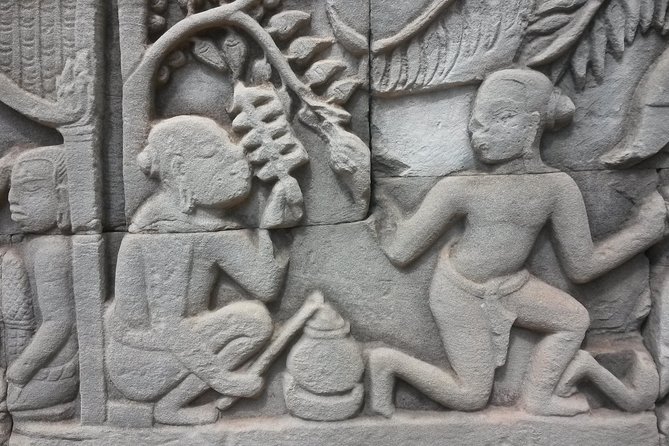
The second day is the main event. Angkor Wat receives about two hours in the listed plan, with an optional early start for sunrise available according to the tour details and booking experience.
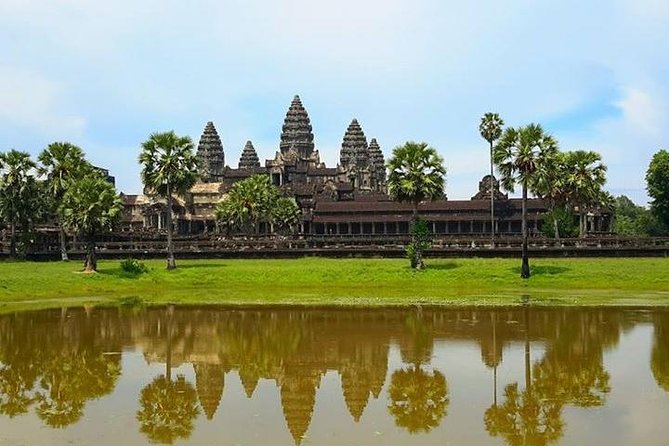
Sunrise can be memorable, with the temple towers reflected in the water as daylight arrives. It also makes the day longer and requires a very early departure. If photography matters to you, or if seeing the temple before the heat builds is a priority, ask for the sunrise option before you go.
Angkor Wat is more than a single photo stop. Its scale, galleries, towers, courtyards, and carved scenes need time and explanation. A good guide helps you read the stone rather than simply walk past it. Guides such as Sava, Sothy, Bun, and Saruon have been praised for explaining dates, religious stories, architectural details, and the meaning behind carvings.
The two-hour allocation is useful but not lavish. You will see the main areas, yet you may want more time for quiet looking and photography. The full day includes several other temples, so the schedule has to keep moving.
Wear clothing that covers your shoulders and knees. Short clothing is not allowed at the temples. Comfortable footwear, sun protection, and plenty of water are essential, since the heat can be intense even when the vehicle has strong air conditioning.
Angkor Thom and Bayon’s stone faces
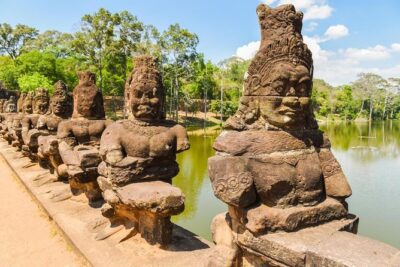
From Angkor Wat, the route continues to Angkor Thom, the last major capital of the Khmer Empire. The South Gate receives about an hour, giving you time to examine the approach and the monumental figures lining the entrance.
The South Gate is not just a quick road entrance. It sets up the scale of Angkor Thom and helps you understand that these temples were part of a huge planned city, not isolated buildings scattered in the forest.
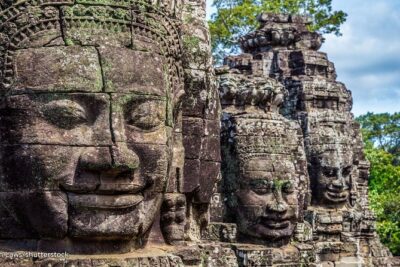
Bayon follows, with another hour scheduled. This temple is famous for its enormous carved faces, which look down from the towers in several directions. Bayon can be confusing at first, with galleries, narrow passages, and stacked stone towers. A strong guide makes a clear difference here, especially when pointing out religious imagery and the transition between Hindu and Buddhist traditions.
One hour is enough for a useful visit, but you will not study every gallery. The benefit of the private format is that you can tell your guide if you need a little longer at Bayon and less time elsewhere, although the day still has a fixed number of stops.
Preah Khan and Ta Prohm
Preah Khan is scheduled for about an hour. Built by King Jayavarman VII in honor of his father, it is a long, atmospheric temple complex with carved details and a more extended layout than the central Angkor Wat visit.
Preah Khan rewards patient walking. The route can feel less immediately obvious than Bayon, and the stonework deserves a slower look. If you enjoy architecture and want to see how temple spaces change from broad courtyards to tighter corridors, this is one of the most useful stops.
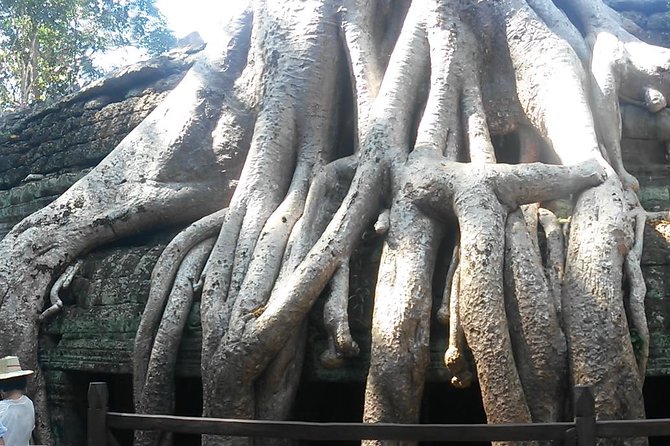
Ta Prohm is the final major temple, also with about an hour. It is widely recognized for trees growing around and over the ruins. The appeal comes from the tension between the temple’s carved stone and the force of nature pressing against it.
Ta Prohm is also one of the busiest and most photographed places on the route. Your guide can help you find the significant sections, but you should expect less solitude here than at some parts of Preah Khan. The schedule gives you a good introduction, not an exhaustive archaeological visit.
Taken together, the five temple stops create a sensible day. Angkor Wat supplies grandeur, Angkor Thom gives scale, Bayon brings sculpture, Preah Khan offers a quieter complex, and Ta Prohm supplies the memorable tree-covered ruins. It is a lot of walking and heat, but the variety keeps the day from becoming a parade of similar stone buildings.
Day three: returning to Thailand
After breakfast, you check out and begin the return journey to Bangkok, Pattaya, or Koh Chang. The listed schedule gives about seven hours for the transfer, but that does not include a possible wait at Thai immigration.
The return day has no major sightseeing stop listed. This is important when planning. You are not getting a third temple day. You are using the third day to travel back after two nights in Cambodia.
The included return transfer is valuable because arranging a cross-border journey on your own can be stressful. Still, service quality may vary at the border. One report described a poor-quality Thai-side taxi, while other trips used comfortable, air-conditioned vehicles. I would confirm the vehicle arrangement and the handoff procedure before departure.
The tour advertises air-conditioned private transport, and the best experiences had cool vehicles ready after hot temple walks. Drivers have generally been described as helpful, though English ability can vary, particularly among drivers rather than guides.
The guides make the difference
The Cambodian guide is the heart of this experience. The best guides do more than recite dates. They explain Hindu and Buddhist stories, point out details in carvings, answer questions about Cambodia, and adjust the pace to suit the group.
Sothy, also called Mr T, received especially warm praise for his facts, humor, flexibility, and attention to the group. Sava was praised for arranging an evening Apsara show and even a birthday cake surprise. Bun, Bunrong, Vithyea, Narith, Johnny, Saruon, and others were also described as friendly and effective.
That said, guide quality can vary. One poor experience involved an English-challenged guide, which made the temple explanations less satisfying. The operator has acknowledged that guide communication can occasionally fall short. If detailed interpretation matters to you, state that clearly when booking and ask who your guide will be.
Who should book this overland trip?
I would recommend this tour to you if you are already in Bangkok and strongly want to see Angkor Wat without arranging every transfer yourself. It suits couples, families, and small groups who value a private guide, a hotel package, and a flexible Cambodian sightseeing day.
It is also a good choice if you want more than a single temple photograph. Two nights let you see Tonle Sap, enjoy an evening in Siem Reap, sleep properly between touring days, and visit several major temples without returning to Bangkok the same night.
I would hesitate if you dislike long road journeys, border procedures, or uncertain timing. Flying to Siem Reap may be a better fit for a tight schedule, a same-day Bangkok flight connection, or anyone who wants to avoid walking through Poipet with luggage.
Cancellation is free up to 24 hours before the local start time. After that, refunds are not available, and late changes are not accepted.
Should you book the Angkor Wat 3-Day Tour?
Book it if the convenience of a private Cambodian guide and included hotel matters more to you than a smooth border experience. The temples are extraordinary, the two-night structure is much better than a rushed day trip, and the strongest guides can turn the stone carvings into a clear story.
Before paying, confirm the Cambodian visa plan, border meeting instructions, hotel name if that matters, sunrise availability, and the expected return time. If you prepare for Poipet as a slow and sometimes confusing border, this can be a rewarding way to add Cambodia to a Bangkok stay.
FAQ
How long is the Angkor Wat tour from Bangkok?
The experience lasts approximately three days and includes two nights in Siem Reap. The first day goes from Bangkok, Pattaya, or Koh Chang through Poipet to Siem Reap, the second day covers the temples, and the third day returns to Thailand.
Is hotel pickup included?
Yes. Pickup and drop-off are included from hotels in Bangkok or Pattaya, and the tour information also lists Koh Chang as an available starting and ending location.
Is this a private tour?
Yes. The activity is private for your own party, with a minimum of one participant and a maximum of 15 participants.
What accommodation is included?
Two nights at a four-star hotel are included, along with breakfast. Couples receive one king room, while friends or families receive a room with two beds.
Is the Cambodian visa included?
No. The Cambodian visa is not included in the tour price. You can apply for an e-visa in advance or use visa on arrival at Poipet, subject to the requirements for your nationality.
Are meals included?
Breakfast is included at the hotel. Lunch, dinner, and personal expenses are not included.
Which temples are visited?
The temple day includes Angkor Wat, the South Gate of Angkor Thom, Bayon, Preah Khan, and Ta Prohm.
Is Tonle Sap Lake included?
Yes. The first afternoon includes a private boat visit to Chong Kneas floating village on Tonle Sap Lake, scheduled for about three hours.
Can I cancel the booking?
You can cancel at least 24 hours before the local start time for a full refund. Cancellations or changes made less than 24 hours before the start are not accepted for a refund.
Just added around Bangkok
- 3-Hour Bangkok Walking Tour: Wat Pho and Wat Arun★ 5.0 · 102 reviews
- Bangkok Half Day Guided Tour: Grand Palace, Wat Arun & Wat Pho★ 5.0 · 4 reviews
- Bangkok 3 Temple Walking Tour: Wat Arun, Wat Pho, Wat Traimit★ 5.0 · 4 reviews
- Visit Wat Pho and Wat Arun with Local Expert★ 4.0 · 14 reviews
- Visit temples in and around Bangkok with a former monk of 10 years★ 5.0 · 30 reviews
- Grand Palace & Emerald Buddha Private Tour [Optional Luxury]★ 5.0 · 27 reviews
- Top 3 Bangkok Temples: Multilingual Private Tour [EN,ES,DE,IT,FR]★ 5.0 · 9 reviews
- Wat Paknam Walking Tour★ 5.0 · 5 reviews
Angkor Wat Tours, compared.
Angkor Wat Sunrise or Sunset Tour with Guide from Siem Reap
Read our review →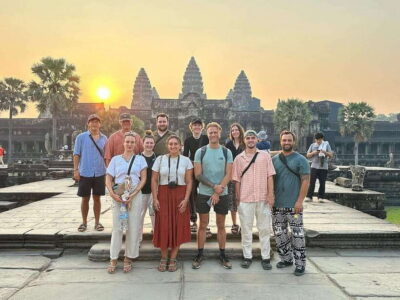
Angkor Wat: Small-Group Sunrise or Sunset Tour
Read our review →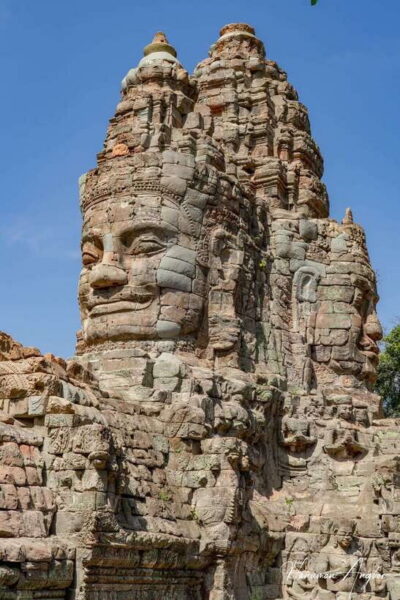
Angkor Wat 2-Day Tour with Sunrise and Sunset
Read our review →
Angkor Wat Sunrise tour with Small – Group and Guide tours
Read our review →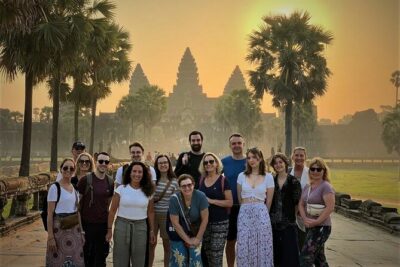
Angkor Wat Highlights and Sunrise Guided Tour from Siem Reap
Read our review →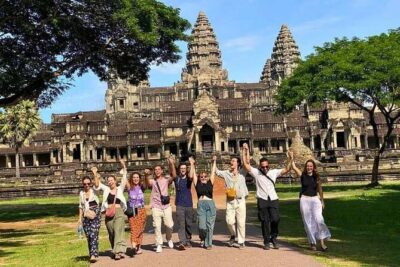
Angkor Wat Sunset Small Group Tour with Lunch Included
Read our review →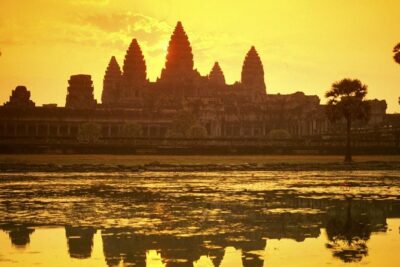
Full-Day Angkor Wat Sunrise Private Tour with Guide from Siem Reap
Read our review →Browse the lists this tour appears in