
Review · SPAIN
From Seville: Italica Roman City & Medieval Monastery Tour
Ancient Rome is only 20 minutes from Seville. This half-day outing combines Italica’s huge amphitheater and superb mosaics with the quieter San Isidoro del Campo monastery, giving you two very different slices of Andalusian history. I especially like the way the monastery adds substance to what could otherwise be a Roman ruins-only trip. The main drawback is the tight schedule, with limited time for wandering alone and no meal stop.
You can join a shared small-group outing or book a private tour with optional hotel pickup in Seville. Guides such as Carlos Leon, Miguel, Alberto, Jesus, and Jose Luis have earned particular praise for making archaeology understandable and entertaining. Just leave extra time after the advertised four hours, since traffic or an extended explanation can push the return later.
Key points to know before you go
- Italica sits just 20 minutes from Seville: You get a major archaeological site without spending a full day on the road.
- The amphitheater is the star: Its underground passages, former animal den, and Game of Thrones connection make the visit memorable even for non-history specialists.
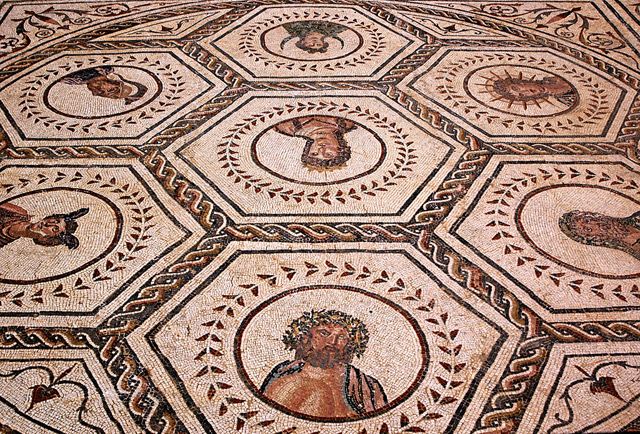
- The mosaics are remarkably well preserved: They offer a clearer sense of Roman domestic life than bare walls alone.
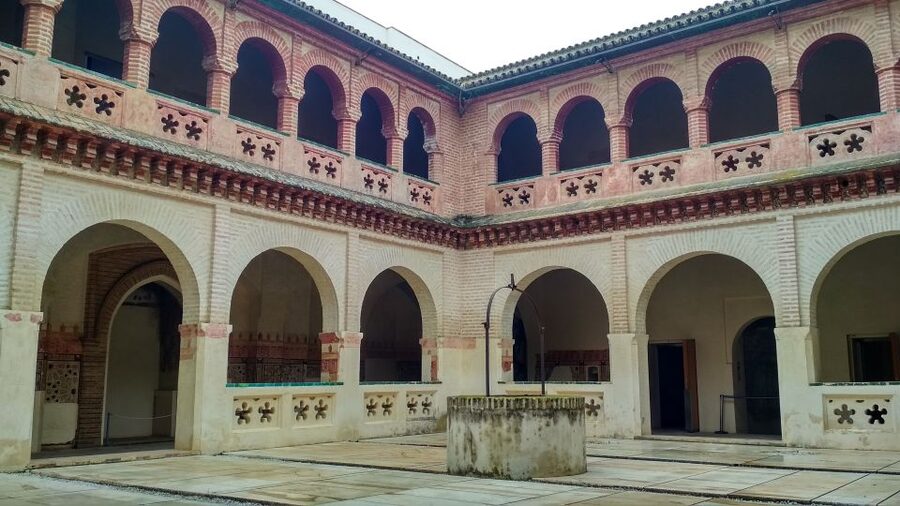
- The monastery changes the mood: San Isidoro del Campo brings Mudejar, Gothic, and Baroque design into the same four-hour outing.
- The guide makes a real difference: The strongest guides use stories, humor, and historical context rather than simply naming stones.
- Plan around the pace: Food is not included, facilities at Italica are limited, and independent exploring time is short.
Why Italica makes such a good Seville side trip
Italica was founded in 206 BC by the Roman general Publius Cornelius Scipio. The city later became associated with two Roman emperors, Trajan and Hadrian, who were born there. That connection gives the site unusual importance, but the visit works even if imperial family trees make your eyes glaze over.
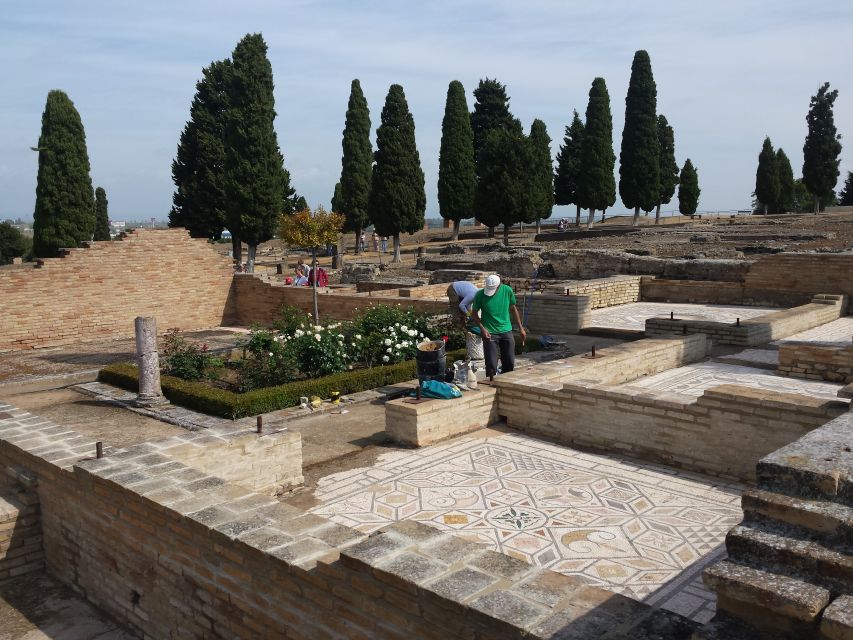
The appeal is physical. You walk along ancient streets, pass the remains of homes, and see patterned floors that still hold their shape after many centuries. This is not a museum where Roman life is reduced to objects behind glass. You are walking through the city itself, with its streets, public buildings, and amphitheater laid out across an open archaeological site.
I like the contrast with central Seville. The city center is full of palaces, churches, and layered urban life. Italica gives you space to see how a Roman settlement was organized, and the short coach ride means you do not sacrifice an entire day to reach it.
The site is also still being excavated and restored. That means you should expect impressive remains alongside unfinished sections rather than a perfectly reconstructed Roman town. For many people, that ongoing work makes the place feel more real. You can see that archaeology is a process, not a finished stage set.
A few more temple visits around Spain worth a look
- Montserrat Monastery Half Day Experience from Barcelona
★ 5.0 · 6,014 reviews - Montserrat Monastery Small Group or Private Tour Hotel pick-up
★ 5.0 · 5,144 reviews - Escorial Monastery and the Valley of the Fallen Tour from Madrid
★ 5.0 · 2,494 reviews
Entering the amphitheater and the Dragonpit
The amphitheater usually provides the tour’s biggest visual moment. It once held around 25,000 people, a remarkable capacity for the Roman world. From the seating area, you can look down into the arena and grasp the scale of public entertainment in a way that written history cannot quite deliver.
The guide explains the underground corridors used by gladiators and the enclosure where lions were kept before combat. These details help you read the structure. Without an explanation, you might simply see a large oval of stone. With one, you begin to understand how performers, animals, and crowds moved through the building.
The amphitheater also served as the Dragonpit in season seven of Game of Thrones. That connection is a useful bonus, not the main reason to come. Fans will recognize the setting from the summit scene, while anyone uninterested in the show can simply enjoy one of Spain’s most important Roman monuments.
Photography is a small challenge here. The amphitheater has several levels and viewpoints, but the guided schedule does not leave unlimited time to return to every angle. One practical suggestion is to keep your camera ready while the guide talks, then take your main photographs during the short period set aside for independent looking.
Mosaics that make Roman homes feel personal
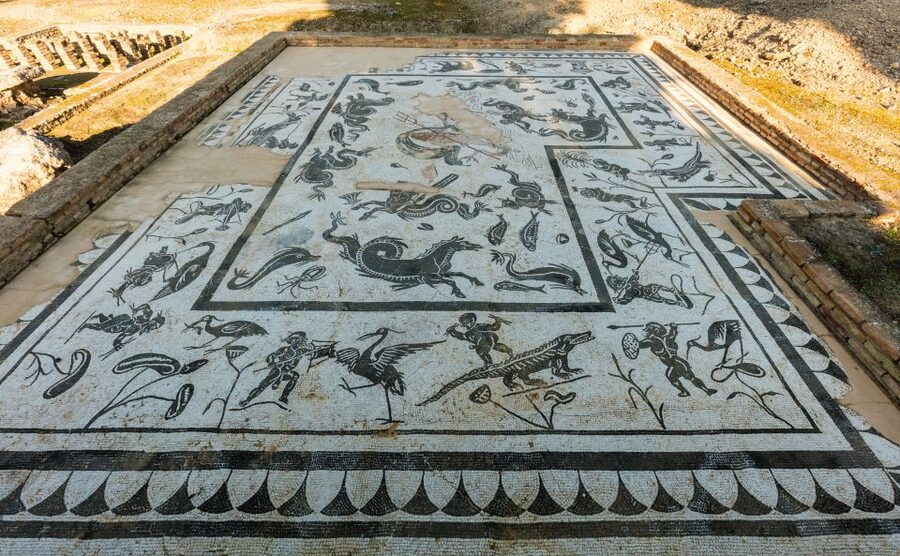
The mosaics are among Italica’s strongest features. Their patterns and detail give you a better sense of the homes that once stood around them. Even when walls have disappeared, a floor can reveal taste, wealth, decoration, and the importance of the room.
I would pay close attention here rather than rushing toward the amphitheater. The large arena attracts the eye, but the mosaics often provide the finer details. Several people who later visited the Palacio de la Condesa de Lebrija found more mosaics from Italica there, so you can pair the outing with that Seville palace if Roman floor designs interest you.
A guide is especially useful around the mosaics. The patterns can be beautiful on their own, but historical context helps you understand why they matter. Guides such as Alberto and Carlos Leon were praised for answering questions and connecting archaeology with art and everyday life.
The 105-minute Italica visit: informative but fairly directed
The main guided visit lasts about 105 minutes. That is enough to see the amphitheater and important parts of the city, but it is not a leisurely archaeological study session. The group moves at a planned pace, and the guide controls the route so the whole party can cover the key areas.
That structure works well if you want the site explained. One visitor who normally prefers self-guided sightseeing found the guide essential here, especially for making the ruins understandable. I agree with that logic. Italica’s remains are spread out, and without interpretation you could miss why one broken wall or floor matters.
The tradeoff is personal freedom. Some people would like another 15 minutes to explore the ruins or return to the amphitheater. If you prefer wandering alone, this may feel a little brisk. If you want a clear story with no research homework, the pace is helpful.
The site has a small exhibition and toilets, but the facilities are limited. Bring water and consider eating before departure. Food and drinks are not included, and there is no planned snack break. Hunger can become noticeable toward the end of a four-hour outing, especially if the tour runs beyond its stated duration.
Same place, a different morning at the gates:
- Montserrat Museum and Monastery Entry Ticket
★ 4.5 · 1,740 reviews - Montserrat Small Group: Monastery, Black Madonna & Natural Park
★ 5.0 · 1,690 reviews - From Madrid: Escorial Monastery and the Valley of the Fallen
★ 4.7 · 1,434 reviews - Madrid: Flamenco Show at Tablao Sala Temple with Drink
★ 4.8 · 1,206 reviews
San Isidoro del Campo adds a different century
After Italica, the coach ride to the monastery takes about 10 minutes. The change is striking. You leave the Roman world and enter a medieval religious complex with fortress-like qualities and layers of Mudejar, Gothic, and Baroque architecture.
The guided visit lasts about 40 minutes. That is shorter than the Italica portion, but it gives you enough time to see why this stop belongs on the route. San Isidoro del Campo is not simply an extra building tagged onto the end. It shifts the focus from Roman public life to medieval faith, power, art, and monastic life.
Some people may prefer the monastery to Italica, especially if architectural detail and photography appeal to them. Others will find the amphitheater more dramatic. I like having both in one outing because the comparison helps you see how Andalusia changed across the centuries.
Only part of the monastery is open, with funding problems affecting access to some areas. Keep that limitation in mind. You are not receiving a full tour of every room, but the accessible sections still show the mixture of architectural styles and the character of a deconsecrated religious site.
Transport from Seville and how the group works
The outbound coach ride takes around 20 minutes, followed by a 10-minute transfer between Italica and the monastery, then roughly 20 minutes back to Seville. That is efficient for a half-day excursion, and it avoids the hassle of arranging local transport to Santiponce on your own.
The vehicle has been described as comfortable, and one coach had USB charging ports. On a shared trip, several groups may ride together before separating into language groups at the destination. This means the bus may feel larger than the walking group you eventually join.
Shared tours use one of three meeting points in Seville, depending on the departure selected. Private tours can include pickup at your Seville hotel or apartment if the address falls within the service area. If it does not, you receive the nearest practical pickup point.
Check the meeting instructions carefully. A navigation app has directed at least one person slightly away from the correct place, so do not rely only on satellite navigation. The exact meeting point can vary by option.
The return points listed for the outing include Calle Rastro 12a, Hotel Don Paco, and Calle Trajano 6. Since the tour may finish late, avoid booking a restaurant, show, or train immediately afterward. A two-hour buffer is sensible.
The guide can turn stones into a story
Guide quality is the most important variable in this experience. The strongest guides are not simply good at reciting dates. They explain how the city worked, answer questions, use humor, and connect Italica with wider Spanish and Andalusian history.
Carlos Leon received praise for his archaeological background, careful explanations, and attention to people who moved more slowly. Miguel was repeatedly appreciated for his humor, language skills, and clear delivery. Alberto was noted for his art history knowledge and thoughtful answers. Jesus and Jose Luis were also praised for bringing the Roman period to life.
Language options are English, French, Italian, and Spanish. A minimum of four people speaking the same language is required to guarantee that language. If the number is not reached, the operator may offer another language, another date, or a full refund.
That policy matters if you need a particular language. Confirm the arrangement when booking, especially outside the busiest travel periods.
Shared or private: which version suits you?
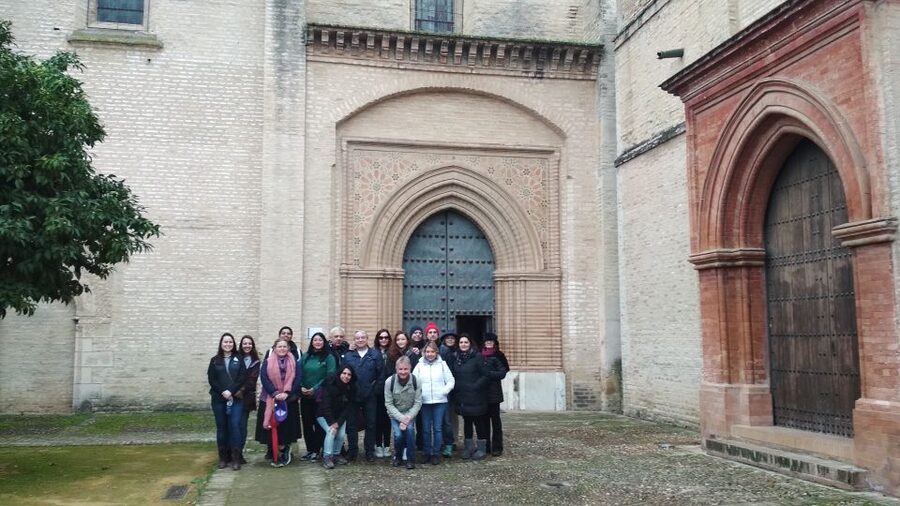
The shared tour is the better value for most people. At about $46 per person, the price covers transport from Seville, entrance tickets, and a live guide. If you tried to arrange transport and admission separately, you would take on more planning for a visit that still benefits greatly from explanation.
A private tour costs more, though the exact price depends on the booking option. You gain a more personal format, optional hotel pickup, and more room for questions. It makes sense for families, people with a strong interest in archaeology, or anyone who wants the guide to adjust the pace.
The shared outing can work well for solo visitors and couples who want company and a fixed plan. It also keeps the morning or afternoon compact. I would choose private only if pickup convenience or personal attention matters more to you than keeping costs low.
Who should book this four-hour outing?
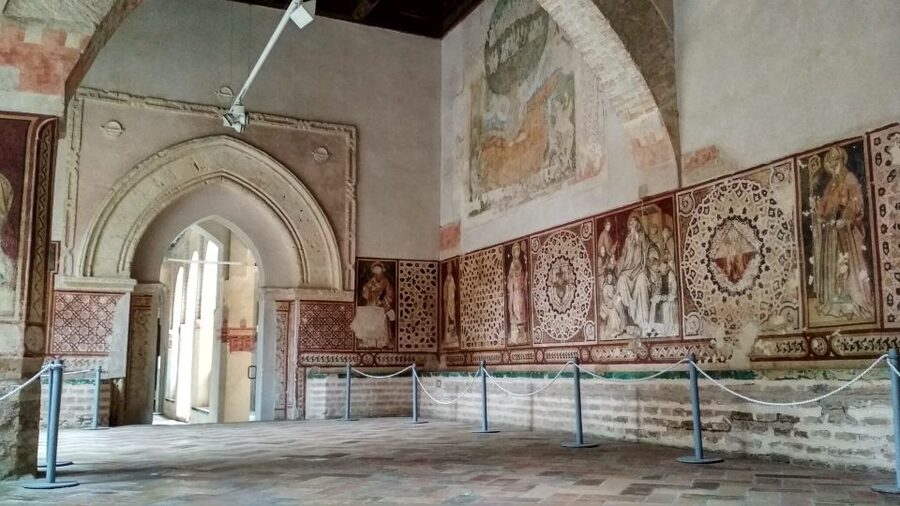
I would recommend it to you if you enjoy Roman sites, ancient architecture, archaeology, or places connected with major historical figures. It also suits Game of Thrones fans, though the filming connection should be treated as an extra rather than the whole point.
Families with teenagers can get a lot from the amphitheater, gladiator passages, lions’ enclosure, and palace-scale mosaics. The guide-led format helps younger visitors understand what they are seeing instead of facing a field of ruins with no story.
You should think twice if you dislike scheduled visits or want a long, unhurried lunch. The tour is organized around fixed transfers and guided sections, and there is no included food. People with mobility concerns should ask about current access details before booking. One guide made a point of helping a participant using a walking aid, but that personal care should not be treated as a formal guarantee for every departure.
Is $46 a fair price?
Yes, for most visitors. The cost includes admission, round-trip transport, and a guide who can explain two sites that are not as simple to understand on your own. The short drive is also valuable: you get a major Roman archaeological stop without arranging buses, taxis, or entry tickets yourself.
The price feels strongest when your guide is one of the animated storytellers described above. It feels less attractive if you mainly want free time, because part of what you are paying for is the structure and interpretation.
The tour has a rating of 4.5 from more than 1,000 ratings, which fits the experience described here: excellent content and strong guiding, with practical limits around facilities, meeting points, delays, and free time.
Should you book it?
Book this tour if you want an efficient, well-explained visit to Italica and like the idea of adding a medieval monastery. The amphitheater is powerful, the mosaics are special, and the monastery gives the outing more variety than a simple Roman ruins trip.
Choose the shared option for the best value. Pick private if hotel pickup, a smaller setting, or extra flexibility is worth the added cost. Bring water, eat beforehand, wear comfortable shoes, and keep your afternoon open. If you do that, this is one of the most useful history trips you can make from Seville in half a day.
FAQ
How long does the Italica and monastery tour last?
The advertised duration is four hours. The route includes about 20 minutes from Seville to Italica, a 105-minute guided visit, a 10-minute transfer to the monastery, a 40-minute guided visit, and about 20 minutes back to Seville. Delays or extended explanations can make the outing last longer.
What is included in the price?
The price includes entry tickets, transport from Seville, and a local live guide. Food and drinks are not included.
Is transport provided from Seville?
Yes. Shared tours include transport from a selected meeting point in Seville. Private tours can include hotel or apartment pickup, depending on the address and the pickup area.
Which languages are available?
The tour is offered in English, French, Italian, and Spanish. At least four participants speaking the same language are needed to guarantee that language for a departure.
Can I choose a private tour?
Yes. You can choose between a shared group tour and a private option. The private tour may include pickup from your accommodation in Seville if the location is within the service area.
What will I see at Italica?
You will see ancient streets, Roman ruins, mosaics, the amphitheater, underground passages used by gladiators, and the former enclosure for lions. The amphitheater was also used as the Dragonpit in season seven of Game of Thrones.
What is the monastery included in the visit?
The tour visits the medieval Monastery of San Isidoro del Campo. It contains Mudejar, Gothic, and Baroque architectural elements and is visited with a guide for about 40 minutes.
Can I cancel the tour?
You can cancel up to 24 hours in advance for a full refund. The activity also offers reserve-now-and-pay-later booking, so you do not need to pay at the time of reservation.
Just added around Spain
- Montserrat Monastery Horse Riding & Walk – Small Group (Max 8)★ 5.0 · 45 reviews
- Montserrat Nature Walk, Monastery and Museum from Barcelona★ 5.0 · 58 reviews
- Montserrat & beyond private from Barcelona with different options★ 5.0 · 32 reviews
- Transfer to Montserrat Monastery from Barcelona★ 4.5 · 94 reviews
- Montserrat Tour with Cogwheel Train, Monastery & Black Madonna★ 4.0 · 10 reviews
- Private Montserrat & Hot-Air Balloon Ride with Monastery visit★ 4.5 · 5 reviews
- Montserrat Monastery and Mountain Half Day Hiking from Barcelona★ 4.5 · 6 reviews
- Montserrat Horseback Riding & Monastery – Small Group (Max 8)★ 5.0 · 45 reviews
Spain Temple Tours, compared.
Montserrat Monastery Half Day Experience from Barcelona
Read our review →
Montserrat Monastery Small Group or Private Tour Hotel pick-up
Read our review →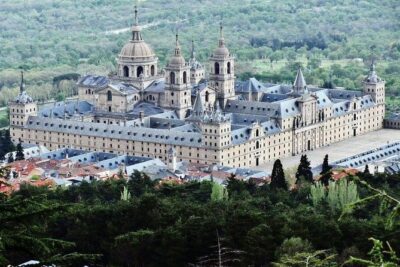
Escorial Monastery and the Valley of the Fallen Tour from Madrid
Read our review →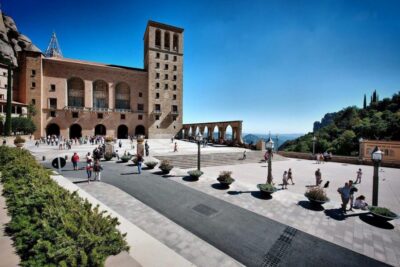
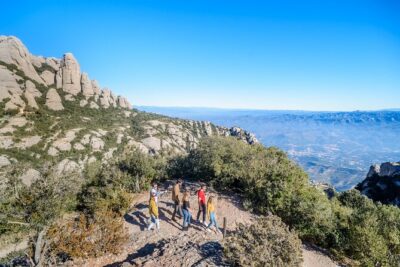
Montserrat Small Group: Monastery, Black Madonna & Natural Park
Read our review →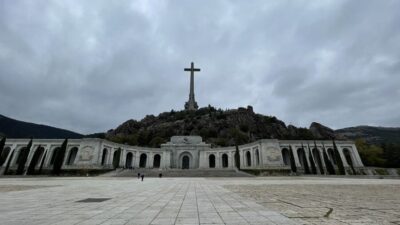
Escorial Monastery and the Valley of the Fallen
Read our review →
Flamenco Show at Tablao Sala Temple with Drink
Read our review →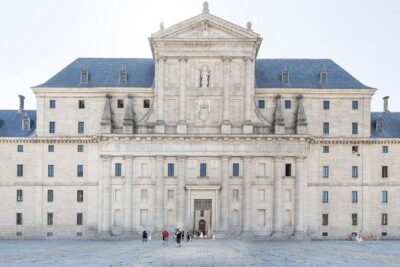
Escorial Monastery and the Valley of the Fallen from Madrid
Read our review →Browse the lists this tour appears in