
Review · CHINA
Chengdu: Wuhou Shrine Museum From Three Kingdoms Era
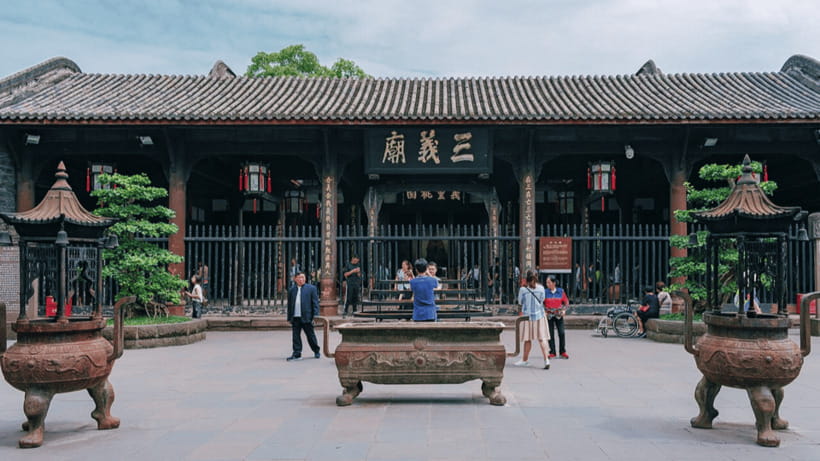
Three kingdoms, one quiet Chengdu courtyard. The Wuhou Shrine Museum gives you a focused look at Zhuge Liang, Liu Bei, and the Shu Han Dynasty through statues, historical relics, ancient buildings, and peaceful gardens. I like the red-walled architecture and the way the museum connects objects to the political and cultural world of the Three Kingdoms era. I also like that free guided services are included, giving the visit more meaning than a quick walk through old buildings.
The main consideration is the booking process. Your GetYourGuide QR code is not valid for entry, so you must wait for an email or contact the provider. You also need to send your full passport name and passport number in time, or the booking may be canceled with a fee. That extra step matters, especially if you are arranging several Chengdu activities close together.
Key points to know before you go
- Zhuge Liang and Liu Bei are the central figures: The museum honors both the famous Shu Han chancellor and the dynasty’s founding emperor.
- Red walls make the site highly photogenic: Ancient-style architecture, trees, and gardens give you plenty to photograph between exhibits.
- The visit focuses on the Three Kingdoms era: Expect statues, relics, architecture, and exhibitions tied to Shu Han culture.
- The ticket costs about $17 per person: That is reasonable if you value historical context and included guided services.
- Free entry applies to some visitors: Seniors over 60 and children under 1.3 meters can enter free without a reservation.
- Booking details require care: Bring your passport, submit the requested passport information, and do not rely on the QR code alone.
Why Wuhou Shrine matters in Chengdu
Chengdu is closely tied to the Shu Han Dynasty, one of the three states that fought for control of China during the Three Kingdoms period. Wuhou Shrine Museum gives that era a physical setting. Instead of reading only about battles, rulers, and famous advisers, you can see the names and figures connected to the story presented through buildings, statues, relics, and displays.
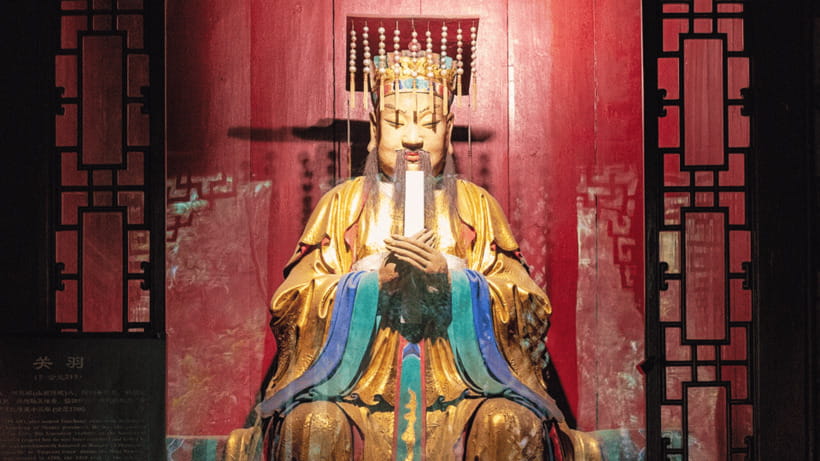
The site is dedicated to Zhuge Liang and Liu Bei. Zhuge Liang is remembered as Shu Han’s respected chancellor, while Liu Bei was the emperor associated with the dynasty. Their connection gives the museum a clear focus. You are not wandering through an unrelated collection of old objects. You are following the story of one state, its leaders, and its cultural legacy.
I find that useful because the Three Kingdoms period can feel confusing at first. There are several rulers, shifting alliances, and familiar names that appear in different roles. The museum’s focus on Shu Han gives you one firm point of reference. If you already enjoy Chinese history, the displays add physical detail to a period you may know from books, dramas, or popular stories. If you are new to the subject, the setting gives you a manageable introduction.
More Museum Visits in China:
- Beijing: Lama Temple, Confucius Temple and Guozijian Museum
★ 5.0 · 23 reviews - 4-Hour Private Tour: Lama Temple, Confucius Temple, Guozijian Museum with Dim Sum
★ 5.0 · 21 reviews - Montserrat Museum and Monastery Entry Ticket
★ 4.5 · 1,740 reviews
Entering the red-walled museum grounds
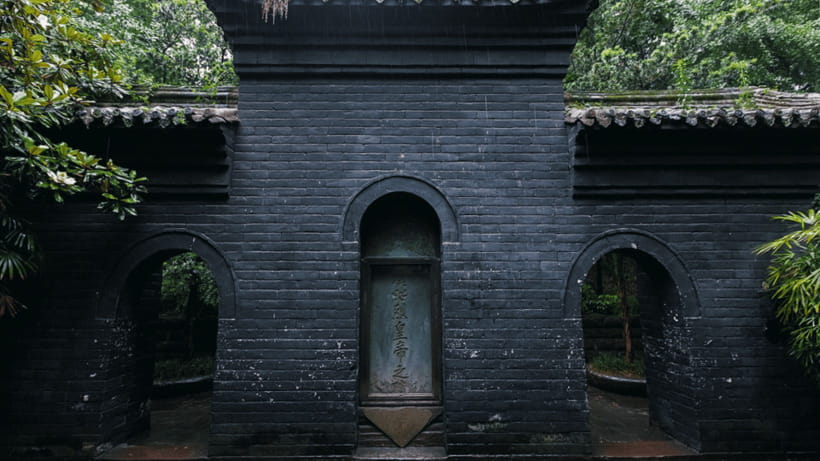
The first pleasure is visual. The ancient red walls create a strong sense of place, while the surrounding greenery softens the formal architecture. You will want your camera ready, but do not spend the entire visit photographing doorways and trees. The setting works best when you pause to consider why a memorial site was built with such care.
The mix of architecture and gardens is one reason this experience feels different from a standard indoor museum visit. You can move between historical displays and open-air areas, giving your eyes a break from written information. The calm setting also helps the story feel less abstract. You are learning about rulers and advisers in a place designed to honor them.
The supplied information does not give a fixed walking route, exact building list, or timed schedule. Your visit is valid for one day, so you have flexibility rather than a tightly controlled itinerary. That is helpful if you want to set your own pace, spend longer with the exhibits, or combine the museum with other Chengdu plans.
Wear comfortable shoes. Even without a detailed route, a large cultural site with outdoor grounds is better approached at an easy pace. The camera is worth bringing, especially if you enjoy architectural details and garden views.
Meeting Zhuge Liang and Liu Bei through the exhibits
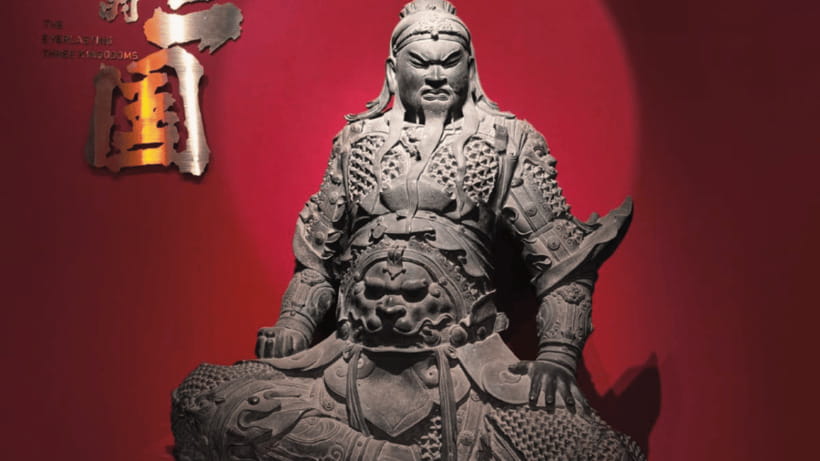
The museum’s main appeal is its collection of artifacts, statues, and historical relics connected with the Three Kingdoms era. These objects give shape to people who can otherwise seem distant. A statue or inscription can make a famous name easier to remember than another page of dates.
Zhuge Liang receives special attention because of his role as Shu Han’s chancellor. His reputation has lasted well beyond the dynasty itself, and the museum uses his association with Wuhou Shrine as a central part of the site’s identity. Liu Bei provides the imperial and political side of the story. Seeing the two honored together helps you understand how leadership, loyalty, and Shu Han identity are presented here.
I would allow time to read the exhibition material rather than rushing from one object to the next. The value of this place is not only in the age of the buildings. It is in the connection between the people, the state they served, and the lasting cultural influence of their era.
Free guided services are included, which can help if you want more than visual impressions. The information does not specify a guide language, schedule, or group size, so you should not assume a private tour or a guide available at every moment. Still, the inclusion of guided help is a welcome benefit at a site where historical context adds real value.
What the Three Kingdoms exhibitions add
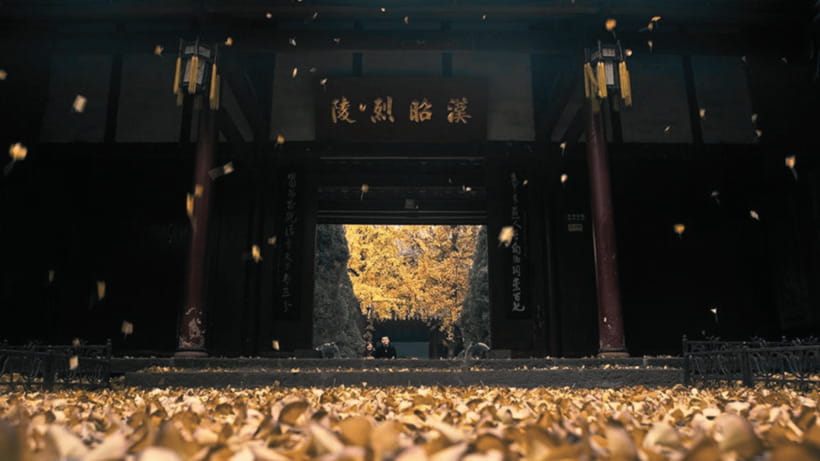
The exhibitions explain the cultural and historical effect of Shu Han. That broader angle is important. You are not simply looking at military objects or royal memorials. You are also seeing how one dynasty is remembered and how its people and ideals remain part of Chinese culture.
This is where the admission price makes sense. At about $17, the ticket costs more than a basic public garden entry, but it pays for access to a major heritage site with formal exhibitions, historic buildings, statues, and relics. If you only want a fast photo stop, the price may feel less attractive. If you enjoy history and plan to read the displays, it is a fair outlay for a full day of access.
The museum also suits different levels of interest. A scholar or dedicated history fan can spend time examining the relics and written material. Someone with only a casual interest can focus on the architecture, key figures, and overall atmosphere. Families may appreciate the visual setting, though children who are too young to engage with historical displays may not get as much from the visit.
Seniors over 60 and children under 1.3 meters can enter free without a reservation. That can make the visit especially good value for a mixed-age group. For other visitors, advance booking is recommended, particularly on weekends and public holidays.
A few more temple visits around China worth a look
- Mini Group Xian Day Tour to Terracotta Army, City Wall, Pagoda and Muslim Bazaar
★ 5.0 · 1,320 reviews - Beijing: The Temple of Heaven or Summer Palace Entry Ticket
★ 4.6 · 1,286 reviews - Beijing Classic Full-Day Tour including the Forbidden City, Tiananmen Square, Summer Palace and Temple of Heaven
★ 4.0 · 610 reviews - Temple of Heaven Ticket
★ 5.0 · 482 reviews
A one-day visit without a rushed schedule
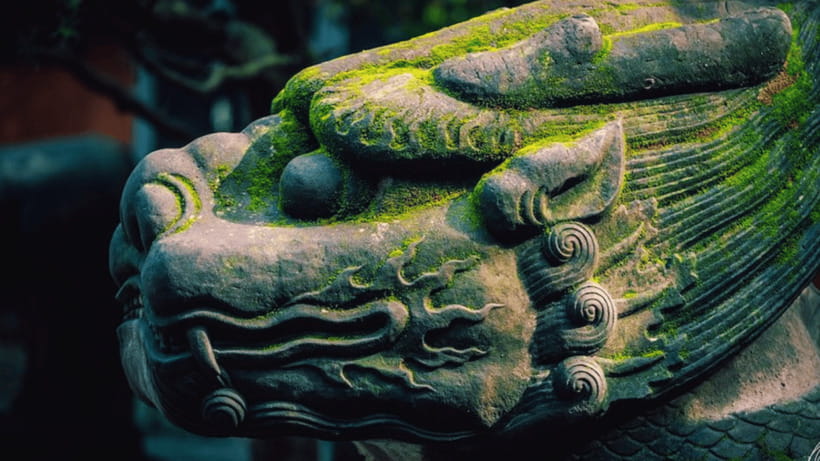
The ticket is valid for one day, and you can check availability for starting times. That wording gives you useful flexibility, but it does not mean the museum is a guided full-day tour with a packed schedule. Think of it as admission to a major historical site that you can explore during the available day.
A sensible visit has three parts:
- Start with the setting: Take in the red walls, old buildings, and garden areas before concentrating on the displays.
- Follow the Shu Han story: Look for the material connected with Zhuge Liang, Liu Bei, and the Three Kingdoms period.
- Return to the outdoor areas: Use the gardens and architecture as a quiet finish, and take photographs after you understand what the site represents.
That order keeps the visit balanced. If you begin by rushing through every display, the names may blur together. If you only take photographs, you miss the reason Wuhou Shrine is important. Allow the building, objects, and historical story to support one another.
The flexible duration also helps if you have limited energy or want to make the museum one part of a wider Chengdu day. You are not required to remain for a set number of hours based on the information provided. Check the available starting time before booking, then plan enough breathing room for reading and photography.
The practical booking issue you should not overlook
The most important logistical warning is simple: your GetYourGuide QR code is not valid for entry. Do not arrive expecting to scan it at the gate. You need to communicate with the provider or wait for the confirmation email that completes the booking.
You must also provide your full name exactly as it appears on your passport and your passport number. Send both details promptly. If the information is not received in time, the booking may be canceled and a cancellation fee may apply.
Bring the same passport with you. It is listed as a required item, and it may be needed to match the booking information. This is one of those small travel tasks that is easy to ignore and unpleasant to fix later. Complete it before your sightseeing day.
Advanced booking is recommended on weekends and holidays. Seniors over 60 and children under 1.3 meters do not need a reservation for free entry, but everyone else should check availability before setting a fixed schedule.
The activity allows free cancellation up to 24 hours in advance, and you can reserve now and pay later. Those terms give you some protection if your Chengdu plans shift. They do not remove the need to submit passport information on time.
What is not included in the $17 price
Food and souvenirs are not included. The information also notes that special exhibitions may require additional fees. Plan your budget accordingly if you hope to see a temporary display or buy something at the site.
The ticket includes admission to the Three Kingdoms exhibitions, access to historical relics and ancient architecture, and free guided services. It does not include a meal, personal shopping, or every possible special display.
That makes the price easy to judge. You are paying for the core museum experience, not an all-inclusive day tour. At $17, I consider it good value for someone who will read, look closely, and appreciate the setting. It is less compelling for someone who wants entertainment, transport, or a meal bundled into the ticket.
Pets are not allowed. Keep that in mind if you are traveling with an animal, since the site is not presented as pet-friendly.
Who will enjoy Wuhou Shrine most?
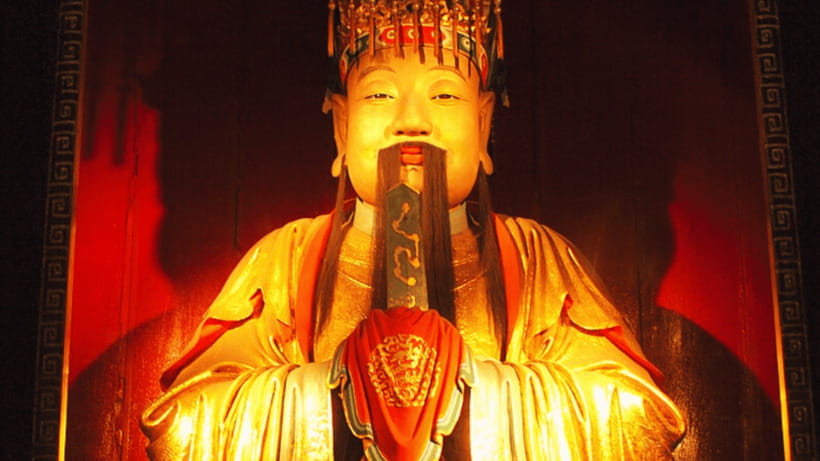
I would recommend this experience to anyone with an interest in Chinese history, traditional architecture, or the cultural memory of the Three Kingdoms era. It is also a good choice if you want a quieter Chengdu activity that mixes open-air scenery with museum displays.
You will get the most from it if you know at least the basic names Zhuge Liang and Liu Bei, but prior study is not required. The exhibits and guided services can help give the period structure. A little reading beforehand may make the visit even more rewarding, especially if the Three Kingdoms names are new to you.
Photography fans should enjoy the red walls, old architecture, and green surroundings. The setting gives you more variety than a plain gallery, though the main value remains historical rather than purely scenic.
I would think twice if you dislike reading displays, have no interest in history, or want a highly organized tour with a fixed timetable and transportation. The provided details do not include transfers, meals, or a private guide. This is a cultural site visit, not a city tour.
Should you book Wuhou Shrine Museum?
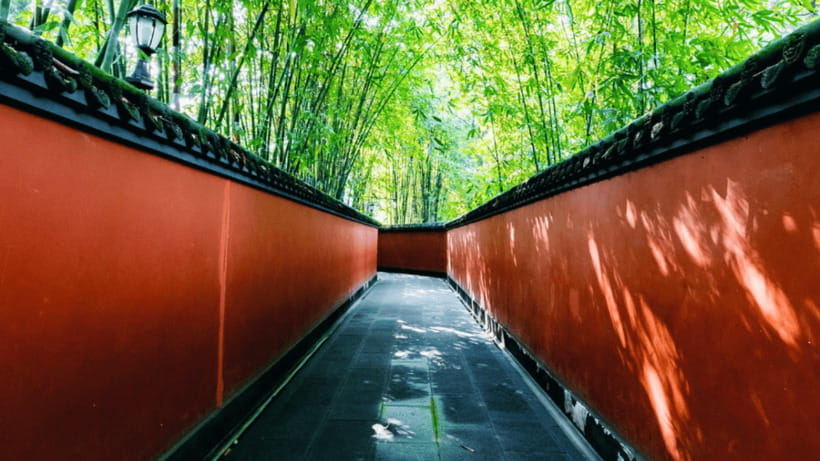
Book it if you want to connect Chengdu with the Shu Han Dynasty and see the people, relics, and buildings linked to the Three Kingdoms period. The combination of red walls, historic objects, and free guided services gives the $17 admission solid value for history-minded visitors.
Before paying, make sure you can provide your passport name and number promptly, and remember that the QR code alone will not get you inside. If you prefer flexible plans, the one-day validity, reserve-now-pay-later option, and cancellation up to 24 hours ahead are useful.
Skip it only if your Chengdu schedule has no room for museums or historic sites. For everyone else, Wuhou Shrine offers a clear, focused look at Shu Han culture in a setting that is as pleasant to photograph as it is to study.
FAQ
How much does admission to Wuhou Shrine Museum cost?
The listed price is about $17 per person. Food, souvenirs, and possible additional fees for special exhibitions are not included.
How long is the ticket valid?
The ticket is valid for one day. Starting times can be checked when you review availability.
Is guided assistance included?
Yes. Free guided services are included with the activity, although the available information does not specify the language, schedule, or group size.
Do I need to bring my passport?
Yes. A passport is listed among the things to bring. You must also send your full name as shown on your passport and your passport number to complete the booking.
Can seniors and children enter for free?
Seniors over 60 and children under 1.3 meters can enter free without a reservation. Advance booking is recommended for other visitors, especially on weekends and holidays.
Can I use the GetYourGuide QR code to enter?
No. The GetYourGuide QR code is not valid for entry. You need to contact the provider or wait for the email confirming the booking.
Just added around China
- 2-Day Private Tour of Leshan Grand Buddha and Emei Shan including Monastery Stay★ 4.5 · 8 reviews
- Temple of Heaven Morning Walking Tour with Ticket★ 5.0 · 7 reviews
- Temple of Heaven Admission Ticket★ 4.0 · 36 reviews
- 3-Hour Private Tour: Temple of Heaven and Lama Temple★ 5.0 · 3 reviews
- Small Group Beijing Temple of heaven and Summer Palace with Pearl market★ 5.0 · 3 reviews
- Full-Day Beijing Forbidden City, Temple of Heaven and Summer Palace Tour★ 4.5 · 40 reviews
- Summer Palace and Temple Of Heaven Private Tour★ 5.0 · 9 reviews
- Private Day Trip of Forbidden City, Temple of Heaven and Summer Palace★ 4.5 · 3 reviews
Museums, compared.


Belem, Jeronimos Monastery, and Coach Museum Tour
Read our review →
Rila Monastery and Optional Museum, Cave or Spa
Read our review →
Takua Pa: Food Market, Tsunami Museum, Temple, & Old Town
Read our review →
Phnom Penh City Tour, Silver Pagoda, Genocide Museum, Killing Fields
Read our review →
Archeology Museum, Gunung Kawi & Goa Gajah Temple Tour
Read our review →
Golden Temple, Jallianwala Bagh, Partition Museum & Wagha Border – #Travellouge
Read our review →
Paestum: Private Tour of Greek Temples and Archaeological Museum
Read our review →Browse the lists this tour appears in