
Review · BEIJING
Beijing: Lama Temple, Confucius Temple and Guozijian Museum
Start with a wooden Buddha taller than a house. This four-hour Beijing outing brings together the Lama Temple’s 54-foot sandalwood Maitreya, the thoughtful courtyards of the Temple of Confucius, and the old hutong lanes nearby. I like the strong mix of religion, education, and everyday neighborhood life. I also like that a private English-speaking guide can explain what you are seeing instead of leaving you to guess at the symbols and rituals.
The main consideration is pace. Four hours is enough for a useful introduction, but not enough for long, unhurried visits at every stop. Transport also matters: taxi or subway is included in the basic arrangement, while a private car is an optional upgrade. For visitors who want clear explanations and a compact cultural route, the $80 price is reasonable, especially with admission, hotel pickup, and a private guide included.
Key points to know before you book
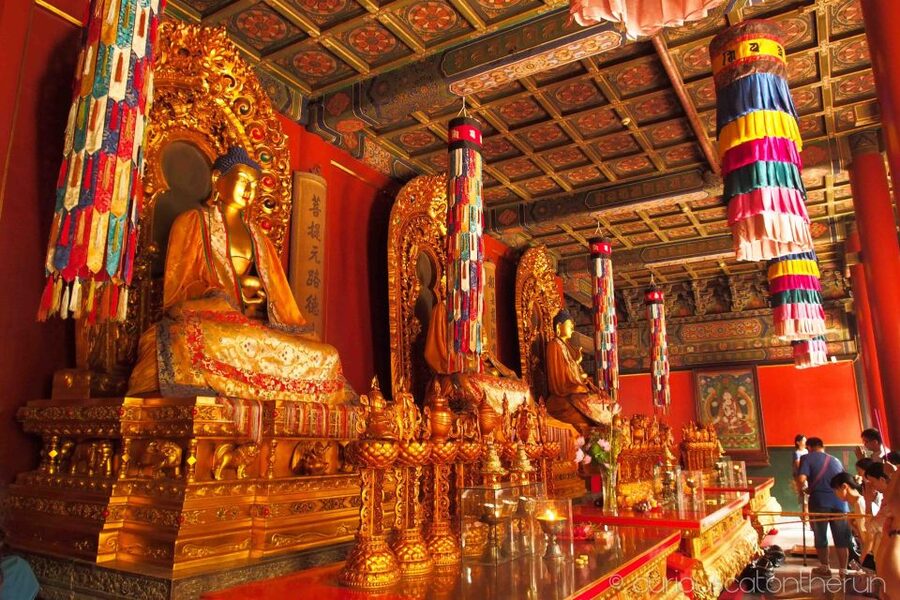
- A 54-foot Buddha carved from one sandalwood log: The Maitreya statue at the Lama Temple is the visual high point, made from a single white sandalwood trunk brought from Nepal.
- A private guide makes the temples easier to read: Guides such as Ranee, Mike, Cassie, Aurora, and Anne have received praise for clear explanations and patient service.
- Three different views of Beijing in one route: You move from active Buddhist worship to Confucian learning, then into local hutong streets.
- The former Imperial College dates to 1306: The Guozijian complex was the top academy during the Yuan, Ming, and Qing dynasties.
- Hotel pickup keeps the morning simple: Your guide meets you in the lobby with a sign bearing your name.
- The route ends near Wudaoying Hutong: You can continue exploring there, ask for directions to your next stop, or add an optional dim sum meal.
Why this four-hour route works in Beijing
Beijing can feel hard to read at first. Grand imperial sites often tell you about rulers and ceremonies, while ordinary streets show how people lived and worshipped. This tour puts both sides together without asking you to spend a full day moving across the city.
The route is also smart geographically. The Lama Temple, Temple of Confucius, Guozijian, and nearby hutongs are all in the same general part of northern Beijing. That means your time goes toward seeing places rather than sitting in a car.
I especially like the way the stops change character. The Lama Temple is active and devotional. The Confucius Temple feels more tied to education, ritual, and civil service. The hutong walk then brings the subject down to street level, where historic ideas meet present-day life.
The group is private, and the guide speaks English. That matters here because the value is not only in looking at buildings. You are paying for context, translation, and the chance to ask questions as you go.
More Temple of Heaven Tours in Beijing:
- Beijing: The Temple of Heaven or Summer Palace Entry Ticket
★ 4.6 · 1,286 reviews - Beijing Classic Full-Day Tour including the Forbidden City, Tiananmen Square, Summer Palace and Temple of Heaven
★ 4.0 · 610 reviews - Temple of Heaven Ticket
★ 5.0 · 482 reviews
Meeting your guide and choosing transport
Your guide meets you in your hotel lobby, holding a sign with your name. That is a useful arrangement in a large city, particularly if you are staying at a hotel with several entrances or a busy reception area.
The basic option takes you to the Lama Temple by taxi or subway. You can also select a private car, which includes private transfer and makes the journey simpler. If you choose the option without a private car, transfer and hotel drop-off are not included, so check the exact choice carefully before paying.
I would choose the private car if you have limited time, mobility concerns, luggage, or a hotel far from the temple area. The subway or taxi option may suit you better if you want to keep costs down and do not mind handling part of the city transport yourself.
Since the activity lasts four hours, the starting time affects how much breathing room you have. Check the available departures before booking, and allow extra time if you hope to continue at Wudaoying Hutong afterward.
Entering the Lama Temple and seeing the Maitreya
The Lama Temple is the emotional center of the outing. Your guide leads you through its courtyards and halls, pointing out Buddhist statues and explaining their roles. Instead of rushing from one building to the next, you get a framework for understanding what people are doing around you.
One useful part of the visit is watching local worship. You may see people praying and making offerings, giving the temple a working religious purpose rather than the feeling of a silent monument. Your guide can explain the customs and help you observe respectfully.
The major sight is the statue of Maitreya, a future Buddha. It rises 54 feet and was carved from one precious white sandalwood log from Nepal. The fact that the statue was made from a single piece of wood is striking before you even consider its height.
This is where a guide earns the fee. A large statue can be impressive on its own, but an explanation of who Maitreya is and why the image matters gives you a better way to look at it. The supplied information identifies it as the largest wooden Buddha in the world, a detail worth keeping in mind as you enter the hall.
The temple visit also rewards patience. It is not simply a place to collect photographs. You are sharing the space with people who have come to worship, so your guide’s advice helps you notice the difference between sightseeing and religious practice.
The drawback is that a popular temple can become crowded, and religious buildings can feel busy rather than quiet. One guide, Anne, was praised for keeping the visit moving on a crowded day, which suggests that the private format is useful when the courtyards fill up.
Walking to the Temple of Confucius
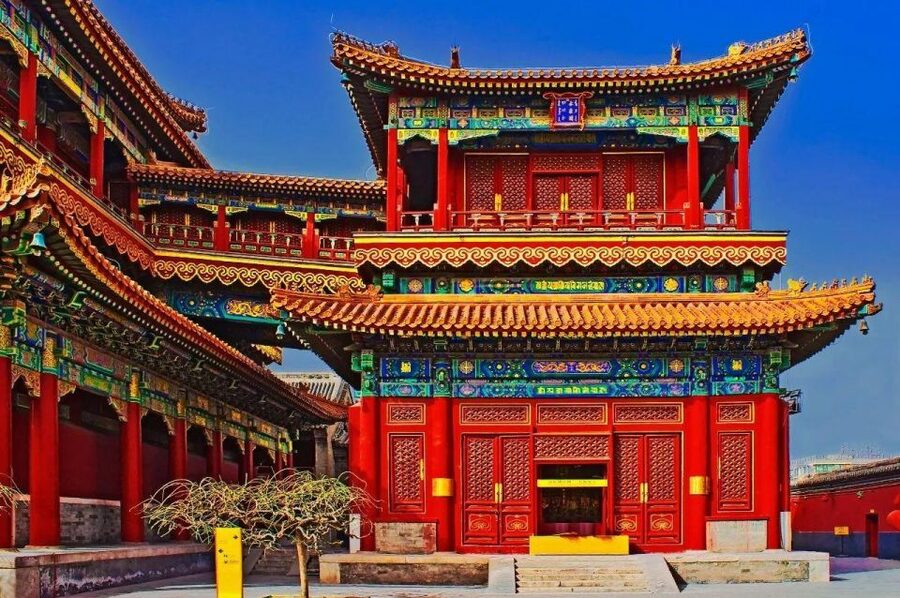
From the Lama Temple, you continue through a hutong alley toward the Temple of Confucius and the Guozijian Museum. This short walk is important because it connects the grand religious stop with the smaller street pattern of old Beijing.
The alley gives you a first look at the neighborhood before you reach the next major site. You are not being driven between isolated attractions. You are walking through an older urban setting and seeing how these institutions fit into the city around them.
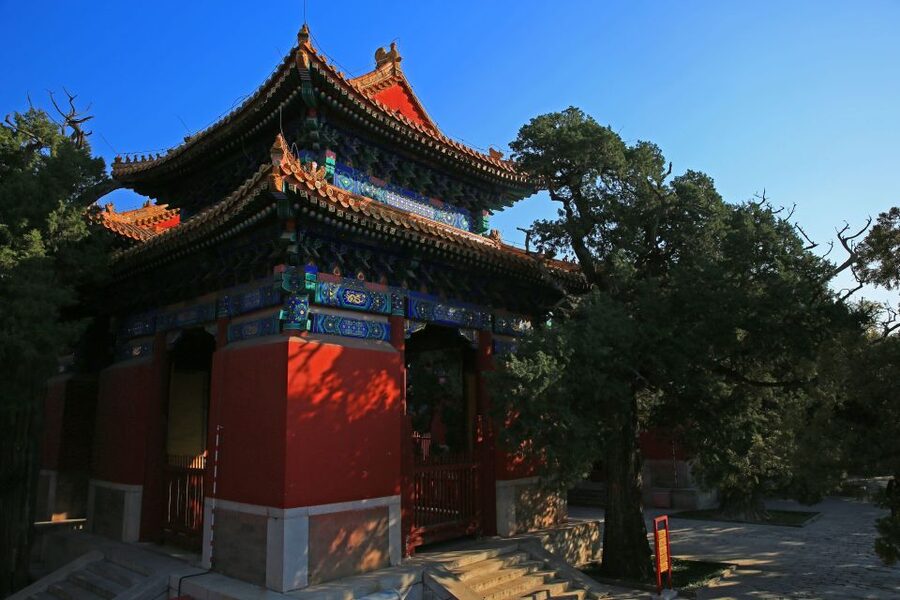
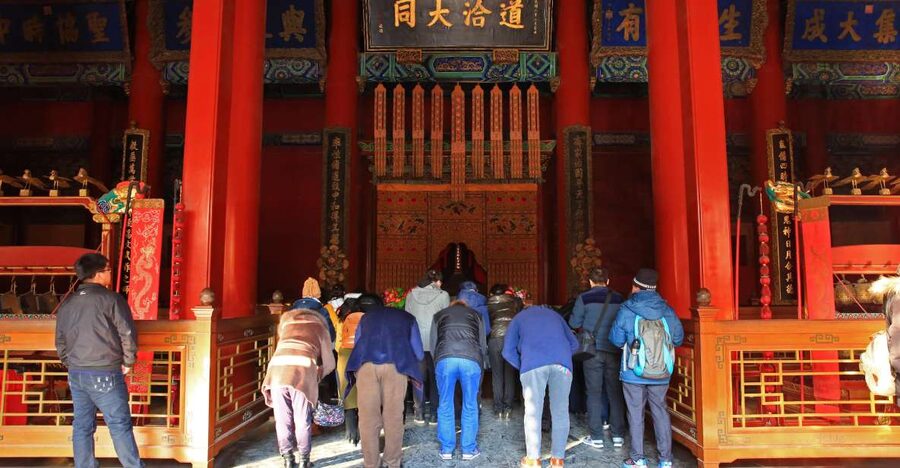
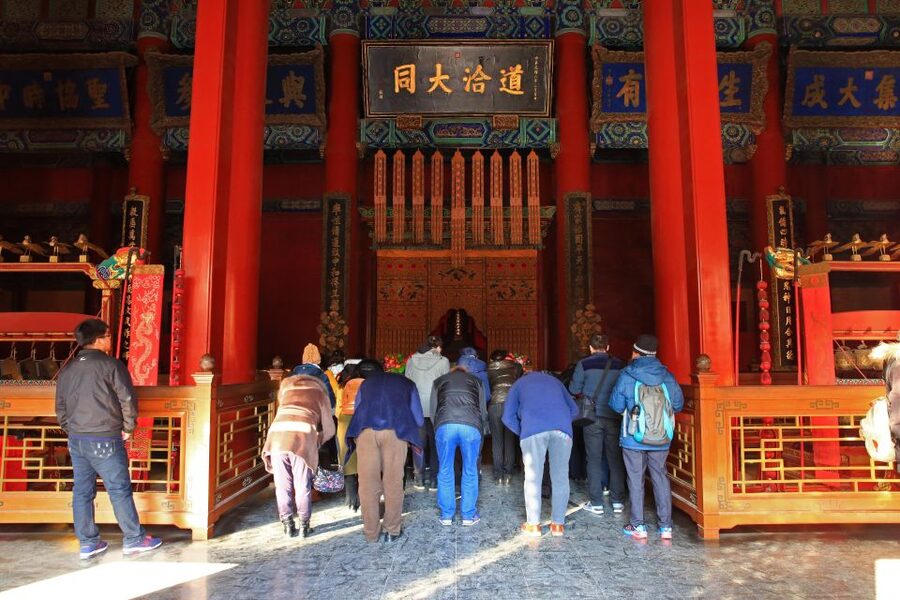
The Temple of Confucius offers a different kind of cultural lesson. The Lama Temple centers on Buddhist worship. Here, the focus shifts toward Confucian thought, ceremony, learning, and the values that shaped Chinese government and education.
I like this contrast because it prevents the tour from becoming a string of similar halls. The two temples ask different questions. One points you toward religious devotion, while the other helps explain the intellectual and official traditions that guided Chinese society for centuries.
The guide’s role is again important. Reviews of the guiding have praised clear storytelling, patient explanations, and English that was easy to follow. Maria specifically praised Cassie for providing strong context and making the visit joyful, while David singled out the quality of the narration. Those details suggest that the experience depends heavily on the individual guide, but the feedback about several different guides is encouraging.
More Museum Visits in Beijing:
- 4-Hour Private Tour: Lama Temple, Confucius Temple, Guozijian Museum with Dim Sum
★ 5.0 · 21 reviews - Montserrat Museum and Monastery Entry Ticket
★ 4.5 · 1,740 reviews - Lisbon: Belem, Jeronimos Monastery, and Coach Museum Tour
★ 4.8 · 478 reviews - From Sofia: Rila Monastery and Optional Museum, Cave or Spa
★ 4.6 · 270 reviews
Understanding the 1306 Imperial College
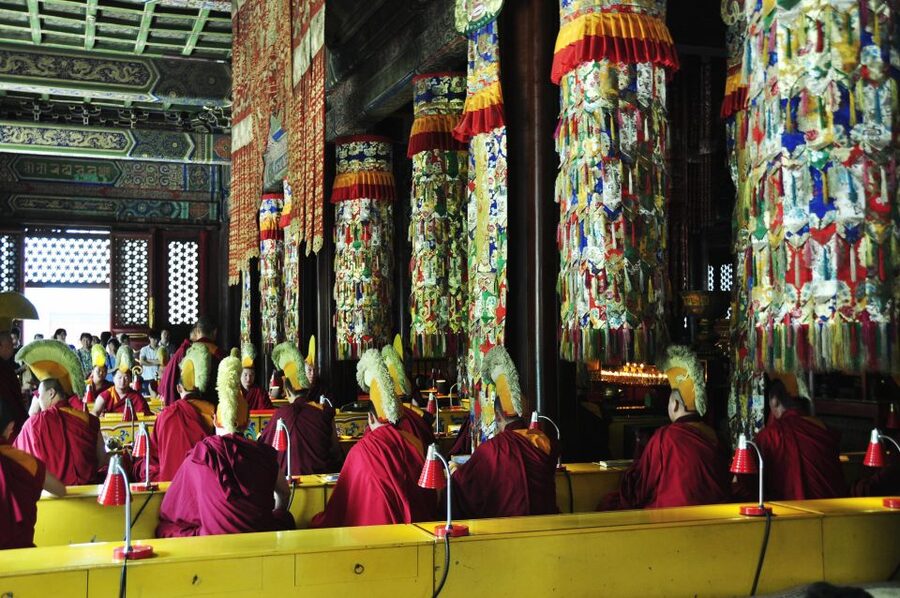
The Guozijian Museum was built in 1306 by the grandson of Kublai Khan. It later served as the supreme academy during the Yuan, Ming, and Qing dynasties.
That makes the site more than another historic courtyard. It was connected to the education of officials and to the system that shaped imperial government. Your guide explains the stories behind the buildings and shows how education fitted into the political order of the time.
The stop is especially valuable if you want more than famous palace architecture. Beijing has no shortage of grand ceremonial sites, but the former Imperial College gives you a look at the institutions behind the officials who ran the empire.
Expect a quieter, more reflective visit than at the Lama Temple. The appeal here is not one giant object. It is the sense of order, learning, and tradition built into the complex. You will get more from it if you listen closely to the guide rather than simply walking through and taking pictures.
The name Guozijian Museum can cause a little confusion because the experience includes both the Temple of Confucius and the former Imperial College. They are presented as connected places, and the guide helps explain that relationship. This is another reason I would not choose to visit without an English-speaking guide unless you already know the subject well.
Reading Beijing through its hutong lanes
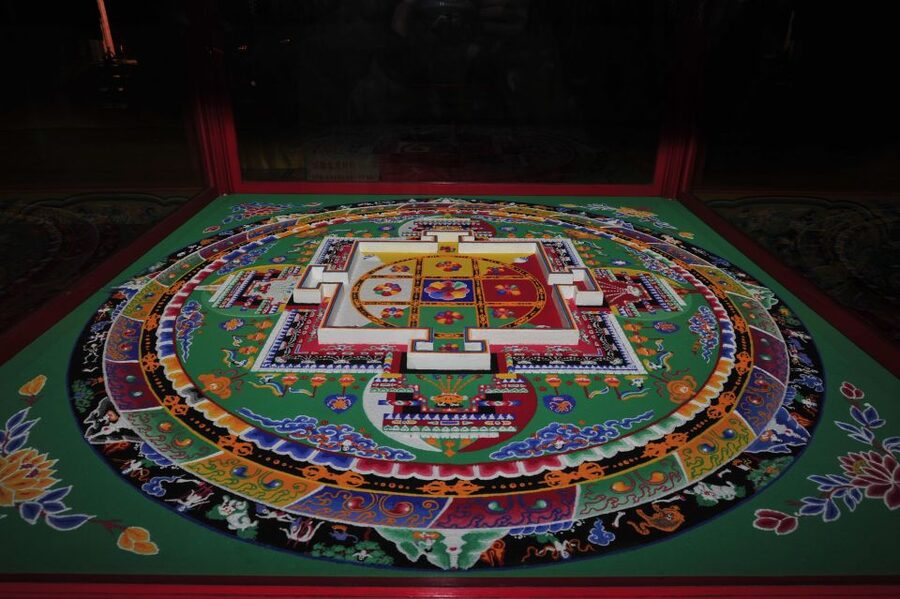
The final part of the route moves into the hutongs. These narrow lanes offer a look at neighborhood life and the older street pattern of Beijing.
The walk is not presented as a staged show. You stroll through the area, hear about the history of hutong streets, and learn how people have lived in these districts. Since the exact route and length of the walk can vary with the guide and conditions, think of it as an introduction rather than a full neighborhood study.
I like this section because it keeps the tour grounded. After Buddhist statues, Confucian ceremony, and imperial education, the hutongs remind you that Beijing’s story also belongs to ordinary streets and homes.
The route ends in the area of Wudaoying Hutong. You can spend extra time there after the guided portion, which gives you some flexibility. Your guide can suggest how to reach your next destination, so you are not simply left at an unfamiliar intersection.
You can also choose an option that combines the outing with a dim sum meal. That may suit you if you want a cultural walk followed by food, but keep in mind that the core tour already fills four hours. If you prefer a slower meal or have other plans, exploring Wudaoying on your own may be the better choice.
What the $80 price includes
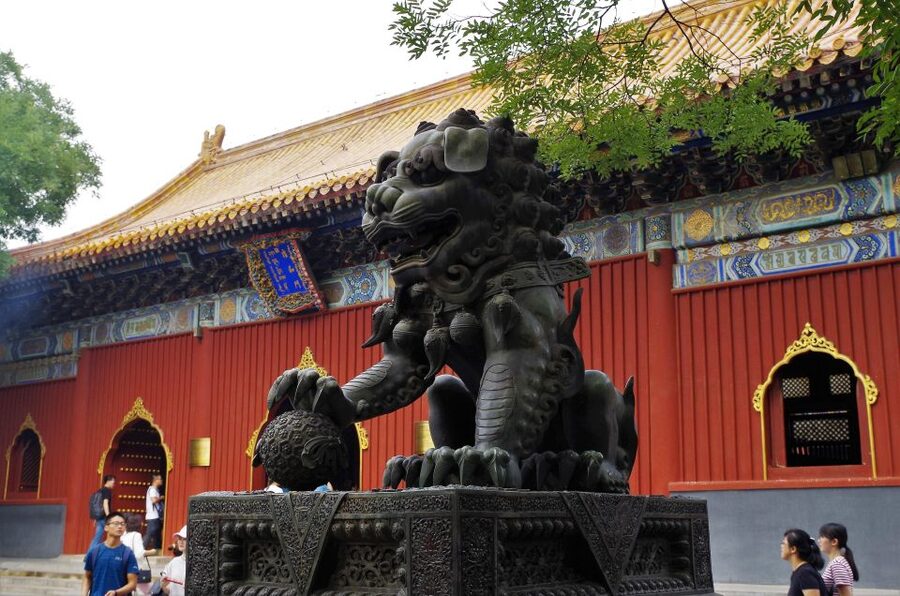
At $80 per person, this is not the cheapest way to see the area. The value depends on how much you want from the visit.
The price includes an English-speaking guide, hotel pickup, and entrance fees. The private group format is the main benefit. You can ask questions, adjust the pace within reason, and hear explanations aimed at your interests rather than at a large mixed group.
Private transport is included only if you choose the related private-car option. Without it, you arrange the transfer by taxi or subway, and hotel drop-off is not included.
I consider the price fair for a first visit to Beijing if you want structure and interpretation. The admissions and pickup remove some small costs and decisions, while the guide ties together three very different subjects. If you already know Buddhist and Confucian history, speak Chinese, or prefer wandering alone, you may find the cost harder to justify.
The tour also offers free cancellation up to 24 hours before departure and a reserve-now, pay-later option. Those terms make it easier to fit into a changing Beijing schedule, though you should still confirm the starting time and transport choice at booking.
The guides make the biggest difference
The strongest praise focuses on the guides, and that is logical for this experience. Anne was praised for managing a crowded day while keeping the visit smooth. Cassie was described as an excellent guide who gave clear context and kept the day enjoyable.
Other names that received positive comments include Ranee, Mike, and Aurora. Ranee was praised for making the visit pleasant, Mike for explaining Chinese culture and ways of thinking in an entertaining manner, and Aurora for making details easy to understand.
One comment came from a German-speaking visitor, but the advertised guiding language is English. If you need another language, ask before booking rather than assuming it is available.
The private format gives the guide room to respond to your questions. Ask about worship at the Lama Temple, the role of Confucian education, or the old hutong street pattern. You will get more value if you treat the outing as a conversation, not just a guided transfer between entrances.
Who should book this Beijing experience?
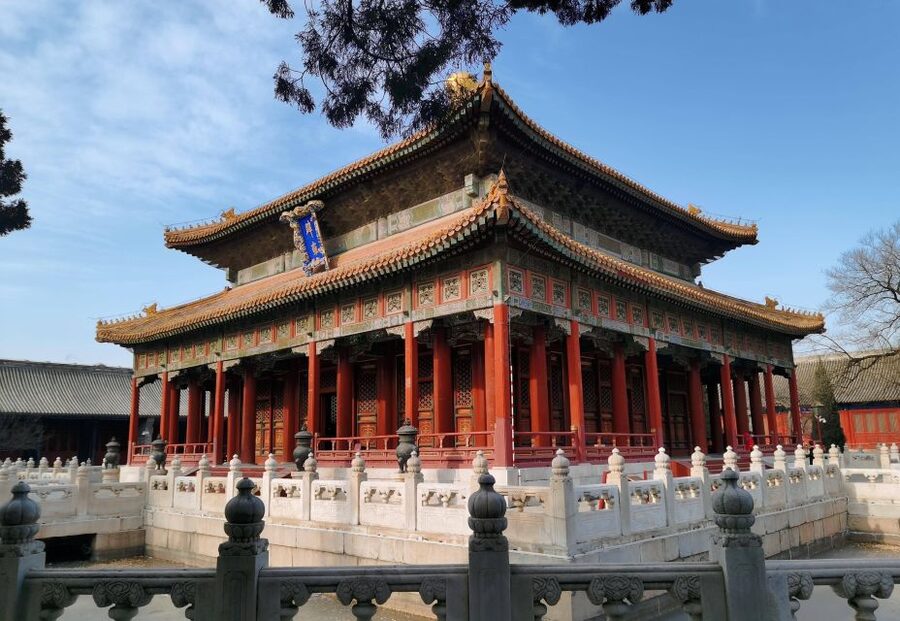
I would recommend it to first-time visitors who want a clear introduction to Chinese religion, education, and neighborhood life in one half-day. Families and small groups may also appreciate the private arrangement, since the guide can explain unfamiliar ideas at a comfortable level.
It suits you especially well if you enjoy history but do not want a full-day museum schedule. The Lama Temple provides the strongest visual moment, while the Imperial College and hutong walk add meaning and variety.
You may want a different plan if you prefer long visits at one site, independent exploration, or a slow food-focused morning. Four hours passes quickly, and the route covers several subjects. The price also makes more sense for people who value a private guide and hotel pickup.
Should you book it?
Book this tour if you want a compact, well-explained route through northern Beijing and appreciate having transport choices. The 54-foot sandalwood Buddha is the headline sight, but the real strength is the progression from active worship to Confucian learning and then to everyday hutong streets.
I would choose the private-car option for convenience, especially on a short Beijing stay. If you choose the basic transport arrangement, confirm how you will reach the Lama Temple and plan your onward journey from Wudaoying Hutong.
For the best experience, keep your schedule flexible after the tour. You may want extra time in the hutongs, a dim sum meal, or a direct trip to your next stop. At $80, it is a sensible purchase for cultural context, private guiding, and a well-shaped introduction rather than simply a checklist of monuments.
FAQ
How long does the Lama Temple, Confucius Temple, and Guozijian tour last?
The tour lasts four hours, including the visits to the Lama Temple, Temple of Confucius, Guozijian Museum, and nearby hutong lanes.
Is hotel pickup included?
Yes. The English-speaking guide meets you in your hotel lobby holding a sign with your name.
Is private transportation included?
Private transfer is included only if you select the option with a private car. With the standard option, you go to the Lama Temple by taxi or subway, and hotel drop-off is not included.
What language does the guide speak?
The advertised tour language is English.
Is this a private group experience?
Yes. The experience is offered as a private group tour with a live English-speaking guide.
Can I cancel the tour for a refund?
You can cancel up to 24 hours in advance for a full refund. The experience also offers a reserve-now, pay-later option.
Just added around Beijing
- Temple of Heaven Morning Walking Tour with Ticket★ 5.0 · 7 reviews
- Temple of Heaven Admission Ticket★ 4.0 · 36 reviews
- 3-Hour Private Tour: Temple of Heaven and Lama Temple★ 5.0 · 3 reviews
- Summer Palace and Temple Of Heaven Private Tour★ 5.0 · 9 reviews
- Small Group Beijing Temple of heaven and Summer Palace with Pearl market★ 5.0 · 3 reviews
- Full-Day Beijing Forbidden City, Temple of Heaven and Summer Palace Tour★ 4.5 · 40 reviews
- Private Day Trip of Forbidden City, Temple of Heaven and Summer Palace★ 4.5 · 3 reviews
- Private Day to T-Square, Forbidden city, Temple of heaven, Summer palace Tour★ 5.0 · 54 reviews
Temple of Heaven Tours, compared.
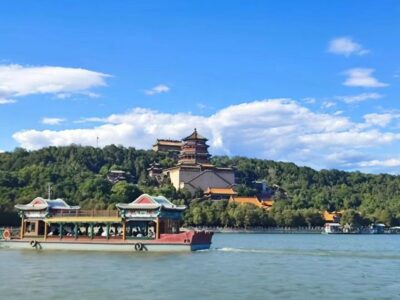
The Temple of Heaven or Summer Palace Entry Ticket
Read our review →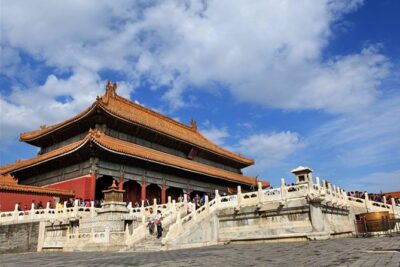
Beijing Classic Full-Day Tour including the Forbidden City, Tiananmen Square, Summer Palace and Temple of Heaven
Read our review →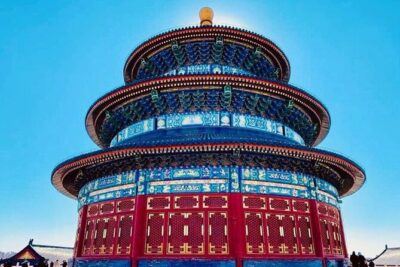
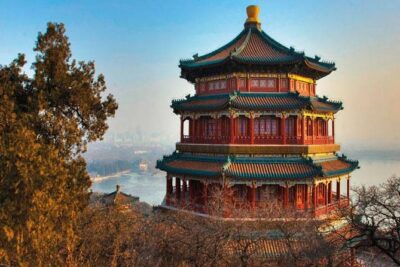
Temple Heaven, Lama Temple, Summer Palace & Peking Duck Bus Tour
Read our review →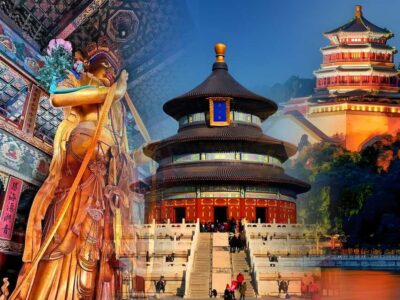
Temple Heaven, Summer Palace, Lama Temple, Hutong Bus Tour
Read our review →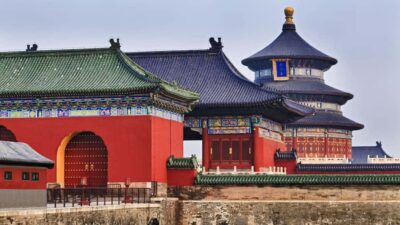
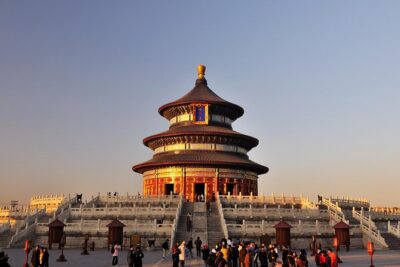
Temple of Heaven, Summer Palace, Lama Temple, Hutong Tours
Read our review →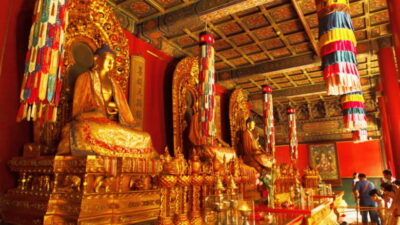
Browse the lists this tour appears in