
Review · PORTUGAL
Batalha Monastery: Private Tour
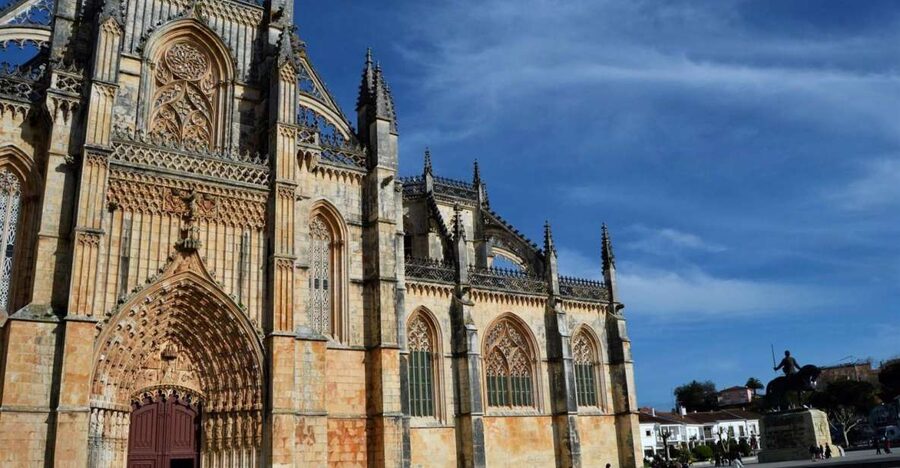
One battle changed Portugal forever. This two-hour private tour makes Batalha Monastery easier to understand, linking its Gothic stonework to the 1386 victory over Castile and the royal family buried inside. The setting is grand, but the guide helps turn it into a clear human story rather than a blur of arches and names.
I like the personal format and the chance to ask questions as you go. I also like that the tour brings attention to less familiar figures, including Queen Filipa de Lencastre, King João II, and Henry the Navigator. The main consideration is price: at $53 per person, you still need to buy your monastery ticket separately.
Five useful things to know before you go
- The tour lasts two hours: That is enough time for a focused visit without turning a single monument into an all-day assignment.
- It is a private group: You get a guide for your own party, with room to ask about architecture, royal burials, and Portuguese history.
- João and JP receive especially warm praise: Both are described as clear, personable, and able to explain the monument in fluent English.
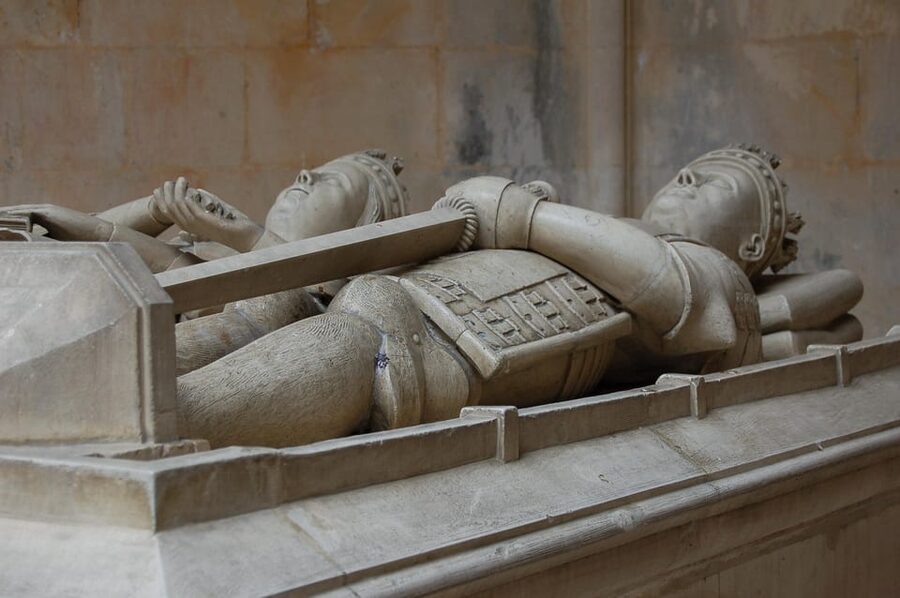
- The royal pantheon is the emotional center: You see the tombs of King João I, Queen Filipa de Lencastre, and other members of the royal family.
- Your monastery ticket is not included: Add that admission cost to the advertised $53 per-person tour price.
- English and Portuguese are available: Check the starting time that suits your day, and remember that cancellation is free up to 24 hours in advance.
Why Batalha Monastery matters
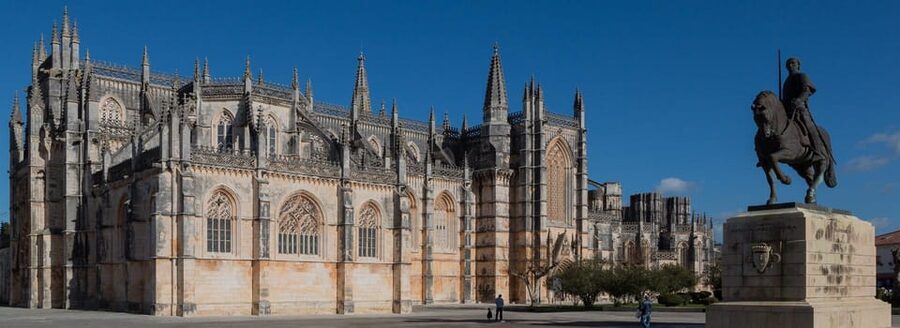
Batalha is not simply a pretty church with an old cloister. It was built to commemorate Portugal’s victory at the Battle of Aljubarrota in 1386, when Portuguese forces defeated the Kingdom of Castile.
That victory helped preserve Portuguese independence and opened a new chapter for the country. The monastery became a national symbol, and its construction connected politics, religion, royal power, and artistic ambition in one place.
This is why a guide adds real value. On your own, you can admire the carved stone and stained glass. With a guide, you can connect those details to the crisis that led to the battle and the royal family that sponsored the monument.
I like that the tour focuses on the building’s purpose, not just its age. The monastery dates from the 14th century, but its meaning comes from a specific moment when Portugal’s future was uncertain.
More Private Temple Tours in Portugal
- Fatima, Valinhos, Nazaré, Óbidos on Private tour
★ 5.0 · 158 reviews - Fátima Private Tour: Shrine| Sacred Path |Shepherds House
★ 5.0 · 81 reviews - Fatima Private Tour: Shrine, Sacred Way & Shepherds’ Hometown
★ 5.0 · 41 reviews
Starting at the monastery entrance
The tour begins at Batalha Monastery, so you do not spend the two hours being driven between sights. That keeps the visit simple. You arrive at the monument, meet the guide, and concentrate on the church and monastery complex.
Because this is a private experience, the pace can suit your group better than a large scheduled walk. You can ask for more detail about the royal family, stop to examine a carved feature, or request a clearer explanation when a name or date gets confusing.
The format is particularly useful for couples, families, and small groups with different levels of interest. If one person wants architecture and another wants Portuguese history, a private guide can move between both subjects without following a fixed public script.
The opening orientation should also help you understand what you are seeing. Batalha is a large and detailed monument, and a few minutes of context can prevent the usual problem: looking at impressive rooms without knowing why they were built.
The Gothic church and its colored light
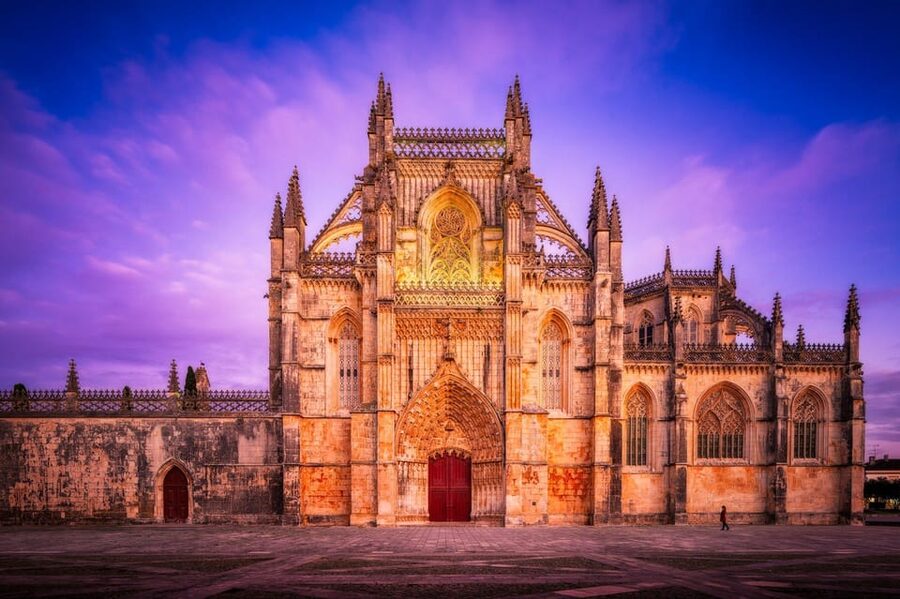
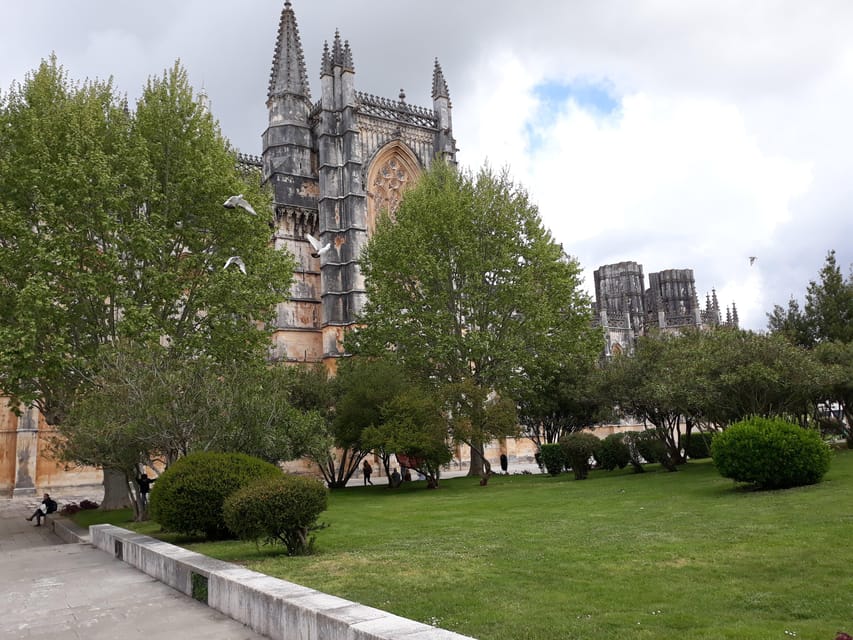
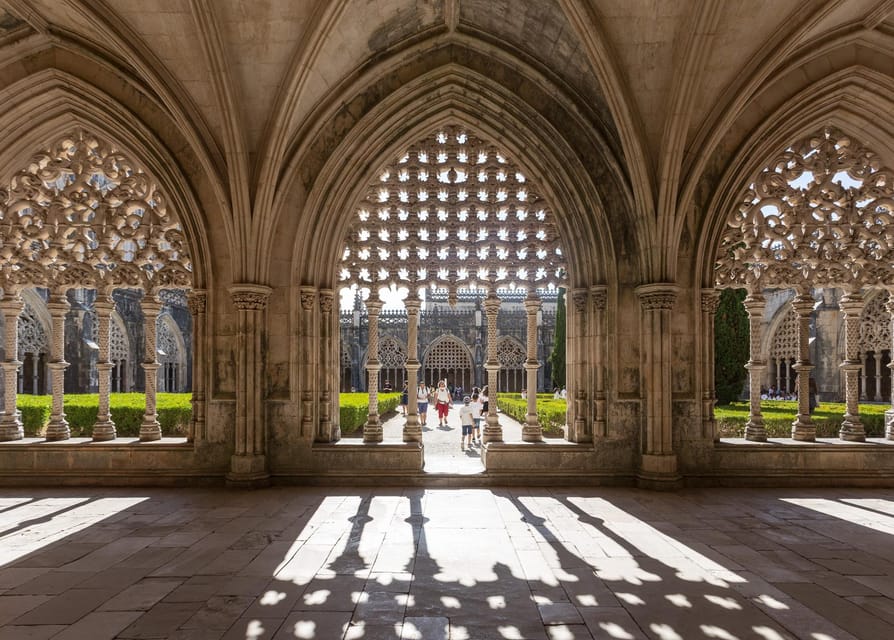
The monastery is known for late Portuguese Gothic architecture, with later Manueline touches. These styles are not just labels for an art-history lecture. They help explain why the building feels both orderly and highly decorated.
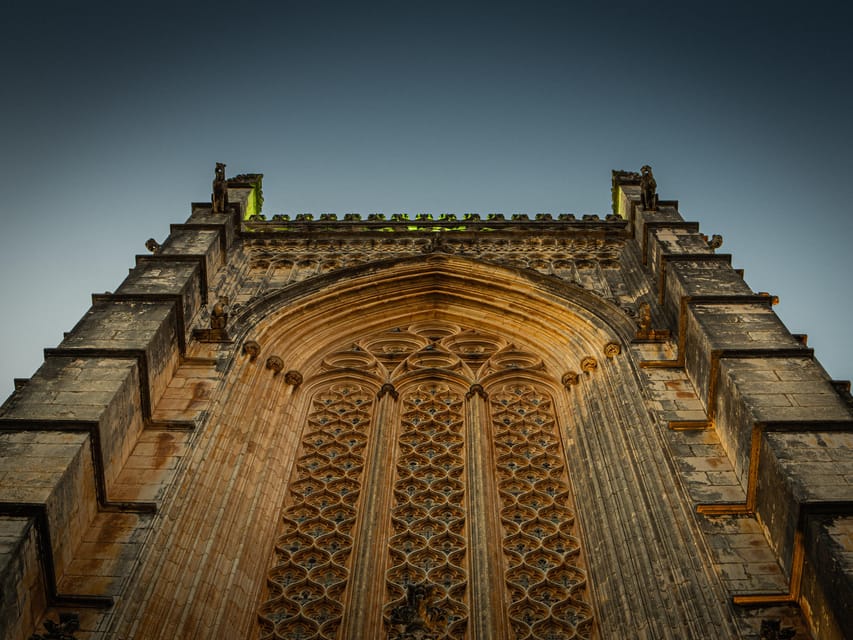
The church’s vertical forms point your eye upward, while the stone carving keeps drawing you back toward smaller details. The colored light from the stained-glass windows adds another layer. Batalha’s windows are described as the first of their kind in Portugal, and the changing light gives the interior a more personal quality than bare stone alone.
Your guide can help you notice how religious purpose shaped the design. The monastery was consecrated to the Virgin Mary and run by Dominican monks, who lived and worshiped here for more than 600 years.
That long Dominican presence matters. You are not looking at a monument that was built and then forgotten. The rooms, worship spaces, and decorative program belonged to a working religious community for centuries.
I would pay attention to the contrast between the building’s national message and its daily religious use. Portugal celebrated a military victory here, but monks also prayed, studied, and lived in the complex. Those two roles exist side by side.
The royal pantheon and Portugal’s ruling family
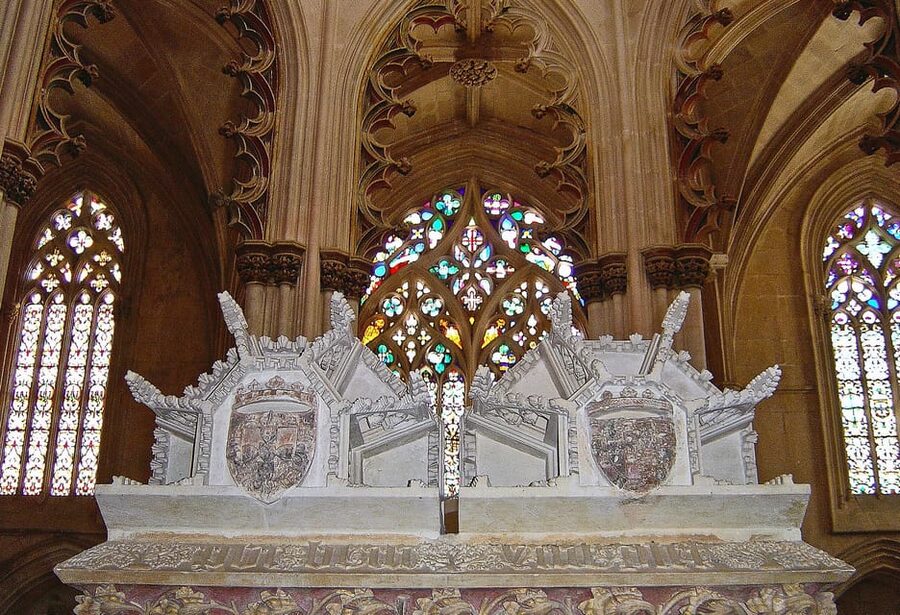
The royal pantheon is the strongest reason to choose a guided visit. It holds King João I and Queen Filipa de Lencastre, along with other members of Portugal’s royal family.
Filipa was British-born, a detail that makes the story more personal and also hints at Portugal’s long relationship with England. Her marriage to João I links the monument to both domestic politics and international alliances.
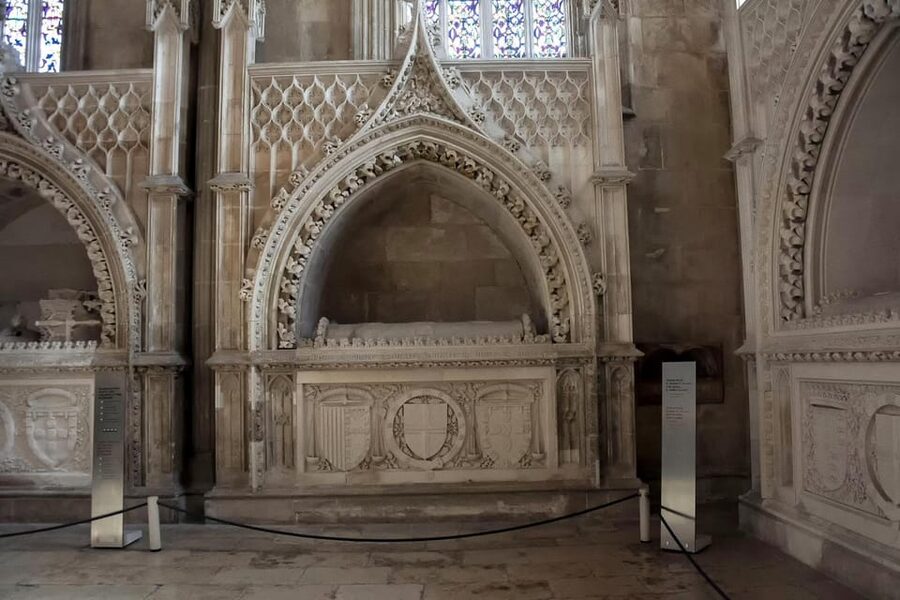
The tombs also make the history easier to grasp. Instead of hearing a string of royal names in the abstract, you can see where important figures were commemorated and how the monarchy presented itself.
The pantheon includes King João II and Henry the Navigator. Both are tied to Portugal’s later overseas expansion, though the tour’s historical thread begins with the battle that protected the country’s independence.
Henry the Navigator is especially important to the story of the Portuguese Discoveries. He helped shape the period that led Portugal toward a global empire. A good guide can show you how the monastery connects two moments: the defense of Portugal at Aljubarrota and the country’s later reach beyond Europe.
Do not rush this part. The royal tombs are not merely decorative objects. They are statements about memory, power, faith, and national identity.
Same place, a different morning at the gates:
- Lisbon: Jerónimos Monastery Entrance Ticket
★ 4.1 · 14,164 reviews - Lisbon: Jerónimos Monastery E-Ticket and Audio Guide
★ 3.7 · 660 reviews - Lisbon: Belém Walking Tour with Jerónimos Monastery Ticket
★ 4.9 · 637 reviews - Lisbon: Belem Walking Tour with Jeronimos Monastery Ticket
★ 4.7 · 490 reviews
Aljubarrota, independence, and the road outward
The Battle of Aljubarrota took place in 1386, and the monastery was built to honor the Portuguese victory over Castile. This is the central historical fact behind everything you see.
Without that context, the monastery can seem like an extravagant religious foundation. With it, the building becomes a national thank-you carved in stone. Portugal was marking its survival and announcing its confidence.
The link to the Discoveries adds another useful layer. The people connected with Batalha were involved in the political and cultural period that eventually sent Portuguese ships around the world. The tour does not treat the monastery as an isolated church. It places the building inside Portugal’s larger rise.
You should still keep the history in proportion. A two-hour visit cannot explain every stage of Portuguese overseas expansion, and the tour is primarily about Batalha. Its strength is showing where the story begins, not covering every later event in detail.
That focus is a benefit if you want a clear introduction. It is less suitable if you expect a full study of the Discoveries, naval technology, or Portugal’s empire.
What a private guide adds
The most praised feature of this experience is the guide. João is described as an excellent source of historical insight who also offered suggestions for other towns to visit. JP is praised for clear English, a fascinating presentation, and strong knowledge of Batalha.
That kind of personal guidance can change the visit. The monument contains enough names, architectural terms, and royal connections to overwhelm you. A good explanation gives you a way to sort the important parts from the background details.
The guides are also described as personable and willing to answer questions. That matters in a private group. You do not have to save your question for the end or worry about interrupting a large party.
English and Portuguese are offered. If you book in English, the feedback about JP’s fluent English is reassuring. If you prefer Portuguese, the language option is available without adding another stop or arranging a separate interpreter.
One small caution: individual guides naturally have different personalities and delivery styles. The experience depends heavily on who leads your tour, but the named guides receive strong praise for clarity and warmth.
Why two hours is a sensible length
Two hours is a good window for Batalha. The monastery has enough detail to reward a careful visit, but the experience does not ask you to spend half a day studying one complex.
The timing works well as part of a wider day in central Portugal. You can give Batalha a serious look, then continue to another town or sight. João’s suggestions about other towns may be useful if you are planning a broader route.
The short duration also suits people who want depth without a long walking program. You get a guided visit to the monastery itself, not a full regional excursion with long transfers.
The tradeoff is simple. Two hours gives you a structured introduction, not unlimited time. If you want to photograph every detail, read every panel, or revisit the church alone afterward, you may want to leave extra time beyond the tour.
The supplied price is $53 per person, and that covers the guide and insurance. Since the entrance ticket is separate, compare the full cost before booking.
I consider the price reasonable for a private guide if your group values explanation and conversation. It is less attractive if you only want to enter the monastery, glance around, and move on. A self-guided visit costs less in guiding fees, but it will not give you the same focused help with the royal family and battle history.
Who will get the most from this visit
I would recommend this tour to you if you enjoy monuments more after someone explains their purpose. It is especially useful if you are new to Portuguese history or want to understand the link between medieval independence and the later Discoveries.
Families may appreciate the private setting because children can ask direct questions and the guide can adjust the level of detail. Couples and small groups also benefit from not being tied to a large party’s pace.
It is a strong choice for anyone interested in:
- Portuguese monarchy
- Gothic and Manueline architecture
- Religious buildings with political meaning
- The early background to the Portuguese Discoveries
- Royal tombs and memorials
- A focused cultural stop lasting two hours
You might skip the private tour if your main goal is quiet solo sightseeing and you already know the history. The monument is worth visiting either way, but the guiding fee makes the most sense when you want interpretation rather than simple entry.
Practical details that affect your decision
The tour is offered in English and Portuguese, and it is limited to a private group. The starting point is Batalha Monastery, so check your route before reserving and allow enough time to reach the monument.
The tour price does not include the monastery admission ticket. That is the key extra cost to remember. Insurance and the guide are included.
You can cancel up to 24 hours before the experience for a full refund. The reserve-now, pay-later option also gives you some flexibility if your Portugal plans are still changing.
Check availability for the exact starting time. The total duration is two hours, but the available time slots may affect how well the visit fits with other plans.
The experience provider is Silver Coast Travelling. The overall rating is 5 out of 5 from nine verified ratings, with repeated praise for clear explanations, personal attention, and strong command of the subject.
Should you book Batalha Monastery: Private Tour?
Book it if you want Batalha to make sense, not merely look impressive. The monastery’s royal pantheon, stained glass, Gothic design, and connection to Aljubarrota all deserve more than a quick walk-through, and the private format lets you ask the questions that bring those pieces together.
At $53 per person plus the monastery ticket, this is a value purchase for history-minded visitors and small groups. It is not the cheapest way to enter Batalha, but it can be the better way to understand why the building matters.
If you have only two hours and want a clear, personal introduction, I would choose this tour. If you prefer to explore alone and already know the story of João I, Filipa de Lencastre, and the Portuguese Discoveries, pay for admission and set your own pace instead.
FAQ
Where does the tour begin?
The tour begins at Batalha Monastery.
How long does the experience last?
The guided visit lasts two hours.
Is the tour private?
Yes. It is offered for a private group.
Which languages are available?
The live guide is available in English and Portuguese.
Is a guide included?
Yes. A guide is included in the tour price.
Is insurance included?
Yes. Insurance is included.
Are monastery entrance tickets included?
No. Tickets for the Monastery of Batalha are not included and must be purchased separately.
What is the price?
The listed price is $53 per person, before the separate monastery admission ticket.
What can you see during the tour?
You can see Batalha Monastery, its Gothic and Manueline architecture, the royal pantheon, the tombs of King João I and Queen Filipa de Lencastre, and the resting places of other royal family members, including King João II and Henry the Navigator.
Can you cancel for a refund?
Yes. You can cancel up to 24 hours in advance for a full refund.
Just added around Portugal
- Belém: Jeronimos Monastery, Tickets and Guided tour★ 4.9 · 30 reviews
- Lisbon: Tour of Belem and Jerónimos Monastery★ 3.2 · 5 reviews
- Lisbon: Belém Private Walking Tour & Jerónimos Monastery★ 4.5 · 83 reviews
- Lisbon: Skip-the-line Jerónimos Monastery Tour with Tickets★ 5.0 · 4 reviews
- From Lisbon: Évora, Chapel of Bones, & Roman Temple Tour★ 5.0 · 8 reviews
- Lisbon: Belem Tour with Pastéis at Jerónimos Monastery★ 4.7 · 96 reviews
- From Lisbon: Fátima Sanctuary and Batalha Monastery (UNESCO)★ 5.0 · 5 reviews
- Between Life & Death: Roman Temple, Cathedral & Bone Chapel★ 4.9 · 6 reviews
Private Temple Tours, compared.

Waterfalls, Water Temple & Rice Terraces Private Tour
Read our review →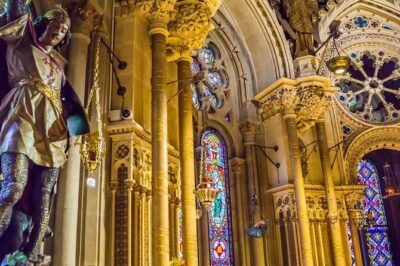
Montserrat Monastery Small Group or Private Tour Hotel pick-up
Read our review →
Full-Day Angkor Wat Sunrise Private Tour with Guide from Siem Reap
Read our review →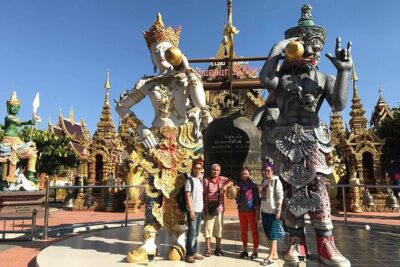
Chiang Rai Temples: Private Tour from Chiang Mai
Read our review →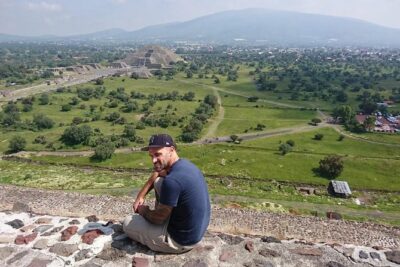
Private Tour: Teotihuacan and Guadalupe Shrine
Read our review →
Grand Palace, Wat Pho, and Wat Arun Private Tour
Read our review →
Ephesus and Temple of Artemis Private Tour from Kusadasi Port
Read our review →
Browse the lists this tour appears in