
Review · CAIRO
Luxor East and West Bank: Valley of the kings, Habu Temple,Karnak&Luxor Temples
Ancient Egypt comes alive in one long day. This private Luxor tour brings together the Valley of the Kings, Hatshepsut’s temple, Medinet Habu, Karnak, Luxor Temple, and the Colossi of Memnon, with private transport and an English-speaking Egyptologist. I like the broad coverage and the fact that your own group controls the pace. I also like the strong guide feedback, especially for Laila and Mohamed Noor, who are praised for clear explanations, patience, and good organization. The catch is the schedule: eight hours is a lot of sightseeing, and entrance fees are not included in the $85 price.
You begin at 7:00 a.m., which is sensible for Egypt’s heat and for fitting both banks into one day. I would bring water beyond the included bottle, a snack, sun protection, and comfortable shoes. The tour is private, but the price does not cover admission tickets, tips, or anything outside the listed plan, so your final cost will be higher.
Five things to know before booking
- Seven major stops in one day: You see the Valley of the Kings, Hatshepsut, the Colossi of Memnon, Karnak, Luxor Temple, and Medinet Habu.
- Private transport matters: An air-conditioned vehicle takes your group between sites, with hotel or Nile cruise pickup and return.
- The guide can shape the day: Laila receives repeated praise for clear English, ancient Egyptian history, patience, photography help, and efficient timing. Mohamed Noor is also specifically praised.
- Tickets cost extra: Admission is excluded at every major archaeological site, so check the current prices before you commit.
- The schedule is demanding: The planned visits add up to about eight hours, with several large temple and tomb complexes to walk through.
- Cancellation is flexible: You can receive a full refund if you cancel at least 24 hours before the start time.
Why this full-day Luxor plan works
Luxor rewards a well-planned route because its major sights are spread across both sides of the Nile. The west bank is the quieter, tomb-filled side, while the east bank holds the great temple complexes tied to ancient Thebes. Seeing both in one day gives you a useful picture of how royal burial, worship, and kingship fit together.
I like that this is a private activity rather than a large coach outing. You are not locked into somebody else’s group pace, and the guide can explain a wall scene, answer a question, or give you a few minutes for photographs without managing a crowd.
The tradeoff is simple: you get range, not a leisurely study of each monument. The Valley of the Kings alone can absorb a morning, and Karnak is vast. If you want to linger at every column and read every inscription, this plan will feel brisk.
The early start helps. At 7:00 a.m., you have a better chance of reaching the west bank before the day becomes most tiring. The exact order can vary, but the listed program begins with the Valley of the Kings and then moves through the west bank before crossing to the east bank.
More Karnak and Valley of the Kings Tours in Cairo:
- Luxor: Valley of the Kings and Hatshepsut Temple Day Tour
★ 4.4 · 1,404 reviews - Luxor: Valley of Kings, Hatchepsut Temple ,Karnak & Luxor-DayTour
★ 5.0 · 735 reviews - Full Day Tour of Luxor West Bank Temples and Tombs (Private)
★ 5.0 · 722 reviews
Valley of the Kings, where royal tombs replace monuments
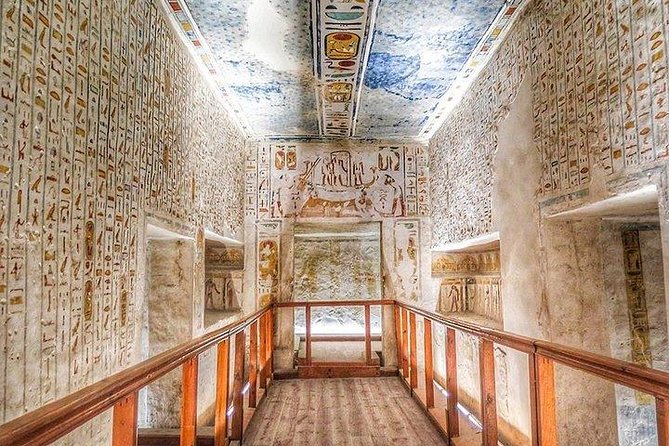
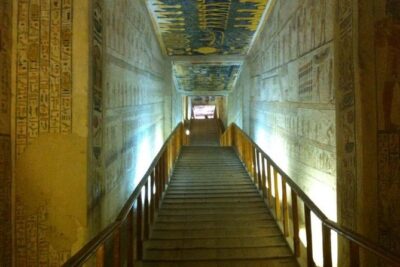
The Valley of the Kings is the emotional center of the day. This dry valley on the west bank served as a burial area for pharaohs and forms part of the larger Theban Necropolis. It contains an East Valley and a West Valley, though this visit is described simply as a visit to the Valley of the Kings.
The $85 does not include the entrance ticket. That matters because the base price can look low until you add admissions for the tombs and temples. Ask the operator before the day begins exactly which entrance tickets are covered by the site’s current ticket rules and which tombs you may enter.
The visit is scheduled for two hours, making it one of the longer stops. That is useful because the area is not a single building. You need time to reach the tomb entrances, walk down into the decorated chambers, and return to the main area.
Your guide can make the tombs easier to understand. Without context, the painted figures and hieroglyphs can blur together. With a good explanation, you begin to see the religious purpose of the scenes and the care given to the king’s journey after death.
One practical note: this is not a stop for casual footwear. The day includes walking around exposed archaeological sites, and the tomb routes may include slopes and steps. The tour information says most people can participate, but anyone concerned about mobility should ask the operator for more detail before booking.
Hatshepsut’s temple and the story of a powerful queen
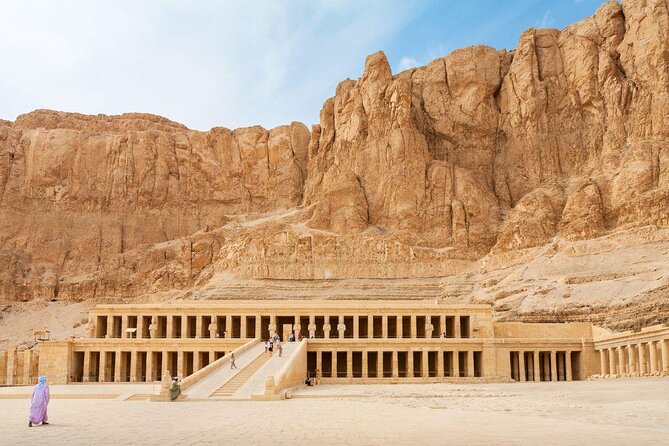
The next west bank stop is the Temple of Hatshepsut at Deir el-Bahari. Hatshepsut was the fifth ruler of Egypt’s Eighteenth Dynasty and is regarded by Egyptologists as one of ancient Egypt’s most successful rulers.
The temple is memorable for its setting and its broad terraces. The visit is scheduled for 90 minutes, enough to see the main areas and hear the story behind the queen’s rule without turning the stop into a rushed photo break.
Hatshepsut’s position was unusual, and the guide’s role is especially valuable here. The site is not just a pretty set of stone terraces. It raises questions about royal power, how a woman presented herself as king, and how later rulers treated her memory.
I would listen closely here rather than trying to photograph everything. A short explanation about Hatshepsut’s name, role, and place in the Eighteenth Dynasty gives the architecture more meaning. The supplied information describes her as one of Egypt’s most powerful queens, and this is the right site for that story.
Admission is extra, as it is at the Valley of the Kings. Take advantage of the private format by asking for a clear meeting point and a realistic time to return to the vehicle. That small bit of planning helps prevent the day from slipping behind schedule.
The Colossi of Memnon, a quick stop with a big presence
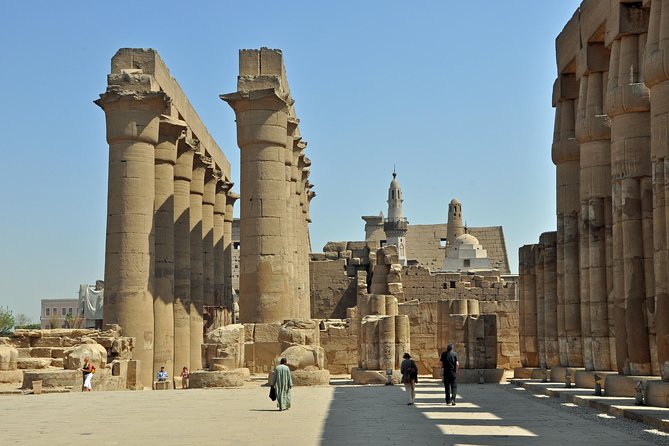
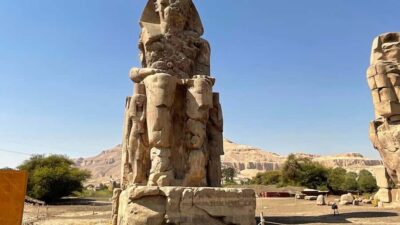
The Colossi of Memnon takes about 30 minutes and admission is free. This is the shortest stop, but it earns its place because the two seated statues are huge and easy to appreciate even during a brief visit.
The statues depict Amenhotep III, who ruled during the Eighteenth Dynasty. They once formed part of a much larger funerary temple on the west bank. Today, the two figures are the surviving reminder of that complex.
Do not expect a full museum visit here. You will have time to see the statues, hear their basic story, and take photographs. The stop also provides a pause between the larger sites, though the day remains active.
This is one reason I find the itinerary sensible. Not every stop demands two hours. The Colossi can be appreciated quickly, allowing more time for the major tomb and temple areas.
A few more temple visits around Cairo worth a look
- Cairo Old Coptic Church and Monastery St Simon Cave Church
★ 5.0 · 66 reviews - Luxury Cruise from Aswan to Luxor 4 Days with Abu Simble Temple
★ 5.0 · 60 reviews - Giza Pyramids and Sphinx with Camel ride & Mummification Temple
★ 5.0 · 38 reviews - Private Giza pyramid,sphinx, Mummification temple& inside pyramid
★ 5.0 · 32 reviews
Medinet Habu and the memorial temple of Ramesses III
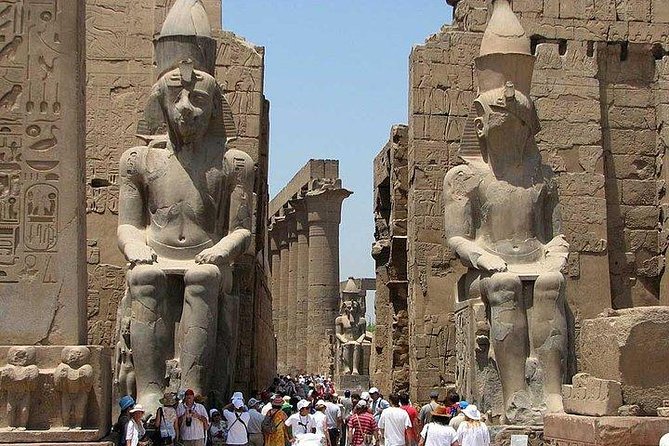
Medinet Habu, also written as Medinet Habu or the Temple of Ramesses III, is one of the most rewarding stops for people who enjoy temple architecture. It lies at the southern end of the Theban Necropolis and is described as one of Egypt’s best-preserved temples.
The visit lasts about 90 minutes. That gives you time to examine the enclosure wall, courtyards, reliefs, and surviving architectural details. The massive mud-brick wall helped protect the complex and gives the site a more enclosed feel than some of Luxor’s open temple spaces.
This temple also connects ancient royal power with ordinary working life. The information provided for the tour notes that the first labor strike in history was launched here against Ramesses III. That detail gives Medinet Habu a human angle. Ancient Egypt was not only pharaohs and gods. Workers could also protest when their needs were ignored.
Admission is not included, so count this ticket with the other west bank expenses. I would not skip the site simply because it is less famous than the Valley of the Kings. Its preservation and the story of Ramesses III make it a strong part of the day.
Karnak Temple, the largest stop on the east bank
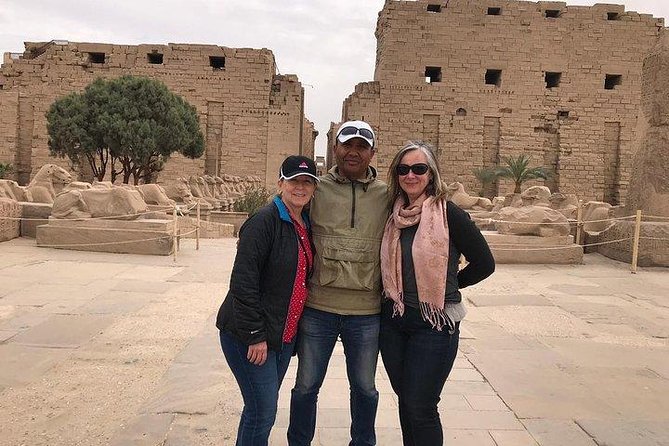
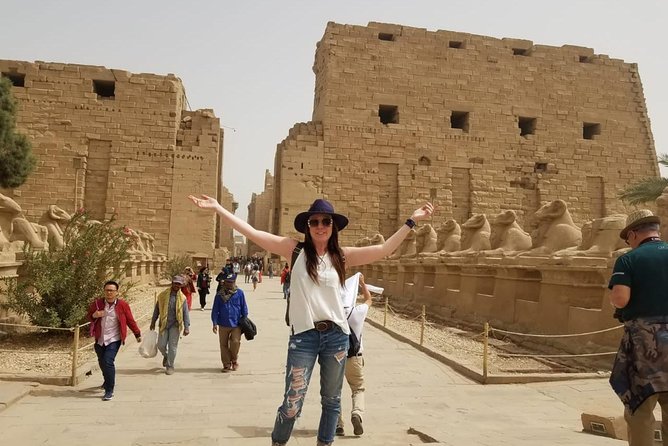
Karnak gets two hours, and it needs them. This is a vast temple complex rather than one simple sanctuary. Building and expansion continued from the Middle Kingdom through the Roman period, leaving a long record of Egyptian religious and royal history.
The complex is associated with the Theban triad: Amun, his wife Mut, and their son Khonsu. The main temple is connected with Amun-Ra, and the scale can be difficult to grasp until you walk among the courts, columns, and gateways.
Here, a guide helps you choose what deserves your attention. Two hours sounds generous, but Karnak can easily consume an entire morning. You will want to pause in the columned spaces, look for carved scenes, and understand how different rulers added to the complex over time.
The private vehicle is useful after a long west bank morning. You can return to the air-conditioned car between sites rather than spending the day arranging taxis or negotiating each short transfer.
Karnak is also where the pace may feel most demanding. If you are tired by this point, tell the guide. The positive feedback about Laila repeatedly highlights her patience and ability to organize the day around individual needs. One comment specifically describes her staying with a mother who needed to rest while another family member visited the tombs.
Luxor Temple after the larger Karnak complex
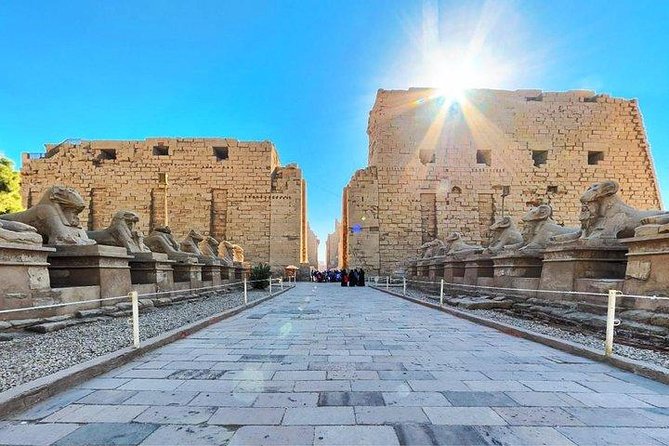
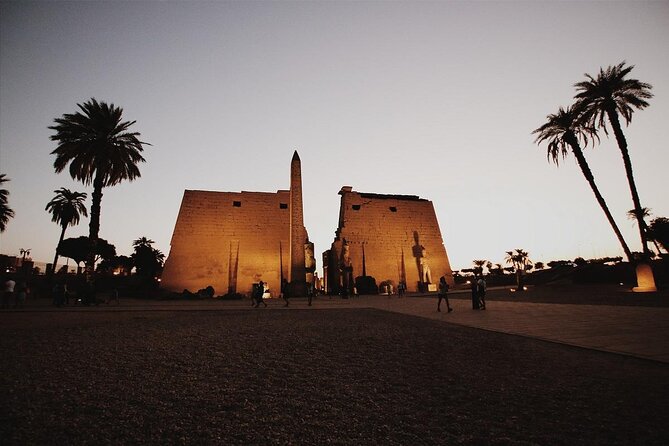
Luxor Temple is scheduled for 90 minutes and sits on the east bank in modern Luxor. It was founded around 1400 BC and expanded under rulers including Amenhotep III and Ramesses II. Thutmose III also contributed to the temple.
The complex was dedicated to Amun-Ra, Mut, and Khonsu, the same Theban triad associated with Karnak. Seeing both temples in one day helps you understand that they were not isolated monuments. They formed part of a larger religious center in ancient Thebes.
I like the contrast between the two stops. Karnak feels expansive and layered, while Luxor Temple gives you a more contained final major visit. The late placement also makes sense: after the west bank tombs and Karnak, you can focus on a smaller set of courtyards, statues, columns, and monumental gateways.
Admission is extra here too. Since the tour includes four paid archaeological stops, the entrance budget deserves as much attention as the advertised tour price. The base rate offers strong value for private transport and a guide, but it is not an all-in price.
Guides, transport, and the human side of the day
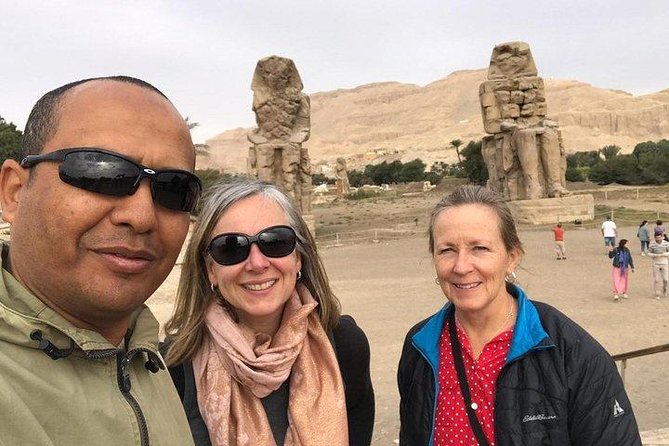
The tour includes a qualified English-speaking Egyptologist guide and all transfers in a private air-conditioned vehicle. Pickup is offered from your hotel or Nile cruise, followed by return to your hotel in Luxor.
Guide quality may shape your experience more than the vehicle. Laila is praised for strong English, clear explanations, patience, good organization, and help with photographs. Several comments also describe her as caring and willing to adjust the pace. Mohamed Noor is praised for leading a full East and West Bank day and explaining the tombs of Ramesses III, IV, and IX.
There is also a useful caution. One account raises concern about repeated pressure to spend extra money during the day. Since tips and anything not listed are excluded, you should ask direct questions about optional purchases and extra costs. A good rule is to decide your spending limits before pickup and keep the tour focused on the included program.
One bottle of water is included. Bring more, especially because the day is long and several sites are exposed. A snack is also wise, since the supplied schedule does not list a meal or restaurant stop.
Is $85 a fair price?
At $85 per person, the tour offers a strong package if you value private transport and a guide who can keep a complicated sightseeing day on track. Booking separate taxis, arranging a guide, and coordinating six major sites would take effort, and the air-conditioned vehicle adds comfort between stops.
The price is not the complete cost. Entrance fees are excluded at the Valley of the Kings, Hatshepsut’s temple, Karnak, Luxor Temple, and Medinet Habu. Tips are also excluded, and there is no meal listed. You should compare the final total with other private Luxor options, not just the advertised $85.
Group discounts may be available, but the experience is private, so only your group participates. That makes the cost easier to justify for a small family or group of friends who can share the vehicle and guide.
Who should book this Luxor day?
I would choose this tour if you have only one day in Luxor and want the major sights on both banks. It suits first-time visitors who want historical explanations rather than simply being dropped at monuments.
It is also a good match for families and small groups that need some flexibility. The positive comments about Laila’s patience and support for a family member who needed to rest suggest that a private format can help when people in the group have different energy levels.
I would hesitate if you dislike early starts, long sightseeing days, or extra ticket costs. It may also feel too fast for repeat visitors who already know the main sites and want to spend a full morning at one temple.
Free cancellation is available until 24 hours before the 7:00 a.m. start. Cancellations inside that window are not refunded, and poor weather can lead to a new date or a full refund.
Should you book it?
Book this tour if your priority is coverage, comfort, and a private guide who can explain the major sites without leaving you to manage the day yourself. The strongest reasons are the broad route, air-conditioned transport, and repeated praise for guides such as Laila and Mohamed Noor.
Before paying, confirm the total admission cost, the pickup point, and which guide is assigned. Bring water, a snack, sun protection, and sensible shoes. If you accept a full, busy day and budget separately for tickets, $85 is a reasonable starting price for seeing both sides of Luxor in one organized outing.
FAQ
What is included in the Luxor tour?
The tour includes private transfers in an air-conditioned vehicle, hotel or Nile cruise pickup and return, one bottle of water, and a qualified English-speaking Egyptologist guide.
What is not included?
Entrance fees, tipping, and anything not specifically listed in the tour details are not included.
What time does the tour start?
The stated start time is 7:00 a.m.
How long does the tour last?
The experience lasts approximately eight hours.
Is this a private tour?
Yes. Only your group participates in the private activity.
Which sites are visited?
The route includes the Valley of the Kings, the Temple of Hatshepsut at Deir el-Bahari, the Colossi of Memnon, Karnak Temple, Luxor Temple, and Medinet Habu.
Is admission to the Colossi of Memnon included?
Yes. The Colossi of Memnon stop is listed with free admission.
Are the other site entrance fees included?
No. Admission is not included for the Valley of the Kings, Hatshepsut’s temple, Karnak Temple, Luxor Temple, or Medinet Habu.
Can I cancel for a full refund?
Yes, if you cancel at least 24 hours before the experience start time. Cancellations made within 24 hours are not refunded.
What happens if bad weather cancels the tour?
You will be offered a different date or a full refund if the experience is canceled because of poor weather.
Just added around Cairo
- half-day Saint Simon monastery and miracle of Moqqatam mountain★ 4.0 · 4 reviews
- Monastery St Simon with Cave Church and Garbage City Private Tour★ 5.0 · 15 reviews
- Pyramids of Giza & Sphinx & valley temple Tour with Egyptian lunch★ 5.0 · 7 reviews
- Tour to Giza Pyramids, Sphinx, Valley Temple, Camel Ride & Lunch★ 5.0 · 7 reviews
- St Simon Monastery ,Cave Church , Garbage City and Coptic Cairo Private day tour★ 5.0 · 29 reviews
- Pyramids of Giza & Sphinx & valley temple Tour with Camel Ride & Egyptian lunch★ 5.0 · 5 reviews
- Shared Tour To Abu Simbel Temple From Aswan★ 5.0 · 7 reviews
- Overnight Trip to Saint Catherine Monastery from Cairo★ 4.0 · 14 reviews
Karnak & Valley of the Kings Tours, compared.
Valley of the Kings and Hatshepsut Temple Day Tour
Read our review →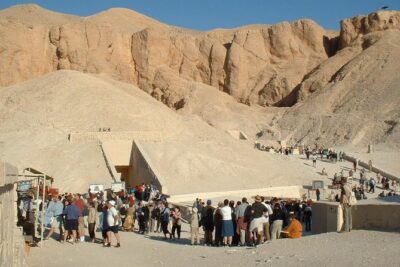
Valley of Kings, Hatchepsut Temple ,Karnak & Luxor-DayTour
Read our review →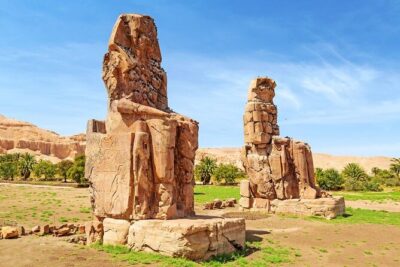
Full Day Tour of Luxor West Bank Temples and Tombs (Private)
Read our review →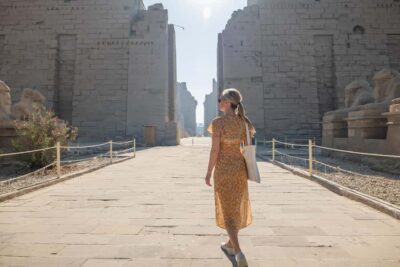
Private Half Day West Bank Tour to Valley of the Kings Queen Hatshepsut Temple and Colossi of Memnon
Read our review →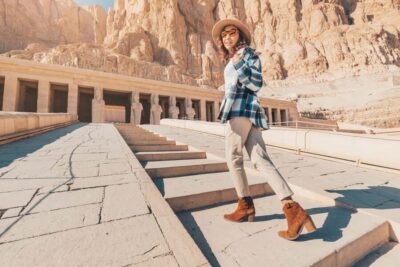
Valley of the Kings and Hatshepsut Temple w/Nile Boat
Read our review →
Dendera Temple All-Inclusive Tour & Felucca Ride
Read our review →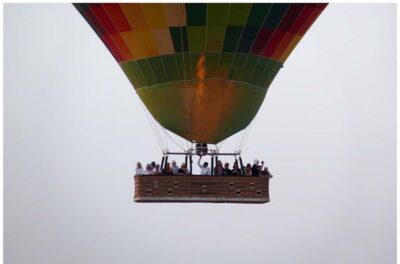
Hot Air Balloon Ride Over Temple of Hatshepsut
Read our review →Browse the lists this tour appears in