
Review · SIEM REAP
SiemReap: Private Angkor Wat Tour in English or German guide
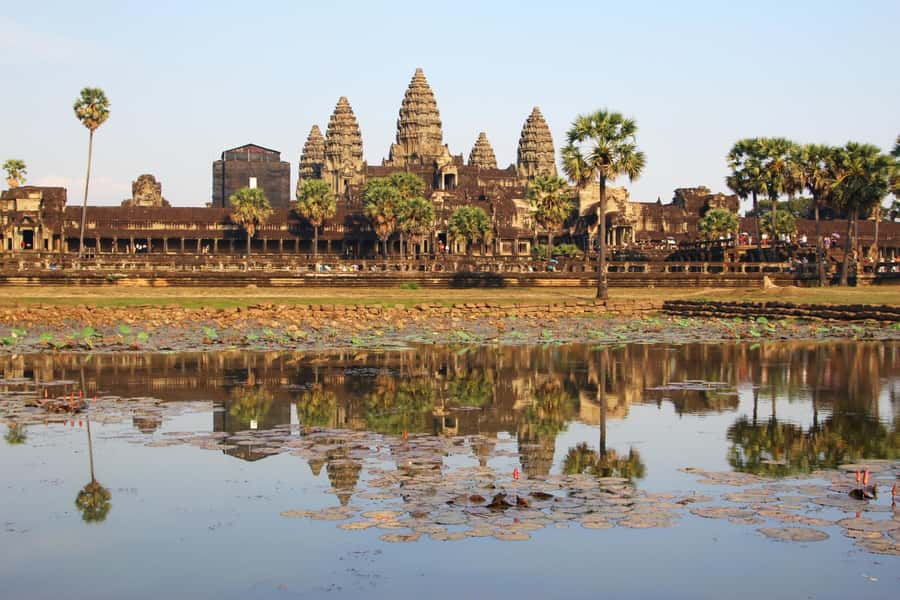
Angkor rewards a well-timed plan. This private Siem Reap tour combines Angkor Wat, the Grand Circuit, and smaller temples with a guide who can set the pace for your group. I like the private van, which gives you air conditioning, cold water, and a quiet place to rest between ruins. I also like the flexible route, since the guide can adjust stops when crowds build. The main drawback is cost: $193 covers the group, but temple passes and some language options cost extra.
You can choose a one-day or two-day plan, with English included and German, Chinese, Japanese, or Spanish available for a surcharge. Hai is specifically praised for his excellent German, which is useful if you want more than a basic explanation of the monuments. The itinerary is ambitious, so the two-day version gives you more breathing room.
Five details that shape the experience
- A private group of up to eight: You are not tied to a large coach group or a fixed public schedule.
- Two clear touring styles: Choose a long one-day temple run or split the main sights over two days.
- Sunrise and sunset options: The plan can begin before 5 a.m. for Angkor Wat sunrise and end with Phnom Bakheng sunset.
- Comfort between temples: A private air-conditioned Toyota Alphard or similar van, bottled water, and wet towels are included.
- Language choice: English guiding is included, while German, Chinese, Japanese, and Spanish require advance selection and an added fee.
A private way to see Angkor Wat

This experience is built for people who want the major Angkor sights without joining a large shared bus. Your guide collects you at your Siem Reap hotel or guesthouse, and the tour includes transport, fuel, parking, guiding, water, towels, and return transfer within town.
The advertised rate is $193 per group, not per person, for a maximum of eight people. That can be good value for a family or group of friends. Split among eight, the transport and guiding cost is modest. For one or two people, it becomes a more expensive private day, though you gain control over the pace and stops.
The Angkor Archaeological Park pass is not included. A one-day pass costs $37 per person, while a three-day pass costs $62 per person. You can buy the pass online or at the park entrance, and you must keep it with you during the visit.
The tour description says the vehicle is a Toyota Alphard or equivalent. That matters in Cambodia’s heat. You will still walk outdoors and climb steps, but you have a cool, private van between temples instead of waiting for shared transport.
More Angkor Wat Tours in Siem Reap:
- Angkor Wat Sunrise or Sunset Tour with Guide from Siem Reap
★ 5.0 · 12,109 reviews - Siem Reap: Angkor Wat: Small-Group Sunrise or Sunset Tour
★ 5.0 · 9,444 reviews - Siem Reap: Angkor Wat 2-Day Tour with Sunrise and Sunset
★ 4.9 · 4,429 reviews
Choosing one day or two
The one-day option tries to cover nearly all of the main places listed in the program. It begins around 8 a.m. and finishes after sunset if you choose Phnom Bakheng. That makes for a very full day, especially because Angkor sites are spread across a large area.
The two-day plan is easier on your legs and attention. Day one covers Angkor Wat, Ta Prohm, the Angkor Thom area, and Phnom Bakheng. Day two starts around 5 a.m. for sunrise, then moves through the Grand Circuit and the outlying temples before finishing around noon or 1 p.m.
I prefer the two-day plan for anyone who wants time to look closely rather than simply collect temple names. It also lets you enjoy the early start without forcing every other major site into the same day.
The one-day alternative focuses on sunrise Angkor Wat, the Angkor Thom area, Bayon, Ta Prohm, and Banteay Kdei. This is a better match if you have limited time and want a short, concentrated introduction. You will see fewer temples, but the day should feel less crowded with stops.
Day one: Angkor Wat, Ta Prohm, and Angkor Thom
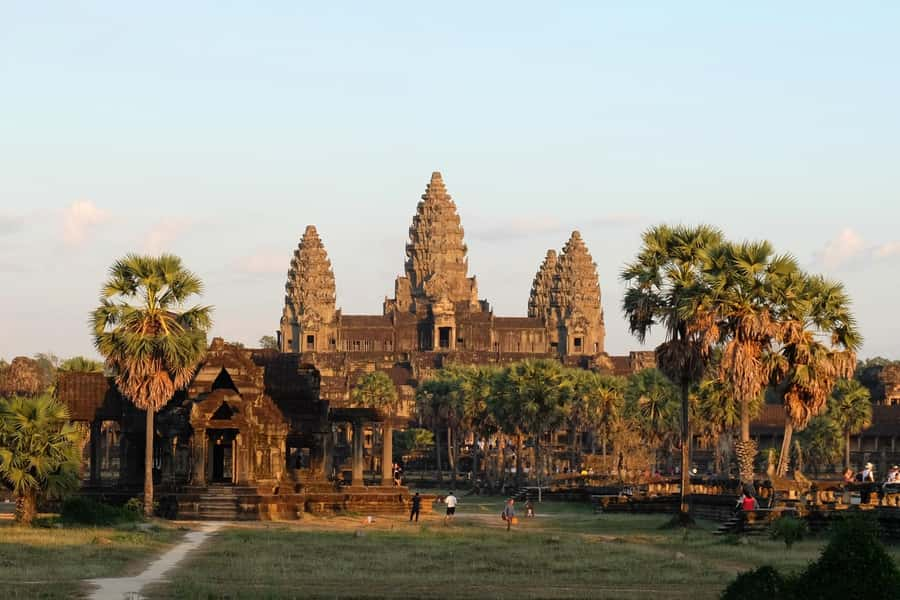
The first full route begins with Angkor Wat, the best-known temple in Cambodia and the main reason many people come to Siem Reap. Your guide can explain the layout, religious purpose, stone carvings, and major stories connected with the monument. Take time to look beyond the central towers, since the galleries and carved details are part of what makes the visit worthwhile.
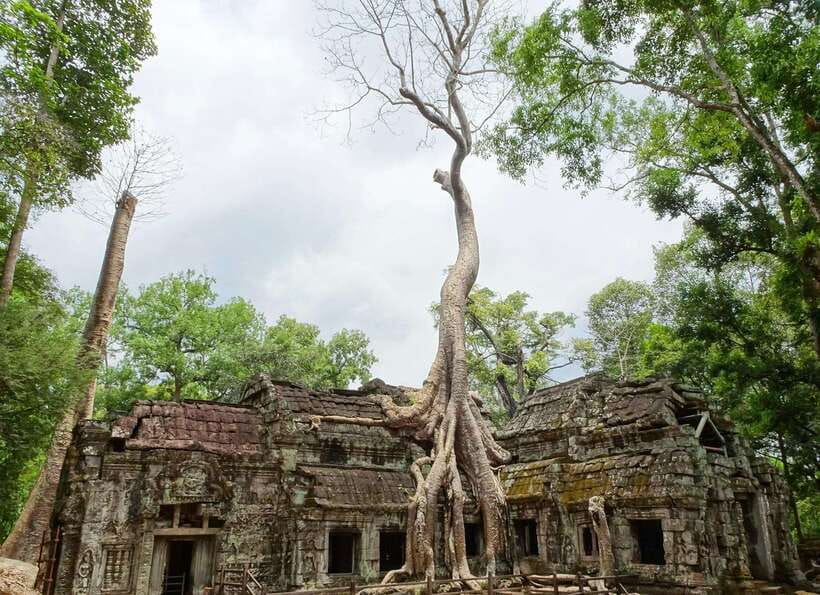
After Angkor Wat, the route heads to Ta Prohm by the smaller circular road. Ta Prohm is famous for the trees growing through its stonework, and it was used for scenes in the film Tomb Raider. The movie connection brings extra attention, but the site is more than a film location. Its ruined walls, doorways, and tree roots give it a different mood from the more ordered Angkor Wat.
Ta Nei follows. This smaller temple can feel like a useful change of pace after the major sights. Since the guide can adjust the route around crowd levels, ask if Ta Nei is best visited at that point or saved for another quiet stretch of the day.
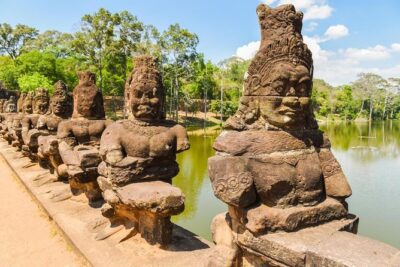
The route then enters Angkor Thom through the Victory Gate. This ancient city area contains several important monuments, and the gate itself helps you understand the scale of the former royal center.
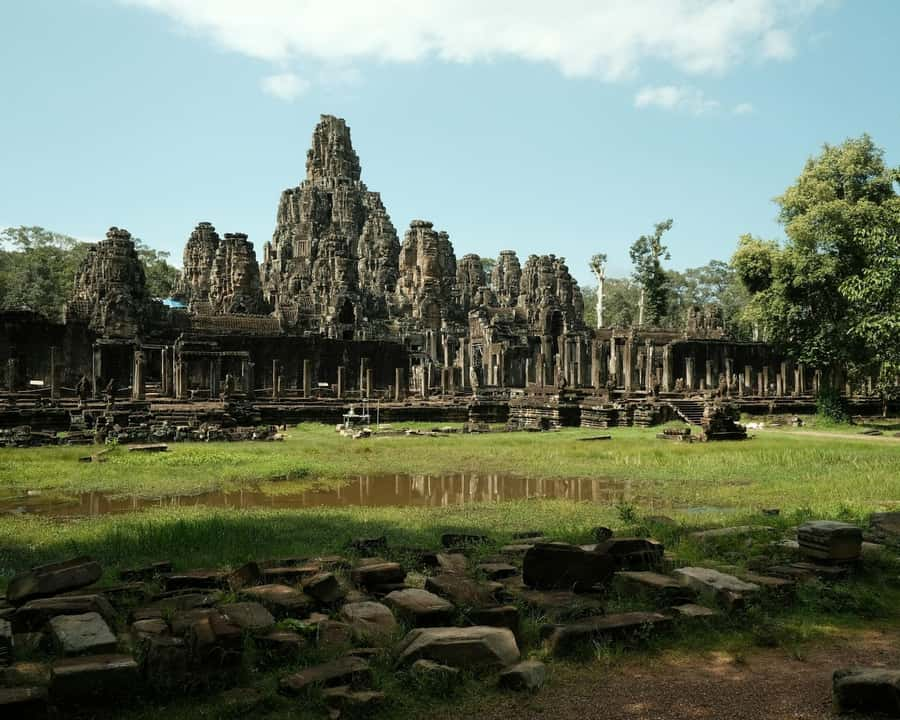
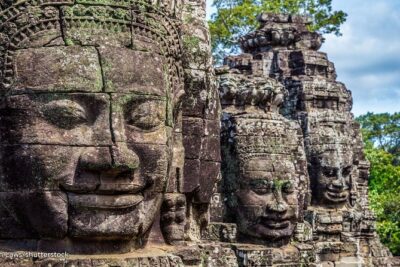
Bayon is the key stop inside Angkor Thom. Its towers with carved faces are among the most recognizable images in Cambodia. The close quarters can make it difficult to appreciate the design quickly, so a private guide is useful here. You can pause, ask questions, and move at a pace that suits your group.
Nearby Baphuon gives you a different view of Khmer temple design. Phimeanakas, the Terrace of the Elephants, and the Terrace of the Leper King complete the Angkor Thom section. These stops are not all equally grand, but together they show how temples, royal buildings, ceremonial terraces, and city spaces worked as one complex.
The tour includes a lunch break, but food is not included in the price. Your guide can help with the timing, but you should bring cash for the meal and other personal expenses. The long midday heat makes lunch and water more than minor details.
Phnom Bakheng sunset and the timing catch
The first day can end at Phnom Bakheng for sunset. This hilltop temple gives you an elevated view over the surrounding area, but access to the summit is limited because only a set number of people are allowed up at one time.
That restriction creates the main timing issue. You may need to wait, and reaching the top is not guaranteed if the permitted number has already been reached. The tour notes that you may skip Phnom Bakheng if you do not want to wait, which is a sensible option after a long day of walking.
You should also expect an uphill walk and steps. Comfortable shoes are essential, and sunscreen is not optional in the open heat. If sunset matters to you, tell the guide early so the day can be paced around it.
A few more temple visits around Siem Reap worth a look
- Siem Reap: Full-Day Angkor Wat Guided Tour with Sunset
★ 4.9 · 3,803 reviews - Angkor Wat Sunrise tour with Small – Group and Guide tours
★ 5.0 · 3,655 reviews - Angkor Wat Highlights and Sunrise Guided Tour from Siem Reap
★ 5.0 · 3,213 reviews - Angkor Wat Sunset Small Group Tour with Lunch Included
★ 5.0 · 3,059 reviews
Day two: sunrise and the Grand Circuit
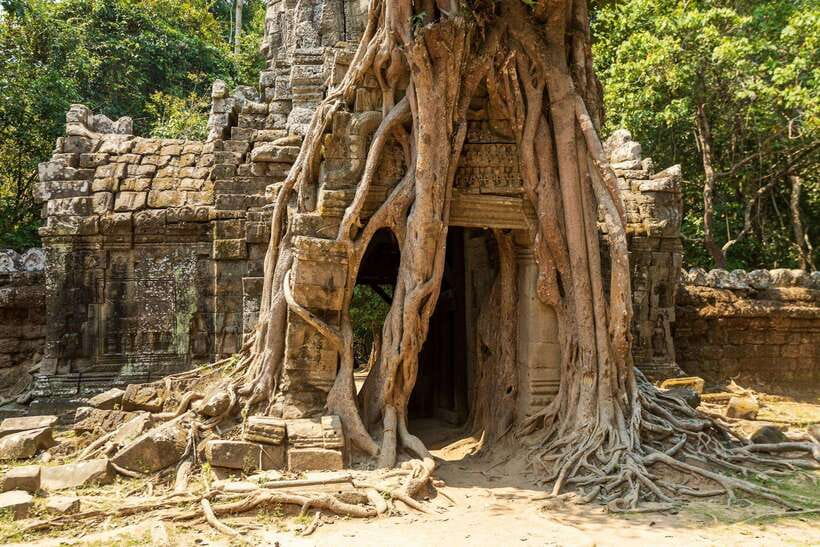
Day two starts at about 5 a.m., or earlier depending on your chosen pickup time. The first stop is Angkor Wat for sunrise. This is one of the most popular moments in the park, so do not expect solitude, but the early light can give the towers a memorable outline.
After sunrise, the group goes to a local restaurant for breakfast. Breakfast is not included, so carry cash. The early start also means you should prepare clothes and shoes the night before, since there is little time for a leisurely hotel departure.
The Grand Circuit route includes Preah Khan, Neak Pean, Ta Som, Eastern Mebon, and Pre Rup. Preah Khan is a large temple complex with long corridors and many details to examine. It rewards a slower walk, though its size can be tiring after sunrise.
Neak Pean is different from the other temples because of its central water feature and island setting. Its approach gives you a break from enclosed corridors and offers a change in scale.
Ta Som is smaller and easier to take in during a short stop. Eastern Mebon and Pre Rup are older temple mountains with strong brick and stone forms. They also involve steps, so keep your pace steady rather than trying to rush through the route.
The day continues to Banteay Srei, one of the most distinctive stops on the program. It is known for fine carved detail and a smaller scale than Angkor Wat. Because it lies farther from the central temple area, including it in a private vehicle is useful. You do not need to follow the timetable of a large bus.
Banteay Samre and Banteay Kdei complete the second day. Banteay Samre offers another change in architectural style, while Banteay Kdei brings you back toward the better-known temple zone. The day usually ends between noon and 1 p.m., giving you the afternoon back in Siem Reap.
The shorter sunrise route
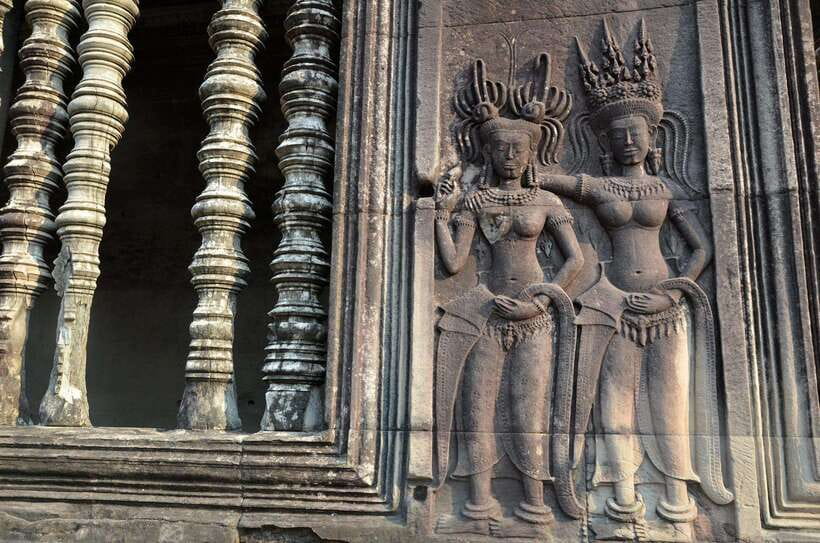
If you have only one day, the shorter program begins before 5 a.m. with Angkor Wat sunrise. It then covers the Angkor Thom area, the Southern Gate, Bayon, Ta Prohm, and Banteay Kdei.
This version works for visitors who want the headline sights without spending a full day on distant temples. You still get the famous stone faces at Bayon, the tree-covered ruins at Ta Prohm, and an early look at Angkor Wat.
The tradeoff is depth. You will not cover the Grand Circuit sites such as Preah Khan, Neak Pean, Ta Som, or Banteay Srei. If this is your only Angkor visit, the two-day plan gives you a wider sense of the park. If your schedule is tight, the shorter route is a practical compromise.
What the guide adds
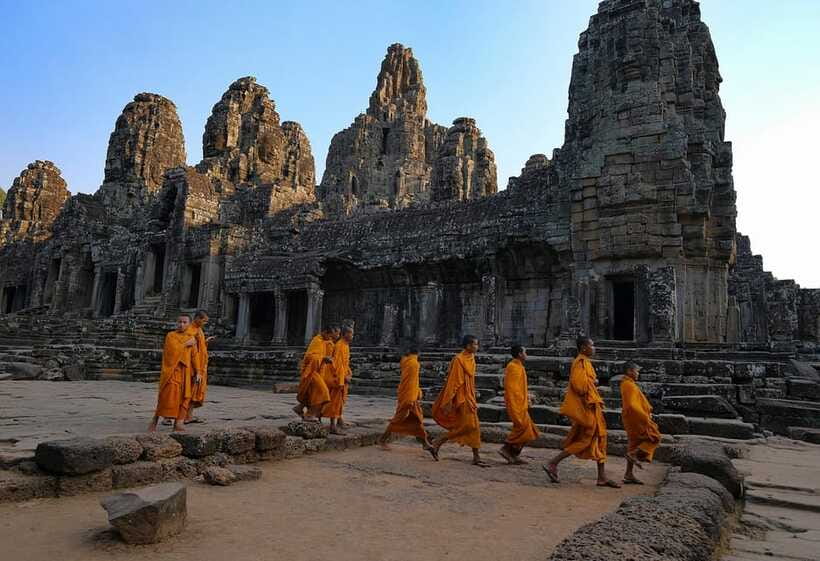
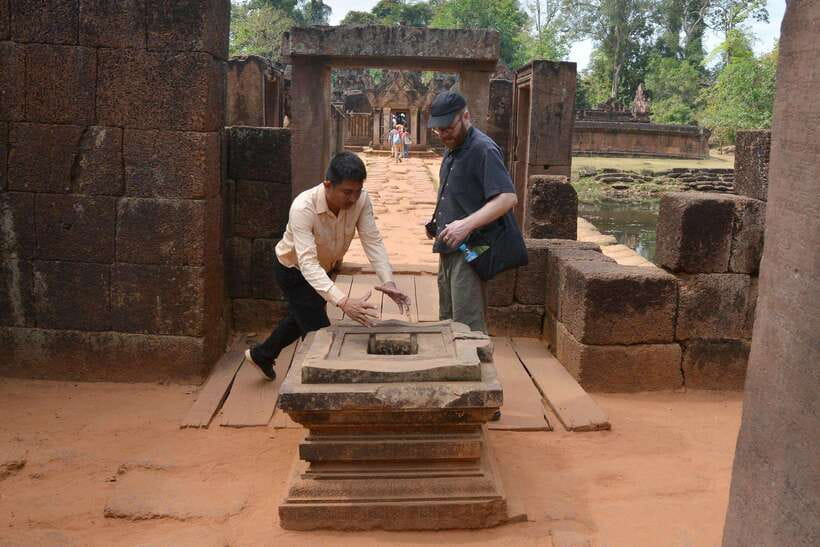
The guide is more than a person who points out buildings. The program includes explanations of history, culture, landmarks, stories, and details about the former Khmer kingdom. That context helps you see why a carved face, terrace, gate, or water feature matters.
The private format is especially helpful when you have different interests in the same group. One person may want architectural detail, another may care about film locations, and someone else may simply need more time in the shade. You can ask questions without holding up a busload of people.
English guiding is included. German, Chinese, Japanese, and Spanish guides cost extra per reservation, per day. German and Chinese add $30, while Spanish and Japanese add $40. The German guide Hai is specifically noted for speaking excellent German. Select the language when booking, and for Spanish or Japanese, provide notice at least 24 hours before the start.
Practical comfort and clothing
The tour provides cold drinking water and wet towels. In Angkor’s heat, these small supplies make the long day easier, especially during the midday temple stops.
Wear comfortable clothes that cover your shoulders and knees. A large scarf can help if your clothing is otherwise too short, but proper coverage is the safer choice for temple visits.
Bring comfortable shoes, sunscreen, cash, and a charged smartphone. Drones and pets are not allowed. Guided walking and occasional steps are part of the day, so plan for a physical outing even though the van is comfortable.
Pickup is included within Siem Reap town. Be in your hotel lobby 10 minutes before departure, and check that the hotel name and nationality details in your reservation are correct. The tour duration includes pickup and drop-off.
The information about accessibility is inconsistent: the activity details mention wheelchair access, while the additional information says it is not suitable for wheelchair users. Since the tour includes walking and steps, anyone using a wheelchair should confirm directly before paying.
Is $193 good value?
For a group of several people, yes, the price can work well. You are paying one group rate for a private vehicle, a guide, fuel, parking, water, towels, and hotel transfers. The ability to adjust the route for crowds also has real value at a site as popular as Angkor.
For one or two people, the cost is less of a bargain once you add temple admission and food. Still, a private van and personal guide may be worth it if you dislike fixed group schedules or want a German, Chinese, Japanese, or Spanish guide.
Remember to budget separately for the park pass. Eight people paying for a one-day pass would add $296 to the group total, while a three-day pass for eight would add $496. The correct choice depends on how many days you plan to visit the park beyond this tour.
Free cancellation is available up to 24 hours before the start, and you can reserve now and pay later. Those terms help if your Siem Reap plans are still moving.
Who should book this tour?
I would choose this experience if you want broad Angkor coverage, private transport, and the freedom to slow down or skip a stop. It suits families, friends, and small groups who can share the $193 rate.
The two-day option is best for people who want the Grand Circuit and Banteay Srei without cramming every temple into one exhausting day. The shorter sunrise route suits a tight schedule and focuses on Angkor Wat, Bayon, Ta Prohm, and Banteay Kdei.
I would think twice if you want a very relaxed holiday with minimal walking. The itinerary is ambitious, the first day can run into sunset, and the second day starts before dawn. Also confirm the wheelchair question and the exact language surcharge before booking.
FAQ
How much does the private Angkor Wat tour cost?
The price is $193 per group, with a maximum of eight guests per reservation.
Is the Angkor Archaeological Park pass included?
No. A one-day pass costs $37 per person, and a three-day pass costs $62 per person.
What languages are available?
English is included. German, Chinese, Japanese, and Spanish guides are also available, with surcharges for some language options.
How much does a German guide cost?
A German-speaking guide costs an additional $30 per reservation, per day, payable in cash.
How much do Spanish or Japanese guides cost?
A Spanish or Japanese guide costs an additional $40 per reservation, per day, payable in cash. Advance notice of at least 24 hours is required.
Does the tour include hotel pickup?
Yes. Pickup and drop-off are included within Siem Reap town.
What vehicle is used?
The tour operates with a private air-conditioned van, such as a Toyota Alphard or equivalent.
Are food and temple tickets included?
No. Food and admission to Angkor Archaeological Park are separate expenses.
Can I choose a one-day or two-day tour?
Yes. You can choose a one-day route or a two-day plan that includes sunrise and more Grand Circuit temples.
Is sunrise included?
Sunrise at Angkor Wat is included in the two-day program and the shorter sunrise option. The first day can also include sunset at Phnom Bakheng, subject to summit capacity.
Just added around Siem Reap
- Sunrise at Angkor Wat Temple: 3-Hour Private Tour★ 4.7 · 30 reviews
- Small-Group Explore Angkor Wat Sunrise Tour with Guide★ 5.0 · 3 reviews
- Siem Reap: Ultimate Angkor Wat Offbeat Experience by Jeep★ 4.9 · 8 reviews
- Siem Reap : Private Tuk-Tuk Tour of the Magnificent Temples.★ 4.9 · 14 reviews
- Siem Reap: Private 4-Day Angkor Wat and Phnom Kulen Tour★ 5.0 · 9 reviews
- Siem Reap: Personalized Angkor Wat Sunrise/Set by TukTuk/Car★ 4.9 · 41 reviews
- Siem Reap: 1-Day Angkor Wat Tour in Portuguese★ 5.0 · 4 reviews
- Siem Reap: Grand Circle Temples Tour With Private Tuk-Tuk★ 5.0 · 4 reviews
Angkor Wat Tours, compared.
Angkor Wat Sunrise or Sunset Tour with Guide from Siem Reap
Read our review →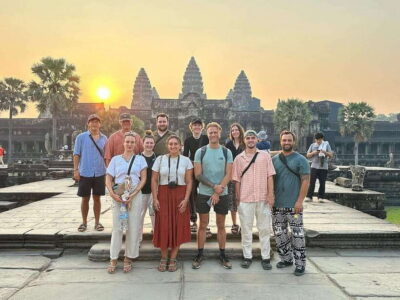
Angkor Wat: Small-Group Sunrise or Sunset Tour
Read our review →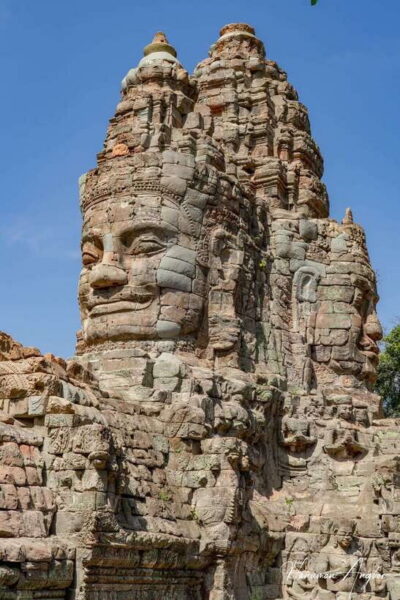
Angkor Wat 2-Day Tour with Sunrise and Sunset
Read our review →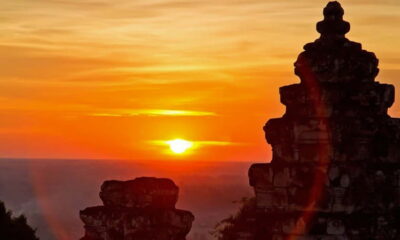
Angkor Wat Sunrise tour with Small – Group and Guide tours
Read our review →
Angkor Wat Highlights and Sunrise Guided Tour from Siem Reap
Read our review →
Angkor Wat Sunset Small Group Tour with Lunch Included
Read our review →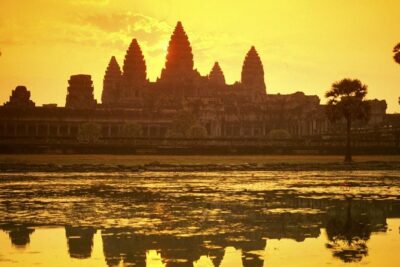
Full-Day Angkor Wat Sunrise Private Tour with Guide from Siem Reap
Read our review →Browse the lists this tour appears in