
Review · MALTA
Malta: Prehistoric Temples and Highlights of the South
Malta’s south packs 5,000 years into one day. I like the mix of Hagar Qim and Ghar Dalam, where you see both megalithic temples and prehistoric animal remains, and I like the easy hotel pickup, air-conditioned bus, and included lunch. The Blue Grotto adds a striking coastal pause, with an optional boat ride through the caves.
The main drawback is pace. The tour covers a lot of ground, and some stops can feel short, especially Hagar Qim. A morning spent collecting passengers and transferring to the main coach can also take close to two hours, depending on your pickup point.
Key points at a glance
- Hagar Qim dates to 3600 to 3200 BC, with sea views from a hilltop setting.
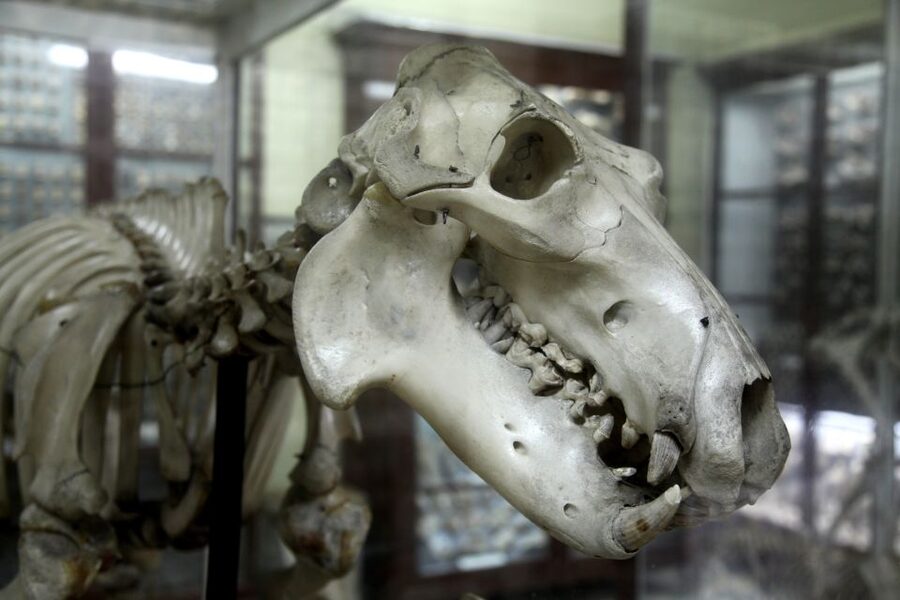
- Ghar Dalam reaches 144 meters into the rock, with fossil bones from elephants, hippopotami, and other animals.
- The Blue Grotto boat trip costs about €10 for adults, is paid locally, and depends on sea conditions.
- Marsaxlokk combines a traditional fishing village with an open-air market, though lunch may reduce your free time there.
- Limestone Heritage Park explains Malta’s stone industry through gardens and an audio-visual presentation.
- The $86 price includes transport, admissions, a guide, and lunch, making it a practical choice for a first visit to southern Malta.
Why this south Malta tour works well
This is a useful choice if you want to see several major sights without arranging buses, taxis, admissions, and lunch yourself. In eight hours, you visit an old limestone quarry, a prehistoric temple complex, a coastal viewpoint, a fishing village, and Malta’s oldest prehistoric site.
I like the way the day moves between indoor and outdoor stops. The quarry and cave give you shade and shelter, while Hagar Qim and the Blue Grotto provide the big open views. That variety matters in Malta, where bright sun, wind, or rain can change the feel of an outing quickly.
The strongest part is the mix of subjects. You are not seeing five similar monuments. You learn how Maltese stone was used, how early island communities built enormous temples, how the coast was shaped into caves, and what animals lived here long before people arrived.
The trade-off is that this is a group tour with a fixed timetable. You do not set the pace, and the order of stops can change. Several coaches may also arrive at the same sites around the same time, creating queues and a crowded feel at popular locations.
A few more temple visits around the world worth a look
- Lisbon: Jerónimos Monastery Entrance Ticket
★ 4.1 · 14,164 reviews - Angkor Wat Sunrise or Sunset Tour with Guide from Siem Reap
★ 5.0 · 12,109 reviews - Teotihuacan, Guadalupe Shrine & Tlatelolco Day Tour with Lunch
★ 5.0 · 11,603 reviews
Hotel pickup and the morning coach transfer
Pickup is included, but do not treat the time printed on your ticket as your hotel pickup time. The actual pickup can fall between 8:30 and 9:10 AM, depending on where you stay. You need to contact the operator a few days ahead to confirm the exact meeting point and time.
Wait outside near the main entrance of your hotel. The driver does not go inside the lobby looking for passengers, and the vehicle cannot hold for late arrivals. This is one point where being early saves stress.
Some passengers are collected by a smaller vehicle and then taken to a central meeting point, where they join the main tour bus. That arrangement works, but it can consume a fair slice of the morning. If you are staying outside the main pickup area, allow extra time and read the meeting instructions closely.
The air-conditioned coach is a real benefit in warm weather. It gives you a comfortable base between stops, though the overall day can feel full once pickup, transfers, sightseeing, and lunch are added together.
Limestone Heritage Park explains Malta’s building stone
The first stop is the Limestone Heritage Park and Gardens, set at an old quarry. This is not just a quick photo stop. The attraction focuses on Malta’s limestone, its use in local buildings, and the geological story behind the island’s stone, said to be about 22 million years old.
I find this a smart opening visit because it gives context for everything that follows. Once you understand how important limestone is to Malta, the pale stone of the temples, villages, churches, and walls becomes more than a background color.
You receive an audio-visual presentation, then have time to look around the grounds. The stop tends to feel relaxed compared with Hagar Qim, and it offers a gentle start before the more demanding archaeological sites.
Still, this is an interpretation center rather than an untouched ancient site. If your main interest is prehistoric architecture, you may want the tour to spend more time at the temples instead. For most people, though, the quarry adds useful local context that a sightseeing bus would otherwise skip.
Hagar Qim and the first great prehistoric encounter
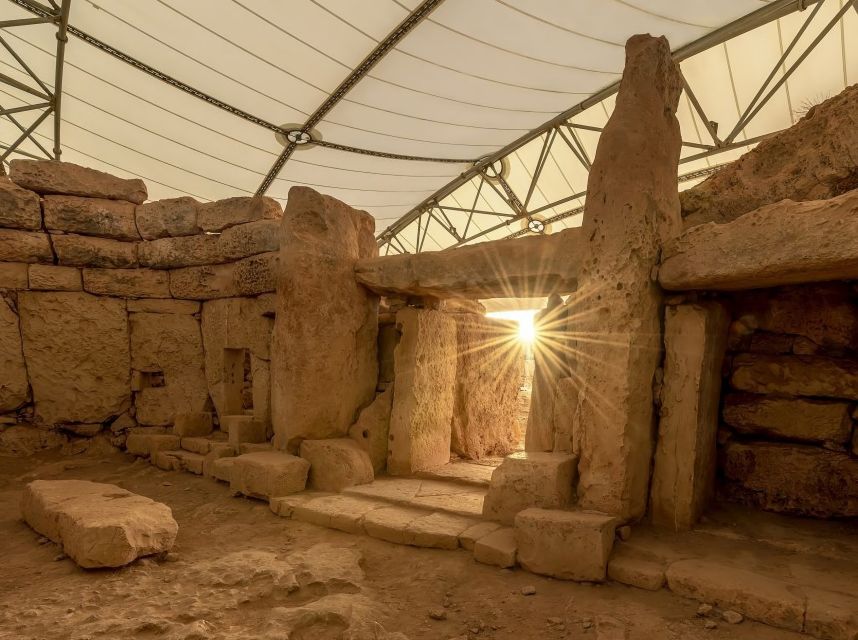
Hagar Qim is the day’s key archaeological stop. The temple complex sits on a hilltop near Malta’s southern coast, with wide views toward the sea. The site dates from about 3600 to 3200 BC and is part of Malta’s UNESCO-listed megalithic temples.
The scale is what catches you first. Huge limestone blocks form a site built thousands of years before the pyramids of Giza. The exact purpose of these temples remains uncertain, but the surviving stones show careful planning, skilled construction, and a strong connection between ritual buildings and the natural world around them.
I recommend paying attention to the setting as much as the stones. The position above the coast helps explain why this is not simply an old pile of masonry. The temple was built as part of a wider cultural world, and its location gives the visit a powerful sense of place.
This is also the stop most likely to feel rushed. You may have enough time to walk through the main complex and take in the views, but not enough time to read every museum panel or examine every detail. One practical tip: listen closely to the guide first, then use any remaining minutes for the exhibits and photographs.
The site can become crowded when several buses arrive together. That makes it harder to pause quietly beside the stones. If Hagar Qim is your main reason for booking, a dedicated temple visit would give you more time and less pressure.
Same place, a different morning at the gates:
- From Bangkok: Ayutthaya Temples Guided Tour with Lunch
★ 4.7 · 10,535 reviews - Siem Reap: Angkor Wat: Small-Group Sunrise or Sunset Tour
★ 5.0 · 9,444 reviews - Athens: Cape Sounion & Poseidon Temple Sunset Half-Day Trip
★ 4.8 · 8,241 reviews - Ubud: Monkey Forest, Jungle Swing, Rice Terrace, and Water Temple
★ 5.0 · 7,160 reviews
Zurrieq Valley and the Blue Grotto coast
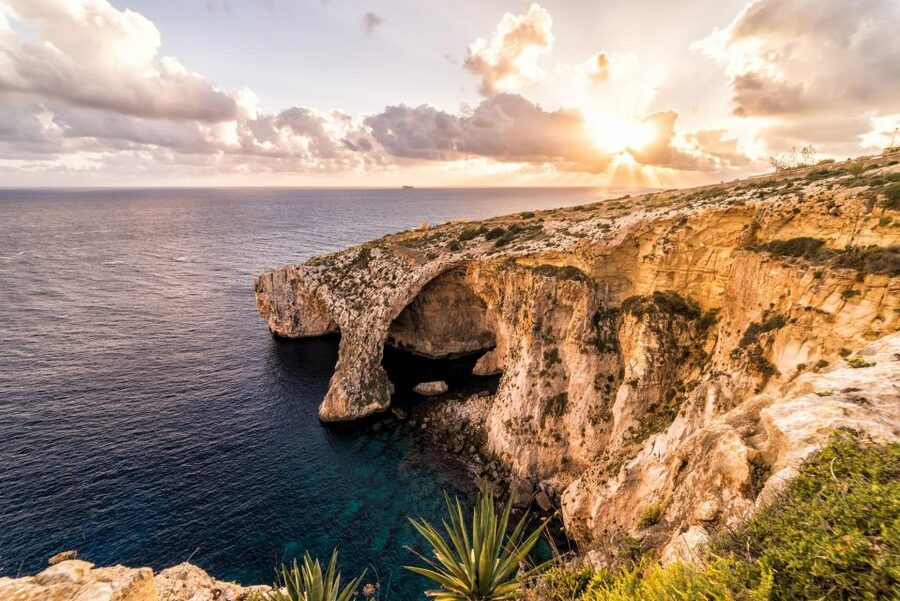
The route continues toward Zurrieq Valley and the Blue Grotto. The Blue Grotto is known for its group of seven coastal caves, steep rock formations, and intense blue water. From the viewpoint, you can take in the full coastal shape before deciding if you want to go closer by boat.
The viewpoint itself is worthwhile, especially on a clear day. The water color changes with the light, and the cliffs give you a very different view of southern Malta than the inland quarry and temples.
The boat trip is optional and costs around €10 for adults and €5 for children, paid on location. The fee can change, and the ride only operates when weather and sea conditions are suitable. You should carry cash if you are considering it.
I would choose the boat if the sea is calm and you want to see the caves from water level. The short ride offers a closer look at the rock formations, and the boat guide explains the caves and their names. It is not essential, though. You can enjoy the Blue Grotto from land without paying extra.
The stop can feel touristy, particularly when multiple coaches arrive. Think of it as a scenic coastal visit with an optional short boat ride, not a quiet wilderness experience. Weather matters here more than at any other stop. Wind or rain may cancel the boat and reduce the appeal of the viewpoint.
Marsaxlokk market and the lunch compromise
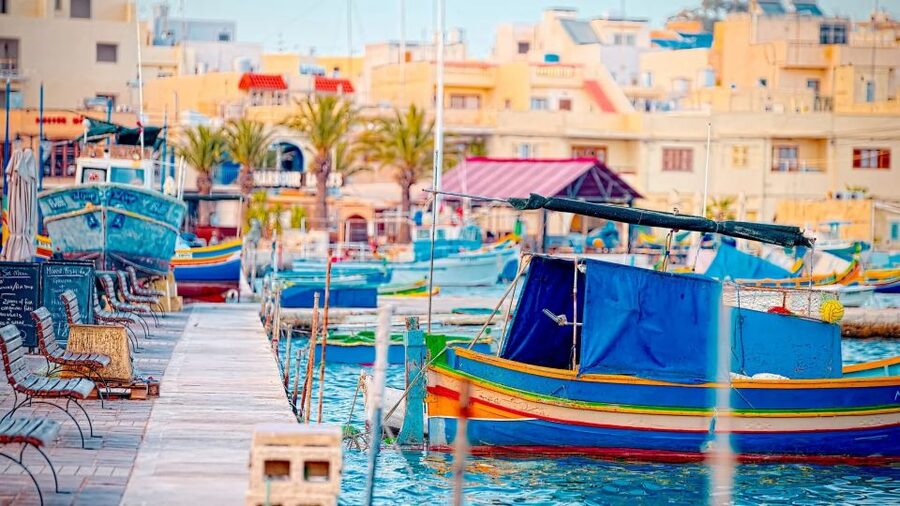
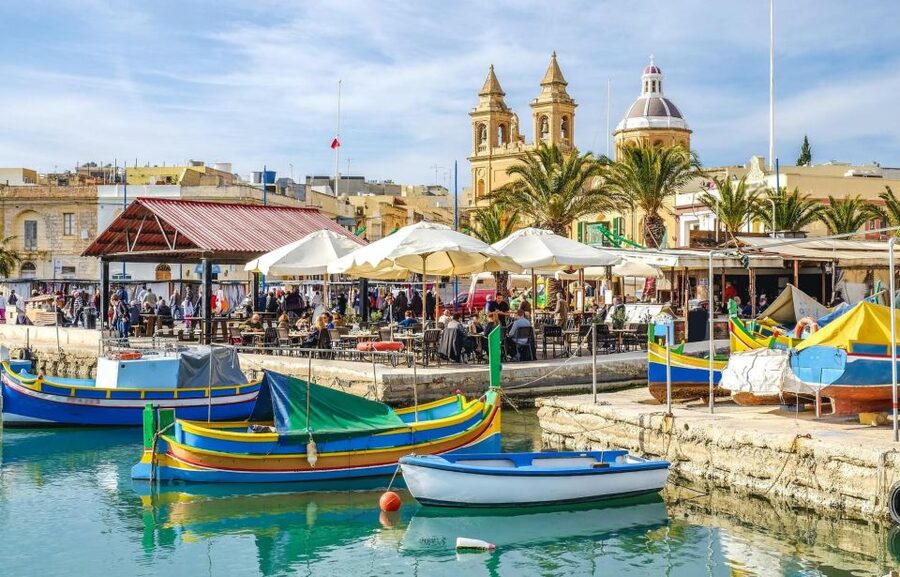
Marsaxlokk gives the day a dose of everyday Malta. This traditional fishing village is known for its harbor and open-air market, where you can browse local goods and take in the waterfront setting.
The village is a welcome change after the ancient sites. You have a chance to stroll, take photographs, and see a working coastal community rather than another museum or archaeological enclosure.
Lunch is included and comes with a fixed menu and one glass of wine. That is convenient, especially when you are moving on a tight schedule. The food is suitable for a group meal, though it can be mass-produced and service may be slow when several buses are eating at once.
You should also know that the meal may take up much of your Marsaxlokk time. Some visitors have had only about 15 minutes to look around after eating, while others felt the restaurant portion of the visit lasted too long. If your priority is the market and waterfront, the included lunch may feel like a poor trade.
The menu can include fish served whole, with the head still attached. That is normal in many places, but it may surprise picky eaters. Extra drinks are not included, and dietary requirements are not clearly handled during booking, so ask the operator ahead of time if food is important to your plans.
Ghar Dalam and Malta before recorded history
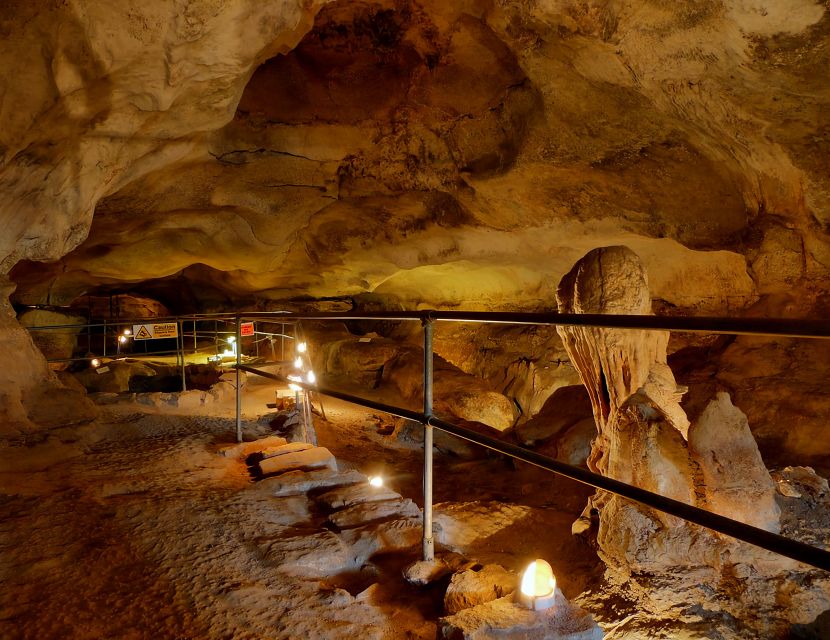
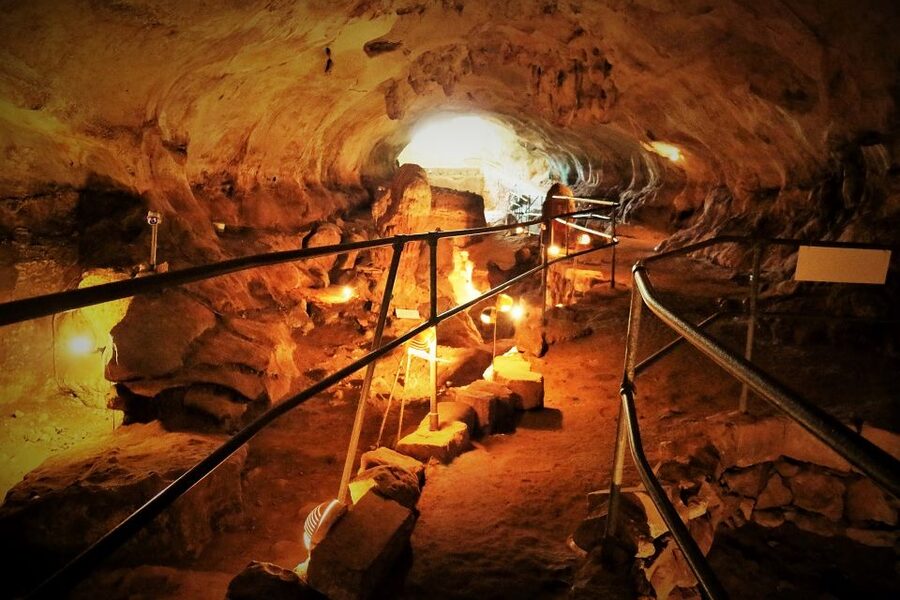
Ghar Dalam is the final major stop and one of the most unusual. The cave reaches about 144 meters into the ground and is Malta’s oldest prehistoric site, dating to around 5200 BC.
Inside, you can see evidence of animals that once lived on Malta, including elephants and hippopotami. The remains help show how different the island was before modern settlement and give the site a natural-history angle that balances the temple visit.
I like the contrast between Hagar Qim and Ghar Dalam. At Hagar Qim, people created monumental stone buildings. At Ghar Dalam, you look at bones and earth layers that reveal an older natural past. Taken together, the two stops give you a broader idea of Malta’s early story.
The cave is an indoor attraction, but you should still wear sensible shoes. The site may feel less dramatic than the temple complex, and some visitors prefer more time with the exhibits. If bad weather limits outdoor sightseeing, this is a good place to slow down and read, though the fixed schedule may not allow much extra time.
Guides, languages, and the pace of the day
The tour operates in English, French, Italian, German, and Spanish. Your booking language is normally used, but a multilingual guide may give commentary in two languages. That can stretch explanations and make it harder to hear if people are talking during the other language segment.
The guides are a major strength when the day runs well. Guides named Philip, Philippe, Sandra, Jackie, Celine, and Donna have been praised for clear explanations, patience, and friendly service. Sandra was especially effective while switching between German and English, and several guides were noted for answering questions about both the sites and Malta more broadly.
The pace is brisk but not frantic at every stop. You generally have time to see each place, take photographs, and hear the main explanation. The pressure is greatest at Hagar Qim and Marsaxlokk, where extra reading or wandering may be sacrificed to keep the schedule moving.
One practical issue is group size. Multiple coaches from the same operator may follow similar routes. That can mean queues at entrances, crowded parking areas, and a need to stay alert when rejoining your bus.
Is $86 a fair price?
At $86 per person, the value is good if you want a guided day with the main costs bundled together. The price includes hotel pickup and drop-off, air-conditioned transport, a licensed guide, entry to Limestone Heritage Park, Hagar Qim, and Ghar Dalam, plus a fixed-menu lunch and a glass of wine.
You would pay extra for the Blue Grotto boat, drinks beyond the included wine, and any personal purchases at the market. The boat adds about €10 for an adult, so budget for it only if the weather is favorable and you want the closer coastal view.
The best value comes from convenience. You do not need to organize several south Malta bus connections or buy separate admissions. The weaker value appears if you care most about slow archaeological visits, a flexible lunch, or a long walk through Marsaxlokk.
Who should book this tour?
I would recommend it to first-time visitors who want a broad introduction to southern Malta in one day. It suits you if you value transport, explanations, and a clear route more than complete freedom.
It is also a good fit for people who want a mix of culture, scenery, and local life. The prehistoric sites are the main reason to go, but the quarry, Blue Grotto, village, and lunch keep the day varied.
I would think twice if Hagar Qim is your main goal. You may prefer a smaller archaeology-focused tour with more time at the temples. I would also be cautious if you dislike fixed meals, crowded coach stops, or long transfer periods.
The tour is not suitable for wheelchair users or people with mobility impairments. Comfortable shoes are important, and you should bring cash for the optional boat and personal spending.
Final verdict: a useful first look at Malta’s south
Book this tour if you want to cover the southern highlights without handling the transport yourself. The strongest moments are Hagar Qim’s ancient stones, Ghar Dalam’s fossil evidence, and the Blue Grotto coastline.
Expect a full day, a brisk schedule, and a group-tour lunch rather than a leisurely village visit. At $86, the package offers solid value for a first visit, especially when you want history, scenery, admissions, transport, and a guide in one booking.
FAQ
How long does the tour last?
The tour lasts eight hours.
What is the price per person?
The listed price is $86 per person.
Is hotel pickup included?
Yes. Hotel pickup and drop-off are included, but you must confirm your exact pickup location and time with the operator.
What time can hotel pickup occur?
Pickup can take place between 8:30 AM and 9:10 AM, depending on where you are staying.
Which languages are available?
The tour is available in English, French, Italian, German, and Spanish.
Is lunch included?
Yes. A fixed-menu lunch with one glass of wine is included.
Are extra drinks included with lunch?
No. Additional drinks consumed during lunch cost extra.
Is the Blue Grotto boat ride included?
No. The boat trip is optional and paid for locally. It costs around €10 for adults and €5 for children, though the fee can change.
Does the Blue Grotto boat operate in all weather?
No. The boat trip depends on favorable weather and sea conditions.
Is the tour suitable for wheelchair users?
No. The activity is not suitable for wheelchair users or people with mobility impairments.
Just added around the world
- No.1 Chiang Mai: 3-Hour Monk Trail Hike to Wat Doi Suthep & Palad★ 5.0 · 11 reviews
- 8 Days Private South India Temple Tour with 4 Star Luxury Hotels★ 5.0 · 3 reviews
- Chennai City Highlights – Government Museum & Temple Discovery★ 4.0 · 7 reviews
- South India Tour- Temple Architecture and Backwaters★ 5.0 · 7 reviews
- Chania Private Tour: Monastery, Scenic Gorge & Mountain Views★ 5.0 · 12 reviews
- 2-Day Private Tour of Leshan Grand Buddha and Emei Shan including Monastery Stay★ 4.5 · 8 reviews
- Half-Day Trip to Arkadi Monastery and Melidoni Cave★ 4.5 · 4 reviews
- Shore Explore Chania: City Charm, Beach, Monastery & Winetasting★ 5.0 · 13 reviews
Malta Temple Tours, compared.
From Malta: Gozo Day Trip Including Ggantija Temples
Read our review →
From Malta: Gozo Full-Day Tour with Guide, Temples, & Train
Read our review →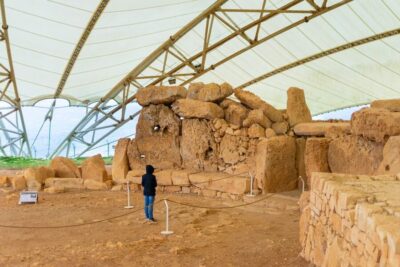

Malta: Prehistoric Temples, Limestone Heritage & Blue Grotto
Read our review →
Valletta: Monastery and Secret Garden Entry Ticket
Read our review →
Gozo Guided Day Trip Incl. Ggantija Temples and Lunch
Read our review →
Mysterium Fidei Monastery & Secret Garden in Valletta
Read our review →
Gozo Full Day visiting Ggantija Temples, Salt Pans & Dwejra
Read our review →Browse the lists this tour appears in