
Review · MALTA
Mysterium Fidei Monastery & Secret Garden in Valletta
A locked door finally opens in Valletta. Mysterium Fidei offers a rare look inside St. Catherine’s Monastery, where cloistered nuns lived behind closed doors for centuries. I like the preserved kitchens, washrooms, bedrooms, and crypts, and I also like the quiet garden, a welcome pause from Valletta’s busy streets. The main limitation is clear: only ground-floor areas are open, so the experience is smaller than some promotional photos may suggest.
At $12.10 per person, this is an inexpensive way to see a side of Valletta that most city walks cannot show you. I would allow about 30 minutes to an hour and a half, depending on how carefully you use the audio guide and how long you spend in the garden. The setting is atmospheric, but the attraction is compact.
Key points to know before you go
- The Secret Garden was closed for more than 400 years: You can now enter this enclosed garden within the monastery.
- The visit focuses on real monastic spaces: Original kitchens, bedrooms, washrooms, and crypts help explain how the nuns lived.
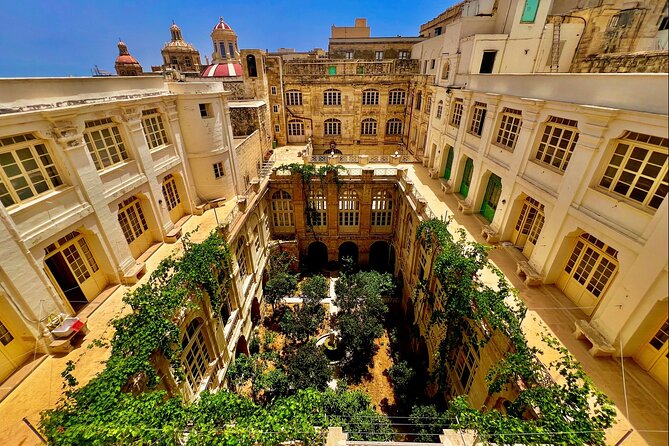
- The upper floors remain closed: The monastery is still a closed cloister, so you can visit only the accessible ground-level areas.
- The audio guide adds useful context: It explains the rooms and the story of the nuns without requiring a live guide.
- The garden is peaceful but small: It is a quiet place for photographs and reflection, not a large formal garden.
- The ticket is flexible in case plans change: Free cancellation is available until 24 hours before the scheduled start time.
Entering St. Catherine’s Monastery in Valletta
Mysterium Fidei is located in the heart of Valletta, inside St. Catherine’s Monastery. The monastery has existed for hundreds of years, and the site is connected with a community of women who chose a highly restricted religious life.
The monastery dates to 1575, when it served female orphans. Over time, it became a home for cloistered nuns. When the women entered the community, they took vows never to leave. Their lives were shaped by prayer, work, and separation from the outside world.
That background changes the way you look at the rooms. This is not simply an old building with attractive stonework. The kitchens, washrooms, bedrooms, and crypts all relate to a particular way of life. You get a sense of how practical and enclosed the nuns’ world was.
I like that the experience keeps the focus on ordinary spaces. You are not shown only a chapel or a grand ceremonial room. You can look at the parts of the monastery that supported daily life, which often tell a more useful story than a polished display of art and architecture.
The site also contains a relic connected with the Holy Cross, described as authentic under a Vatican seal. That detail adds religious importance for some visitors, though the main appeal remains the chance to see the preserved monastic rooms and garden.
A few more temple visits around the world worth a look
- Lisbon: Jerónimos Monastery Entrance Ticket
★ 4.1 · 14,164 reviews - Angkor Wat Sunrise or Sunset Tour with Guide from Siem Reap
★ 5.0 · 12,109 reviews - Teotihuacan, Guadalupe Shrine & Tlatelolco Day Tour with Lunch
★ 5.0 · 11,603 reviews
The Secret Garden after 400 years
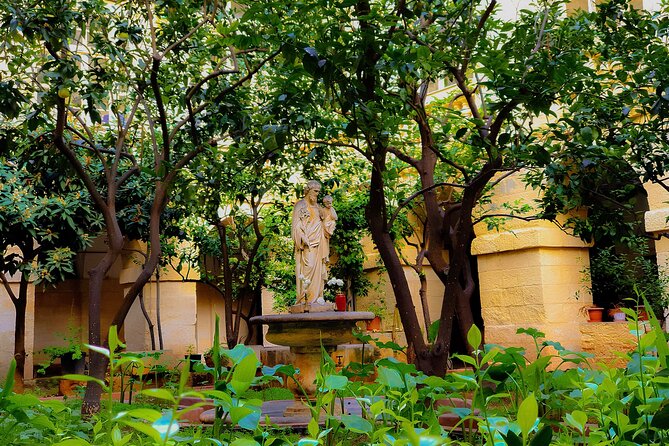
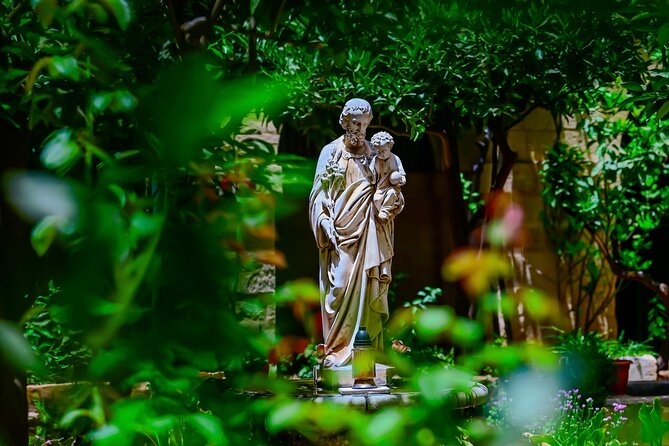
The garden is the emotional center of the visit. Its door was closed to the public for more than 400 years, and entering it gives you a glimpse of the private space where the nuns lived apart from Valletta’s streets.
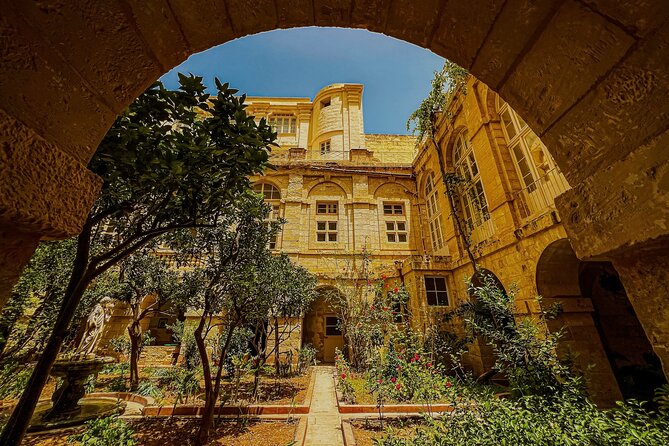
This is an enclosed garden, not a large park. I would set your expectations correctly before arriving. The garden is described as tiny by some people, but its small size is part of the atmosphere. High walls and limited access create a sense of privacy that would be lost in a broad public garden.
The contrast is useful. Valletta can feel energetic and crowded, with narrow streets, stone buildings, and steady foot traffic. Inside the monastery, the garden offers a quiet change of pace. You can sit with the audio guide, take photographs, or simply enjoy a few calm minutes.
The garden also has a lived-in quality. Details noted during visits include turtles, a cat, and a rabbit kept in a pen. These touches make the place feel less like a staged historic attraction and more like an enclosed home that still has a connection with daily life.
I would bring your camera, but do not expect a grand panoramic view. The appeal is in the enclosed atmosphere, old walls, plants, and small details. If you want a large garden with many paths, this will feel limited. If you like quiet corners and unusual settings, it can be the best part of the experience.
What the audio guide adds
The audio guide explains the story of the monastery and the rooms you see. It is offered in English, and using it should make the visit more meaningful than simply walking through a few quiet spaces.
I like the audio format here because the building itself is restrained. A kitchen, washroom, or plain bedroom may not explain itself at first glance. The narration helps you connect each room with the nuns’ vows, routines, and separation from the outside world.
The guide also lets you move at your own pace. You can pause to look at architectural details, spend longer in the garden, or continue when you are ready. That makes the visit suitable for people who prefer a self-guided experience rather than a fixed group schedule.
You should not expect a long, fast-moving tour with constant narration. The experience is contemplative. I would use the audio guide carefully, then leave time to look around without your phone held up the entire visit.
Original kitchens, washrooms, and bedrooms
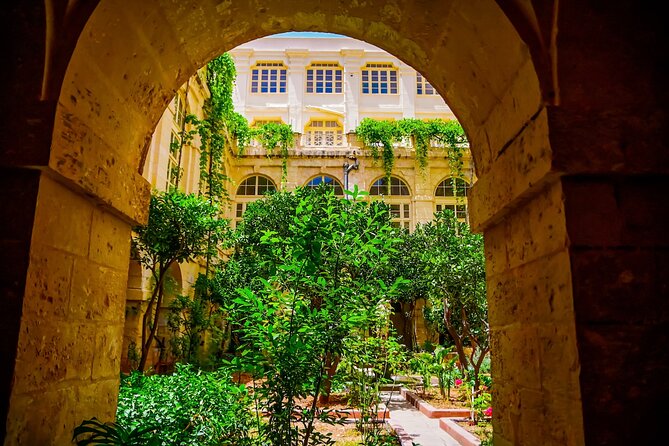
The original working areas are among the most valuable parts of Mysterium Fidei. Kitchens and washrooms are easy to overlook in historic sites, yet they show how people actually lived.
The kitchens help you picture the monastery as a self-sustaining community. The nuns were not simply occupying a religious building. They had to organize food, cleaning, personal care, and household work within the walls.
The bedrooms and living quarters are notably stark. You will not find the comfort or decoration associated with a wealthy palace. Their plainness gives you a better idea of the discipline involved in choosing the cloistered life.
I find these rooms more informative than a collection of isolated objects because they preserve the relationship between work and belief. The women lived within a system that limited contact with the outside world, and the physical setting made that separation real every day.
One important point is access. The monastery is still operating as a closed cloister, so the upper floors cannot be visited. Only the ground-floor areas available to the public can be explored. If you have seen photographs that appear to show higher-level views or more of the building, do not assume those areas are part of the visit.
This restriction is not a temporary inconvenience. It reflects the continuing privacy of the nuns who live there. That makes the experience more authentic, but it also means the attraction is smaller than some people may expect.
Same place, a different morning at the gates:
- From Bangkok: Ayutthaya Temples Guided Tour with Lunch
★ 4.7 · 10,535 reviews - Siem Reap: Angkor Wat: Small-Group Sunrise or Sunset Tour
★ 5.0 · 9,444 reviews - Athens: Cape Sounion & Poseidon Temple Sunset Half-Day Trip
★ 4.8 · 8,241 reviews - Ubud: Monkey Forest, Jungle Swing, Rice Terrace, and Water Temple
★ 5.0 · 7,160 reviews
The crypt and the final resting place
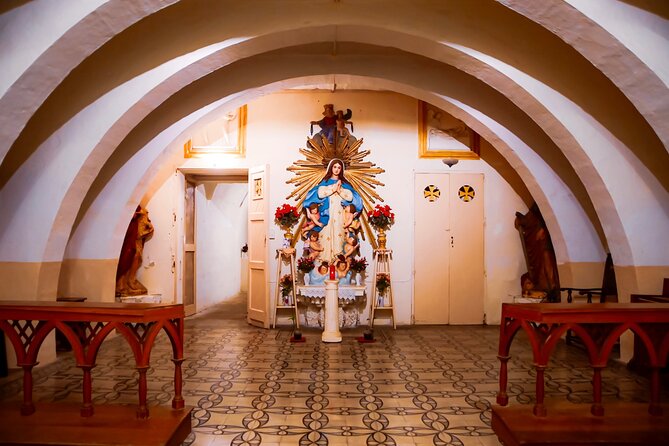
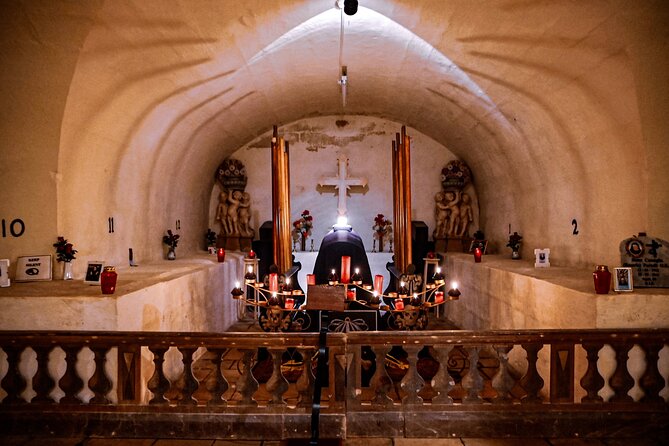
The crypt gives the visit its most solemn moment. It was used as the final resting place of the sisters, who were buried within the monastery walls.
This space helps explain the extent of the nuns’ separation from the outside world. Their cloistered life did not simply end at the monastery gate. Their burial place remained within the same community and building.
You may find the crypt moving, but it is not a light or decorative part of the visit. I would take your time here and be respectful. The room offers a direct connection with the women whose lives are being explained throughout the monastery.
For me, this is where the historical story becomes personal. Kitchens show daily routine, bedrooms show discipline, and the crypt shows the lasting boundaries of the community. Together, these spaces create a more complete picture than any one room could provide.
How much time should you allow?
The stated duration ranges from about 30 minutes to an hour and a half. Your timing will depend on whether you read and listen carefully, how long you spend in the garden, and how much time you give the crypt and original rooms.
I would allow at least 45 minutes so you do not feel rushed. Thirty minutes could work if you make a quick visit and focus on the main spaces. An hour or more makes sense if you enjoy historic interiors, photography, and the audio guide.
The attraction is open daily from 10:00 a.m. to 5:00 p.m. from June 1, 2025, through May 31, 2026. Since the site is compact, you can fit it between other Valletta sights rather than treating it as a full-day activity.
The flexible timing also makes it useful during hot weather or after a long morning of sightseeing. You can step inside, slow down, and continue your day without committing to a lengthy excursion.
Is $12.10 good value?
At $12.10 per person, I consider this a fair price if you value historic interiors, religious history, and quiet spaces. Admission includes access to Mysterium Fidei, the monastery areas open to the public, the Secret Garden, and the audio-guided explanations.
The value depends on your expectations. You are paying for a small, unusual historic experience, not a large museum with dozens of galleries. If you expect extensive access throughout the monastery, the price may feel high for the amount of space available.
I would compare it with the cost of a standard attraction in Valletta and ask what sort of visit you want. For a short, focused stop with a rare garden and preserved working spaces, the price is reasonable. For a major architectural tour lasting several hours, it is not.
The strongest value comes from the combination of garden, daily-life rooms, and crypt. Any one of these might feel brief on its own. Together, they give the visit a clear purpose.
Who will enjoy Mysterium Fidei most?
I would recommend this experience to you if you enjoy:
- Religious and social history
- Preserved buildings with original household spaces
- Quiet gardens and reflective places
- Audio-guided visits
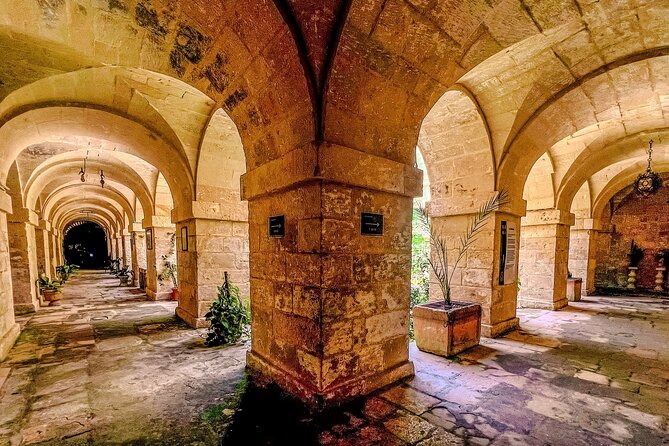
- Photography of old stone interiors
- Short attractions that fit easily into a day in Valletta
It should also suit people who want to understand how cloistered communities functioned. The visit is less about grand decoration and more about routine, privacy, discipline, and faith.
Families may find the cat, turtles, and garden details appealing, though the crypt and subject matter may not suit very young children. People with limited time can make a worthwhile stop in under an hour.
I would think twice if you want upper-floor access, sweeping city views, or a large garden. The lack of access beyond the ground level is the main limitation, and no amount of careful planning changes that.
Service animals are allowed, the site is near public transportation, and most people can participate. Confirmation is provided at booking, and the ticket is mobile, which keeps the practical side simple.
Practical planning for your Valletta day
Because opening hours run from 10:00 a.m. to 5:00 p.m., you have plenty of daytime flexibility. I would avoid rushing in just before closing, especially if you want to use the full audio guide and spend time in the garden.
The experience is offered in English. If you prefer to understand every explanation, plan enough time to listen rather than treating the visit as a quick photo stop.
You can cancel for a full refund up to 24 hours before the scheduled start time. Cancellations or changes made less than 24 hours ahead are not refunded or accepted, and the cut-off follows local time.
This is an easy attraction to pair with other Valletta sights because the visit is short and located centrally. I would use it as a quiet break between more crowded historic sites, not as the only activity of your day.
Should you book Mysterium Fidei?
I would book it if you want a calm, unusual look at life inside a working monastery. The best reasons are the Secret Garden, the preserved kitchens and washrooms, the stark living quarters, and the crypt where the sisters were buried.
I would not book it expecting a complete tour of the building. The upper floors are closed because the monastery remains a closed cloister, and the garden is small. Those limits are important, but they do not cancel out the experience’s value.
At $12.10, Mysterium Fidei is a sensible choice for a short Valletta stop, especially if you appreciate places that feel personal rather than grand. Give it about an hour, listen to the audio guide, and let the quiet rooms explain why this corner of the city is worth seeing.
FAQ
Where is Mysterium Fidei located?
Mysterium Fidei is inside St. Catherine’s Monastery in the heart of Valletta, Malta.
How much does admission cost?
The listed price is $12.10 per person, with admission included.
How long does the visit take?
The approximate duration is 30 minutes to 1 hour and 30 minutes, depending on how much time you spend with the audio guide and in the garden.
What are the opening hours?
The experience is open Monday through Sunday from 10:00 a.m. to 5:00 p.m. during the stated period of June 1, 2025, through May 31, 2026.
Can I visit the upper floors of the monastery?
No. The upper floors are closed because the monastery remains a closed cloister. Public access is limited to the available ground-floor areas.
Is cancellation free?
Yes. You can cancel up to 24 hours before the experience begins for a full refund. Cancellations made less than 24 hours before the start time are not refunded.
Just added around the world
- No.1 Chiang Mai: 3-Hour Monk Trail Hike to Wat Doi Suthep & Palad★ 5.0 · 11 reviews
- 8 Days Private South India Temple Tour with 4 Star Luxury Hotels★ 5.0 · 3 reviews
- Chennai City Highlights – Government Museum & Temple Discovery★ 4.0 · 7 reviews
- South India Tour- Temple Architecture and Backwaters★ 5.0 · 7 reviews
- Chania Private Tour: Monastery, Scenic Gorge & Mountain Views★ 5.0 · 12 reviews
- 2-Day Private Tour of Leshan Grand Buddha and Emei Shan including Monastery Stay★ 4.5 · 8 reviews
- Half-Day Trip to Arkadi Monastery and Melidoni Cave★ 4.5 · 4 reviews
- Monastery, Elafonissi and Winery Tour from Chania★ 5.0 · 8 reviews
Malta Temple Tours, compared.
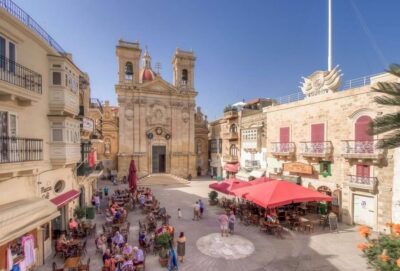
From Malta: Gozo Day Trip Including Ggantija Temples
Read our review →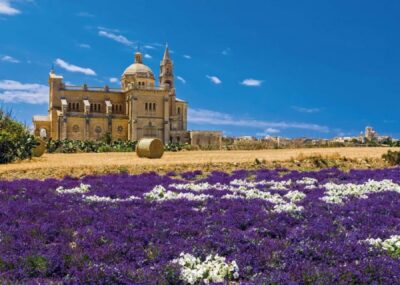
From Malta: Gozo Full-Day Tour with Guide, Temples, & Train
Read our review →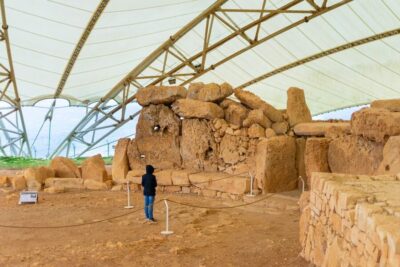
Malta: Prehistoric Temples, Limestone Heritage & Blue Grotto
Read our review →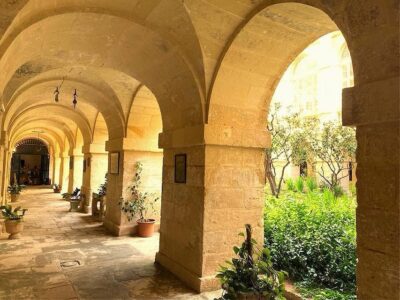
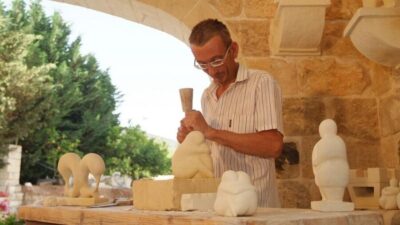
Valletta: Monastery and Secret Garden Entry Ticket
Read our review →
Gozo Guided Day Trip Incl. Ggantija Temples and Lunch
Read our review →
Malta: Prehistoric Temples and Highlights of the South
Read our review →
Gozo Full Day visiting Ggantija Temples, Salt Pans & Dwejra
Read our review →Browse the lists this tour appears in